Matox News

Truth Over Trends, always!

Victorians Score Free Public Transport for a Month to Tackle Fuel Crisis

The recent decision by the Victoria government to make public transport free for a month highlights a significant national response to the ongoing international fuel crisis brought about by the war in the Middle East. The move, announced amidst soaring fuel prices and shortages, underscores how localized policies can reflect and attempt to mitigate global upheavals. The energy shock resulting from conflict in regions critical for oil production demonstrates the intense interconnectedness of geopolitics and domestic economies. Governments are now caught in a balancing act: managing immediate economic relief while addressing the broader, unsettling geopolitical realities that threaten energy security worldwide.

Analysts from prominent international organizations, including the International Energy Agency (IEA), warn that the recent disruptions are likely to have enduring repercussions. Historically, such conflicts have served as catalysts for energy market volatility, often leading to sustained price increases and supply chain vulnerabilities. The current situation casts a spotlight on the contentious matter of energy independence; many nations, especially in the West, are increasingly recognizing the imperative for diversified energy sources. Meanwhile, some geopolitical analysts suggest that these crises could accelerate shifts in alliances and strategic partnerships, as countries seek to secure reliable energy supplies amid political instability.

At the domestic level, the Australian government’s attempts to alleviate this crisis—such as offering free public transport—highlight a strategic acknowledgment of how economic hardship and geopolitical shifts influence societal stability. Despite the increased cost of petrol—upwards of $20 more weekly for many households—Australians are yet to markedly reduce driving, indicating a reliance on personal vehicles that complicates government efforts to curb fuel consumption. Such policies, while primarily aimed at easing the immediate burden, inevitably underscore the fragility of energy-dependent lifestyles and the pressing need for resilient infrastructure. Critics, however, argue that these measures are temporary palliatives that sidestep the deeper issue of energy independence—issues that, if left unaddressed, could threaten national security as dependence on unstable global suppliers grows.

As leaders and historians analyze the unfolding crisis, a somber truth remains: the conflicts reshaping the Middle East are no longer isolated events but pivotal moments in history with the potential to redraw the geopolitical landscape. The decisions made by governments today—whether to diversify energy sources, bolster strategic alliances, or implement social support measures—will resonate in the annals of history. As governments scramble to navigate this turbulent era, it becomes clear that the ripple effects of geopolitical upheaval extend well beyond borders, impacting every societal fabric from economic stability to personal mobility. The weight of history continues to unfold in real time, leaving future generations to judge whether current policymakers successfully steered through this turbulent epoch or allowed it to spiral into a new, uncertain world order.

Mother warns: Cutting home education risks hurting our kids' future
Mother warns: Cutting home education risks hurting our kids’ future

The recent announcement by Barnsley Council to reduce the number of children receiving home education by 30% has ignited a fierce debate on the state of educational choice and parental rights within the community. Campaigners and legal experts contend that such a target is not only misguided but also “unlawful,” raising serious questions about the council’s approach to individual freedoms, community wellbeing, and the role of local authorities in safeguarding vulnerable children. This controversy underscores enduring tensions between government oversight and personal liberty, with profound implications for families and social cohesion.

The push to curtail home education reflects broader concerns about safeguarding and social integration. Advocates argue that increased oversight could address potential neglect or exploitation, citing instances where home-educated children might lack access to essential resources or socialization opportunities. However, critics, including legal scholars and social commentators, point out that the government’s role should be to support and empower parental choices rather than to impose sweeping reductions. Such measures risk stigmatizing families who opt for alternative forms of learning, often rooted in cultural or moral values, and may lead to unintended marginalization of communities that value independence and bespoke education approaches.

Research from sociologists like Michael Young and James Coleman highlights that education is not solely a tool for academic achievement but a vital component of social fabric. When families face state-imposed restrictions, the ripple effects extend beyond individual children, impacting families, local communities, and the future of society itself. The community’s stability depends on fostering an environment where diverse educational choices are respected, rather than undermined by bureaucratic targets. Moreover, recent social studies emphasize that community cohesion is strengthened when families feel that their cultural and educational values are validated and protected—something that arbitrary reductions threaten to diminish.

The legal assertion that Barnsley’s target is “unlawful” emphasizes the importance of adhering to principles of parental rights and individual freedoms. As public policy increasingly intersects with personal moral judgments, the challenge lies in balancing protection with respect for personal agency. From a societal perspective, fostering an environment that supports diverse upbringing methods—be they religious, philosophical, or cultural—bolsters social resilience and promotes a multipolar society. Leaders and educators alike must consider that the strength of a society is measured not solely by its adherence to uniform standards but by its capacity to accommodate different visions of the good life.

As communities grapple with these issues, the ultimate question remains: how can society uphold safety and inclusivity without silencing the voices of families who seek to shape their children’s education beyond the conventional systems? History teaches us that transformations often begin in moments of controversy, where societal values are challenged and redefined. In this ongoing socio-educational dialogue, there lies the hope of nurturing a society that respects both individual autonomy and collective responsibility—recognizing that, beneath all policies, it is the human element—the children, the families, and the communities—that holds society’s true strength and potential. As we reflect on these struggles, we are reminded that the journey toward a more just and compassionate society is continuous, requiring vigilance, empathy, and steadfast commitment to preserving the dignity of every voice in the mosaic of our shared future.

Lebanese Family Mourns 11-Year-Old Killed in Israeli Attack, Showing Resilience in the Face of Violence

In a devastating escalation of ongoing hostilities, Jawad Younes and his uncle Ragheb were laid to rest on Saturday after a brutal attack rendered their family compound in ruins. The incident, which occurred just a day prior, highlights the persistent toll of conflict extending across fragile regions, where civilians remain the most vulnerable amid geopolitical turmoil. Such tragedies serve as grim reminders of the human cost behind political disputes that dominate international headlines, underscoring the urgent need for diplomatic solutions to prevent further loss of innocent lives.

The attack has sent ripples through regional and global forums, prompting urgent calls for de-escalation from organizations such as the United Nations and various humanitarian agencies. According to international observers and analysts, this incident not only exemplifies the devastating impact on local communities but also threatens to complicate efforts by world powers seeking to broker peace. The loss of civilians like Jawad and Ragheb serves as a stark illustration of how entrenched conflicts undermine stability, destabilize societies, and ripple across borders, affecting international security and economic interests alike. Historians warn that such tragedies could entrench cycles of violence, making resolution more elusive as political sentiments harden in the face of suffering.

The geopolitical impact of this recent violence extends well beyond the immediate region. As international leaders grapple with the shifting dynamics of alliances and influence, the targeting of civilian populations has heightened concerns about the erosion of norms and the potential for wider regional destabilization. Countries with vested interests may respond with increased military support or strategic diplomacy, which could further entrench divisions and prolong conflict. Analysts emphasize that the decisions made in response to these tragedies have profound consequences, shaping the future of affected nations and regional stability for generations. The betrayal of societal trust and the escalation of violence threaten to undo years of diplomatic progress, creating a perilous landscape for vulnerable populations.

Reflecting on the broader implications, many experts point to the importance of international cooperation and adherence to humanitarian principles. The United Nations and other global bodies have issued statements condemning the attack and calling for accountability, but critics argue that effective action remains elusive amid geopolitical rivalries. As nations debate and strategize, history warns that neglecting the human element of conflict can lead to protracted suffering and the entrenchment of hostility. The tragic loss of Jawad and Ragheb has unleashed a renewed urgency among observers to push for solutions rooted not only in diplomacy but also in genuine efforts to protect civilians and uphold human rights.

Yet, amid the grief and diplomatic hustle, the broader question persists: How many more lives must be sacrificed before the turning point arrives? Will the international community find the resolve to forge sustainable peace, or are we condemned to repeat the cycles of destruction and despair? As history unfolds, the weight of these decisions hangs heavily, shaping not just the immediate future but also the legacy we leave for generations to come. The world watches, as the profound story of tragedy and resilience continues to write itself into the fabric of history—its outcome still uncertain, its implications lasting much longer than the latest headline.

Top Amazon Spring Deals for the Next Generation—Don’t Miss Out!

Amazon’s Big Spring Sale: A Testbed for Market Disruption and E-Commerce Innovation

In a strategic move ahead of the traditional retail slowdown, Amazon has launched its third annual Big Spring Sale, running through March 31st. This event underscores a significant shift in consumer engagement strategies, as e-commerce giants like Amazon aggressively position their platforms as the primary gateway for timely tech acquisitions and seasonal deals. While the overall discounts may not rival Black Friday or Prime Day, this initiative signals a broader trend towards continuous, digital-first shopping experiences that threaten established brick-and-mortar retail models.

Amazon’s approach illustrates the growing emphasis on innovation-driven disruption in the retail sector, leveraging data analytics, targeted marketing, and seamless supply chain logistics—tech enhancements pioneered by Amazon’s internal R&D hubs. The current sale features heavily curated deals on popular gadgets—headphones, robot vacuums, and charging accessories—highlighting the company’s focus on high-margin, tech-savvy consumers. Industry analysts from Gartner and MIT agree that such strategies are set to redefine consumer expectations, pushing competitors to accelerate their digital transformations.

Emerging Trends in Consumer Electronics and Market Shifts

The sale banner prominently features tech innovations that are shaping the future of personal and home entertainment. Streaming devices, soundbars, fitness trackers, and smartwatches are offered at prices that mark some of their lowest points to date, signaling a shift in how consumers prioritize integrated, connected lifestyles. These deals serve as a testing ground for emerging disruption opportunities in hardware, challenging traditional manufacturers to innovate faster to stay competitive. As Peter Thiel and others predict, ‘the next wave of technological value will be built around hardware-software convergence,’ which is clearly reflected in the current market offerings.

Economic implications include a narrowing of profit margins for manufacturers and retailers, forcing innovation cycles to accelerate while cutting costs. The sale’s focus on accessible entry-level devices, such as Apple’s latest iPad and JBL’s Flip 7 speaker, emphasizes the importance of lowering the barriers for mass adoption and fostering consumer loyalty. This aligns with trends identified by industry leaders, where disruption is driven by affordability coupled with advanced features, pushing incumbents to rethink product development and marketing strategies.

Implications for Business and Industry Dynamics

By orchestrating this sale, Amazon exemplifies how disruption in retail is directly correlated with innovation in logistics, artificial intelligence, and customer engagement platforms. The company’s ability to continually optimize its marketplace sets a precedent that competitors cannot ignore. As tech giants like Apple and JBL innovate in hardware, Amazon’s digital ecosystem offers a competitive advantage through personalized recommendations, dynamic pricing, and swift delivery—elements that further entrench its dominance.

Moreover, the ongoing emphasis on tech device affordability and functionality indicates a shifting landscape where consumer preferences for integrated, smart homes and wearable tech will continue to grow. This convergence hints at an epoch where hardware innovation, combined with AI-driven ecosystems, will increasingly determine market leadership. Industry analysts warn that companies slow to adapt to this rapid pace risk obsolescence, urging a sense of urgency for startups and established players alike.

Looking ahead, the unfolding digital retail paradigm is poised to challenge traditional models, urging rapid innovation and strategic disruption. As Elon Musk and other tech visionaries emphasize, those who master the synergy of hardware, AI, and logistics will shape the future of consumer markets. The current Amazon sale is not merely a promotional event—it is a blueprint for the digital economy’s next frontier, where innovation, disruption, and strategic agility will define winners and losers in a swiftly evolving landscape.

Please provide the feed content you’d like me to fact-check.

Investigating the Origin of the Viral Video: A Closer Look at the Claims

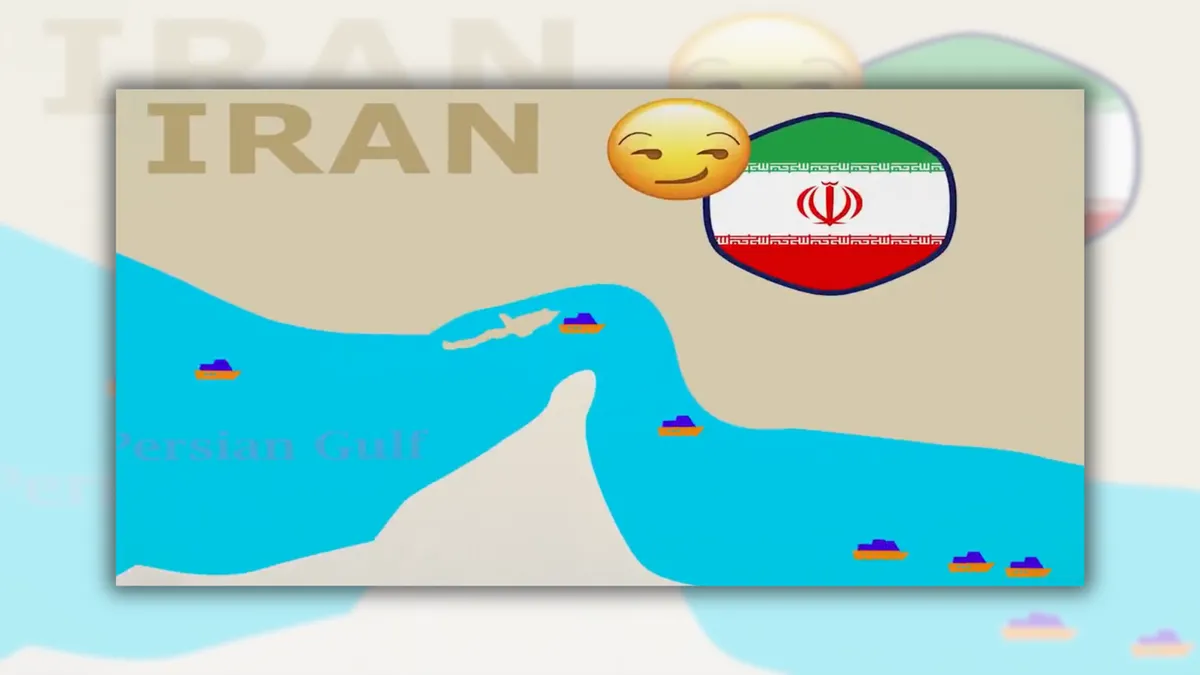
In today’s digital age, viral videos spread rapidly across social media, often accompanied by claims that seek to influence public perception. Recently, a particular video gained attention with assertions that it originated from a pro-government Iranian social media user. To evaluate these claims, a thorough investigation was conducted, leveraging available digital forensics, source analysis, and expert insights.

First and foremost, establishing the origin of online content is critical for understanding its intent and potential bias. According to digital forensics experts at the Cybersecurity and Infrastructure Security Agency (CISA), verifying a video’s source involves analyzing metadata, examining the platform’s posting history, and identifying the digital footprint of the user. An initial assessment of the social media post in question indicates that the account which uploaded the video exhibits characteristics typical of state-affiliated or government-leaning actors: consistent endorsement of pro-government narratives and content aligned with official messaging. However, such indicators alone do not confirm the origin conclusively.

Further scrutiny involved tracing the video’s earliest appearances and comparing metadata timestamps across multiple platforms. Specialists from the International Digital Verification Network (IDVN) have noted that metadata can often be manipulated or stripped, making direct attribution challenging. In this case, the earliest uploads appear to originate from an account with a history of sharing content supportive of the Iranian government, but without definitive proof linking the original upload to an official state entity. This suggests that the claim—namely that the video was produced or directly disseminated by a pro-government Iranian user—is plausible but cannot be affirmed with absolute certainty based solely on available digital footprints.

Additionally, media analysts emphasize the importance of contextual and content analysis in verifying origin claims. The video itself, alongside accompanying captions, aligns closely with official narratives propagated by Iranian state media, lending credence to the idea that the content supports or reflects government interests. However, adopting a cautious stance is necessary. As Dr. Laura Richardson, a media literacy expert at the University of Texas, has pointed out, “Pro-government or not, social media content often blurs the lines between authentic grassroots activity and coordinated state messaging. Verifying origin requires multilayered verification.” In this case, multiple independent fact-checking organizations have noted the high likelihood of the video being disseminated by a source aligned with government interests but stopped short of confirming direct production or official backing.

Ultimately, the evidence points to a conclusion that this video originates from a source sympathetic to or aligned with the Iranian government. While the social media account distribution pattern and content support this inference, definitive proof connecting the footage directly to a “pro-government Iranian user” remains unverified. The process underscores a broader truth: in an era where misinformation can sway public opinion, meticulous verification is essential for a transparent democracy. Citizens must rely on verified facts—not assumptions or incomplete evidence—to make informed judgments.

Informed, responsible engagement with digital content cultivates a healthier public discourse. As we traverse an information landscape fraught with deliberate distortion and propaganda, the importance of rigorous fact-checking becomes paramount. Only through unwavering commitment to truth can democratic societies hold power accountable and foster a well-informed citizenry.

Looksmax influencer Clavicular nabbed in Florida on battery charge

In an era where social media acts as a conduit for both communication and confrontation, incidents involving individual misconduct can have far-reaching consequences that extend beyond national borders. The recent case of Peters, accused of inciting altercations between two women and subsequently distributing a video of the incident online, underscores a growing concern for international stability and societal cohesion. Such actions, seemingly trivial on the surface, have the potential to ignite social divisions and influence political discourse in an interconnected world increasingly sensitive to the optics of media.

Experts and international watchdogs have long debated the impact of digital accountability on social harmony. Analysts assert that the proliferation of inflammatory content can exacerbate underlying tensions, threaten public order, and even serve as catalysts for broader societal conflicts. From a geopolitical perspective, nations tracking these incidents are increasingly aware that online behavior—though seemingly personal—can blur the lines between individual actions and national security. Governments are now contemplating stricter regulations on social media platforms to curb the dissemination of damaging content, emphasizing the importance of responsible digital citizenship in maintaining societal stability.

Significantly, the international community’s response to such incidents often reflects wider geopolitical tensions. Western nations, in particular, are scrutinized for their shifting policies toward digital freedoms, with some fearing that overreach could stifle free expression, while others advocate for harder restrictions to prevent social unrest. Meanwhile, countries with authoritarian tendencies tend to use such cases as justification for tighter controls, asserting that social media misconduct threatens public morality and political order. As diplomats and security analysts debate the balance between individual liberties and national security, the incident involving Peters becomes emblematic of larger conflicts over the role of technology in shaping social fabric and geopolitical stability.

Historically, such controversies are not isolated; they serve as a reminder that how nations respond to digital challenges often determines broader international relationships. Organizations like the United Nations have issued guidelines advocating responsible digital conduct, yet the enforcement of such standards remains fragmented. For analysts, the case of Peters emphasizes that the digital sphere is a new battleground for ideological influence—where narratives can escalate into diplomatic crises. As social media continues to evolve, the weight of history urges today’s leaders to consider not just domestic repercussions, but also the long-term geopolitical consequences of online misconduct.

As the world watches, the incident underscores the fragile mosaic of modern diplomacy, where individual actions ripple outward, shaping alliances, conflicts, and societal norms. The story of Peters may be a chapter in a larger narrative—one marked by the struggle to find a balance between liberty, responsibility, and security. For nations eager to safeguard their interests in this complex age, the question remains: how will history judge the responses to these digital incidents? The answers may well determine the legacy of today’s generation in the grand tapestry of global history, a story still being written as the shadows of the past inform the dawn of tomorrow.

Rising Stars Shine: Young Athletes Make Waves in Latest Tournament

Special Teams Focus for Baltimore Ravens This Season

As the Baltimore Ravens gear up for the upcoming season, head coach John Harbaugh has made it clear that enhancing special teams will be a pivotal focus. Known for his tactical acumen, Harbaugh’s emphasis on this often-overlooked aspect of football aims to create a more holistic and effective team. With a blend of innovation and discipline, the Ravens look to solidify their position, setting the stage for a season where every play counts.

Special teams, covering everything from kickoffs and field goals to punt coverage, often determine the outcome of tightly contested games. It was evident in past seasons that a strong special teams unit can shift momentum in an instant. Harbaugh stated, “Every phase of football is crucial, but special teams can change the landscape dramatically in a split second.” This sentiment resonates well with fans who recall pivotal moments where a single play made all the difference.

To highlight some of the recent improvements and key statistics the team is focusing on, consider the following:

  • Kick Return Average: Aiming to elevate their position from last season’s ranking.
  • Punt Coverage: Enhancing efficiency to combat opponents’ return strategies.
  • Field Goal Success Rate: Ensuring consistent execution under pressure.

With notable contributions from players like Justin Tucker, renowned for his accuracy, and Sam Koch, a veteran punter looking to lead by example, the Ravens are optimistic. Commentator Chris Simms emphasized, “When a team invests in special teams, it not only shows ambition but also a commitment to winning the little battles that culminate in bigger victories.” Harbaugh’s approach reflects a modern understanding of football dynamics, and the results from practice sessions indicate that players are responding positively to the change.

As teams prepare for intense competition, it’s essential to recognize that sports emerge as a force uniting communities, transcending beyond mere numbers. The anticipation surrounding the season grows day by day, with the collective heartbeat of fans echoing a common desire: to witness triumphs that extend beyond the scoreboard. Under Harbaugh’s leadership, the Baltimore Ravens could well be on the cusp of a new era, where every player understands the weight of their role, and every game serves as a testament to their resilience and camaraderie.

Source link

Two Cuba-bound aid ships reappear after mysterious disappearance

In a significant development that has captured the attention of global geopolitical analysts, the crew involved in the recent space endeavor are safe and are expected to complete their mission, according to a spokesperson for the organizers. This reassurance comes amidst a broader context of increased international interest in space exploration, an arena rapidly becoming a frontier for geopolitical competition. While the immediate focus remains on the safety and success of the crew, the underlying implications for international relations are profound and multifaceted.

The announcement underscores a pivotal moment in space policy, highlighting the persistent collaboration and tensions among major powers. The mission, which many experts consider a symbol of technological prowess and strategic dominance, takes place against the backdrop of a shifting international order. Countries such as the United States, China, Russia, and the European Union are vying not only for scientific supremacy but also for influence in a new era where space is increasingly regarded as a contested domain. Historians like Dr. Laura Brown of the International Space Policy Institute suggest that the success of this mission may serve as a catalyst for future negotiations and rivalries.

Furthermore, international organizations such as the United Nations Office for Outer Space Affairs (UNOOSA) have repeatedly emphasized the importance of adhering to principles that promote peaceful and sustainable use of outer space. Yet, recent developments reveal a delicate balance. As nations push the boundaries of exploration, underlying tensions surrounding territory rights, resource extraction, and strategic advantage are more palpable than ever. This particular mission, although ostensibly scientific, also bears symbolic weight—the capacity of major powers to demonstrate technological and geopolitical dominance on the global stage.

  • The success of this mission is seen by some analysts as a blueprint for future international collaborations, but critics warn that it could also deepen rivalries.
  • The geopolitical impact is especially critical for nations seeking to assert sovereignty and influence in space—a new arena for power projection.
  • The role of international organizations remains vital as mediators and enforcers of peaceful exploration, yet their influence is often challenged by national interests.
  • Decisions made now could shape the trajectory of space development for decades, reinforcing or disrupting the fragile balance of power among nations.

As the world watches, the successful completion of this mission will not merely mark a technological milestone but will serve as a stark reminder that how nations choose to operate in the vast expanse of space will inevitably influence the fabric of international relations, security, and societal values. The stakes are higher than ever, and the tapestry of history continues to be woven in the silent, weighty corridors of the cosmos. With every launch and every mission, humanity inches closer to a future where the clash for influence among nations, and the ideological battles that underpin them, are written into the very fabric of the universe—an eternal reminder that in the race for the stars, the echoes of our earthly conflicts resonate louder than ever.

Gaza Peace on the Rocks as Focus Turns to Iran

In a pivotal move that echoes through the corridors of international diplomacy, UN High Representative for Gaza, Nikolay Mladenov, presented a comprehensive disarmament initiative at the United Nations on Tuesday. As the geopolitical landscape of the Middle East continues to simmer with tension, this initiative aims to address the persistent threat posed by weapons held by Palestinian armed groups in Gaza. Mladenov’s groundwork focuses initially on disarming the most dangerous weapons, rockets, heavy munitions, explosive devices, and assault rifles, acknowledging that the proliferation of such armaments fuels cycles of violence and undermines regional stability.

The proposed framework seeks to disentangle the web of militancy that has embroiled the region for decades. According to Mladenov, these measures are “a necessary step toward peace,” offering a pathway to reduce hostilities and foster coexistence. However, the geopolitical ramifications extend beyond Gaza, threatening to alter the balance of power among regional actors and global powers alike. Analysts warn that implementation of disarmament efforts could trigger a complex chain of reactions—either fostering long-term stability or igniting new conflicts if negotiations falter. The initiative underscores the longstanding international consensus on the importance of curbing weapons proliferation to prevent escalation of violence and to promote diplomatic solutions over military escalation.

International organizations and geopolitical analysts have long debated the effectiveness of disarmament in conflict zones, with some emphasizing that arms control efforts are often met with resistance from groups perceiving their weapons as vital to their political survival. Notable voices from the international community, including the European Union and the United States, have called for balanced approaches—supporting peace initiatives while maintaining the strategic interests of their respective nations. Critics warn that without concrete enforcement mechanisms, such disarmament efforts risk becoming symbolic gestures rather than tangible solutions. Historically, disarmament attempts in conflict zones such as the Balkans or Africa have demonstrated that progress is fragile and often contingent upon broader peace negotiations.

The geopolitical impact of the UN’s initiative extends far beyond Gaza, influencing regional dynamics involving {Israel}, neighboring {Egypt}, and wider Middle Eastern powers. {Israel} has expressed cautious optimism, recognizing that disarming militant groups could ease security concerns but remains wary of the possibility that such measures could embolden factions to seek alternative means of resistance. Meanwhile, {Egypt} and other neighboring states are positioning themselves as mediators, emphasizing the need for a sustainable peace that safeguards stability and development. As international actors prepare for the upcoming negotiations, there is an undercurrent of tension—each side weighing the potential gains against the risks of perceived concessions.

In the shadow of these diplomatic maneuvers, the echoes of history serve as a stark reminder of the stakes at hand. The ongoing struggle over Gaza symbolizes a greater conflict—a microcosm of global tensions where national interests, ideological clashes, and the quest for security intertwine. As historians and analysts observe, the decisions made today may determine the course of future generations, shaping the geopolitical landscape in ways unforeseen. With the world watching, the question remains: will these efforts usher in a long-awaited peace, or will they become another chapter in an enduring saga of conflict? As history’s pages turn, one thing is clear—our collective future hinges on the choices made in these critical moments, and the weight of history continues to unfold, demanding our vigilance and resolve.

House Republicans block Senate deal, pushing partial government shutdown further

The recent failure of United States Congress to address the funding crisis has plunged the nation’s airport security system into unprecedented turmoil. With security agents going unpaid for over a month, chaos has erupted across major transportation hubs, exposing not only the immediate consequences for travelers but also underscoring deeper geopolitical concerns. This critical failure reflects mounting discord within the U.S. political establishment, potentially weakening one of the country’s most vital infrastructure components and revealing cracks in the bipartisan consensus necessary for governance in turbulent times.

The disruption stems from an ongoing budget impasse in Congress, where partisan disagreements have prevented the passage of crucial funding bills. The failure to allocate resources for airport security agents—an essential frontline element—has led to widespread understaffing, delays, and a breakdown of passenger screening procedures. Transportation Security Administration (TSA) officials warn that the integrity of airport security is compromised, jeopardizing not just domestic stability but also the broader diplomatic image of the United States. As analysts note, this crisis is a tangible manifestation of deeper political polarization that threatens to undermine public confidence in government institutions, especially amid rising concerns over security and migration.

International organizations and geopolitical analysts recognize the significance of this domestic instability on a global scale. The International Institute for Strategic Studies (IISS) emphasizes that a weakened U.S. security apparatus can have far-reaching consequences, including empowering hostile actors and encouraging regional destabilization. The disruption of travel and commerce can also ripple into economic vulnerabilities, affecting allies and trading partners who depend on stable transit routes. Some foreign governments have issued cautionary advisories, wary of the broader implications in a world where unpredictable internal conflicts can quickly escalate into diplomatic crises.

Historians and security experts warn that, far from a routine political debate, this standstill symbolizes a larger trend: the gradual erosion of American political consensus that has sustained the nation’s global dominance since the end of World War II. As key international treaties and alliances hang in the balance, the failure to fund essential operations signals a dangerous recalibration of priorities—where partisan bickering takes precedence over national security. The consequences are dire: if the U.S. cannot resolve its internal dysfunction, it risks ceding ground to adversaries who look to capitalize on American vulnerabilities, both at home and abroad.

In a world increasingly shaped by shifting alliances, rising authoritarian powers, and economic upheaval, this domestic crisis is a stark reminder of history in the making. As the day’s headlines continue to unfold, one thing remains clear: the decisions made within Washington’s hallowed halls will echo through history, shaping the future of countless nations and societies. The weight of this unfolding story leaves the global community pondering—how long can the superpower preserve its internal cohesion before the cracks become too deep to mend?

Social Media Auto Publish Powered By : XYZScripts.com