Matox News

Truth Over Trends, always!

Trump’s Gut-Driven Tactics Fail to Deliver

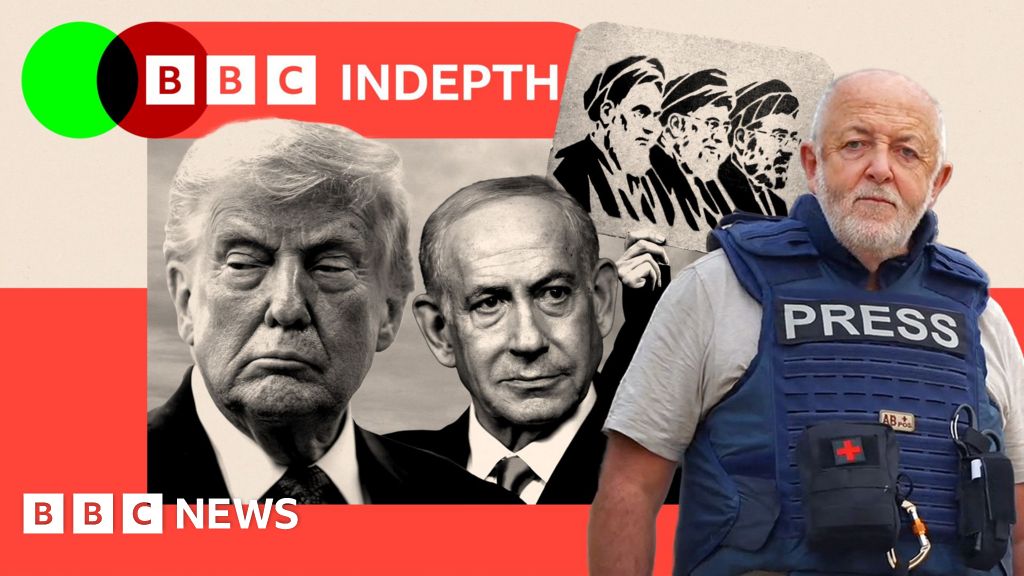
One month into the escalating conflict in Iran, the international community is observing a critical turning point that could reshape regional stability and global power dynamics. Under the shadow of widespread protests and a challenged government, President Donald Trump’s reliance on a gut-instinct approach to policy is increasingly coming into question. Analysts caution that traditional methods might lack the necessary precision and strategic foresight required in a volatile geopolitical environment, especially amidst the complex history of Iran’s resistance to external influence and internal upheaval.

Multiple events over the past month have underscored the limitations of reactive diplomacy in the ongoing crisis. The Trump administration’s emphasis on swift, decisive action—often driven by instinct rather than coordinated strategy—has faced mounting skepticism from foreign policy experts and international organizations. The U.S. State Department and Congress are now debating the effectiveness of sanctions, military posturing, and diplomatic isolation — efforts that have so far failed to stem the unrest or foster meaningful negotiations. Meanwhile, regional powers such as Saudi Arabia and Israel monitor developments closely, wary of a potential power vacuum that could embolden Iran’s adversaries or destabilize the Middle East further.

The geopolitical impact of these shifting strategies extends beyond the Middle East, with analysts warning that decision-makers worldwide need to recalibrate their approach to crisis management. International institutions, including the United Nations, have called for renewed dialogue and restraint, yet the lack of unified action highlights a growing confidence gap among global powers. Historians point to past conflicts where reactive policies—often motivated by domestic political pressures—resulted in prolonged instability rather than resolution. Today’s scenario presents a stark reminder of how short-term instincts can undermine long-term peace efforts and deepen divides among nations.

  • Efforts to impose targeted sanctions on Iranian leaders and key institutions have yet to quell the protests or address underlying grievances.
  • The possibility of military interventions looms, but experts warn such actions could escalate into wider regional conflicts with unpredictable consequences.
  • Diplomatic negotiations remain stalled, with neither side willing to compromise or engage in meaningful dialogue.
  • International organizations call for a de-escalation, but their influence is limited without a cohesive strategy rooted in long-term stability rather than reactive measures.

As the crisis evolves, the stakes for global security are immense. Historians and analysts warn that blindly reacting to developments without a comprehensive understanding of Iran’s internal dynamics risks a spiraling conflict that could destabilize the broader Middle East, disturb global energy markets, and challenge the very fabric of international diplomacy. How world leaders respond in the coming days will determine whether this chapter of unrest becomes a catalyst for reform or a catalyst for chaos. As history continues to be written, the weight of these decisions will echo through generations, revealing whether they committed to foresight or succumbed to instinctual impulses — an enduring testament to the importance of strategic wisdom in navigating the uncertain waters of geopolitics.

Matthieu Blazy’s Iconic Chanel Look Is About to Take Over the Streets

In a moment where economic uncertainty has reshaped consumer priorities, the fashion industry is witnessing a compelling shift in societal perception of luxury. Chanel, long associated with exclusivity and haute couture, is now making a strategic move to redefine what luxury means in the digital age. Thanks to the visionary work of Matthieu Blazy, the brand has launched a campaign that seamlessly blends nostalgia, accessibility, and cultural relevance. The viral success of the campaign—featuring Margot Robbie channeling Kylie Minogue’s 2002 music video—epitomizes this new philosophy: luxury as an aspirational yet attainable lifestyle.

Blazy’s approach is brilliantly rooted in social relevance. His campaign pays homage to a nostalgic era—early 2000s Y2K fashion fused with the timeless code of Coco Chanel—while making it accessible through high-street reproductions. Major brands like Zara, H&M, and Mango have quickly jumped on this wave, offering capsule collections and inspired pieces that echo the campaign’s aesthetic. M&S has introduced bouclé-inspired jackets with gold buttons for just £55, translating luxury into a price range that resonates with the everyday consumer. Meanwhile, denim from Uniqlo and H&M’s washed blue jeans demonstrate how fashion’s new mantra is “wearability over elitism”. This democratization of style highlights that luxury is no longer reserved for an exclusive few but embedded in the day-to-day wardrobe of young consumers.

Influencers and fashion analysts suggest this trend carries huge cultural and social significance. Ella Baynes of Savvy Marketing points out that, amid a cost of living crisis, aspirational yet achievable fashion becomes a powerful tool to maintain brand relevance. Julia Hobbs, from British Vogue, describes a Chanel jacket paired with jeans as “fashion’s version of the perfect pop song,” signaling a shift where high-end designers seek to evoke joy rather than just allure. This approach aligns with a wider societal trend of embracing *ownable* luxury—where pieces can be mixed and matched to reflect one’s personal narrative—making high fashion more inclusive and lifestyle-oriented.

Yet, this cultural shift invites the question: as luxury brands become more accessible through affordable interpretations and social media buzz, what does this mean for the future of exclusivity? Is the aspiration for rarity fading, or is this simply a strategic evolution to stay relevant in a rapidly changing cultural landscape? As the next chapter unfolds, we should be asking not only how these trends will reshape consumer behavior but also whether the concept of “luxury” itself is undergoing a fundamental redefinition—one that questions the very notion of societal hierarchy rooted in exclusivity and wealth.

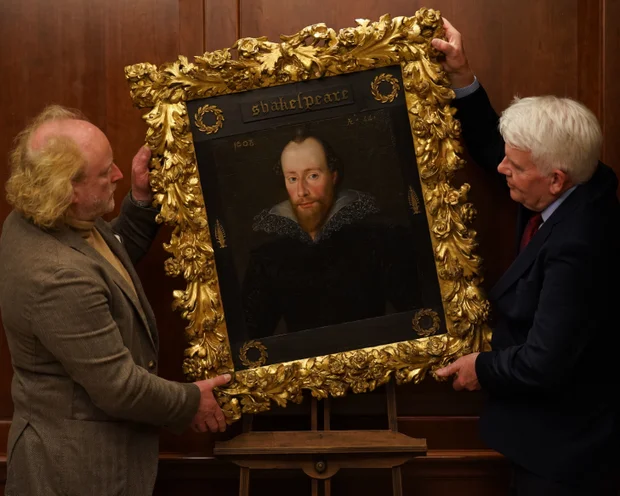
Can You Guess Who Said It? Shakespeare, Cantona, or Chatbot? – Test Your Style Savvy! | Life & Style

In a society increasingly captivated by the pursuit of authentic well-being and lifestyle improvement, the way we engage with our daily routines and cultural shifts shapes the very essence of personal fulfillment. Despite the noise of political gaffes and the digital age’s quirks—like the recent controversy over authors relying on AI for content—the core remains clear: meaningful living is rooted in an informed pursuit of truth, curiosity, and self-awareness. This approach resonates deeply with the values of modern youth who seek a lifestyle that balances mental clarity and personal growth.

Leading cultural and wellness experts, from Jordan Peterson to Dr. Joe Dispenza, emphasize that a mindful lifestyle isn’t just about transient trends but involves embracing a journey of constant discovery. In this age of information, it’s no surprise that we seek clarity through activities that challenge our perceptions—like engaging with quizzes that test our knowledge of great historical quotes, literature, or even pop culture. These mental exercises serve as a reminder that self-education and inquisitiveness are vital to forging a resilient, self-assured identity, especially in an era where misinformation can easily distort our understanding of reality.

Traveling beyond the digital space, it’s essential to recognize that true lifestyle evolution involves cultivating moments of wellness and leisure. Whether it’s exploring heritage cities or practicing mindfulness during a walk in nature, these activities nourish the mind and body alike. As cultural icons like Eric Cantona or Jane Austen remind us through their memorable quotes, embracing life’s complexities with a sense of humor and curiosity can steer us toward a more transformative existence. The journey of lifestyle is less about superficial fixes and more about aligning daily actions with our deepest values—trusting that the pursuit itself is where fulfillment resides.

Key Takeaways for Embracing Your Lifestyle Journey

  • Prioritize personal authenticity by engaging with content that challenges and inspires you
  • Seek moments of mindfulness and leisure to foster mental clarity and resilience
  • Stay curious about history, culture, and literature—they serve as guiding lights in your journey
  • Remember that self-education is a lifelong pursuit that shapes your worldview and confidence

Ultimately, the lifestyle journey is about more than fleeting trends; it’s a profound embrace of continuous growth and self-discovery. Like the timeless Shakespearean words that remind us of our existential questions, or the famous declarations from political and cultural icons, our lives are a series of stories waiting to be shaped with intention. In a world full of distractions and misinformation—where even the most reputable sources can falter—our commitment to authentic knowledge and personal upliftment becomes the real testament to a life well-lived. So, amid the chaos and the quizzes, look inward and take the next step in your ongoing journey toward a richer, more rewarding lifestyle. After all, this is not just a phase—it’s a legacy in the making.

Noah Wyle Returns to A&E with New Drama The Pitt: A Call for Empathy in Today’s Stories

In an era where Hollywood frequently churns out ephemeral entertainment, the return of a familiar face—most recently from the medical drama genre—serves as a compelling reminder of how television still functions as a mirror to our collective consciousness. The actor, renowned for his role on ER, reprises his craft in a new American series, embodying a physician grappling with post-traumatic stress disorder (PTSD). This role is more than mere entertainment; it encapsulates a profound reflection on the intersection of medicine, trauma, and moral responsibility. It underscores that our culture’s narratives are not simply escapism but are vital in shaping the moral fabric and self-understanding of society.

Throughout history, medicine and healing have transcended their practical dimensions, becoming symbols embedded in the cultural identity of nations. Classic works like Hippocrates’ Oath reaffirm the sacred trust placed in physicians, echoing through time as a testament to societal values rooted in service and moral integrity. Today, stories that highlight the psycho-social struggles of medical professionals—such as PTSD—serve as contemporary embodiments of those ancient ideals. In this context, the actor’s portrayal offers a mirror to the modern crisis of authenticity and moral purpose in healthcare. Just as T.S. Eliot suggested that poetry is a measure of cultural renewal, so too does this series offer a reflection of our societal soul, grappling with its wounds and seeking healing.

Culture, in its essence, is the moral memory of a society—a repository preserving our shared hopes, fears, and identities. Philosophers like Ortega y Gasset have argued that the vitality of a civilization depends on its capacity to forge enduring narratives and uphold tradition amidst rapid change. The resurgence of interest in stories centered on trauma and recovery signifies this cultural phenomenon: a desire to confront, to remember, and ultimately to transcend the fractured aspects of modern existence. In viewing this series, one perceives not merely a drama about a physician, but an allegory of societal resilience—a testament that our collective identity is continually reborn through the trials of our history and the hope of our future.

As the actor steps into the role of a healer haunted by his own scars, he personifies a timeless truth: that culture is both a memory and a prophecy. It is the echo of past virtues and the foretelling of future values. From the classical temples of Greece to the digital age, humanity has sought meaning in stories—stories that remind us that even amid chaos, there is order; in despair, there is hope; and in suffering, the seed of renewal. Thus, as we gaze upon this new medical drama, let us remember that it is not merely a spectacle but a vital chapter in the ongoing narrative of human perseverance, an ode to the enduring human spirit that, through its struggles, continues to forge meaning and hope in the timeless journey of civilization.

Teacher survey reveals staffing shortages hurting SEND support for students

Global Education Challenges and the Future of Inclusivity

The recent survey conducted by the National Education Union (NEU) in England casts a stark light on an escalating crisis that transcends national borders and demands urgent international attention. With nine out of ten teachers reporting oversized classes and staffing shortages, the fundamental ability to support children with special educational needs and disabilities (Send) is under severe threat. These issues, rooted in inadequate resource allocation and systemic neglect, threaten to undermine the very ideals of inclusive education—values that resonate across democracies and authoritarian regimes alike. The implications of these failures extend far beyond Britain, serving as a cautionary tale for countries worldwide wrestling with the balance between educational ambitions and practical constraints.

As Britain’s government announces its comprehensive white paper aimed at reforming the Send system, international analysts scrutinize the plan’s potential to effect real change. The proposal emphasizes assessing pupils with special needs and creating personalized support plans—yet, as highlighted by Daniel Kebede, NEU’s general secretary, the main obstacle remains resourcing: “Mainstream schools are simply not staffed or funded to meet current needs.” The government’s pledge of £1.6bn over three years and additional funds for specialists and teacher training may appear substantial, but experts argue these figures are insufficient for the massive overhaul required. With only the most complex cases qualifying for education, health, and care plans (EHCPs), millions of children currently fall through the cracks, echoing a global pattern of neglect in education systems unprepared for the rising tide of special needs support demands.

From a geopolitical perspective, this domestic crisis serves as a broader warning: when nations fail to invest in their future through education, they risk stagnation and social division. According to international organizations such as UNESCO, equitable access to quality education is a cornerstone of sustainable development; yet, many countries are grappling with similar issues, especially as economic disparities widen. The European Union, the United Nations, and other global bodies have recognized that the success of inclusive education hinges on political will and resource commitment. Failure to act decisively endangers not just individual lives but the stability of societies in an increasingly interconnected world where human capital is the linchpin of progress.

Moreover, leading historians and political analysts warn that national policies on education are often a reflection of deeper societal values and priorities. The current crisis in Britain’s schools underscores a broader tendency among many developed nations to underfund social services while maintaining military and geopolitical influence on the world stage. As conflicts persist from Eastern Europe to the Indo-Pacific, the focus on military might often overshadows pressing social issues—yet, the failure to nurture the next generation with inclusive policies may breed long-term instability. The international community watches as the unfolding story of Britain’s education reform reveals how decisions made today—regarding resource allocation, policy priorities, and societal values—will shape the global order tomorrow. The echoes of neglect today may become the upheavals of tomorrow’s history, a reminder that the battle for inclusion is as much a geopolitical struggle as it is an educational one.

As the twilight of this chapter approaches, the weight of history hangs heavy. Will the international community learn from Britain’s struggles, or will it watch in silence as opportunities for true inclusivity fade into the shadows of political inertia? The future remains unwritten, but one fact is clear: whether nations rise or fall on the strength of their social fabric, the true measure of greatness lies in their ability to support those most in need. The pages of history are turning, and in the silence ahead, the echoes of neglect threaten to resound for generations to come.

Suno Boosts Power with v5.5 Customization Features

Suno Unveils Major AI Music Model Update, Signaling a New Era of Creative Disruption

In a bold move that underscores the rapid innovation reshaping the music industry, Suno has launched version 5.5 of its groundbreaking AI music model. This update introduces features that promise to redefine how creators generate and manipulate music, positioning Suno at the forefront of the AI-driven creative revolution. As companies continue to push the boundaries of artificial intelligence, Suno’s latest platform emphasizes user control and customization, signaling a paradigm shift in digital music production and royalties management.

The highlight of the version 5.5 release is Voices, a feature that has been highly anticipated across the digital creative ecosystem. This innovation enables users to train Suno’s AI model on their own voices, effectively creating personalized AI performers capable of singing on command or collaborating on produced tracks. By uploading clean acapellas, tracks with backing music, or even singing directly into a microphone, users can leverage their vocal likeness with minimal data input—thanks to advances in AI fidelity. Experts from MIT and industry analysts highlight that such personal voice cloning could revolutionize content creation, democratizing access for independent musicians and artists who previously lacked resources.

The implications for the business landscape are profound; ownership, copyright, and monetization models will undoubtedly evolve as AI-generated performances become indistinguishable from human vocals. To bolster security and address concerns of voice theft, Suno incorporates verification protocols. However, technology giants like Elon Musk’s OpenAI warn that these safeguards are only as strong as upcoming AI detection measures, as AI voice synthesis becomes increasingly sophisticated. Meanwhile, the ability to generate AI-based outputs with personalized voice models opens up new avenues for music publishing, licensing, and innovative marketing strategies—placing Suno’s technology directly in competition with traditional recording studios.

In addition to Voices, Suno delivers Custom Models, allowing artists to train AI on their entire catalog—uploading at least six tracks—thus shaping AI responses to their unique style. The personalization further extends with My Taste, which learns user preferences over time, automatically guiding the AI to generate content aligned with current genres, moods, and artist influences. This ecosystem of customization represents a significant disruption for industry players, enabling creators to produce and iterate with unprecedented speed and precision. Industry leaders and analysts note that such tools accelerate the shift toward autonomous creative workflows, reducing reliance on traditional gatekeepers and expanding the reach of independent artists.

While the premium features—Voices and Custom Models—are presently restricted to Pro and Premier subscribers, the overall platform’s accessibility signals a market-ready, democratized innovation. As the AI music landscape intensifies with competitors aiming to leverage similar technologies, the message is clear: disruption is accelerating, and those who fail to adapt risk obsolescence. Industry veterans like Peter Thiel emphasize that the future belongs to the quick adopters who harness AI to enhance creativity and scalability. With Suno’s latest update, the music industry stands on the cusp of a revolution—one driven not just by technology, but by an urgent need for creatives and businesses alike to embrace change or fall behind.

As AI continues to redefine artistic boundaries, the pressure mounts for regulatory frameworks, intellectual property protections, and ethical standards to keep pace. Nevertheless, the core innovation remains clear: AI-powered tools like Suno’s v5.5 exemplify how technology disrupts conventional models, unlocking vast new business opportunities and challenging established power structures. The next decade will likely be shaped by these advancements, demanding visionary leadership and strategic agility from industry stakeholders eager to stay relevant. The message for the future is unequivocal: the race towards AI-driven creative dominance has begun—and only the prepared will lead.

Egypt Orders Shops and Eateries to Close Early Amid Growing Energy Crisis

In a decisive move triggered by an urgent need to address escalating energy shortages, several governments around the world are implementing strict measures to reduce power consumption. Notably, retail and dining establishments are now mandated to close by 21:00 for the next month. This directive, introduced in the name of national security and economic stability, underscores the profound shift in energy policy and the far-reaching implications for societies entrenched in consumer-driven economies.

The decision to curtail operating hours reflects a broader crisis underscored by global analysts, who warn that rising energy costs, supply chain disruptions, and geopolitical tensions are converging into a perfect storm. International organizations, including the International Energy Agency, have issued statements acknowledging that the measures are a short-term response to prevent more profound economic collapse. However, critics argue this move signals a turning point—a departure from previous norms that could have lasting repercussions on societal norms, employment, and the fabric of daily life.

Historically, such draconian measures have been seen in periods of national crisis, often preceding major geopolitical shifts. From wartime rationing to economic austerity, governments have used restrictions like these to demonstrate resilience and control. Yet, modern economies built on consumerism and extended operational hours now face an unprecedented challenge: balancing energy security with maintaining economic vitality. Prominent sociopolitical analysts, including Dr. John Matthews, emphasize that these policies likely herald a new period of government intervention, where the state’s role in everyday life becomes more intrusive and impactful.

Indeed, geopolitical impact extends beyond the immediate economic sphere. Countries enforcing such measures may experience altered international relations, especially if their energy shortages are perceived as stemming from geopolitical conflicts or manipulations. As nations grapple with scarcity, they may adopt protectionist policies, favoring domestic industries and disadvantaging foreign counterparts. The decision to impose cutoff times on retail and dining could also be a precursor to more stringent restrictions, which might include rationing, supply prioritization, or even border controls — all mechanisms that reshape global trade and diplomacy.

In this unfolding chapter of history, where energy scarcity threatens to reshape the socio-economic landscape, the implications for the future of globalization are profound. As the world watches how nations respond—some with cooperation, others with confrontation—the stage is set for perhaps the most pivotal geopolitical contest of our times. The silence of shuttered shops by night masks a burgeoning conflict not only over resources but over the very structure of modern society. As history unfolds, it begs the question: are these temporary measures the harbinger of a new order, or will they ignite resistance that redefines power and resilience in the centuries to come?

High School Teams Gear Up for Championship Clash: Excitement Builds as Season Finale Approaches!

Game Day Highlights: A Showdown of Titans

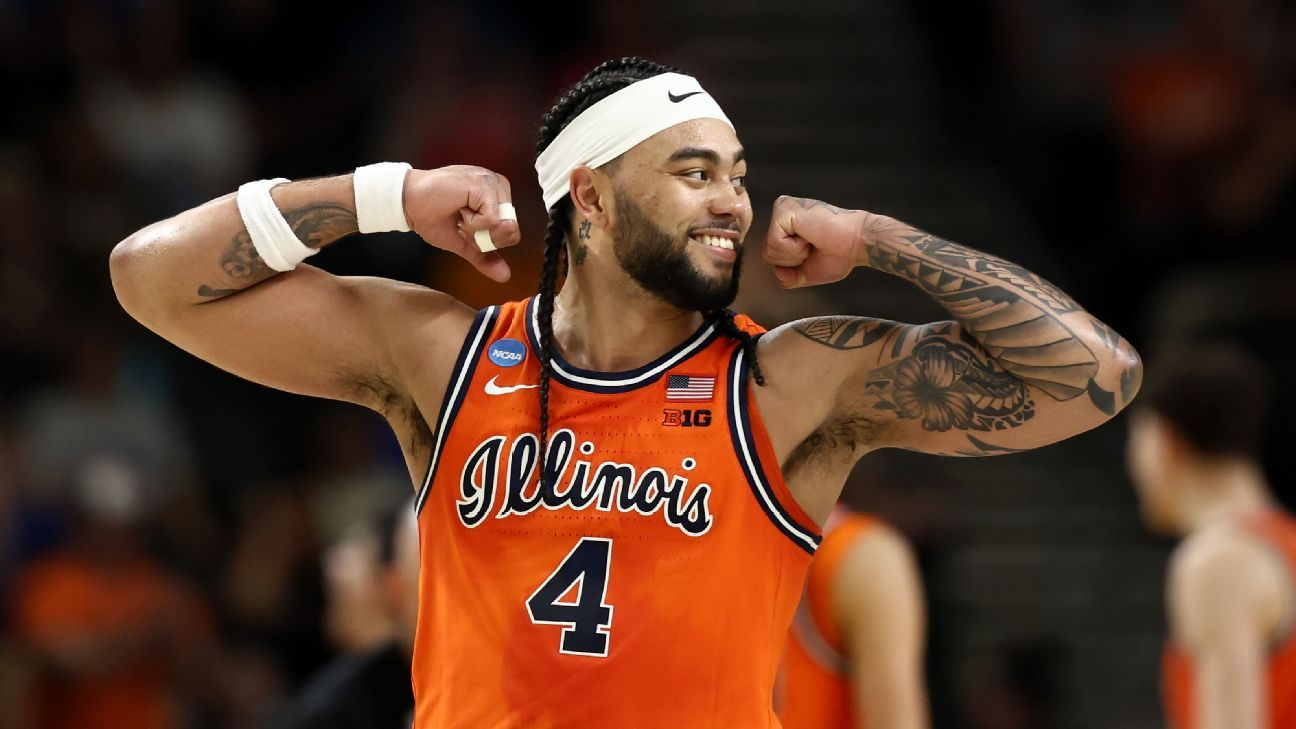
In a thrilling matchup that kept fans on the edge of their seats, the New England Patriots faced off against the Dallas Cowboys in a high-stakes game that showcased the resilience and tenacity of both squads. The contest concluded with a score of 28-24, favoring the Patriots, further solidifying their position as a formidable force in the league. This game was not just about the points on the board; it was a testament to strategy, nerve, and the electrifying atmosphere of America’s favorite sport.

From the outset, the Patriots came out swinging. Quarterback Mac Jones displayed exceptional poise, completing 23 of 30 passes for 305 yards and two touchdowns. However, it was his ability to lead crucial drives in the fourth quarter that stole the spotlight. As one commentator noted, “Jones plays with a maturity beyond his years, showing he can handle pressure like an experienced veteran.” His leadership was pivotal during critical moments, including a game-winning drive that culminated in a stunning touchdown pass to rookie standout Tyquan Thornton

The Cowboys weren’t to be overshadowed, however. With an impressive performance from running back Ezekiel Elliott, who rushed for over 120 yards, the team kept pace and came close to snatching a last-minute victory. Coach Mike McCarthy remarked afterwards, “Our team fought valiantly, but we fell short in the final moments. We need to build on this experience.” The Cowboys’ defense, led by linebacker Micah Parsons, applied constant pressure, sacking Jones multiple times, yet ultimately, the team could not secure the late-game stop they needed.

  • Game Score: Patriots 28, Cowboys 24
  • Top Performer: Mac Jones – 305 passing yards, 2 TDs
  • Key Moment: Fourth-quarter touchdown pass to Tyquan Thornton
  • Significant Stats: Ezekiel Elliott – 120 rushing yards

As the final whistle blew, it was clear that this spectacle was about much more than mere victory or defeat. It represented unity, passion, and the spirit of competition that bonds fans, players, and communities together. In sports, emotions run high, bringing together people from all walks of life, proving once again that the game transcends the scoreboard. In a world often divided, moments like these remind us of the unifying power of sports, where rivalries ignite, but respect and camaraderie ultimately prevail.

Source link

No Kings protests sweep the US, rallying against Trump influence

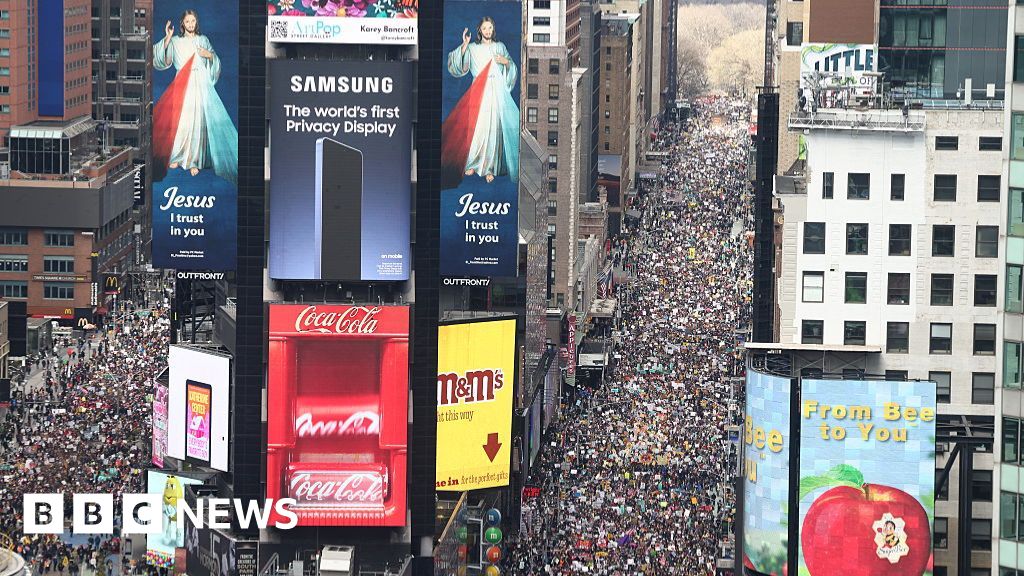
On Saturday, cities across the United States are expected to witness a wave of mass demonstrations against the Trump administration. These rallies, fueled by widespread discontent over recent policies and political rhetoric, underscore a broader domestic and international debate about the direction of American governance. While rooted in U.S. internal affairs, the protests resonate globally, reflecting anxieties about the influence of U.S. leadership on global stability and values.

In recent years, analysts and international organizations have closely scrutinized the shifting paradigms of American foreign policy under President Donald Trump. Critics argue that his approach—characterized by a confrontational stance on trade, climate accords, and international institutions—has redefined the geopolitical balance. Experts from institutions like the Council on Foreign Relations have warned that such unilateralism could erode decades of multilateral diplomacy, encouraging other nations to adopt more aggressive postures. Meanwhile, supporters contend that his policies restore American sovereignty and prioritize national interests — a view that finds substantial backing among youth segments and nationalist movements across various nations.

The planned protests are emblematic of a period of intense societal upheaval that transcends borders.

  • They echo historic moments where mass mobilization altered political landscapes.
  • They serve as a reminder that domestic unrest often acts as a mirror for international discord, especially when rises in populism or nationalism gain momentum.
  • The demonstrations also highlight the ongoing tension between globalist institutions—such as the United Nations or European Union—and rising sovereign nations asserting their independence.

From a geopolitical impact perspective, these protests symbolize a potential shift in how societies perceive authority and influence. Governments worldwide are watching closely, as rising civil unrest can threaten entrenched power structures or accelerate a reevaluation of their own policies regarding internal dissent. As historians like Dr. Laura Chen have noted, moments of intense internal division often precede significant historical turning points. These demonstrations may signal a new chapter—one where the forces of nationalism, tradition, and sovereignty challenge the liberal global order relentlessly evolving in the post-Cold War era.

Ultimately, the weight of history presses heavily upon the unfolding narrative—each chant, each march, each speech contributing to a larger story of nations choosing their destiny amid the tumult of change. The world watches, already marked by shifting alliances and emerging conflicts, as the American questions of leadership and principles become a fulcrum for the future of global order. The outcomes of these protests are not merely localized acts of civil discontent but are threads woven into the broader fabric of history, whose pattern remains painfully uncertain yet undeniably consequential.

No Kings Protests: Massive Global Rally Against Trump and the Deep State

Unrest Ignites Global Resistance: The Geopolitical Impact of America’s Domestic Movements

In recent months, the United States has witnessed an unprecedented surge in mass protests, echoing beyond its borders and shaping the geopolitical landscape in ways few anticipated. Drawing inspiration from concepts like the 3.5% protest rule, which posits that sustained mass participation by even a fraction of the populace can topple authoritarian regimes, American citizens have mobilized at an astonishing scale. From the expansive No Kings protests against the Trump administration to demonstrations demanding accountability for immigration, climate, and social justice, these grassroots movements are redefining the boundaries of civic activism and challenging traditional power structures in democracy.

According to political analysts and historians like Dr. Erica Chenoweth of Harvard Kennedy School, such high levels of participation—sometimes estimated in the millions—signal a potential turning point for American democracy. However, the ripple effect is felt more broadly. Countries across Europe, Asia, and the Middle East are observing these protests closely, with many seeing parallels in their own struggles against authoritarian populism, far-right extremism, and elite dominance. In the UK, the Together Against the Far Right march drew nearly half a million multicultural advocates—outpacing some national policies—indicating that resistance is now a universal language of the youth, especially when political elites falter or ignore the grassroots.

The geopolitical impact of such movements extends beyond simple protests; they threaten the stability of fragile regimes and influence international relations. The coordination of protests in multiple US states—especially in Minneapolis, where activists rallied against police brutality and immigration enforcement—has been likened by foreign policy experts to a modern form of soft power. Countries like Russia and China are reportedly monitoring these unrests, aware that the spread of such resistance challenges not just the U.S. political order but also global narratives about liberal democracies. As the Crowd Counting Consortium reports over ten thousand protests in 2025 alone—an increase of over 130% from previous years—the world witnesses a new era where domestic upheaval becomes an international phenomenon.

Added to this, measures taken by the U.S. government—such as deploying federal troops and militarized police—highlight a troubling shift toward authoritarian tactics, inspiring reactions worldwide. The protests in London, Porto, and Berlin reflect a shared sentiment: that rising extremism and the erosion of democratic safeguards are issues that transcend borders. International organizations and democracy advocates warn that unless the collective voice of the youth and marginalized is heeded, the dominoes could begin to fall across nations, triggering a global crisis of legitimacy.

As history continues to unfold, it remains uncertain whether these protests will catalyze genuine systemic reform or escalate into more authoritarian crackdowns. Seared into the collective memory are images of millions marching against what they perceive as the betrayal of democracy, with the specter of history—like the upheavals of the civil rights era—looming just beyond the horizon. What is undeniable, however, is that this formidable wave of resistance signals a profound shift: a stark reminder that in the theater of geopolitics, the power of the people cannot be underestimated, and the pages of history are once again being written—sometimes with the blood of confrontation, but always with the indomitable spirit of youth revolution.

Social Media Auto Publish Powered By : XYZScripts.com