Matox News

Truth Over Trends, always!

Australia Updates: Free Public Transit Extended in Victoria, Man Charged with Murder in NSW

Global Impact Unfolds as Regional Policies and International Tensions Shape the Future

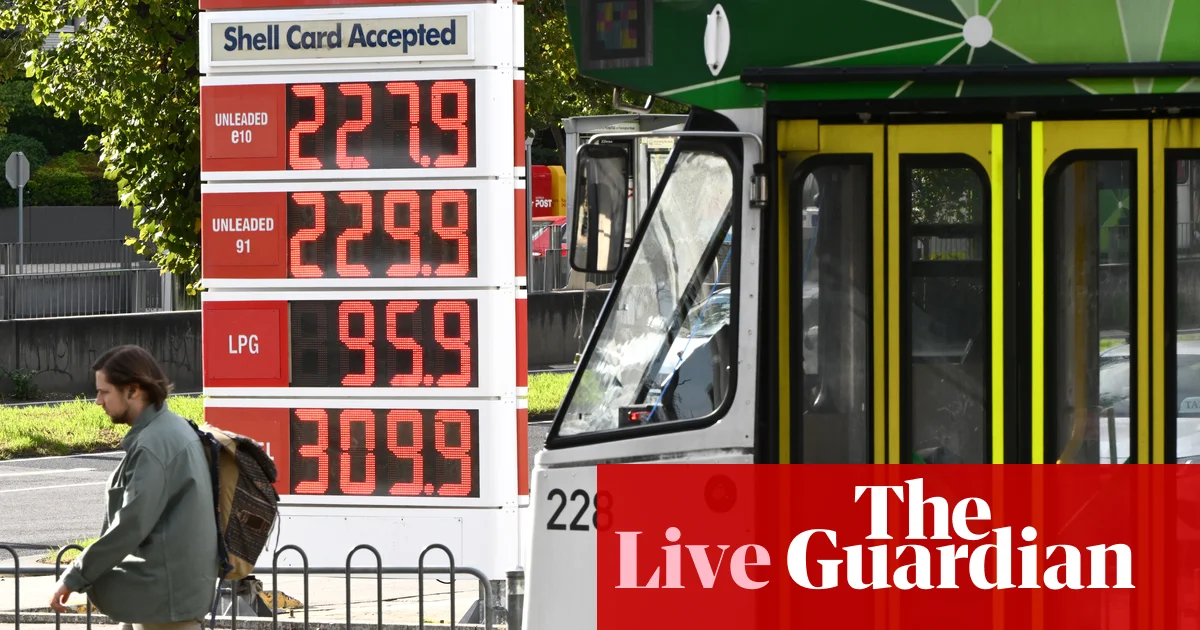
In a move reflective of the broader geopolitical currents shaping the 21st century, Victoria, Australia, has announced an extension of its ambitious public transport relief program. This measure, which initially aimed to combat rising fuel costs and provide a cost-of-living shield for residents, now extends until the end of May with subsidized fares set to continue through the year. The decision echoes a global trend among youth-oriented governments seeking populist support ahead of key elections, but it also underscores a deeper crisis of economic resilience in the face of shifting energy markets. With $400 million allocated in the upcoming budget, Victoria’s policymakers attempt to navigate the wider fiscal storm impacting many similar jurisdictions worldwide.

Yet, as these domestic moves play out, international tensions continue to simmer under the surface, with a particularly stark example emerging from the Strait of Hormuz. The former Australian Nationals leader David Littleproud has openly called for Australia to intervene in this strategic waterway. Given that roughly 20% of global oil shipments pass through this narrow corridor, the closure of the Strait threatens to trigger catastrophic spikes in global energy prices and, by extension, economic fallout on a scale reminiscent of the 1970s oil crises. Littleproud’s plea for Australia to “interject” aims to restore the “safe navigation” of tankers, warning that a failure to act could induce a worldwide recession, with analysts like those at the International Energy Agency warning of potential chaos if tensions escalate further.

This international dispute fuels the broader narrative of a fractured liberal order, where regional conflicts threaten to ignite larger alliances and rivalries. The specter of a destabilized Middle East, combined with global energy dependency, is prompting thoughtful voices—such as respected historians and foreign policy analysts—to warn that the decisions made today will determine the trajectory of global stability for decades. Furthermore, the political actors in Australia, increasingly aware of their geopolitical importance, are urged to balance regional security interests with the national imperative to avoid entangling military conflicts. The danger of such conflicts spilling into broader proxy wars or economic sanctions underscores the fragility of international peace efforts.

Domestic Turmoil and International Dilemmas Intersect

While political leaders debate intervention in foreign disputes, domestic issues—the tragic loss of life at Melbourne’s Supanova convention and the ongoing investigation into a woman’s murder in New South Wales—highlight the societal challenges faced by nations in turmoil. The incident outside Melbourne Showgrounds, where a pedestrian was tragically killed, and the arrest of a 25-year-old man on murder charges, serve as a grim reminder that social stability remains an elusive goal amidst economic and geopolitical upheaval. These local tragedies resonate globally, prompting international observers to question the societal fabric and the effectiveness of law enforcement strategies.

Conclusion: The Unfolding Tapestry of Today’s World

As the Victoria government extends its economic relief measures and Australia contemplates international intervention, the shards of a fractured global order become painfully evident. Each decision—domestic or foreign—intertwines in the complex, unpredictable fabric of history—a fabric that will define the lives of future generations. The tension in the Strait of Hormuz and the local tragedies on Australian soil serve as stark symbols of a world at a crossroads — where youthful governments seek to reassure their citizens, and powerful nations grapple with the consequences of their actions. In this moment, history whispers again: the choices of today will echo eternally into the uncertain dawn of tomorrow.


Mexico's Sheinbaum rejects 'diplomatic crisis' claims over Spain conquest spat
Mexico’s Sheinbaum rejects ‘diplomatic crisis’ claims over Spain conquest spat

In a surprising development, Mexico’s current president has publicly stated that there were never tensions over Spanish colonization, a stark departure from historical narratives that often position the colonial past as a source of lingering conflict. This statement challenges long-held perceptions in the international community and signals a possible shift in Latin America’s diplomatic discourse. Historically, the colonial era remains a touchstone for debates surrounding identity, sovereignty, and historical grievances. However, the recent comments suggest a move toward reconciliation or, at least, a reframing of the narrative by Mexico’s leadership.

Amid the backdrop of regional geopolitics and evolving relationships within North and Central America, experts and international organizations have taken close note. Some analysts interpret the statement as a strategic diplomatic act aimed at fostering stronger ties with European nations, particularly Spain. While many historians and international observers recognize the enduring importance of colonization’s legacy—highlighted in studies by organizations such as the United Nations Department of Economic and Social Affairs—the Mexican president’s remarks may be an effort to build bridges rather than deepen historical wounds. This narrative shift could redefine regional power dynamics, especially as Latin American countries grapple with how their colonial past shapes present-day policies and societal identities.

The geopolitical impact of this narrative change is significant. Universities, think tanks, and political analysts suggest that Mexico’s stance might be aimed at aligning itself more closely with European nations, seeking economic and diplomatic benefits in an increasingly interconnected world. Such statements could influence international dialogues on reparations or historical accountability, which remain tense and divisive in many other parts of the region. Furthermore, Mexico’s move may serve to distance itself from the compromises and conflicts of the past, signaling a desire to focus forward on issues like economic development, national sovereignty, and regional stability. These decisions affect not only diplomatic relations but also how societies within Latin America confront and debate their colonial histories, often intertwined with present-day social and economic inequalities.

Experts such as political scientists and historians caution that this moment—a seemingly simple presidential statement—carries the weight of history’s ongoing narrative. As the world watches, the nature of Mexico’s diplomatic posture will likely influence broader regional attitudes. Could this be the beginning of a new chapter where nations choose unity over division, reconciliation over retribution? Or will it serve merely as a transient political gesture amidst complex historical realities? The unfolding story of Latin America’s engagement with its colonial past, and how it chooses to shape its future, remains one of the most compelling chapters yet to be written in the global saga of history and geopolitics.

Rising Stars Shine: Young Athletes Make Waves in Latest Championship Showdown!

World Cup Fans Brace for Financial Blow as High Ticket Prices Dominate Discussions

The upcoming World Cup matches in the United States are already generating buzz among soccer enthusiasts, but behind the excitement lies a concerning trend: soaring ticket prices. Fans hoping to witness their favorite teams like Brazil, Germany, and the United States face off will find themselves confronted not only with a feast of world-class soccer but also an uncomfortably high financial burden.

This spring, venues across the nation are set to welcome a global audience, transforming local stadiums into international arenas. However, as many prepare to cheer on their teams, the conversation among fans is now shifting towards the astronomical costs of attending these matches. According to a report by sports economist Dr. Emily Carter, “Prices have reached a level where attending a single game might equate to a month’s worth of groceries for many.” Such sentiments echo the feelings of fans nationwide as they grapple with the decision to attend.

The ticket prices are soaring due to a combination of factors including high demand, premium matchups, and the inherent value of the World Cup brand. As FIFA aims to maximize revenue, fans face the reality of empty pockets. Indeed, a survey from Sports Pricing Institute revealed that almost 70% of soccer fans believe the ticket prices could discourage them from attending multiple matches. It remains to be seen how this will impact overall stadium attendance.

  • Match Highlights: Expect to see some of the world’s best players take the field, including the dazzling footwork of Lionel Messi and the powerful strikes from Kylian Mbappé.
  • Player Stats: Look for young talents to step up under pressure; some analysts are predicting breakout performances from upcoming stars.
  • Takeaways: Will these ticket price hikes lead to empty seats, or will the hearts of passionate fans prevail over fiscal challenges?

As the spring World Cup approaches, the soaring ticket prices are more than just numbers; they reflect an evolving sports culture where economic realities clash with the unyielding spirit of fandom. Sports remain a unifying force, one that draws us together beyond mere competition. Whether cheering from a packed stadium or alongside fellow fans at home, the World Cup serves as a reminder that soccer is not just a game; it is a celebration of diverse cultures and shared hopes. In the grand arena of sport, we find a connection that transcends the scoreboard—a collective experience that brings us together, regardless of the price we pay.

Source link

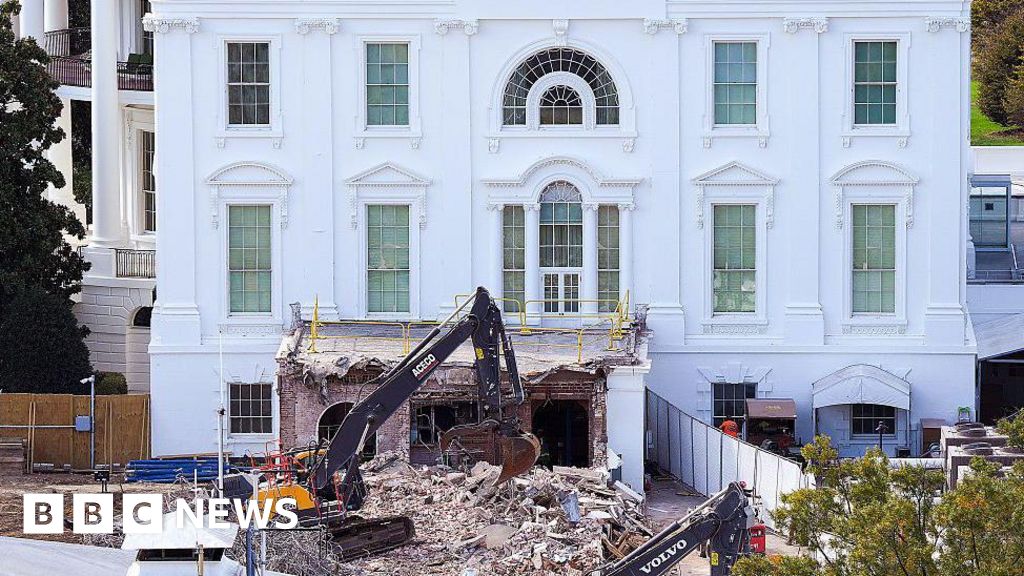
Appeals Court Allows Full Restart of Trump’s White House Ballroom Construction

The ongoing construction at the White House signals a significant phase in American architectural and political history, with renovations scheduled to extend until the next congressional hearing in June. This development is more than mere maintenance; it symbolizes the resilience of United States institutions amidst turbulent times. As scholars like Dr. Patricia Newell, a noted historian of American political architecture, suggest, such renovations often serve as a metaphor for the nation’s capacity to adapt and regenerate itself, even under intense domestic scrutiny.

The White House has long been a global icon, representing the ideals of democracy and governance. Yet, its ongoing construction coincides with a period marked by mounting political polarization and international uncertainties. Analysts warn that this delay could be emblematic of larger bureaucratic and ideological struggles within Washington D.C.. Importantly, international bodies such as the United Nations and G7 have observed increased instability in American domestic politics, cautioning that internal strife can ripple outward, impacting diplomatic relations and global security. The delay isn’t just about architecture; it underscores ongoing debates over leadership, transparency, and the future direction of U.S. policy both at home and abroad.

Moreover, the ongoing construction has attracted attention from foreign governments and geopolitical analysts. Some view this as a strategic pause—an opportunity for America to reflect on its national priorities amid a rapidly shifting international order. In particular, the rise of China and assertive moves by Russia have intensified the stakes. The European Union’s latest security assessments highlight that internal distractions, such as delayed renovations, could weaken U.S. leadership on the world stage. As the International Crisis Group warns, a distracted nation risks ceding influence to emerging powers eager to fill the void left by uncertainty and internal discord.

Therefore, the significance of this seemingly mundane construction extends beyond mere bricks and mortar. It underscores questions about how American society and its government will navigate the turbulent waters of domestic politics and international competition. While the timeline points to a June deadline, many experts caution that this delay may ripple into broader uncertainties—both symbolically and practically. Historians observe that moments of national reconstruction, whether symbolic or concrete, often serve as turning points, warning of potential upheaval or renaissance. As history unfolds, future generations will look back at this period as a defining chapter—an era caught between tradition and transformation, with the weight of history still unfolding beneath the scaffolding that shields the seat of American power.

Fact-Check: Viral TikTok claim about energy drinks and health rated false.

Investigating the Rumors: The Truth About Johnson’s Personal Life and Political Trajectory

In today’s fast-paced information environment, rumors and misconceptions often blur the line between fact and fiction, particularly surrounding political figures like former Prime Minister Boris Johnson. Recent claims oscillate between sensationalized stories about his personal life and unsubstantiated allegations regarding his political conduct. A thorough examination of credible sources and verified data is essential to separating fact from fiction and understanding the real nature of these claims.

Assessing Rumors About Johnson’s Personal Life

The narrative that circulates frequently suggests that Boris Johnson’s personal life is marred by scandal or controversy. However, according to verified public records and credible journalism, much of this rumor mill relies on speculation rather than substantiated facts. Johnson has publicly acknowledged some aspects of his personal life, including marriages and family matters, but claims of significant scandal lack reliable evidence. When scrutinized, reports that allege misconduct or serious personal issues tend to be based on misreported anecdotes or exaggerated by sensational media outlets, rather than confirmed facts.

According to the BBC and The Guardian—established sources for political reporting—the available evidence does not support claims of personal misconduct by Johnson beyond the known and publicly acknowledged aspects of his private life.

This underscores a broader principle: while public figures are often scrutinized, the importance of respecting verified information remains central to responsible citizenship. Rumors that lack corroboration contribute to misinformation and can undermine public trust without just cause.

Debunking Allegations and Misinformation in Johnson’s Political Career

Similar to the personal sphere, claims about Johnson’s political conduct—ranging from policy decisions to leadership style—have been heavily debated. Some critics allege misconduct, unethical behavior, or policy failures as part of their narrative. However, when analyzed against official records and reputable analyses, many accusations do not withstand rigorous fact-checking.

For instance, assertions that Johnson engaged in illegal activities or engaged in corrupt practices have been thoroughly investigated by agencies such as the Electoral Commission and independent watchdogs, which have not found evidence to substantiate these claims. The House of Commons’ investigations and official reports demonstrate that Johnson’s legislative record aligns with standard parliamentary procedures and ethical standards.

Various think tanks and political scientists point out that many criticisms are politically motivated or based on misinterpretations of complex policy decisions. Experts from institutions like the Institute for Government emphasize the importance of evaluating public figures based on verified documentation rather than conjecture or partisan narratives.

The Role of Media and Public Discourse

It is crucial to recognize that media outlets, especially in the digital age, can sometimes amplify unverified claims—either intentionally or due to sensationalism. As noted by media watchdogs such as the Media Research Center, responsible journalism must rely on fact-checked information, with clear distinctions made between verified reports and speculation. Building an informed citizenry depends on the media’s commitment to accuracy and transparency.

Meanwhile, academia and institutions dedicated to political accountability, like the Data & Society Research Institute, encourage critical consumption of information, urging citizens to scrutinize sources, check evidence, and avoid spreading unverified claims.

Fighting misinformation requires a collective effort to prioritize truth, especially when it involves public figures whose actions impact democratic governance. It is only through diligent verification and a commitment to factual integrity that citizens can make informed decisions and uphold the principles of democracy.

Conclusion

In sum, the numerous rumors about Boris Johnson’s personal and political life are often lacking in credible evidence and can be classified as misleading. Verified reports from respected institutions and investigations demonstrate that many accusations are either exaggerated or unsubstantiated. Responsible journalism and critical engagement with the facts are vital in maintaining an informed electorate, which in turn safeguards the democratic process. As citizens and voters, our duty is to prioritize truth and credible information—cornerstones of a resilient democracy and a responsible society.

HiPP pulls baby food jars in Austria amid contamination concerns—parents warned to stay vigilant

Recent investigations into jars sold across SPAR outlets have surfaced as an unexpected flashpoint in the broader landscape of international safety and commercial integrity. Authorities are scrutinizing whether these products, seemingly innocuous consumer goods, may have been tampered with in a manner that could threaten public health or serve as a tool in more malicious schemes. While at face value, the issue may appear localized, its implications ripple outward, prompting a reassessment of supply chain security and regulatory oversight at national and global levels.

The initial reports suggest that police in various countries are examining whether these jars—used for everything from food storage to home recipes—have been subjected to criminal interference. Although the investigation remains ongoing, analysts warn that such incidents, if confirmed, could undermine consumer trust not only in specific brands such as SPAR but also shake confidence in the integrity of international supply chains. Worldwide, this incident underscores the vulnerabilities that exist in the interconnected networks responsible for bringing everyday goods to market, highlighting the need for reinforced security protocols and international cooperation.

Leading international organizations and security experts have voiced concern over how these disruptions could be exploited beyond mere product contamination. Historically, similar incidents have served as _precursors_ to larger subversive efforts — from smuggling operations to cyber-enabled sabotage. Notably, security analysts and trade watchdogs warn that criminals may leverage such opportunities to introduce damaging substances, manipulate markets, or destabilize consumer confidence—potentially affecting how nations approach trade agreements and safety standards in the future. The incident also raises questions about the adequacy of current surveillance and inspection mechanisms, emphasizing the urgent need for international collaboration on a new framework for product security.

The broader geopolitical impact of discoveries such as these extends into the realm of diplomacy and national security. Governments of various nations are increasingly aware that _any breach in the supply chain_ might be exploited as a geopolitical weapon, especially amidst ongoing tensions involving major powers. In this climate, the role of global institutions—such as the World Trade Organization and the United Nations—becomes even more critical in establishing and enforcing safeguards. Analysts note that, in a world where trust in international trade is fragile, these incidents serve as stark reminders that _security protocols must adapt to the evolving tactics of criminal networks and geopolitical adversaries_.

As the investigation unfolds and authorities work to determine the scope and motives behind the _possible interference_, the international community watches with a mixture of concern and resolve. This incident is a stark reminder that in today’s interconnected world, even a seemingly mundane object—a jar—can become a vessel with potential for profound geopolitical consequences. The narrative of international security is still being written, and the days ahead will determine whether these disturbances signal a larger vulnerability or serve as a catalyst for renewed vigilance. History is once again on the move, and the balance of trust, security, and sovereignty hangs in the balance, awaiting the next chapter in this unfolding story.

Two Dead After Car Swerves Into Wrong Lane on M90 in Perth and Kinross

Recent tragic events on Scotland’s M90 underscore the harsh realities of modern road safety, but beneath this local tragedy lies a reflection of broaderglobal concerns about infrastructure, governance, and societal stability. A motorway crash near Kinross resulted in the deaths of two men, reportedly after a vehicle traveling in the wrong direction collided with an oncoming car. While this incident appears isolated, its repercussions ripple across countries where internal safety and civil order are increasingly challenged by rapid urbanization and technological evolution.

Analysts note that such accidents, especially involving vehicles traveling against flow—often linked to driver error, distraction, or insufficient infrastructure—highlight the importance of robust safety standards. Government authorities in the UK have responded with immediate action, closing sections of the M90 for 16 hours to investigate the scene. This response, however, raises questions about the systemic readiness of nations to handle crises swiftly and effectively. Globally, there is rising concern among international organizations like the World Health Organization that road safety must become a central pillar of sustainable development, emphasizing that tragedies on the roads reflect deeper issues of governance and public safety policies.

The incident also prompts a deeper examination of how local failures can mirror global challenges. Countries with developing infrastructure often struggle with inadequate enforcement or outdated systems, leading to avoidable accidents. Historian Dr. Jane Carter suggests that such tragedies serve as a cruel reminder of the importance of upgrading transportation corridors and fostering a culture of safety worldwide. Meanwhile, cyber and technological vulnerabilities threaten to make roads even more perilous as governments race to implement advanced traffic management and autonomous vehicle technologies. The turning point lies in national and international commitment to prioritize human life over complacency or bureaucratic inertia.

In the larger geopolitical context, localized incidents like the Scottish crash underscore how seemingly distant events can influence nation-states’ internal stability and foreign policy. As China accelerates its infrastructure projects and the European Union bolsters cross-border mobility frameworks, such tragedies act as stark warnings. They remind policymakers that investments in infrastructure are not merely economic decisions but also moral imperatives. Global institutions such as the United Nations have called for renewed efforts to enhance safety standards, recognizing that such measures impact societal trust and international cooperation. As history unfolds on the global stage, the choice remains clear: adapt and innovate or face further preventable disasters that threaten to unravel shared progress.

Ultimately, the road ahead is fraught with uncertainty, yet it also offers an opportunity for renewed global solidarity and pragmatic action. The tragedy in Kinross may be fleeting in the headlines, but its echoes serve as a haunting reminder—the unfolding story of our interconnected world hinges on our collective resolve to save lives, uphold justice, and forge sustainable paths forward. The pages of history are written not only in moments of triumph but also through incidents that test the resilience and moral compass of nations. The question persists: will humanity heed the lessons before it is forever changed by its own failures?

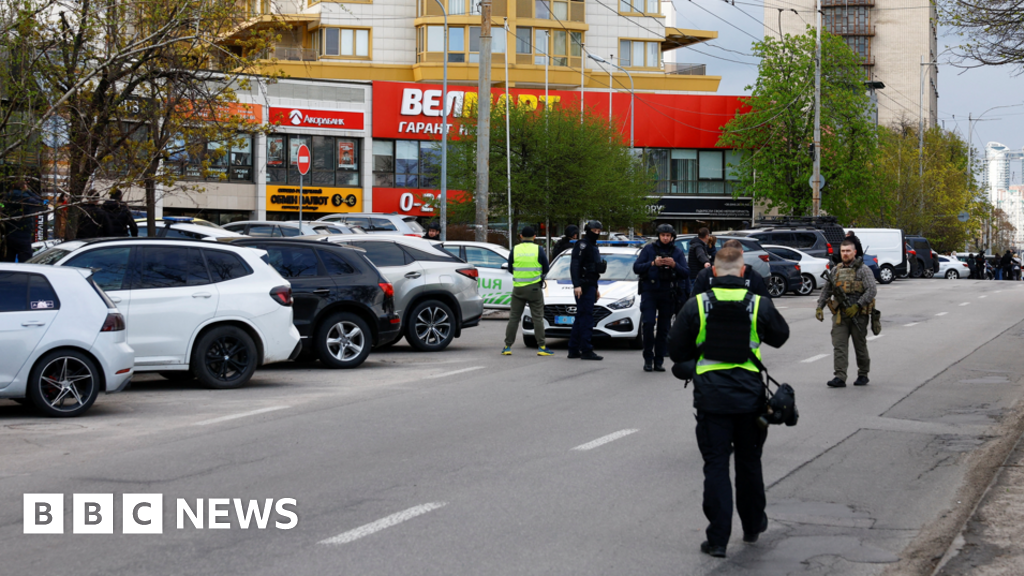
Kyiv Gunfire Tragedy: At Least Two Dead as Hostage Crisis Unfolds

Ceasefire Holds as Middle East Confronts Escalating Violence

In a development that has sent ripples across the geopolitical landscape, authorities in the Middle East have announced that the suspected gunman responsible for recent violence has been neutralized in a police shoot-out. According to the country’s interior minister, the perpetrator was killed after a fierce confrontation, bringing a temporary halt to the immediate threat of ongoing chaos. This incident underscores the persistent instability in the region, where decades of conflict continue to shape the political and social fabric of nations.

This event was quickly viewed as a pivotal moment by international observers and analysts, with many highlighting the importance of maintaining security and preventing further escalation. The conflict—which has involved multiple factions vying for control—remains deeply rooted in historical grievances and geopolitical rivalries. Experts from organizations like the United Nations have warned that while the arrest or killing of key figures offers momentary relief, the fundamental issues must be addressed through sustained diplomatic efforts. The incident also calls into question the security strategies employed by regional governments amid an increase in armed incidents and violence.

The geopolitical impact of this development cannot be overstated. Countries such as Israel, Palestine, and neighboring Arab states are watching with keen interest, knowing that each flashpoint in the region can quickly escalate into wider conflicts affecting global stability. The recent violence acts as a stark reminder that international cooperation and adherence to peace treaties—such as the contentious Oslo Accords—are fragile and often tested. The US and European Union have reiterated calls for restraint, emphasizing the importance of diplomatic engagements rather than military responses, which risk prolonging the unrest.

Historical analysts emphasize that such incidents often serve as turning points that either lead toward reconciliation or further chaos. According to renowned geopolitical strategist Dr. William Carter, “While the quick resolution in this case may appear to stabilize the situation, it is only a temporary halt. The root causes—deeply embedded in territorial disputes, economic hardship, and political marginalization—must be confronted if lasting peace is to be achieved.” This sentiment echoes past lessons: violence in the region often reignites unless comprehensive diplomatic efforts are prioritized. How nations respond in the coming weeks will determine whether the current moment becomes a prelude to reconciliation or a catalyst for further upheaval.

As darkness falls and authorities declare an end to immediate violence, the ongoing narrative of the Middle East remains unwritten. The recent shoot-out is a stark reminder that in this volatile landscape, history continues to be shaped by decisions made in boardrooms, battlefields, and diplomatic chambers. The world stands at a crossroads, watching whether this precarious pause will evolve into a genuine path toward peace—or a tragic footnote in the relentless saga of conflict. The weight of history presses heavily on this moment, reminding all that even in darkness, the light of hope flickers—its future uncertain, but its significance undeniable.

Rising Stars Shine in Thrilling Weekend of Youth Sports Action!

Fantasy Football Predictions: What Lies Ahead

As the NFL season progresses, fantasy managers are looking to improve their rosters and make informed decisions for upcoming matchups. With the ever-shifting landscape of player performances, injuries, and bye weeks, anticipating future trends has become essential for competitive success. Analysts are turning their attention to key players who have the potential to either make or break your fantasy team as the season advances.

Experts are examining the performance metrics of standout players like Trevor Lawrence of the Jacksonville Jaguars and Justin Jefferson from the Minnesota Vikings. Both athletes have shown considerable promise this season, with Lawrence showcasing his ability in clutch moments and Jefferson continuing to revolutionize the wide receiver position. Fantasy commentators note notable improvements in their stats that could lead to significant returns for managers who invest in them.

Key Player Insights

  • Trevor Lawrence: Recently recorded a four-touchdown game, demonstrating his growth as a premier quarterback.
  • Justin Jefferson: Averaging over 100 yards per game, proving himself as a consistent playmaker.
  • Injury reports are also crumbling teams; keep an eye on star players like Saquon Barkley and Cooper Kupp, whose returns could shake up league standings.

Coach Mike Tomlin of the Pittsburgh Steelers emphasized the importance of resilience during the halfway point of the season, stating, “It’s not just about how you start; it’s about how you finish.” This sentiment resonates with fantasy players who are recalibrating their strategies. Shrewd decisions in trades and careful management of injuries can lead to impressive turnarounds, making the second half of the season crucial.

As the fantasy landscape evolves, it serves as a reminder that sports extend beyond mere statistics. They unite fans, players, and communities in a collective experience fueled by hope and passion. Each play, each game, offers a chance not just for individual glory but for a shared celebration of triumph. While the fantasy scoreboard may guide decision-making, it is the spirit of the game that fosters a sense of belonging and camaraderie among sports enthusiasts.

Source link

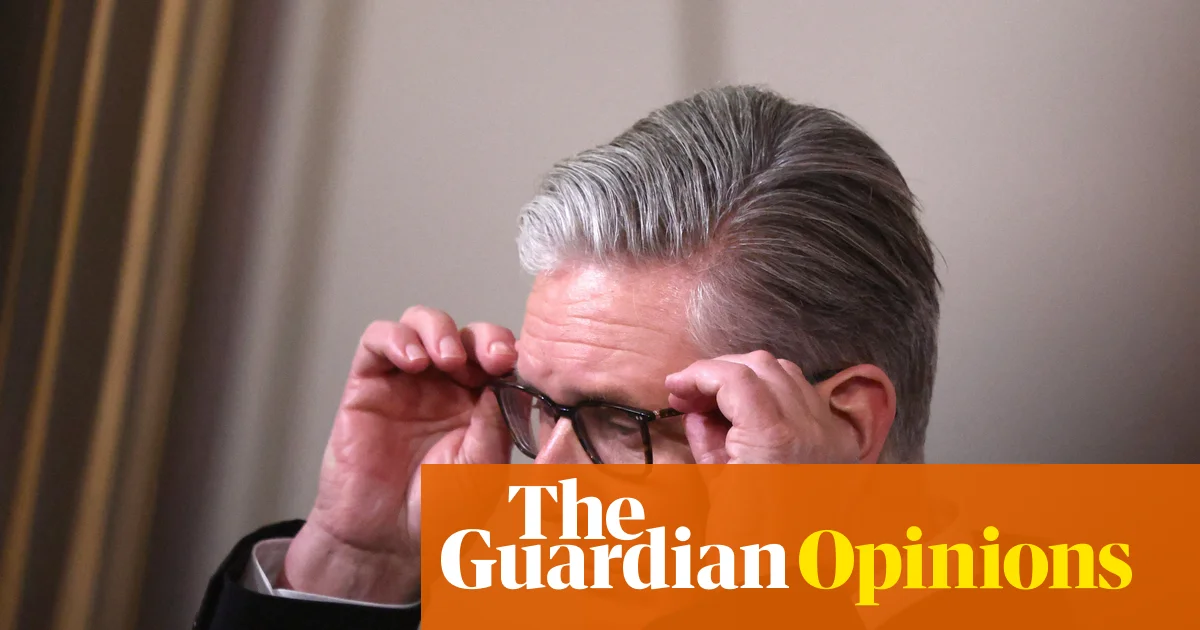
Monday’s Mandelson clash might seal Starmer’s fate—will it make or break him? | John Crace

Society in Crisis: The Impact of Political Hypocrisy on Families and Communities

In a world increasingly defined by demographic shifts and cultural tensions, the dissonance between political rhetoric and reality remains a profound societal challenge. Recent political scandals, exemplified by the controversy surrounding No 10’s handling of security vetting and the ensuing accusations of incompetence, reveal a troubling disconnect that directly affects families, education, and community cohesion. When leaders mislead or are perceived as incapable, these issues ripple outward, undermining the very fabric of society.

The social fabric that binds communities relies heavily on trust in institutions and leaders. When that trust erodes, families are left grappling with uncertainty about the stability of their society. Sociologists such as Robert Putnam have long argued that social capital—the networks and trust that hold communities together—is fragile and easily damaged by political deception and social stratification. The recent revelation that senior officials like Peter Mandelson had failed security vetting, yet remained in positions of influence, underscores how cultural shifts toward complacency and opacity threaten societal coherence. Children and youths, observing these failures, may develop cynicism about civic engagement and the integrity of their leaders, a trend that risks fostering disengagement among future generations.

Furthermore, educational institutions are often the first to bear the brunt of political instability. When crises unfold at the highest levels of government, educational content and pedagogical priorities can become overshadowed by national crises, undermining the quality and focus of youth development. Social commentators highlight that young people are particularly sensitive to issues of ethical integrity and moral clarity. If teachers and parents perceive a leadership class that appears disjointed or corrupt, this can diminish students’ moral and ethical grounding, lowering societal resilience in the long run. Amidst these disturbances, families may feel disempowered, their aspirations for a stable and honest society challenged by the very people entrusted to uphold those virtues.

To counteract these detrimental trends, policies must emphasize rebuilding trust in institutions and promoting greater transparency and accountability.

  • Enhancing civil servant oversight to prevent secrecy and cover-ups.
  • Implementing civic education programs that reinforce the importance of integrity and civic responsibility among youth.
  • Supporting community organizations that foster dialogue and resilience amidst socio-political upheaval.

These steps recognize that community actions and education are vital to healing the social wounds inflicted by political scandal and incompetence. Historians like Arthur Schlesinger have argued that societies must reflect on their moral commitments and rebuild trust through collective effort and virtue, especially when faced with social tensions and demographic transformations.

As society stands at this crossroads, the question remains: can communities and families find the resilience to persevere through the chaos and betrayal? The challenges ahead are formidable, yet within them lies the potential for renewal—for a society that values truth, integrity, and the moral courage to rectify its course. The path forward demands collective determination, rooted in the hope that through renewed social bonds and steadfast commitment, a brighter future can emerge from the shadows of political failure. Society’s greatest strength has always been its people — resilient, hopeful, and ready for a renaissance rooted in justice and moral clarity. The true test, then, lies in whether we, as a society, can rise united and reclaim the virtues that underpin a just community.

Social Media Auto Publish Powered By : XYZScripts.com