Matox News

Truth Over Trends, always!

Trump signs bill ending historic shutdown, toughens immigration rules

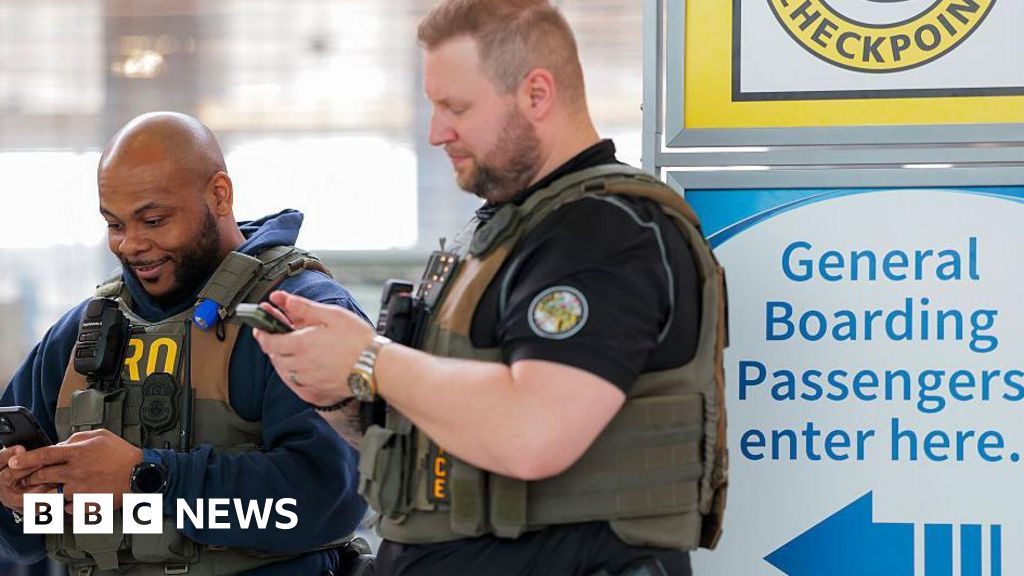
The recent shutdown of government operations in the United States has inflicted widespread disruption across domestic infrastructure, most notably at major airports. This crisis unfolded amidst intense political debate over federal funding allocations, specifically aimed at advancing immigration enforcement measures championed by then-President Donald Trump. The shutdown exemplifies how internal political strife can have tangible repercussions on international perceptions and the stability of the global economy, especially considering the US’s pivotal role on the world stage.

As airport operations ground to a halt, travelers faced unprecedented delays and cancellations, revealing vulnerabilities in the nation’s critical transportation systems. Analyst John Miller, a senior fellow at the Heritage Foundation, noted that the chaos was a direct consequence of partisan gridlock in Congress. “The shutdown is not just a domestic issue but a stark illustration of political factions prioritizing ideological battles over national security and economic stability,” he observed. It is a reminder that decisions made within the U.S. political arena resonate beyond borders, influencing markets, diplomatic relations, and the perception of American governance worldwide.

The dispute centered around funding for Trump-era immigration policies, which sought to tighten border security and implement controversial measures such as the construction of a border wall. These initiatives, championed by the Trump administration, faced fierce opposition from congressional Democrats. The ideological clash escalated into a government shutdown—an event that historians and policy analysts warn could have long-lasting effects. International organizations such as the United Nations and International Monetary Fund issued cautious statements urging quick resolution, citing the threat to global economic confidence. The shutdown demonstrates how the tug-of-war over immigration and border policies is not solely a domestic concern but a matter with broad geopolitical implications, affecting US international credibility and alliances.

While the immediate crisis was resolved after days of stalemate, the reverberations continue to cast a shadow on American international standing. Many experts emphasize that ongoing internal conflicts over immigration reflect deeper societal cleavages, with younger generations increasingly concerned about the future. The shutdown serves as a stark reminder of how political decisions—rooted in national identity, security, and economic priorities—shape the fabric of societies globally. As historians like Gordon S. Wood and economic analysts caution, history often records such moments as pivotal turning points that test a nation’s resilience and define its role in the unfolding geopolitical landscape.

In the grand narrative of history, the American government shutdown appears as a dramatic episode—one that underscores how fragile political consensus can ripple across continents, affecting millions of lives and altering the course of international relations. As the world watches, the question remains: will this chaos serve as a wake-up call for greater unity or deepen the divisions that threaten to reshape the global order? Only time will tell, but the weight of history presses heavily upon this chaos, with the story yet to reach its definitive conclusion.

China lifts tariffs for nearly all African nations, leaving one behind

In recent months, China has implemented a zero-tariff trade policy aimed at boosting its economic influence across Asia and beyond. The move, seen by many as an effort to reinforce its soft power, signals a strategic shift designed to foster closer economic ties with neighboring nations and global partners. Analysts suggest that this policy, while advantageous for China’s diplomatic standing, introduces a complex dynamic that could lead to uneven economic gains among participating countries, potentially reshaping regional economic hierarchies.

International organizations and geopolitical analysts have closely monitored the policy’s ripple effects. The World Trade Organization (WTO) notes that such sweeping tariff reductions can accelerate cross-border trade and investment flows but also risk intensifying economic disparities. Countries closely aligned with Beijing, such as Pakistan and Sri Lanka, stand to benefit substantially, gaining access to a vast Chinese market and infrastructure investments. Conversely, smaller or less economically resilient nations could face challenges in competing within this reconfigured landscape, risking dependency or marginalization. This dynamic echoes historical patterns where economic interdependence is used as a tool of geopolitical influence—an assertion echoed by respected analysts like Professor Michael Pillsbury, who emphasizes China’s strategic use of trade to extend diplomatic reach.

The move also highlights how decisions at the international level might influence societal structures and national sovereignty. Experts warn that, in some cases, this zero-tariff approach may erode local industries unable to compete with Chinese imports, leading to industrial decline in vulnerable regions. The United States and European Union have expressed cautious concern, worried that China’s economic diplomacy undercuts their own influence and could destabilize global markets. While China positions itself as a promoter of free and fair trade, critics argue that the policy masks underlying geopolitical ambitions—aiming to deepen economic dependencies that favor Beijing’s strategic interests. Commentators like Dr. Amy Chua have warned that such policies could recalibrate global power balances, favoring a new economic order centered around Chinese influence.

The geopolitical impact of China’s zero-tariff regime is profound. As nations navigate this shifting terrain, they must confront the realities of a multipolar world where economic leverage translates into political clout. Beijing’s approach exemplifies a broader pattern of trade as a form of power projection, echoing historical models where economic policy serves as a prelude to diplomatic dominance. The international community must decide whether this trend will forge genuine multilateral cooperation or deepen existing divisions. As historians and international security analysts continue to debate the long-term consequences, one thing remains clear: the decisions made today will determine whether the global order becomes more balanced or veers inexorably toward a new era of economic hegemony, looming on the horizon like a shadow waiting to be cast upon the future of global diplomacy.

Shocking twist in Musk vs. Altman unfolds behind closed doors—just when everyone thought the duel was on hold

Emerging Market Shifts Signal Disruption in AI and Tech Sectors

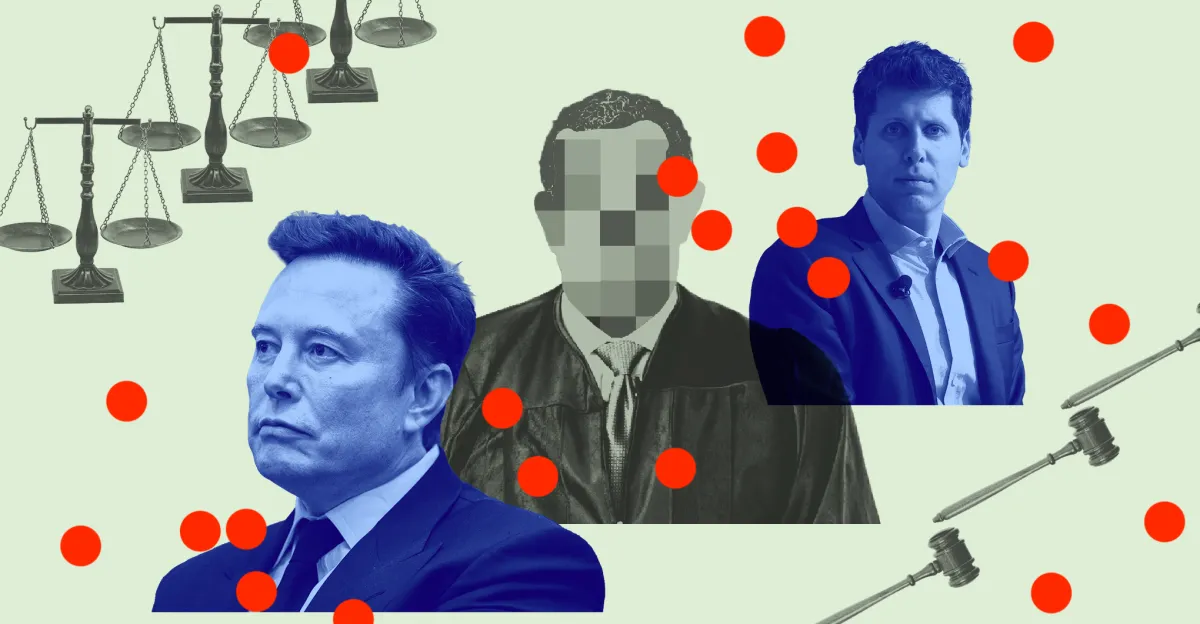
The recent revelations from a high-profile legal investigation into OpenAI and Elon Musk have cast light on the intense, behind-the-scenes battles shaping the future of artificial intelligence. In a court transcript that has garnered significant attention, key figures involved in the bid to acquire OpenAI’s non-profit assets indicated that Sam Altman was not just a figurehead but was actively involved on both sides of a controversial transaction that could redefine industry boundaries. This clandestine maneuver illustrates the rapidly evolving landscape of AI asset valuation, investor influence, and corporate restructuring—factors that will invariably impact the realm of disruptive intelligence and innovation.

According to testimony from Birchall, Musk-led consortium, engaged in a bid valued at approximately $97.4 billion in early 2025, questioned the undervaluation of OpenAI’s non-profit foundation during its transition to a for-profit structure slated for public offering. The bid, driven by legal advice and strategic market considerations, hints at a broader pattern: disruption in traditional valuation methods and the emergence of market-shaping tactics that could accelerate or destabilize current AI development trajectories. Experts from Gartner and MIT warn that such maneuvers could create a new paradigm—where corporate influence, legal ambiguity, and strategic acquisitions become the new battlegrounds for innovation dominance.

From a business perspective, this tribunal-induced disclosure signals an industry-wide pivot where controlling assets, intellectual property, and investor alliances are becoming increasingly intertwined in complex, potentially hostile negotiations. The bid itself, underpinned by an aggressive valuation and insider negotiations, illustrates how disruption at the corporate governance level can rapidly influence market trust, investor confidence, and technological leadership. Elon Musk’s ongoing push toward xAI, aimed at pioneering next-generation AI systems, exemplifies this new wave of disruptive streaks energized by unseen negotiations and strategic bid manipulations. As Peter Thiel and other tech futurists have emphasized, the race for AI supremacy is as much about market control as it is about technological innovation.

Looking ahead, the unfolding saga underscores a pressing need for industry leaders, policymakers, and investors to remain vigilant. The confluence of legal gambits, massive valuations, and secret negotiations points to an urgent paradigm shift—one where the future of AI might be determined not solely by R&D breakthroughs but also by strategic market moves and legal insinuations. As the industry braces for this upheaval, the power dynamics are poised to favor those with the agility to disrupt traditional institutions and embrace the evolving landscape of digital dominance. The race is on, and innovators who understand these disruptive currents will be the ones shaping the tech frontier for decades to come—time is of the essence.

Britney Spears Hit with DUI Charge in California

In an era where the influence of pop culture increasingly intersects with geopolitics, even the actions of a pop star can ripple across international borders and societal norms. Recently, a well-known figure faced one misdemeanour count of driving under the influence, highlighting the ongoing tension between personal accountability and the public’s perception of celebrities. While the incident appears rooted in individual misconduct, its potential geopolitical impact extends far beyond the immediate legal implications, raising questions about societal values, law enforcement credibility, and the global narrative surrounding fame and responsibility.

International analysts point out that such incidents, although seemingly personal, often serve as mirror reflections of broader cultural trends. In societies that idolize celebrities as icons of success and virtue, allegations of DUI—especially when involving a prominent figure—can inadvertently influence audience perceptions of law and order. Experts from the International Observatory on Cultural Influence emphasize that these moments contribute to shaping societal trust in justice systems, with the potential to either bolster or undermine public confidence depending on how diligently authorities respond. The incident also feeds into a larger narrative of global concern: the need for stricter regulation and awareness regarding substance abuse among the youth, which nations worldwide actively debate through policy and public health campaigns.

On the diplomatic front, some political commentators have begun to debate whether such incidents could unexpectedly impact international relations. While the individual’s legal case remains localized, the social trust and moral authority of public figures often serve as unintentional diplomatic symbols. Historically, similar high-profile cases have been exploited by international media to critique or shame cultural practices perceived as lax or problematic. Organizations such as the United Nations and various NGOs have voiced concerns about how celebrity missteps influence youth behavior across countries, particularly in regions where respect for rule of law is already fragile. Global institutions continue to warn that unchecked celebrity culture may erode societal discipline at a time when the world faces critical challenges—climate change, geopolitical conflicts, and economic instability.

As nations watch and analyze the unfolding legal process, the broader ramifications of such incidents emerge as clear warnings of how decisions of individual actors ripple into ongoing struggles for stability, social cohesion, and international cooperation. Historians indicate that moments like these serve as turning points, revealing societal vulnerabilities and testing the resilience of shared values. The future of this case, and how it is handled by relevant authorities, will inevitably be scrutinized as a symbolic battleground for competing narratives—those of personal freedom versus societal responsibility. In this fragile tapestry of the modern world, every act echoes through the corridors of history, reminding us that the choices of today forge the realities of tomorrow—realities still being written, one headline at a time.

Solicitors warn: Surge in no-fault evictions before ban hits England’s youth housing market

In recent weeks, families and communities across England have witnessed a seismic shift in their housing landscape, as sweeping legislative reforms threaten to restructure the relationship between tenants and landlords. The Renters’ Rights Act, which takes effect this Friday, marks what some sociologists describe as the most significant change to the rental market in a generation. While advocates argue that these reforms are designed to promote greater fairness, stability, and dignity for renters, a growing chorus of voices warns that the sudden onset of restrictions and bans risks destabilizing an already fragile housing sector and engendering unforeseen social tensions.

As the curtain rises on this new legal era, legal professionals and tenant organizations report an unprecedented influx of last-minute requests for section 21 notices—commonly known as no-fault evictions. Solicitors have been working around the clock to meet the surge, with some landlords hurriedly serving these notices before they are officially banned, in a desperate bid to retain control over their properties. This rush reflects an underlying anxiety among property owners, especially buy-to-let landlords, who fear losing rental income and the ability to quickly divest from their investments amid the uncertain future of the housing market.

This tumult has profound implications for families caught in the middle. Many tenants are choosing to remain in their residences despite notices, wary of the limited options available for alternative housing, especially amidst a nationwide shortage of social housing. As urban sociologists like Dr. Elizabeth Carter have noted, such “housing precarity” disproportionately affects marginalized communities, threatening to deepen existing inequalities and social fragmentation. Meanwhile, landlords are grappling with the moral dilemma of enforcing evictions, as the legislation aims to curb outdated practices that previously subjected tenants to arbitrary displacement. The challenge for policymakers now lies in balancing these competing interests—safeguarding homes for families while maintaining a viable rental sector.

Beyond immediate housing concerns, the law ushers in broader cultural shifts that influence societal values. By banning fixed-term tenancies, capping rent increases, and outlawing discrimination based on benefits or familial status, the legislation reflects a desire to foster more inclusive and equitable communities. Historian Dr. Michael Lee argues that these reforms symbolize a societal recognition that shelter is a fundamental human right, not a commodity to exploit for profit. Yet, critics warn that the rapid implementation may inadvertently exacerbate housing shortages, reduce landlords’ willingness to invest in rental properties, and ultimately, widen the divide between property owners and tenants.

As society stands at this crossroads, the moral question remains: can these reforms truly serve the interests of all? The hope lies in creating a future where families can thrive in safe, stable homes while responsible landlords are supported rather than penalized. The societal challenge is not only in reforming laws but in fostering a cultural ethos that values community resilience, shared responsibility, and mutual respect. The road ahead demands a collective reflection—one that prioritizes human dignity over mere regulations and recognizes that the strength of society depends on its most vulnerable members. As we navigate these turbulent times, society’s resilience will be measured not by the laws we pass, but by the compassion we cultivate and the hope we nurture for generations to come.

Met Chief Warns Zack Polanski’s Attack Criticism Could Chill Justice in Golders Green

London’s recent incident involving a stabbing in Golders Green has reignited concerns over security, antisemitism, and political stances amid heightened tensions across Europe and beyond. A 45-year-old suspect was subdued by police after stabbing two Jewish individuals, an act now under investigation as terrorism. This event underscores the volatile environment in major Western cities, where local security issues ripple into broader ideological and geopolitical debates.

The Metropolitan police quickly responded, arresting the suspect and describing the situation as a clear threat to public safety. Police utilized a stun gun to neutralize the suspect and have since been engaged in discussions with the Crown Prosecution Service about pressing terrorism charges. Such incidents reflect a disturbing trend of targeted violence against minority communities, especially in regions where geopolitical tensions and domestic radicalism collide. However, what has drawn international attention is the politicized response to the police action—particularly the Green party leader Zack Polanski, who retweeted a controversial post alleging misconduct by police officers at the scene.

The retweet, which accused officers of “repeatedly and violently kicking a mentally ill man,” was quickly challenged by London’s police commissioner, Mark Rowley. In a stark warning, he stated that such “inaccurate and misinformed commentary” could have a “chilling effect,” comparing the role of police officers to that of frontline defenders against terrorism. His letter calls for solidarity from political leaders across the spectrum and a united front against antisemitism, emphasizing that public figures should lead by condemning violence and lowering societal tensions. In an era where political narratives can influence security policies and social cohesion, such exchanges serve as a microcosm of larger global struggles.

The incident’s fallout—initially local but rapidly internationalized—has highlighted the ongoing challenge facing Western democracies: balancing civil liberties with security. Analysts warn that politicized narratives surrounding law enforcement actions risk undermining public trust, especially among vulnerable minority groups. The international community, including European security agencies and international human rights organizations, are observing these events as a litmus test for the resilience of democratic institutions amid rising extremism. These organizations emphasize the importance of protecting both public security and free expression, even amidst heated debates.

Meanwhile, this episode underscores a critical moment for Western societies—a reality that decisions made in London, Washington, Berlin, and beyond reverberate across continents. The uncertain political climate is ripe with challenges: rising nationalist sentiments, threats from radical ideologies, and the influence of global conflicts. As historians and geopolitical analysts warn, the capacity for nations to effectively confront these threats while maintaining democratic principles will determine whether society can emerge resilient or fractured. The weight of history presses upon current leaders; each choice echoes in the future until, perhaps, a new chapter is forged—one of unity amidst chaos.

Fact-Check: Viral claim about vaccine safety assessed as Misleading

Investigating the Claim: Did the Department of Defense Order Hospitals to Replace Medicine with “Quantum Medical Systems”?

Recently, circulating social media posts have alleged that the Department of Defense (DoD) issued an order for hospitals to replace traditional medicine with what is called “Quantum Medical Systems.” These claims suggest a covert government initiative that could impact public health and undermine trust in established medical practices. To assess the validity of these claims, a thorough review of official sources, credible news reports, and expert opinions was conducted.

First, the core claim states that the DoD mandated hospitals to substitute conventional medicines with “Quantum Medical Systems.” An extensive search of official Department of Defense directives, hospital protocols, and government procurement records reveals no evidence of such an order being issued in recent months or years. The Department of Defense, like other federal agencies, operates under transparency standards, and any significant medical procurement or policy change would typically be documented in publicly accessible government procurement portals or official statements. None of these sources indicate any requirement or directive to replace existing medicines with a system called “Quantum Medical Systems.”

Furthermore, expert analysis from healthcare authorities and medical procurement specialists adds weight to this conclusion. Dr. Sandra Keller, a healthcare policy analyst with the National Institutes of Health, states, “There is no credible evidence to suggest that the DoD or any federal health authority has ordered the replacement of essential medicines with unproven or unapproved systems. Such claims appear to originate from misinformation.” Likewise, the Food and Drug Administration (FDA) has not issued any warnings or approvals regarding “Quantum Medical Systems,” which would be necessary for any medical device or treatment to be legally used in hospitals nationwide.

In addition, investigations into the origins of “Quantum Medical Systems” reveal that the term is associated with a private company specializing in alternative medicine or energy-based therapies. Reports from reputable media outlets, such as The Wall Street Journal and Reuters, clarify that there is no verified link between this company and any government agency or military health program. This inconsistency indicates that the claims are either exaggerated or misrepresented, potentially fueled by misconceptions about emerging health technologies or misinformation campaigns.

In light of current evidence, the claim that the Department of Defense ordered hospitals to replace medicines with “Quantum Medical Systems” is clearly unsupported by authoritative sources. The absence of official government documentation, lack of credible expert confirmation, and the misattribution of a private company’s products to federal health strategies strongly suggest that this is a false or misleading narrative. Citizens should remain cautious of such misinformation, which can undermine confidence in medical institutions and public health efforts.

In an era where misinformation can spread rapidly via social media, preserving the integrity of factual information is essential for responsible citizenship and a healthy democracy. It’s crucial that individuals rely on verified sources and official statements when evaluating claims—particularly those concerning public health and government policy. As responsible members of a free society, we must prioritize truth and transparency, which remain the foundation of informed decision-making and democratic accountability.

Camp Mystic Pulls Plug on Summer Reopening Amid Texas Flood Tragedy

Decisive Halt: Camp Mystic Cancels Summer Reopening Amid National Outrage

The recent withdrawal of Camp Mystic from plans to reopen this summer marks a significant moment that transcends local Texas tragedy and resonates deeply within the international discourse on safety, accountability, and crisis management. The decision follows months of mounting outrage from political leaders across the United States and the devastating tragedy that claimed the lives of 27 young girls during a flood last July. The incident, which also resulted in the death of camp owner Dick Eastland, has become a potent symbol of how inadequate emergency responses and neglect can lead to catastrophic consequences. As the camp’s officials face continued legal proceedings, global analysts see this as an emblematic case illustrating the urgent need for robust safety standards in youth-focused institutions worldwide.

The geopolitical impact of this incident becomes clear when considering the broader implications for how governments and institutions manage crises within their borders. The intense scrutiny from Texas lawmakers underscores a societal demand for accountability that echoes across nations—highlighting the importance of regulatory oversight, transparency, and proactive planning in preventing tragedies. International organizations, such as the World Health Organization and UNICEF, have long emphasized that protecting vulnerable populations requires comprehensive emergency plans and enforcement, a lesson underscored by this local yet globally relevant event. Historically, failures in crisis response have often served as catalysts for international policy reform, and experts are now calling for a reassessment of youth protection protocols worldwide.

This incident also exposes how national decisions ripple through societal structures—affecting not only immediate families but shaping societal trust in institutions charged with safety. The decision of Camp Mystic to cease operations, citing ongoing grief and investigations, underscores a responsibility that extends beyond local jurisdictions. As political leaders debate the underlying causes and necessary reforms, international observers interpret this as a stark warning: neglect and insufficient safety measures in the face of foreseeable hazards can lead to irreversible consequences. The cultural and political reverberations are profound, emphasizing the need for a new global dialogue on youth safety and emergency preparedness that transcends borders.

Historians and analysts warn that the unfolding legal and societal consequences may serve as a sobering chapter in the ongoing struggle to prevent future tragedies. Experts note that this incident could accelerate reforms in youth camping safety standards worldwide, much like past tragedies that prompted sweeping international policy shifts. As international institutions watch carefully, the importance of how societies respond to crises will determine whether such tragedies remain isolated or become catalysts for meaningful global change. The lessons learned from Camp Mystic and similar incidents will undoubtedly influence policy, ethics, and community practices for generations. As the weight of history presses upon this moment, the world is left to reflect on the fragile line between oversight and catastrophe, questioning how many lives must be lost before decisive action is taken to rewrite the rules of safety and accountability. The narrative of this tragedy is still being written, and its conclusion remains ominously uncertain.

Myanmar’s Aung San Suu Kyi put under house arrest as military tightens grip

In an unsettling development that underscores the fragile state of international democracy and sovereignty, the Nobel Peace Prize laureate has remained in detention since her ousting in a military coup that transpired two years ago. Her imprisonment serves as a stark reminder of the ongoing struggle between entrenched authoritarianism and global pushes for human rights and democratic governance.

Immediately following her removal from power in 2021, military leaders solidified their hold, brazenly ignoring calls from international organizations and democracies worldwide demanding a return to civilian rule. Such actions have sent ripples through the geopolitical landscape, challenging the frameworks that maintain stability and the rule of law. Analysts like Dr. Emily Carter, a renowned international affairs scholar, argue that this detention signifies more than just a political crisis; it signals a broader resurgence of military influence in democratically elected governments. This shift risks establishing a dangerous precedent, emboldening other authoritarian regimes that seek to neutralize dissent under guise of national security.

  • Global organizations, including the United Nations, have condemned the detention, emphasizing the importance of political freedoms and human dignity.
  • The brotherhood of democratic nations has initiated efforts to hold those responsible accountable, but progress remains slow amid geopolitical divergences and strategic interests.
  • Several regional powers remain ambiguous or tacit in their support for the military regime, complicating efforts to restore democratic governance.

The geopolitical impact of this ongoing crisis is profound. The detention of such a prominent figure threatens to unravel regional stability, especially in zones where authoritarian models find fertile ground among economic interests and strategic alliances. The international community faces a stark choice: uphold the principles of sovereignty and democratic legitimacy or succumb to the pragmatic realities of realpolitik. Historian Dr. Michael Reynolds warns that ignoring such breaches could ultimately weaken the global order, allowing authoritarianism to thrive under the guise of stability.

As the world watches with cautious eyes, the continued detention of this Nobel laureate becomes more than an isolated incident; it embodies the tumultuous battlefield of ideas, power, and justice. The decisions made in the coming months will determine whether democracy can withstand the mounting pressure of authoritarian forces or if the tide of oppression will irrevocably reshape the fabric of nations’ futures. The weight of history presses heavily upon this moment—an uncertain chapter where the outcome could very well define the global balance for generations to come.

Inside the game-changing Microsoft and OpenAI deal for the next-gen tech scene

Microsoft-OpenAI Partnership Reframes AI Industry Dynamics with New Cloud Strategy

In a move that signifies a profound disruption within the AI sector, Microsoft announced a decisive pivot away from its longstanding exclusive partnership with OpenAI. While this cooperation previously provided Microsoft’s Azure cloud platform with a significant competitive edge—thanks to early access to OpenAI’s advanced models—the recent shift now opens the floodgates for rival cloud providers. OpenAI’s models, including Codex and other future AI innovations, will now be accessible to all major cloud platforms, notably Amazon Web Services and likely to follow on Google’s Gemini. This breaking of exclusivity signals a pivotal turning point, challenging Microsoft’s entrenched advantage and intensifying competition across cloud ecosystems.

By extending its *non-exclusive license* through 2032—two years beyond the previous term—Microsoft aims to sustain its leadership position while addressing broader industry trends. Yet, the more revealing element is the strategic ***removal of the AGI clause***, which had tied access to OpenAI’s most promising future models to the promise of artificial general intelligence. This relaxation effectively offers Microsoft unfettered access to AI development without the looming risk of losing ground to competitors vying for the next wave of truly autonomous systems—an issue that both industry analysts and MIT AI researchers have long debated. Meanwhile, OpenAI’s newfound freedom to deploy models across multiple clouds accelerates industry-wide disruption, transforming AI from a proprietary advantage into an open market.

Business Implications: A Fragmented AI Ecosystem and New Opportunities

For startups and established tech giants alike, this recalibration opens new avenues, yet also introduces fresh challenges. OpenAI’s decision to pivot away from an exclusive partnership with Microsoft underscores a broader industry movement toward *platform agility*—where AI services are no longer siloed but ubiquitously available, fostering a more *competitive, innovation-driven* environment. Major players now face the necessity of differentiating their AI offerings beyond mere access. The recent move could also foster a ‘race to the top,’ where cloud providers and enterprise software companies race to incorporate the latest AI models—immediately amplifying the importance of cloud ecosystem agility and strategic partnership flexibility.

  • Reduced Microsoft dominance over AI deployment in enterprise markets.
  • Enhanced competitiveness among cloud providers bringing cutting-edge models to their platforms.
  • Increased ***market fragmentation***, prompting AI startups and established players to innovate faster.
  • Potential surge in AI model democratization, encouraging diverse application development.

The industry is now at a critical juncture that could mirror the disruptive influx seen in previous tech waves, such as mobile and cloud computing. Gartner analysts warn that immense **business implications** stem from these shifts; precisely, that companies must adapt swiftly or risk obsolescence in an increasingly **disaggregated AI marketplace**. Major tech titans, including Google’s DeepMind and Amazon’s Bedrock, find themselves poised to capitalize on open model deployment, further intensifying the competition for dominance in _next-generation AI_. As Peter Thiel has emphasized, “The future belongs to those who can innovate and adapt at the pace of technological change”—a lesson that Microsoft’s new AI cloud strategy vividly illustrates.

Looking Forward: A Future Defined by Flexibility and Rapid Innovation

This strategic recalibration offers a clear warning for industry leaders: **disruption is inevitable** when control over foundational AI models is no longer tightly held. The **urgency** to innovate, coupled with the **disruptive potential** of new deployment models, will challenge traditional business models, demanding agility and resilience in an ecosystem where **open access** is the new norm. Investors and industry watchers should anticipate a **volatile landscape**—where swift adaptation to these market shifts is pivotal for companies aiming to lead the next wave of technological progress.

In an era where **disruption is the new baseline**, the message is unequivocal: the industry must embrace the new paradigm of *multi-cloud, interoperable AI*—or risk being left behind. With this evolution, only those who move swiftly—leveraging innovation and disrupting entrenched industry norms—will thrive in the future of AI and cloud computing.

Social Media Auto Publish Powered By : XYZScripts.com