Matox News

Truth Over Trends, always!

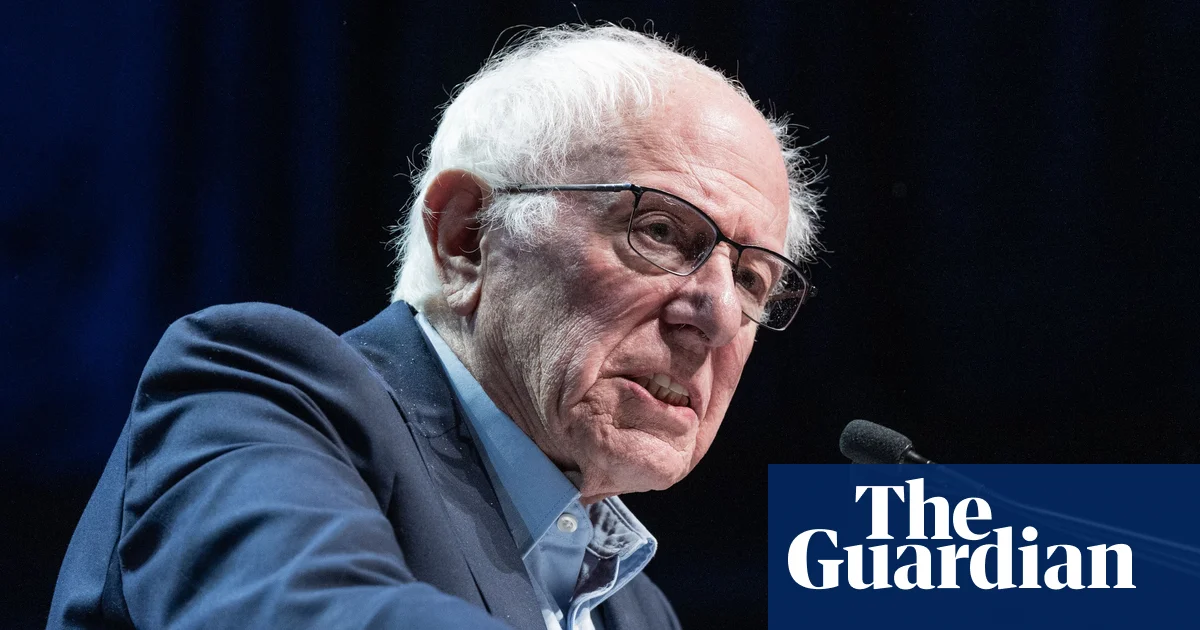
Senate Rejects Bernie Sanders’ Push to Halt US Weapon Sales to Israel

In a dramatic display of shifting American political sentiment, United States senators have recently engaged in a constitutional debate over arms sales to Israel. Bernie Sanders led a bipartisan charge to halt the sale of critical military equipment—bulldozers and bombs—highlighting a growing faction among Democrats that seeks to impose stricter limits on U.S. foreign military aid. This effort, though ultimately unsuccessful, underscores a broader reevaluation within the chamber, influenced by mounting public disillusionment and evolving geopolitical realities. With 40 senators supporting Sanders’ resolution, it signals a notable change from previous votes—only 15 members supported similar measures in April—reflecting a shifting tide among America’s younger voters and progressive circles, increasingly scrutinizing Washington’s unwavering support for Israel amidst recent conflicts.

The core of this debate centers on how decisions made in Washington resonate globally. Analysts warn that America’s continued military backing for Israel, particularly amidst ongoing conflicts in Gaza and Lebanon, influences regional stability and impacts international perceptions of U.S. foreign policy. As the U.S. struggles with its role as an overt supporter of Israeli military actions, especially in densely populated areas with high civilian casualties, critics argue that America’s military aid often exacerbates humanitarian crises. Prominent organizations, including J Street and Jewish Voice for Peace, have publicly condemned the sale of specific munitions, emphasizing their use in land and aerial assaults that displace thousands. Historians and foreign policy analysts contend that these arms transfers contribute to a cycle of violence, fostering long-term regional instability and undermining America’s moral authority in the Muslim world.

In the broader geopolitical landscape, these congressional battles are not isolated. U.S.-Israel relations are often characterized by substantial political influence from groups like AIPAC, which has poured tens of millions of dollars into shaping U.S. elections. At a pivotal moment ahead of the 2024 elections, the bipartisan pushback signifies a potential realignment of American political priorities. Meanwhile, the Middle East remains a chessboard for global powers—<>with Iran and regional actors watching closely. The decisions made in Washington will directly influence conflict trajectories—either fanning the flames of instability or creating avenues for diplomatic resolution. As U.S. policymakers grapple with balancing strategic alliances against moral imperatives, international organizations warn that ongoing arms sales risk further entrenching regional deadlock and complicating peace efforts.

The escalation of congressional debates signals more than just legislative wrangling; it echoes the rising demand for accountability from the American electorate—especially youth voters increasingly disillusioned with foreign entanglements and covert agendas. The persistent scorn directed at Benjamin Netanyahu’s government over its recent actions in Gaza and Lebanon, coupled with the debates over military aid, exemplifies the shifting winds in U.S. foreign policy. The outcome of these votes—ostensibly mere legislative acts—resonate as a defiant message that the era of unchallenged militarism may be drawing to a close. As history watches, the continent-sized shadows cast by these decisions stretch across generations, etching new chapters into the unfolding narrative of American influence and moral responsibility.

Rising Stars Shine in Thrilling Championship Showdown: Young Athletes Redefine the Game!

MLB Players Association Takes Bold Step with Leadership Shakeup

In a significant turn of events within Major League Baseball, the MLB Players Association (MLBPA) has taken decisive action by firing two top executives following an internal investigation. This move, reported by ESPN, underscores the organization’s commitment to transparency and accountability, directly affecting how players and management interact moving forward.

The decision to terminate these executives marks a pivotal moment for the union, which has faced scrutiny in recent years regarding its effectiveness and direction. According to sources, this internal investigation was a response to growing concerns from players about leadership operations. The specifics behind the investigation remain under wraps, but notable voices within the league are expressing optimism about future changes.

  • Increased focus on player welfare and representation.
  • Potential shifts in negotiation strategies with team owners.
  • Commitment to maintain a unified front amid labor discussions.

Tony Clark, the executive director of the MLBPA, is stepping into a critical period, reassuring players that this is a time for renewal. “We are committed to ensuring that the voices of our players are heard and prioritized,” he stated emphatically, highlighting a potential new era for player empowerment within the league. As commentators analyze the implications of these changes, many are optimistic about a more connected relationship between players and the union, aimed at strengthening their collective bargaining power.

This turbulent moment reminds us that sports extend well beyond the confines of just games or profits. As teams like the New York Yankees and Los Angeles Dodgers prepare for a competitive postseason, the environment in which they operate is rapidly evolving. The effects of this leadership change could resonate throughout the remainder of the season, setting the stage for significant negotiations ahead.

As we look forward, it is clear that the world of sports is a powerful unifying force. Whether through watching games with friends or rallying behind causes that matter to athletes, baseball remains a cornerstone of American culture. This recent shakeup serves as a reminder that while the team’s success is measured by wins and losses, true victory lies in unity and collective purpose—revealing that sports, at the end of the day, are about much more than the scoreboard.

Source link

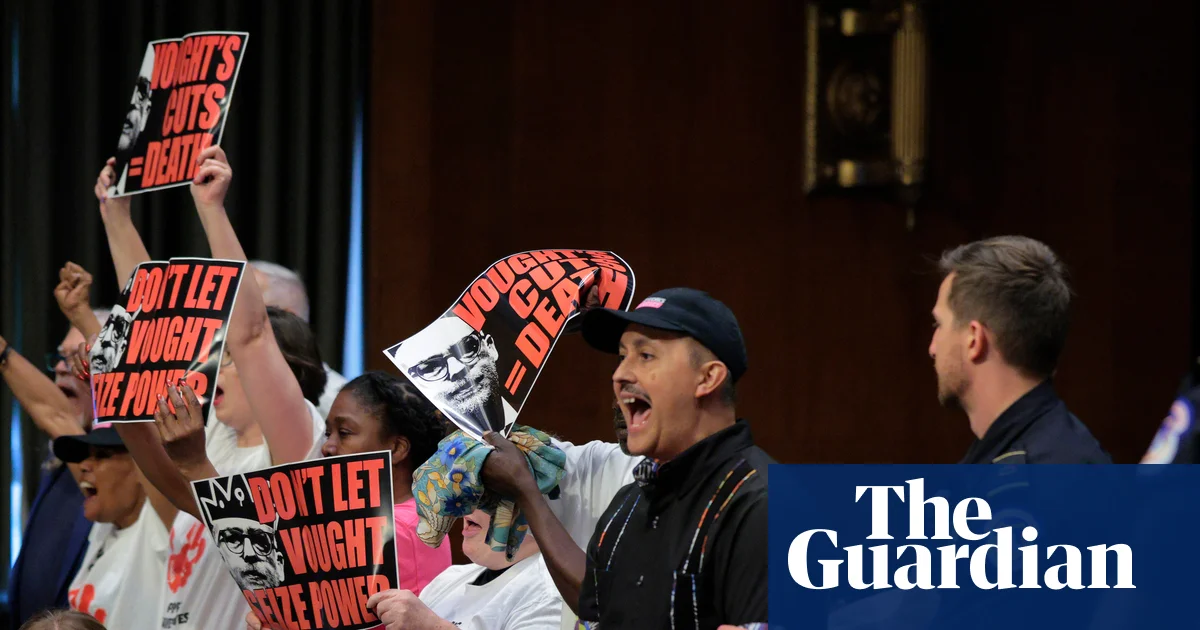
Vought’s Cuts Harm Lives: Activists Disrupt Trump Budget Hearing

The United States, long seen as a global leader in health and development aid, is witnessing a disturbing shift that threatens to reshape its international influence. Recent domestic debates over funding for PEPFAR (President’s Emergency Plan for AIDS Relief) highlight a broader strain within Washington’s foreign policy, raising questions about how much of its power and moral standing the US is willing to sacrifice. Despite bipartisan support in Congress, the Trump administration’s deliberate slashing of aid—particularly the nearly halving of global health spending in the upcoming fiscal year—signals a shift towards prioritizing domestic issues over international commitments. International analysts warn that such decisions weaken not just US credibility but also the entire framework of global health governance, which relies heavily on American leadership and resources.

The controversial move to impede funds for HIV/AIDS programs, which have historically saved millions of lives worldwide, echoes a troubling trend toward austerity in American foreign aid policies. The GAO (Government Accountability Office) recently found that funds intended for PEPFAR are being impounded—an act contrary to the Impoundment Control Act. This bureaucratic maneuver effectively withholds the money despite formal approval by Congress, manifesting a direct challenge to the legislative branch’s authority. Critics, including health organizations and international observers, interpret this as not only a breach of process but also a form of sabotage against one of America’s most successful health initiatives. As historian Michael O’Hara warns, such sustained neglect could irrevocably undermine America’s moral authority in the world’s health crises, encouraging rival nations to fill the void.

  • In the first year of these cuts, an estimated 780,000 lives were lost due to diminished aid, with projections suggesting millions more could succumb if current policies persist.
  • Congress approved funding for PEPFAR at $4.6 billion, yet operational delays and obstruction hinder the actual disbursement of these funds to vital organizations on the ground.
  • The administration’s rejection of the aid—a core element of bipartisan consensus—aligns with a broader pattern of U.S. disengagement from global leadership, especially on issues perceived as foreign policy liabilities.

This retreat has profound geopolitical impact. Newly empowered rivals such as China and Russia are stepping into the vacuum, expanding their influence under the guise of offering aid and strategic partnerships. Their growing presence in Africa, Southeast Asia, and Latin America challenges the traditional dominance of Western-led institutions. Meanwhile, how the U.S. handles its foreign aid policies influences societal perceptions of American promises and commitments abroad. When aid is withheld or politicized, it not only jeopardizes public health but also diminishes trust among emerging nations that have historically looked to the U.S. as a symbol of stability and generosity.

International organizations like the WHO and UNAIDS express concern that such policy shifts could set a dangerous precedent, eroding the global consensus on shared responsibility for health crises. Experts warn that failure to sustain aid efforts risk creating a global environment where poverty, disease, and instability become intertwined, fueling cycles of chaos that threaten regional and international stability. The political struggles inside Washington thus have consequences that extend far beyond borders, shaping the future of international order in unpredictable ways.

As history unfolds in these tense corridors of power, the question remains: will the U.S. restore its commitment and leadership in global health, or will it cede its moral authority to rivals eager to exploit its retreat? The current clash over aid funding is not merely a budgetary dispute but a crucial battleground where the future of American influence and the lives of millions hang in the balance. In the end, the decisions made today will echo through history, dictating whether the U.S. remains a beacon of hope or a shadow on the global stage—a choice with ramifications that extend beyond the immediate and into the very foundation of international stability.

Australia News Live: Big Fire at Geelong Oil Refinery; Canavan Backs Tough Immigration Stance

The world is witnessing a series of pivotal moments that threaten to reshape the geopolitical landscape in profound ways. Australia, often considered a distant continent, is currently embroiled in a domestic crisis that threatens its economic stability and raises questions about its future energy security. In Geelong, an “unprecedented” fire at the Viva Energy oil refinery has sent shockwaves through the nation. The blaze, which began late last night, has been described by local officials as decades-in-the-making in terms of its scale and impact. The refinery is responsible for roughly 50% of Victoria’s fuel supply and approximately 10% of the country’s national output, underscoring its strategic significance. As fire crews battle to control the inferno, international actors and analysts watch cautiously, aware that the implications extend far beyond Down Under.

  • The refinery’s destruction or prolonged shutdown could exacerbate Australia’s ongoing fuel crisis, which has already strained households and industries nationwide. The reliance on two remaining refineries, with the other operated by Ampol in Brisbane, highlights how geopolitically sensitive this critical infrastructure truly is. Many international analysts warn that such fragility can serve as a catalyst for broader energy insecurity, potentially inflaming geopolitical tensions with major energy-producing nations. These vulnerabilities are compounded by the fact that both Australian refineries require government support to stay operational, indicative of a broader global trend where energy security and government intervention intersect in geopolitics.
  • The incident coincides with tense political debates within Australia, as Matt Canavan, leader of the National Party, publicly defended the government’s controversial immigration policy. His stance, which proponents tout as “reasonable and fair,” has ignited a fierce contest of narratives over national identity and sovereignty. Canavan’s rhetoric, referencing the naturalisation process of his grandparents and invoking the literary phrase “Having good fences make for good neighbours,” underscores a broader worldview increasingly aligned with nationalist, sovereignty-centric principles. Critics, however, interpret this as an extreme form of discrimination cloaked in patriotic language, highlighting a sinking support for immigration among Australians—a trend that some analysts argue could embolden hardline policies that threaten social cohesion.

International observers, including historians and geopolitical think tanks, warn that such nationalistic rhetoric, when paired with vulnerabilities like energy supply shocks, can escalate into broader regional instability. As the United Nations and World Bank scrutinize Australia’s internal debates and energy roadmaps, the global community remains wary of a potential domino effect. The concern is not merely about Australian sovereignty but how ever-accelerating shifts in domestic policy and energy infrastructure risks ripple effects in the Indo-Pacific and beyond, especially amid rising tensions with China and regional alliances. The fusion of energy crises with aggressive nationalist discourse could, analysts warn, fuel a dangerous cycle of escalation and realignment in international security frameworks.

As history continues to unfold, the nation’s response in the coming weeks will serve as a litmus test for its political stability and strategic resilience. Will the fires at Geelong become a symbol of vulnerability or a rallying point for innovative reform? Will the rhetoric of figures like Canavan morph into a broader movement that tests the limits of accepted policies? The answers to these questions may well determine whether Australia remains a bastion of stability or a flashpoint for new geopolitical conflicts. As the flames lick the skies and political volleys echo across the continent, the weight of tomorrow’s history presses down—an unwritten chapter begging to be shaped by the choices made today.

UK’s top builder scales back land purchase, signaling challenge for Labour’s housing goals

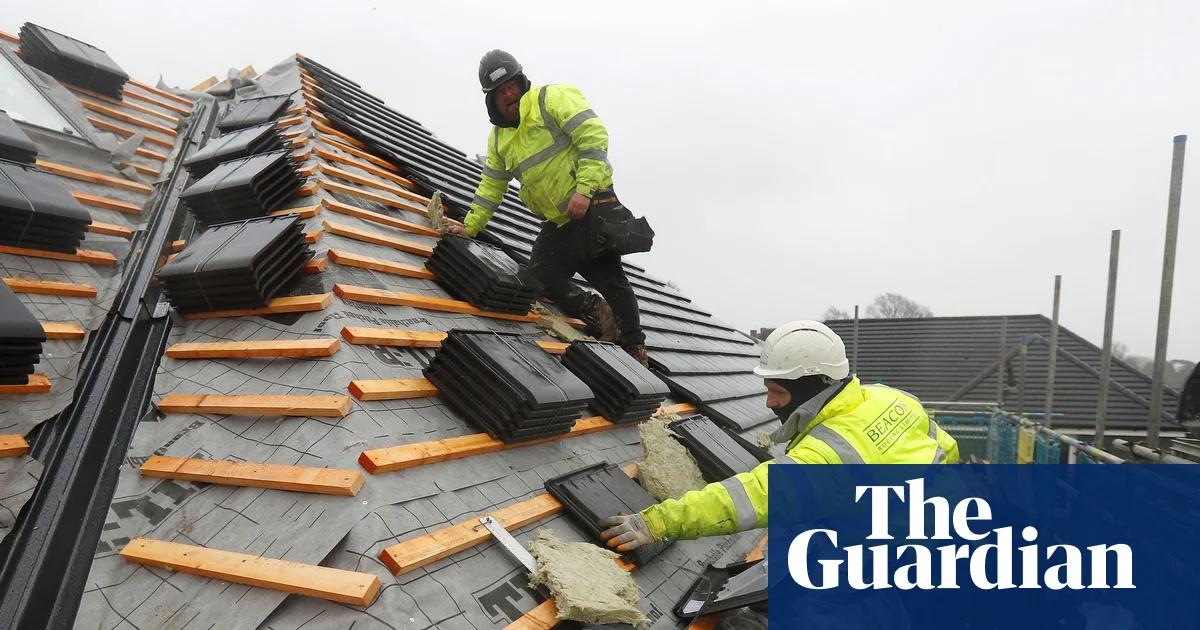
In recent weeks, the British housing sector has confronted a series of unprecedented challenges that threaten to undermine the very fabric of its social stability and future growth. The nation’s largest housebuilders, including Barratt Redrow, have announced significant cutbacks in land acquisitions, citing the destabilizing effects of geopolitical volatility—notably, the ongoing conflict in the Middle East—as a key factor. These moves highlight how external global conflicts ripple through national policies, impacting families, communities, and the social infrastructure built around affordable housing.

Historically, building homes has been more than a matter of construction; it’s a pillar that sustains communities and enables families to flourish. However, the recent slowdown, marked by a reduction in land purchase plans—sometimes by as much as half—exposes a deepening crisis intertwined with demographic shifts and the complexities of modern planning regulations. The *Centre for Policy Studies* estimates that last year’s housing starts in England were less than half the targeted figures needed to meet governmental goals of 300,000 new homes annually. Such deficits threaten to widen inequalities, with social tensions mounting as affordable housing remains elusive for many. Sociologist David Harvey warns that without strategic intervention, this could deepen inequalities, fragment social cohesion, and marginalize the most vulnerable.

Meanwhile, government initiatives like overhauling the planning system and injecting £39 billion into social and affordable housing programs aim to address these concerns. Yet, complex planning rules, soaring construction costs, and high interest rates continue to diminish their effectiveness, especially in the capital London. In recent years, social housing starts have plummeted, with only 4,522 projects beginning in 2024-25 compared to 26,386 just two years prior, according to the Ministry of Housing, Communities and Local Government. Emergency measures, like fast-tracking planning for affordable sites, have been introduced, but experts like Molior’s London housing analyst call the ambition of building 88,000 homes annually in London “impossible”. Such disparities reveal the societal gap that grows wider amid economic instability and restrictive policies.

As social issues in housing threaten to destabilize families and undo decades of progress, the question emerges about the society we are shaping for future generations. If young families are forced to endure long waiting lists, and communities face disintegration due to lack of affordable homes, this reflects a broader moral failure. Historically, sociologists like \u00c9mile Durkheim have emphasized the importance of social cohesion rooted in stable communities, yet current trends suggest a drift toward fragmentation. Amid these tumultuous times, hope lies in fostering resilient communities and policy reforms rooted in ethical duty. Society must recognize that building homes is ultimately about nurturing human potential, ensuring that every family has the foundation to thrive. If society can channel its collective will toward inclusive, sustainable development, then the societal fabric, frayed yet not broken, can be rewoven into a tapestry stronger than before—one imbued with hope, resilience, and the promise of a future where no family is left behind in the shadows of systemic neglect.

OpenAI’s New SDK Boosts Enterprise Agents for Safer, Smarter Tech

OpenAI Launches Enhanced SDK, Paving the Way for Safer, More Disruptive AI Agents

In a strategic move poised to reshape the landscape of autonomous AI systems, OpenAI has unveiled a significant upgrade to its Agents SDK. This latest iteration introduces advanced sandboxing capabilities, enabling developers to deploy AI agents within tightly controlled environments. This innovation addresses longstanding concerns about the unpredictability of autonomous agents when run without supervision, a risk frequently discussed in industry circles among leading researchers and futurists. By isolating agents in secure, siloed workspaces, OpenAI is setting new standards for reliability and security, ensuring that cutting-edge AI tools can operate safely in real-world applications.

Fundamentally, this upgrade signals a departure from traditional, monolithic AI deployment. The SDK now allows integrations with frontier models, which are regarded as the most powerful and versatile AI models available today, according to analysts at Gartner and MIT. These models operate within an in-distribution harness, thereby enabling real-time processing and testing within user environments. The provision of such capabilities opens the door for long-horizon AI tasks, complex multi-step operations that were previously challenging or impossible to manage effectively. Innovators and startups focusing on automation, robotics, and intelligent systems now have the tools to disrupt their respective industries more aggressively, leveraging frontier models without compromising security.

Image Credits:OpenAI

Karan Sharma from OpenAI’s product team explained, “This launch is about compatibility—making our SDK adaptable across various sandbox providers, so developers can build with the infrastructure they prefer.” The integration aims to empower enterprise-level innovation, enabling companies to deploy AI agents that can consider unfolding scenarios over extended periods, thus ushering in a new paradigm of disruptive automation and decision-making. With these technological strides, businesses can now develop AI solutions that perform multi-layered tasks—ranging from advanced analytics to autonomous operations—more efficiently and securely than ever before.

The significance for industry is profound: disruption on a global scale is imminent as startups and tech giants race to leverage these capabilities for competitive advantage. The new features will be accessible via API with standard pricing, ensuring broad adoption among the developer community and enterprise clients alike. This democratization of sophisticated AI tools accelerates the timeline for industry transformation, compelling traditional companies to innovate or risk obsolescence. Experts like Peter Thiel emphasize the importance of such technological breakthroughs, warning that those who fail to adapt to these disruptive trends could be left behind in an increasingly AI-driven economy.

Looking ahead, the deployment of sandboxed, frontier AI agents marks a critical juncture in the evolution of autonomous systems. As the capabilities expand, we can expect a wave of innovative applications—ranging from autonomous vehicles to personalized AI assistants—that will redefine productivity and operational efficiency. But with this acceleration comes urgency: stakeholders must not only embrace innovation but also proactively manage ethical and safety considerations. The industry stands at a crossroads where the next decade could see AI transitioning from disruptive niche technology to integral infrastructure—making the race for mastery not just strategic but existential.

Second school shooting in Turkey in two days leaves nine dead—another tragedy for our youth

In a devastating incident that has sent shockwaves through the international community, authorities confirm that eight students and one teacher lost their lives in a violent attack at a school. According to Interior Minister Mustafa Cifci, this tragic event underscores the escalating threats facing many nations today, highlighting a dire need for global cooperation in countering violence and securing educational spaces.

The attack, which remains under investigation, has further intensified debates about security policies and international stability. Such violence not only devastates individual communities but also threatens broader geopolitical stability. International watchdogs and human rights organizations emphasize that targeted violence of this nature often signals underlying societal tensions, which—if left unaddressed—can escalate into regional or even global conflicts. Analysts from the United Nations warn that reactive measures, while necessary, must be complemented by long-term strategies aimed at fostering social cohesion, education reform, and counter-terrorism cooperation.

Historically, similar tragedies have revealed the fragile nature of peace in volatile regions, often precipitating shifts in diplomatic relations and internal policies. Historians note that incidents like these act as a warning sign—an urgent call to action for governments and international bodies to reassess their approach to internal security and social harmony. In the context of current global tensions, where geopolitical rivalries and ideological confrontations threaten to destabilize entire regions, such acts of violence serve as grim reminders of the persistent vulnerabilities faced by developing and developed nations alike.

The geopolitical impact of this attack is profound, illustrating how internal security issues ripple outward, affecting diplomatic relations and international perceptions. Countries may face increased pressure to bolster border security, re-evaluate foreign aid priorities, or strengthen local law enforcement as a result. Such decisions invariably influence not only the immediate communities but also shape the futures of societies, impacting education, democracy, and public trust. International organizations emphasize that sovereignty must be balanced against collaborative security measures, or risk further fragmentation of the social fabric.

As analysts ponder the *possible consequences* of this tragedy, it becomes painfully clear that the fight against violence and extremism is far from over. This event, marked by loss and heartbreak, echoes the ongoing struggles faced by nations grappling with new security paradigms and societal divisions. Humanity’s collective destiny hinges upon whether the global community can rise to meet these challenges with resilience and resolve. For now, the shadows of this attack linger, a haunting chapter added to the ongoing narrative of history—reminding us that even in times of peace, vigilance must never waver, for the weight of history continues to unfold with each passing day.

Sure! Please provide the feed content you’d like me to base the headline on.

Unpacking the 2016 Iran Settlement: What the Facts Reveal

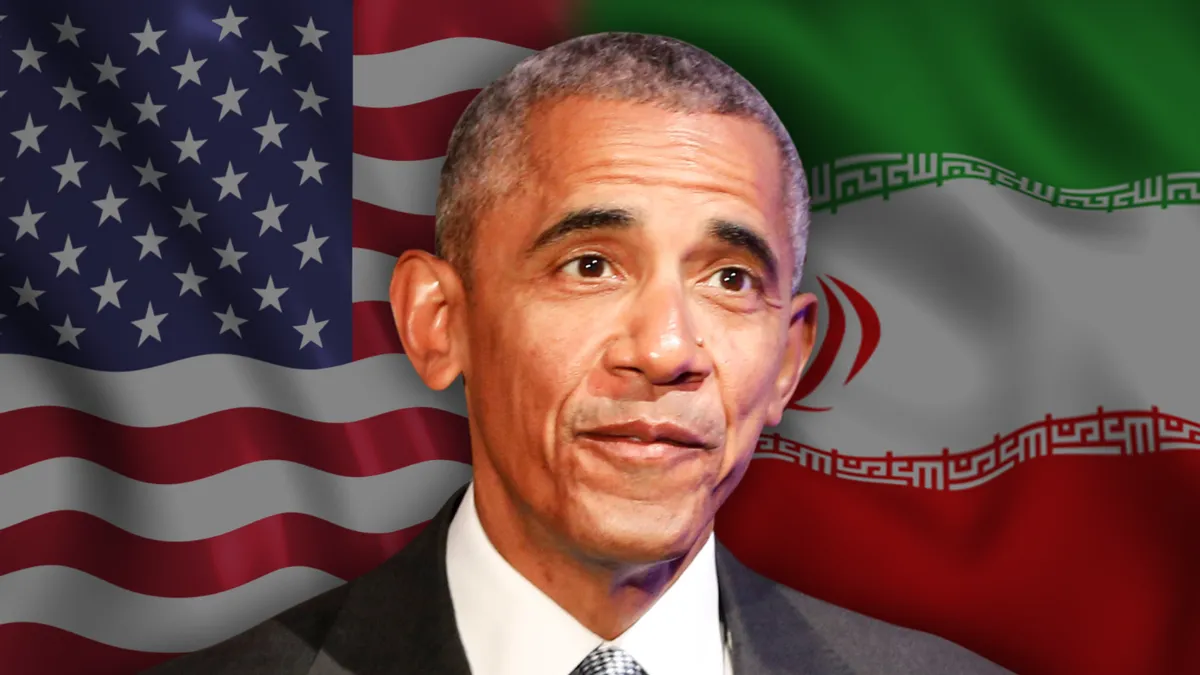
In recent years, social media posts have circulated claims alleging that the Obama administration sent Iran “$1.7 billion” in 2016, often implying malicious intent or clandestine backdoor dealings. Such claims, while provocative, require diligent investigation. It’s essential to distinguish factual information from conjecture, especially given the complex geopolitical and financial negotiations involved. A thorough review of government records, expert analyses, and reputable sources shows a nuanced picture that deserves our attention.

First, it is true that the U.S. made a settlement payment to Iran of approximately $1.7 billion in 2016. As outlined in official statements from the U.S. Department of Justice and Treasury, this sum was part of a settlement resolving a long-standing financial dispute. The transaction involved the release of funds that Iran had been entitled to receive following the 1979 Iranian Revolution and subsequent seizure of assets at the time. This payment was tied to the resolution of a debt connected to the era before the total breakdown of diplomatic relations, primarily disputes arising from Iran’s earlier nationalization of Western assets and the seizure of U.S. property.

However, the context explains much of the controversy. The State Department and Treasury documents reveal that the $1.7 billion was not a secret payout or a hidden ransom. According to the U.S. Department of Justice and the Treasury Department, the funds consisted of Iranian assets frozen during the 1979–1981 hostage crisis that had been held in escrow. This payment was part of a broader agreement resulting from negotiations related to the Iran nuclear deal (formally, the Joint Comprehensive Plan of Action, or JCPOA). The settlement was designed to resolve a long-standing financial dispute, not to deliver clandestine aid or bribe deals.

Critics often highlight that the timing—coinciding almost perfectly with the lifting of some sanctions—raises questions. But experts, including former officials and international law specialists, clarify that the payments were authorized by legal settlements negotiated over decades, not secret operations. Dr. Harvard Law Professor Alan Dershowitz pointed out that international legal proceedings and negotiated settlements are standard diplomatic tools—a far cry from covert operations or illicit transactions.

Furthermore, social media claims tend to omit vital details, such as the fact that early reports from reputable outlets like The New York Times and official government releases clarified the purpose of the funds. These reports confirmed that this was strictly a financial settlement involving assets frozen due to illegal seizures from Iran decades ago. As documented in the archives of the U.S. State Department and the Government Accountability Office, these funds represented legitimate property claims settled through diplomatic channels, not illicit payments or ransom.

In conclusion, the claim that the Obama administration secretly sent Iran $1.7 billion with nefarious intent is an oversimplification that distorts the facts. While the monetary transfer warrants understanding of the long diplomatic history, the specifics clearly show that it was a legal and transparent settlement. As responsible citizens and defenders of democracy, our allegiance should be to the truth, which relies on detailed, verified information rather than sensationalism. Upholding truth ensures accountability and safeguards the integrity of our political discourse—principles vital to a healthy democracy and a well-informed youth.

  • The original settlement involved Iranian assets frozen since the 1979 revolution.
  • The $1.7 billion included interest and was part of resolving a debt dispute, not a covert payout.
  • Government agencies and reputable outlets confirmed the legal and diplomatic context of the transfer.
  • Social media narratives tend to omit these crucial details, leading to misleading conclusions.

Understanding the facts behind complex international negotiations is essential for informed citizenship in a democracy—one built on transparency, truth, and responsible engagement with world affairs.

Rising Stars Shine in Thrilling Youth Sports Championship!

Washington Unveils Striking New Uniform Set: A Bold Move in Sports Fashion

Washington has introduced a revamped three-uniform set, making headlines with its eye-catching black “Hail Raiser” design. This new look not only showcases a fresh alternate logo but also emphasizes the team’s commitment to modernity and tradition. As they prepare for the upcoming season, this updated wardrobe signals that Washington is ready to make a statement on the field and in the fashion arena.

The highlight of this release is undoubtedly the black “Hail Raiser” uniform, which features sharp contrasts and an electrifying graphic that pays homage to the team’s heritage. Fans are eagerly anticipating how this uniform will stand out during home games. As Coach Ron Rivera stated, “Uniforms are more than just clothing; they represent our culture. This new look embodies the spirit of our team and the passionate community that supports us.” The reaction from fans on social media has been overwhelmingly positive, emphasizing the pride and unity that comes with wearing colors synonymous with achievement.

Notably, the updated set is designed with both aesthetics and functionality in mind. The fabric technology is set to enhance player performance, a crucial factor in today’s high-stakes environment. Players like quarterback Sam Howell have expressed enthusiasm about the new gear. “It’s not just about looking good; it’s about feeling good out there,” Howell shared during a press briefing. “This inspires us to play at our best.” The bold design choices reflect a vibrant shift in sports culture, merging style with purpose.

  • Key Features of the New Uniform Set:
    • Black “Hail Raiser” uniform with dynamic logo
    • Enhanced fabric technology for improved player performance
    • Commitment to reflecting team heritage and community pride
  • Player Statements:
    • Coach Rivera highlights cultural significance
    • Sam Howell emphasizes performance benefits

As sports continue to evolve, uniforms serve as more than just gear; they are a symbol of unity and shared passion. The launch of the new Washington uniform set is more than a step in fashion; it marks a commitment to driving community pride and competitive spirit. In the world of athletics, it is these elements that remind us of the power of teamwork—both on and off the field. Together, fans and players alike create a tapestry of support that transcends scores and stats, uniting everyone in the spirit of the game.

Source link

Chinese national gets year in prison for smuggling Kenyan ants—stupid crime, big punishment

Unexpected Diplomatic Tensions: The Case of Zhang Kequn and the Global Security Landscape

In a development that underscores the unpredictable nature of international security and environmental regulations, Zhang Kequn, a Chinese national, was arrested in March while attempting to travel to China with over 2,000 live ants. This incident, seemingly trivial at first glance, has ignited a broader debate on the interplay between international wildlife regulations, trade policies, and national security concerns, illustrating the complex web of factors influencing today’s geopolitics.

Analysts point out that the arrest signals more than just a case of illegal wildlife transport. It highlights the increasing scrutiny of unconventional items that carry potential biosecurity risks—an issue gaining prominence amid rising global concerns over pandemics and ecological stability. Experts from organizations such as the World Customs Organization warn that such seemingly minor violations can have far-reaching consequences, serving as indicators of deeper geopolitical tensions or economic disputes. While the incident involves a relatively small quantity of living creatures, it underscores a larger trend where environmental and health security are intertwined with international diplomacy, especially in regions with fraught political histories.

The implications extend well beyond the immediate border security. The incident sends ripples through international relations, especially between China, the world’s second-largest economy, and neighboring nations who remain vigilant about ecological and biosecurity threats. It also comes at a time when Western countries and China are engaged in ongoing strategic dialogues—and sometimes tensions—over trade, technology, and regional influence. Environmental regulations and biosecurity measures have become a new battleground, where control over seemingly trivial items—such as live animals or biological specimens—can be wielded as leverage or as symbols of broader diplomatic stance.

Moreover, global institutions have expressed concern over such incidents, emphasizing that how nations handle violations can either diffuse tensions or escalate them into wider conflicts. Officials and analysts note that these events reflect a larger pattern of how decisions on environmental regulation enforcement influence national image and international cooperation. For instance, the arrest of Zhang Kequn may be perceived differently across borders: as strict enforcement of international standards or as an overreach used to pressure China on other diplomatic issues. Such perceptions can profoundly shape diplomatic dialogues and mutual trust—key components in maintaining stability in rapidly shifting geopolitical landscapes.

As history continues to unfold, this seemingly minor incident embodies the broader dynamics at play: the collision of environmental concerns, national sovereignty, and international law. It serves as a stark reminder that, in today’s interconnected world, actions deemed trivial by some carry the weight of history—and the potential to either bolster cooperation or ignite conflicts. With each event, the delicate balance of global security—often hinging on the smallest of details—becomes clearer. The question remains: how will nations navigate this new terrain, where even a few insects can symbolize the fragile threads that hold the modern world together?

Social Media Auto Publish Powered By : XYZScripts.com