Matox News

Truth Over Trends, always!

Sophisticated Inheritance Scam Targets Unwary: How to Protect Your Data

A highly sophisticated inheritance scam email is currently circulating, designed with alarming precision to ensnare unsuspecting victims. Unlike crude, easily identifiable phishing attempts, this new variant leverages professional formatting, official-sounding jargon, and a fabricated sense of urgency to trick recipients into believing they are legitimate beneficiaries of an unclaimed estate. The ultimate goal remains the same: to steal personal data and financial information.

Cybercriminals are deploying increasingly polished phishing tactics, leveraging official-sounding language and fake deadlines to trick individuals into revealing sensitive personal and financial details, posing a significant threat to digital security.

The Anatomy of a Deceptive Email

The scam typically begins with an email that appears unexpectedly in an inbox, claiming the recipient is a “Primary Potential Beneficiary” to a substantial, unclaimed inheritance. There’s no prior contact, no logical backstory—just a formal message demanding immediate attention. As detailed by News Desk, these emails are crafted to build trust rapidly, pushing the recipient to act before they have a chance to question its authenticity.

What makes this particular scam so dangerous is its meticulous design. It avoids common grammatical errors and strange formatting often found in less sophisticated phishing attempts. Phrases such as “probate holding period” and “estate allocation” are used to mimic legitimate legal terminology, even if they are intentionally vague. The inclusion of a unique “ID” further attempts to lend an air of trackability and reality, though it cannot be verified through any official channels.

The email usually features a prominent call to action, often a button labeled “Check My Unclaimed Inheritance.” This button is the trap, designed to lead victims to a fraudulent website where they are prompted to enter sensitive personal information, ostensibly to claim their inheritance. Once clicked, users risk exposing their data to malicious actors.

Red Flags and Verifiable Truths

Despite its convincing appearance, several critical details expose the email as a fraud. Legitimate inheritance notices do not operate on urgent email deadlines. Real estate and probate processes are complex legal procedures that involve official communication through verifiable legal channels, not unsolicited emails demanding immediate action within a 48-hour window. No federal or state-level registry exists by the names often cited in these scam emails.

  • Unsolicited Communication: Legitimate inheritance claims rarely begin with an unexpected email from an unknown sender.
  • Urgency and Threats: Demands for immediate action within a tight deadline (“48 hours”) are a classic scam tactic to bypass critical thinking.
  • Vague Legal Jargon: While sounding official, terms like “probate holding period” are often used without specific context or verifiable legal references.
  • Lack of Verifiable Contacts: Genuine notices always provide clear, verifiable legal contacts and official channels for inquiry.
  • Requests for Personal Data: Legitimate processes do not ask for sensitive personal or financial details via email or through unverified links.

Authentic inheritance processes involve lawyers, court documents, and formal notifications, never an email-based rush to click a link.

“This version is more polished than the typical scam email. That is what makes it dangerous.”

Protecting Your Personal Data

The best defense against such sophisticated scams is vigilance and a healthy skepticism towards unsolicited communications, especially those promising significant financial gain. Always verify the authenticity of any unexpected message claiming to be from a financial institution, legal entity, or government agency. Do not click on links in suspicious emails. Instead, independently navigate to official websites or contact organizations directly using publicly available phone numbers.

Regularly updating your security software, using strong, unique passwords, and enabling two-factor authentication on your accounts are fundamental steps in securing your digital footprint. Furthermore, educating yourself on common phishing tactics can significantly reduce your vulnerability to these evolving threats. Protecting your personal data is paramount in an increasingly interconnected world.

Staying informed about the latest cyber threats and maintaining a cautious approach to digital interactions are crucial for safeguarding your personal and financial security. Always prioritize verification over urgency when dealing with unexpected claims of wealth.

Trump Escalates Pressure on Cuba Amid National Security Concerns

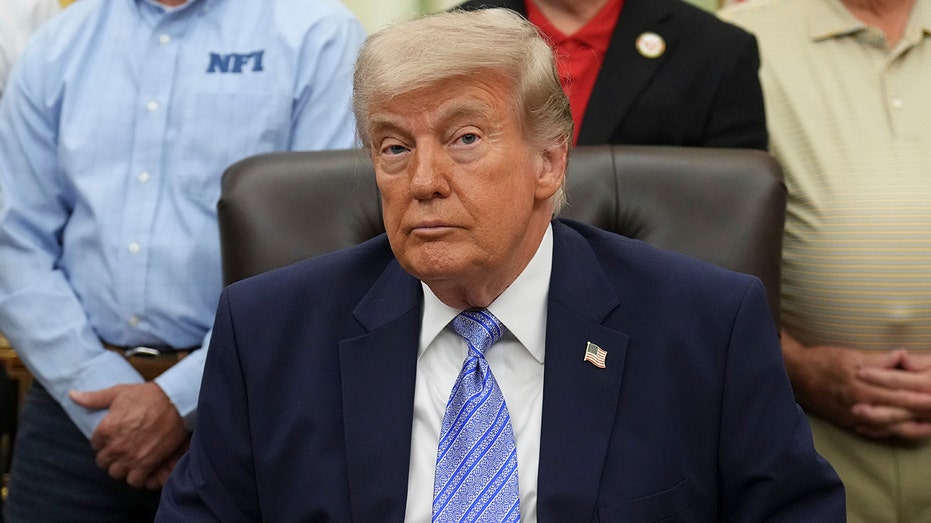
Washington D.C. – The United States under President Donald Trump has dramatically increased its pressure on Cuba, signaling a firm approach to the long-standing communist government. Citing grave national security threats, the administration has rolled out a comprehensive strategy that includes economic blockades, sanctions, and a highly unusual murder indictment against former Cuban leader Raúl Castro.

Washington’s Assertive Stance on Havana

The Trump administration has made its intentions clear: a peaceful resolution with the Caribbean nation is deemed unlikely in the current climate. This assertive posture underscores a belief that the Cuban regime poses a tangible risk to American interests and regional stability. The measures taken are not merely symbolic; they represent a significant escalation in US foreign policy towards the island.

Key actions include:

  • An imposing oil blockade designed to cripple the Cuban economy.
  • Further economic sanctions targeting the regime’s financial lifelines.
  • An unprecedented murder indictment against Raúl Castro, a move that elevates the diplomatic dispute to a criminal justice matter and sends a powerful signal regarding accountability.

These steps reflect a determined effort to challenge Havana’s leadership and its perceived destabilizing influence.

Cuba’s Rejection and Trump’s Vision

In response, Havana has vehemently rejected the US accusations, branding them a “fraudulent case” meticulously crafted to provide a pretext for potential military intervention. This narrative of victimhood and external aggression is a familiar tactic employed by the Cuban government to rally domestic support and international sympathy.

President Trump, however, has not shied away from direct and provocative language. Since his return to the White House, he has openly expressed his desire to change Havana’s leadership. He has mused publicly that Cuba is “ready to fall” and, as reported by the BBC, suggested in March that the country was in “deep trouble,” threatening a “friendly takeover.” Such statements indicate a clear strategic objective beyond mere containment.

President Trump has made clear his desire to change Havana’s leadership and has openly mused that Cuba is “ready to fall.”

Implications for Regional Stability and Order

The renewed pressure on Cuba carries significant implications for regional stability. From a conservative perspective, a firm hand against regimes perceived as oppressive or hostile is often seen as essential for upholding international order and protecting democratic values. The indictment of Raúl Castro, in particular, highlights a commitment to justice and accountability, even for those in positions of power.

This assertive approach aligns with a foreign policy doctrine that prioritizes national security and the proactive dismantling of threats rather than passive engagement. The administration’s actions against Cuba could serve as a template for dealing with other challenging regimes, emphasizing that the United States is prepared to use its economic and legal instruments to enforce its interests and promote democratic transitions.

As the standoff continues, the international community watches closely to see whether Washington’s intensified pressure will lead to the desired leadership change in Havana or further entrench the current regime’s defiant stance. The path forward remains uncertain, but the Trump administration’s resolve appears unwavering in its pursuit of a more secure and stable Western Hemisphere.

Senator Wicker Warns Trump Against 'Weak Iran Deal,' Urges 'Finish the Job'
Senator Wicker Warns Trump Against ‘Weak Iran Deal,’ Urges ‘Finish the Job’

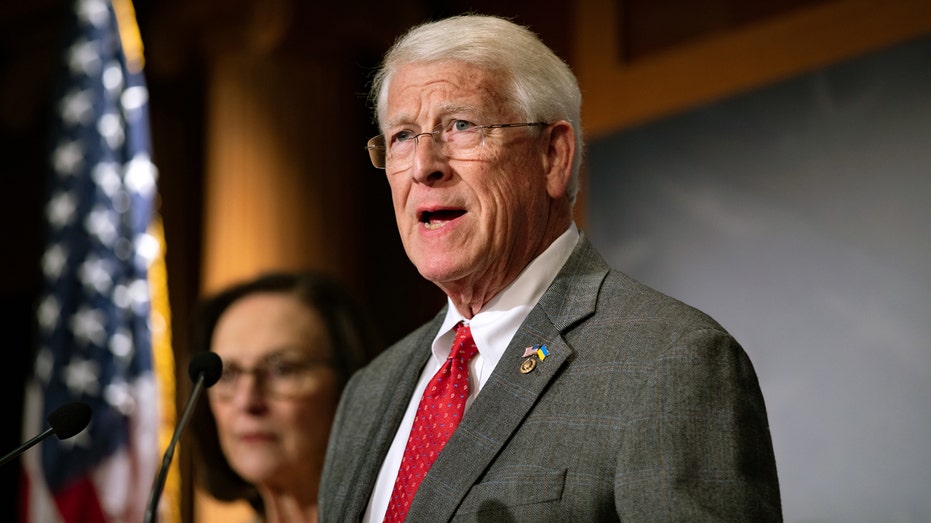
Senator Roger Wicker (R-Miss.), Chairman of the Senate Armed Services Committee, has publicly cautioned President Donald Trump against pursuing what he described as a ‘weak Iran deal.’ This admonition arrives as administration officials signal potential progress in negotiations with Tehran, highlighting a growing tension within conservative national security circles regarding the future of U.S. policy toward Iran.

Senator Wicker’s Firm Stance

In a sharply worded statement, Senator Wicker underscored the gravity of the current moment, asserting that it would ‘define President Trump’s legacy.’ The Mississippi Republican expressed concern that while the President’s ‘instincts have been to finish the job he started in Iran,’ he might be receiving counsel to entertain an agreement that would prove ineffective. Wicker’s remarks, reported by the News Desk, reflect a segment of the GOP leadership advocating for an uncompromising approach.

He pressed the commander-in-chief to allow America’s skilled armed forces to continue their mission. Senator Wicker’s core arguments for maintaining robust pressure on Iran include:

  • Completing the destruction of Iran’s conventional military capabilities.
  • Ensuring the reopening of vital shipping lanes, such as the Strait of Hormuz.
  • Preventing the perception of weakness that a premature or ‘worthless’ deal might convey to global adversaries.

Wicker argued that further diplomatic engagement with Iran’s Islamist regime risks projecting an image of weakness, reiterating the need to ‘finish what we started,’ a clear call for decisive action rather than negotiation.

Diplomatic Progress and Caution

The Senator’s comments surfaced just hours after Secretary of State Marco Rubio acknowledged ‘some progress’ in the ongoing discussions with Iran. Rubio, however, tempered expectations, stating he ‘wouldn’t exaggerate it. I wouldn’t diminish it,’ and emphasized that a final agreement had not yet been reached. He noted that key issues remain unresolved, indicating the complexity of the talks.

This delicate balance between diplomatic engagement and military resolve lies at the heart of the administration’s foreign policy challenge. The White House has not yet offered an immediate comment on Senator Wicker’s public appeal, leaving observers to speculate on the internal dynamics shaping President Trump’s ultimate decision.

The Stakes for U.S. National Security

The public discourse from Senator Wicker exposes a significant debate within Republican ranks concerning the optimal strategy for confronting the Iranian regime. This internal struggle centers on whether to pursue a negotiated settlement or to continue a robust military campaign aimed at dismantling Iran’s nuclear capabilities and conventional forces.

For many conservatives, a strong stance against Iran is paramount for regional stability and global security. The potential outcomes of these deliberations are substantial, impacting not only the Middle East but also the perception of American resolve on the international stage. The administration’s choice will undoubtedly be scrutinized for its long-term implications.

“His instincts have been to finish the job he started in Iran, but he is being ill advised to pursue a deal that would not be worth the paper it is written on.”

— Senator Roger Wicker (R-Miss.)

As President Trump navigates these complex geopolitical waters, the pressure from influential Republican figures like Senator Wicker highlights the deep convictions held by those who advocate for unwavering strength against adversarial regimes. The administration faces a pivotal decision that will shape its legacy and redefine the trajectory of U.S. foreign policy in a volatile region. Maintaining order and protecting national interests through decisive action remains a central concern for many American citizens.

House Republicans Express Deep Frustration Over Senate's Border Security Funding Delay
House Republicans Express Deep Frustration Over Senate’s Border Security Funding Delay

House Republicans have launched sharp criticism at their counterparts in the Senate, expressing profound frustration over the delayed vote on a critical budget reconciliation package. This legislative effort is designed to provide essential funding for U.S. Immigration and Customs Enforcement (ICE) and U.S. Border Patrol, agencies central to national security and maintaining orderly borders.

The postponement, described by some as ‘kicking the can down the road,’ has ignited a debate within the Republican ranks regarding legislative priorities and the timely execution of governmental duties, especially concerning immigration enforcement.

Congressional Frustration Mounts Over Senate Inaction

The delay has drawn pointed remarks from several prominent House Republicans. Representative Byron Donalds of Florida did not mince words, stating, according to reporting from The Hill, that the Senate has once again displayed an inability to properly complete its legislative duties. This sentiment reflects a broader concern about the legislative body’s capacity to address pressing national issues effectively.

Echoing this frustration, Republican Representative Tim Burchett of Tennessee characterized the delay as ‘gutless,’ adding that senators ‘need to work’ and ‘didn’t want to work.’ Such statements underscore the significant internal pressure within the Republican Party to advance policies that strengthen border security and immigration enforcement.

Representative Mike Flood, R-Neb., while frustrated, expressed a degree of optimism, hoping the Senate can “finish it up when they come back, I guess, and we can get this done.” This nuanced view highlights the desire for resolution despite the current setback.

Presidential Push and Broader Enforcement Context

The legislative package has received strong backing from President Donald Trump, who indicated in April his expectation for a bill providing funding for ICE and Border Patrol to reach his desk by June 1. This presidential directive places additional pressure on Congress to act decisively on immigration matters, aligning with the administration’s stated commitment to border integrity.

The context surrounding the Senate’s delay also includes recent discussions around the Justice Department’s newly established “Anti-Weaponization Fund.” This fund, announced as part of a settlement agreement in President Donald J. Trump v. Internal Revenue Service, aims to provide redress for those who have experienced government overreach. While distinct from the immigration package, reports suggest that discussions involving Acting Attorney General Todd Blanche and Senate Republicans on this topic may have contributed to the complex legislative environment surrounding the critical border funding vote.

The Imperative of Orderly Borders and Institutional Responsibility

For many conservatives, the funding of ICE and Border Patrol is not merely a budgetary item but a fundamental component of national sovereignty and the rule of law. The ability of these agencies to effectively secure the nation’s borders and enforce immigration laws is seen as paramount to maintaining order and protecting citizens.

The current impasse in the Senate raises questions about legislative efficiency and the commitment to address what many view as a persistent crisis at the border. Timely action on the immigration reconciliation package is crucial for providing the necessary resources to front-line personnel and reinforcing the nation’s institutional capacity to manage immigration effectively.

“It’s gutless, and I’m very frustrated.”

— Rep. Tim Burchett (R-TN)

As the legislative calendar progresses, the eyes of the nation, particularly those concerned with border security funding, will remain fixed on the Senate. The expectation is for the upper chamber to demonstrate leadership and resolve this critical funding issue, ensuring that America’s immigration enforcement agencies are equipped to fulfill their vital mission.

The delay underscores the ongoing challenges within Congress to forge consensus on significant policy matters. However, the urgency of securing the border and supporting federal agents remains a top priority for a substantial segment of the American public and their representatives.

Trump Defends 'Anti-Weaponization' Fund Amid Republican Opposition
Trump Defends ‘Anti-Weaponization’ Fund Amid Republican Opposition

The former President asserts the fund, created from a settlement over his tax returns, will deliver justice for victims of alleged “Biden-era lawfare,” as GOP lawmakers express concern over its timing and impact on legislative priorities.

Former President Donald Trump has strongly defended his administration’s controversial $1.8 billion “anti-weaponization” fund, a move that has ignited a significant rebellion among congressional Republicans. The fund, established by the Department of Justice, is intended to address claims of government overreach and “lawfare” against citizens. Trump asserts this initiative prioritizes justice for those he claims were targeted by the previous administration, even as critics warn it could derail vital legislative efforts, particularly regarding border security.

Origins of the Controversial Fund

The genesis of the “anti-weaponization” fund lies in a substantial settlement reached between former President Trump, his family, and the Internal Revenue Service. This agreement resolved a $10 billion lawsuit filed by Trump against the government concerning the unauthorized leak of his tax returns. Rather than a personal payout, the nearly $1.8 billion sum was directed towards establishing a systematic process for hearing and redressing claims of individuals who believe they have suffered from what the DOJ describes as “weaponization and lawfare.”

On Truth Social, Mr. Trump himself explained his decision, stating he “gave up a lot of money” by allowing the fund to proceed. He elaborated that he “could have settled my case, including the illegal release of my Tax Returns and the equally illegal BREAK IN of Mar-a-Lago, for an absolute fortune.” Instead, he claimed, he chose to help others “who were so badly abused by an evil, corrupt, and weaponized Biden Administration, receive, at long last, JUSTICE!” This perspective frames the fund as a direct response to perceived injustices.

Republican Rebellion and Fiscal Concerns

Despite the former President’s strong defense, the creation of the Trump anti-weaponization fund has sparked considerable alarm within Republican ranks in Congress. Lawmakers have voiced deep concerns that the timing and allocation of these funds could severely undermine critical legislative priorities, most notably the funding for Immigration and Customs Enforcement (ICE) and Border Patrol operations. Many Republicans had anticipated these funds would be directed towards securing the nation’s southern border, a cornerstone of conservative policy.

The immediate impact has been a disruption to the legislative agenda, with some Republicans openly questioning the lack of consultation regarding the fund’s establishment. One Republican lawmaker, speaking to Fox News, remarked, “Well, it would have been nice if they had consulted, and I think they probably would have gotten plenty of advice from lots of folks about it, but it’s water under the bridge now.” This sentiment underscores a growing frustration over what is perceived as a unilateral decision impacting broader party goals.

  • Impact on Border Funding: Congressional Republicans had planned to allocate significant resources to ICE and Border Patrol, a move now potentially jeopardized.
  • Lack of Consultation: Many lawmakers expressed dismay over not being informed or consulted prior to the fund’s announcement.
  • Legislative Disruption: The fund’s creation has complicated efforts to pass essential appropriations bills, creating friction between the executive and legislative branches.

Prioritizing Justice or Legislative Goals?

The central tension revolves around competing priorities: the former President’s desire to deliver “justice” through the anti-weaponization fund versus the Republican Party’s legislative agenda focused on fiscal discipline and border security. While Mr. Trump frames the fund as a moral imperative, many in his party see it as a misstep that diverts crucial resources and political capital.

The debate highlights the complexities of governing and the delicate balance between executive action and congressional oversight. For many conservatives, robust border enforcement remains a top-tier issue, and any measure perceived as undermining it is met with skepticism. The DOJ fund, irrespective of its stated purpose, is now at the heart of an internal party struggle over resource allocation and strategic direction.

“I gave up a lot of money in allowing the just announced Anti-Weaponization Fund to go forward… Instead, I am helping others who were so badly abused by an evil, corrupt, and weaponized Biden Administration, receive, at long last, JUSTICE!”

— Former President Donald Trump

As the political fallout continues, the administration faces the challenge of reconciling its commitment to addressing alleged “lawfare” with the pressing demands of its legislative allies. The controversy surrounding the Trump anti-weaponization fund serves as a stark reminder of the intricate interplay between executive authority, congressional priorities, and the broader conservative agenda. Moving forward, observers will keenly watch how this internal dynamic influences future policy decisions and the unity of the Republican Party.

WNBA Warns Fever Over Caitlin Clark Injury Reporting Lapse

The WNBA has issued a formal warning to the Indiana Fever, citing a failure to adhere to crucial injury reporting protocols concerning star player Caitlin Clark. This action underscores the league’s firm commitment to transparency and regulatory compliance across all teams.

The Women’s National Basketball Association has delivered a stern warning to the Indiana Fever following a lapse in Caitlin Clark’s injury reporting. The league’s move emphasizes the critical importance of adhering to established protocols, particularly when it involves high-profile athletes whose status significantly impacts games and fan engagement. This incident highlights the WNBA’s dedication to maintaining order and fairness within its competitive structure.

Upholding League Standards for Player Status

The WNBA’s directive to the Fever stems from the team’s failure to list Clark on its official injury report by the mandated 5 p.m. deadline the day before Wednesday’s game against the Portland Fire. Although Clark did not practice on Tuesday, her injury status was only disclosed two hours prior to tip-off on game day, when she was designated a late scratch.

The league’s rules are explicit:

  • Teams must submit an injury report by 5 p.m. ET the night before a game.
  • Any overnight or same-day changes to a player’s status require an immediate update to the report.

This regulatory framework ensures that all stakeholders—teams, media, and fans—are properly informed, fostering an environment of competitive integrity. The Associated Press reported the league’s decision to issue the warning after reviewing the timeline of events.

Clark’s Health Journey and On-Court Impact

The incident brings renewed attention to Caitlin Clark’s physical well-being. Her 2025 season was notably affected by multiple injuries, including one before the All-Star break and another during her rehabilitation. This season, she has openly discussed a persistent back issue, noting after the team’s opening loss that her back “gets out of line pretty quickly.”

Despite these challenges, Clark has demonstrated remarkable resilience and performance since returning to the court. She is currently averaging an impressive 24.3 points, 9 assists, and 5 rebounds through her first four games. In a recent victory against the Seattle Storm, she contributed 21 points, 10 assists, and seven rebounds, showcasing her indispensable value to the Fever. Her continued presence and performance underscore the necessity for accurate and timely health disclosures.

The Imperative of Transparency in Professional Sports

For professional sports leagues, transparent injury reporting is not merely a bureaucratic formality; it is a cornerstone of competitive fairness and public trust. Accurate information allows opposing teams to prepare effectively, ensures media can report responsibly, and provides fans with the necessary context for following their favorite teams and players.

Moreover, in an era where sports analytics and betting are prevalent, timely injury updates are crucial for maintaining the integrity of the sports economy. The WNBA’s swift action against the Fever reinforces its commitment to orderly conduct and accountability, ensuring that all teams operate under the same clear guidelines.

“Adherence to injury reporting protocols is not merely procedural; it is fundamental to the integrity and transparency of professional basketball, ensuring fairness for all.”

As the Indiana Fever prepares for its upcoming home game against the Golden State Valkyries, with Clark listed as probable, the focus remains on compliance. This warning serves as a clear reminder from the WNBA that established rules are in place to uphold the professional standards of the league. It is a necessary measure to ensure competitive balance and maintain public confidence in the sport.

Clint Black and Lisa Hartman Black Bring Enduring Love Story to Lifetime in 'When I Said I Do'
Clint Black and Lisa Hartman Black Bring Enduring Love Story to Lifetime in ‘When I Said I Do’

Country music power couple Clint Black and Lisa Hartman Black are bringing their celebrated love story to television screens this weekend with the premiere of the new Lifetime movie, When I Said I Do. Inspired by their legendary duet of the same name, the film offers a narrative rooted in enduring commitment, a theme deeply resonant with the couple’s own long-standing marriage.

This cinematic venture is more than just a tribute to a hit song; it’s a cultural moment that highlights traditional values of partnership and perseverance in relationships. The Blacks’ involvement adds an authentic layer to the romantic drama, positioning it as a must-watch for fans of heartfelt storytelling and classic country music.

A Duet’s Enduring Legacy on Screen

The inspiration for Lifetime’s When I Said I Do comes directly from Clint Black and Lisa Hartman Black’s iconic 1999 duet. This song was not merely a hit; it became a cultural touchstone, spending multiple weeks at the #1 spot on Billboard‘s Hot Country chart and even reaching #31 on the Billboard Hot 100. Its lyrics, steeped in vows of lifelong dedication, have resonated with countless listeners for decades.

While the movie is not a direct autobiography, it masterfully captures the essence of the song’s message. The narrative centers on a widowed search-and-rescue K-9 handler who finds love again with another rescue specialist, exploring the challenges and triumphs of new beginnings and unwavering devotion. This approach allows the film to explore universal themes of love and commitment while drawing from the powerful emotional core of the original music.

Clint and Lisa Hartman Black’s Special Appearance

Adding a unique touch of authenticity, Clint Black and Lisa Hartman Black themselves appear in the film. Rather than playing fictionalized versions of themselves, they take on the roles of hosts for a relationship podcast within the movie’s universe. This ingenious casting choice allows them to comment on the film’s themes of love and partnership, lending their real-life experiences and perspectives to the unfolding drama.

Their presence underscores the film’s commitment to portraying genuine, lasting relationships. It’s a subtle yet powerful way for the couple to reinforce the very values their music and marriage have come to represent, making their involvement much more than a cameo; it’s an integral part of the storytelling.

“The enduring power of a promise, especially one made ‘I do,’ resonates deeply. This film beautifully explores that journey.”

How to Watch ‘When I Said I Do’

For those eager to experience this heartwarming tale, When I Said I Do premieres Saturday, May 23, at 8 p.m. ET/PT on Lifetime. Viewers with a traditional cable package that includes the Lifetime network can tune in directly.

For those who prefer streaming, there are several convenient options to watch the movie live online:

  • Live TV Streaming Services: Services that include Lifetime in their channel lineup are ideal. Many offer free trials, allowing viewers to watch without an immediate commitment.
  • Recommended Package: For comprehensive and affordable streaming, services like DIRECTV offer packages such as “MyEntertainment,” which includes a live Lifetime feed along with over 60 other channels. This package often comes with a 5-day free trial.

Checking local listings or the Lifetime network’s official website for specific broadcast times and additional streaming options is always advisable to ensure you don’t miss the premiere of this inspiring film.

A Timeless Message for Modern Audiences

In an era often characterized by fleeting trends, the story behind When I Said I Do offers a refreshing return to themes of steadfast love and commitment. Clint Black and Lisa Hartman Black’s enduring partnership, both personally and professionally, serves as a powerful testament to these values. The film, inspired by their iconic song, not only entertains but also gently reminds us of the strength found in fidelity and the joy of a shared journey. It’s a narrative that aligns perfectly with the enduring appeal of family-centric entertainment and the timeless pursuit of genuine connection.

AI's Economic Impact: Workforce Shifts and Geopolitical Realities
AI’s Economic Impact: Workforce Shifts and Geopolitical Realities

The advent of artificial intelligence continues to reshape industries, economies, and even personal lives, presenting both unprecedented opportunities and significant challenges. From widespread discussions surrounding workforce shifts to critical geopolitical strategies involving advanced chip technology, the economic impact of AI is undeniable. Recent reports compiled in a Fox News AI Newsletter underscore this multifaceted reality, revealing how AI’s integration is far from a straightforward path to progress and often leads to complex, unforeseen consequences.

AI and the Workforce: A Double-Edged Sword

One of the most pressing concerns in the current technological landscape revolves around AI’s profound effect on employment. Many companies are rapidly adopting AI technologies with the stated goal of enhancing automation, streamlining processes, and ultimately reducing operational costs. This aggressive push has fueled widespread fears of significant job displacement across various sectors.

However, a recent Gartner study suggests a more nuanced and perhaps cautionary picture regarding AI-driven workforce reductions. The research, which surveyed 350 global business executives from companies with at least $1 billion in annual revenue, revealed that while approximately 80% of organizations piloting or deploying autonomous business capabilities reported staff reductions, these cuts did not clearly translate into stronger returns on investment. This challenges the simplistic assumption that shedding headcount automatically leads to greater efficiency or profitability.

  • A significant majority (80%) of companies deploying AI reported workforce reductions.
  • Despite these cuts, the study found no clear correlation between reduced staff and improved financial returns.
  • Companies that successfully improved their return on investment were often those investing in new skills, roles, and operational models, rather than solely eliminating positions.

This data indicates that a strategic investment in human capital, alongside technological adoption, may be more crucial for long-term success and genuine ROI than simply cutting jobs. The initial belief that AI would automatically cut costs by replacing human workers appears to be an oversimplification, prompting many executives to rethink their approach to AI integration and workforce planning.

Geopolitical Stakes: The Global Chip Technology Race

Beyond domestic economic shifts, AI’s fundamental reliance on advanced computing hardware has propelled chip technology to the forefront of global geopolitical strategy. U.S. export bans, specifically intended to curb China’s technological advancement and maintain American leadership, may be creating unintended consequences, as warned by Nvidia CEO Jensen Huang.

Huang, a prominent figure in the semiconductor industry, expressed concerns that these restrictions are inadvertently empowering Chinese competitors. He specifically noted that Huawei, a major Chinese technology firm, is actively “flourishing in our absence,” suggesting that U.S. sanctions might be accelerating China’s drive towards self-sufficiency in chip design and manufacturing rather than effectively hindering it. This development carries significant implications for global supply chains, the balance of technological leadership, and national security. It highlights the delicate and complex balance policymakers must strike in navigating the tech sector’s geopolitical landscape, where short-term controls can foster long-term strategic shifts.

“Workforce reductions may create budget room, but they do not create return.”

— Helen Poitevin, Distinguished VP Analyst at Gartner

AI’s Broader Societal Footprint

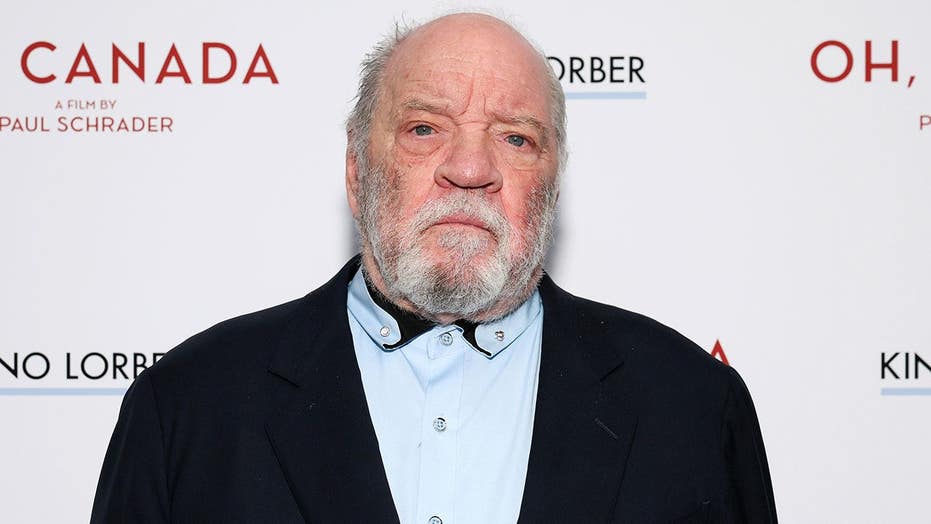
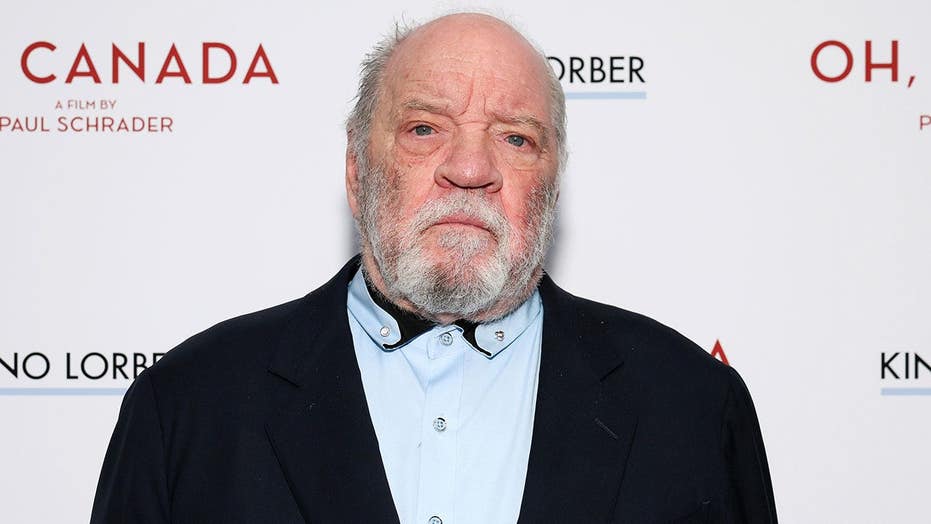
While economic and geopolitical discussions rightly dominate headlines, AI is also subtly influencing societal norms and public perception, often in unexpected ways. The digital era continues to blur lines between the real and the virtual, sometimes with peculiar outcomes. Oscar-nominated filmmaker Paul Schrader recently shared a rather unique personal experience, revealing in a Facebook post that his “AI girlfriend” had unexpectedly ended their relationship. This anecdote, while seemingly lighthearted, reflects the increasing integration of AI into personal spheres and the evolving nature of human-computer interaction.

However, not all public interactions with AI have been positive. Former Google CEO Eric Schmidt faced a notable chorus of boos during a University of Arizona commencement speech when discussing AI’s potential to reshape—or replace—parts of the workforce. This incident underscores a palpable public anxiety surrounding AI’s impact on job security and economic stability. Furthermore, a painful error occurred during a Glendale Community College graduation ceremony where an AI robot tasked with announcing graduates’ names experienced a glitch, skipping over hundreds of students. Such incidents, from personal digital relationships to public ceremonies, underscore the current limitations and occasional fallibility of even advanced AI systems, reminding us that the human element remains irreplaceable.

The ongoing narrative of artificial intelligence is one of constant evolution, adaptation, and unforeseen challenges. As businesses, governments, and individuals alike grapple with its expanding influence, a balanced, informed, and ethically grounded approach remains paramount. Understanding both AI’s profound economic implications and its nuanced societal impact will be key to harnessing its immense potential responsibly and ensuring it serves to strengthen, rather than destabilize, our institutions and way of life.

DNC Chair Faces Renewed Pressure Over Flawed Election Autopsy Release

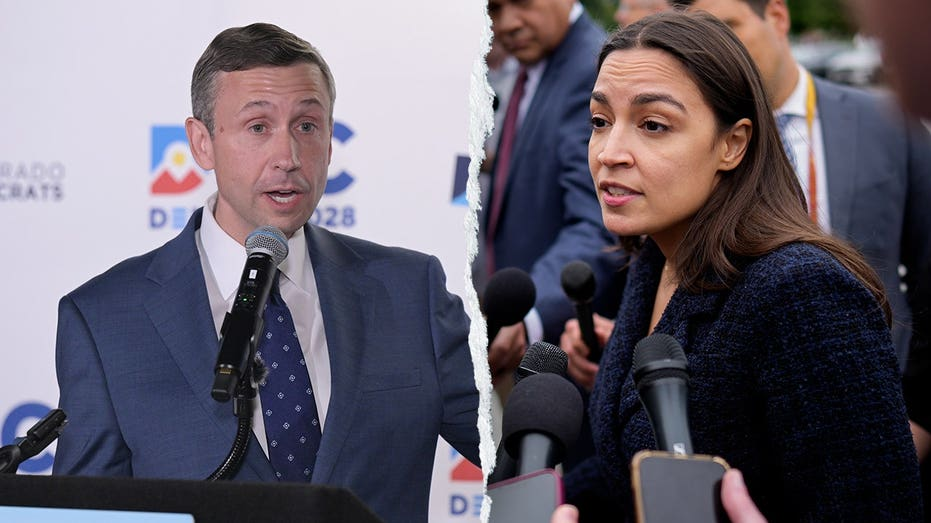
Democratic National Committee Chairman Ken Martin is facing intensified calls for his resignation after a controversial reversal on the release of the party’s 2024 election autopsy report. After months of resistance, the document, intended to dissect former Vice President Kamala Harris’s defeat, was finally made public on Thursday, only to be met with widespread condemnation from within the party for its perceived deficiencies.

Martin initially argued that releasing the report would be a distraction. However, he then claimed that not releasing it had become an even greater impediment. This flip-flop on such a critical internal party document has fueled accusations of indecision and a lack of transparency at the DNC’s helm, further eroding confidence in his leadership.

Key Omissions Spark Outcry

The core of the criticism leveled against the DNC’s autopsy report centers on its striking omissions. Despite being a significant factor in the 2024 election cycle, the document notably fails to mention the conflict in Gaza or the advanced age of President Biden. These were issues widely discussed and debated across the political spectrum, influencing voter sentiment, particularly among younger demographics and progressives.

Progressive voices within the Democratic Party have been particularly vocal. Representative Alexandria Ocasio-Cortez, D-N.Y., expressed her disbelief, stating, “I think it’s pretty unbelievable that Gaza would not be mentioned once in the autopsy report.” She emphasized that the issue was a “major dynamic” that candidates could not ignore, suggesting its absence was a “major oversight” that did a “real disservice” to understanding the election environment.

Similarly, Representative Ro Khanna, D-Calif., highlighted the perceived failure to address the Middle East conflict, linking it directly to the party’s electoral struggles. Such internal dissent underscores a significant disconnect between the party’s leadership and its more progressive wing regarding the acknowledgment of critical political realities.

“I think it’s pretty unbelievable that Gaza would not be mentioned once in the autopsy report… I think it was very clearly a major dynamic.”

Leadership Under Scrutiny

The sequence of events surrounding the autopsy report has cast a shadow over Chairman Martin’s leadership. His initial refusal to release the findings, followed by a sudden change of heart and the subsequent publication of a report deemed incomplete by many, suggests a struggle to manage internal party expectations and maintain a clear strategic direction. This latest controversy adds to ongoing concerns about the DNC’s effectiveness in navigating a complex political landscape.

As noted by News Desk analysis, the pressure on the DNC chair is intensifying, reflecting a broader dissatisfaction within the party regarding its post-election accountability and future direction. Critics argue that a comprehensive and honest assessment is crucial for the party to learn from its mistakes and rebuild for future campaigns. The current report, however, appears to have deepened divisions rather than fostered unity or clarity.

The Path Forward for the DNC

The controversy surrounding the 2024 election autopsy report highlights the significant challenges facing the Democratic National Committee. For a party to effectively regroup and strategize, a robust and honest internal review is paramount. The current situation, marked by leadership indecision and a perceived whitewashing of critical issues, does not bode well for future electoral success. Rebuilding trust and demonstrating genuine accountability will be crucial for the DNC to move past this internal turmoil and present a united front to the electorate.

Nvidia CEO Warns on China's Chip Independence Amid Evolving AI Landscape
Nvidia CEO Warns on China’s Chip Independence Amid Evolving AI Landscape

The evolving role of artificial intelligence sparks crucial debates, from geopolitical chip competition to the economic implications of automation and shifting employment landscapes.

The rapid advancement of artificial intelligence continues to reshape industries, economies, and even personal relationships, presenting a complex tapestry of opportunities and challenges. At the forefront of these discussions is Nvidia CEO Jensen Huang, who recently issued a significant warning regarding China’s burgeoning independence in semiconductor technology. His remarks highlight growing concerns that U.S. export restrictions may be inadvertently bolstering rival nations, challenging the efficacy of current policy approaches.

This geopolitical dynamic unfolds alongside a critical reassessment of AI’s impact on employment. While many companies have pursued workforce reductions in tandem with AI adoption, new research suggests these cuts may not consistently yield the anticipated financial returns. Meanwhile, the technology’s reach extends into unexpected corners of daily life, prompting both fascination and skepticism among the public.

Geopolitical Currents: China’s Chip Autonomy

Nvidia’s Jensen Huang, a pivotal figure in the global tech industry, has voiced strong concerns about the effectiveness of U.S. technology export bans targeting China. In a stark warning to policymakers, Huang indicated that these restrictions might be having unintended consequences, potentially accelerating China’s drive for self-sufficiency in critical chip manufacturing. He specifically noted that China-backed rival Huawei is actively “flourishing in our absence,” according to insights compiled in a recent Fox News AI Newsletter.

This assessment suggests a strategic miscalculation by Washington, where policies intended to curb China’s technological ascent may instead be catalyzing its domestic innovation and production capabilities. For a nation committed to maintaining technological leadership and ensuring national security, understanding these complex feedback loops is paramount. The long-term implications for global supply chains, market competition, and geopolitical stability remain a significant concern, emphasizing the need for carefully considered, adaptive foreign policy.

AI and the Workforce: Beyond Layoffs

The promise of artificial intelligence often includes enhanced efficiency and reduced operational costs. Many organizations have responded to this by implementing workforce reductions concurrent with AI deployment. However, a new Gartner study casts doubt on the direct correlation between these layoffs and improved financial returns.

The research, which surveyed 350 global business executives, revealed that approximately 80% of companies piloting or deploying autonomous business capabilities reported workforce reductions. Yet, these cuts did not consistently translate into stronger returns on investment. Helen Poitevin, a distinguished VP analyst at Gartner, clarified that “Workforce reductions may create budget room, but they do not create return.” This suggests that simply cutting headcount in the name of AI may be an overly simplistic approach. Instead, companies achieving better returns are reportedly investing in new skills, roles, and operational models that leverage human talent alongside AI tools, rather than replacing it outright. A balanced approach that prioritizes upskilling and strategic integration of AI appears to be more effective for sustainable growth.

“Workforce reductions may create budget room, but they do not create return.” – Helen Poitevin, Gartner VP Analyst

The Unpredictable Face of Artificial Intelligence

Beyond the high-stakes world of geopolitics and corporate strategy, artificial intelligence continues to infiltrate cultural and personal spheres in often surprising ways. Oscar-nominated filmmaker Paul Schrader, known for his gritty screenplays, recently shared a peculiar experience: his self-developed AI girlfriend reportedly “dumped” him. This anecdote, while perhaps humorous, underscores the increasingly blurred lines between human interaction and digital companionship, raising questions about the future of relationships in an AI-driven world.

Public sentiment towards AI also remains complex and often divided. Former Google CEO Eric Schmidt, for instance, encountered boos during a University of Arizona commencement speech when discussing the technology’s potential to reshape the workforce. Similarly, a recent graduation ceremony at Glendale Community College saw a robot tasked with announcing graduates’ names experience a glitch, skipping hundreds of students. These incidents, though varied, illustrate the public’s mixed reactions—a blend of excitement, apprehension, and occasional frustration—as AI integrates further into daily life.

The diverse developments surrounding artificial intelligence, from critical geopolitical warnings to shifts in the labor market and intriguing personal anecdotes, underscore its profound and multifaceted impact. As societies navigate this transformative era, a balanced approach—one that upholds foundational principles of order, free markets, and institutional integrity while adapting to technological change—will be essential for harnessing AI’s potential responsibly and effectively. The ongoing dialogue requires careful consideration of both the promises and the unforeseen challenges that this powerful technology presents.

Social Media Auto Publish Powered By : XYZScripts.com