Matox News

Truth Over Trends, always!

China's Luxury Market Sees Domestic Brands Surge Amid Economic Shift
China’s Luxury Market Sees Domestic Brands Surge Amid Economic Shift

China’s economic landscape is undergoing a significant transformation, marked by a notable shift in consumer behavior within the country’s burgeoning luxury market. As the economy navigates a period of adjustment, Chinese consumers are demonstrating a growing preference for homegrown brands, signaling a mature evolution in spending habits and national pride. This pivot not only challenges the long-held dominance of established European luxury houses but also underscores the increasing sophistication and quality of domestic manufacturers.

Shifting Tides: Consumer Confidence and Economic Realities

The current economic environment in China, characterized by slower growth and evolving geopolitical sentiments, has prompted a significant re-evaluation among its affluent populace. Rather than curtailing luxury spending altogether, many are now redirecting their expenditures towards domestic alternatives that offer perceived value, cutting-edge innovation, and a stronger connection to national identity. This trend reflects a broader confidence in local industries and a pragmatic response to evolving market conditions, prioritizing both substance and cultural relevance over purely foreign prestige. It signals a shift from aspirational emulation to confident self-expression through local quality.

The Rise of Homegrown Excellence: EVs, Gold, and Beyond

The ascendancy of Chinese luxury brands is particularly evident in high-value sectors that demand both technological prowess and sophisticated design. Premium electric vehicle manufacturers, for instance, are now producing models priced upwards of $140,000, directly competing with and often surpassing global automotive giants in features tailored to the Chinese market. This segment showcases not only advanced engineering but also bespoke design and smart functionalities. Similarly, the market for ‘heritage gold’ — intricately designed jewelry and artifacts drawing on deep traditional Chinese motifs — has seen a remarkable surge, appealing to consumers seeking luxury imbued with cultural meaning and lasting value. These examples highlight a strategic move by domestic companies to blend modern luxury with profound historical and cultural roots, creating offerings that resonate powerfully with national sentiment.

  • High-end Electric Vehicles: Offering advanced technology and bespoke designs, rivaling established global players.
  • Heritage Gold Products: Emphasizing traditional craftsmanship and cultural significance, becoming a staple for discerning buyers.
  • Fashion and Lifestyle Brands: Developing unique aesthetics that resonate with local preferences, moving beyond imitation.

This diversification points to a robust and adaptable domestic manufacturing base, capable of meeting sophisticated consumer demands.

Global Implications: A New Competitive Frontier

The shift in China’s luxury market presents a formidable challenge to international brands that have historically relied on the Chinese consumer for significant revenue growth. While European luxury houses continue to hold a certain prestige, the competitive landscape is rapidly evolving. Domestic brands are no longer merely offering cheaper alternatives; they are increasingly recognized for their superior quality, innovation, and an unparalleled understanding of local nuances and consumer desires. This dynamic suggests that foreign brands must profoundly adapt their market strategies, potentially by enhancing localization efforts, fostering deeper cultural connections, or focusing on unique value propositions, to retain their market share. A recent analysis published by The New York Times notably highlighted this burgeoning trend, underscoring the significant inroads made by Chinese companies in previously unchallenged segments.

Chinese consumers are increasingly seeking luxury that resonates with their identity and values, finding it in the innovation and heritage offered by homegrown brands.

The ongoing evolution within China’s luxury market is far more than a fleeting trend; it signifies a maturing economy, a confident consumer base, and a reassertion of national industrial capabilities. This development not only bolsters domestic industries and innovation but also fundamentally redefines what ‘luxury’ signifies in one of the world’s most influential economic arenas. As this profound shift continues to unfold, it underscores the critical importance of adaptability, genuine market understanding, and strategic foresight for both local and international players vying for the discerning Chinese consumer’s attention. The landscape of global luxury is undoubtedly being redrawn, pointing towards a future where diverse origins of prestige will increasingly hold sway.
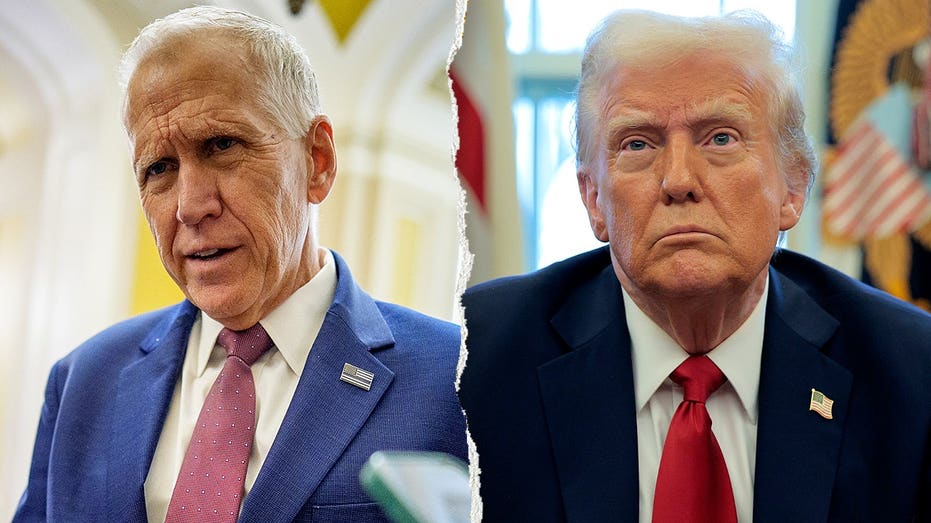
Charting the Course: Safeguarding the GOP's Future Amid Internal Strife
Charting the Course: Safeguarding the GOP’s Future Amid Internal Strife

The Republican Party finds itself at a critical juncture, navigating complex political currents and internal disagreements. A recent report from Fox News Digital highlighted a candid warning from retiring Senator Thom Tillis, who expressed serious concerns that certain actions could severely undermine the GOP’s future and its electoral prospects in the upcoming November elections. His remarks underscore a growing sentiment within conservative circles: the need for strategic unity and a clear focus on core principles to ensure the party’s strength and relevance.

A Veteran’s Candid Critique

Senator Tillis, a Republican from North Carolina, has not shied away from voicing his criticisms of the Trump administration, particularly concerning decisions he believes are detrimental to the party. His latest comments, asserting that specific actions are “killing our chances” for Republicans to retain control of the Senate, are a potent reminder of the internal tensions that occasionally surface. Tillis’s frankness, especially as a senator not seeking re-election, offers a perspective unburdened by immediate electoral pressures, allowing for a more direct assessment of the party’s challenges.

The senator’s criticisms extend beyond mere personality clashes, touching upon policy decisions that raise eyebrows among fiscal conservatives and institutionalists alike. He has pointed to several initiatives, attributing them to key administration advisors, that he views as counterproductive:

  • A substantial “anti-weaponization” fund, raising questions about governmental overreach and fiscal prudence.
  • Proposals for 50-year mortgages and a bipartisan Senate housing package, potentially distorting free markets and increasing long-term liabilities.
  • The push to acquire private companies with taxpayer dollars, a direct challenge to free-market principles.
  • Concerns about the firings of top generals and a perceived lack of accountability for foreign adversaries, impacting national security and institutional stability.

These points highlight a divergence from established conservative tenets, suggesting that some policy directions risk alienating key segments of the Republican base and independent voters.

Beyond Personality: Stakes for the GOP

While political feuds often capture headlines, the underlying stakes for the Republican Party are far more significant. Tillis’s warning transcends personal animosity; it’s a call for introspection regarding the party’s strategic direction. For the GOP’s future, electoral success hinges not just on voter turnout but on presenting a coherent vision that resonates with the American public. A party perceived as fractured, or one that deviates from its foundational conservative principles, risks losing trust and momentum.

The conservative movement thrives on ideas of individual liberty, limited government, fiscal responsibility, and a strong national defense. When internal disputes overshadow these core tenets, or when policy proposals appear to contradict them, the party’s message becomes muddled. Electors seek clarity, consistency, and a reliable commitment to the values they believe in.

“The path to a strong Republican Party lies in disciplined adherence to conservative principles, not in divisive rhetoric or policy detours.”

Upholding Conservative Principles for the Future

Securing the GOP’s future demands a renewed commitment to its bedrock principles. This means fostering an environment where robust debate can occur without devolving into destructive infighting. It means prioritizing policies that promote economic growth through free markets, uphold the rule of law, strengthen our institutions, and protect the traditional family unit. It also requires a leadership that can unify diverse factions under a common conservative banner, demonstrating a steady hand and a clear vision for the nation.

The Republican Party has historically been the standard-bearer for order, responsibility, and opportunity. To maintain this vital role, it must demonstrate a pragmatic approach to governance, avoiding populist impulses that undermine long-term stability or economic health. The wisdom of experienced voices like Senator Tillis, even when critical, should be heeded as the party seeks to strengthen its foundations and prepare for the challenges ahead.

The path forward for the Republican Party is one of principled engagement and strategic foresight. By focusing on substantive policy and fostering genuine unity, the GOP can not only overcome its current internal challenges but also solidify its position as a leading force for positive change in America.

Massachusetts Community Unites to Deliver Hero's Farewell to WWII Veteran
Massachusetts Community Unites to Deliver Hero’s Farewell to WWII Veteran

In a powerful display of community solidarity and profound respect for service, a Massachusetts town rallied to provide a hero’s farewell for a World War II Navy veteran who passed away with no known family. John Bernard Arnold III, 98, was laid to rest in a ceremony attended by an astonishing 1,500 strangers, all united by a shared commitment to honor a life dedicated to defending freedom.

The solemn event, which unfolded in Hanson, Massachusetts, on Monday, served as a poignant reminder that no veteran should ever face their final journey alone. The overwhelming turnout underscored deeply held American values of gratitude, duty, and community.

A Call to Community Duty

The remarkable gathering began with a simple, yet urgent, plea from Hanover-Hanson Veteran Services. After Mr. Arnold’s passing on May 6, it became apparent he had no living family to attend his funeral. The organization took to social media, posting: "This veteran passed away with no known family to attend his services. Let’s send him off the way a veteran should be."

The message resonated far and wide, touching the hearts of countless individuals across the region. Veterans in full uniform, local police officers, and ordinary citizens clutching American flags began arriving hours before the scheduled service, transforming a potential solitary farewell into a grand testament of collective appreciation. This spontaneous outpouring of support highlighted a fundamental principle: that those who served our nation deserve unwavering respect, even if their personal connections have faded.

A Dignified Tribute

The services for Mr. Arnold commenced at Saint Joseph the Worker Church, where his flag-draped coffin was carried amidst a sea of respectful onlookers. Many of those present had never known John Arnold, yet they stood together, sharing a common purpose. "Nobody should have to go alone, I don’t care who you are," funeral attendee Jim Pearce told WCVB, encapsulating the sentiment of the day.

Following the funeral Mass, a lengthy police motorcade escorted Mr. Arnold to Cedar Knoll Cemetery in Taunton. Along the route, more mourners lined the streets, holding flags and offering silent salutes. Bagpipes played a somber tune, adding to the gravitas of the occasion, as veterans stood at attention, ensuring their comrade received the full military honors he rightfully earned. This dignified procession was a powerful collective statement of remembrance and honor.

"Nobody should have to go alone, I don’t care who you are."

Upholding Enduring Values

The story of John Bernard Arnold III’s farewell, highlighted by Fox News, transcends a simple news report; it is a powerful narrative about the enduring strength of community and the profound respect owed to those who have sacrificed for our nation. Mr. Arnold, who graduated from Rogers High School in Newport, Rhode Island, faithfully served in the U.S. Navy during World War II, a generation often called "The Greatest Generation." His service, like that of countless others, secured the freedoms we cherish.

This event serves as a vital reminder of our collective responsibility to uphold institutions that foster order and honor, particularly for our veterans. It underscores that while family ties may sometimes diminish, the bond of nation and community should never falter. It is a testament to the fact that principles of duty, honor, and gratitude remain strong, manifesting in acts of profound kindness and respect. The people of Massachusetts demonstrated that a life of service, no matter how quiet its end, will always be recognized and celebrated.

John Marion: Remembering the Architect of the Modern Art Auction

John Marion, the legendary auctioneer known widely as the “God of Auctioneers in America,” passed away at the age of 92. For three decades, Marion was the unmistakable face of Sotheby’s, one of the world’s most venerable auction houses, steering it through a transformative era that redefined the global art market.

His passing marks the end of an extraordinary life dedicated to the arts and commerce. Marion’s remarkable career saw him preside over countless landmark auctions, fundamentally shifting how art was perceived and valued—from an object primarily of passion to a significant, global commodity. His influence extended far beyond the auction block, shaping the very institutions that govern the trade of cultural heritage.

A Master of the Gavel: Marion’s Ascent at Sotheby’s

John Marion joined Sotheby’s in 1955, quickly rising through the ranks to become its chairman. His commanding presence, impeccable timing, and deep knowledge of art and antiques made him a captivating figure. He was more than an auctioneer; he was a showman who could electrify a room, coaxing bids with a blend of charm and authority. Under his leadership, Sotheby’s expanded its reach and reputation, becoming a household name synonymous with high-stakes art sales.

Marion’s tenure coincided with a period of immense growth and change in the art world. He understood the evolving landscape and skillfully adapted the auction house to meet new demands, professionalizing many aspects of the trade. His contributions helped solidify Sotheby’s position as a pillar of the international art market.

Art as Investment: Shifting Paradigms

Perhaps Marion’s most profound impact was his role in the seismic shift that saw art increasingly viewed as an asset class. While some lament the commercialization of art, Marion’s work facilitated a robust free market, allowing collectors and institutions alike to engage with art on an unprecedented scale. He championed transparency and professionalism, ensuring that the burgeoning market operated with integrity.

This evolution, as noted by The New York Times in its report on his passing, involved art evolving “from an object of passion into a commodity.” Marion did not merely witness this change; he actively orchestrated it, balancing the intrinsic cultural value of artworks with their burgeoning economic potential. His approach ensured that masterpieces found new homes, often at record-breaking prices, reflecting their true market value.

  • He presided over auctions that set numerous world records for artworks.
  • He expanded Sotheby’s international presence, opening new markets.
  • He professionalized the valuation and marketing of fine art.

A Professional’s Enduring Legacy

Marion’s legacy is defined by his unwavering commitment to professionalism and his profound understanding of the market’s dynamics. He instilled confidence in buyers and sellers alike, fostering an environment where significant cultural treasures could be exchanged with trust and expertise. His dedication to established institutions and orderly processes ensured stability in a rapidly expanding sector.

Even after stepping down from his primary role, his influence continued to resonate. The principles he established and the standards he set remain benchmarks in the auction world today. His life’s work underscored the importance of expertise and ethical conduct in a field where fortunes and cultural heritage intersect.

“John Marion didn’t just sell art; he taught the world how to value it, transforming passion into a vibrant, global market.”

The passing of John Marion leaves a void in the art world, but his impact will undoubtedly endure. He was a titan whose vision helped shape the modern art market, demonstrating how a robust free market can coexist with the appreciation of cultural heritage. His contributions to institutions like Sotheby’s and the broader art community will be remembered for generations to come, a testament to a life well-lived in service of art and order.

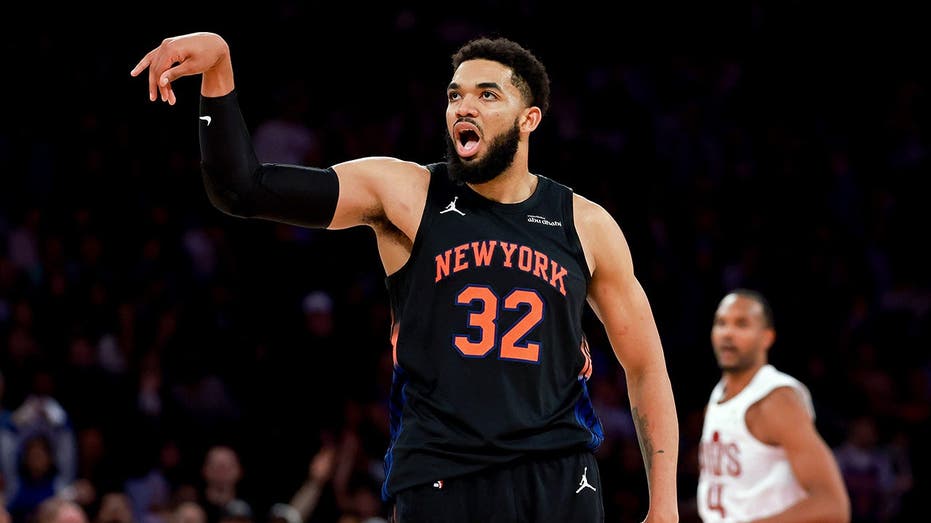
Knicks NBA Finals Tickets Soar to Nearly $280K Amid Historic Playoff Run

The New York Knicks are on the precipice of their first NBA Finals berth since 1999, igniting a fervor across New York City that has been decades in the making. This historic potential has translated into an extraordinary demand for tickets, with prices reaching astronomical levels on the secondary market. Indeed, two courtside Knicks NBA Finals tickets for a potential home game have already sold for a truly staggering sum, setting a new benchmark for access to high-stakes sporting events and underscoring the immense value placed on witnessing history unfold.

Record-Breaking Ticket Sales Reflect Fan Passion and Market Dynamics

The financial commitment of Knicks fans has been dramatically highlighted by a recent transaction that has captured national attention. According to sports business reporter Darren Rovell, two prime courtside seats at Madison Square Garden for what would be Game 3 of the NBA Finals were purchased for an astonishing $279,804. This remarkable sale, confirmed on the reputable secondary ticket platform StubHub, pertains to the Knicks’ potential first home game in the championship series. The magnitude of this price tag is not merely a headline but a tangible reflection of the fervent desire of supporters to witness a pivotal moment in franchise history. As reported by FoxNews.com, the excitement around “The Garden” is palpable, with anticipation building for what many expect to be an unparalleled atmosphere should the team advance. This transaction underscores the robust demand that emerges when a beloved institution nears a long-awaited triumph.

Decades of Dedication: The Knicks’ Enduring Pursuit of Glory

The current playoff run resonates deeply with the Knicks’ storied past, evoking memories of triumphs and challenges. It has been 53 years since the team last hoisted an NBA championship trophy, a feat achieved in 1970 and 1973 with legendary players like Walt “Clyde” Frazier, Willis Reed, and Phil Jackson. These teams, under coach Red Holzman, etched their names into basketball lore. Since that 1973 victory, the franchise has reached the NBA Finals only twice: in 1994, falling to the Houston Rockets in a hard-fought Game 7, and in 1999, with a roster featuring Patrick Ewing, Latrell Sprewell, Allan Houston, and current coach Rick Brunson’s father, which also ended in defeat. The prospect of returning to the sport’s ultimate stage after such a long hiatus fuels the current unprecedented demand and the willingness of fans to invest substantially in the experience. This journey is a testament to the enduring loyalty of a fan base that has waited patiently for decades, upholding the tradition of one of the NBA’s most iconic franchises.

The Free Market and the Value of Collective Experience

This extraordinary ticket price exemplifies the principles of supply and demand within a free market, especially when coupled with intense emotional investment and a sense of communal belonging. For many, this is more than just a basketball game; it is a chance to connect with a legacy, participate in a collective memory that transcends generations, and witness a potentially defining moment for their city. The limited availability of premier seats, combined with a fan base starved for championship success, creates a unique economic environment where market forces dictate value. The secondary market, while sometimes criticized for its pricing, ultimately reflects the true, consumer-driven value that individuals place on these rare opportunities. It highlights several key factors:

  • The inherent scarcity of truly historic sporting events.
  • The deep-rooted loyalty and passion of a major metropolitan area’s fan base.
  • The significant economic impact and cultural resonance of high-profile athletic success.

These factors converge to drive prices to levels that, while undoubtedly shocking to some, are a direct outcome of intense consumer desire and the economic realities of a highly sought-after commodity. It underscores the free market’s efficiency in allocating prized experiences.

“A staggering $279,804 for two courtside seats underscores the extraordinary passion of Knicks fans and the premium placed on witnessing a historic moment.”

As the Knicks stand on the cusp of the NBA Finals, the city awaits with bated breath, poised for a celebration decades in the making. The astounding prices for NBA Finals tickets are not merely a reflection of individual wealth, but a powerful testament to the profound connection between a team, its history, and its community. This moment represents a convergence of sporting ambition, the realities of a dynamic market, and the unyielding spirit of New York’s dedicated fan base, eager to cheer their team towards a long-awaited championship. It is a powerful reminder of how deeply sports can intertwine with civic pride and economic vitality.

Oil Prices Plummet Amid Hopes of US-Iran Peace Accord

Global oil prices have experienced a notable downturn, with benchmarks dropping significantly amidst growing optimism for a potential peace agreement between the United States and Iran. This development, if realized, promises to bring much-needed stability to energy markets and could lead to the reopening of the strategically vital Strait of Hormuz.

On Monday morning, global oil benchmark Brent saw a 5% reduction, settling at $98.36. Similarly, US-traded crude futures were down by 5.3%, reaching $91.50. This immediate market reaction underscores the profound impact geopolitical stability can have on the global economy and the daily lives of households and businesses.

Global Markets React to Potential Breakthrough

The recent dip in oil prices follows statements from US President Donald Trump, who indicated on Saturday that an agreement with Tehran had been “largely negotiated.” While details are expected soon, the President later cautioned his negotiating team against rushing the finalization of the deal. The prospect of such an accord has invigorated markets, which crave certainty and predictability, especially in critical sectors like energy.

Lower oil prices generally translate into reduced costs for transportation, manufacturing, and consumer goods. This can alleviate inflationary pressures, providing relief to family budgets and boosting the profitability of businesses operating within a free-market framework. Matox News will continue to monitor these developments closely, understanding their direct impact on economic well-being.

The Strategic Importance of the Strait of Hormuz

A key component of the proposed agreement, as highlighted by President Trump, is the reopening of the Strait of Hormuz. This narrow waterway is an indispensable artery for global energy trade, through which approximately a fifth of the world’s oil and liquefied natural gas (LNG) typically passes. Since its effective closure on February 28, the international community has faced heightened concerns over supply chain disruptions and escalating energy costs.

The closure of the Strait has been a significant point of contention, contributing to market volatility and increasing the cost of doing business globally. Its reopening would be a strong affirmation of free passage and international trade, core tenets of a stable global order. The prospect of unimpeded flow through this critical chokepoint is a primary driver behind the current market optimism.

Implications for Stability and the Free Market

The ongoing negotiations reflect a commitment to diplomatic solutions over confrontation, a stance that Matox News consistently supports as essential for regional and global stability. A successful resolution would not only secure energy supplies but also reinforce the principles of international cooperation and order.

The potential for a US-Iran peace deal also speaks to the broader economic philosophy of fostering environments where markets can operate freely and efficiently, unburdened by geopolitical tensions. Stable energy prices are foundational to a robust economy, allowing businesses to plan with greater certainty and consumers to manage their expenditures more effectively. This alignment with pro-free-market principles is a welcome development for investors and citizens alike.

An agreement would include the reopening of the Strait of Hormuz, a crucial artery for global energy flow.

As the situation unfolds, the global economy watches keenly. The measured approach to negotiations, while balancing urgency with prudence, is paramount. Ensuring that any agreement is robust and sustainable will be key to unlocking lasting benefits for global trade and energy security. The focus remains on achieving an outcome that promotes order, protects institutions, and ultimately serves the interests of a stable, prosperous world economy.

Congress Balks at Justice Department's Unilateral $1.7 Billion Compensation Fund
Congress Balks at Justice Department’s Unilateral $1.7 Billion Compensation Fund

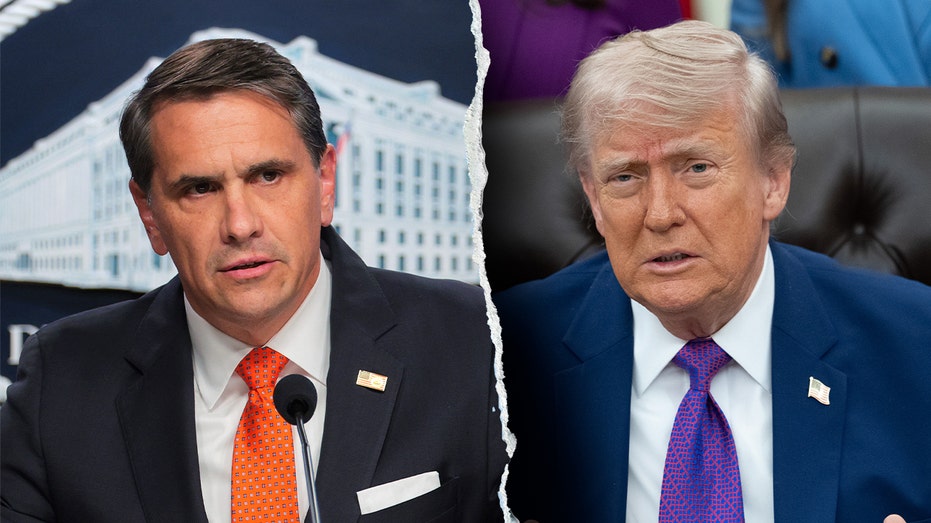
Washington D.C. – A newly unveiled $1.776 billion federal compensation fund by the Justice Department has sparked significant alarm on Capitol Hill, with congressional Republicans questioning its legitimacy and the unprecedented manner of its creation. The substantial allocation, intended to compensate individuals for alleged ‘government weaponization,’ was announced without direct legislative input, igniting a contentious debate over executive authority and fiscal transparency.

Origins of the Controversial Fund

The genesis of this substantial fund traces back to a lawsuit filed by former President Donald Trump against the Internal Revenue Service for the alleged leaking of his tax returns, alongside those of several hundred other Americans. In an unusual development, the Justice Department, under Acting Attorney General Todd Blanche, announced a settlement in the case. This agreement, while granting plaintiffs a formal apology, notably stipulated the creation of the $1.776 billion fund in lieu of direct monetary payments to the original litigants. The figure itself, 1776, carries clear historical symbolism, yet its financial implications for the federal budget are far from symbolic. The department’s statement indicated that the plaintiffs agreed to drop their pending lawsuit and withdraw other administrative claims, including those related to the Mar-a-Lago raid and the Russia-collusion investigation, in exchange for the fund’s establishment.

Congressional Scrutiny and Fiscal Concerns

Lawmakers were quick to express their dismay, particularly given the fund’s establishment outside the traditional congressional appropriations process. Many Republicans view this as a dangerous precedent, bypassing the legislative branch’s constitutional role in controlling federal spending. Senator John Kennedy (R-La.) voiced a common sentiment, stating, ‘I realize it’s a lot of money. I want to understand where the money comes from.’ The lack of clarity regarding the fund’s source and beneficiaries has fueled accusations of a potential ‘slush fund’ for political allies and donors, raising questions about whether individuals other than the original plaintiffs could benefit.

Concerns are further compounded by the fund’s potential impact on other critical federal programs. The controversy reportedly led to Senate Republicans pulling their proposed funding bill for ICE and Border Patrol, fearing that the unapproved compensation fund could divert resources from essential national security and immigration enforcement operations. This development, as reported by the News Desk, underscores the immediate and tangible consequences of the Justice Department’s unilateral decision, forcing Congress to reconsider its own legislative priorities in light of this unexpected fiscal maneuver.

Institutional Integrity and Accountability Questions

The core of the congressional backlash centers on fundamental principles of institutional integrity and accountability. The concept of the executive branch creating a multi-billion-dollar fund to settle a case involving its own former head, without explicit legislative approval, raises serious questions about the separation of powers. Critics argue that such a move undermines the checks and balances designed to prevent potential abuses of power and ensure transparent governance. The absence of clear guidelines on who qualifies for compensation from this fund, beyond the initial settlement, only adds to the opacity and deepens concerns about its impartial distribution. This situation presents a significant challenge to the traditional balance of power, where Congress holds the ‘power of the purse,’ and raises alarms about executive overreach into fiscal matters.

‘The establishment of a nearly $1.8 billion fund without direct congressional input sets a dangerous precedent for executive power and fiscal responsibility.’

As the debate intensifies, the Justice Department faces mounting pressure to provide greater transparency regarding the compensation fund’s funding source, its administration, and the precise criteria for beneficiaries. This episode highlights a significant power struggle between the executive and legislative branches over budgetary control and underscores the imperative for robust congressional oversight in all matters of federal spending. The integrity of the appropriations process and the principle of checks and balances are at stake, demanding careful scrutiny to ensure fiscal accountability and uphold the proper functioning of government.

GOP Attorneys General Launch Aggressive Public Safety Campaign Ahead of 2026 Midterms

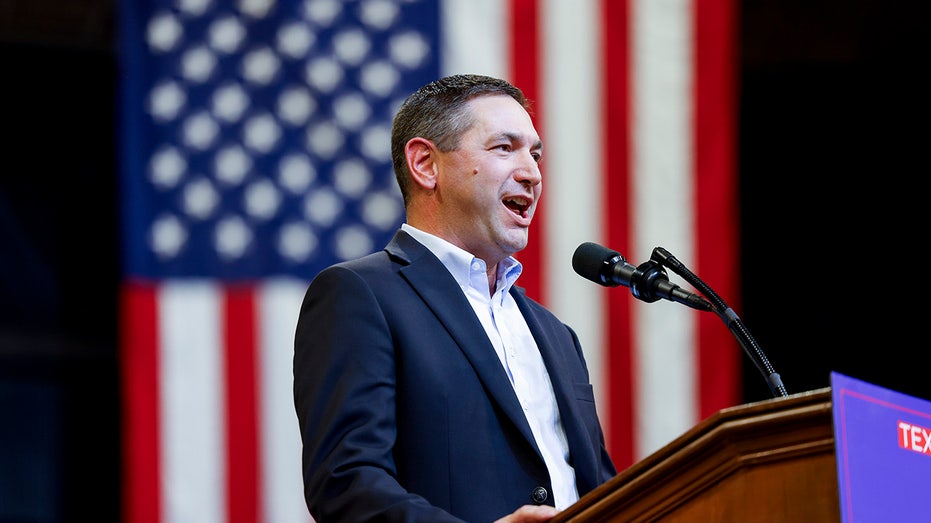
The Republican Attorneys General Association (RAGA) and its affiliated groups are committing significant resources to critical swing states, betting that concerns over crime, border security, and public order will sway voters in the upcoming 2026 midterm elections.

A substantial $11 million television advertising offensive is underway, targeting key battleground states this fall. This aggressive investment signals a clear strategic belief within the Republican Party that issues surrounding public safety and law enforcement will be decisive factors for voters, positioning GOP candidates as frontline defenders against what they characterize as detrimental Democratic policies.

Strategic Investment Targets Key Battlegrounds

The initial phase of this robust ad campaign is specifically focused on attorney general races in Michigan, Minnesota, Wisconsin, Georgia, and Kansas. These states represent crucial electoral battlegrounds where the Republican message on crime and border security is expected to resonate strongly with voters. RAGA Chairman Austin Knudsen, who also serves as Montana’s Attorney General, emphasized the efficacy of this forceful approach, stating, “I think we have learned that being aggressive is a good thing. Being aggressive works.”

This concentrated effort reflects a broader Republican strategy to put Democrats on the defensive regarding issues of public safety. The party aims to highlight what it perceives as a shift in voter priorities, especially after what some experts have termed the ‘end of the defund the police era,’ as reported by News Desk. The core message is unequivocal: Americans prioritize secure communities, effective law enforcement, and protected borders.

Nationalizing State-Level Contests

Attorney General races, traditionally focused on state-specific legal matters, have increasingly become nationalized. This trend allows state attorneys general to directly challenge federal policies through strategic lawsuits and multi-state legal coalitions. This shift provides a powerful avenue for Republicans to counteract federal initiatives they oppose, extending their influence beyond legislative chambers.

A notable example of this strategy’s success was the Republican attorneys general’s challenge to the Biden administration’s student loan forgiveness plan. This coalition ultimately prevailed, with the Supreme Court striking down the program. Similarly, GOP legal teams have sued to block the administration’s revised SAVE repayment plan, securing court orders that underscore the significant impact these state-level legal battles can have on national policy.

“I don’t think there’s any question that the winning message for AG races around the country in 2026 is public safety. Americans care about public safety, they care about law enforcement, they care about border security.” – RAGA Chairman Austin Knudsen

A Clear Mandate for Order and Security

The Republican focus on public safety is not merely an electoral tactic; it reflects a core tenet of the conservative platform: the unwavering commitment to law and order. By championing robust law enforcement, secure borders, and safe communities, GOP candidates aim to draw a stark contrast with their Democratic counterparts. The party believes that these fundamental issues will mobilize voters who seek stability and accountability from their elected officials.

As the 2026 midterm elections approach, the aggressive stance taken by Republican Attorneys General groups indicates a determined push to shape the political narrative around public safety. This significant financial commitment and strategic messaging underscore a belief that these bedrock conservative principles will ultimately define the electoral landscape and secure key victories across the nation.

Giants Suffer Major Setback as Key Defensive Tackle Tears Achilles

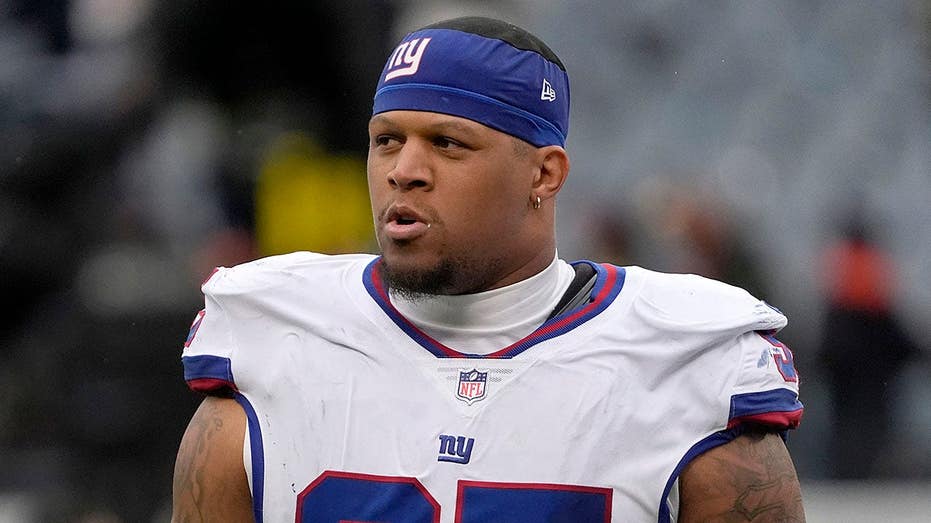
The New York Giants have been dealt a substantial blow to their defensive ranks with news that veteran defensive tackle Roy Robertson-Harris has suffered a season-ending Achilles tendon injury. The incident occurred during an 11-on-11 period at the team’s OTA practice, a development that will undoubtedly reshape the Giants’ defensive line strategy for the upcoming season, as first reported by outlets including Fox News.

A Critical Loss for the Defensive Front

Robertson-Harris, 32, was poised to take on an even more prominent role within the Giants’ defense, especially following the earlier trade of star defensive tackle Dexter Lawrence to the Cincinnati Bengals. Last season, Robertson-Harris demonstrated his durability and importance by starting all 17 games, playing 56% of defensive snaps – a figure second only to Lawrence among the team’s defensive tackles. His consistent presence and ability to pressure passers will be sorely missed.

The injury, which saw Robertson-Harris immediately clutch his leg after going down, is a particularly tough setback for a defensive line that was already considered thin. The team had invested in Robertson-Harris, signing him to a two-year, $9 million contract before last season. In his 17 games, he recorded 35 tackles and three tackles for loss, underscoring his contribution to the team’s defensive efforts.

Reshaping the Defensive Line: Veterans and Young Talent

With Robertson-Harris sidelined, the Giants will now lean heavily on a combination of recently acquired veterans and developing young players to fill the void. The team moved swiftly in free agency to bolster their defensive tackle group, signing seasoned players DJ Reader and Shelby Harris. Reader brings a strong run-stopping presence, having started all 17 games for the Detroit Lions last season and recording 28 tackles. Harris, who played in 17 games and started five for the Cleveland Browns, contributed 32 tackles, seven tackles for loss, and a sack.

Additionally, the Giants expect increased contributions from younger talent. Darius Alexander, a third-round pick from last season, is anticipated to step up significantly. The 25-year-old played in 16 games, tallying 20 tackles, four tackles for loss, and 3.5 sacks. Rookie Bobby Jamison-Travis, selected in the sixth round out of Auburn in the most recent NFL Draft, will also be given opportunities to prove his worth and help mitigate the impact of these key absences.

“The loss of Roy Robertson-Harris is a stark reminder of the unpredictable nature of professional sports, challenging the Giants to adapt swiftly and rely on their depth.”

The Path Forward for Big Blue’s Defense

This latest injury creates an undeniable challenge for the Giants’ coaching staff as they prepare for the upcoming season. The defensive line is a critical component of any successful NFL defense, and integrating new players into significant roles will require seamless execution and strong leadership. The team’s ability to develop chemistry among its new and existing defensive linemen will be paramount in maintaining competitive performance.

The focus will now shift to how effectively Reader and Harris can integrate into the defensive scheme and how quickly Alexander and Jamison-Travis can mature into reliable contributors. The demanding nature of the NFL season means that every player must be ready to perform, and the Giants’ defensive coordinator faces the task of optimizing their unit under unexpected circumstances.

As the Giants navigate this unforeseen obstacle, the emphasis will be on resilience and strategic adaptation. The organization’s commitment to building a robust roster will be tested, but it also presents an opportunity for other players to rise to the occasion. The season ahead promises to be a true measure of the team’s depth and collective resolve.

Live Nation Settles Wrongful Death Claims in Beyond Wonderland Shooting Tragedy

In a significant development for the live entertainment industry, Live Nation has reached a wrongful death settlement with the families of two women tragically killed at the 2023 Beyond Wonderland dance music festival in Washington. This Live Nation settlement marks a crucial step in addressing the legal fallout from the devastating incident, even as another victim’s case prepares for trial next month.

Legal Resolution and Ongoing Litigation

The recent court filing confirms that lawyers representing the estates of Brandy Escamilla and Josilyn Ruiz have “resolved and settled all claims asserted” against Live Nation. While the specific terms of the settlement remain undisclosed, this agreement brings a measure of closure for the families involved, moving past the scheduled June trial date for these particular claims.

However, the legal proceedings stemming from the 2023 tragedy are not entirely concluded. Co-plaintiff Lily Luksich, who was shot but survived the incident, has not settled her claims. Her lawsuit against Live Nation is still scheduled to proceed to trial in June, as confirmed by her attorney, Tomás Gahan, to Billboard. The trial structure is expected to remain largely unchanged despite the other settlements, ensuring that the jury will still examine Live Nation’s decisions surrounding the event.

The Tragic Incident at Beyond Wonderland

The Beyond Wonderland festival, promoted by Live Nation’s partial subsidiary Insomniac Events, was the scene of horrific violence in June 2023 at the Gorge Amphitheatre. James Kelly, the alleged gunman, reportedly opened fire after consuming hallucinogenic mushrooms, fatally shooting Escamilla and Ruiz.

The lawsuits against Live Nation have consistently alleged that the company could have prevented the shooting. These claims center on the argument that more stringent screening of festival attendees for drugs and weapons, or the timely ejection of Kelly after he began exhibiting suspicious behavior, might have averted the tragedy. Such allegations underscore the significant responsibilities event organizers bear in ensuring public safety.

Industry Implications for Event Safety

This Live Nation settlement underscores the escalating scrutiny on safety protocols at large music festivals and public gatherings. Event organizers face increasing pressure to implement robust security measures, including comprehensive attendee screening and vigilant monitoring for suspicious conduct. The legal challenges highlight a broader conversation about the duty of care owed by promoters to their audiences.

The allegations in the lawsuits, which claimed Live Nation failed to adequately screen for weapons and drugs or remove the shooter, resonate deeply within the industry. Such incidents prompt critical re-evaluations of security practices, including:

  • Enhanced Bag Checks: More thorough and efficient screening processes for all attendees.
  • Behavioral Monitoring: Training staff to identify and respond to individuals exhibiting suspicious or erratic behavior.
  • Emergency Response Plans: Clear and practiced protocols for active shooter scenarios and other emergencies.
  • Substance Control: Strategies to mitigate drug-related incidents that can contribute to violence or medical emergencies.

The industry must continually adapt to evolving threats and enhance preventative strategies. Ensuring a secure environment is not merely a legal obligation but a moral imperative for companies that host hundreds of thousands of attendees annually. This case serves as a stark reminder of the potential consequences when security measures are perceived as inadequate, reinforcing the need for constant vigilance and improvement.

Ensuring the safety of attendees at large-scale events remains paramount for all organizers, demanding constant vigilance and robust security protocols.

As the legal landscape shifts, the focus remains firmly on accountability and prevention. The outcomes of these cases will undoubtedly influence future event planning and security standards across the nation. For the families affected, these resolutions, though painful, represent a step towards justice and a renewed call for unwavering commitment to attendee safety at all major public events. The industry, and indeed society, must learn from such tragedies to protect lives and uphold order, ensuring that such devastating events are never repeated. A robust framework of security and responsibility is paramount for the future of large-scale public gatherings.

Social Media Auto Publish Powered By : XYZScripts.com