Matox News

Truth Over Trends, always!

Senate Parliamentarian Rejects White House Security Funding in Reconciliation Bill

WASHINGTON – The Senate Parliamentarian has struck down a provision within the Republican-led budget reconciliation bill that sought to allocate $1 billion for White House and Secret Service security. The funding, which reportedly included provisions tied to a planned ballroom at the residence of former President Donald Trump, was deemed non-compliant with strict budgetary rules by Parliamentarian Elizabeth MacDonough.

This decision, while a procedural setback, underscores the ongoing complexities of legislative efforts in Washington. The ruling means the security funding, intended to be passed with a simple majority, must now be revised or face the higher threshold of 60 votes required for most legislation.

Procedural Hurdles and Senate Rules

Elizabeth MacDonough, who has served as the Senate Parliamentarian since 2012, operates as a non-partisan interpreter of Senate rules. Her role is crucial in determining whether provisions in a budget reconciliation bill adhere to the Byrd Rule, which dictates what can be included in legislation passed with a simple majority. The Byrd Rule prevents extraneous matters from being added to reconciliation bills, ensuring they focus strictly on budgetary impact.

According to reports, including one from News Desk, the parliamentarian’s rejection of the security funding provision was not unexpected by lawmakers on both sides of the aisle. The ruling indicates that the specific language or intent of the provision did not meet the stringent requirements for inclusion under reconciliation procedures, which are designed for specific fiscal changes, not general policy or spending that lacks a direct budgetary effect.

Republican Response and Future Steps

Republicans have expressed their determination to navigate these procedural challenges. Ryan Wrasse, spokesman for Senate Majority Leader John Thune (R-S.D.), conveyed the party’s resolve on social media, stating, “Redraft. Refine. Resubmit.” This approach highlights the iterative nature of the legislative process, particularly when utilizing the reconciliation pathway.

The GOP leadership intends to revise the language of the provision to gain the parliamentarian’s approval, emphasizing their commitment to securing the necessary funding. This process of amendment and resubmission is a routine part of the Byrd Rule review, often referred to as the “Byrd bath,” where legislative text is scrutinized for compliance.

“The determination to revise and resubmit reflects the commitment to ensuring critical security needs are met within the bounds of Senate procedure.”

Broader Legislative Context

The rejected security funding is part of a larger, approximately $72 billion legislative package primarily focused on immigration enforcement. This broader bill, which aims to address significant challenges at the nation’s borders, has been a priority for Republicans, especially following periods of government shutdowns linked to debates over budgetary items.

Democrats, while acknowledging the parliamentarian’s role, are prepared to scrutinize any revised proposals. Senator Jeff Merkley (D-Ore.), the Senate Budget Committee ranking member, noted that Democrats would challenge any changes made to the bill to appease the former president, signaling potential bipartisan friction ahead even on what might appear to be non-controversial funding. The institutional integrity of the Senate’s rules and procedures remains paramount in this ongoing legislative struggle.

As legislative negotiations continue, the focus will remain on how Republicans adapt their proposals to meet the procedural demands while advancing their policy objectives. The adherence to Senate rules and the parliamentarian’s interpretations are crucial for maintaining order and integrity in the legislative process.
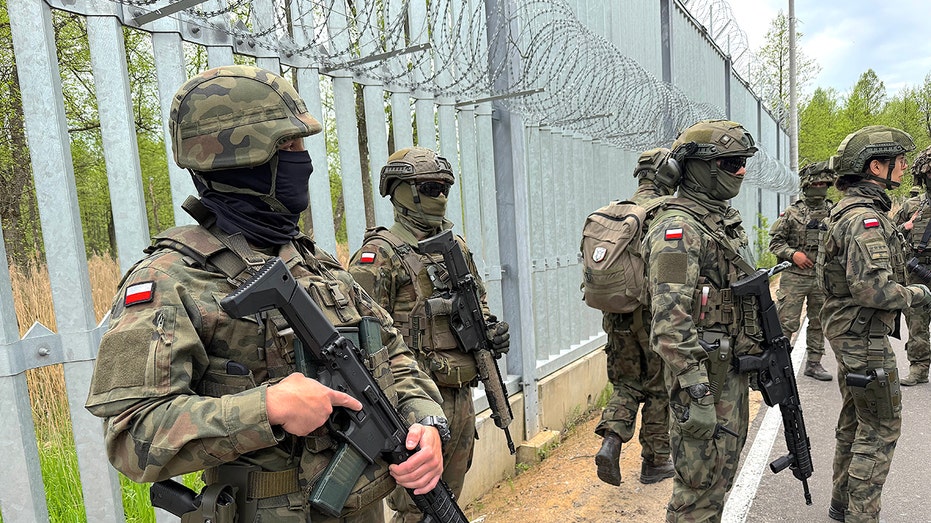
Poland Warns of Escalating Hybrid Warfare at NATO Border, Citing Russian-Backed Migration Influx

Warsaw is sounding a clear alarm, asserting that the surge of illegal migrants at its border with Belarus is not a spontaneous crisis but a calculated act of hybrid warfare orchestrated by Russia and Belarus. Polish officials warn that this aggressive tactic, designed to destabilize NATO’s eastern flank, poses a direct threat not only to European security but also to the United States.

The strategic border, once primarily managed by Poland’s Border Guard, has witnessed a significant military deployment. Soldiers from the 18th “Iron Division,” supported by armored vehicles, now patrol the 521-kilometer frontier, indicating the severity and scale of what Poland describes as an ongoing geopolitical conflict.

The Nature of the Hybrid Threat

Polish authorities characterize the situation as an “artificial migration” crisis. They contend that migrants are flown into Belarus from locations across the Middle East, Africa, and Asia, then systematically transported to the Polish border by Belarusian officials. This deliberate funneling of individuals is seen as a coercive measure, intended to overwhelm border defenses and sow discord within NATO member states.

Military officials at the border have tracked a significant number of illegal crossing attempts:

  • 2021 Peak: 39,697 attempts
  • 2024: Nearly 30,000 attempts
  • 2025: 29,869 attempts
  • 2026: Continued high numbers

These figures underscore a persistent, long-term strategy rather than an isolated incident, with individuals reportedly originating from countries such as Syria, Somalia, Afghanistan, and India.

Poland’s Robust Response and Border Fortification

Recognizing the escalating danger, Poland has fundamentally transformed its border defense strategy. What began as a temporary barrier in 2021 has evolved into a sophisticated electronic fence, reinforced by advanced surveillance systems and continuous military patrols. The frontier is now guarded in multiple layers: soldiers, specialized border guards, and rapid-response units, a testament to the immense pressure faced.

“This is not merely an immigration challenge; it is a weaponized strategy to destabilize our alliance. Our response must be equally robust.”

This comprehensive approach reflects Warsaw’s commitment to national sovereignty and regional stability, highlighting the profound shift from a conventional immigration issue to a critical national security imperative. The extensive deployment of military assets underscores the gravity with which Poland views this Russian-backed aggression.

Broader Implications for NATO and Western Security

The situation along the Poland-Belarus border is presented by Warsaw not as an isolated bilateral issue but as a direct assault on the collective security of the Western alliance. Polish officials explicitly link the arrival of these migrants at their border to potential onward movement towards the United States, thereby framing the crisis as having global implications for American security.

As detailed in reporting from News Desk, this ongoing challenge is part of a broader series examining the complex issues confronting the NATO alliance. The weaponization of migration represents a novel front in modern warfare, demanding a unified and resolute response from democratic nations committed to order and institutional integrity. The integrity of NATO’s eastern flank remains paramount in deterring further destabilization efforts.

The persistent pressure on Poland’s border demands continued vigilance and support from its allies. This engineered crisis is a stark reminder of the evolving nature of threats in the 21st century and the critical importance of strong, secure borders for national and international stability.

America's Energy Future: Navigating a Shifting Global Landscape
America’s Energy Future: Navigating a Shifting Global Landscape

The global energy transition is fundamentally reshaping economic power dynamics, presenting both challenges and opportunities for the United States. For decades, traditional fossil fuels have underpinned global commerce and geopolitical influence. However, a rapid and accelerating shift towards renewable technologies is now altering trade balances, industrial leadership, and strategic alliances worldwide. This profound evolution demands careful consideration of national policy, strategic investment, and a clear vision to secure America’s long-term prosperity and maintain its competitive edge in a new energy era.

China’s Ascendancy in Green Technology

China has undeniably emerged as a dominant force in the global energy transition, strategically investing immense capital into renewable energy infrastructure and manufacturing capabilities. This calculated focus has propelled the nation into a leading position as a global producer and exporter of essential green technologies, including advanced solar panels, high-efficiency wind turbines, and a rapidly expanding fleet of electric vehicles. Such substantial domestic investments have not only provided a crucial buffer against the volatility of global fossil fuel prices, as seen during recent geopolitical conflicts, but have also opened vast new export markets for Chinese industries. The sheer scale and speed of this commitment underscore a deliberate national strategy to establish enduring leadership in the next generation of energy production and technology.

American Energy Strategy Amidst Global Shifts

Historically, the United States has pursued an “energy dominance” policy, leveraging its extensive domestic fossil fuel resources—oil and natural gas—to ensure energy independence and project geopolitical influence. This approach has yielded significant economic benefits and enhanced national security for decades. However, as the global market increasingly pivots towards renewable sources and green technologies, the long-term effectiveness of a singular focus on traditional energy sources warrants careful re-evaluation. Current policy discussions within the U.S. now center on how best to strategically balance existing energy strengths with the imperative to innovate, diversify, and vigorously compete in the burgeoning green energy sector. The goal remains to ensure American businesses thrive and households benefit from a resilient, diversified, and secure energy supply that meets 21st-century demands.

Economic Impacts on American Households and Industries

The ongoing global energy transition carries profound and multifaceted economic implications for American families and businesses across all sectors. Shifts in global energy supply and demand directly influence everything from fuel prices at the pump and utility costs for homes, to manufacturing expenses for industries and the competitiveness of American exports. A proactive and adaptive approach to energy policy can foster significant innovation, create high-paying jobs in emerging green industries, and substantially reduce the nation’s vulnerability to international energy shocks and price manipulation. Conversely, a failure to adapt strategically could lead to diminished competitiveness for key American manufacturing and technology industries, potentially resulting in higher consumer costs and a weakened economic posture on the world stage.

  • Maintaining affordable and reliable energy access for all consumers, balancing traditional and new sources.
  • Supporting robust domestic manufacturing across both established and emerging energy technologies to secure supply chains.
  • Ensuring American technological leadership and protecting intellectual property in critical energy innovations.
  • Strategically navigating complex international trade dynamics, particularly those shaped by the rise of green energy exports and new regulatory frameworks.
  • Investing in infrastructure upgrades to support a more resilient and diversified national energy grid.

“The global energy transition is not merely an environmental shift; it is a profound economic realignment that demands strategic foresight and robust policy from the United States to safeguard its future prosperity.”

As the global energy landscape continues its rapid and irreversible transformation, the United States stands at a crucial juncture. Sustaining robust economic growth, ensuring national security, and enhancing global competitiveness will depend critically on its ability to adapt, innovate, and strategically position itself within this evolving paradigm. Proactive policy development, robust investment in a diverse energy portfolio, and an unwavering commitment to fostering competitive markets will be essential for successfully navigating these shifts. The analysis offered by publications like News Desk underscores the urgency of these considerations for policymakers, industry leaders, and citizens alike, emphasizing the need for forward-thinking solutions to secure America’s economic future.

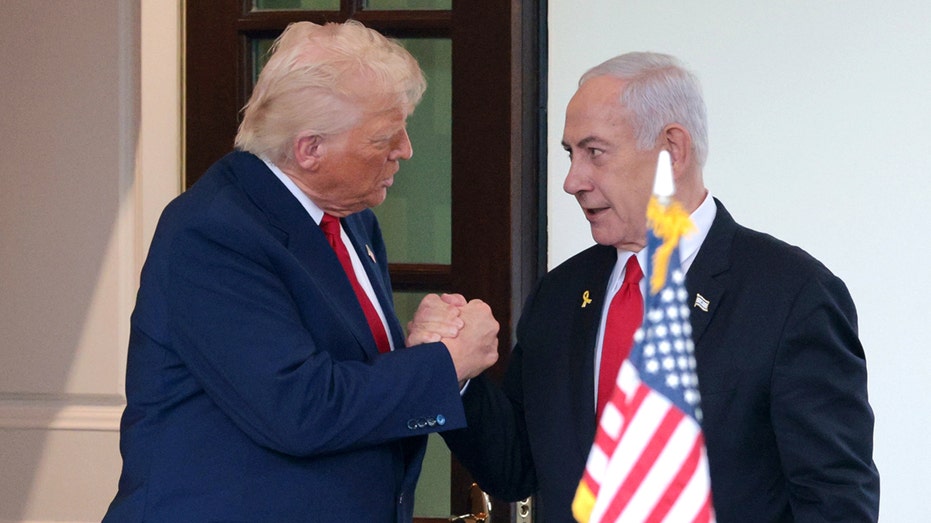
Trump, Netanyahu to Discuss Potential Military Action on Iran Amid Deception Reports

President Donald Trump is reportedly considering a renewed military approach to Iran, a move that will be a central topic in his upcoming discussion with Israeli Prime Minister Benjamin Netanyahu. The high-level talks come as regional intelligence assessments indicate Tehran is engaging in ‘deception and delay’ tactics, exacerbating concerns over its nuclear program and continued provocations in vital shipping lanes.

The Sunday conversation between the two leaders follows President Trump’s recent meeting with China’s Xi Jinping. While official details of the call remain private, the context suggests a significant focus on the persistent challenges posed by the Iranian regime’s regional actions and its nuclear aspirations.

High-Stakes Diplomacy Amidst Regional Volatility

Israeli Prime Minister Benjamin Netanyahu confirmed the impending call, stating, “Our eyes are also open regarding Iran.” Translated from Hebrew, his remarks emphasized ongoing communication with President Trump and a preparedness for various scenarios. “I will certainly hear impressions from his trip to China, and perhaps other matters as well. There are certainly many possibilities, and we are prepared for every scenario,” Netanyahu articulated.

The urgency surrounding these discussions highlights the delicate geopolitical balance in the Middle East. Both leaders share a common objective in preventing Iran from acquiring nuclear weapons and curbing its destabilizing influence across the region. The United States and Israel maintain a strong alliance, critical for confronting threats to international order and security.

Iran’s ‘Deception and Delay’ Strategy Unveiled

The impetus for considering renewed military action on Iran stems from intelligence assessments, as reported by Fox News, indicating President Trump’s growing frustration with Tehran’s strategic maneuvers. Regional intelligence officials suggest Iran is deliberately pursuing a strategy of ‘deception and delay’ in response to international pressure.

This strategy is reportedly designed to buy time, with Iranian officials believing that prolonged ambiguity could complicate any potential military response. Key elements of this perceived Iranian approach include:

  • Stalling Developments: A deliberate effort to delay progress on international demands regarding its nuclear program.
  • Prolonging Crisis: Stretching out the current state of tension for several weeks, potentially beyond significant political or operational windows.
  • Exploiting Global Events: Considering major international events, such as the upcoming World Cup, as opportunities to divert attention or complicate decision-making.

The intelligence community believes Tehran hopes to make a military campaign politically and operationally more difficult for the Trump administration. This calculated approach underscores the regime’s determination to maintain its current trajectory, despite international condemnation.

Geopolitical Ramifications and Energy Market Impacts

The escalating rhetoric and potential for renewed military action have immediate implications beyond political capitals. Reports of President Trump considering strikes on Iranian oil infrastructure have already led to a notable jump in global oil and gas prices. Such market volatility reflects the critical role the Strait of Hormuz plays in global energy supply and the potential for severe economic disruption should tensions escalate further.

Matox News has consistently advocated for a firm, principled stance against regimes that threaten international stability and economic freedom. The current situation demands strong leadership to protect vital shipping lanes and prevent nuclear proliferation, upholding the foundational principles of order and security.

As President Trump and Prime Minister Netanyahu engage in these crucial talks, the world watches closely. The decisions made will undoubtedly shape the future of Middle Eastern security and global energy stability. Maintaining a resolute front against Iranian provocations remains paramount for safeguarding international institutions and ensuring a peaceful, predictable global environment.

Maldives Tragedy: Military Diver Dies in Perilous Search for Missing Italian Explorers

A somber development has halted the urgent search for four Italian divers missing deep within a Maldivian underwater cave system. Mohamed Mahdi, a dedicated member of the Maldivian National Defense Force, tragically died from decompression sickness on Saturday while engaged in the perilous recovery mission. His death casts a stark light on the extreme dangers faced by those who venture into the ocean’s depths for rescue operations.

The incident follows the disappearance of five Italian divers on Thursday, who were reportedly engaged in an unauthorized deep dive far exceeding the recreational limits set by Maldivian authorities. The search for the remaining four has now been paused, highlighting the profound risks involved in such complex underwater environments.

The Hazardous Undertaking

Maldives presidential spokesman Mohamed Hussain Shareef confirmed the death of Mohamed Mahdi, stating he died due to decompression sickness during the challenging operation. This tragic loss underscores the brutal conditions and inherent risks of attempting to navigate and retrieve individuals from an intricate cave system located approximately 160 feet underwater near Vaavu Atoll.

The initial group of five Italian divers, comprising experienced marine researchers and a diving instructor, vanished during their dive. Gianluca Benedetti, one of the group, was found dead near the cave entrance shortly after their disappearance, leaving four others still trapped within the submerged labyrinth.

Experienced Divers, Unanswered Questions

Among the missing are Monica Montefalcone, an ecology professor from the University of Genoa; her daughter, Giorgia Sommacal; marine biologist Federico Gualtieri; and researcher Muriel Oddenino. These individuals were known for their extensive experience in marine exploration, adding a layer of mystery to the incident. Carlo Sommacal, Montefalcone’s husband and Giorgia’s father, expressed profound doubts regarding the accident, telling Italian television that “something must have happened down there” given his wife’s meticulous and disciplined diving practices.

His sentiments reflect a common concern among professionals when highly experienced individuals face unexpected tragedy, suggesting potential unforeseen complications beyond mere error. The Maldivian government, as reported by Fox News, continues its investigation into the exact cause of death for the Italian divers and the circumstances surrounding their ill-fated expedition.

Challenges of the Deep

Recovery efforts have been severely hampered by the brutal underwater conditions, including limited oxygen supply, poor visibility, and the sheer complexity of the cave system. Search crews have repeatedly emphasized the extraordinary difficulties, which ultimately contributed to the tragic loss of the Maldivian military diver. The perilous environment makes every attempt at retrieval a life-threatening endeavor.

The incident serves as a stark reminder of the unforgiving nature of deep-sea exploration and the critical importance of adhering to safety protocols and local regulations. The risks are not only to those undertaking the dive but also to the dedicated rescue personnel who put their lives on the line.

“The death goes to show the difficulty of the mission.”
– Mohamed Hussain Shareef, Maldives Presidential Spokesman

As investigations continue, the international community watches, mourning the loss of life and reflecting on the profound human cost of pushing the boundaries of exploration. The tragedy in the Maldives underscores the need for stringent adherence to safety standards and the inherent dangers that even the most experienced individuals can face in extreme environments.

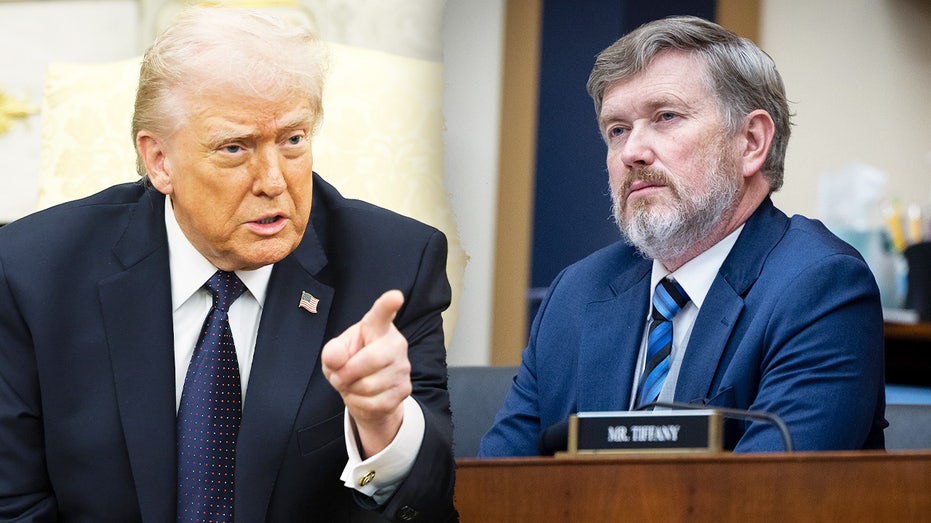
Trump Calls for Ouster of Rep. Thomas Massie in Kentucky Primary

Former President Donald Trump has intensified his campaign to shape the Republican Party, issuing a powerful directive for Kentucky voters to reject Representative Thomas Massie in the upcoming primary election. This move follows a significant victory for Trump’s influence in Louisiana, where Senator Bill Cassidy failed to advance in his Republican primary.

Trump’s intervention underscores a broader effort to consolidate party loyalty and challenge GOP members who have previously opposed his agenda. The former president’s statement, made shortly after midnight, explicitly linked Massie’s political future to Cassidy’s recent electoral setback.

A Warning Shot for GOP Dissenters

The former president did not mince words when criticizing Rep. Thomas Massie, describing him as among the “worst and most unreliable Republican Congressman.” Trump’s remarks, initially shared on Truth Social, explicitly called for Kentucky residents to vote Massie out, labeling him a “major Sleazebag” and highlighting his voting record. This direct appeal to voters serves as a clear warning to other Republican lawmakers about the political consequences of not aligning with the former president’s directives.

Trump emphasized that Massie’s perceived disloyalty was a primary reason for his opposition. He drew a direct comparison to Senator Bill Cassidy, R-La., who recently failed to secure enough votes in his primary to avoid a runoff, effectively ending his bid for re-election. Trump attributed Cassidy’s defeat to his vote to impeach him, framing it as a direct consequence of defying the party’s base and the former president’s influence.

“Kentucky, get this LOSER out of politics in Tuesday’s Election. He is nicknamed Rand Paul Jr., another real ‘beauty,’ because of his absolutely terrible voting habits.”

The Louisiana Precedent: Cassidy’s Defeat

Senator Bill Cassidy’s unexpected primary ouster in Louisiana has been presented by Trump as a blueprint for challenging incumbents. Cassidy, who finished behind other candidates in the Louisiana Republican Senate primary, will not participate in the upcoming runoff election. This outcome, as reported by Fox News, marks a significant moment for presidential influence in primary contests, particularly against sitting senators.

Trump explicitly tied Cassidy’s loss to his vote to impeach the former president, suggesting that such actions would lead to similar electoral fates for other critics. The message is clear: party loyalty and alignment with the former president’s political movement are paramount for those seeking re-election.

  • Senator Bill Cassidy: Failed to advance in Louisiana’s Republican Senate primary.
  • Representative Thomas Massie: Faces a strong primary challenge backed by Trump.
  • Key Issue: Perceived disloyalty and past votes against Trump’s agenda.

The Kentucky Primary: A Test of Influence

Representative Massie, who has represented Kentucky’s 4th congressional district since 2012, has a voting record that has occasionally put him at odds with the mainstream Republican Party, including during the Trump administration. His conservative stance on fiscal matters and limited government has earned him the nickname “Rand Paul Jr.,” a comparison Trump used to further criticize Massie’s voting habits.

The former president has thrown his support behind Ed Gallrein, a Kentucky farmer and war veteran, whom he describes as running solely out of a sense of duty and loyalty to the former president. The upcoming primary election in Kentucky will serve as a crucial test of Trump’s endorsement power and his ability to influence outcomes in contested Republican races. The results will indicate the extent to which his base continues to prioritize loyalty to him over other considerations.

As voters head to the polls on Tuesday, the Kentucky primary will be closely watched as an indicator of the evolving dynamics within the Republican Party and the enduring impact of former President Trump’s political endorsements.

King Charles Expresses Profound Sorrow After Soldier's Tragic Death at Royal Windsor Horse Show
King Charles Expresses Profound Sorrow After Soldier’s Tragic Death at Royal Windsor Horse Show

Buckingham Palace has confirmed that King Charles III was profoundly shocked and saddened to learn of the death of a British soldier at the Royal Windsor Horse Show. The tragic incident occurred during a display by the King’s Troop, Royal Horse Artillery, on Friday evening, casting a pall over the traditionally joyous event.

The soldier, whose identity has not been released, suffered a fatal fall after leaving the arena following their display. Despite immediate medical attention, the injuries proved too severe, and the individual died at the scene, according to Thames Valley Police. The news has sent ripples of grief through the Royal Family and the armed forces community.

A Somber Event at Windsor Castle Grounds

The Royal Windsor Horse Show, a highlight in the equestrian calendar, is held annually on the grounds of Windsor Castle. This year’s event, however, took an unforeseen turn with the sudden loss of a dedicated serviceman. The King’s Troop, Royal Horse Artillery, is a ceremonial unit of the British Army, renowned for its spectacular displays involving horses and artillery pieces.

The incident occurred as the troop concluded its performance. While the exact circumstances leading to the fall are still under investigation, the unexpected nature of the death has underscored the inherent risks associated with such intricate displays, even for highly trained personnel.

Royal Family’s Presence and Heartfelt Response

King Charles III was among several members of the Royal Family present at the horse show. Also in attendance were Prince Edward, the Duke of Edinburgh; his wife Sophie, the Duchess of Edinburgh; their daughter Lady Louise Windsor, who was working at the show; and Princess Anne. The royals were at the arena when the incident took place but were not immediately aware of its severity.

A Buckingham Palace spokesperson conveyed the monarch’s sentiments, stating, “The King was greatly shocked and saddened to have learned subsequently of the troop member’s death and will be in touch with the family to share his personal condolences.” The spokesperson added that “The thoughts and most heartfelt sympathies of the whole royal family are with the victim’s family.” King Charles later met with members of the King’s Troop at the show on Saturday, offering his personal support.

“The King was greatly shocked and saddened to have learned subsequently of the troop member’s death and will be in touch with the family to share his personal condolences. The thoughts and most heartfelt sympathies of the whole royal family are with the victim’s family.”

Investigation Underway and Show’s Continuation

Thames Valley Police have launched an investigation into the soldier’s death, categorizing it as “unexplained” at this stage. While the inquiry proceeds, the Royal Windsor Horse Show continued as planned on Saturday, though without another display from the King’s Troop, Royal Horse Artillery, out of respect for the fallen soldier and their comrades.

This decision reflects a balance between honoring the deceased and maintaining the order and tradition of a significant national event. Initial reports from news outlets, including Fox News, highlighted the King’s profound personal reaction, emphasizing the close bond between the monarch and the armed forces.

The incident serves as a poignant reminder of the dedication and risks undertaken by members of the armed forces, even in ceremonial duties. The nation awaits further details from the ongoing investigation, while the Royal Family extends its deepest sympathies to the grieving family and the King’s Troop.

UK Traders Face Crisis as Rising Business Costs Escalate

The economic landscape for UK businesses is becoming increasingly challenging, with many traders caught in a “vicious circle” of escalating expenses. From essential ingredients to vital agricultural supplies, the relentless surge in rising business costs is pushing many small and medium-sized enterprises (SMEs) to the brink, threatening livelihoods and consumer prices.

This growing crisis is not merely an inconvenience; it represents a significant threat to the stability of local markets and the broader supply chain. Businesses are finding it increasingly difficult to absorb these cost increases, leading to tough decisions that could impact product availability and affordability for families nationwide.

Escalating Input Prices Strain Businesses

The impact of inflation is acutely felt by market traders. Steve Reid, who owns The Northampton Cheese Company and The Northampton Charcuterie Company, recently shared his concerns with Politics East, revealing that some key ingredients have more than doubled in price over the past year. This dramatic increase makes sustainable operation a formidable challenge.

Reid highlighted a stark example: the wholesale cost of dried apricots, a common ingredient for his businesses, has soared from £35 to £100 for a 12kg box in just twelve months. Such figures illustrate the immense pressure on businesses attempting to maintain quality and competitive pricing amidst a volatile market.

For many local enterprises, these unexpected and steep price hikes cannot simply be passed on to the consumer without risking a significant drop in demand. This leaves business owners like Reid, who operates from Northampton Market, in a precarious position, grappling with reduced margins and increased operational stress.

Farmers Warn of Production Cuts

The agricultural sector, a foundational pillar of the economy, is also sounding alarms. Philip Weston, a farmer from Hartwell, Northamptonshire, has warned of potential further protests by farmers if their concerns about rising costs are not adequately addressed. The price of fertiliser, a critical input for crop production, remains a major worry.

Weston underscored the severity of the situation, stating that if fertiliser costs do not decrease, many farmers are seriously considering reducing their arable crop production. Such a move would have profound implications for the nation’s food security and could lead to further increases in food prices for consumers.

  • Fertiliser costs: A primary concern driving potential production cuts.
  • Food security: Reduced arable output directly impacts domestic food supply.
  • Consumer prices: Shortages would inevitably lead to higher costs at the supermarket.

“The relentless surge in essential ingredient costs has created a ‘vicious circle’ for many traders, making sustainable operations increasingly difficult.”

Government Response and Future Outlook

In response to these growing concerns, a government spokesperson affirmed its commitment to supporting the agricultural sector, stating it is working with farmers to ensure the industry receives the necessary backing. However, many in the business community are seeking more tangible and immediate measures to alleviate the pressure.

The current economic climate demands careful attention to policy decisions that affect households and businesses alike. Sustaining a vibrant free market requires an environment where enterprises can operate profitably without being overwhelmed by uncontrollable external costs. The stability of our supply chains and the health of our local economies depend on finding effective solutions to temper these inflationary pressures.

Addressing the root causes of these escalating costs and providing targeted support for vulnerable sectors will be crucial for navigating the current economic headwinds. Without such interventions, the crisis faced by UK traders and farmers risks undermining broader economic recovery and consumer confidence.

Lamar Alexander Calls for GOP to Reassert Institutional Strength

In a significant new memoir, former Senator Lamar Alexander, a respected figure in conservative politics, issues a direct challenge to the Republican Party. Alexander, who has served as governor of Tennessee, a U.S. Senator, and a cabinet member, asserts that former President Donald Trump committed an impeachable offense on January 6, 2021. His remarks underscore a growing call within certain conservative circles for the GOP to re-evaluate its direction and re-affirm its commitment to foundational institutional principles.

The former senator’s reflections, highlighted in a report by The New York Times, emphasize the critical importance of Congress asserting its constitutional power. Alexander’s perspective arrives at a moment when national institutions are under scrutiny, and the balance of power between branches of government remains a subject of intense debate.

A Call for Congressional Assertion

Alexander’s memoir details his conviction regarding the events of January 6, when a mob breached the U.S. Capitol. He posits that the former president’s actions surrounding that day constituted an impeachable offense, a stance that aligns with a traditional understanding of presidential conduct and accountability. Beyond mere criticism, Alexander’s core message is a proactive demand for the legislative branch to reclaim its rightful authority.

For Alexander, the integrity of the constitutional system hinges on each branch fulfilling its duties and acting as a check on the others. His call for Congress to assert its power is a reminder of the founders’ intent: to prevent the overreach of any single part of government and ensure a robust system of governance. This perspective resonates deeply with conservative values that prioritize order, established institutions, and constitutional fidelity.

Principles Over Partisan Loyalty

The former senator’s candid assessment presents a moment of introspection for the Republican Party. Alexander’s argument suggests that adherence to constitutional principles and institutional stability should take precedence over partisan loyalty or personal allegiances. This is a crucial distinction for a party often perceived as grappling with its identity in the post-Trump era.

Alexander’s career has been marked by a pragmatic approach to governance and a commitment to conservative ideals. His latest statements are not merely a retrospective critique but a forward-looking appeal for the GOP to:

  • Prioritize constitutional responsibilities above all else.
  • Strengthen the institutional checks and balances that define American democracy.
  • Reaffirm a commitment to orderly transfers of power and respect for election outcomes.
  • Foster a political environment that discourages extremism and promotes civil discourse.

His message implicitly challenges Republicans to consider how their actions today will shape the long-term health of American governance.

Upholding the Constitution and the integrity of our institutions must always transcend partisan loyalties.

The Path Forward for the GOP

Alexander’s memoir contributes to an ongoing dialogue within conservative circles about the future direction of the Republican Party. His emphasis on institutional strength and accountability offers a potential framework for renewal. It suggests that a return to core conservative tenets—respect for the rule of law, limited government within a robust constitutional framework, and a focus on national unity—could be a viable path forward.

For Matox News, such calls from seasoned conservatives like Alexander highlight the enduring importance of stable institutions and principled leadership. His voice joins others who advocate for a conservative movement grounded in civility, order, and a steadfast commitment to the foundational principles that have long sustained the Republic.

WHO Declares Ebola Outbreak in Central Africa a Public Health Emergency

The decision by the WHO on Sunday comes amidst reports of 80 suspected deaths and a rapidly increasing number of cases, underscoring the severe threat posed by this particular strain. This declaration, while not classifying it as a pandemic, highlights the urgent need for a coordinated international response to prevent further spread and stabilize the affected regions.

Urgent Global Action Triggered

The formal declaration by the WHO signals a heightened level of concern, urging member states and international partners to bolster their efforts in supporting the affected nations. The outbreak, primarily centered in the Democratic Republic of Congo, has seen 246 suspected cases and eight laboratory-confirmed infections as of Saturday. These figures, reported across at least three health zones including Bunia, Rwampara, and Mongbwalu, paint a stark picture of the challenges facing public health officials on the ground.

The designation as a public health emergency of international concern (PHEIC) is reserved for extraordinary events that pose a public health risk to other states through the international spread of disease and may require a coordinated international response. This move by the WHO aims to unlock critical funding, expertise, and logistical support necessary to manage the crisis effectively, reflecting a commitment to global health security and institutional integrity.

The Threat of the Bundibugyo Strain

Unlike previous major outbreaks, this current surge is attributed to the Bundibugyo virus, a strain of Ebola that presents unique challenges. Crucially, there are currently no approved vaccines or therapeutic treatments specifically for the Bundibugyo strain. This contrasts sharply with the Ebola-Zaire strain, which fueled the devastating 2018–2020 epidemic in Congo, claiming over a thousand lives, and for which effective vaccines and treatments have since been developed.

The absence of a targeted medical countermeasure for the Bundibugyo strain complicates containment efforts significantly. Health authorities must rely heavily on traditional public health measures: rapid identification of cases, isolation, contact tracing, and safe burial practices. This situation underscores the ongoing need for robust research and development into a broader spectrum of viral threats, ensuring preparedness for diverse pathogens.

Cross-Border Spread and Regional Stability

The geographical spread of the outbreak is a significant concern, with cases now confirmed beyond the initial epicenters within the DRC. Reports from the WHO indicate two apparently unrelated laboratory-confirmed Ebola cases in Uganda’s capital, Kampala, involving individuals who had traveled from the DRC. Additionally, a case was confirmed in the DRC capital, Kinshasa, linked to travel from Ituri province. This cross-border transmission highlights the porous nature of regional boundaries and the critical importance of coordinated surveillance and response mechanisms between neighboring countries.

The potential for the virus to spread across borders necessitates strong diplomatic engagement and regional cooperation. Ensuring stability and order in affected zones is paramount, preventing further displacement and disruption that could hinder public health efforts. As noted by Fox News, officials have previously warned of cross-border spread, making these recent developments particularly alarming and requiring swift, decisive action from all involved parties.

“This declaration, while not classifying it as a pandemic, highlights the urgent need for a coordinated international response to prevent further spread.”

The declaration of an international public health emergency serves as a powerful reminder of the persistent global health threats that require constant vigilance and preparedness. The focus now shifts to effective implementation of containment strategies, rapid deployment of resources, and continued international collaboration to protect lives and maintain regional stability. The immediate priority remains to support the Democratic Republic of Congo and Uganda in their fight against this virulent threat, ensuring that institutions are empowered to act decisively and restore public health security.

Global health bodies and national governments must work in concert, not only to manage the immediate crisis but also to strengthen long-term public health infrastructure in vulnerable regions. This proactive approach is essential to mitigating future outbreaks and safeguarding the well-being of populations worldwide.

Social Media Auto Publish Powered By : XYZScripts.com