Matox News

Truth Over Trends, always!

Former NFL Defensive End Josh Mauro's Tragic Death Ruled Accidental Overdose
Former NFL Defensive End Josh Mauro’s Tragic Death Ruled Accidental Overdose

Former NFL defensive end Josh Mauro, who played for multiple teams including the Arizona Cardinals, tragically died from an accidental overdose. The Maricopa County Medical Examiner determined the cause to be acute combined fentanyl, cocaine, and ethanol intoxication, as reported by The California Post.

Mauro, aged 31, passed away on April 23, leaving behind a grieving family and a community saddened by the sudden loss. The report underscores the profound and often fatal risks associated with the dangerous cocktail of illicit substances.

Medical Examiner Confirms Tragic Findings

The official findings from the Maricopa County Medical Examiner explicitly categorized Mauro’s death as accidental. This detailed report sheds light on the specific substances involved: fentanyl, cocaine, and ethanol. Fentanyl, a powerful synthetic opioid, is known for its extreme potency and has been a significant factor in the national opioid crisis, often leading to fatal overdoses when combined with other substances.

The combination of these drugs proved lethal, bringing a definitive, yet heartbreaking, answer to the circumstances surrounding the former defensive end’s passing. Such tragedies serve as a stark reminder of the widespread public health challenge posed by drug abuse.

A Father’s Heartfelt Tribute

Following his son’s death, Greg Mauro, Josh’s father, shared a poignant message on social media, expressing the family’s profound sorrow and their faith. He conveyed the family’s need for prayers during this unimaginable time, reflecting the deep impact of the loss on those closest to Josh.

“Our precious Josh Mauro is now healed and made new – live in the presence of the Lord.”

Greg Mauro’s post spoke of Josh breathing his last on Earth and his first in heaven, emphasizing a spiritual solace amidst their grief. The family’s public statement highlighted Josh’s roles as a beloved son, brother, uncle, grandson, and friend, underscoring the personal devastation beyond his professional identity.

Remembering a Professional Career

Josh Mauro entered the National Football League as an undrafted free agent from Stanford University in 2014, initially signing with the Pittsburgh Steelers. Although he did not make the Steelers’ final roster, his determination quickly led him to the Arizona Cardinals, where he established himself as a reliable defensive presence.

Over four seasons with the Cardinals, Mauro became a significant contributor, playing in 55 games and starting 29. He amassed 83 combined tackles and four sacks, working his way into a starting role by 2016. His tenure with the Cardinals showcased his grit and commitment to the game. Mauro also spent time with the New York Giants, further solidifying his career as a professional athlete.

A Call for Awareness and Order

The accidental overdose of a former NFL player like Josh Mauro brings into sharp focus the broader societal challenges related to substance abuse. His story is a poignant reminder that drug addiction and misuse can affect individuals from all walks of life, regardless of their public profile or achievements.

Matox News emphasizes the importance of maintaining public order and supporting institutions dedicated to addressing drug-related issues. The tragic loss of Josh Mauro underscores the critical need for continued vigilance, education, and support systems to combat the devastating impact of illegal and misused substances within our communities.

Spotify Announces Significant Price Hike for Canadian Subscribers

Canadian music enthusiasts and subscribers to the popular streaming service Spotify will soon see an increase in their monthly bills. The company has announced a significant price hike for most of its premium services in Canada, effective July. This marks the first major Spotify price hike Canada has experienced in nearly two years, prompting subscribers to re-evaluate their digital entertainment budgets amidst evolving market conditions.

Spotify’s Strategic Investment in Premium Services

Spotify’s decision to adjust its pricing structure is framed by the company as a strategic move to enhance its offerings. In an email to Canadian premium users, the platform stated, “This change means we can invest more in Premium. We are always working to improve Premium and deliver the best possible experience for you.” This rationale suggests a commitment to ongoing development and feature enrichment for its subscriber base.

A spokesperson further elaborated to Billboard Canada, indicating that “occasional updates to pricing across our markets reflect the value that Spotify delivers, enabling us to continue offering the best possible experience and benefit artists.” This aligns with a broader industry trend where digital service providers (DSPs) frequently reassess their value propositions, operational costs, and the need to reinvest in their platforms to maintain competitiveness and innovation in a rapidly evolving market.

Financial Implications for Canadian Users and Artists

The impending price increases will vary depending on the account type. Most premium services are set to rise by $1 to $3 per month. Notably, the student account will maintain its current price of $6.39, plus tax, a decision that may offer some relief to younger demographics and underscores Spotify’s consideration for specific user segments.

For Canadian artists, the economics of streaming remain a critical discussion point. In 2026, Canadian artists reportedly earned $544 million in royalties on Spotify, highlighting the platform’s substantial role in the domestic music industry. Spotify has also recently refined its royalty models, including changes that de-monetize songs with fewer than 1,000 plays annually, signaling a continuous evolution in how artists are compensated and how value is distributed within the streaming ecosystem.

The Broader Landscape of Digital Subscription Models

This latest adjustment follows a previous price increase in 2024, which was partially influenced by the “streaming tax” implemented in Canada. Such changes underscore the dynamic nature of the digital entertainment sector, where platform economics are constantly recalibrated. As a free-market principle, companies must adapt their pricing to reflect operational costs, investment in new features, and the value perceived by consumers.

Subscribers now face a decision point: absorb the increased cost for continued access to Spotify’s extensive library and features, or explore alternative streaming options. This market flexibility ensures competition remains a driving force for innovation and consumer choice, allowing individuals to select services that best align with their preferences and budgets.

Occasional updates to pricing reflect the value Spotify delivers, enabling improved experiences and artist benefits.

As Spotify enters this new pricing phase in Canada, it prompts a wider conversation about the sustainability of streaming models, the value consumers place on digital content, and the ongoing support for artists. The adjustments reflect a complex interplay of market forces, investment needs, and the continuous effort to deliver a premium service in a competitive environment. Subscribers are encouraged to review their account details and consider how these changes align with their personal streaming habits and financial planning.

Lebanon Files Landmark UN Complaint Accusing Iran of Deploying IRGC Terrorists

Beirut has taken an unprecedented diplomatic step, lodging a formal complaint with the United Nations accusing the Islamic Republic of Iran of deploying Islamic Revolutionary Guard Corps (IRGC) terrorists within its borders. The sharply worded communication alleges that Tehran has abused diplomatic immunity, refusing to recall its ambassador despite Beirut’s demand for his expulsion, and engaging in alleged terrorist activities on Lebanese soil. This significant development emerges as U.S.-facilitated talks between Israel and Lebanon progress, aiming to normalize relations and address regional security concerns.

Beirut Challenges Tehran’s Diplomatic Abuses

The Lebanese government’s complaint, detailed in a recently surfaced letter from late April, represents a bold challenge to Iran’s regional influence. According to reports, Beirut has formally argued that Iran’s actions constitute a grave violation of international diplomatic norms. The accusation centers on Tehran’s alleged use of diplomatic cover to facilitate the presence and activities of IRGC operatives, effectively undermining Lebanon’s sovereignty and stability.

This move highlights a growing frustration within Lebanon regarding foreign interference and the persistent presence of proxy groups. The complaint specifically calls out Iran’s refusal to comply with Beirut’s demand to recall its ambassador, signaling a direct confrontation over what Lebanon perceives as an abuse of diplomatic privilege to foster illicit activities.

Normalization Efforts Amidst Regional Tensions

The disclosure of Lebanon’s complaint coincides with a critical period of engagement between Israel and Lebanon. Talks, facilitated by the United States, have resumed in Washington, D.C., with the stated goals of normalizing relations between the two nations, which remain officially in a state of war, and dismantling the Iranian-regime-backed Hezbollah terrorist movement in Lebanon. A spokesperson for the U.S. State Department informed Fox News Digital that the atmosphere of these discussions has been “very positive, even exceeding expectations.”

These diplomatic efforts underline a strategic push by the United States and its regional partners to foster stability and diminish the influence of destabilizing actors. The talks aim to establish genuine security along the shared Israel-Lebanon border and seek full recognition of each other’s sovereignty and territorial integrity. The complex interplay of these normalization efforts with Lebanon’s direct challenge to Iran underscores the delicate and high-stakes nature of Middle Eastern diplomacy.

“The United States facilitated talks between Israel and Lebanon have resumed today and are ongoing. The atmosphere of talks has been very positive, even exceeding expectations.”

Addressing Iran’s Destabilizing Proxies

The complaint against Iran directly confronts a key aspect of Tehran’s regional strategy: the cultivation and support of proxy groups like Hezbollah. Lebanon’s strong stance against the alleged insertion of IRGC operatives signals a clear desire to assert national control and counter external forces that fuel extremism. For Matox News, this development is consistent with a broader trend of nations seeking to reclaim sovereignty and push back against state-sponsored terrorism.

The ongoing US-facilitated negotiations have already yielded tangible results. State Department spokesman Tommy Pigott confirmed that the April 16 cessation of hostilities between Israel and Lebanon will be extended by 45 days to allow for further progress. Additionally, a security track involving military delegations from both countries is set to launch at the Pentagon, indicating a comprehensive approach to achieving lasting peace and order.

  • Lebanon’s UN complaint targets alleged IRGC presence under diplomatic cover.
  • U.S.-facilitated Israel-Lebanon normalization talks are ongoing and productive.
  • Cessation of hostilities extended, with a security track to commence.
  • Efforts aim to counter Iranian-backed Hezbollah and enhance regional stability.

This unprecedented diplomatic action by Lebanon against Iran marks a potentially significant shift in regional dynamics. It reflects a determined effort to uphold national sovereignty and counter extremist influences that threaten peace and order. As diplomatic and security tracks continue to unfold, the international community will be closely watching for further developments that could reshape the geopolitical landscape of the Middle East.

Global Markets Roiled: AI and Oil Reshape Investment Landscape

Beyond the familiar movements of U.S. equities, global markets are experiencing profound shifts driven by two dominant factors: the rapid ascent of artificial intelligence and the persistent influence of oil prices. This dual impact is reshaping investment landscapes, creating distinct winners and making the quest for true portfolio diversification more complex than ever, as highlighted by a recent analysis in The New York Times.

AI’s Ascendant Influence on Technology and Trade

The technological revolution spearheaded by artificial intelligence continues to redraw economic maps. Companies like Intel are at the forefront, benefiting from surging demand for advanced computing power. This trend extends far beyond individual corporations, significantly boosting economies heavily invested in the semiconductor supply chain, notably Taiwan and South Korea. These nations are becoming pivotal players in the global tech ecosystem, attracting substantial capital inflows and driving innovation that permeates various industries. The free market’s response to this demand surge illustrates the dynamic nature of technological progress and its concentrated benefits.

Energy Prices and Economic Stability

Concurrently, the traditional bedrock of global commerce – energy – maintains its powerful sway over market sentiment and economic stability. Fluctuations in oil prices directly influence operational costs for businesses across virtually every sector and impact consumer spending power. As geopolitical events and supply-demand dynamics continue to shape the energy landscape, prudent management of energy policy remains critical for national economies. The cost of fuel and power is a persistent factor in inflation, directly affecting household budgets and the profitability of enterprises from manufacturing to logistics.

The twin forces of artificial intelligence and energy prices are fundamentally altering the global investment landscape, making traditional diversification strategies increasingly difficult for investors seeking stable returns.

Navigating the Diversification Conundrum

For investors, the current environment presents a significant challenge to achieving genuine portfolio diversification. While conventional wisdom suggests spreading investments across various asset classes and geographies, the interconnected nature of AI and energy impacts makes true separation harder to find. The rally in tech stocks, often driven by AI narratives, can overshadow other sectors, while energy costs can ripple through entire supply chains, affecting seemingly unrelated industries. This mandates a more nuanced approach to investment strategy, requiring deep understanding of these overarching market drivers rather than simply broad-based allocation.

As global financial systems continue to evolve under the potent influence of AI and oil, market participants must adapt their strategies. The era of easy diversification may be waning, replaced by a landscape demanding keen insight into technological advancements, energy policy, and their far-reaching economic implications. Understanding these dominant forces will be key for navigating the complexities of tomorrow’s investment world and securing economic stability.

Trump Administration Achieves 'Zero Releases' Milestone at Southern Border
Trump Administration Achieves ‘Zero Releases’ Milestone at Southern Border

The Trump administration has announced a significant milestone in its border enforcement efforts, marking a full year of “zero releases” at the southern border. This achievement, touted by officials, underscores a fundamental shift from the previous administration’s policies, signaling a robust commitment to securing the nation’s frontiers. The development, as reported by News Desk, highlights a concerted effort to deter illegal crossings and enforce existing immigration laws.

A New Era for Border Enforcement

For the past twelve months, U.S. Border Patrol has reportedly not released illegal border crossers into the interior of the United States after apprehension. This policy, termed “zero releases,” directly addresses the “catch-and-release” system that critics argued incentivized illegal immigration and strained resources during the Biden era. This strategic shift is designed to eliminate the perceived loophole where individuals apprehended at the border were often released pending court dates, many of whom subsequently disappeared into the country’s interior. While “zero releases” signifies that individuals apprehended by Border Patrol are not simply let go, it is important to note that it does not imply an end to all illegal crossings or apprehensions. Instead, it reflects a more stringent approach to processing and repatriation, emphasizing rapid removal over domestic release.

Declining Apprehensions and Enforcement Data

U.S. Customs and Border Protection (CBP) has released statistics that officials claim demonstrate the effectiveness of these new measures. According to CBP, Border Patrol recorded 8,943 southwestern border apprehensions in April, signaling a dramatic downturn in illegal entry attempts. This figure represents a substantial decrease:

  • 94% lower than the monthly average observed during the Biden administration.
  • 96% below the December 2023 peak under the previous tenure.
  • Fewer than the total number apprehended in just three days in April 2024.

These numbers, if sustained, suggest a significant reduction in the flow of illegal crossings, reaching levels not witnessed in over three decades. This data point is crucial for the administration, which has consistently argued that robust enforcement acts as a deterrent. Homeland Security Secretary Markwayne Mullin affirmed the administration’s stance, stating, “The days of catch and release are over. We are enforcing the nation’s laws and sending illegal aliens back to their home countries.” This firm declaration underscores a policy framework aimed at restoring legal order and control at the nation’s periphery.

Scrutiny and Systemic Changes

While the administration celebrates these figures, experts offer nuanced interpretations. Aaron Reichlin-Melnick, a senior fellow at the American Immigration Council, acknowledged the veracity of the “zero releases” claim from Border Patrol custody. However, he pointed out that this figure does not account for migrants who may be transferred to Immigration and Customs Enforcement (ICE) custody and subsequently released under various conditions, such as bond, parole, medical grounds, or after winning asylum cases. This distinction highlights the complexities of the immigration system and the various pathways individuals may take post-apprehension. The focus remains on the initial Border Patrol interaction and the immediate cessation of discretionary releases at that stage.

“The days of catch and release are over. We are enforcing the nation’s laws and sending illegal aliens back to their home countries.”
— Homeland Security Secretary Markwayne Mullin

The Trump administration’s commitment to prioritizing border security and enforcing immigration laws appears to be yielding tangible results, at least concerning Border Patrol’s release protocols. The reported “zero releases” policy marks a decisive departure from previous approaches, aiming to restore order and control at the southern border. As the debate over immigration policy continues, these enforcement statistics will undoubtedly remain a central point of discussion regarding the effectiveness and implications of the current administration’s strategy for national security and sovereignty.

Uyghur Mother's Harrowing Testimony Exposes Chinese Detention Camp Atrocities
Uyghur Mother’s Harrowing Testimony Exposes Chinese Detention Camp Atrocities

Mihrigul Tursun, a Uyghur mother, has delivered a profoundly moving and disturbing account of her alleged detention within China’s notorious Xinjiang camps. Her testimony, given in Washington, unravels years of unimaginable suffering, including torture, forced family separation, and the tragic death of her infant son. Her story brings to light the brutal realities faced by countless individuals in what she describes as a system designed to crush the human spirit and erase cultural identity.

A Mother’s Unspeakable Loss and Trauma

Initially speaking with remarkable control, Ms. Tursun, 35, recounted her experiences softly, almost cautiously. Yet, as the memories flooded back, the composure gave way to a torrent of vivid and painful details. She described the harrowing conditions: subterranean cells, relentless interrogations often conducted under duress, and the chilling screams of other women echoing through the nights. The pervasive stench of overcrowded prison rooms and the profound sense of despair were constant companions during her ordeal.

Perhaps the most heartbreaking aspect of her Uyghur mother testimony is the loss of her infant son. She recounted desperately trying to warm his motionless body, a tragic memory that, she states, continues to haunt her daily. This immense personal tragedy profoundly underscores the deep wounds inflicted by a system that she believes systematically destroyed her family and shattered her health. Her account paints a vivid picture of the human cost of such policies, challenging the official narratives provided by Chinese authorities.

Systemic Oppression and Enduring Fear

Ms. Tursun’s decision to speak publicly is driven by a profound sense of duty, despite her palpable fear for family members she believes remain vulnerable in China. She suggests her own safety stopped mattering long ago, prioritizing instead the urgent need to expose the truth of what she endured. Her courage is particularly notable given that few survivors of China’s detention system are able or willing to share their experiences with the world, often due to threats against their relatives.

The detailed account, originally highlighted by the News Desk, paints a grim picture of systematic oppression designed to enforce conformity. Her experiences included:

  • Prolonged detention in overcrowded, unsanitary cells.
  • Repeated, intensive interrogations, often accompanied by psychological pressure.
  • Forced separation from her children and other close family members.
  • Witnessing the suffering and alleged torture of fellow detainees.
  • The devastating loss of her infant son while under state custody.

These allegations are consistent with broader reports of widespread human rights abuses in Xinjiang, where an estimated one million Uyghurs and other ethnic minorities have been detained in what Beijing claims are “vocational training centers.” Critics, however, describe them as re-education camps designed to suppress religious freedom, cultural identity, and traditional family structures.

A Call for Global Awareness and Accountability

Ms. Tursun’s powerful narrative serves as a stark reminder that severe human rights violations are not merely historical footnotes but ongoing realities in parts of the world. “People think this only happened in history,” she stated, “But it is still happening.” Her plea for recognition comes as global leaders, including President Donald Trump, engage with Chinese counterparts on complex issues like trade and security, yet the profound plight of individuals like Ms. Tursun often struggles to gain the necessary international focus.

The Matox News editorial line, emphasizing pro-institutions, pro-order, and anti-extremism, finds Ms. Tursun’s testimony particularly compelling. It underscores the critical importance of upholding fundamental human dignity and the rule of law against authoritarian practices that systematically undermine basic freedoms, religious observance, and the sanctity of family—core tenets of a stable, prosperous society. Her unwavering faith, despite persecution, also resonates with our values.

“People think this only happened in history. But it is still happening.”

This courageous Uyghur mother testimony demands sustained attention from the international community. It is a powerful call for global institutions to acknowledge the ongoing human rights crisis in Xinjiang and to press for greater transparency, independent investigations, and accountability from Beijing. The enduring psychological scars described by Ms. Tursun highlight the urgent need for diplomatic pressure and moral clarity in addressing these profound injustices, ensuring that such suffering does not remain unseen or unheard.

Georgia Gubernatorial Hopeful's DEI Ban Pledge Contradicts Nonprofit's Past Advocacy
Georgia Gubernatorial Hopeful’s DEI Ban Pledge Contradicts Nonprofit’s Past Advocacy

Republican gubernatorial candidate Rick Jackson has made a prominent pledge to ban Diversity, Equity, and Inclusion (DEI) initiatives across Georgia’s state government and public education sectors. This firm stance aligns with a growing conservative movement to dismantle race-conscious policies, championed by figures like former President Donald Trump. However, Jackson’s campaign platform is now under scrutiny following revelations about his own nonprofit’s past advocacy for DEI.

Reports indicate that goBeyondProfit, a philanthropic venture founded by Jackson, actively promoted a wide-ranging DEI initiative for Georgia CEOs in 2021. This initiative encouraged businesses to invest in DEI, measure progress, examine racial pay gaps, and even adopt race-conscious hiring practices, urging leaders to operate workplaces “with race in mind.” The apparent contradiction between Jackson’s current political promise and his organization’s previous recommendations raises questions about consistency and leadership principles as the Georgia gubernatorial race intensifies.

Campaign Promise: A Clear Stance on DEI

Rick Jackson, a billionaire healthcare founder, has positioned himself as a staunch conservative, echoing former President Donald Trump’s policy positions. Jackson has publicly stated his ambition to be Trump’s “favorite governor” and has modeled his campaign launch after the former president’s. A core tenet of his platform is the complete removal of DEI from all state-funded institutions, including government agencies and educational bodies.

This pledge resonates with a significant segment of the conservative base that views DEI programs as divisive, counterproductive, and antithetical to meritocratic principles. Critics of DEI often argue that such initiatives promote identity politics over individual achievement and can lead to reverse discrimination. Jackson’s commitment to a statewide DEI ban underscores his alignment with this national conservative push to re-evaluate and often dismantle these programs.

goBeyondProfit’s Past DEI Advocacy

Founded by Jackson, goBeyondProfit describes itself as a resource for Georgia business leaders aiming to integrate corporate generosity into their business strategies. In 2021, the nonprofit launched a significant DEI initiative, detailed by the News Desk. This program included a “Telly Award-Winning video series” designed to guide CEOs through the implementation of diversity, equity, and inclusion strategies. These resources, which remain active on the nonprofit’s website, offered specific guidance:

  • Urging CEOs to invest significantly in DEI efforts.
  • Encouraging companies to measure progress in diversity metrics.
  • Advising leaders to examine and address racial pay gaps.
  • Promoting the use of race-conscious hiring practices.
  • Advocating for leadership that actively considers “race in mind” within the workplace.

The stark contrast between these recommendations and Jackson’s current campaign promise to ban DEI statewide presents a significant challenge for the candidate. It suggests a potential shift in perspective or a disconnect between his personal business philosophy and his political platform.

“The consistency of a leader’s convictions, especially on foundational policy matters like DEI, is often a measure voters consider carefully.”

The Broader Debate on Diversity, Equity, and Inclusion

The debate over DEI has become a flashpoint in American politics. Proponents argue that DEI initiatives are crucial for fostering inclusive environments, addressing historical inequities, and promoting diverse perspectives in workplaces and educational institutions. They contend that such programs are necessary to ensure fair representation and opportunity for all, particularly for marginalized groups.

Conversely, conservative critics, including former President Trump, argue that DEI often leads to preferential treatment based on race or gender rather than merit. They advocate for colorblind policies that focus on equal opportunity for all individuals, regardless of background. Jackson’s campaign to ban DEI aligns with this perspective, seeking to re-emphasize individual achievement and universal standards within state institutions. The revelation of his nonprofit’s earlier promotion of DEI, however, complicates his narrative and may force him to clarify his evolution on the issue.

As the Georgia gubernatorial race progresses, voters will undoubtedly weigh Jackson’s policy pledges against his past actions. The demand for clear, consistent leadership on critical issues such as DEI remains paramount for the electorate, particularly for those seeking to uphold institutional integrity and principled governance.

Stock Market Rally Confronts Inflation and Looming Interest Rate Hikes

The American stock market rally has continued its impressive run, with the S&P 500 posting a significant weekly winning streak. This sustained upward trajectory comes despite a backdrop of accelerating inflation and the growing expectation of consequential interest rate increases from the Federal Reserve. Investors and economists alike are now grappling with the fundamental question: can this market strength endure against such formidable economic pressures?

The current market performance presents a fascinating paradox. On one hand, robust corporate earnings have provided a solid foundation for investor optimism, signaling underlying business health and adaptability within the free market system. Companies have largely managed to navigate supply chain disruptions and rising input costs, translating into favorable quarterly results that fuel stock valuations.

The Resilience of Corporate America

The S&P 500’s remarkable winning streak is largely attributable to the strong performance of major corporations. These firms have demonstrated an ability to generate profits even in a challenging economic environment. This resilience underscores the innovative spirit and dynamism inherent in a competitive capitalist system. Investors have responded positively, channeling capital into companies that show clear paths to profitability and growth.

Key drivers behind recent market gains include:

  • Strong Earnings Reports: Many companies have exceeded analyst expectations, showcasing effective cost management and robust consumer demand in certain sectors.
  • Technological Advancements: Innovation continues to drive efficiency and create new market opportunities, benefiting leading tech firms.
  • Investor Confidence: Despite broader economic concerns, a segment of the market remains confident in the long-term prospects of American enterprise.

However, this bullish sentiment operates under the shadow of persistent economic challenges, particularly the ongoing battle against inflation.

Inflationary Pressures Intensify

Accelerating inflation remains a primary concern for households and businesses across the nation. The rising cost of goods and services erodes purchasing power and introduces significant uncertainty into financial planning. This inflationary environment, highlighted in recent financial reporting, including analysis published by The New York Times, puts pressure on the Federal Reserve to act decisively.

“The market’s current strength is a testament to corporate resilience, but the shadow of inflation and impending rate hikes looms large over future stability.”

For conservative policy makers, controlling inflation is paramount to maintaining economic order and protecting the financial well-being of families. Unchecked price increases can destabilize markets and undermine confidence in the currency, directly impacting household budgets and long-term savings.

Monetary Policy at a Crossroads

The Federal Reserve faces a delicate balancing act. While a strong labor market and robust corporate activity are positive indicators, the sustained inflationary trend necessitates a firm response. Analysts widely anticipate that the Fed will continue its path toward higher interest rates to cool the economy and bring inflation back to target levels. Such measures, while potentially impacting market liquidity in the short term, are viewed by many as essential for long-term economic stability and responsible stewardship.

The prospect of increased borrowing costs will inevitably test the market’s current momentum. Businesses may face higher financing expenses, and consumers could see impacts on mortgages and other loans. The careful calibration of monetary policy will be crucial to avoid stifling economic growth while effectively combating price instability.

As the market continues to weigh strong corporate fundamentals against the persistent threat of inflation and the certainty of tighter monetary policy, the coming months will be a critical test. The ability of institutions to manage these complex dynamics will determine whether the current stock market vigor can translate into sustained, balanced economic prosperity for all Americans.

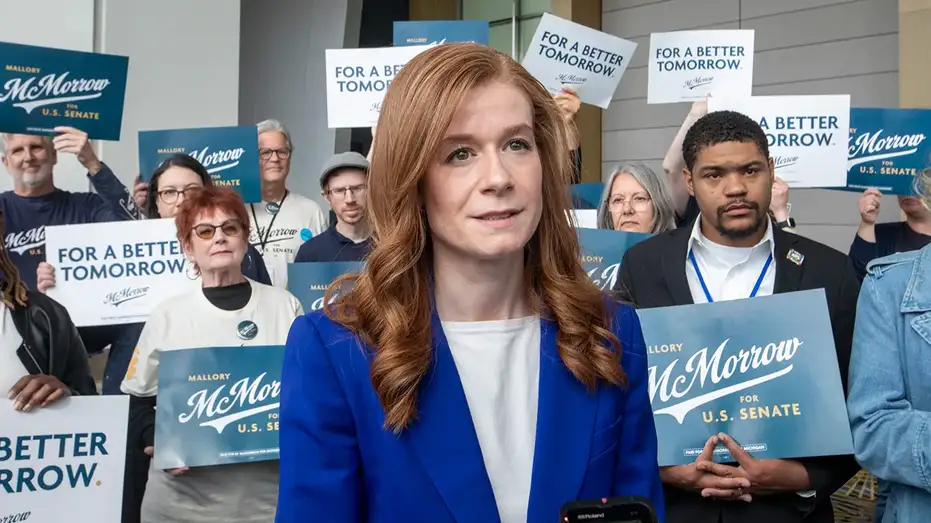
Dem Senate Candidate Pushing Affordability Agenda Faced Unpaid Bills on Million-Dollar Home

Michigan Democratic Senate candidate Mallory McMorrow, a prominent voice for water affordability, has faced scrutiny over her own financial record, revealing thousands of dollars in unpaid utility bills on her million-dollar Royal Oak home. The revelation comes as McMorrow campaigns on a platform emphasizing economic relief for working families, raising questions about consistency between her public advocacy and personal financial management.

Affordability Advocate’s Own Financial Record

Records obtained by Fox News Digital show that McMorrow and her husband, Ray Wert, accumulated over $3,000 in overdue water and sewer charges on their luxurious $1.28 million residence. These charges, along with associated late fees, had reportedly gone unpaid since June 2025, spanning nearly a year. This significant outstanding balance was settled swiftly after Fox News Digital approached the campaign for comment, underscoring the immediate impact of journalistic inquiry into candidates’ financial transparency.

A spokesperson for the McMorrow campaign acknowledged the payment, stating concisely, “The bills in question have been paid.” The statement then pivoted to broader economic concerns, attributing rising costs for “gas to groceries to electricity” to former President Donald Trump and his “enablers like Mike Rogers.” This response seeks to contextualize the personal financial oversight within a larger political narrative of economic challenges, while deflecting from the immediate issue of the candidate’s own utility payments.

A Pattern of Overdue Payments

Further examination of public records indicates that this is not an isolated incident for the Senate hopeful. Since acquiring their substantial Detroit suburb home in late 2021, McMorrow and Wert have reportedly incurred late fees for nonpayment on at least ten occasions, totaling more than $400 in penalties. This recurring pattern suggests a persistent issue with timely bill payments, even on significant household expenses associated with a high-value property.

Notably, the couple also allowed water bills to accumulate unpaid for five months in the latter half of 2024. When a payment of $917 was finally made in January 2025, records still showed an outstanding balance of $45 in late fees. Royal Oak Township operates on a quarterly billing cycle, assessing a 5% late fee on unpaid balances. Had McMorrow failed to pay the latest balance by June 1, another 5% penalty would have been applied, further increasing the debt.

The Detroit Metro Times, in a 2021 report, described the property — featuring a pool and an outside courtyard — as a home “to marvel at,” highlighting the stark contrast between its luxurious amenities and the candidate’s reported difficulties in maintaining timely utility payments.

“For a candidate campaigning on affordability, a consistent pattern of unpaid utility bills on a million-dollar home raises legitimate questions about financial responsibility and public trust.”

Implications for the Senate Race

As McMorrow vies for the Democratic nomination in one of the country’s most competitive Senate contests, these financial disclosures could present a significant challenge to her campaign’s core message. Her advocacy for policies aimed at easing financial burdens for constituents may be complicated by her own record of delayed payments on substantial personal expenses. Voters often scrutinize candidates’ personal finances for indications of their practical judgment and commitment to the principles they espouse, especially when those principles are central to their campaign.

This incident highlights the intense scrutiny faced by public figures, particularly those seeking higher office. While the campaign quickly resolved the outstanding debt, the recurring nature of these late payments might lead some observers to question the candidate’s attention to detail or financial discipline. For a candidate whose platform rests on ensuring economic accessibility and affordability for all, ensuring one’s own household bills are current is often seen as a baseline expectation of accountability.

Matox News will continue to provide factual reporting on this developing story and other key races across the nation, emphasizing transparency and public accountability.

Tiger Woods Returns to U.S. After Weeks of Intensive Treatment in Switzerland

Golf icon Tiger Woods has reportedly returned to American soil, arriving at Palm Beach International Airport after an extended period of comprehensive inpatient treatment in Switzerland. His return signifies a significant step in addressing the personal challenges that led to a highly publicized DUI arrest in March.

Woods, a 15-time major champion, had sought permission to travel abroad for specialized care, emphasizing his commitment to prioritizing his health and working towards lasting recovery. This latest development underscores the serious approach the athlete is taking to confront his recent legal and personal difficulties.

Arrival at Palm Beach International

The golf legend was observed disembarking his private plane on Wednesday afternoon. Eyewitness accounts describe Woods, sporting facial hair, wearing a black long-sleeve shirt and hat, sunglasses, gray shorts, and black shoes. Notably, he was still seen with a compression sleeve on his left leg, a familiar sight from his ongoing physical recovery from past injuries. A dog also accompanied him on the flight, adding a touch of personal detail to his quiet return.

His presence at the Florida airport concludes weeks of intense focus on his well-being away from the public eye, a period he explicitly requested for privacy and dedicated recovery.

Background: The DUI Arrest and Call for Treatment

Woods’ decision to seek treatment followed his arrest and subsequent charge for driving under the influence on March 27. The incident occurred after a car crash, where authorities noted he appeared lethargic. While a Breathalyzer test showed “triple-zeroes,” indicating no alcohol consumption, hydrocodone pills were found on his person, suggesting a different form of impairment.

Following the arrest, Woods was granted permission on April 1 to travel out of the country specifically “to enter into comprehensive inpatient treatment.” He had previously pleaded not guilty to the DUI charge but publicly announced his intention to “seek treatment” just days after the crash. This proactive approach was widely reported, including by sources like Fox News Digital.

“I’m committed to taking the time needed to return in a healthier, stronger, and more focused place, both personally and professionally.”

Commitment to Lasting Recovery

In a statement released shortly after the incident, Woods articulated the gravity of his situation and his determination to address it head-on. “I know and understand the seriousness of the situation I find myself in today. I am stepping away for a period of time to seek treatment and focus on my health,” he stated. He further emphasized, “This is necessary in order for me to prioritize my well-being and work toward lasting recovery.”

  • Prioritizing Health: Woods’ statement highlighted a clear shift towards personal well-being over immediate professional commitments.
  • Seeking Professional Help: The decision for inpatient treatment underscores a structured and dedicated approach to his recovery.
  • Long-Term Vision: His commitment extends beyond the immediate crisis, aiming for a “healthier, stronger, and more focused place.”

At the time of the crash, Woods had expressed a desire to play in the Masters, but his focus on treatment naturally put any immediate return to the golf course on hold. His current return to the U.S. suggests a completed phase of his inpatient care, marking a pivotal moment in his ongoing journey toward a healthier personal and professional future.

The focus now remains on Woods’ sustained progress and his eventual re-engagement with both his personal life and potentially, his illustrious career in golf, whenever that may be.

Social Media Auto Publish Powered By : XYZScripts.com