Matox News

Truth Over Trends, always!

Fact Check: Have 'Shadow Fleet' Ships Defied UK Threats in British Waters?
Fact Check: Have ‘Shadow Fleet’ Ships Defied UK Threats in British Waters?

Since the British government declared its intent to board sanctioned vessels navigating through UK waters, concerns have mounted regarding the practical enforcement of this policy. A recent investigation by BBC Verify, utilizing ship-tracking data, indicates that a substantial number of vessels suspected of belonging to Russia’s ‘shadow fleet’ have continued to enter the United Kingdom’s Exclusive Economic Zone (EEZ).

The Claim Under Scrutiny

In March, Prime Minister Sir Keir Starmer announced that British armed forces possessed the authority to board sanctioned vessels transiting through UK waters. This statement established a clear government position aimed at deterring and interdicting ships linked to illicit activities or those operating in defiance of sanctions.

Examining the Evidence

BBC Verify’s comprehensive analysis of ship-tracking data paints a concerning picture. The investigation identified 184 UK-sanctioned vessels making a total of 238 journeys through the UK’s EEZ since the government’s declaration. The majority of these transits occurred through the busy English Channel, an area critical for international shipping. Notably, the government has not publicly stated or provided any evidence that any of these vessels have been boarded as per the announced policy. While the Ministry of Defence (MoD) asserts it is actively “disrupting and deterring” shadow fleet vessels, specific details supporting these claims have not been released. This lack of transparency has led to criticism, with one former Royal Navy commander reportedly describing the situation as “pathetic.”

“The continued presence of sanctioned vessels in our waters, without clear evidence of enforcement, poses a significant challenge to our national security and the integrity of our sanctions regime.”

Verifying the Facts: What is Confirmed and What is Unsupported

Based on the available evidence, several key points can be confirmed:

  • Sanctioned vessels have entered UK waters: BBC Verify’s data unequivocally shows 184 sanctioned ships making 238 journeys through the UK’s EEZ since March.
  • Government threat was issued: The Prime Minister’s announcement regarding the authority to board sanctioned vessels is a matter of public record.
  • Lack of public evidence of boardings: There has been no public disclosure or evidence provided by the government confirming that any of these identified vessels have been boarded.

What remains unsupported or lacks verifiable evidence is the claim that the government’s policy of boarding sanctioned vessels has been effectively implemented or that the MoD’s stated disruption efforts are preventing such entries.

Remaining Uncertainties

Despite the BBC’s findings, several questions persist:

  • What specific actions, if any, are the Ministry of Defence taking to “disrupt and deter” these vessels beyond public statements?
  • Are there operational reasons, not publicly disclosed, for the apparent lack of boardings?
  • What is the true scale of the ‘shadow fleet’s’ operations within and around UK territorial interests?

The discrepancy between the government’s strong public stance and the observed activity of sanctioned vessels underscores the need for greater transparency and accountability. Ensuring national security and upholding international sanctions demands a clear and demonstrable commitment to enforcement in British waters.

Martin Short: Finding Joy Amidst Life's Deepest Tragedies
Martin Short: Finding Joy Amidst Life’s Deepest Tragedies

Behind the iconic comedic roles and infectious energy, legendary performer Martin Short has navigated a life marked by unimaginable personal sorrow. A new documentary highlights his journey, revealing a powerful lesson in resilience and the conscious choice to find joy despite profound loss.

For decades, Martin Short has captivated audiences with his unparalleled comedic talent, bringing characters like Jiminy Glick and Ed Grimley to life with an infectious zest. Yet, beneath the surface of his vibrant public persona lies a narrative of profound personal loss. A recent report from a prominent news desk details how the celebrated actor, currently the subject of a new documentary, has faced a series of deep tragedies. His story offers a compelling testament to the human spirit’s capacity to find joy even when confronted with the deepest grief.

The Unseen Depths Behind the Laughter

Short’s career is defined by exuberance and a unique ability to find humor in everyday life. This public image, however, stands in stark contrast to the private challenges he has endured. He has experienced the loss of a brother, his mother, and his father at young ages, followed by the passing of his beloved wife, Nancy Dolman, to cancer in 2010. Each of these events would understandably devastate most individuals, yet Short has consistently chosen a path of remembrance and optimism.

This remarkable ability to compartmentalize grief while continuing to radiate positivity is a hallmark of his character. It speaks to a deep personal philosophy that prioritizes gratitude and the celebration of life, rather than succumbing to despair. His journey reminds us that true strength often lies not in avoiding pain, but in confronting it with grace and an unwavering commitment to living fully.

A Philosophy of Enduring Joy

What is the secret to Martin Short’s enduring spirit? According to insights gleaned from his story, it is a conscious decision to focus on the good that remains and to cherish the memories of those he has lost. He maintains that even in the darkest times, there are always laughs to remember and cherish. This perspective is not one of denial, but of profound acceptance and an active pursuit of happiness. It underscores a vital principle: while tragedy is inevitable, the choice to embrace joy and gratitude is always within our grasp.

“He maintains that even in the darkest times, there are always laughs to remember and cherish.”

Resilience: A Cultural Imperative

In a world often grappling with its own challenges, stories like Martin Short’s serve as powerful cultural touchstones. They reinforce the importance of resilience, the strength of the human spirit, and the enduring value of family and community, even when those bonds are tested by loss. His public life, now viewed through the lens of his private struggles, becomes an unexpected beacon of hope, demonstrating that one can navigate profound sorrow without losing one’s essence or capacity for joy. This narrative aligns with foundational conservative values of fortitude, personal responsibility, and a steadfast commitment to finding order and meaning amidst chaos.

Martin Short’s journey is more than just a celebrity anecdote; it is a profound lesson in living. It reminds us that while grief is a natural part of the human experience, it does not have to define us. Instead, through conscious effort, gratitude, and a willingness to embrace the good, we can cultivate a life rich in joy and meaning, honoring those we’ve lost by living fully in their memory. His story encourages us all to seek out the laughter, even when tears are close at hand.

PGA Championship Pace of Play: Thomas and Bradley Confront Official in Tense Exchange

PHILADELPHIA — The second round of the PGA Championship at Aronimink Golf Club saw tempers rise as two of golf’s most prominent figures, Justin Thomas and Keegan Bradley, found themselves in a spirited confrontation with a tournament official over the pace of play. The incident, which also involved fellow Ryder Cupper Cameron Young, underscored the pressures faced by elite athletes navigating a challenging major championship field.

The exchange occurred on the fourth hole, following a first round that had already drawn attention to the speed of play. Both Thomas and Bradley, known for their competitive fire, were visibly animated as they discussed the official’s decision to put their group on the clock, arguing that their position on the course did not warrant the intervention.

The On-Course Confrontation

An official approached the trio — Thomas, Bradley, and Young — in a cart, initiating a discussion that quickly escalated. Eyewitnesses noted finger-pointing and intense dialogue, with both Thomas and Bradley appearing to indicate the group ahead as the source of any potential delay. Thomas, a former PGA Champion, later shared his perspective, stating the group did not agree with the official’s assessment.

“We were behind. That wasn’t our issue… It’s just the fact that we weren’t holding up the group behind us.” — Justin Thomas

Bradley, a past Ryder Cup captain for the U.S. team, also conveyed his displeasure, though his interaction with the official was reportedly briefer. The players maintained that while they were indeed behind the group in front, they were not impeding the progress of the players directly behind them, which is a key distinction in pace-of-play rulings.

Players Point to Challenging Conditions

The players’ disagreement stemmed partly from their assessment of the demanding conditions at Aronimink. Thomas specifically cited the intricate course layout, high winds, and particularly tough pin positions as factors contributing to slower play. These elements naturally extend the time required for decision-making and shot execution, especially in the high-stakes environment of a major.

  • Course Conditions: Aronimink Golf Club presents a complex layout.
  • Wind: Strong gusts added an extra layer of difficulty for all competitors.
  • Pin Positions: Challenging placements demanded precision and careful thought.
  • Large Field: A robust 156-golfer field naturally contributes to congestion.

The PGA Championship’s extensive field, coupled with specific course features such as shared tee boxes and crossing paths on certain holes, can inherently lead to bottlenecks. Scores have also been notably high, with only a fraction of the field under par at the time of reporting, further indicating the course’s difficulty.

Broader Implications for Tournament Play

This incident at the PGA Championship highlights a perennial challenge in professional golf: balancing competitive fairness with efficient tournament flow. While officials strive to maintain a reasonable pace, players often feel that external factors, such as course design and weather, are not always adequately considered in real-time rulings. The exchange, reported by FoxNews.com, quickly became a talking point among fans and analysts.

Ultimately, Thomas confirmed that his group managed to catch up to the pace on the very next hole, demonstrating their capability to accelerate when necessary. However, the intensity of the discussion underscores the fine line between regulation and the natural rhythm of high-level competition. Ensuring fair play while managing a large field will remain a key focus for tournament organizers throughout the championship.

OpenAI Acquires AI Voice Cloning Company Amidst Growing Ethical Concerns

OpenAI, a leading force in artificial intelligence development, has finalized the acquisition of Weights.gg, a firm recognized for its advanced AI voice cloning capabilities. This strategic move, which brings a social network for creating and sharing AI algorithms under OpenAI’s umbrella, has swiftly ignited a crucial debate within the technology sector and among policymakers regarding the ethical implications of sophisticated synthetic media. The integration of such powerful voice replication tools into a major AI platform underscores the accelerating pace of technological advancement and the pressing need for robust ethical frameworks.

The Emergence of Synthetic Voices

Voice cloning technology has evolved rapidly, moving from rudimentary imitations to highly convincing replicas capable of mimicking tone, inflection, and emotional nuance. Weights.gg, as a platform, facilitated the creation and sharing of these sophisticated algorithms, effectively democratizing access to tools that can generate synthetic speech indistinguishable from a human voice. While proponents highlight potential benefits in accessibility, content creation, and personalized user experiences, the dual-use nature of such technology invariably brings forth significant concerns. The ability to generate realistic voices from minimal audio samples presents both innovative opportunities and profound challenges for societal order and individual security.

Ethical Frontiers and Safeguarding Digital Identity

The acquisition immediately spotlights the ethical frontiers of AI voice cloning. The potential for misuse is considerable, ranging from sophisticated phishing scams and financial fraud to the creation of convincing deepfakes designed to spread disinformation or impersonate public figures. Such actions can severely undermine trust in public institutions, disrupt familial communications, and erode the very fabric of truth in digital interactions.

  • Impersonation and Fraud: The creation of synthetic voices for illicit purposes, such as tricking individuals into divulging sensitive information or authorizing financial transactions.
  • Disinformation Campaigns: Generating false audio narratives to manipulate public opinion or spread propaganda, potentially destabilizing political processes.
  • Erosion of Trust: The widespread availability of convincing synthetic media could lead to a pervasive skepticism about the authenticity of any digital content, impacting journalism and public discourse.
  • Identity Theft: Exploiting cloned voices to bypass biometric security measures or gain unauthorized access to personal accounts.

Matox News believes that protecting digital identity and ensuring the authenticity of communication are paramount in maintaining a stable and orderly society.

Calls for Prudent Regulation and Oversight

In light of these escalating capabilities, calls for prudent regulation and robust oversight are intensifying. Industry leaders, alongside government bodies and advocacy groups, are grappling with how to foster innovation in AI while simultaneously mitigating its inherent risks. The challenge lies in developing frameworks that are agile enough to keep pace with technological advancements without stifling legitimate research and development. Recent reports indicate a growing consensus among technology policy analysts that a multi-faceted approach is required, involving not only governmental regulation but also industry self-governance, ethical guidelines, and public education initiatives. This collaborative effort aims to establish clear boundaries for the ethical use of AI voice cloning and ensure accountability for its misuse.

“The rapid advancement of AI voice cloning necessitates a robust framework of ethical guidelines and regulatory safeguards to protect individuals and maintain societal trust.”

Balancing Innovation with Responsibility

OpenAI’s acquisition of Weights.gg serves as a stark reminder of the dual nature of groundbreaking technologies. While AI offers transformative potential across numerous sectors, its unchecked development carries significant risks to privacy, security, and societal cohesion. As Matox News consistently advocates, the path forward requires a careful balance: embracing innovation while prioritizing responsible stewardship and adherence to foundational ethical principles. Ensuring that powerful tools like AI voice cloning are developed and deployed with transparency, accountability, and a clear understanding of their broader impact will be crucial for maintaining public confidence and safeguarding the digital future. The dialogue sparked by this acquisition must evolve into concrete actions that uphold order and protect individual liberty in the digital age.

Fact Check: Are Russia's Shadow Fleet Ships Defying UK Sanctions in British Waters?
Fact Check: Are Russia’s Shadow Fleet Ships Defying UK Sanctions in British Waters?

Recent reports have sparked concern regarding the apparent continued presence of Russia’s “shadow fleet” vessels within the United Kingdom’s territorial waters and Exclusive Economic Zone (EEZ). These reports suggest that despite explicit government warnings and new powers to board sanctioned ships, these vessels are operating unimpeded, raising significant questions about the efficacy of current maritime security measures and adherence to international sanctions.

The Claim Under Scrutiny

The core claim under examination is that ships associated with Russia’s “shadow fleet”—vessels often operating without standard insurance or clear ownership to circumvent sanctions—are regularly entering UK waters. Furthermore, it is asserted that these transits are occurring despite a public commitment from the British government to board such sanctioned vessels, with no public evidence that any enforcement action has been taken.

What the Evidence Shows

An extensive analysis by BBC Verify, utilizing ship-tracking data, indicates a substantial number of these sanctioned vessels have indeed transited UK-controlled maritime areas. The findings reveal that since March, a total of 184 UK-sanctioned vessels undertook 238 journeys through the UK’s Exclusive Economic Zone (EEZ). This zone extends up to 200 nautical miles from the coastline, with many of these movements concentrated in the busy English Channel.

  • In March, Sir Keir Starmer publicly announced that British armed forces were now equipped with the authority to board sanctioned vessels passing through UK waters.
  • Despite this declaration, the government has not publicly provided any evidence or confirmed that any of these identified vessels have been boarded.
  • The Ministry of Defence (MoD) has stated it is actively “disrupting and deterring” shadow fleet vessels, but has refrained from offering specific details on how this is being achieved.
  • A former Royal Navy commander has critically described the perceived lack of visible action as “pathetic,” underscoring concerns within maritime security circles.

The persistent presence of sanctioned vessels in our waters, without public evidence of enforcement, raises serious questions about the efficacy of our maritime security posture and commitment to upholding international order.

What is Confirmed

Based on the available evidence, several points can be confirmed:

  • Confirmed Transits: A significant number of vessels identified as part of Russia’s “shadow fleet” and subject to UK sanctions have repeatedly entered and transited the UK’s Exclusive Economic Zone.
  • Declared Powers: The British government, through a prominent political figure, publicly announced in March the acquisition of new legal powers enabling the boarding of such sanctioned vessels.
  • Lack of Public Enforcement Evidence: There is currently no public statement or evidence from the government, including the Ministry of Defence, confirming that any of these specific vessels have been boarded or subjected to direct enforcement action under the new powers.

What Remains Unsubstantiated or Uncertain

While the presence of sanctioned vessels is clear, the effectiveness and nature of the government’s response remain less transparent:

  • Unsubstantiated Deterrence: The Ministry of Defence’s general assertion of “disrupting and deterring” these vessels lacks specific, publicly verifiable examples or data to support its claims of effectiveness. Without such detail, the public cannot fully assess the government’s actions.
  • Operational Secrecy vs. Transparency: It is uncertain whether any boarding operations have indeed occurred but have been kept confidential for operational reasons. However, the absence of any public acknowledgment, even in general terms, fuels skepticism and calls for greater governmental transparency.
  • Challenges to Enforcement: The precise operational challenges, legal complexities, or resource constraints that might be impeding more visible enforcement actions against these vessels are not publicly known.

The situation surrounding Russia’s shadow fleet and its alleged unchallenged access to UK waters highlights a critical need for clarity from official sources. As a nation committed to upholding international law and sanctions, the UK government must provide greater transparency regarding its actions to enforce maritime security and deter those who seek to circumvent established order. Public confidence in the nation’s ability to protect its interests and uphold its commitments depends on a clear and accountable response to these persistent challenges.

Martin Short: Finding Joy Amidst Life's Deepest Tragedies
Martin Short: Finding Joy Amidst Life’s Deepest Tragedies

In the public eye, Martin Short has long been a beacon of infectious humor and theatrical exuberance. From SCTV to SNL and acclaimed film roles, his performances consistently bring laughter and levity. Yet, behind the scenes, Short has navigated a life marked by profound personal losses, a stark contrast to his joyful public persona. A new documentary delves into this dichotomy, revealing how Martin Short finds joy and maintains his spirit despite enduring deep tragedy.

His story is not merely one of survival, but of active resilience, offering a compelling narrative on how individuals can uphold a sense of order and purpose even when faced with life’s most challenging circumstances. It’s a testament to the enduring strength of the human spirit and the power of a positive outlook.

A Legacy Forged in Laughter and Loss

Short’s life has been touched by sorrow from an early age. He lost his eldest brother to a car accident, his mother to cancer when he was a teenager, and his father to a stroke a few years later. Later in life, he faced the devastating loss of his beloved wife, Nancy Dolman, to cancer in 2010. These experiences might cripple many, yet Short has consistently chosen a path of remembrance that honors the joy and love shared, rather than succumbing to the weight of absence.

This approach speaks to a profound understanding of family and heritage, recognizing that the bonds forged in life continue to shape one’s identity and outlook, even after loved ones are gone. His unwavering commitment to his craft and his family stands as a powerful example of steadfastness.

The Philosophy of Remembering Joy

The documentary explores Short’s unique philosophy for navigating grief. Instead of focusing on the void left by loss, he consciously chooses to recall the positive memories and the happiness he shared with those he loved. This isn’t a denial of pain, but a deliberate act of embracing gratitude and cherishing the past. As recently reported by the New York Times, Short maintains that there are always laughs to remember, even in the darkest times.

His perspective can be distilled into several key principles:

  • Embrace Positive Memories: Actively recall moments of happiness and love.
  • Focus on Gratitude: Appreciate the time spent with loved ones, rather than lamenting their absence.
  • Maintain Purpose: Continue to engage with life and contribute through one’s talents.
  • Connect with Others: Find strength and solace in community and shared experiences.

This mindset offers valuable lessons for anyone grappling with personal hardship, underscoring the importance of internal fortitude and a deliberate choice for positivity.

“There are always laughs to remember.”

Beyond the Stage: A Private Man’s Public Lesson

Short’s ability to compartmentalize his private grief while maintaining a vibrant public persona is remarkable. His work on stage and screen serves not as an escape, but perhaps as an extension of his life-affirming philosophy. He brings joy to millions, embodying a form of public service through entertainment. His story provides a compelling counter-narrative to the often-bleak portrayals of grief, instead highlighting the potential for growth and continued happiness.

In a world often quick to sensationalize suffering, Martin Short’s journey offers a refreshing and deeply human perspective on navigating adversity with grace and an enduring sense of hope. His life reminds us that true strength is often found not in avoiding sorrow, but in choosing joy in its presence, a profound lesson for us all.

New Ebola Outbreak Claims Dozens in Congo, Threatens Regional Stability

A new and alarming Ebola outbreak has been officially confirmed in the Democratic Republic of Congo (DRC), with reports indicating at least 65 fatalities and 246 suspected cases. The surge in infections, concentrated in the remote Ituri province, has triggered urgent warnings from health officials regarding a significant risk of cross-border transmission, particularly to Uganda and South Sudan.

The Africa Centers for Disease Control and Prevention (Africa CDC) has verified the outbreak, which is currently centered in the Mongwalu and Rwampara health zones. This region, characterized by its proximity to international borders, active mining operations, underdeveloped infrastructure, and ongoing insecurity, presents a complex challenge for containment efforts.

The Spreading Threat in Ituri

The severity of the situation in eastern Congo cannot be overstated. With 65 deaths already recorded among 246 suspected cases, the human toll is mounting rapidly. Authorities are grappling with the logistical difficulties of reaching affected communities and implementing effective public health measures in a volatile environment.

The potential for the virus to spread beyond the DRC’s borders is a critical concern. Neighboring Uganda has already reported one Ebola-related death involving a Congolese national, underscoring the immediate threat. The confluence of mining-related travel and weak health systems in the border regions creates a dangerous pathway for rapid regional dissemination of the disease.

“The outbreak poses a significant regional transmission risk due to mining-related travel, weak infrastructure, and persistent insecurity, demanding a robust, coordinated international response.”

Identifying the Strain and Global Response

A crucial aspect of the current response involves identifying the specific strain of Ebola driving this outbreak. Health officials are actively investigating whether it is the highly virulent Ebola Zaire strain, responsible for past devastating epidemics, or a different variant. Initial tests suggest it might not be the Zaire strain, but comprehensive testing and sequencing efforts are ongoing to provide definitive answers.

International institutions have quickly mobilized. The World Health Organization (WHO) dispatched a response team to the region last week to support local officials in their investigation and sample collection efforts. According to reports from News Desk, the Africa CDC is also playing a central role, coordinating surveillance and technical assistance to bolster the DRC’s capacity to manage the crisis. These coordinated efforts are vital for an effective and swift containment strategy.

Understanding the Virus and Its Dangers

Ebola is a highly contagious and frequently fatal disease. It spreads through direct contact with the bodily fluids of an infected person, including blood, vomit, and semen. Symptoms can manifest rapidly and include:

  • Severe fever
  • Intense muscle pain
  • Headaches and fatigue
  • Vomiting and diarrhea
  • Unexplained hemorrhage (internal and external bleeding)

It is important to note that while 65 deaths have been reported, only four have been laboratory-confirmed so far. The distinction between suspected and confirmed cases highlights the challenges in diagnosis and the urgent need for expanded testing capabilities in the affected zones.

Addressing this Ebola outbreak requires sustained vigilance and a unified approach from local authorities and international partners. Containing the spread, especially across porous borders, is paramount to protecting regional health security and preventing a wider humanitarian crisis. The focus remains on robust public health interventions, community engagement, and supporting the institutions on the ground working tirelessly to bring the situation under control.

Supreme Court Blocks Virginia Democrats' Push for New Congressional Map
Supreme Court Blocks Virginia Democrats’ Push for New Congressional Map

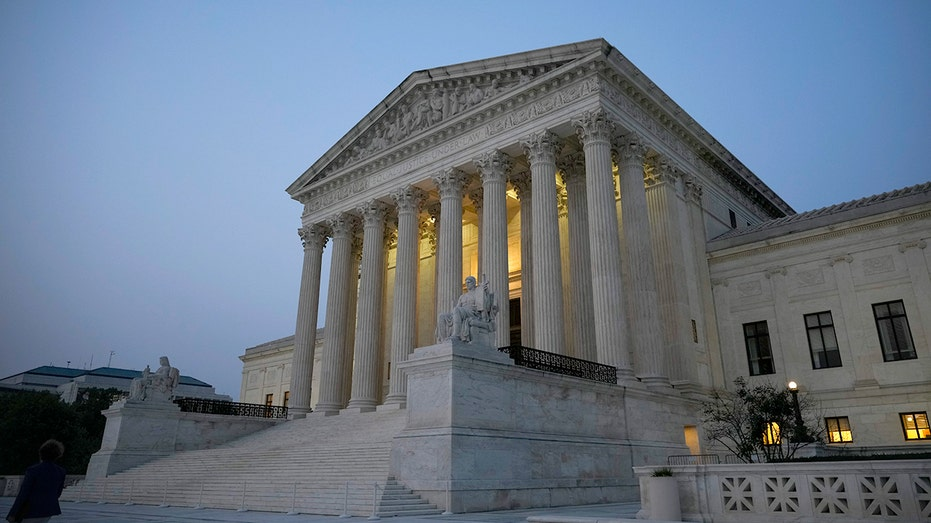
In a significant legal setback for Virginia’s Democratic leadership, the nation’s highest court has declined a plea to allow a voter-approved congressional district map to be used in the upcoming midterm elections, reinforcing judicial oversight in redistricting.

The Supreme Court has delivered a decisive ruling against Virginia Democrats, rejecting their appeal to implement a new congressional map for the upcoming midterm elections. This decision effectively blocks a redistricting plan that had been drawn by state Democrats and subsequently approved by voters, maintaining the status quo and underscoring the judiciary’s role in electoral boundaries. The ramifications of this ruling are expected to resonate across the Commonwealth’s political landscape, particularly as crucial elections approach.

The Court’s Unanimous Decision

The nation’s highest judicial body acted swiftly, denying the request from Virginia state officials seeking to utilize the contested congressional map. While the Supreme Court’s order did not provide an accompanying explanation, such brevity is common in cases where the justices decline to hear an appeal or intervene in lower court proceedings, often indicating a lack of significant legal questions or a desire to avoid an immediate political fray. This unanimous rejection signals a clear position, indicating the Court found no compelling reason to overturn the existing legal framework governing Virginia’s electoral districts. The decision also aligns with a broader conservative judicial philosophy that often prioritizes stability and deference to established processes over novel interpretations or interventions.

This judicial posture reinforces the principle of judicial review in redistricting matters, often seen as a necessary check on partisan gerrymandering. The Court’s decision, though succinct, underscores the importance of upholding established legal processes, even when state-level political actors and voters have expressed a preference for an alternative.

Background of the Redistricting Battle

The contentious battle over Virginia’s congressional map began after the most recent census, leading to a complex legal and political process. Democrats in the state legislature were instrumental in drafting the map, which later garnered approval from the state’s electorate. However, the plan faced immediate legal challenges, culminating in a lower court decision that prevented its implementation. State officials then escalated the matter to the Supreme Court, hoping for an intervention that would allow the voter-approved map to take effect for the midterms.

Redistricting is a decennial process that redraws electoral boundaries to reflect population shifts. It is frequently a flashpoint for partisan conflict, with both major parties often seeking to maximize their electoral advantage. In Virginia, the effort by Democrats to shape the new map was seen as a strategic move to secure more favorable districts, an ambition now halted by the Supreme Court’s intervention.

“The Supreme Court’s decision maintains the existing electoral framework, highlighting the judiciary’s ultimate role in ensuring fair and stable redistricting processes.”

Implications for Virginia’s Midterm Elections

The Supreme Court’s ruling means that the congressional districts for Virginia’s upcoming midterm elections will remain as they were prior to the Democrats’ proposed changes. This outcome is a significant win for those who opposed the new map, arguing for stability and adherence to established legal precedent. For Virginia’s Democratic Party, the decision represents a strategic setback, as their efforts to redraw the electoral landscape have been definitively rebuffed at the highest judicial level.

Observers suggest that this ruling could energize conservative voters and candidates who advocate for judicial restraint and orderly governance. The focus now shifts to how candidates will navigate the confirmed district lines, with both parties recalibrating their campaign strategies in response to the Court’s firm stance. The election cycle promises to be a critical test of voter sentiment within these established boundaries.

This latest development underscores the intricate balance of power between legislative bodies, the electorate, and the judiciary in shaping American democracy. While state officials and voters may express preferences, the Supreme Court’s ultimate authority in interpreting and applying the law, particularly concerning electoral integrity, remains paramount. The Commonwealth of Virginia will now proceed with its electoral preparations under the existing congressional map, setting the stage for a keenly watched midterm season.

Fragile Lebanon Ceasefire Extended Amid Continued Border Clashes

WASHINGTON D.C. – A fragile ceasefire between Israel and Lebanon has been extended, the U.S. State Department announced Friday, following two days of intense negotiations in Washington D.C. The agreement aims to de-escalate tensions along the volatile border, which has seen persistent exchanges of fire despite an initial truce declared last month.

President Donald Trump originally announced the ceasefire on April 16, a move intended to halt hostilities between Israeli forces and Hezbollah. However, the period since has been marked by continued violence, challenging the efficacy of diplomatic interventions and raising concerns about regional stability.

Humanitarian Impact and Ongoing Conflict

The human cost of the ongoing conflict remains a grave concern. Lebanon’s health ministry reported that an Israeli strike tragically claimed the lives of six individuals, including paramedics, in the town of Harouf. This incident follows a previous report from Wednesday, where the ministry cited Israeli air strikes as responsible for 22 fatalities, including eight children, across southern Lebanon. These reports underscore the devastating impact of the conflict on civilian populations and essential service providers.

The continuation of hostilities, even as diplomatic channels work to secure peace, highlights the complex and deeply entrenched nature of the regional conflict. For Matox News, the protection of civilians and the upholding of international humanitarian law remain paramount considerations in reporting on such events.

“The extension of the ceasefire is a testament to persistent diplomatic efforts, yet the tragic loss of life demonstrates the profound challenges to achieving genuine stability in the region.”

The Role of U.S. Diplomacy

The United States has played a pivotal role in mediating the ceasefire and its subsequent extension. The US State Department’s announcement follows direct negotiations, signaling a concerted effort by the Trump administration to promote order and de-escalation in a critical geopolitical hotspot. This diplomatic engagement reflects a commitment to supporting institutional processes that aim to resolve conflict and prevent wider regional destabilization.

The challenges to maintaining this truce are significant. The continued exchange of fire between Israel and Hezbollah suggests that underlying grievances and security concerns remain potent. Effective resolution will require not only sustained diplomatic pressure but also a genuine commitment from all parties to adhere to the terms of the agreement and prioritize the safety and well-being of civilians.

Path Towards Lasting Stability

For a lasting peace to take root, more than just a temporary halt in fighting is required. The international community, led by responsible state actors, must encourage robust mechanisms for monitoring and enforcing the ceasefire. Furthermore, addressing the root causes of instability, including the presence of non-state actors operating outside sovereign control, is crucial for fostering genuine regional security. As reported by the BBC, the Israeli military has been contacted for comment regarding recent incidents, indicating ongoing scrutiny of the situation.

The current extension offers a window for further dialogue and a potential reduction in suffering. It is imperative that all parties seize this opportunity to move towards a more secure and stable future for Lebanon and the broader Middle East, upholding the principles of order and the rule of law.

Supreme Court Upholds Virginia Redistricting Ruling, Halting Democratic Map Overhaul

The U.S. Supreme Court has delivered a significant legal setback to Virginia Democrats, rejecting their emergency bid to revive a voter-approved congressional redistricting overhaul. This decision leaves intact a Virginia Supreme Court ruling that found the proposed map unconstitutional, effectively ending efforts to redraw districts ahead of the crucial 2026 midterm elections. The high court’s action underscores the complex interplay between state and federal judicial authority in electoral matters.

High Court Declines Intervention

In a brief, unsigned order issued Friday, the Supreme Court denied Virginia Democrats’ emergency request. No justices publicly dissented from the decision, which effectively upheld the Virginia Supreme Court’s May 8 ruling. That state court decision, passed with a 4-3 majority, determined that the amendment process used to advance the redistricting proposal violated the state constitution. Specifically, lawmakers had moved the proposal forward after early voting had already commenced in the required intervening election cycle, a procedural defect deemed “incurably taint[ing] the resulting referendum vote.”

National Implications for 2026 Midterms

This legal defeat for Virginia Democrats is part of a broader national struggle over mid-decade redistricting. Control of the U.S. House of Representatives is expected to be fiercely contested in the 2026 elections, with a handful of competitive seats likely determining the chamber’s balance. Republicans currently hold a narrow majority. The Democratic-backed proposal in Virginia was specifically designed to make several Republican-held congressional seats more competitive, aiming to shift the electoral landscape in the Commonwealth.

A Controversial Path to the Ballot

The redistricting map, which garnered 51.7% voter approval in an April 21 special election, faced legal challenges from its inception. The Virginia Supreme Court initially allowed the referendum to proceed despite an ongoing dispute over the legislative process used to place it on the ballot. Democrats had argued for the necessity of the overhaul, but their procedural approach ultimately proved to be its undoing. The ruling highlights the critical importance of adhering to constitutional processes, even for popular initiatives. As reported by News Desk, the legal challenge focused squarely on the procedural irregularities, specifically:

  • Lawmakers advanced the proposal after early voting had already begun in the required intervening election cycle.
  • This procedural defect was deemed by the state’s highest court to have “incurably taint[ed] the resulting referendum vote.”

These issues, rather than the map’s content, were central to the legal challenge.

The Supreme Court’s decision reaffirms the importance of constitutional procedure in electoral reforms, a critical aspect of maintaining institutional integrity.

Looking Ahead: Electoral Landscape Solidified

The Supreme Court’s refusal to intervene marks a definitive end to Virginia Democrats’ efforts to implement a new congressional map before the 2026 cycle. This outcome not only solidifies the existing electoral districts in Virginia but also sends a clear message about the judiciary’s role in overseeing legislative processes related to elections. Political strategists on both sides will now recalibrate their approaches for the upcoming midterms, with the current district lines firmly in place. The focus shifts back to voter engagement and policy debates, rather than battles over electoral boundaries.

Social Media Auto Publish Powered By : XYZScripts.com