Matox News

Truth Over Trends, always!

House Republicans Unwavering: Trump's Iran Strategy Upheld in Critical War Powers Vote
House Republicans Unwavering: Trump’s Iran Strategy Upheld in Critical War Powers Vote

A Democratic effort to force an end to hostilities against Iran failed to gain traction, highlighting a solid Republican front in Congress backing the President’s foreign policy authority.

In a significant demonstration of party unity, House Republicans overwhelmingly rejected a Democratic resolution designed to limit President Donald Trump’s authority regarding Iran. The vote, which saw a near-unanimous Republican opposition, underscores the GOP’s continued support for the administration’s firm stance and Iran strategy, even as tensions with Tehran remain high.

The Failed Bid to Restrain Presidential Authority

The resolution, introduced by Representative Josh Gottheimer (D-N.J.), sought to compel President Trump to cease hostilities against Iran unless explicitly authorized by Congress. This legislative maneuver, intended to reassert congressional oversight on matters of war and peace, ultimately stalled in a 212-212 vote. The outcome revealed a stark partisan divide, with nearly every Democrat voting in favor of the measure, while only a handful of Republicans crossed party lines. Notably, Rep. Jared Golden (D-Maine) was the sole Democrat to oppose the resolution, demonstrating a rare bipartisan break from his party. Reporting from News Desk on Thursday highlighted the bipartisan breakdown in the vote.

Republican Solidarity and Strategic Justification

Republicans largely united against the resolution, arguing that such limitations could gravely undermine the President’s capacity to manage the ongoing conflict and secure a lasting peace. Their position emphasizes the need for a strong executive hand in foreign policy, particularly when dealing with complex and volatile adversaries like Iran. Many GOP lawmakers contend that restricting the President’s ability to deploy both diplomatic and kinetic pressure would weaken America’s leverage on the international stage. Key arguments from the Republican caucus included:

  • Preserving the President’s constitutional role as Commander-in-Chief.
  • Ensuring flexibility in responding to evolving threats from Iran.
  • Maintaining a credible deterrent against Iranian aggression.
  • Preventing arbitrary limitations that could embolden adversaries.

They maintain that a consistent and strong posture is essential to compel Iran to abandon its nuclear ambitions and cease destabilizing activities in the region.

Persistent Tensions and Stalled Diplomacy

The congressional vote unfolds against a backdrop of fragile U.S.-Iran relations. Despite a largely intact ceasefire, peace talks between Washington and Tehran have recently stalled, leaving the future of diplomatic efforts uncertain. President Trump has publicly described the ceasefire as “on life support,” reiterating his non-negotiable demand for Iran to dismantle its nuclear program. This firm stance reflects a long-term strategic objective to prevent Iran from developing nuclear weapons and to curb its regional influence. The administration’s approach suggests that sustained pressure, rather than immediate de-escalation without concessions, remains its primary tool.

Political Calculus and Economic Appeals

Democrats, in their push for the resolution, attempted to link the ongoing conflict to domestic concerns, particularly the rising cost of living. House Democratic Whip Katherine Clark (D-Mass.) argued that ending the war was the “single fastest way to bring down costs,” urging Republicans to support the measure to “bring our service members home and end this chaos.” This tactic aimed to exert pressure on GOP lawmakers by framing the conflict as a drain on national resources and a burden on American families. However, Republicans largely dismissed these arguments, prioritizing national security interests and the President’s foreign policy prerogatives over what they viewed as a politically motivated attempt to weaken the administration’s position.

“By putting an arbitrary limitation on America’s ability to deploy both kinetic as well as diplomatic pressure on Iran, I think it undermines his ability to end the conflict,” said one Republican lawmaker, reflecting the sentiment of many in the GOP.

The outcome of this crucial vote solidifies Republican resolve behind President Trump’s robust Iran strategy, signaling that congressional efforts to significantly curtail presidential war powers face an uphill battle. It reinforces the administration’s prerogative in foreign policy and suggests that future attempts to challenge this authority will likely be met with similar resistance from a united GOP. As U.S.-Iran tensions continue to simmer, the White House maintains a strong hand, backed by its party, in navigating this complex geopolitical challenge.

Vessel Seized Near Strait of Hormuz May Have Been 'Floating Armory'
Vessel Seized Near Strait of Hormuz May Have Been ‘Floating Armory’

A vessel was reportedly seized off the coast of the United Arab Emirates (UAE) near the Strait of Hormuz on Thursday morning, an incident that immediately raised alarms across international shipping circles. The British military’s UK Maritime Trade Operations (UKMTO) confirmed the ship was boarded by “unauthorized personnel” and subsequently observed heading towards Iranian territorial waters. This development underscores the persistent challenges to maritime security in one of the world’s most vital energy transit points.

The incident occurred approximately 38 nautical miles northeast of Fujairah, a significant oil export terminal in the UAE. While official details on the perpetrators or the vessel’s ownership remain scarce, the nature of the ship’s reported operations adds a layer of complexity to the unfolding situation.

Details Emerge on Vessel’s Seizure

According to the UKMTO’s report, the vessel was taken by unknown individuals, with its trajectory after the seizure indicating a course towards Iranian jurisdiction. British authorities have not yet publicly identified the ship or those responsible for its boarding. However, reports from the BBC, citing risk-management company Vanguard, suggest the Honduras-flagged Hui Chuan was the vessel involved in the incident.

The lack of immediate official corroboration from all parties involved leaves many questions unanswered, but the location of the seizure—a critical chokepoint for global trade—naturally elevates the incident’s importance for international stability and the free flow of commerce.

The ‘Floating Armory’ Revelation

Perhaps the most significant detail emerging from the incident is the report that the seized vessel, the Hui Chuan, was operating as a “floating armory.” This designation, as reported by the BBC based on information from the ship’s operators to Vanguard, implies a specific role in regional maritime defense. Floating armories are typically used to store weapons and provide security services for commercial ships traversing high-risk areas, particularly those susceptible to piracy.

“The seizure of a vessel reportedly operating as a ‘floating armory’ underscores the escalating challenges to maritime security in one of the world’s most vital shipping lanes.”

If confirmed, the seizure of such a vessel not only represents a direct challenge to the established order of maritime security but could also impact the ability of commercial shipping to defend itself against non-state actors in volatile waters. This incident highlights the multifaceted threats present in the Gulf region, ranging from state-sponsored aggression to piracy.

Escalating Tensions in a Critical Waterway

The Strait of Hormuz is a narrow sea passage between the Persian Gulf and the Gulf of Oman, through which a significant portion of the world’s oil supply passes daily. Incidents in this region inevitably send ripples through global markets and diplomatic channels. This is not an isolated event; the Strait has been a flashpoint for regional tensions, with several vessels seized in recent years.

Key incidents include:

  • In April, Iran’s Islamic Revolutionary Guard Corps (IRGC) seized the Panamanian-flagged MSC Francesca and the Epaminondes ships within the Strait.
  • At least two other ships have been seized in the Strait of Hormuz since February, indicating a pattern of increased activity.

These recurring events underscore the precarious security environment and the need for robust international cooperation to uphold the principles of freedom of navigation and to protect global trade routes from interference, whether from state or non-state actors.

The seizure of a vessel, particularly one potentially engaged in legitimate anti-piracy operations, demands swift and decisive action from international bodies to ascertain the facts and ensure accountability. Maintaining stability and order in the Strait of Hormuz is paramount for the global economy and for regional peace, requiring constant vigilance and adherence to international maritime law.

Rep. Jayapal's Controversial Cuba Engagement Draws Scrutiny and Threats
Rep. Jayapal’s Controversial Cuba Engagement Draws Scrutiny and Threats

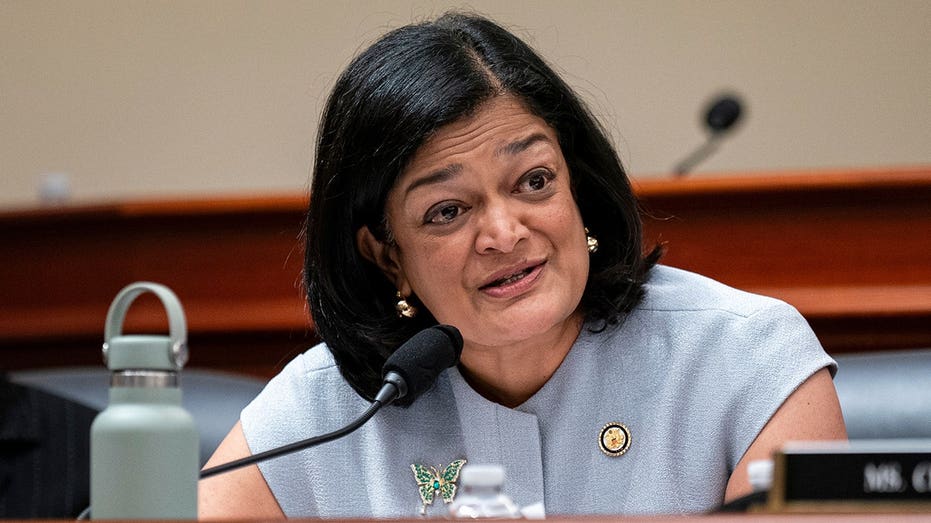
Washington Democrat Representative Pramila Jayapal is facing intense scrutiny and severe backlash, including death threats, following her controversial congressional visit to Cuba. Her meetings with Cuban President Miguel Díaz-Canel and various foreign diplomats have ignited a firestorm of criticism, with opponents alleging her actions undermine U.S. policy and national security.

During a recent congressional trip to Cuba, Representative Pramila Jayapal, D-Wash., engaged in discussions with high-ranking Cuban officials and foreign ambassadors. This congressional Cuba engagement, which she described as part of her duties to assess the island’s crisis and the impact of U.S. sanctions, has provoked a significant outcry. The progressive lawmaker revealed on Wednesday that she has received death threats, with some critics labeling her a ‘traitor’ for her diplomatic outreach.

Congressional Diplomacy Under Scrutiny

Representative Jayapal defended her actions, asserting that meeting with foreign ambassadors to understand the effects of U.S. policy is standard practice for members of Congress. She explained that her discussions focused on Cuba’s severe fuel shortages and the broader implications of U.S. sanctions, which have been in place for over six decades. According to Jayapal, these sanctions have not been effective, and she advocates for direct diplomatic negotiations as a path forward.

During her visit alongside Representative Jonathan Jackson, D-Ill., Jayapal met with a diverse group including President Díaz-Canel, senior government officials, political dissidents, and various civil society organizations. Her comments at a Seattle briefing, where she acknowledged these meetings, quickly gained traction online, fueling the ongoing debate.

Allegations of Undermining U.S. Interests

The nature of Jayapal’s interactions with Cuban leadership and foreign diplomats has drawn sharp condemnation from conservative circles. Critics argue that such engagement with a regime hostile to U.S. interests, particularly without clear State Department guidance or as part of a broader, unified foreign policy strategy, could be perceived as undermining American diplomatic efforts. Accusations of ‘conspiring against the U.S.’ have circulated, contributing to the hostile environment that led to the death threats against the congresswoman.

The controversy highlights a persistent tension regarding the appropriate scope of individual congressional members’ foreign policy initiatives, especially when they diverge from established U.S. positions. The debate centers on whether such direct engagement risks legitimizing adversarial governments or if it offers a pragmatic avenue for understanding complex international issues.

“People are calling for me to be shot, and it’s just a fabrication. It is what’s wrong with so much of the work that we do.”

Protecting Lawmakers Amidst Political Division

The alarming surge in threats against public officials, exemplified by the calls for violence against Representative Jayapal, underscores a concerning trend in contemporary American politics. While vigorous debate and scrutiny of elected officials’ actions are vital for a healthy democracy, resorting to intimidation and threats of harm is unequivocally unacceptable and antithetical to civil discourse. This incident, reported by Fox News Digital, adds to a growing list of vulnerabilities faced by lawmakers on Capitol Hill and beyond.

Institutions must uphold the rule of law and protect those who serve, ensuring that policy discussions, even highly contentious ones, can proceed without fear of violence. Simultaneously, elected officials bear a responsibility to conduct their duties in a manner that maintains public trust and avoids actions that could be misconstrued as detrimental to national security, especially when engaging with foreign adversaries.

The Broader Context of U.S.-Cuba Relations

The long-standing U.S. embargo against Cuba, a policy in effect for over 60 years, remains a highly contentious issue. Proponents argue it is a necessary tool to pressure the communist regime, while critics, including Representative Jayapal, contend it has failed to achieve its objectives and instead exacerbates humanitarian crises on the island. Jayapal’s advocacy for direct diplomatic negotiation reflects a perspective that seeks to normalize relations and find alternative solutions to the island’s challenges.

This incident reignites the debate over America’s approach to Cuba and the role of individual lawmakers in shaping foreign policy. It forces a critical examination of how congressional delegations interact with foreign powers, particularly those with strained relationships with the United States, and the potential implications for national unity and security.

Senator Fetterman Backs Kevin Warsh for Fed Chair in Key Bipartisan Vote

In a significant development for U.S. economic leadership, the Senate has confirmed President Donald Trump’s nominee, Kevin Warsh, to serve as the next Chairman of the Federal Reserve System Board of Governors. The confirmation vote, passing 54-45, saw a rare instance of bipartisan cooperation, with Senator John Fetterman (D-Pa.) notably crossing party lines to support the appointment.

The decision by Senator Fetterman to join Senate Republicans in confirming Warsh was swiftly praised by Treasury Secretary Scott Bessent, who highlighted the Pennsylvania Democrat’s willingness to prioritize national interests over partisan allegiances. This pivotal vote underscores a moment where institutional stability and sound economic policy appeared to transcend typical political divides in Washington.

A Bipartisan Confirmation for Economic Accountability

Treasury Secretary Scott Bessent wasted no time in commending the Senate’s action, particularly the bipartisan aspect. In a statement on X, Bessent declared, “Today @SenateGOP, along with the Democrat who put country before political ideology, confirmed @POTUS’s nominee Kevin Warsh as the next Chairman of the @FederalReserve.” This sentiment reflects a conservative editorial line valuing institutional functionality and accountability.

Bessent further articulated the administration’s vision for Warsh’s tenure, emphasizing a need for reform at the nation’s central bank. “Chairman Warsh will usher in a new day at an institution that is in need of accountability, sound policy guidance, and the renewed sense of purpose to help guide our economy,” Bessent stated. He added that Warsh’s leadership is expected to “lay the groundwork for every American family to build and grow in the world’s greatest economy,” signaling a focus on free-market principles and robust economic growth.

The 54-45 vote was largely along party lines, with Fetterman being the sole Democrat to break ranks. This outcome, as reported by the News Desk, highlights the prevailing political landscape yet also spotlights moments of potential common ground on crucial national appointments.

Senator Fetterman’s Rationale for Crossing the Aisle

Senator John Fetterman’s decision to support Kevin Warsh drew considerable attention, given the highly partisan nature of many high-level confirmations. Explaining his vote, Fetterman issued a statement emphasizing his belief in Warsh’s qualifications and commitment to essential principles.

Fetterman noted, “I’ve met Kevin Warsh and believe he will be transparent and responsive to Congress and the public.” He underscored the importance of the Federal Reserve’s independence, stating, “His promise to maintain Fed independence in setting interest rates is crucial and I look forward to working with him.” This focus on transparency, responsiveness, and independence aligns with good governance and institutional integrity.

Furthermore, Senator Fetterman also took the opportunity to acknowledge the service of the outgoing Chair, Jerome Powell. “We owe an enormous debt of gratitude to Chair Powell,” Fetterman said, praising Powell’s steady hand through multiple administrations and a global pandemic. He even encouraged Powell to remain on the Fed Board, demonstrating a respect for continuity and experienced leadership within the institution.

“Chairman Warsh will usher in a new day at an institution that is in need of accountability, sound policy guidance, and the renewed sense of purpose to help guide our economy. His chairmanship opens the door and lays the groundwork for every American family to build and grow in the world’s greatest economy.”
— Treasury Secretary Scott Bessent

Implications for Monetary Policy and Economic Direction

The confirmation of Kevin Warsh as Federal Reserve Chairman marks a pivotal moment for U.S. monetary policy and the broader economic direction. Warsh, a former member of the Federal Reserve Board of Governors, brings a wealth of experience and a perspective that is expected to align with the administration’s goals for economic stability and growth.

His appointment comes at a time when the nation’s economy faces various challenges and opportunities, from managing inflation to fostering job creation and ensuring fiscal discipline. The conservative approach often advocates for a Federal Reserve that maintains a clear focus on price stability and avoids undue political influence, principles that Warsh has reportedly committed to uphold.

Looking ahead, the new leadership at the Federal Reserve will be tasked with navigating complex global economic currents while ensuring the institution remains a bulwark of financial stability. The bipartisan support, however limited, for Warsh’s confirmation suggests a shared recognition of the critical role the Fed plays in the nation’s prosperity, reinforcing the importance of strong, independent institutions.

This confirmation represents more than just a change in leadership; it signals a renewed emphasis on accountability and sound economic stewardship at the highest levels of American finance. The willingness of a Democrat senator to support a Republican president’s nominee for such a critical role provides a rare example of putting national interest ahead of partisan divides, setting a constructive tone for future policy discussions.

Charles Barkley Delivers Scathing Critique of Jalen Duren's Rebounding in Pivotal Playoff Series
Charles Barkley Delivers Scathing Critique of Jalen Duren’s Rebounding in Pivotal Playoff Series

The Detroit Pistons find themselves in a challenging position, trailing the Cleveland Cavaliers 3-2 in their NBA Playoffs series. Amidst the high stakes, attention has turned to the performance of key players, and none more so than Jalen Duren, whose rebounding efforts have drawn the ire of veteran analyst Charles Barkley.

Barkley’s Unfiltered Assessment

During a segment on “Inside the NBA,” Charles Barkley expressed profound disappointment with Duren’s Game 4 outing, where the young center managed only two rebounds. Barkley’s remarks were unmistakably direct: “His whole game is offensive rebounds and lob dunks from Cade (Cunningham). He’s not getting those.” He continued, emphasizing the severity of the performance, stating, “He should never have two rebounds, ever. That’s two more than a dead person.

Barkley, known for his candid commentary, underscored the fundamental expectation for a player like Duren. While acknowledging Duren as a “young kid” with potential to develop his mid-range game, the former MVP was clear that such a low rebounding total is unacceptable for a player of his physical stature and role. He even went so far as to label Duren an “All-Star” talent, suggesting the current output falls far short of his capabilities.

Duren’s Playoff Struggles Under Scrutiny

Duren’s Game 4 performance, which also included eight points, was indeed a low point. The Pistons ultimately lost that game, allowing Cleveland to tie the series after being down 2-0. In Game 5, Detroit squandered a 15-point lead, eventually falling to the Cavaliers 117-113 in overtime, giving Cleveland a 3-2 series advantage.

While Duren showed a slight improvement in Game 5, recording nine points, five rebounds, and four assists, his overall offensive presence remained limited, taking only five shots. This limited output, particularly on the glass, highlights a significant challenge for the Pistons. For context, only three Pistons starters reached double figures in Game 5:

  • Cade Cunningham: 39 points
  • Daniss Jenkins: 19 points
  • Tobias Harris: 13 points

Bench player Paul Reed added 10 points, but the team struggled for consistent scoring and crucial rebounds against a Cavaliers team that saw strong performances from James Harden (30 points) and Donovan Mitchell (21 points), as reported by Fox News Sports coverage.

“He should never have two rebounds, ever. That’s two more than a dead person.”

The Demands of Playoff Basketball

The intensity of playoff basketball often amplifies every strength and weakness. For a young player like Jalen Duren, the bright lights of the postseason are a crucible. Barkley’s comments, while harsh, reflect the high expectations placed on players in critical games. His role as a dominant rebounder and interior presence is vital for the Pistons’ success, particularly in a physical series against a strong opponent like Cleveland.

The Pistons’ ability to contend hinges on all their starters contributing significantly. While Cade Cunningham delivered a stellar 39-point performance in Game 5, the team needs a more balanced effort, especially on the boards. Duren’s development and ability to meet these heightened expectations will be crucial not only for the remainder of this series but also for his trajectory as a promising NBA talent.

As the series progresses, all eyes will be on Duren to see if he can elevate his game and respond to the pressure, proving Barkley’s “All-Star” potential is within reach, even as the Pistons face elimination.

Unlocking South Korean TV Shows: Navigating the Global Digital Divide

The vibrant world of South Korean TV shows and media has captivated audiences worldwide, establishing a significant cultural footprint in the United States. This phenomenon, often termed the “Hallyu Wave,” reflects a growing global appreciation for K-pop, K-dramas, and cinema. However, despite this surging demand, enthusiasts frequently encounter geo-restrictions that limit their ability to stream desired content. This challenge highlights a broader issue in the digital age: how consumers can access global entertainment without being constrained by regional licensing agreements.

The Resounding Impact of the Hallyu Wave

The “Hallyu Wave” represents more than just a passing trend; it signifies a profound cultural shift. From the infectious rhythms of K-pop giants like BTS and BLACKPINK to critically acclaimed films such as Bong Joon Ho’s “Parasite” and global streaming hits like “Squid Game” and “Physical: 100,” South Korean creativity has demonstrably resonated with diverse audiences. This widespread acceptance underscores a consumer desire for rich, varied storytelling that transcends geographical boundaries. The cultural exchange fostered by this content enriches global understanding and provides valuable entertainment.

Overcoming Digital Barriers to Access

Despite the immense popularity of South Korean content, viewers outside the country, particularly in the U.S., often face frustrating restrictions. These “geo-blocks” are put in place due to licensing agreements that segment content by region. For the dedicated fan looking to tune into a K-pop survival show or “Saturday Night Live Korea,” these digital walls can feel insurmountable. This situation presents a clear dilemma: a global audience eager for content, met by an outdated system of regional distribution. A free-market approach suggests that solutions will emerge to meet this demand.

Empowering Viewers with VPN Technology

Fortunately, technological advancements offer a practical and legal pathway for consumers to access geo-restricted content. A Virtual Private Network, or VPN, serves as a crucial tool in this endeavor. Services like ExpressVPN allow users to encrypt their internet data and mask their IP address, effectively making it appear as if they are browsing from a different location. This capability not only enhances online privacy and security but also empowers users to bypass regional content locks. As noted by Billboard, utilizing a reputable VPN is the easiest way for U.S. viewers to stream a wide array of South Korean TV shows and other media.

  • Unrestricted Access: Connect to servers in South Korea to unlock local streaming libraries.
  • Enhanced Privacy: Encrypts internet traffic, protecting user data from potential threats.
  • Increased Security: Safeguards online activity, especially on public Wi-Fi networks.
  • Global Connectivity: Access content from virtually any country with server presence.

The global surge in South Korean pop culture, the ‘Hallyu Wave,’ is a testament to universal human curiosity and the power of compelling storytelling.

The burgeoning demand for South Korean TV shows and the innovative solutions emerging to meet it exemplify the dynamic interplay between culture, technology, and consumer choice in the digital age. As the Hallyu Wave continues to expand its reach, empowering individuals with tools like VPNs ensures that geographical boundaries do not hinder the appreciation of global creative works. This trend underscores a fundamental principle: when consumers seek content, the market will inevitably provide the means to access it, fostering a more connected and culturally rich global viewing experience.

Precision Chemotherapy: New Tech Sends Treatment Straight to Tumors

This innovative approach aims to revolutionize cancer treatment by delivering chemotherapy directly to tumors, significantly reducing systemic side effects and improving patient quality of life.

For countless individuals battling cancer, chemotherapy, while often life-saving, comes with a severe toll on the body. The systemic nature of traditional treatments frequently leads to debilitating side effects, impacting patient well-being and recovery. However, a promising new development in targeted drug delivery is offering a beacon of hope, particularly for those with pancreatic cancer. A system known as Trans-Arterial Micro-Perfusion (TAMP) is currently in Phase III clinical trials, designed to deliver chemotherapy with unprecedented precision directly near tumors, minimizing harm to healthy cells.

The Harsh Reality of Conventional Chemotherapy

The journey through chemotherapy is notoriously challenging. Patients often endure severe nausea, profound exhaustion, increased susceptibility to infections, and a general decline in their quality of life. These arduous experiences stem from the indiscriminate nature of standard chemotherapy, which travels through the bloodstream, attacking not only cancerous cells but also vital healthy cells throughout the body. This broad assault explains the widespread side effects that can leave patients weak and overwhelmed, sometimes making the treatment itself feel as debilitating as the disease.

For many, the physical and emotional burden of these treatments can be immense, leading to difficult choices and a constant search for less invasive yet equally effective alternatives. The medical community has long sought methods to maximize therapeutic impact while minimizing collateral damage to healthy tissues.

Pioneering a Targeted Approach with TAMP

In a significant step forward, RenovoRx has developed the TAMP system, which promises to redefine chemotherapy delivery. This innovative platform utilizes the FDA-cleared RenovoCath device to precisely administer chemotherapy. A physician guides a catheter into an artery near the tumor using X-ray imaging. Once correctly positioned, two small balloons on the catheter are inflated, isolating the target area. This allows for a concentrated dose of medication to be delivered directly to the tumor site, rather than circulating throughout the entire body.

Shaun Bagai, CEO of RenovoRx, highlighted the system’s core advantage: localizing chemotherapy delivery. This targeted method stands in stark contrast to conventional approaches, which rely on the drug diffusing through the entire circulatory system. The ongoing Phase III clinical trial for locally advanced pancreatic cancer is demonstrating compelling results. As reported by Fox News, 83-year-old Hernando Salcedo, who had been significantly weakened by standard chemotherapy, found renewed hope and improved health through the TAMP trial at Miami Cancer Institute. His experience underscores the potential for a dramatic shift in patient outcomes and quality of life.

  • Reduced Systemic Side Effects: By localizing the drug, TAMP minimizes exposure to healthy tissues.
  • Increased Drug Concentration: Higher doses can be delivered directly to the tumor, potentially enhancing efficacy.
  • Improved Patient Experience: Less severe side effects can lead to better appetite, energy levels, and overall well-being.

A New Horizon for Cancer Patients

The success observed in patients like Hernando Salcedo offers a glimpse into a future where cancer treatment is both potent and profoundly more humane. Salcedo reported a “tremendous” difference, completing eight sessions with significantly fewer adverse effects compared to his initial chemotherapy regimen. His improved appetite and energy levels allowed him to feel “dramatically better,” exemplifying the profound impact of this precision chemotherapy.

Pancreatic cancer, in particular, is an aggressive disease often diagnosed at advanced stages, making effective and tolerable treatments critically important. The TAMP system represents a significant advancement in addressing the unique challenges of treating such cancers, providing a pathway to more effective care without the same degree of systemic toxicity.

“The difference was tremendous. I completed eight sessions, one every 15 days, and I felt dramatically better than I did with the original chemotherapy.”

— Hernando Salcedo, Patient

As medical science continues its relentless pursuit of better treatments, innovations like the TAMP system underscore the vital role of targeted therapies. This approach not only enhances the direct attack on cancerous cells but also prioritizes the patient’s holistic well-being throughout their arduous treatment journey. The potential for precision chemotherapy to transform the standard of care for pancreatic cancer, and potentially other difficult-to-treat malignancies, offers a powerful testament to human ingenuity and the enduring commitment to improving health outcomes. Further research and broader adoption of such technologies hold the promise of a future where cancer treatment is increasingly effective and significantly less burdensome for patients and their families.

Canadian Professor Fired Over Stance Against Hamas Supporters

Paul Finlayson, a non-Jewish Canadian professor, states he was fired from the University of Guelph-Humber following a robust online defense of Israel in the wake of the October 7 attacks. His dismissal sparks debate over free speech in academia as antisemitism escalates across Canada, with Finlayson asserting his termination was a direct consequence of his strong anti-extremist views.

In an interview with Fox News Digital, Finlayson detailed his experience, explaining he lost his job after taking a firm stance against what he perceived as calls for Israel’s eradication. This incident highlights the growing tension between academic freedom and institutional responses to politically charged discourse, particularly concerning the Israeli-Palestinian conflict.

A Forthright Stand Against Extremism Online

The controversy originated in November 2023 when Finlayson responded to a LinkedIn message from an overseas educator. Finlayson characterized the original post as “calling for the eradication of Israel.” Though the author later deleted the post and all comments, Finlayson’s forceful rebuttal was quoted by the National Post in a December 2023 article, bringing his views into wider public scrutiny.

Finlayson’s now-deleted post directly challenged the overseas educator’s position, stating his clear opposition to antisemitism. His strong rebuttal included accusations that:

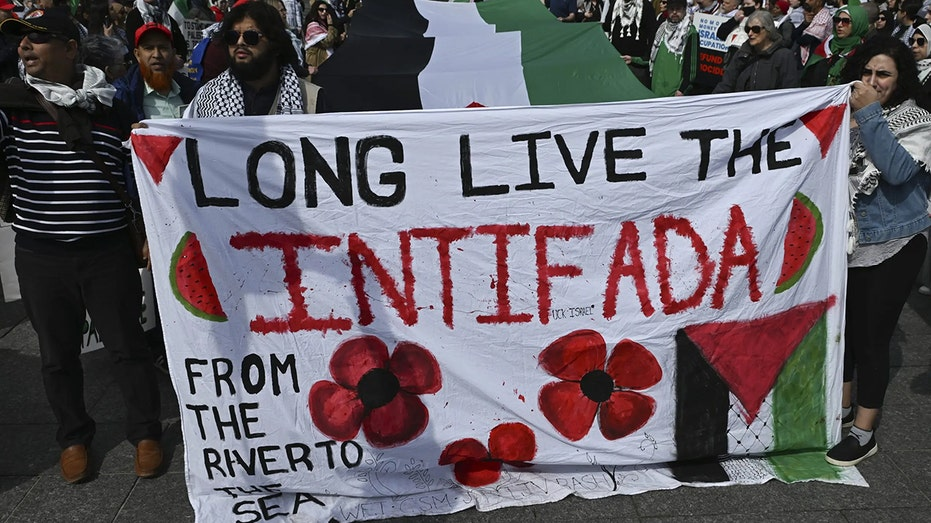
  • “If you say ‘from the River to the Sea’, you’re a Nazi.”
  • “You stand with Palestine means you stand with Hitler.”
  • “You don’t want peace, you want dead Jews…They murdered 1,400 innocents and took 250 hostages and the people celebrated rapist monsters as heroes.”

Finlayson emphasized his unwavering support for Israel and his opposition to those he believes advocate for violence and hatred against Jewish people. He explicitly stated, “I’m not neutral. I stand with Israel. I stand against antisemites.”

Academic Fallout and Institutional Response

Following his online comments, Finlayson claims he faced a targeted campaign that severely impacted his professional standing. He reported that students at the University of Guelph-Humber discovered his LinkedIn reply before the thread was deleted, leading to an outcry within the academic community.

The situation escalated on November 27, 2023, when Finlayson recounted an administrator waiting outside his office during a meeting with a student. The administrator subsequently presented him with a suspension letter. A copy of this letter, provided by Finlayson, cited “inappropriate online comments” as the basis for his suspension, signaling the university’s official disapproval of his public statements.

“I’m not neutral. I stand with Israel. I stand against antisemites who want nothing but dead Jews.”

The Broader Context of Rising Antisemitism

Finlayson’s case unfolds against a backdrop of what has been described as record antisemitic incidents in Canada following the October 7 attacks. This surge in hate crimes and discriminatory rhetoric has fueled criticism of the Canadian government’s response and raised alarms among pro-Israel advocates and Jewish community leaders.

The incident at the University of Guelph-Humber underscores a critical challenge facing educational institutions: how to balance free speech, particularly on controversial geopolitical issues, with the need to maintain a respectful and inclusive environment. For many, Finlayson’s dismissal represents a chilling effect on open academic discourse and a concerning trend where strong opinions against extremism can lead to professional repercussions.

This situation demands careful consideration of the principles of free expression within academic settings and the commitment of institutions to protect diverse viewpoints, even those that are unpopular or challenging. Upholding the integrity of open debate is paramount for fostering an informed and resilient society capable of confronting extremist ideologies effectively.

Minnesota Fraud Report Exposes Billions in Taxpayer Losses Under Walz Administration

A comprehensive final report released by the Minnesota House Fraud Prevention and State Agency Oversight Committee has uncovered a “culture of tolerance” within the Walz administration, allegedly leading to billions in taxpayer losses through serial fraud. The document details systemic failures, incompetence, and the purported active suppression of internal warnings, raising serious questions about state government oversight.

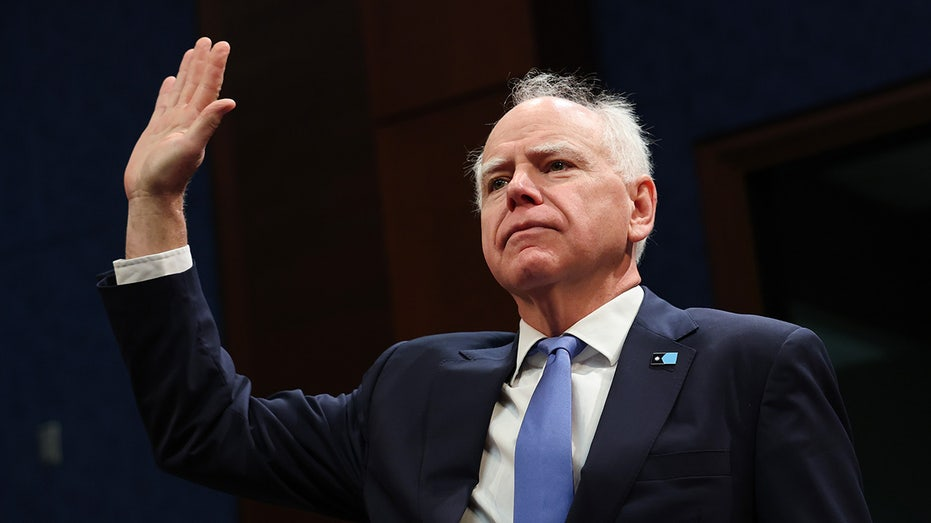
The state of Minnesota is grappling with the staggering implications of widespread fraud, a crisis detailed in a new, exhaustive Minnesota fraud report. Released by the House Fraud Prevention and State Agency Oversight Committee, the 84-page document concludes that a “culture of tolerance” under Governor Tim Walz facilitated an environment where fraudsters allegedly siphoned billions from state programs, leaving taxpayers to bear the immense financial burden.

Unprecedented Scale of Alleged Malfeasance

The committee’s findings paint a grim picture of government malfeasance and a scale of fraud described as “massive and unprecedented.” After two dozen hearings and hundreds of whistleblower tips, the report estimates the financial toll on Minnesota taxpayers to be staggering. Federal meal programs alone reportedly lost $300 million, while Medicaid fraud could account for up to $9 billion. The total amount stolen across various programs, including childcare and SNAP, is believed to be significantly higher than previously acknowledged.

  • Federal Meal Program Fraud: An estimated $300 million in losses.
  • Medicaid Fraud: Up to $9 billion in alleged losses.
  • Other Programs: Significant fraud identified in childcare (CCAP) and SNAP benefits.

Governor Walz’s Alleged Failures to Act

The report specifically takes aim at Governor Tim Walz’s alleged inaction and failures to stem the tide of fraud. One notable instance cited involves the “Feeding Our Future” scandal, where the governor reportedly “tried to blame a court order” for failing to halt payments to fraudsters. However, the presiding judge later issued a public statement clarifying that no such order was given, asserting the Walz administration’s voluntary decision to resume payments. This incident, previously reported by Fox News Digital, underscores a pattern of alleged oversight failures.

“The scale of fraud in Minnesota is ‘massive and unprecedented,’ costing taxpayers billions in alleged losses.”

Investigators also drew a direct link between the “Feeding Our Future” scandal and earlier, unaddressed fraud within the Child Care Assistance Program (CCAP). The committee suggests that the administration’s alleged failure to decisively address prior instances of fraud created a permissive environment that allowed subsequent schemes to flourish and expand.

A Recurring Pattern: The Fraud Business Model

The committee’s investigation identified a consistent “business model” employed by criminals to defraud taxpayers. This model typically involved low barriers to entry for organizations, the extensive use of shell companies to obscure financial flows, and the payment of kickbacks to enroll recipients. This recurring methodology highlights systemic vulnerabilities that, according to the report, were not adequately addressed by state agencies under the current administration.

The findings of this comprehensive Minnesota fraud report demand immediate and serious attention. The alleged “culture of tolerance” and systemic failures outlined by the House committee raise critical questions about accountability, fiscal responsibility, and the protection of public funds. Addressing these deep-seated issues will be crucial for restoring public trust and safeguarding taxpayer resources against future exploitation.

New Report Alleges Systematic Hamas Sexual Violence on October 7

A comprehensive investigation has revealed that Hamas perpetrators systematically deployed sexual and gender-based violence as a deliberate weapon during the brutal October 7 massacres in southern Israel. A report released this week by the Civil Commission on Oct. 7 Crimes Against Women and Children asserts that these atrocities were not isolated incidents but an inherent component of the terror group’s wider strategy to inflict maximum terror and degradation.

Documenting a Pattern of Abuse

The Israeli nonprofit’s exhaustive inquiry documented extensive evidence of abuse across multiple sites during the October 7 invasion. Locations included the Nova Music Festival, various kibbutzim near the Gaza border, Israel Defense Forces bases, and among hostages taken captive. Furthermore, the condition of recovered bodies displayed signs consistent with severe sexual violence. The commission’s findings underscore a horrifying pattern, identifying at least 13 recurring forms of abuse. These details paint a grim picture of calculated cruelty, intended to dehumanize victims and instill widespread fear.

The report meticulously categorizes these acts, which include:

  • Rape and attempted rape, often perpetrated publicly or in front of others.
  • Sexual torture, involving mutilation and other extreme forms of abuse.
  • Shootings directed at victims’ genital areas, both pre- and post-mortem.
  • Forced nudity and other forms of sexual humiliation.
  • Abuse carried out after death, demonstrating extreme depravity.

This extensive documentation serves to corroborate survivor testimonies and forensic evidence, building a robust case against the perpetrators.

The Quest for Justice Amidst Trauma

Dr. Cochav Elkayam-Levy, founder and chair of the Civil Commission and a principal co-author of the report, spoke to Fox News Digital about the immense challenges faced by her team. She described the repeated exposure to graphic material and the profound trauma associated with reviewing such horrific evidence on a regular basis. “We had to not only collect materials, but also review and analyze it alongside forensic experts while witnessing human suffering at its worst,” Elkayam-Levy stated. She emphasized that a key motivator for the commission was to counter “the denial, the hesitation and the questioning” surrounding these events, aiming to ensure global awareness of the victims’ suffering. For the investigators, this meticulous documentation represents “a final act of justice for the victims.”

“What motivated us was the denial, the hesitation and the questioning. We wanted to ensure that the world knows what happened to the victims.”

— Dr. Cochav Elkayam-Levy, Civil Commission on Oct. 7 Crimes Against Women and Children

A Deliberate and Systematic Strategy for Terror

The report strongly contends that the sexual violence perpetrated by Hamas and its collaborators was not random but deliberately and systematically integrated into their operational plans for the October 7 attacks. This finding suggests a premeditated intent to inflict maximum terror and degradation, extending far beyond conventional warfare tactics. The graphic details collected illustrate a clear pattern designed to dehumanize and brutalize victims, aiming to sow fear and break the spirit of communities. The commission’s analysis indicates that these acts were strategically employed to create psychological trauma, disrupt social cohesion, and send a chilling message of absolute dominance. Such calculated brutality demands a robust international response and unwavering commitment to accountability.

The release of this comprehensive report marks a pivotal moment in understanding the full scope of the October 7 attacks. It serves as a stark reminder of the barbarity inflicted and reinforces the urgent call for international bodies and legal institutions to recognize and address these grave violations of human rights. Upholding the principles of order and justice demands a thorough investigation and prosecution of those responsible for such heinous acts, ensuring that victims receive the recognition and justice they deserve and that such atrocities are unequivocally condemned by the global community.

Social Media Auto Publish Powered By : XYZScripts.com