Matox News

Truth Over Trends, always!

Trump Hails 'Fantastic' US-China Trade Deals After Final Xi Meeting
Trump Hails ‘Fantastic’ US-China Trade Deals After Final Xi Meeting

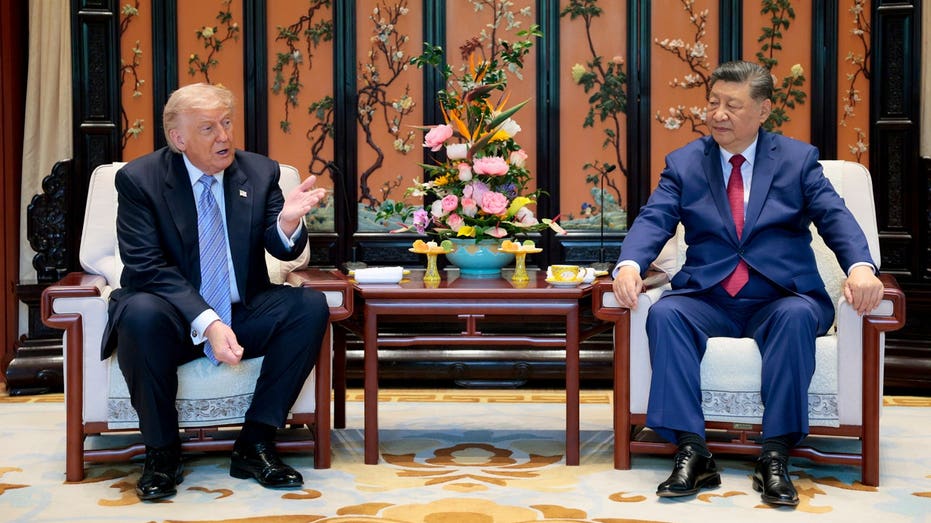
President Donald Trump has declared significant progress on US-China trade deals following his final bilateral meeting with Chinese President Xi Jinping. Speaking to reporters after their discussions at the Zhongnanhai compound, President Trump characterized the visit as “incredible” and highlighted the achievement of “fantastic trade deals” beneficial to both nations, amidst a backdrop of years-long tariff disputes.

A Breakthrough Amidst Lingering Tariff Tensions

The announcement of new agreements comes as a notable development in the complex economic relationship between Washington and Beijing. For years, the Trump administration has employed aggressive duties, asserting their necessity to compel China towards fairer trade practices and to address long-standing imbalances. Beijing, in turn, has consistently resisted these measures, leading to a protracted standoff that has impacted global supply chains and markets. This latest move, reported by the News Desk, marks a significant moment in the ongoing dialogue.

While specific details of all the deals remain undisclosed, a prominent outcome mentioned was China’s commitment to order 200 Boeing jets. This substantial acquisition represents a significant boost for the American aerospace giant, supporting thousands of jobs and bolstering the U.S. manufacturing sector. It signals a potential thaw in economic tensions, offering a tangible win for American industry and a positive step towards rebalancing US-China trade deals. Such large-scale commercial transactions are often seen as indicators of improving diplomatic relations.

High-Level Diplomacy and Economic Dialogue

The crucial meeting saw the participation of several high-ranking American officials, underscoring the strategic importance of the discussions and the administration’s commitment to securing favorable outcomes. Their collective presence indicates a comprehensive, multi-agency approach to addressing the multifaceted challenges and opportunities in US-China trade deals, ensuring that national security and economic interests are aligned. Key officials present included:

  • U.S. Ambassador to China David Perdue
  • Secretary of State Marco Rubio
  • Treasury Secretary Scott Bessent
  • War Secretary Pete Hegseth
  • U.S. Trade Representative Jamieson Greer

Beyond the presidential meeting, America’s top business leaders, accompanying President Trump, engaged with Premier Li Qiang on Thursday to explore broader avenues for U.S.-China economic and trade cooperation. These parallel discussions aim to foster a more stable, predictable, and prosperous bilateral economic environment, vital for global stability and sustained growth.

Mutual Success and Global Prosperity

Statements from the Chinese Ministry of Foreign Affairs echoed a desire for positive outcomes, emphasizing cooperation over confrontation. A press release from the Ministry indicated China’s willingness to collaborate with the United States to “implement the important consensus reached by the two heads of state, strive for more positive outcomes, achieve mutual success and promote common prosperity, and better benefit the people of both countries and the world.” This diplomatic language suggests a shared recognition of interdependence.

The Ministry further emphasized the importance of both countries meeting “each other halfway” and actively working to “safeguard bilateral economic and trade relations.” This sentiment suggests a shared understanding of the need for constructive engagement to navigate future challenges and build upon the recent progress in US-China trade deals, moving towards a more structured and equitable trade framework.

“This has been an incredible visit… fantastic trade deals. Great for both countries.”

— President Donald Trump

The successful conclusion of this summit between President Trump and President Xi marks a pivotal moment, signaling a concerted effort to de-escalate trade tensions and forge pathways for renewed economic collaboration. While the full implications of these new US-China trade deals will unfold over time, the immediate agreement on Boeing jets provides a concrete indicator of progress and a testament to high-level diplomacy. Matox News remains committed to providing factual and professional analysis of these critical international developments.
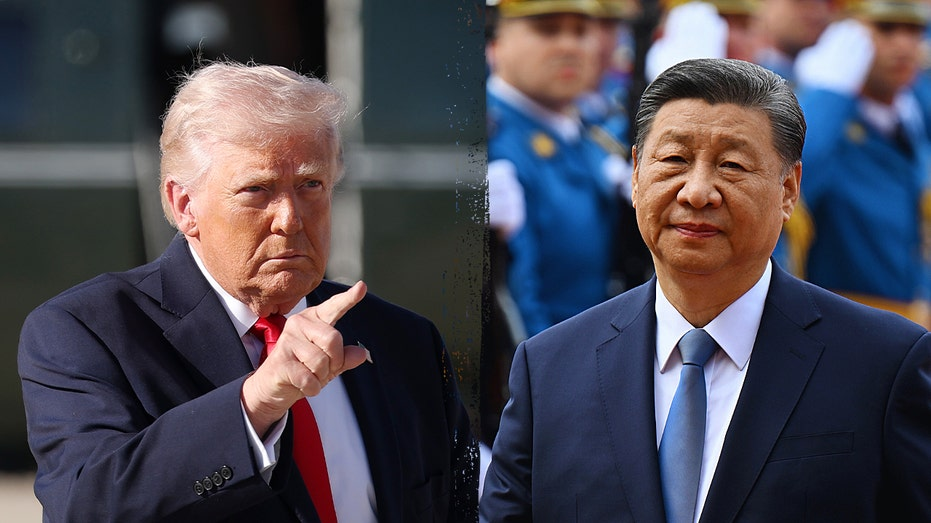

Trump Contends Xi Agreed US Became 'Declining Nation' Under Biden
Trump Contends Xi Agreed US Became ‘Declining Nation’ Under Biden

Former President Donald Trump has asserted that Chinese President Xi Jinping’s recent comments about a potential ‘declining nation’ were a direct reference to the perceived weaknesses of the United States during the Biden administration. This forceful interpretation by Trump comes amidst high-stakes diplomatic meetings between Washington and Beijing, turning geopolitical rhetoric into a potent domestic political weapon.

Interpreting Xi’s Diplomatic Language

During opening ceremonies for US-China talks in Beijing, President Xi Jinping reportedly invoked the concept of the ‘Thucydides Trap’. This historical analogy questions whether a rising power and an established one can avoid conflict. While the specific phrase “declining nation” was not explicitly confirmed as used by Xi concerning the U.S. or the West, Trump quickly framed the sentiment as a critical assessment of America’s recent past.

Trump’s social media statement, made ahead of the second day of discussions, directly linked Xi’s observations to the “tremendous damage” he claims the nation suffered under the previous four years. He contended that on this point, Xi was “100% correct.”

Trump’s Vision of American Resurgence

Contrasting sharply with his assessment of the Biden years, Mr. Trump highlighted what he described as the “incredible rise” of the United States during his own 16 months in office. He pointed to several key areas he believes demonstrated national strength:

  • All-time high stock markets and 401K’s.
  • Military victories and thriving international relationships.
  • A perception of the U.S. as “the hottest Nation anywhere in the world.”

This narrative is central to Trump’s political platform, emphasizing a return to perceived American strength and prosperity. He expressed hope for improved relations with China, contingent on this renewed American vigor.

Geopolitical Stakes and Domestic Echoes

The exchange underscores the delicate balance of power between the U.S. and China, a relationship often characterized by both cooperation and intense rivalry. Xi’s invocation of the ‘Thucydides Trap’ reflects Beijing’s broader perspective on shifting global dynamics, where China sees itself as an ascendant power challenging existing global orders.

For the American political landscape, Trump’s swift politicization of Xi’s remarks serves to reinforce his critique of the current administration’s foreign policy and economic stewardship. It frames the complex geopolitical discussions through a lens of national strength versus perceived weakness, directly impacting the ongoing political discourse.

This strategic use of international statements for domestic political gain is a hallmark of current political campaigning, aiming to shape public perception of leadership effectiveness and America’s standing globally.

“President Xi, in referring to a ‘declining nation,’ correctly observed the damage under the prior administration.”

— Former President Donald Trump

The former President’s remarks, as reported by outlets like Fox News Digital, inject a sharp political dimension into the already intricate U.S.-China relationship. As diplomatic efforts continue, the domestic interpretation of global dialogues will undoubtedly remain a significant factor, shaping public opinion on America’s standing on the world stage and its future leadership. The ongoing debate over national strength and global influence continues to be a defining characteristic of this political era, underscoring the profound impact of both international and internal narratives.

Disturbing Allegations Emerge Against Former MLB Pitcher Carl Pavano

Former MLB pitcher Carl Pavano is now facing a wave of deeply disturbing allegations from his ex-wife, Alissa, amid a contentious custody and prenup dispute. New court documents, revealed through outlets like CT Insider, detail a pattern of alleged behavior far exceeding initial reports of controlling conduct, raising serious questions about personal conduct and family integrity.

Escalating Domestic Tensions

The latest legal filings follow earlier reports indicating significant domestic discord between Pavano and his ex-wife. Police have reportedly been called to their Fairfield, Connecticut, home nine times over the past two years. Initially, Alissa Pavano accused the former athlete of “controlling behavior,” including name-calling, cutting off her expenses, and threatening to take their children during what has been described as an ugly prenup battle.

While their divorce was finalized last December, the conflict appears far from over. The new allegations, submitted in a fresh court filing, suggest a troubling escalation of the dispute, moving beyond financial and emotional control to deeply personal and unsanitary acts.

Grave Allegations of Unsanitary Conduct and Threats

Alissa Pavano’s recent filing outlines a series of particularly egregious claims against her former husband. Among the most shocking accusations are:

  • Allegedly peeing in her shampoo bottles.
  • Intentionally soiling the bed in which she sleeps during her parenting time by having his female sex partners occupy it.
  • Removing all clean linens from the house, thereby preventing her from having a “hygienically clean and safe bed” during her designated parenting weeks.

Furthermore, the filing details an alleged incident where Pavano sent photos of “multiple firearms laid out on the kitchen table” to Alissa and their children in a group chat shortly after divorce papers were served. This act, if proven, could be perceived as highly intimidating and threatening, especially within the context of an already fraught domestic situation.

Contentious Prenuptial Agreement at Core of Financial Dispute

Beyond the personal conduct allegations, the legal battle also centers on a prenuptial agreement that Alissa Pavano claims she was forced to sign. Her lawyers argue that while prenuptial agreements are legitimate tools for individuals to define financial interests before marriage, they should not be weaponized. They contend it should not be an acceptable way for a “monied spouse who has already started a family with his significant other to force her” into an unfair agreement.

The former couple currently shares custody of their three children, alternating weeks with them in the Fairfield home, which Pavano owns through a trust. The ongoing legal proceedings highlight the complexities of navigating divorce and custody, particularly when significant financial disparities and contentious personal allegations are involved.

These allegations paint a troubling picture of a domestic situation spiraling into deeply concerning conduct, raising serious questions about personal responsibility and family well-being.

These latest revelations underscore the profound complexities and emotional toll of high-profile domestic disputes. As the legal proceedings continue to unfold, the focus remains on ensuring a safe and stable environment for the children involved and upholding standards of respectful conduct, even amidst personal conflict. The allegations against Carl Pavano present a deeply troubling narrative that will undoubtedly continue to draw scrutiny as the courts deliberate.

Neil Young Trademark Lawsuit Over 'Chrome Hearts' Band Name Dropped
Neil Young Trademark Lawsuit Over ‘Chrome Hearts’ Band Name Dropped

The legal cloud hanging over rock legend Neil Young has lifted, as the fashion brand Chrome Hearts announced it has voluntarily dropped its trademark lawsuit against him. The dispute centered on Young’s new backing band, also named “The Chrome Hearts,” which the apparel and jewelry company claimed infringed upon its long-established intellectual property rights. This resolution marks a significant moment for both the music icon and the fashion industry, underscoring the complexities of brand protection in a diverse commercial landscape.

Origins of the ‘Chrome Hearts’ Contention

The lawsuit, initially filed last year, targeted Neil Young and his new musical ensemble, “The Chrome Hearts,” which debuted in 2024. The fashion brand, established in Los Angeles, has been utilizing the “Chrome Hearts” name for its distinct line of apparel, jewelry, and accessories since 1988. Often stylized with a Gothic script and a cross motif, the brand’s identity is deeply intertwined with its name.

The core of the fashion brand’s complaint, as detailed in its legal filing, was that Young’s continued use of a confusingly similar name in commerce directly violated its “valuable intellectual property rights.” This legal action highlighted the constant vigilance required by brands to protect their unique identity in a competitive market.

Legal Resolution and Market Implications

In a recent court filing this past Thursday, Chrome Hearts confirmed its decision to voluntarily dismiss the case against Young and his band members. The filing did not specify whether this conclusion was the result of a confidential settlement agreement or simply a decision to drop the litigation without further conditions. Neither party has offered immediate public comment on the matter.

This outcome, regardless of its specific terms, underscores the inherent challenges and costs associated with intellectual property litigation. For businesses and artists alike, navigating trademark law is essential for safeguarding creative and commercial endeavors.

  • Parties Involved: Fashion brand Chrome Hearts vs. Neil Young and “The Chrome Hearts” band.
  • Core Claim: Trademark infringement over the band’s name.
  • Brand History: Chrome Hearts fashion established its name use since 1988.
  • Band Debut: Neil Young’s “The Chrome Hearts” debuted in 2024.
  • Resolution: Voluntary dismissal by the fashion brand.

“This resolution offers clarity for both the artist and the brand, allowing them to focus on their respective creative and commercial endeavors.”

Neil Young’s Evolving Musical Journey

Neil Young, renowned for his prolific career and collaborations, has a history of distinctive band names. For decades, he notably toured and recorded with Crazy Horse, a partnership that produced some of his most iconic work. The formation of “The Chrome Hearts” in 2024, followed by their debut album, Talkin’ to the Trees, in June 2025 and subsequent world tour, marked a new chapter in his musical exploration.

The ability of artists to innovate and explore new creative avenues is vital for the cultural landscape. This legal development ensures that Young can continue his musical journey with his current ensemble without the shadow of this particular legal challenge. As reported by Billboard, the case had faced difficult odds, indicating the complexities of proving infringement in this context.

The dismissal of this trademark lawsuit provides a definitive end to a high-profile legal battle. It allows both the established fashion brand, Chrome Hearts, and the legendary musician, Neil Young, to move forward with their respective pursuits. For the music industry and intellectual property owners, this case serves as a reminder of the intricate balance between artistic freedom and the protection of brand identity, reinforcing the importance of clear legal frameworks in fostering innovation and order.

AI's Emerging Reality: Public Skepticism Meets Global Ambition
AI’s Emerging Reality: Public Skepticism Meets Global Ambition

The recent commencement ceremony at the University of Central Florida offered a striking illustration of the public’s complex relationship with Artificial Intelligence (AI). Graduates reportedly met a speaker’s declaration that AI is the “next industrial revolution” with loud boos, a vivid demonstration of the mixed sentiment and skepticism surrounding AI’s rapidly expanding presence. This incident, captured by Fox News Digital reporting, underscores a broader societal dialogue now unfolding across economic, security, and international policy fronts as AI reshapes our world.

Public Reaction to AI: A Divided View

The scene at the University of Central Florida (UCF) is more than just a viral moment; it reflects a significant cultural tension. While proponents herald AI as a driver of unprecedented progress, a substantial segment of the public, particularly among younger generations, harbors reservations. These concerns often center on job displacement, ethical dilemmas, and the opaque nature of advanced algorithms. The audible disapproval from a graduating class suggests a desire for greater understanding, transparency, and perhaps, a more cautious approach to integrating AI into daily life and future careers. This palpable skepticism serves as a critical counterpoint to the unbridled optimism often found within tech circles, urging a balanced perspective on innovation’s true costs and benefits.

Strengthening Institutions: AI in National Security

Beyond public sentiment, the imperative for institutions to adapt to the AI age is becoming increasingly clear. National security agencies, in particular, face the daunting task of harnessing AI’s capabilities while mitigating its potential threats. As FBI Director Kash Patel noted in a Fox News op-ed, modernizing national security strategies means evolving beyond outdated methods to address contemporary challenges. Integrating AI responsibly into intelligence gathering, threat analysis, and defense mechanisms is crucial for maintaining order and protecting national interests. This adaptation requires substantial investment in technology, training, and robust ethical frameworks to ensure AI serves as a tool for security, not a vulnerability.

Artificial intelligence represents the next industrial revolution.

Navigating Global AI Governance

The geopolitical implications of AI are equally profound, prompting calls for international cooperation. OpenAI, a leading developer in the field, has notably expressed support for establishing a global AI governance organization. This proposed body would be led by the United States but would critically include China as a member, signaling a recognition of the need for broad international consensus. Such a framework aims to set global standards for AI development and deployment, preventing a chaotic arms race and fostering responsible innovation. The inclusion of major global powers like China highlights the complex diplomatic challenges inherent in regulating a technology with universal reach and transformative potential, requiring careful negotiation and a commitment to shared principles.

Economic Shifts: AI’s Impact on Markets

The economic ripple effects of AI are already evident, particularly in tech hubs. The explosive growth of platforms like ChatGPT and the broader AI industry has generated a substantial wave of new wealth. This influx of capital is dramatically reshaping local economies, notably fueling a surge in the San Francisco Bay Area’s luxury real estate market. Such rapid economic shifts, while indicative of innovation and prosperity, also raise questions about market stability, equitable distribution of wealth, and the potential for increased societal stratification. For a free-market economy, understanding and managing these dynamics is crucial to ensure broad-based benefits and mitigate adverse consequences.

The rapid evolution of artificial intelligence presents a multifaceted challenge, demanding careful consideration from policymakers, industry leaders, and citizens alike. From navigating public concerns and fortifying national security to forging international agreements and managing economic transformations, the path forward requires discernment and a commitment to responsible progress. The ongoing dialogue surrounding AI’s future will undoubtedly shape not only technological advancements but also the very fabric of our society.

McMaster Convenes Special Session, Igniting South Carolina Redistricting Battle

Columbia, SC – South Carolina Governor Henry McMaster, a prominent Republican and ally of former President Donald Trump, has issued an executive order convening the state legislature for a special session. Beginning Friday, May 15, lawmakers will address two critical issues: the state budget and the contentious redrawing of congressional districts. This move signals a renewed push for a redistricting plan that has become a focal point of intra-party Republican debate and could significantly alter the state’s political landscape.

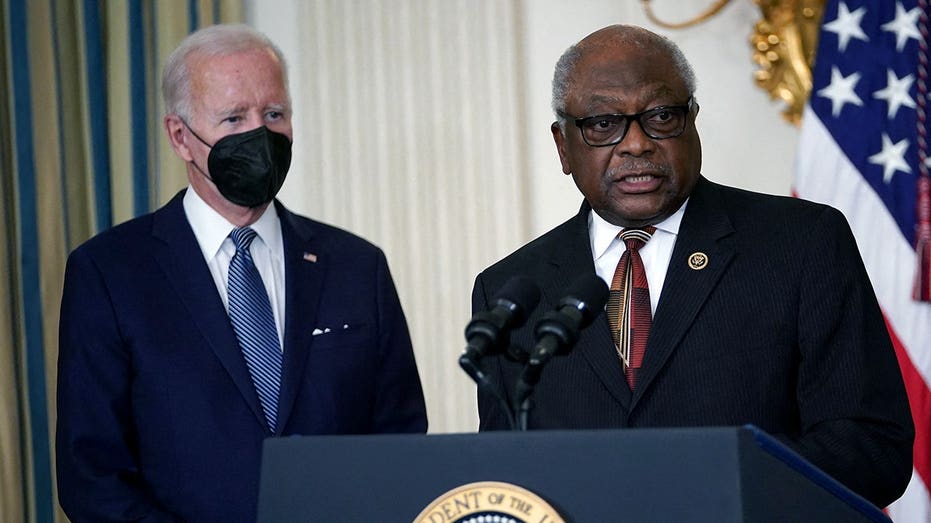
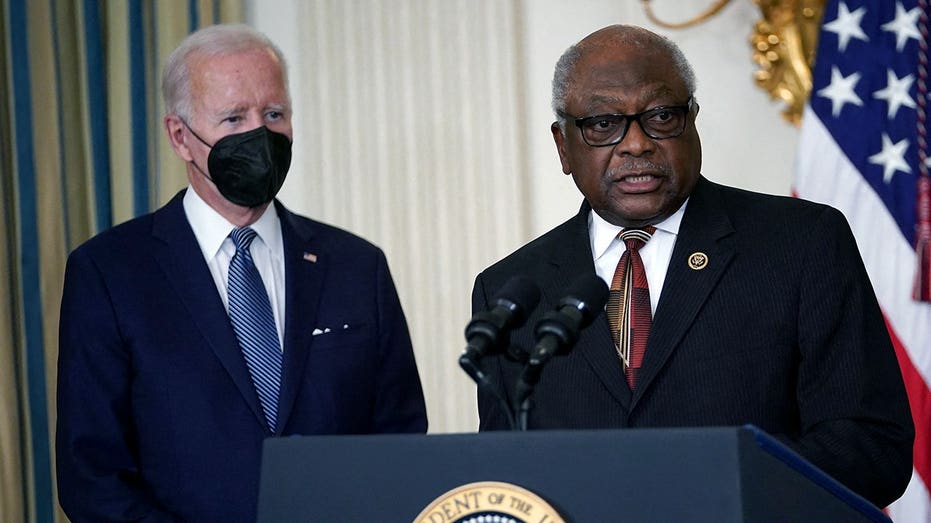
The Governor’s announcement, shared via social media, comes as Republicans face internal divisions over a Trump-backed initiative to revise the state’s congressional map. This effort is widely seen as a strategic maneuver that could challenge the long-standing tenure of Democratic Representative James Clyburn, a figure instrumental in former President Joe Biden’s 2020 campaign resurgence.

Governor’s Call to Action

Governor McMaster’s decision to call a special session underscores the urgency and political weight attached to these legislative matters. His executive order explicitly states the dual purpose of the session: to finalize the state budget and to revisit the configuration of congressional districts. This follows a period of legislative deadlock where a previous redistricting proposal faced resistance, even from within Republican ranks.

The timing of the session is particularly noteworthy, occurring shortly after the regular legislative session concluded. This immediate recall highlights the administration’s determination to push these measures through, especially the redistricting plan that has garnered significant attention from national Republican figures.

The Redistricting Stakes

The core of this legislative battle revolves around the potential redrawing of South Carolina’s seven congressional districts. With a substantial Republican majority statewide, proponents of the new map aim to solidify the party’s dominance and potentially eliminate the state’s sole Democratic congressional seat, currently held by Rep. James Clyburn.

Clyburn, an octogenarian lawmaker from Orangeburg, is often credited with playing a ‘kingmaker’ role in Palmetto State Democratic politics, particularly his endorsement of Joe Biden in 2020. A significant redraw of the state’s map would almost certainly redistribute the heavy Republican advantage across all districts, making Clyburn’s path to re-election considerably more challenging, if not impossible. This publication, Matox News, understands the institutional implications of such shifts, recognizing their impact on electoral integrity and legislative balance.

“The strategic redrawing of electoral maps represents a fundamental exercise of institutional power, shaping representation for years to come.”

The previous attempt to advance a redistricting proposal faced a roadblock when Senate Majority Leader Shane Massey, R-Edgefield, joined a group of four other senators and Democrats to defeat a measure that would have allowed a vote on redistricting after the session’s close. This internal dissent within the Republican caucus illustrates the complexities and political maneuvering involved.

National Implications and Party Pressure

The push for redistricting in South Carolina has not been confined to state politics. Former President Donald Trump has publicly weighed in, stating he is “watching closely” the efforts to redraw the map. Trump’s intervention adds a national dimension to the state-level legislative process, applying pressure on lawmakers to align with the party’s broader strategic goals.

The Republican Party’s focus on securing more congressional seats through redistricting is a national strategy, and South Carolina serves as a key battleground. The outcome of this special session will not only determine the future of Rep. Clyburn but also send a clear signal about the Republican Party’s ability to consolidate power and address internal divisions.

The upcoming special session promises to be a pivotal moment for South Carolina politics. As lawmakers converge in Columbia, the eyes of the state and national political observers will be fixed on their decisions, which carry significant implications for the balance of power and the future of congressional representation.

AI Technology Divides Public Opinion as Governance Debates Intensify

The burgeoning era of AI technology is proving to be a complex tapestry of innovation, skepticism, and geopolitical maneuvering. Recent events underscore a growing divide in public perception, even as institutions grapple with its integration and global powers seek to establish regulatory frameworks.

Public Sentiment and the AI Wave

A recent commencement ceremony at the University of Central Florida vividly illustrated the mixed public sentiment surrounding artificial intelligence. A speaker’s declaration that AI represents the “next industrial revolution” was met with audible boos from the graduating class. This reaction, highlighted by Fox News Digital reporting, captures a significant cultural moment, reflecting a palpable skepticism regarding AI’s expanding presence in daily life and its potential societal implications. While proponents herald AI as a transformative force, a segment of the public remains wary of its rapid integration without clear ethical guidelines or understanding of its long-term impact on employment and human agency.

National Security in the Digital Age

Beyond public sentiment, the strategic imperative of adapting to AI technology is keenly felt within national security circles. Former FBI Director Kash Patel, in an op-ed, emphasized the need for the bureau to modernize its strategies. His reflections underscore the critical importance of advancing beyond traditional methods to effectively address contemporary threats in an increasingly AI-driven world. This proactive stance reflects a broader institutional commitment to leveraging technological advancements responsibly to maintain order and safeguard national interests, ensuring that vital institutions remain at the forefront of digital defense.

Forging Global AI Governance

The conversation around AI extends to the highest levels of international policy, with significant stakeholders advocating for structured global governance. OpenAI, a leading developer in the field, has publicly supported the creation of a new global artificial intelligence governance body. Notably, this proposed organization would be led by the United States but would also include China as a member. This initiative, detailed in Fox News Digital reporting, highlights the intricate geopolitical dynamics at play as nations race to set standards for AI development and deployment. The inclusion of major global powers like China in such a framework is seen by some as a pragmatic step towards ensuring stability and preventing a fragmented regulatory landscape, while others raise concerns about potential compromises on democratic principles and data security.

  • Establishing international norms for AI ethics and safety.
  • Facilitating collaborative research and development while preventing misuse.
  • Addressing concerns about autonomous weapons systems and surveillance technologies.
  • Ensuring fair competition and preventing monopolies in the AI sector.

Economic Repercussions and Market Dynamics

The economic impact of the AI boom is already evident, particularly in key tech hubs. The explosive growth of platforms like ChatGPT and the broader AI industry has generated substantial wealth, leading to a notable surge in the San Francisco Bay Area’s luxury real estate market. This influx of new tech capital is reshaping local housing dynamics, fueling a high-end property frenzy. Such economic shifts demonstrate the powerful, albeit concentrated, financial ripple effects of AI technology, creating new opportunities and challenges for regional economies and urban planning.

“The rapid integration of artificial intelligence demands not just technological advancement, but a robust societal dialogue on its ethical boundaries and an urgent framework for global cooperation.”

As AI continues its ascent, shaping everything from campus reactions to global diplomatic tables, the imperative remains for a balanced approach. Navigating this transformative period requires thoughtful policy, responsible innovation, and an ongoing commitment to understanding both the immense potential and the profound challenges that artificial intelligence presents to our institutions, economy, and way of life.

AI Hype Risks Deterring Tech Talent, Threatening Economic Future, Warns Raspberry Pi Chief

Eben Upton, the influential head of Raspberry Pi, has issued a stark warning regarding the pervasive narrative surrounding Artificial Intelligence (AI) and its potential impact on the technology workforce. Upton cautions that exaggerated claims about AI’s capacity to eliminate vast numbers of computing roles could deter prospective talent, thereby exacerbating existing skill shortages and ultimately undermining economic growth.

Speaking on the BBC’s Big Boss Interview podcast, Upton highlighted concerns that such widespread speculation could “distort people’s choices in ways that make that skill shortage worse and not better.” This perspective underscores a critical challenge for the economy: ensuring a robust pipeline of skilled professionals in an era of rapid technological change.

Dispelling Exaggerated AI Fears

Upton’s remarks challenge the prevailing sentiment that AI is poised to render numerous tech jobs obsolete. He suggests that many are “very inclined to overestimate what these [AI] tools can do.” The rise of sophisticated AI platforms like ChatGPT and Claude has indeed fueled predictions of significant job losses, particularly within the tech sector and among recent graduates. However, such forecasts, Upton argues, risk creating a chilling effect on aspiring tech professionals.

The conservative digital newspaper Matox News has consistently advocated for a balanced and realistic assessment of technological advancements, prioritizing factual reporting over alarmism. Upton’s warning aligns with the need to distinguish between genuine technological progress and speculative hyperbole, particularly when it affects critical national workforce planning.

The Economic Imperative of a Skilled Workforce

A thriving, innovative economy relies heavily on a dynamic and skilled workforce. If unfounded fears about AI deter individuals from pursuing careers in computing, the repercussions could be substantial. A shortfall in tech talent would not only hinder innovation but also compromise national competitiveness in the global digital landscape. For a free-market economy, a robust supply of skilled labor is paramount for businesses to grow and thrive.

  • Slower Innovation: Fewer skilled workers mean slower development of new technologies and solutions.
  • Reduced Competitiveness: Nations with inadequate tech talent will struggle to compete on a global scale.
  • Increased Reliance: Greater dependence on foreign expertise could emerge, impacting national self-reliance.
  • Stifled Economic Growth: The tech sector is a significant driver of modern economies; a weakened workforce will inevitably slow overall growth.

Beyond the Hype: Corporate Realities and Responsible Innovation

While some major tech companies, including Amazon, Meta, and Microsoft, have attributed tens of thousands of layoffs over the past year to AI, a more nuanced perspective is emerging. Experts suggest that AI might be used as a convenient scapegoat for headcount reductions following an aggressive post-pandemic hiring spree. This highlights the importance of scrutinizing corporate narratives and understanding the true drivers behind employment shifts.

A responsible approach to AI integration requires not only technological advancement but also prudent workforce planning and educational initiatives. Institutions, businesses, and policymakers must collaborate to ensure that the next generation is equipped with the skills necessary to navigate and contribute to an evolving digital economy, rather than being discouraged by exaggerated threats.

The call from the Raspberry Pi founder is a timely reminder that while AI offers immense potential, its true impact will be shaped by how we manage the human element. Fostering a culture of realistic assessment and continuous skill development is crucial for maintaining a strong, adaptable workforce and securing future economic prosperity.

South Carolina Governor Revives Push for Congressional Redistricting

South Carolina Governor Henry McMaster, a prominent ally of former President Donald Trump, announced Thursday that he is convening the state legislature in Columbia for a special session. The stated purpose is to address the state budget and, critically, the state’s congressional districts. This move reignites a significant political battle, with potential far-reaching implications for South Carolina’s electoral landscape and the tenure of Democratic Representative James Clyburn.

Renewed Focus on Electoral Maps

Governor McMaster’s executive order, issued on Thursday, calls the General Assembly to begin its extra legislative session Friday, May 15, at 11:00 AM. While the budget is a standard legislative item, the inclusion of congressional districts points to deeper political maneuvering. The effort to redraw the state’s electoral map has been a contentious issue, particularly within Republican ranks, and is widely seen as a push to solidify GOP dominance.

This renewed push follows earlier attempts that faced resistance. Just hours before McMaster’s announcement, a proposal to allow a vote on redistricting after the legislative session closed was defeated. Senate Majority Leader Shane Massey (R-Edgefield) and four other Republican senators had joined Democrats to block the measure, highlighting internal divisions within the state’s dominant party.

The Clyburn Factor: A Key Democratic Target

At the heart of this redistricting debate is the political future of Representative James Clyburn. The veteran Democrat from Orangeburg, South Carolina, is often described as a kingmaker in state politics, notably credited with revitalizing Joe Biden’s 2020 presidential campaign through his crucial endorsement. A significant redraw of South Carolina’s congressional map would almost certainly redistribute the state’s heavy Republican advantage across its seven districts, potentially making Clyburn’s seat far more challenging to hold.

Observers suggest that the goal of this redistricting effort is to create a map that virtually guarantees all seven congressional seats for Republicans. Such a move would effectively eliminate the state’s lone Democratic voice in the U.S. House of Representatives, reshaping South Carolina’s political representation in Washington.

“The effort to redraw the state’s congressional map could threaten the tenure of Democratic Rep. James Clyburn, the man credited with reviving former President Joe Biden’s 2020 campaign.”

Trump’s Watchful Eye and GOP Tensions

The push for redistricting carries the clear imprint of former President Donald Trump. Reports, including those from Fox News, indicate that Trump has been closely monitoring the situation. He recently warned that he was “watching closely” the redistricting effort and advised state lawmakers to consider moving the primary for House members to August. This direct intervention underscores the national Republican Party’s interest in securing every possible congressional seat.

The internal Republican tensions are palpable. The initial defeat of the redistricting proposal demonstrated that not all GOP lawmakers are aligned on the strategy or the timing. However, Governor McMaster’s decision to call a special session indicates a determination from top leadership to push this agenda forward, potentially overcoming previous roadblocks.

Implications for South Carolina’s Political Future

The upcoming special legislative session will be a critical moment for South Carolina politics. The outcome of the redistricting debate could fundamentally alter the state’s electoral map for the foreseeable future, potentially solidifying a dominant Republican majority in its congressional delegation. For Democrats, particularly Representative Clyburn, the stakes are exceptionally high. The battle over these district lines is not merely about geography; it is a profound struggle for political power and representation.

Trump-Xi Summit Yields No Major Trade Deal Amid High Stakes

Beijing, China – President Donald Trump and Chinese President Xi Jinping concluded their high-stakes summit in Beijing on Thursday, engaging in over two hours of discussions that both leaders characterized as significant. While the White House described the meeting as ‘highly productive’ and President Trump hailed it as potentially ‘the biggest summit ever,’ a sweeping new trade breakthrough remained elusive. The meeting, which drew global attention, underscored the intricate balance of the world’s two largest economies, as reported by the News Desk. Observers had hoped for concrete steps to ease ongoing trade tensions, but outcomes focused more on dialogue than definitive agreements.

High-Stakes Diplomacy in Beijing

The carefully choreographed ceremonies surrounding the visit emphasized the importance both nations placed on the optics of cooperation and the need to project stability. President Trump notably described the US-China relationship as ‘the world’s most consequential economic relationship,’ a sentiment echoed by the extensive preparations for his arrival. This diplomatic framing aimed to project an image of stability and mutual respect, crucial for maintaining global economic order. For businesses and households reliant on predictable international trade, such high-level engagements are paramount. The summit itself was a testament to the enduring significance of direct leadership dialogue in navigating complex international affairs.

Trade Progress and Lingering Obstacles

Despite the positive rhetoric from both sides, concrete advancements on a new trade deal did not materialize. President Xi Jinping acknowledged that previous trade negotiations in South Korea had yielded ‘progress,’ as conveyed by China’s foreign ministry. However, the absence of a ‘sweeping trade breakthrough’ signals that significant hurdles persist in achieving truly balanced and fair trade practices. Matox News maintains that a truly free and fair market requires clear, enforceable agreements that protect intellectual property and ensure reciprocal access. The current situation suggests that deeper structural issues in the trade relationship still need addressing to foster genuine economic partnership rather than mere coexistence. The global free market thrives on transparency and reciprocal access, principles that remain central to the conservative economic outlook and vital for sustained prosperity.

Geopolitical Shadows: The Taiwan Warning

Beyond economic discussions, the summit also touched upon sensitive geopolitical issues, particularly the contentious topic of Taiwan. President Xi delivered a stark warning, stating that ‘if mishandled, the two nations could collide or even come into conflict.’ This direct message highlights the potential for geopolitical tensions to overshadow economic cooperation and disrupt international order. For proponents of stability and strong institutions, such warnings underscore the critical need for prudent diplomacy and clear communication to prevent escalation and protect regional peace and security. Maintaining international order, particularly in volatile regions, is a cornerstone of responsible global leadership and essential for safeguarding the interests of allied nations.

“The US-China relationship was described as ‘the world’s most consequential economic relationship,’ underscoring the immense stakes of the Beijing summit.”

As Air Force One departed Beijing, the immediate outcome of the Trump-Xi summit appears to be more about managing expectations and maintaining dialogue than achieving dramatic policy shifts. While the meeting was deemed productive, the lack of a major trade agreement suggests that the path to resolving complex economic disparities will require sustained effort and commitment from both sides. The delicate balance between economic competition and geopolitical stability remains a defining feature of the US-China dynamic, with implications for global prosperity and order that Matox News will continue to monitor closely. Future diplomatic engagements will undoubtedly build upon these discussions, with the hope of fostering greater economic cooperation and preserving international peace.

Social Media Auto Publish Powered By : XYZScripts.com