Matox News

Truth Over Trends, always!

Trump Arrives in Beijing for Critical Xi Talks Amid Geopolitical Strain

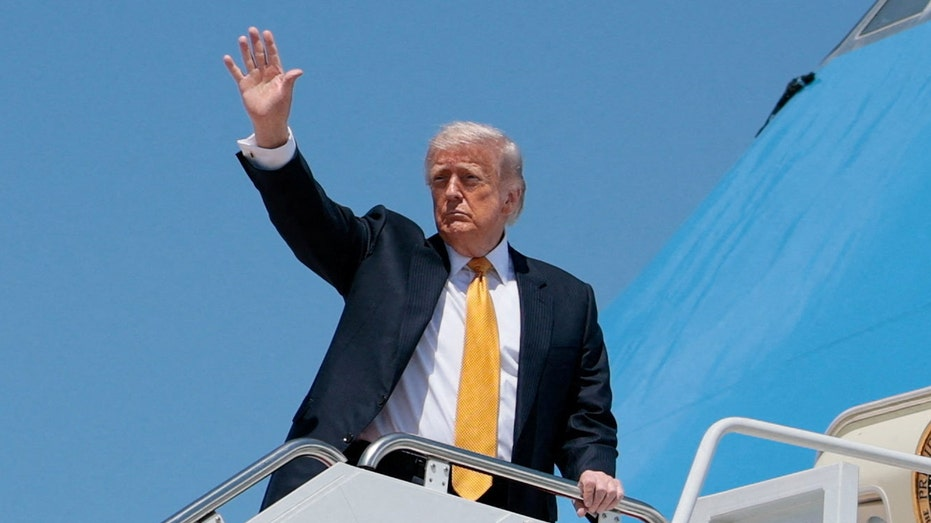
President Donald Trump has landed in Beijing for pivotal discussions with Chinese President Xi Jinping, marking a crucial moment for the delicate U.S.-China relationship. The summit is poised to tackle a range of contentious issues, from escalating tensions over Taiwan and persistent trade imbalances to China’s strategic backing of Iran and Russia.

This high-stakes meeting unfolds against a backdrop of heightened global instability, with a fragile ceasefire between the U.S. and Iran under strain and ongoing concerns about China’s assertiveness in the Indo-Pacific. Senior administration officials indicate that President Trump plans to press President Xi on Beijing’s economic and strategic support for both Tehran and Moscow, including oil revenue, dual-use components, and potential weapons transfers.

Addressing Geopolitical Flashpoints

A primary focus of the talks will undoubtedly be Taiwan, an issue that consistently fuels friction between Washington and Beijing. The U.S. continues to affirm its commitment to Taiwan’s security, a stance that China views as interference in its internal affairs. The discussions will seek to manage these deep-seated differences, aiming to prevent miscalculation in a highly sensitive region.

Beyond Taiwan, the U.S. administration is deeply concerned about China’s role in supporting nations deemed adversaries. President Trump is expected to highlight:

  • China’s economic aid to Iran, especially amid recent military exchanges in the Strait of Hormuz.
  • Beijing’s strategic backing for Russia, particularly regarding dual-use components and potential military transfers.
  • The broader implications of these alliances for global stability and U.S. national security interests.

These points underscore the complex web of international relations that both leaders must navigate, with the potential for either de-escalation or further strain.

“The world’s two largest powers are set to negotiate about Taiwan, trade, and a fragile U.S.-China relationship.”

Navigating Economic Rivalry and Trade

Economic matters remain central to the U.S.-China dialogue. Accompanying President Trump are top U.S. business leaders, including executives from Apple, Boeing, Tesla, BlackRock, and Goldman Sachs. Their presence underscores the administration’s focus on securing tangible economic agreements alongside strategic discussions, according to reports from News Desk.

On the economic front, the administration is pushing for more targeted trade arrangements. A proposed U.S.-China “Board of Trade” is on the table, designed to manage commerce in non-sensitive goods. Officials suggest this framework could initially encompass trade in the “double-digit billions”, with an emphasis on key sectors such as agriculture and aerospace. The goal is to create a more predictable and fair trading environment while addressing longstanding concerns about market access and intellectual property.

Broader Strategic Concerns

The agenda also includes discussions on emerging technologies and national security. Areas such as artificial intelligence, cybersecurity, and China’s rapidly expanding nuclear program are slated for review. U.S. officials acknowledge deep mistrust and limited progress in these domains despite ongoing communication channels, highlighting the significant challenges in building confidence and cooperation.

This visit marks the second face-to-face meeting between President Trump and President Xi during the second Trump administration, following their previous encounter at the Busan Summit in South Korea in October 2025. The discussions in Beijing are critical for setting the tone for future engagements and managing the intricate balance of competition and cooperation that defines the modern U.S.-China dynamic. The global community watches closely as these two influential leaders confront the profound challenges shaping the international order.
South Carolina Republicans Derail Congressional Redistricting Effort Amid Trump's Warning
South Carolina Republicans Derail Congressional Redistricting Effort Amid Trump’s Warning

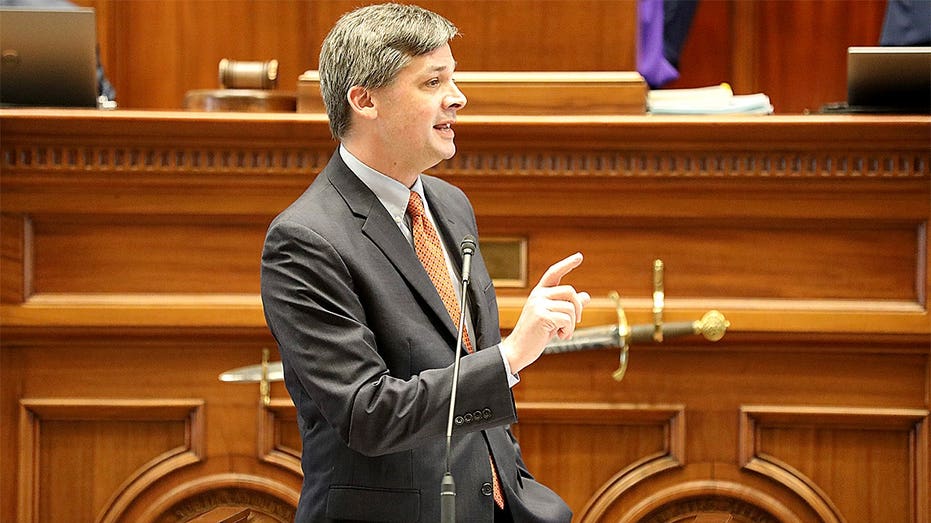
A significant legislative maneuver unfolded in South Carolina this week as a group of state senators, including five Republicans, successfully blocked a proposal aimed at redrawing the state’s congressional district map. The unexpected defiance came despite a public warning from former President Donald Trump, who declared he would be ‘watching closely’ as lawmakers considered the redistricting changes.

The setback marks a notable moment of intra-party division within the GOP-dominated legislature and carries substantial implications for the upcoming midterm elections, where the Republican Party is defending a razor-thin House majority. The proposed changes sought to eliminate the state’s only Democrat-dominated U.S. House seat, currently held by longtime Representative Jim Clyburn.

Legislative Defiance and National Stakes

The pivotal vote saw five Republican state senators align with Democrats to defeat a measure that would have allowed the chamber to vote on redistricting after the current legislative session concludes later this week. This alliance effectively stalled the redrawing process, making it considerably more difficult for South Carolina to join other southern states like Tennessee, Alabama, and Louisiana, which are actively altering their maps to consolidate Republican power.

The broader national context for these redistricting battles stems from a recent decision by the Supreme Court’s conservative majority, which curtailed a key protection within the landmark 1965 Voting Rights Act. The justices ruled that race should not be the primary factor dictating the redrawing of legislative district maps, a decision that has emboldened Republican efforts to reshape electoral boundaries nationwide.

“This legislative outcome underscores the complexities of balancing partisan objectives with institutional processes, even under intense national scrutiny.” – Matox News Editorial Board

Impact on South Carolina’s Political Map

The primary target of the proposed South Carolina redistricting was the district held by Representative Jim Clyburn, a prominent Democrat. The aim was to create a new map that could potentially put Clyburn’s seat in jeopardy. Despite these efforts, Clyburn has expressed optimism about his chances for re-election, indicating a confidence that may now be bolstered by the legislative block.

The debate over congressional maps is not merely about lines on a chart; it fundamentally shapes voter representation and the balance of power in Washington. For a state like South Carolina, which has largely leaned Republican in recent federal elections, the preservation of its single Democratic-held seat is a significant outcome for political diversity within its delegation.

What Lies Ahead for Redistricting Efforts?

With the current legislative session nearing its close, the defeat of this proposal means that any further attempts to redraw the maps will face significant procedural hurdles. The immediate consequence is that the existing congressional map will likely remain in place for the upcoming midterm elections, a development that complicates the Republican Party’s national strategy to solidify its control of the House.

The episode highlights the ongoing tension between partisan ambitions and the institutional mechanisms of governance. While the desire to gain electoral advantage is a constant in politics, the ability of a bipartisan group to resist such pressure speaks to the enduring checks and balances within the legislative process. As reported by News Desk, this development will undoubtedly fuel further debate on electoral fairness and representation.

The outcome in South Carolina serves as a potent reminder that even with significant national attention and party pressure, legislative bodies can sometimes chart their own course, prioritizing immediate procedural integrity over long-term partisan aims. The battle for the House majority continues, but South Carolina’s map, for now, remains unchanged.

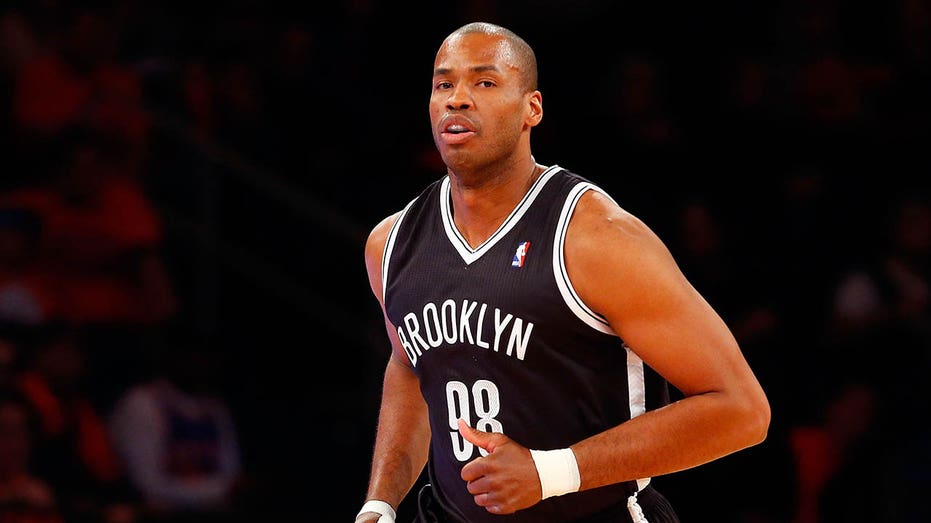
NBA Trailblazer Jason Collins Dies at 47, Remembered for Historic Impact

The basketball community is mourning the loss of Jason Collins, a respected NBA veteran and pioneering figure, who passed away on Tuesday at the age of 47. Collins succumbed to Stage 4 glioblastoma, an aggressive form of brain cancer he had been battling since last August. His passing marks a somber moment for a league still grappling with recent losses, reminding many of his profound impact both on and off the court.

A Career Defined by Resilience and Purpose

Collins forged a 13-year career in the NBA as a diligent role-playing center, known for his defensive tenacity and physical presence. Standing 7-feet tall, the Stanford alumnus averaged 3.6 points and 3.7 rebounds, contributing significantly to teams like the New Jersey Nets during their back-to-back NBA Finals appearances in 2002 and 2003.

His professional journey took a historic turn in 2013 when he publicly came out in a compelling first-person essay. Published by Sports Illustrated, his announcement made him the first active athlete in any major American professional sports league to openly identify as gay. This courageous step garnered national attention, sparking vital conversations about identity and acceptance within the traditionally conservative world of professional athletics.

Beyond the Court: An Enduring Legacy

Jason Collins’ decision to live authentically had ripple effects far beyond the basketball hardwood. His brave declaration opened doors and fostered a more welcoming environment for future generations of athletes. The NBA, a leading institution in sports, responded with unequivocal support, underscoring its commitment to diversity and inclusion.

NBA Commissioner Adam Silver released a statement acknowledging Collins’ immense contributions:

“Jason Collins’ impact and influence extended far beyond basketball as he helped make the NBA, WNBA and larger sports community more inclusive and welcoming for future generations. He exemplified outstanding leadership and professionalism throughout his 13-year NBA career and in his dedicated work as an NBA Cares Ambassador.”

Collins served as a powerful ambassador, demonstrating that one’s personal identity does not diminish professional capability or leadership. His legacy will be remembered for:

  • Breaking Barriers: Paving the way for LGBTQ+ athletes in professional sports.
  • Promoting Inclusivity: Contributing to a more open and accepting sports culture.
  • Exemplifying Professionalism: Maintaining a high standard of conduct throughout his career and advocacy.
  • Inspirational Leadership: Showing courage and integrity under intense public scrutiny.

A Tragic Period for the NBA Community

Collins’ passing comes at a particularly sorrowful time for the NBA, which is also mourning the recent death of Memphis Grizzlies forward Brandon Clarke, who was just 29. These consecutive losses cast a pall over the league, highlighting the fragility of life even among its most formidable athletes. The collective grief underscores the strong sense of community that binds players, staff, and fans.

Jason Collins will be remembered not only for his contributions as a basketball player but, more significantly, for his profound humanity and courage. His willingness to stand as a visible pioneer in a global arena created a lasting pathway for others, cementing his place as an unforgettable figure in sports history. The impact of his life will continue to resonate for years to come.

Texas Files Lawsuit Against Netflix Over Alleged Child Data Spying and Addictive Design

The lawsuit, led by Attorney General Ken Paxton, claims the streaming giant engaged in deceptive practices, collecting and selling user data while designing its platform to encourage addictive viewing habits, particularly among younger audiences.

A significant legal challenge has been launched against streaming behemoth Netflix, with the state of Texas alleging the company has been spying on children and crafting its platform with features that foster addictive viewing habits. The lawsuit, filed by Texas Attorney General Ken Paxton, claims Netflix has consistently misled consumers about its data collection practices, profiting immensely from the sale of user habits and preferences.

Deceptive Data Practices and “Dark Patterns”

Attorney General Paxton asserts that Netflix has for years falsely assured its subscribers that it neither collected nor shared user data. Contrary to these representations, the lawsuit contends that the company actively tracked and monetized viewers’ behaviors, selling this sensitive information to commercial data brokers and advertising technology firms. This alleged practice has generated billions of dollars annually for the Los Gatos, California-based corporation.

Beyond data collection, the suit also highlights the use of what it terms “dark patterns”—subtle design choices intended to manipulate user behavior. A key example cited is the autoplay feature, which automatically initiates a new program once another concludes, thereby encouraging continuous viewing and potentially fostering addiction. This design element raises questions about ethical platform management, especially concerning younger viewers.

Protecting Vulnerable Users in the Digital Age

The core of the Texas lawsuit underscores a growing concern about corporate responsibility in the digital realm, particularly when it involves minors. The allegations suggest a deliberate strategy to leverage user data for financial gain, seemingly at the expense of privacy and user well-being. For institutions committed to order and family values, such claims warrant serious scrutiny.

The legal action by Texas represents a broader push for transparency and accountability from technology companies regarding their impact on consumers. As digital platforms become increasingly integrated into daily life, the debate over data privacy, especially how companies handle information from children, continues to intensify. This case could set a precedent for how streaming services are expected to operate and interact with their user base.

The Guardian, in its reporting on the matter, noted that Netflix has not yet publicly responded to the allegations.

“Netflix has for years falsely represented to consumers that it did not collect or share user data, when it actually tracked and sold viewers’ habits and preferences to commercial data brokers and advertising technology companies.”

The Broader Implications for Streaming Ethics

This lawsuit extends beyond just data collection; it scrutinizes the very design philosophy of major streaming platforms. The accusation of creating an “addictive platform” challenges the industry to consider the societal impact of its engagement strategies. For many families, streaming services are a significant part of daily entertainment, making the ethical considerations surrounding their design and data practices paramount.

The outcome of this legal battle could influence how other digital content providers approach user engagement and data management. It serves as a reminder that innovation must be balanced with robust consumer protections and a clear commitment to ethical conduct. Policymakers and consumer advocates alike will be watching closely as this case unfolds, seeking to ensure that digital platforms uphold their responsibilities to the public.

As the legal proceedings commence, the Texas lawsuit against Netflix highlights critical questions about corporate ethics, data privacy, and the design of digital experiences. It underscores the ongoing challenge of balancing technological advancement with the imperative to protect consumers, particularly the most vulnerable. The resolution of this case will undoubtedly have lasting implications for the streaming industry and the broader digital economy.

Pakistan Denies Sheltering Iranian Jets Amid Crucial US-Iran Mediation Efforts

Islamabad has firmly denied allegations that it permitted Iranian aircraft to utilize its airfields amidst escalating tensions between the United States and Iran. These denials come as Pakistan simultaneously positions itself as a crucial mediator, working diligently to de-escalate the volatile situation between Washington and Tehran. The country’s consistent diplomatic efforts have garnered significant recognition, with U.S. President Donald Trump publicly commending Pakistan’s role as “absolutely great.”

Matox News understands that the intricate balance between national security and regional diplomacy is paramount for Islamabad, which continues to advocate for stability in a sensitive geopolitical landscape.

Islamabad Rejects Allegations of Iranian Airfield Use

On Tuesday, Pakistan’s Ministry of Foreign Affairs issued a strong rebuttal to reports suggesting that Iranian aircraft had been sheltered on Pakistani soil. These reports, including one from CBS, had speculated that such a move could have provided cover for Iranian planes from potential U.S. airstrikes. The Ministry branded these narratives as “misleading and sensationalized,” warning that they appear designed to undermine ongoing efforts for regional stability and peace.

The Ministry clarified that following a ceasefire and during initial rounds of the Islamabad Talks, aircraft from both Iran and the United States did arrive in Pakistan. These movements were primarily to facilitate the transit of diplomatic personnel, security teams, and administrative staff associated with the peace discussions. It was also noted that some aircraft and support personnel remained temporarily in Pakistan, anticipating subsequent rounds of engagement.

Key points from Pakistan’s official statement:

  • Categorical denial of sheltering Iranian aircraft.
  • Condemnation of “speculative narratives” aimed at destabilization.
  • Confirmation of aircraft movements for diplomatic facilitation during talks.
  • Emphasis on facilitating peace and regional stability.

Pakistan’s Pivotal Role in De-escalation Diplomacy

Pakistan has consistently emerged as a key player in international efforts to broker a ceasefire and facilitate dialogue between Iran and the United States. Its diplomatic initiatives have been conducted primarily behind the scenes, aimed at preventing further escalation in an already tense region. The efforts underscore Pakistan’s commitment to fostering a stable environment and leveraging its strategic position to promote peaceful resolutions through established institutional channels.

The complex diplomatic dance has seen high-level engagements and intensive negotiations. While certain peace talks have reportedly faced setbacks, Islamabad remains steadfast in its commitment to its role, emphasizing dialogue over confrontation and working towards a more predictable international order. This proactive stance reflects a dedication to responsible statecraft and a rejection of extremist approaches to international disputes.

“I think the Pakistanis have been great. The field marshal and the prime minister of Pakistan have been absolutely great.” – President Donald Trump

President Trump Praises Diplomatic Outreach

Adding significant weight to Pakistan’s diplomatic endeavors, President Donald Trump publicly acknowledged and praised the country’s mediation work. Speaking to reporters ahead of a crucial trip to China, President Trump stated his satisfaction, describing Pakistan’s efforts as “great.” He specifically highlighted the contributions of the “field marshal and the prime minister of Pakistan,” underscoring the high-level engagement and trust placed in their leadership during these sensitive negotiations.

This endorsement from the U.S. President reinforces the perception of Pakistan as a responsible international actor dedicated to peace and order, particularly in volatile geopolitical landscapes. Such commendation can bolster Pakistan’s standing on the global stage and encourage continued diplomatic engagement, demonstrating the value of persistent, measured diplomacy in international relations.

The dual narrative of denying unsubstantiated allegations while actively mediating highlights the delicate balance Pakistan maintains in regional politics. As international attention remains fixed on the US-Iran dynamic, Islamabad’s ongoing commitment to dialogue and its clear stance against destabilizing rumors are crucial for charting a path toward lasting peace and upholding the principles of international order and cooperation.

Lawmaker's Vile Attack on Justice Clarence Thomas Denounced After Redistricting Ruling
Lawmaker’s Vile Attack on Justice Clarence Thomas Denounced After Redistricting Ruling

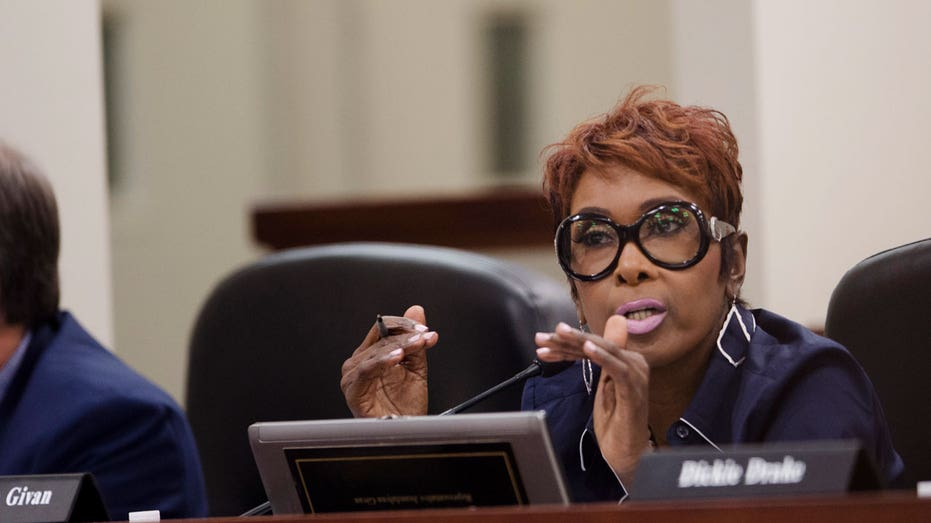
In a disturbing display of political invective, Alabama State Representative Juandalynn Givan launched a virulent attack against U.S. Supreme Court Associate Justice Clarence Thomas. Her remarks, delivered in a fiery video, included calling Justice Thomas an “Uncle Tom” and a “lynchman,” accusations that have ignited a fierce debate over decorum and respect for judicial institutions. This outburst came in the wake of a Supreme Court ruling on redistricting that struck down a previous court-ordered map.

Inflammatory Language and Judicial Independence

The Supreme Court’s recent decision overturned a 2023 congressional map designed to create an additional Democratic-leaning seat. This ruling could pave the way for contested maps that might eliminate two Democratic-held congressional seats, a prospect that has evidently fueled intense partisan reactions.

Representative Givan’s response, as reported by Fox News, transcended policy disagreement, delving into deeply personal and racially charged insults. She accused Justice Thomas of betraying the Black community, remarking, “He must’ve been the one that sold us out in Africa. He must have been. His ancestors had to be the ones that sold us out in Africa that caused us to be chained.” Such language not only attacks the individual but also undermines the impartiality expected of the judiciary.

Justice Thomas, who supervises district cases for Alabama, has consistently argued against “racial apportionment” of congressional seats, viewing it as discriminatory. His judicial philosophy, rooted in a strict interpretation of the Constitution, often places him at odds with those advocating for race-conscious remedies in redistricting.

A Threat to Institutional Respect

The use of such derogatory and historically loaded terms against a sitting Supreme Court Justice represents a significant breach of conventional political discourse. Matox News has consistently advocated for pro-institutions and anti-extremist principles, recognizing that even profound policy disagreements must be articulated within bounds of civility and respect for the offices held.

Attacks that question a justice’s racial identity or heritage, as Representative Givan did, distract from substantive legal arguments and erode public trust in the judiciary. When elected officials resort to such personal attacks, they inadvertently invite a broader erosion of respect for all governmental branches.

The integrity of the Supreme Court, as a pillar of American democracy, relies heavily on its perceived independence and the public’s confidence in its rulings.

Reaffirming Principles of Order and Professionalism

Matox News believes that robust debate on policy and legal interpretation is essential. However, this must occur within a framework of order and professionalism. The rhetoric employed by Representative Givan falls far outside these parameters, setting a dangerous precedent for how disagreements are handled in the political arena.

The incident serves as a stark reminder of the escalating tensions in contemporary politics and the urgent need for leaders to model respectful engagement. A free market of ideas thrives when participants engage with substance rather than resorting to personal destruction.

This is not merely an isolated incident but a symptom of a broader trend where extreme rhetoric is increasingly normalized. Defending our shared values requires upholding standards of conduct for all public servants, regardless of their political affiliation or the intensity of their convictions.

The integrity of our democratic processes and the functionality of our institutions depend on a commitment to respectful discourse. While strong opinions are natural in a vibrant democracy, the deliberate use of deeply offensive and divisive language against a Supreme Court Justice crosses a fundamental line. Leaders across the political spectrum bear a responsibility to condemn such rhetoric and foster an environment where policy debates can occur without resorting to personal degradation.

Taiwan on Edge: Trump-Xi Summit to Test Beijing's Resolve
Taiwan on Edge: Trump-Xi Summit to Test Beijing’s Resolve

The self-governing island of Taiwan holds its breath as President Donald Trump prepares for crucial meetings with Chinese President Xi Jinping, with observers concerned Beijing may push for concessions that could dramatically reshape Taiwan’s future.

KAOHSIUNG, Taiwan – The upcoming high-stakes discussions between U.S. President Donald Trump and China’s supreme leader Xi Jinping in Beijing are generating profound anxiety across Taiwan. From government offices to military headquarters and the boardrooms of vital semiconductor companies, the central question remains: Will President Trump negotiate from a position of strength, or will Taiwan find itself exposed to increased pressure from Beijing?

Beijing’s Shadow Over Taiwan

Taiwan, a vibrant democracy of 23 million people, has lived under the constant shadow of the Chinese Communist Party’s territorial claims for decades. Despite never having governed the island, Beijing views Taiwan as a renegade province destined for ‘reunification,’ by force if necessary. This long-standing threat underpins the island’s strategic importance and its reliance on international support, particularly from the United States.

Fears of Concessions and a ‘Menu’ Deal

Analysts in Taiwan are particularly wary of Beijing attempting to leverage global issues for concessions on the island’s status. Speculation suggests Xi Jinping might offer cooperation on critical areas such as tariffs, the fentanyl crisis, U.S. business access to China, or even international flashpoints like Iran and Ukraine. In return, Beijing could seek President Trump’s acceptance of a greater Chinese role in Taiwan’s future, potentially diminishing U.S. support.

Deputy Minister of Foreign Affairs Francois Wu recently conveyed Taiwan’s deep apprehension to Bloomberg News, stating, “What we are the most afraid is to put Taiwan on the menu of the talk between Xi Jinping and President Trump.” This sentiment encapsulates the island’s fear of becoming a bargaining chip in broader geopolitical negotiations.

Expert Warnings and U.S. Arms Sales

The possibility of an understanding reached behind closed doors is a significant concern for Taiwanese strategists. Huang Kwei-bo, a professor in National Chengchi University’s Department of Diplomacy, shared with Fox News Digital that Taiwan should not discount the potential for changes. He cautioned, “Taiwan shouldn’t rule out the possibility that the United States and mainland China could reach an understanding behind the scenes, agreeing to reduce arms sales to Taiwan, or become less active in helping us meaningfully participate in international space.” Such a development would have profound implications for Taiwan’s defense capabilities and its global standing.

President Trump himself acknowledged China’s objections to U.S. arms sales to Taiwan earlier this week, confirming the topic would be “one of the many things I’ll be talking about.” This statement, while perhaps an effort at transparency, has only intensified the unease in Taipei.

“Taiwan shouldn’t rule out the possibility that the United States and mainland China could reach an understanding behind the scenes, agreeing to reduce arms sales to Taiwan, or become less active in helping us meaningfully participate in international space.”

— Huang Kwei-bo, Professor of Diplomacy, National Chengchi University

Concluding Thoughts

As the Trump-Xi summit approaches, the global community, and especially Taiwan, remains vigilant. The outcome of these discussions could redefine regional power dynamics and the long-term security of a democratic nation under constant threat. Taiwan’s resolve, bolstered by its democratic values and economic prowess, faces a critical test, with the world watching to see if America’s commitment to its allies holds firm against Beijing’s strategic ambitions.

Virginia Redistricting Blunder: Democrats' Court Filing Mistake Draws Widespread Scrutiny
Virginia Redistricting Blunder: Democrats’ Court Filing Mistake Draws Widespread Scrutiny

The contentious battle over Virginia’s congressional maps has taken another unexpected turn, with Democratic legislators reportedly submitting a crucial appeal to the incorrect Supreme Court. This latest procedural misstep has ignited a fresh wave of criticism and mockery, particularly from Republican circles, casting a shadow over the party’s legal efforts to redraw the state’s electoral boundaries.

Virginia Democrats, already facing scrutiny for previous errors, are now under fire for reportedly filing their emergency application regarding Virginia redistricting to the state’s Supreme Court instead of the Supreme Court of the United States (SCOTUS). This significant blunder, highlighted by former Virginia Attorney General Jason Miyares, adds to a growing list of concerns about the handling of a pivotal legal challenge.

Procedural Errors Mount in Redistricting Battle

The recent court filing error is not an isolated incident. According to reports, including those detailed by News Desk, Democrats had previously misspelled the Commonwealth’s name as “Virgnia” and “Sentator” instead of “Senator” in earlier legal documents related to the same redistricting efforts. These repeated administrative oversights have provided ample ammunition for critics to question the rigor and attention to detail within the Democratic Party’s legal strategy.

The core of the dispute revolves around a set of new electoral maps designed by Democrats. These maps were recently struck down by the Virginia Supreme Court, a decision that dealt a significant blow to the party’s ambitions for the upcoming November midterm elections. The rejected maps were widely seen as an attempt to create districts overwhelmingly favorable to Democrats, potentially eliminating as many as four Republican-leaning seats.

Republican Critics Seize on Democratic Missteps

Former Virginia Attorney General Jason Miyares has been particularly vocal in his criticism, leveraging social media to draw attention to the Democrats’ filing errors. “Good news: Dems managed to spell Virginia correctly,” Miyares quipped in a post to X. “Bad news: They sent their emergency application to SCOTUS to the wrong court.” His remarks underscore the Republican Party’s readiness to expose and capitalize on perceived Democratic incompetence in this high-stakes political arena.

The image of the incorrectly addressed emergency petition, widely shared online by Miyares, served as concrete evidence of the filing blunder. This public exposure not only fuels partisan exchanges but also raises broader concerns about the integrity and professionalism expected in legal proceedings, especially those impacting fundamental democratic processes like electoral redistricting.

“Democrats sent their emergency application to SCOTUS to the wrong court.”

— Jason Miyares, former Virginia Attorney General

The Stakes of Electoral Map Disputes

Redistricting, the process of redrawing electoral district boundaries, is a cornerstone of representative democracy. When handled improperly or with clear partisan intent, it can undermine voter confidence and distort the will of the electorate. The current battle over Virginia redistricting exemplifies the intense political struggle involved, where control over legislative majorities often hinges on the shape and composition of districts.

For conservative principles, ensuring fair and transparent electoral processes is paramount. The appearance of procedural sloppiness, combined with accusations of gerrymandering aimed at securing partisan advantage, runs contrary to the ideal of pro-order and pro-institutions governance. Such errors can erode public trust in the legal system and the electoral framework itself, making it harder for citizens to believe in the fairness of their representation.

The Democratic Party’s continued efforts to advance this issue to the U.S. Supreme Court, despite the Virginia Supreme Court’s ruling, indicate their determination to keep their redistricting push alive. However, these repeated errors risk undermining the legitimacy of their arguments and providing further ammunition for those who advocate for a more transparent and less politically charged approach to drawing electoral maps.

As the legal and political wrangling continues, the focus remains on ensuring that Virginia’s electoral districts reflect a fair and equitable representation of its citizens. The outcome of this high-profile redistricting dispute will not only shape the state’s political landscape for years but also serve as a reminder of the critical importance of precision and adherence to proper procedure in all governmental affairs.

DOJ Escalates Probe into John Brennan's Role in Russia Assessment
DOJ Escalates Probe into John Brennan’s Role in Russia Assessment

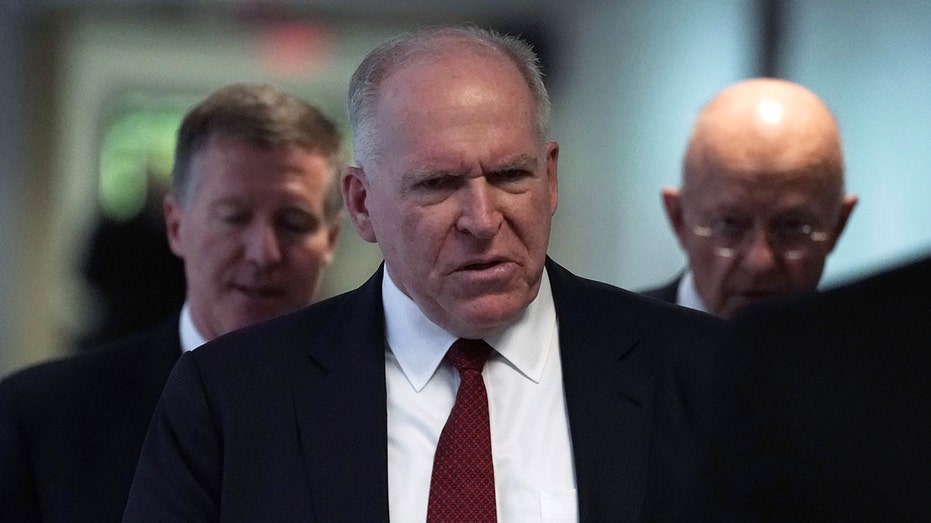
The Justice Department’s extensive probe into former CIA Director John Brennan’s involvement in the intelligence community’s 2017 assessment of Russian interference in the 2016 election has reportedly escalated. FBI agents are now actively questioning current and former CIA officials, signaling a significant intensification of the investigation into the origins and integrity of the pivotal intelligence report.

Federal Scrutiny Intensifies

Sources familiar with the ongoing inquiry indicate that approximately a dozen officials, integral to the drafting of the 2017 assessment, have been interviewed by federal agents. The core focus of these interviews is to ascertain the methodologies and influences behind the assessment’s conclusions. Of particular interest is whether Mr. Brennan, a key figure in the intelligence community at the time, provided accurate information during his 2023 testimony before Congress.

The investigation aims to ensure the utmost integrity in intelligence processes and accountability for senior officials. The former CIA director has been identified as a subject of the investigation, a development confirmed by his legal representative. This ongoing scrutiny underscores the principle that all public servants, especially those in positions of significant trust, are ultimately accountable for their actions and statements.

The Steele Dossier Controversy at the Core

A central element of the Justice Department’s inquiry revolves around the controversial Steele dossier. This collection of largely unsubstantiated allegations concerning Donald Trump’s purported ties to Russia was financed by political opponents and has long been a point of contention. Investigators are examining whether this dossier unduly influenced the 2017 intelligence assessment, which concluded that Russia sought to bolster Mr. Trump’s presidential campaign.

Mr. Brennan has previously stated that the CIA opposed the inclusion of the dossier’s raw intelligence within the main body of the assessment. However, a summary of the dossier was ultimately appended to a classified version of the report, raising questions about the extent of its influence and Mr. Brennan’s role in that decision. The pursuit of facts in this matter is crucial for maintaining public confidence in the nation’s intelligence apparatus.

Former CIA Director Brennan stated under oath that “the CIA was not involved at all with the dossier,” a claim now at the heart of the federal investigation.

Congressional Referral and Allegations

The impetus for the current probe gained considerable momentum following a referral last year from House Judiciary Committee Chairman Jim Jordan. Chairman Jordan formally referred Mr. Brennan to the Justice Department, alleging that he may have made false statements to Congress regarding the CIA’s handling and involvement with the Steele dossier. This action highlights the legislative branch’s commitment to oversight and the pursuit of truth when intelligence matters are questioned.

Chairman Jordan’s letter to the DOJ asserted that Mr. Brennan’s sworn testimony — specifically his claim that “the CIA was not involved at all with the dossier” — is contradicted by multiple sources. These sources, according to the letter, suggest that Mr. Brennan supported including the dossier in the Intelligence Community Assessment (ICA). This discrepancy forms a critical component of the ongoing investigation, as detailed by News Desk.

The unfolding developments in the Brennan Russia probe underscore the importance of transparency and accuracy from high-ranking officials. As the Justice Department continues its work, the nation watches for a clear resolution that upholds the integrity of our institutions and ensures accountability. The public deserves a full understanding of how critical intelligence assessments are formed and presented, free from political influence or misrepresentation.

Bucks Open to Giannis Antetokounmpo Trade Offers Amid Playoff Miss

Milwaukee’s franchise cornerstone could be on the move as the team seeks a fresh start and a clear path to future success following a disappointing season.

The future of two-time MVP Giannis Antetokounmpo with the Milwaukee Bucks is now a subject of intense speculation, as reports indicate the franchise is open to listening to trade offers. This significant development comes after the Bucks missed the NBA playoffs for the first time in nine years, signaling a potential seismic shift within the organization.

Uncertainty Grips Milwaukee

According to a Monday report from ESPN, the Milwaukee Bucks are “open for business” regarding trade discussions involving their superstar forward. This revelation follows a season where the team finished 32-50, a stark contrast to their recent history of championship contention. The prospect of a Giannis Antetokounmpo trade has sent ripples across the league, prompting questions about the team’s direction.

Bucks co-owner Jimmy Haslam, who also owns the NFL’s Cleveland Browns, recently addressed the situation. He emphasized the importance of reaching a resolution before the upcoming NBA Draft. “I just think before the draft is a natural time,” Haslam stated, acknowledging the necessity of acquiring significant assets if Antetokounmpo were to depart. This pragmatic approach underscores the team’s commitment to rebuilding should their star player move on.

Antetokounmpo’s Pursuit of Championships

Throughout the ongoing discussions, Antetokounmpo has consistently affirmed his fondness for Milwaukee. However, he has also made it clear that his primary desire is to play for a team genuinely committed to winning and competing for championships. This commitment was seemingly demonstrated by the Bucks’ aggressive move to acquire Damian Lillard from the Portland Trail Blazers before the 2023-24 season.

Unfortunately, the partnership was cut short by an Achilles injury to Lillard, who subsequently re-signed with Portland. This setback, combined with other factors, contributed to the Bucks’ struggles and their unexpected absence from the postseason. The team’s inability to build a sustained championship contender around Antetokounmpo despite significant investments has evidently led to this pivotal juncture.

Charting a New Course

Should the Bucks proceed with a Giannis Antetokounmpo trade, the team is reportedly seeking substantial compensation. The ideal return would likely focus on:

  • A young, blue-chip prospect
  • A surplus of future draft picks

This strategy suggests a long-term vision, prioritizing future talent and flexibility over an immediate, like-for-like replacement.

The decision to explore trading a player of Antetokounmpo’s caliber is never taken lightly. It reflects a difficult assessment of the team’s current trajectory and the challenges of competing at the highest level. Co-owner Haslam confirmed open lines of communication with Antetokounmpo, stating, “We never had any problem communicating directly with Giannis — at all — and always knew where he stood.”

“We’ve had those conversations… sometime over the next six or seven weeks, we’ll decide whether Giannis signs a max contract and stays.” — Jimmy Haslam, Bucks Co-Owner

The situation in Milwaukee remains fluid, with the upcoming NBA Draft serving as a crucial deadline for the franchise. The potential departure of Giannis Antetokounmpo would undoubtedly reshape the landscape of the NBA, leaving a void in Milwaukee but potentially opening new avenues for the team’s future development. As reported by various sports news outlets, including Fox News, the coming weeks will reveal the ultimate fate of one of basketball’s most dominant players.

Social Media Auto Publish Powered By : XYZScripts.com