Matox News

Truth Over Trends, always!

The Rise of Creator Journalism: An Existential Challenge to Traditional Media

The landscape of news consumption is undergoing a seismic shift, with a stark warning issued by Deborah Turness, former head of BBC News. She contends that ‘creator journalism’, driven by individual personalities on digital platforms, now represents an existential threat to traditional broadcasting. This profound disruption, Turness suggests, could be even more significant than the advent of the digital age itself or the rise of social media.

Her observations, as reported by The Guardian, highlight a rapid decline in the consumption of traditional television news. Audiences, particularly younger demographics, are increasingly shunning established news outlets in favor of content curated and presented by individual creators across various online channels.

The Shifting Sands of News Consumption

Turness, who resigned from the BBC last year, points to a ‘collapsing’ rate of consumption for conventional news formats. This trend is not merely a preference but a fundamental change in habit. The gravitational pull towards platforms like YouTube, TikTok, and Substack, where individuals cultivate direct relationships with their followers, is reshaping public engagement with current events and information.

The implications for broadcasters are immense. For decades, institutions like the BBC have served as pillars of factual reporting and public service. However, the personalized, often unfiltered nature of creator journalism challenges the very model of these established entities. The focus shifts from institutional authority to individual charisma, raising questions about verification, editorial standards, and the broader societal role of news.

“Traditional news faces ‘a profound moment of disruption’ as personality-led content replaces established formats.”

Personality Over Professionalism?

The rise of personality-led content introduces a new dynamic where the messenger can often overshadow the message. While individual creators can offer unique perspectives and build strong communities, their content may not always adhere to the rigorous journalistic standards expected of traditional news organizations. This divergence poses a critical challenge for a society reliant on accurate, verifiable information.

  • Lack of Institutional Oversight: Creator journalism often operates outside traditional editorial structures.
  • Bias and Opinion: Content can be heavily influenced by the creator’s personal views, potentially blurring lines between fact and opinion.
  • Verification Challenges: The speed and volume of content can make fact-checking difficult for consumers.
  • Audience Segmentation: Individuals may gravitate towards creators who reinforce existing beliefs, leading to echo chambers.

For conservative principles emphasizing order, factual reporting, and robust institutions, this trend warrants careful consideration. The integrity of information and the stability of public discourse depend significantly on reliable, professional news sources. When these are undermined, the potential for misinformation and societal fragmentation grows.

Adapting to a New Era

Broadcasters are now confronted with an urgent imperative to adapt. Simply maintaining existing models while audiences migrate elsewhere is no longer viable. The challenge lies in understanding the appeal of creator journalism – its immediacy, authenticity, and direct connection – and integrating these elements while upholding the core values of professional journalism.

This could involve diversifying content formats, engaging more directly with digital audiences, and fostering new talent that understands both traditional journalistic ethics and the dynamics of online platforms. The future of informed public discourse may well depend on the ability of established media to innovate without compromising their foundational commitment to truth and accuracy.

The shift described by Turness is more than a fleeting trend; it represents a fundamental recalibration of how news is produced, distributed, and consumed. Traditional media’s response to this challenge will define its relevance and impact in the decades to come, shaping the informational diet of future generations.

AI Robot Revolutionizes Automotive Service with Automated Tire Changes

The landscape of automotive service is on the cusp of a significant transformation, as a new AI robot system aims to redefine how vehicles receive essential maintenance. Automated Tire, Inc. (ATI), a Boston-based robotics firm, has introduced SmartBay, a groundbreaking platform designed to automate the often-laborious tasks of tire changes and wheel balancing. This innovation arrives at a critical juncture for the automotive industry, promising enhanced efficiency and a solution to persistent labor challenges.

Traditional tire shops have long been characterized by manual processes and extended wait times. SmartBay seeks to disrupt this model, offering dealerships, tire shops, and service centers a sophisticated robotic solution that integrates physical AI, computer vision, and machine learning. Unlike rigid automated systems, SmartBay adapts to each vehicle in real-time, ensuring precision and reliability in every operation.

Transforming the Service Bay Experience

SmartBay represents a significant leap forward in automotive maintenance technology. Andy Chalofsky, CEO of Automated Tire, Inc., describes it as “the next generation of the automotive service bay,” emphasizing its role in automating routine, physically demanding work. The system is engineered to perform comprehensive tire changes and wheel balancing with only light-touch oversight from a human operator, drastically reducing the manual effort traditionally required.

This robotic system is designed to take on the most challenging aspects of tire service. From removing wheels to dismounting tires, balancing them, and reinstalling everything, SmartBay handles the entire process. While a human technician remains present to supervise, the robot executes the heavy lifting and precise mechanical operations, freeing up skilled personnel for more complex diagnostic or customer-facing tasks.

Addressing Industry Labor Shortages and Evolving Demands

The introduction of SmartBay could not be more timely. Many automotive repair shops across the nation are grappling with a growing shortage of qualified technicians. This labor deficit, coupled with the increasing demand for tire service—especially from electric vehicles (EVs) which tend to wear through tires faster—has created a pressing need for innovative solutions. SmartBay directly addresses this dual challenge by enhancing operational capacity without requiring an expanded human workforce.

By automating the most repetitive and physically strenuous tasks, ATI’s SmartBay system allows existing technicians to focus on higher-value activities, improving overall service quality and shop throughput. This strategic deployment of AI and robotics not only mitigates staffing pressures but also ensures consistent, high-quality service delivery, a crucial factor for customer satisfaction and business growth.

“SmartBay performs the tire change and wheel balance itself with minimal oversight.”

— Andy Chalofsky, CEO of Automated Tire, Inc.

The Future of Automotive Maintenance

The implications of technologies like SmartBay extend beyond mere efficiency gains. They signal a broader shift towards smarter, more resilient service operations. As reported by News Desk, this innovation from Automated Tire, Inc. positions the company at the forefront of modernizing an essential, yet often overlooked, segment of the automotive industry. The integration of advanced robotics and artificial intelligence promises not only to streamline current processes but also to lay the groundwork for future advancements in vehicle maintenance.

For consumers, this could translate into faster service times and more reliable outcomes. For businesses, it offers a pathway to increased profitability and reduced operational strain. The SmartBay system is a testament to how targeted technological innovation can resolve long-standing industry challenges, ensuring that automotive service continues to meet the evolving demands of a modern vehicle fleet.

UK Borrowing Costs Surge Amidst Political Uncertainty

Britain’s financial landscape has been significantly shaken by a sharp rise in UK borrowing costs, as political uncertainty surrounding a potential leadership transition unnerves investors. The effective interest rate on government debt, specifically 10-year bonds, briefly surged to 5.13%, a figure reminiscent of the economic turmoil seen during the 2008 global financial crisis.

Market Volatility and Rising Yields

The immediate impact of this uncertainty was palpable across financial markets. As reported by News Desk, the effective interest rate on borrowing over 10 years briefly reached 5.13%, a stark indicator of investor apprehension. This spike in yields signifies a higher cost for the government to finance its operations and existing national debt, a burden ultimately borne by taxpayers. Such elevated costs can divert funds from essential public services or necessitate higher taxation in the long run, underscoring the importance of fiscal responsibility.

While the UK’s main stock index, the FTSE 100, initially saw a more than 1% drop in opening trade, it later recovered to close down just 0.04%, indicating some resilience but not entirely erasing the underlying anxiety about economic stability.

Dual Pressures: Political Shifts and Global Inflation

The current market jitters stem from a confluence of factors, with political speculation at its forefront. The mere possibility of a change in national leadership has introduced an element of unpredictability, prompting investors to reassess risk. There is particular concern regarding any perceived shift towards looser public spending policies that might accompany a new administration, potentially exacerbating the nation’s existing fiscal challenges and adding to the national debt. Maintaining a strong commitment to sound financial management is crucial during such periods.

This internal political unease is compounded by broader macroeconomic pressures. Global financial markets have already been on edge due to fears that higher oil prices, largely attributed to ongoing geopolitical tensions such as the Iran war, will fuel significant inflation. Such persistent inflationary pressures typically lead to expectations of aggressive interest rate hikes by central banks, further increasing borrowing costs for both the government and the private sector, impacting everything from business investments to household mortgages.

“The prospect of political change and perceived risk of looser public spending has significantly unsettled investors.”

The Broader Economic Ripple Effect

Higher government borrowing costs inevitably translate into increased expenses for ordinary citizens and businesses across the United Kingdom.

  • Mortgage Rates: Homeowners on variable rates or those looking to remortgage may face higher monthly payments.
  • Business Investment: Companies seeking capital for expansion or operations could encounter more expensive lending, potentially stifling job creation and economic growth.
  • Consumer Credit: The cost of loans and credit cards could rise, impacting household budgets already strained by inflation.

These interconnected effects underscore the fragility of economic stability when confronted with political uncertainty and external shocks. Prudent fiscal management and a clear, consistent economic strategy are not merely abstract concepts but directly influence the financial well-being of every British family and enterprise.

As the nation navigates this period of heightened financial sensitivity, the emphasis on stable governance and prudent economic stewardship becomes critically important. A clear and consistent policy direction, grounded in fiscal discipline, is essential to reassure markets, maintain investor confidence, and ultimately safeguard the economic future of British families and businesses against undue volatility and uncertainty.

Federal Reserve Nominee Kevin Warsh Clears Key Senate Hurdle

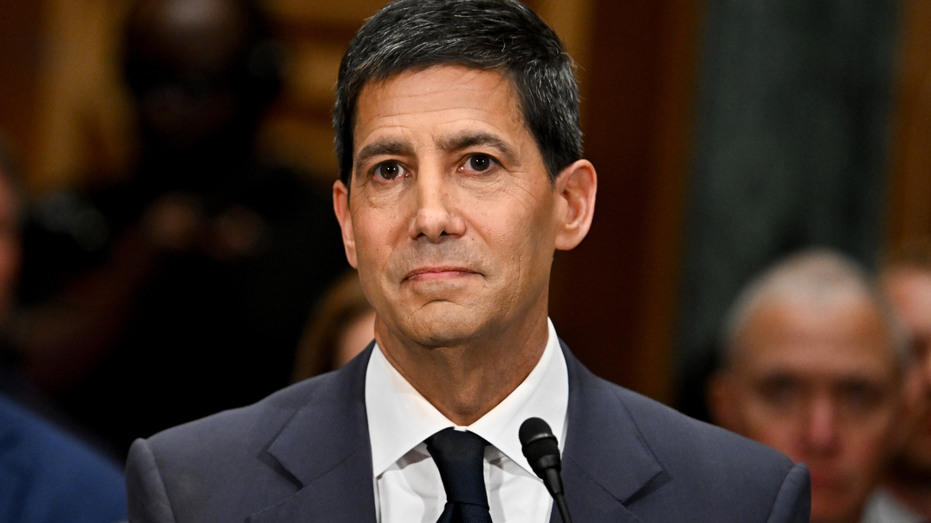
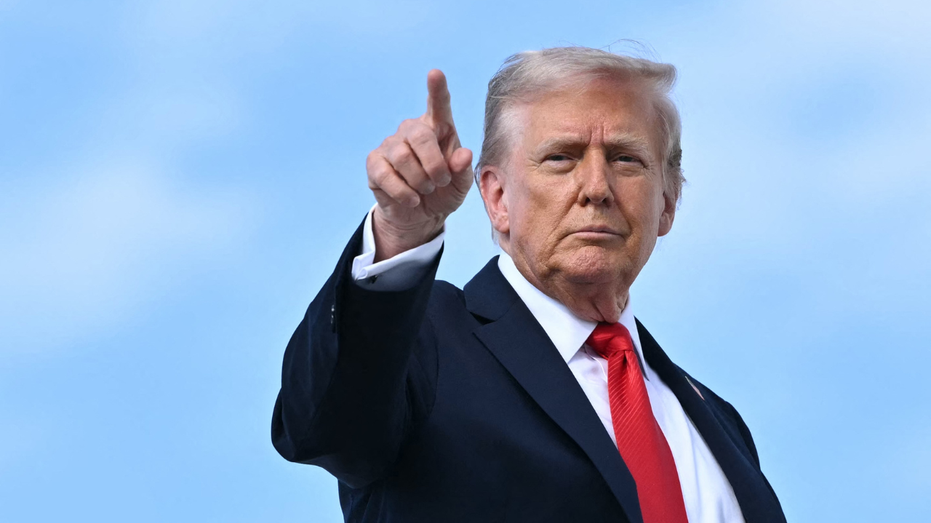
The United States Senate has taken a decisive step towards shaping the future of the nation’s financial landscape, confirming Kevin Warsh to the Federal Reserve Board of Governors. This crucial test vote advances President Donald Trump’s preferred nominee to potentially lead the central bank, a development that follows months of intense political and legal wrangling. The move signals a victory for the administration in its long-standing efforts to influence the institution responsible for monetary policy.

A Pivotal Confirmation on Capitol Hill

The Senate’s successful test vote for Kevin Warsh marks a significant milestone in a nomination process once thought to be in jeopardy. Warsh, who previously served on the Federal Reserve’s main governing body nearly two decades ago, is now on a clear path towards full confirmation as the next Chair. This development comes just as current Chair Jerome Powell’s term is set to expire on May 15, creating an urgent need for leadership stability at the nation’s central bank. The confirmation process, anticipated to conclude swiftly, represents a quieter resolution compared to the high-stakes drama that preceded it.

Overcoming Political Hurdles and Legal Disputes

For months, the nomination of President Trump’s handpicked successor faced considerable uncertainty. A significant barrier emerged in the form of Senator Thom Tillis (R-N.C.), who had publicly vowed to obstruct any replacement for Powell until the Department of Justice concluded its criminal investigation into the outgoing Chair. Recent reporting from News Desk highlighted how this probe, which centered on alleged mismanagement of renovation funds for the Federal Reserve’s Washington, D.C. headquarters, cast a shadow over the confirmation process. The investigation concluded late last month, reportedly under pressure from senior Senate Republicans, clearing the path for Warsh’s advancement. Speculation had been rife that the probe was a retaliatory measure against Powell, who had resisted the administration’s calls for sharply lower interest rates.

The Federal Reserve’s Crucial Role and Warsh’s Potential Impact

The Federal Reserve stands as the cornerstone of America’s financial stability, dictating monetary policy that impacts everything from inflation and employment to interest rates and economic growth. The incoming leadership will confront a complex economic environment, requiring steady hands and clear vision. Kevin Warsh’s prior experience on the Board of Governors provides him with an intimate understanding of the institution’s operations and challenges. His potential chairmanship could usher in a new era for the central bank, aligning its strategies more closely with the economic philosophy championed by the Trump administration.

  • The Federal Reserve’s dual mandate includes maximizing employment and maintaining price stability.
  • It sets the federal funds rate, influencing borrowing costs across the economy.
  • It supervises and regulates banks, ensuring the stability of the financial system.
  • It provides financial services to depository institutions, the U.S. government, and foreign official institutions.

This new appointment is expected to be closely watched by markets and policymakers alike, as it could signal a shift in the central bank’s approach to key economic indicators.

The Senate’s confirmation of Kevin Warsh represents a crucial pivot point for the nation’s monetary policy, potentially recalibrating the Federal Reserve’s direction amidst complex economic challenges.

With the Senate poised to finalize Warsh’s confirmation, the focus now shifts to the implications of his leadership for the Federal Reserve and the broader economy. This outcome underscores the administration’s persistent efforts to exert influence over independent institutions and shape the nation’s economic future. The resolution of this high-profile nomination saga demonstrates the intricate interplay between executive power, legislative oversight, and the critical role of the central bank in maintaining stability and fostering growth. As the new leadership prepares to take the helm, all eyes will be on how the Federal Reserve navigates the evolving economic landscape under its renewed direction.

US Inflation Surges to 3.8% in April Amidst Escalating Middle East Conflict

American consumers are grappling with a significant uptick in the cost of living, as the nation’s inflation rate surged to 3.8% annually in April. This marked increase, the highest recorded since 2023, is largely attributed to the persistent rise in energy prices, a direct consequence of the ongoing conflict in the Middle East involving Iran. The latest figures from the Bureau of Labor Statistics underscore a challenging economic landscape for families and businesses nationwide.

The Accelerating Pace of Consumer Prices

The Consumer Price Index (CPI), a key measure of goods and services, indicates a worrying trend for economic stability. After climbing to 3.3% in March from 2.4% in February, the April data confirms a sustained acceleration in consumer costs. This consistent upward trajectory highlights the growing pressure on household budgets and purchasing power.

  • April CPI: 3.8% annually
  • March CPI: 3.3% annually
  • February CPI: 2.4% annually

This progression illustrates a clear and unwelcome shift, placing an increasing burden on American families striving to maintain their standard of living.

Geopolitical Tensions Fueling Energy Costs

The primary catalyst for this latest inflationary spike is the escalating war in the Middle East. Geopolitical instability, particularly involving Iran, has created significant volatility in global energy markets. As a result, energy prices have continued their ascent, directly impacting the cost of transportation, heating, and manufacturing across the board. This ripple effect permeates the entire economy, translating into higher prices for almost every product and service. The Guardian, reporting on these developments, noted the direct link between the conflict and the rising cost of everyday goods.

“The sustained rise in energy costs is a direct tax on every American household and business, eroding savings and stifling economic recovery.”

Direct Impact on Households and Economic Stability

The implications of sustained inflation are far-reaching. For American households, higher energy prices mean more expensive commutes, increased utility bills, and higher costs for essential goods like food, which rely heavily on transportation. Businesses, particularly small and medium-sized enterprises, face elevated operational costs, which can lead to difficult decisions regarding pricing, staffing, and investment. This environment creates uncertainty, potentially hindering the free market’s natural growth and innovation. Maintaining economic order and stability requires a vigilant approach to these inflationary pressures.

A Path Forward Amidst Challenges

As the nation navigates these complex economic waters, the focus remains on ensuring the financial well-being of American families and the resilience of its businesses. The ongoing challenge of inflation, exacerbated by international events, necessitates careful consideration of domestic policy responses to safeguard purchasing power and foster a stable economic future. Addressing the root causes of energy price volatility, alongside prudent fiscal management, will be crucial in mitigating the long-term effects of these rising costs.

Congressional Map Redraw: GOP Pushes for House Majority Amid Trump's 'Be Bold' Call
Congressional Map Redraw: GOP Pushes for House Majority Amid Trump’s ‘Be Bold’ Call

State legislatures in the South are moving swiftly to reshape electoral landscapes, a development poised to significantly influence the balance of power in Washington.

Republican-led states are embarking on aggressive campaigns to redraw their congressional district maps, a move explicitly aimed at strengthening the GOP’s majority in the U.S. House of Representatives ahead of the critical 2026 midterm elections. This concerted effort has received a strong endorsement from President Donald Trump, who has urged Republicans to “BE BOLD” in their pursuit of electoral advantage. The nationwide push to reshape electoral boundaries reflects a significant institutional power struggle, with profound implications for the political landscape.

Strategic Redistricting Efforts Underway

This wave of redistricting activity comes barely two weeks after a conservative majority on the Supreme Court issued a ruling that significantly curtailed a key protection of the Voting Rights Act. This judicial development has seemingly emboldened Republican officials, providing new impetus for map adjustments that could consolidate their power. States like South Carolina, Alabama, Louisiana, and Tennessee are at the forefront of these efforts, each seeking to optimize their congressional representation. The strategic timing and widespread nature of these initiatives underscore their importance in the ongoing political contest between the Republican and Democratic parties.

Key Battlegrounds: South Carolina and Alabama

In South Carolina, legislative action is already in motion. The state Senate is expected to vote on Tuesday regarding a mid-decade redistricting proposal that originated in the state House. This rare but not unprecedented move could see the state’s U.S. House primaries pushed back to August. The proposed map is designed to eliminate the state’s sole Democrat-dominated U.S. House seat, potentially impacting long-serving Representative Jim Clyburn. Despite the legislative maneuvers, Clyburn has expressed optimism about his re-election prospects.

Similarly, Alabama Republicans are advancing their own redrawn congressional map. This revised plan is projected to remove one of the state’s two current Democratic-held U.S. House seats. Both these state-level actions highlight the meticulous strategies being employed to secure a stronger Republican presence in the federal legislature.

  • South Carolina: Targeting the state’s only Democrat-held seat.
  • Alabama: Aiming to eliminate one of two Democratic seats.
  • Louisiana: Engaged in similar redistricting efforts.
  • Tennessee: Also working to redraw electoral boundaries.

Broader Implications for Congressional Control

The stakes in this nationwide redistricting showdown are undeniably high. The outcome will directly determine which party holds the majority in the U.S. House of Representatives during the final two years of President Trump’s second term. Control of the House is crucial for advancing legislative agendas, confirming appointments, and shaping national policy. The Republican strategy seeks to solidify a governing advantage, ensuring smoother passage of conservative priorities. As reported by News Desk, President Trump has indicated he will be “watching closely” as these legislative processes unfold, signaling the White House’s keen interest in the results.

“The stakes are clear: control of the House during the crucial final two years of President Trump’s second term.”

These aggressive redistricting efforts underscore the enduring significance of electoral boundaries in shaping political power. With the 2026 midterms on the horizon, the current legislative actions in states like South Carolina and Alabama are not merely local matters but integral components of a national strategy to secure and expand Republican influence. The careful redrawing of these maps will likely dictate the legislative landscape for years to come, impacting everything from federal spending to social policy debates. The coming months will reveal the full extent of these changes and their impact on the balance of power in Washington.

US Inflation Surges to 3.8% as Iran War Fuels Energy Price Hikes

American households are grappling with renewed inflationary pressures as the Consumer Price Index (CPI) climbed to 3.8% in April, marking its highest level since May 2023. This significant increase is largely attributed to a sharp rise in energy costs, a direct consequence of escalating geopolitical tensions in the Middle East.

Washington D.C. – The latest federal data reveals a troubling acceleration in US inflation, with the consumer price index reaching 3.8% over the past twelve months. This unwelcome jump places a substantial burden on families and businesses already navigating a complex economic landscape. Experts point to the ongoing conflict in Iran as a primary catalyst, disrupting global energy markets and driving up costs at an alarming rate.

Energy Crisis Ignites Price Jumps

Almost half of April’s inflation surge stems directly from the energy sector. The US-Israel conflict in Iran, which has led to the effective closure of the vital Strait of Hormuz shipping lane, has had an immediate and severe impact on fuel prices. Consumers are now facing the highest gasoline costs since July 2022, with the national average for unleaded fuel hitting $4.50 per gallon.

Data from the AAA motoring group underscores the severity of this increase, highlighting how quickly global events can translate into domestic financial hardship. The disruption to shipping routes, a critical artery for international oil trade, demonstrates the fragility of supply chains and the direct link between geopolitical stability and household budgets.

Broader Economic Strain on Households

While energy costs are the primary driver, the Bureau of Labor Statistics (BLS) also noted significant contributions from other essential sectors. Housing expenses continued their upward trajectory, adding further pressure to already stretched family finances. Similarly, grocery prices, a non-negotiable expense for every household, also played a role in pushing the overall CPI higher.

This broad-based increase in living costs means that the average American family is seeing their purchasing power diminish, making everyday necessities more expensive. The cumulative effect of these rising prices creates a challenging environment for household budgeting and long-term financial planning.

Navigating Future Economic Headwinds

The acceleration of inflation poses a critical challenge for policymakers and central bankers. Sustained high energy prices, coupled with persistent increases in housing and food, risk eroding consumer confidence and dampening economic growth. The focus now turns to how authorities will respond to these pressures while safeguarding economic stability.

For families and businesses, prudent financial management remains paramount. The current economic climate underscores the importance of resilient supply chains and diversified energy sources to mitigate future shocks. Ensuring market stability and protecting consumers from excessive price volatility should be a top priority for national leadership.

“The surge in US inflation to 3.8% is a stark reminder of how global conflicts directly impact the wallets of American families, particularly through escalating energy costs.”

The latest inflation figures serve as a sobering indicator of the economic challenges ahead. As the nation grapples with the fallout from international conflicts and their impact on global commodity markets, the need for stable economic policies and strategic foresight becomes ever more apparent. Protecting the purchasing power of citizens and ensuring a predictable economic environment must remain at the forefront of policy discussions.

FBI Director Kash Patel Faces Senate Scrutiny Over Budget and Performance

FBI Director Kash Patel is slated to testify before the Senate today, presenting a formidable defense of his agency’s proposed budget increase. This crucial hearing occurs amidst a backdrop of escalating controversies and intense public scrutiny regarding the FBI’s performance and the Director’s leadership. Patel’s testimony is a cornerstone of President Donald Trump’s broader Department of Justice funding request, underscoring the administration’s commitment to federal law enforcement while simultaneously navigating calls for greater accountability.

A Push for Increased Funding

The core of today’s Senate appearance centers on the FBI’s substantial request for approximately $12 billion in the upcoming fiscal year. This figure represents the largest individual allocation within President Trump’s wider Department of Justice (DOJ) funding proposal, which aims for nearly $41 billion across various federal law enforcement agencies. The proposed $12 billion for the FBI marks a notable increase of roughly $2 billion compared to the previous year’s budget, a jump that will undoubtedly prompt detailed questions from the Senate Appropriations Subcommittee on Commerce, Justice, Science and Related Agencies.

This financial injection is presented as vital for bolstering the FBI’s operational capabilities, ranging from national security operations to combating domestic crime. However, the request arrives at a time when fiscal responsibility and the effective deployment of taxpayer funds are paramount concerns for many lawmakers.

Scrutiny Over Performance and Leadership

Beyond the raw numbers, FBI Director Kash Patel faces a barrage of questions concerning his tenure and the agency’s recent challenges. This marks his first congressional hearing since last September, when he was heavily questioned by Democratic senators regarding his handling of the investigation into the assassination of conservative activist Charlie Kirk.

Recent months have brought additional critical headlines for Patel. These include scrutiny over the third assassination attempt against President Trump, prompting questions about the agency’s protective measures. Furthermore, a report from The Atlantic magazine leveled serious accusations against the Director, alleging excessive drinking, erratic behavior, and frequent absences from duty. Director Patel has vehemently denied these claims, subsequently filing a $250 million defamation lawsuit against the publication, asserting that their reporting was “replete with false and obviously fabricated allegations designed.” The legal battle adds another layer of complexity to his public image and the agency’s reputation.

Upholding Institutional Integrity

The Senate hearing serves as a critical mechanism for congressional oversight, ensuring that powerful federal institutions like the FBI operate with the highest standards of integrity and accountability. Lawmakers are expected to press Director Patel not only on budget specifics but also on the strategic direction of the bureau and its responsiveness to both national security threats and public concerns. The ongoing dialogue between the executive branch’s law enforcement arm and the legislative branch is fundamental to maintaining a balance of power and public trust.

As the nation grapples with complex issues ranging from domestic extremism to cyber threats, the effectiveness and perceived impartiality of the FBI are more crucial than ever. The outcomes of such hearings often shape public perception and influence future legislative actions concerning federal law enforcement mandates and resources. According to reporting from News Desk, the stakes for both Director Patel and the agency’s future trajectory are considerably high.

“The integrity of our federal law enforcement agencies and the responsible allocation of taxpayer dollars are paramount, especially during times of heightened public scrutiny.”

The discussions surrounding the FBI’s budget and Director Patel’s leadership highlight the intricate challenges inherent in governing a key national security apparatus. Lawmakers’ questions will likely delve into specific operational expenditures, recruitment strategies, and the measures being taken to address internal and external criticisms. The hearing’s conclusion will offer valuable insights into the legislative branch’s confidence in the FBI’s current trajectory and its capacity to meet the demands of a rapidly evolving security landscape.

As the hearing unfolds, the public will be watching closely for assurances that the FBI remains a steadfast guardian of justice and order, operating with unwavering professionalism and fidelity to its mission.

LeBron James Ponders NBA Future After Lakers Playoff Exit

The basketball world is abuzz with speculation after LeBron James, one of the sport’s most enduring figures, openly addressed his uncertain future in the NBA. Following the Los Angeles Lakers’ swift exit from the playoffs, James, 41, revealed he has not yet committed to a 24th season, signaling a potential crossroads in his legendary career.

The announcement came after the Lakers’ Game 4 loss to the Oklahoma City Thunder, which concluded their playoff journey. James’s remarks underscore a critical moment for both the athlete and the league, as fans and analysts alike contemplate the potential retirement of a player who has redefined basketball for over two decades.

Playoff Exit Ignites Retirement Speculation

The Los Angeles Lakers’ season concluded abruptly with a 115-110 defeat to the Oklahoma City Thunder, a loss that swept them out of the second round of the NBA playoffs. Despite leading Los Angeles to a first-round upset over the Houston Rockets, James and his team ultimately fell to the defending champions, who were notably without key player Luka Doncic due to injury.

It was in the aftermath of this elimination that James delivered his candid assessment of what lies ahead. “I don’t know what the future holds for me, obviously, as it stands right now tonight,” James stated, leaving the door wide open for various possibilities, including retirement. His comments have immediately become the dominant narrative in sports, overshadowing the playoff results themselves.

“I don’t know what the future holds for me, obviously, as it stands right now tonight.”

A Legacy of Unprecedented Longevity and Excellence

At 41 years old, LeBron James continues to perform at an elite level, a testament to his unparalleled dedication and physical conditioning. His ability to remain a dominant force in a league increasingly defined by youth and athleticism is truly remarkable. Thunder star Shai Gilgeous-Alexander acknowledged James’s enduring impact, noting, “It’s amazing what he’s doing out there at this age. It’s very impressive.”

Gilgeous-Alexander further emphasized the rarity of James’s sustained performance: “For the NBA, he’s pretty old, and he doesn’t seem like it out there. He was a force. He was the top of the scouting report all series. His size gave us issues at times. He was impressive out there. I’m not sure we’ll see anything like that again, his longevity and his greatness.” This sentiment reflects a consensus across the league: James’s career defies conventional athletic timelines.

Family at the Forefront of a Major Decision

As with previous significant career junctures, James indicated that his decision-making process would involve his closest circle. “I’ll go back and recalibrate with my family and talk with them and spend some time with them,” he shared, highlighting the importance of personal and familial considerations in such a monumental choice. This approach underscores a responsible and grounded perspective, aligning with fundamental values.

His remarks echo a similar period of reflection last year, indicating a consistent pattern of deliberate thought rather than impulsive action. The weight of continuing a demanding professional career, especially at his age, necessitates careful consideration of its impact on his personal life and well-being.

Factors Influencing a Monumental Choice:

  • The physical demands and toll of another rigorous NBA season.
  • Personal and family commitments, balancing professional ambition with home life.
  • The competitive outlook and trajectory of the Los Angeles Lakers.
  • His desire to compete for championships at the highest level.

A report on FoxNews.com highlighted James’s remarks, drawing attention to the broader implications for the league. While the basketball world holds its breath, the focus remains on James’s personal journey of discernment. His ultimate decision will undoubtedly shape the landscape of the NBA for years to come, marking either the continuation of an unparalleled career or the dignified conclusion of an era.

Online Age Verification: A Threat to Digital Privacy and Free Access?

A growing legislative push for online age verification is rapidly reshaping the digital landscape, with potentially far-reaching consequences for user privacy, data security, and the principle of free access to information. Across the United States and globally, lawmakers are increasingly demanding that websites implement robust systems to verify the age of their users, often requiring the upload of sensitive personal identification documents. This trend, while frequently framed as a measure to protect children, raises significant concerns among privacy advocates and those who champion individual digital liberties.

The Expanding Landscape of Age Verification Laws

The movement towards mandatory online age verification is gaining considerable momentum. More than two dozen U.S. states, alongside several countries, have already enacted laws that compel “mixed-audience” websites to verify users’ ages. While some of these statutes specifically target adult content providers, a concerning number extend these requirements to a broad spectrum of online platforms.

This expansion means that accessing everyday digital services could soon necessitate proving one’s age. Services ranging from search engines like Google to educational platforms such as Coursera, and even news outlets like The New York Times, might fall under these new regulations. Simultaneously, global efforts to ban or restrict social media access for minors, seen in countries from Canada to India and already implemented in Australia, further solidify the demand for universal age verification across platforms.

Privacy Concerns and Data Security Risks

The core of the debate centers on the profound implications for digital privacy. Requiring individuals to upload government identification or other sensitive documents to access websites introduces a massive new vector for data collection and potential misuse. This centralized collection of personal data by numerous private entities, often with varying security protocols, creates an attractive target for cybercriminals and raises questions about government oversight and potential overreach.

As Aliya Bhatia, a senior policy analyst, points out in a recent analysis shared by the News Desk, these demands could come “at the expense of your rights.” The prospect of a ubiquitous digital ID system, where every online interaction is tied to verifiable personal identity, fundamentally alters the anonymous or pseudonymous nature of much of the internet. For conservatives, this represents a significant erosion of individual liberty and a concerning step towards increased surveillance, regardless of the stated intentions.

The push for online age verification, while often well-intentioned, risks creating a pervasive digital ID system with far-reaching consequences for individual liberty and data security.

Impact on Free Access and Digital Commerce

Beyond privacy, these new regulations pose substantial challenges to the principles of free market and open access. Implementing complex age verification systems places a significant compliance burden on businesses, particularly smaller platforms and startups, potentially stifling innovation and competition. The costs associated with developing, maintaining, and securing such systems could be prohibitive, leading to reduced online services or increased barriers to entry for new digital ventures.

Furthermore, the requirement to verify age could inadvertently restrict access to legitimate information and services for adults who may be unwilling or unable to provide identification online. While the goal of protecting children is laudable and aligns with pro-family values, the chosen method risks creating a digital environment where fundamental freedoms are curtailed, and access to knowledge is gatekept by identity verification processes.

Navigating the Future of Online Identity

The trajectory towards mandatory online age verification presents a complex dilemma. While the desire to safeguard minors in the digital realm is understandable and broadly supported, the methods being proposed and enacted raise serious questions about the future of internet freedom, individual privacy, and the practical realities of a truly open digital commons. As these laws continue to proliferate, a careful balance must be struck between protection and liberty, ensuring that the pursuit of order does not inadvertently dismantle the foundational freedoms of the digital age.

Social Media Auto Publish Powered By : XYZScripts.com