Matox News

Truth Over Trends, always!

FAA’s AI-Powered Air Traffic System Aims to Slash Flight Delays

The Federal Aviation Administration (FAA) is pioneering an artificial intelligence solution designed to tackle one of the most persistent issues in air travel: flight delays. The new system, known as Strategic Management of Airspace Routing Trajectories (SMART), uses advanced AI algorithms to predict congestion weeks ahead and make subtle schedule adjustments early enough to prevent bottlenecks.

With the nation’s air traffic control infrastructure long overdue for modernization, this ambitious project represents a critical step toward a more efficient and reliable aviation network.

How SMART Works to Prevent Delays

Unlike conventional approaches that react to problems once they arise, SMART aims to anticipate trouble spots in the airspace. By analyzing flight patterns far in advance, the AI can recommend minor timing shifts—such as moving a departure five to ten minutes earlier or later—that cumulatively alleviate pressure on busy air corridors.

These incremental adjustments might seem trivial in isolation, but across thousands of flights daily, they can significantly smooth out traffic flow and reduce the cascading effects of weather or operational disruptions.

Industry Collaboration and Investment

The FAA is collaborating with several leading private sector firms experienced in data analytics and aviation systems to develop SMART. Palantir Technologies, known for its expertise in complex data integration, has publicly confirmed its involvement in crafting the system’s analytic capabilities.

This partnership reflects a broader trend of leveraging private innovation to bolster public infrastructure. However, the undertaking is costly, with estimates placing the project’s budget around $12 billion—a substantial investment within a multi-billion-dollar modernization initiative for national air traffic control.

Challenges and Expert Perspectives

While the technical promise of SMART is substantial, experts remain cautiously optimistic about the system’s real-world impact. Skeptics question whether the AI can account for the myriad unpredictable variables—including weather, technical malfunctions, and human factors—that often trigger delays.

Ensuring seamless integration with existing air traffic management and securing buy-in from all aviation stakeholders will be essential to realizing the system’s full potential.

“The FAA’s AI system could spot problems weeks in advance, smoothing schedules before delays stack up,” Transportation Secretary Sean Duffy said, underscoring the urgency for upgrading America’s air traffic infrastructure.

Looking Ahead: A More Predictable Airspace

As air travel demand grows and the complexity of managing crowded skies intensifies, solutions like SMART offer a path forward. By harnessing AI, the FAA aims to bring order to a system strained by rising traffic and aging technologies.

Although challenges remain, the initiative embodies the kind of forward-thinking, market-driven innovation necessary to sustain the nation’s aviation leadership and safeguard the efficiency critical to commerce and family travel alike.
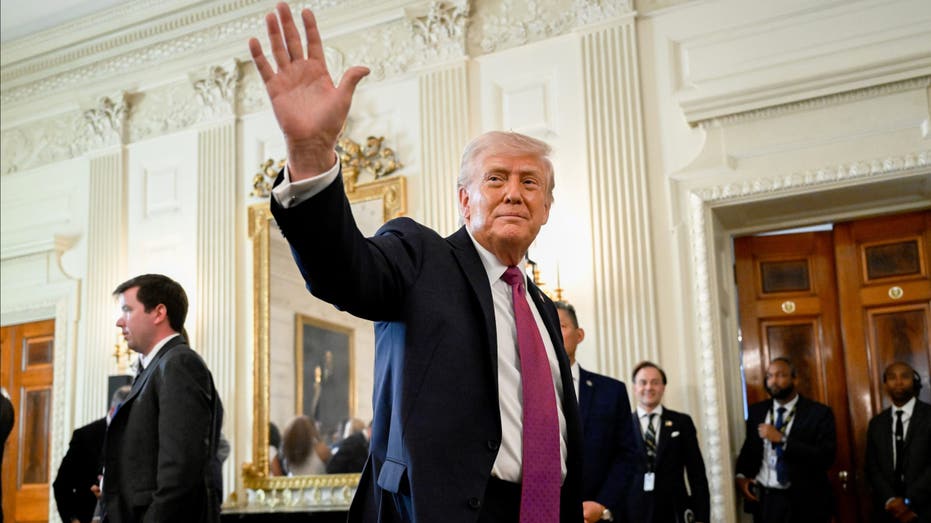
Trump Urges Congressional Action to Save College Sports from Financial Chaos

Former President Donald Trump has intensified calls for Congress to address the escalating financial turmoil in college sports. He warns that without swift federal intervention, the collegiate athletic system could be “lost forever” due to an unchecked arms race fueled by rising player compensation and costly operational practices.

This push follows a White House-backed committee’s draft proposal advocating for sweeping reforms, including the establishment of a task force with antitrust exemptions and the power to override conflicting state laws. The proposal aims to restore order in a landscape threatened by ballooning costs and destabilized eligibility rules.

Financial Instability Threatens College Sports Integrity

The current model, according to the White House, drives universities deeper into debt while jeopardizing critical programs, particularly women’s and Olympic sports. The financial strain undermines educational opportunities for student-athletes and pressures institutions to prioritize revenue over values.

Trump’s executive order labeled the situation an “out-of-control financial arms race,” emphasizing that nearly 500,000 educational and athletic opportunities are at stake annually, alongside approximately $4 billion in scholarships.

Key Reform Proposals on the Table

The draft document outlines several measures aimed at reining in excesses and restoring competitive balance:

  • Creation of a federal task force with antitrust exemptions to oversee college sports regulations.
  • Limits on coaching salaries to prevent unsustainable spending.
  • Revisions to athlete eligibility and transfer portal rules to maintain fairness.
  • Exploration of pooled media rights to stabilize and equitize revenue streams.

These reforms seek to establish national standards, a priority for the NCAA and sports leaders who have long called for uniformity across states to prevent a patchwork of conflicting regulations.

Congress Faces Growing Pressure to Act

Trump’s recent remarks during a White House roundtable highlighted concerns about “crazy things” occurring in college sports, such as athletes extending their college tenure and exploiting name, image, and likeness (NIL) deals. These developments, while beneficial to some players, have contributed to the financial arms race and regulatory confusion.

By urging Congress to swiftly pass legislation, Trump underscores the risks of further delay, emphasizing the need for a coordinated federal response to preserve the long-term viability of college athletics.

“Further delay is not an option given what is at stake,” the executive order stated, pointing to the vital role of college sports in education and leadership development.

As reported by Fox News, this call to action reflects a broader concern about preserving institutional order and protecting student-athletes from the unintended consequences of deregulation.

Looking Ahead: The Future of College Sports Governance

The proposed reforms aim to balance market dynamics with the preservation of educational values and institutional stability. By establishing federal oversight with clear authority, Congress could curb unchecked spending, promote fairness, and safeguard the integrity of college athletics.

For policymakers, the challenge lies in crafting legislation that respects the autonomy of educational institutions while addressing the urgent need for systemic reform. Failure to act risks further destabilization, threatening the very foundation of college sports and the opportunities it provides.

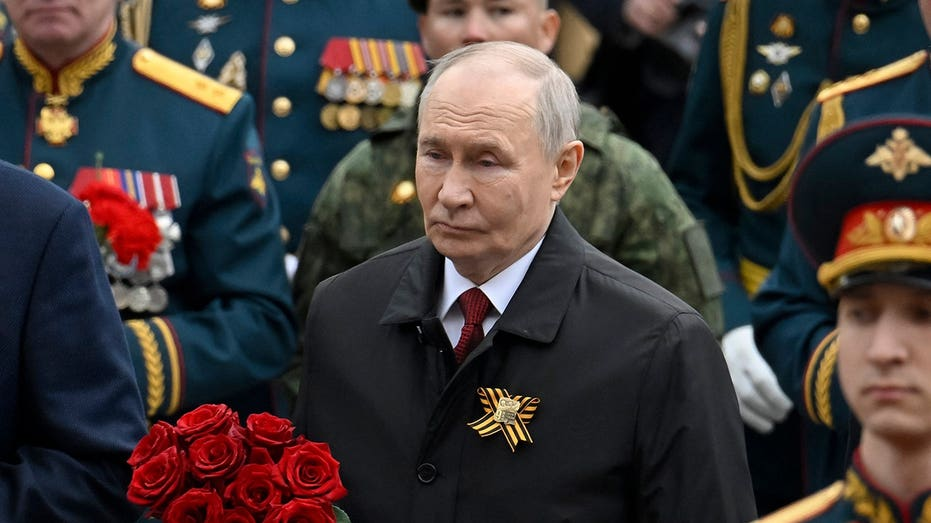
Putin Signals Possible End to Ukraine War Amid Trump-Brokered Ceasefire

Russian President Vladimir Putin has indicated that the war with Ukraine might be nearing its conclusion. This development coincides with a three-day ceasefire and prisoner exchange brokered by former U.S. President Donald Trump, marking a rare moment of de-escalation in a conflict that has persisted since early 2022.

The ceasefire, which began on Saturday and will continue through Monday, aims to commemorate Victory Day, a significant date in Russia and Ukraine commemorating the Soviet victory in World War II. Both nations will suspend military operations and exchange 1,000 prisoners each, a move that has been cautiously welcomed by international observers.

Trump’s Diplomatic Initiative Yields Ceasefire

In an unexpected announcement, Donald Trump revealed on his social platform that he directly requested the ceasefire and prisoner swap, which received agreement from both President Putin and Ukrainian President Volodymyr Zelenskyy. This diplomatic breakthrough, although limited in scope and duration, stands out amid years of entrenched hostilities and failed negotiations.

The ceasefire coincides with what Russia marked as its most modest Victory Day parade in years. The ongoing conflict has deeply affected both countries, with Russia having failed to secure full control over the contested Donbass region after more than four years of fighting.

Putin’s Conditions for Further Negotiations

Putin has expressed openness to dialogue with European leaders, specifically naming German Chancellor Gerhard Schroeder as a preferred interlocutor. However, he has set a clear condition for direct talks with President Zelenskyy: a lasting peace agreement must first be reached. This stance underscores the complexity of achieving a comprehensive and enduring resolution.

Meanwhile, President Zelenskyy confirmed the prisoner exchange on social media, signaling a rare moment of cooperation between the two adversaries. While this ceasefire does not resolve the broader conflict, it provides a temporary and symbolic pause that could pave the way for further diplomatic engagement.

Implications for Regional Stability and Global Diplomacy

The war in Ukraine has been a focal point of international security concerns, with significant implications for European stability and global order. This ceasefire, though brief, may signal a potential shift in the trajectory of the conflict, highlighting the role of third-party mediation in conflict resolution.

  • Temporary suspension of hostilities allows humanitarian relief efforts.
  • Prisoner exchange builds mutual confidence between conflicting parties.
  • Engagement with European leaders could open channels for broader peace talks.

“I think that the matter ⁠is coming to an end,” Putin told reporters, signaling a possible turning point.

As reported by Fox News, this ceasefire represents a fragile but noteworthy development in a deeply entrenched conflict. While optimism remains guarded, the involvement of established political figures and the willingness of both sides to engage offer a glimmer of hope.

The path forward remains uncertain, but initiatives like these underscore the importance of continued diplomatic efforts, adherence to international law, and the pursuit of stability in the region.

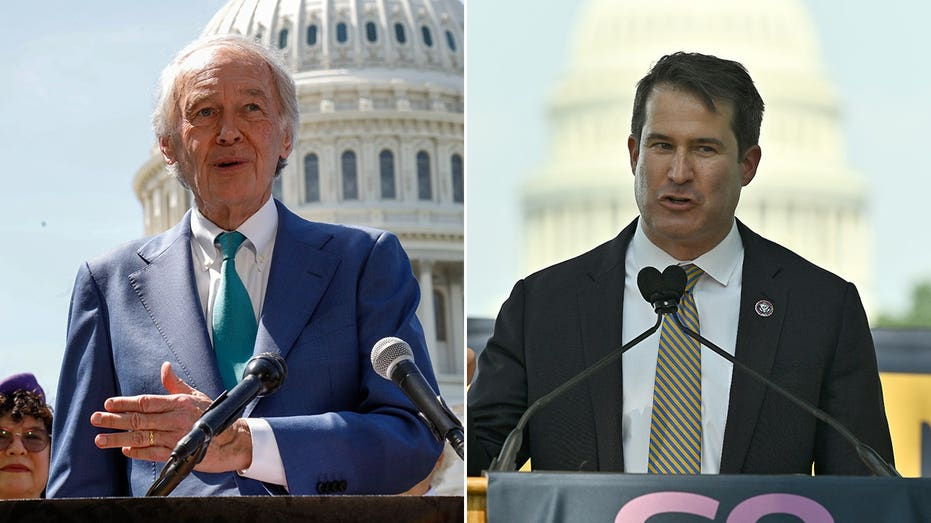
Seth Moulton Narrows Massachusetts Senate Primary Gap Against Ed Markey

The Massachusetts Democratic Senate primary is heating up as Rep. Seth Moulton narrows the lead held by incumbent Senator Ed Markey. A recent Emerson College poll indicates that Markey’s once sizable advantage has shrunk considerably, reflecting changing voter sentiment in the state.

With the primary election drawing closer, the gap between the long-standing progressive senator and his centrist challenger is tightening, posing a significant contest that may influence the Democratic Party’s direction in Massachusetts.

Poll Shows Shrinking Lead for Senator Markey

The Emerson College survey, conducted on May 3 and 4 among likely Democratic primary voters, reveals Senator Markey ahead by just 5 percentage points—37% to 32%—over Representative Moulton. This is a notable decline from previous polls where Markey commanded leads of up to 20 points.

About 29% of voters remain undecided, leaving room for shifts as the campaign progresses. Other candidates in the race collectively garner only 2% support, underscoring the head-to-head nature of the primary.

Demographic Breakdown Reflects Divergent Support

Markey continues to maintain support among registered Democrats, leading by 13 points within this group. However, among unenrolled voters, who can often sway primaries, Moulton holds a slight edge.

  • Women voters: Markey leads 37% to 29%
  • Men voters: Support is nearly even, with Moulton at 38% and Markey at 37%
  • Under 50 years old: Markey leads 33% to 26%
  • Over 50 years old: The race is nearly tied, 40% for Markey and 38% for Moulton

Endorsements Highlight the Ideological Divide

The contest represents a broader ideological split within the Massachusetts Democratic electorate. Senator Markey, 79, enjoys backing from prominent progressives including Senator Elizabeth Warren and Representative Ayanna Pressley, emphasizing his established progressive credentials.

Meanwhile, Moulton, 47, positions himself as a more centrist alternative, gaining endorsements from groups such as VoteVets PAC and the Massachusetts Teamsters. This coalition signals his appeal to moderate and labor-oriented voters.

“Senator Markey leads the Democratic primary by 13 points among registered Democrats, while Rep. Moulton holds a 38% to 32% edge among unenrolled voters,” noted Spencer Kimball, executive director of Emerson College Polling.

Implications for the Massachusetts Democratic Party

The tightening race underscores the dynamic nature of electoral politics within the Democratic Party, reflecting tensions between progressive and centrist factions. With a significant portion of voters undecided, the primary outcome remains uncertain.

Both campaigns will likely intensify efforts to mobilize their bases and sway independents in the weeks ahead. The result will have implications not only for Massachusetts but for the broader ideological balance within national Democratic politics.

The Emerson College poll, as reported by Fox News, serves as a critical indicator of the shifting landscape in this key primary.

Experts Urge Trump Administration to Close Iran’s Plutonium Pathway in New Nuclear Deal

Washington faces urgent calls from nuclear nonproliferation experts to ensure that any new deal with Iran explicitly prohibits the Islamic Republic from utilizing plutonium to develop nuclear weapons. This concern arises amid intelligence indicating Tehran’s continued attempts to rebuild its Arak heavy water reactor following Israeli strikes.

The Trump administration’s negotiation strategy has predominantly targeted uranium-based enrichment activities, leaving a dangerous blind spot regarding Iran’s potential plutonium pathway. Experts caution this gap could enable Tehran to clandestinely manufacture atomic bombs, undermining international security and regional stability.

Plutonium as a Hidden Nuclear Threat

Unlike uranium, plutonium can be extracted from spent nuclear fuel, a process Iran could exploit at its Bushehr reactor. Henry Sokolski, former deputy for nonproliferation policy at the Department of Defense, emphasizes that preventing Iran from removing spent fuel is essential.

He advocates for enhanced surveillance measures, such as space-based monitoring and drone reconnaissance, to detect any illicit removal or reprocessing attempts without resorting to military strikes.

Arak Reactor Reconstruction Raises Alarm

The Arak heavy water reactor, targeted twice by Israeli airstrikes in the past year, remains a focal point of concern. Despite damage, intelligence reports reveal Iran’s persistent efforts to rebuild the facility, which could produce weapons-grade plutonium if operational.

Jason Brodsky, policy director at United Against Nuclear Iran (UANI), underscores the imperative that any agreement must explicitly address this plutonium risk alongside uranium enrichment controls.

Policy Recommendations for a Robust Deal

Experts advise the following measures to strengthen any future nuclear accord with Iran:

  • Explicit prohibition on plutonium reprocessing activities
  • Continuous monitoring of spent fuel at Bushehr and other reactors
  • Verification protocols to detect covert nuclear operations
  • International cooperation to enforce compliance and transparency

“Any proposed deal with Iran needs to address the plutonium pathway to nuclear weapons,” warns Jason Brodsky, highlighting the critical oversight in current negotiations.

As reported by Fox News Digital, these warnings reflect the broader strategic challenge of preventing Iran from advancing a dual-track nuclear weapons program. Addressing both uranium and plutonium pathways is essential to uphold global nonproliferation norms and maintain regional security.

Closing the plutonium loophole is not only a technical necessity but a geopolitical imperative for the Trump administration. Failure to do so risks enabling Iran’s covert nuclear ambitions, destabilizing the Middle East, and undermining longstanding international agreements.

Rory McIlroy Welcomes LIV Golfers Back to PGA Tour but Issues Caution

Rory McIlroy has weighed in on the ongoing saga surrounding the LIV Golf players returning to the PGA Tour, emphasizing the importance of unity for the sport’s future. Speaking at the Truist Championship, McIlroy highlighted the business rationale behind welcoming back those who left for the Saudi-backed league, even as he maintained a critical stance.

The Saudi-funded LIV Golf series, which faces uncertain prospects following the withdrawal of financial support from its primary backer, has seen some players like Brooks Koepka already reintegrate into the PGA Tour. Patrick Reed is also expected to return next year, signaling a potential thaw in the fractured golf landscape.

McIlroy Advocates for a Stronger, Unified Tour

McIlroy remarked that if former LIV players have the option to return to traditional tours, including the PGA and DP World Tour, the golf world should embrace them to build a stronger competitive environment. He referenced PGA Tour CEO Brian Rolapp’s openness to such moves, calling it “just good business practice.” This sentiment underscores the pragmatic approach toward healing divisions that have challenged golf’s established order.

Competitive Integrity Remains Paramount

Despite his welcoming tone, McIlroy did not shy away from questioning the motivations of players who might choose not to return. He suggested that those unwilling to compete on the PGA Tour may be signaling something deeper about their commitment to the sport’s highest level. This comment follows recent remarks from Bryson DeChambeau, a two-time U.S. Open champion, who has hinted at pursuing alternative ventures such as expanding his YouTube presence if LIV Golf does not continue.

Implications for Golf’s Global Landscape

  • The return of LIV players could consolidate talent, enhancing tournament quality and fan engagement.
  • It may restore the PGA Tour’s position as the premier competitive platform in professional golf.
  • Reintegration poses challenges in balancing player relations, sponsorships, and tour governance.

As the LIV Golf experiment faces funding challenges, McIlroy’s approach reflects a center-right perspective that values institutional stability, market-driven solutions, and competitive meritocracy within sport.

“If it is a scenario where they have the option to come back and play on the traditional tours, I think everyone should be open to that. That’s just good business practice.” — Rory McIlroy

McIlroy’s stance is a measured call for reconciliation in a sport recently fractured by competing leagues and divergent interests. His view aligns with the broader consensus that sport thrives best when organized under established institutions that uphold competitive integrity and tradition.

Fox News provided the initial reporting on this evolving story, reflecting the ongoing dialogue within the sports community about the future of professional golf.

As the PGA Tour charts its next chapter, embracing returning players while maintaining rigorous standards could prove pivotal in preserving golf’s global stature and appeal.

How African Online Creators Are Revolutionizing News Consumption

African online creators are driving a profound transformation in how news is consumed across the continent. With a growing number of young people turning away from conventional news outlets, social media has emerged as a dominant platform for current affairs engagement.

Last year, Amahle-Imvelo Jaxa, a South African entrepreneur, captured significant attention after a TikTok video dissecting a diplomatic dispute between South African and Rwandan leaders went viral. Her vivid breakdown of regional dynamics earned her 100,000 followers in just three days, marking a turning point from her previous business ventures to becoming a full-time commentator on politics and conflict.

Social Media as the New News Frontier

This shift reflects wider trends highlighted in the 2025 Digital News Report by the Reuters Institute. African users in countries like South Africa, Kenya, and Nigeria demonstrate a higher likelihood to follow news creators on social platforms than their counterparts in Europe or Japan. This change signals a move away from traditional media towards more personalized and relatable news delivery.

The Appeal of Relatable Storytelling

Creators like Jaxa offer perspectives that resonate with younger audiences by framing complex political issues in accessible language and cultural contexts. Their content often blends analysis with personality, creating a sense of connection and trust that formal news outlets sometimes lack. This approach fosters greater public engagement and awareness among demographics traditionally less inclined to consume standard news formats.

Implications for African Media and Society

The rise of these digital news facilitators carries significant implications:

  • Democratization of information: Breaking down barriers to political and social knowledge.
  • Encouragement of civic participation: Empowering youth to engage in national and regional affairs.
  • Challenges for traditional media: Necessitating adaptation to new audience behaviors and preferences.

While this evolution improves access to information, it also underscores the need for responsible content creation to guard against misinformation and maintain social cohesion.

“Watching us is like watching a cousin,” says one creator, highlighting the intimate connection audiences feel with these new voices.

As African news ecosystems evolve, the relationship between creators, audiences, and traditional institutions will continue to shape the continent’s media landscape. This trend exemplifies how digital platforms can support informed discourse when anchored in cultural relevance and factual rigor.

Matox News will monitor these developments closely, recognizing the importance of trustworthy news sources in sustaining stable and prosperous societies.

Greece Neutralizes Suspicious Naval Drone Found in Territorial Waters

Greece’s security forces have successfully conducted a controlled explosion of a mysterious naval drone discovered in its territorial waters, intensifying discussions on the evolving threats posed by unmanned military technologies in the Mediterranean.

The unmanned vessel, believed to be of Ukrainian origin, was located by local fishermen in a cave close to Lefkada on Greece’s western shoreline. This incident marks a rare and concerning event for Greek maritime security, traditionally focused on conventional threats.

Details of the Discovery and Disposal

According to a report by BBC News, the drone was found with its engine still active on Thursday, prompting immediate action from Greek bomb disposal experts. Specialists removed critical components such as detonators and the drone’s battery before performing a controlled blast to neutralize any remaining hazards.

The presence of this naval drone within Greek waters raises significant questions about the origin and purpose of its mission, as well as the broader implications for regional security dynamics.

Context: Naval Drones in the Ukraine Conflict

Ukraine has notably employed naval drones to disrupt Russian naval operations in the Black Sea since Russia’s large-scale invasion began in 2022. These unmanned vessels have targeted Russian warships, tankers, and naval bases. However, their activity has been largely restricted to the Black Sea region, which borders Ukraine and Russia.

The appearance of such a device far beyond this traditional zone of conflict, in the Mediterranean, indicates a potential expansion or spillover of these advanced military technologies into new theaters.

Implications for Greece and Mediterranean Security

This incident underscores a growing vulnerability in the Mediterranean, a crucial corridor for trade and energy supplies. Greek authorities have launched an investigation into how the drone entered their waters and the intent behind its deployment.

  • Raises concerns about maritime border security enforcement.
  • Signals the need for enhanced monitoring of emerging military technologies.
  • Highlights risks associated with escalation of hybrid warfare tactics in the Mediterranean basin.

Greek officials must balance national security with regional stability, ensuring that such incursions do not escalate into broader conflicts or undermine freedom of navigation.

“The incident has raised questions about Greece’s maritime security and its vulnerability to emerging military technology.”

While the exact origins and mission parameters of the drone remain under investigation, the event is a stark reminder of the evolving nature of military threats facing democratic nations and the importance of robust defense capabilities.

The Greek response demonstrates the professionalism and readiness of its bomb disposal units and security services in countering unconventional threats. It also signals to allies and adversaries alike that Greece remains vigilant in protecting its sovereignty and territorial integrity.

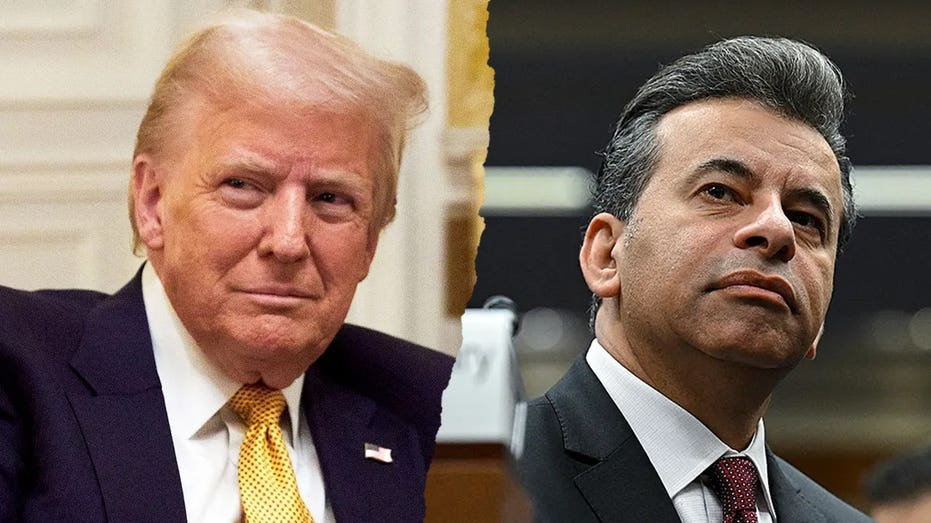
Trump Denies Plans to Dismiss FDA Chief Mark Makary Amid Vape Approval Dispute

President Donald Trump has publicly dismissed rumors that he intends to remove FDA Commissioner Mark Makary from his post amid ongoing disagreements related to vaping product approvals. The dispute reportedly centers on Makary’s resistance to fast-tracking flavored nicotine vape products, a move that allegedly frustrated the White House.

Speaking to reporters on Friday, Trump was unequivocal, stating he has “no knowledge” of any plans to oust Makary. The president described the situation as “nothing much,” seeking to quell growing speculation that emerged earlier in the week.

Background of the Dispute

According to a report by The Wall Street Journal, tensions escalated after Trump pressed Makary to expedite authorization of flavored nicotine vaping products, an initiative Makary opposed citing regulatory and health concerns. The disagreement reportedly led to consideration of leadership changes at the FDA.

Mark Makary, confirmed as FDA Commissioner in March 2025, has since become a controversial figure within conservative and industry circles alike. Pro-life advocates have criticized his perceived delays in reviewing the abortion pill mifepristone, while pharmaceutical groups have expressed concerns over personnel decisions implemented under his tenure.

Political and Institutional Implications

The ongoing friction reveals the challenges the administration faces in balancing regulatory oversight with industry and political pressures. Pro-life organizations, including SBA Pro-Life America, have publicly called for Makary’s removal, arguing that his leadership hinders conservative priorities and voter mobilization efforts.

Meanwhile, biotech industry leaders have voiced apprehensions about the direction of FDA policies under Makary’s leadership, particularly regarding staffing and regulatory approaches. These institutional tensions underscore the broader debate over the FDA’s role in public health and economic innovation.

Trump’s Position and FDA Stability

Despite these pressures, Trump has refrained from confirming any personnel changes. His statements suggest a desire to maintain stability within the FDA amid a complex regulatory environment.

“I’ve been reading about it, but I know nothing about it,” Trump said when questioned about the potential firing.

This stance echoes the administration’s broader effort to project confidence in federal agencies while managing internal conflicts discreetly.

Looking Ahead

The FDA’s leadership remains under scrutiny as debates over drug approvals, public health policies, and regulatory reforms continue to evolve. Stakeholders from various sectors are watching closely to see how the administration navigates these institutional challenges.

As the political landscape shifts, the balance between regulatory rigor and market freedom will remain a critical issue for the FDA and the government at large.

For further insights on regulatory and political developments, Matox News will provide ongoing coverage.

One Nation Secures Historic Victory in Australian Federal By-Election

One Nation, the right-wing populist party in Australia, has achieved a landmark victory by securing its first seat in the federal lower house. This result marks a significant moment in Australian politics, reflecting growing voter disenchantment with established parties.

The by-election took place in the vast regional electorate of Farrer, New South Wales, triggered by the resignation of Sussan Ley, a former Liberal Party leader ousted from opposition leadership. One Nation’s candidate, David Farley, won decisively with around 60% of the primary vote, far ahead of his closest rival, independent Michelle Milthorpe.

Significance of the By-Election Outcome

Though the Labor government maintains a strong majority and the immediate balance of power remains unchanged, One Nation’s breakthrough is a clear indicator of shifting political dynamics. The party’s success follows its strong performance in South Australia’s recent state election, where it garnered the second-highest vote share.

This trend underscores a broader voter movement away from traditional conservative and progressive parties, with increasing support for populist alternatives promising change and challenging established political institutions.

Implications for Australia’s Political Landscape

The Liberal Party’s internal turmoil, exemplified by Ley’s resignation, has weakened its standing in regional areas. This instability creates an opening for parties like One Nation, which capitalize on concerns about immigration, economic policy, and national identity.

Political analysts suggest the rise of such parties could complicate governance by fragmenting the conservative vote and introducing more polarized voices into parliamentary debates.

One Nation’s Platform and Voter Appeal

One Nation’s platform emphasizes:

  • Strict immigration controls
  • Support for traditional family values
  • Economic nationalism and protection of Australian industries
  • Opposition to what it terms excessive government intervention

These positions resonate with voters feeling alienated by globalization and rapid social changes, particularly in rural and regional communities.

“One Nation’s victory signals a growing appetite for alternatives to the political establishment in Australia.”

According to BBC News, this election outcome could be a bellwether for upcoming federal elections, highlighting a volatile electorate seeking new representation.

Moving forward, established parties will need to reassess their strategies to address the concerns driving voter shifts, while maintaining institutional stability and order.

Social Media Auto Publish Powered By : XYZScripts.com