Matox News

Truth Over Trends, always!

U.S. Military Plans Target Iran’s Capabilities if Nuclear Talks Fail

As nuclear discussions with Iran remain tense and uncertain, Washington is poised to implement a strategic military response aimed at weakening Tehran’s key defense assets. This approach reflects a commitment to uphold stability in the Gulf region while maintaining pressure on Iran’s nuclear ambitions.

U.S. officials are reportedly developing a graduated operational plan targeting Iran’s missile systems, naval forces, and command networks. This calibrated strategy is intended to deter further aggression and prevent nuclear proliferation.

Fragile Diplomatic Ground

Negotiations are ongoing, focusing on a preliminary framework that could open the door to broader agreements regarding Iran’s nuclear program and sanctions relief. However, mutual suspicion clouds progress.

Retired Army Colonel Seth Krummrich, formerly a Joint Staff planner, described the situation as starting “at minus 1,000” regarding trust, underscoring the diplomatic challenges ahead. This deep mistrust increases the likelihood of military options gaining prominence if talks collapse.

Phased Military Strategy

The U.S. military’s playbook involves a stepwise campaign:

  • Initial strikes on missile launch sites to degrade Iran’s offensive capabilities.
  • Targeting naval assets near strategic chokepoints, such as the Strait of Hormuz, to ensure freedom of navigation.
  • Disrupting command and control infrastructure to impair Iran’s coordination and responsiveness.
  • Potential escalation to economic targets if warranted by Iran’s actions.

This approach aims to maintain pressure without precipitating full-scale conflict, balancing deterrence and restraint.

Recent Developments and Regional Implications

Recent U.S. strikes on Iran’s Qeshm and Bandar Abbas ports, near the critical Strait of Hormuz, highlight the seriousness with which Washington views threats to regional security. These operations followed Iran’s missile attacks on the UAE’s Fujairah port, which escalated tensions among Gulf allies.

Defense leaders emphasize that these actions do not signify the resumption of open hostilities but serve as measured responses within an ongoing ceasefire framework.

“We’re both starting at minus 1,000 because neither side trusts each other at all,” remarked a military analyst on the challenging negotiation climate.

Maintaining Order and Upholding Institutions

The U.S. approach underscores a commitment to institutional processes and measured responses rather than precipitous escalation. It balances firm defense of allied interests with a preference for diplomacy.

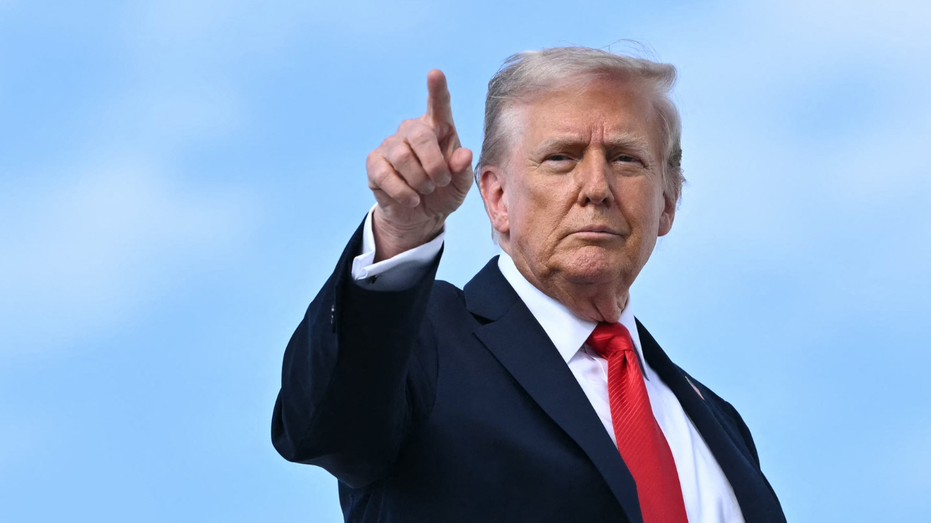
While President Trump has indicated willingness to escalate strikes against Iran’s energy infrastructure if talks fail, current military leadership advocates for a calibrated campaign maintaining regional order.

As Matox News reports, this strategy reflects a pragmatic center-right perspective prioritizing stability, free markets, and the rule of law amid complex geopolitical challenges.

With the situation evolving, the international community watches closely, hopeful that diplomacy can prevail but prepared for a robust defense of shared security interests.

California Abortion Pill Suppliers Prepare Workarounds Ahead of Supreme Court Mifepristone Ruling

California abortion pill suppliers are actively devising contingency plans ahead of a critical Supreme Court ruling on the distribution of mifepristone, a medication integral to nearly two-thirds of U.S. abortions. The decision could dramatically reshape federal abortion access policies, particularly concerning telehealth and mail delivery.

The Supreme Court, currently reviewing Louisiana v. FDA, faces a deadline of May 11 to respond to a Fifth Circuit ruling that would reinstate in-person dispensing requirements, effectively curbing telehealth prescriptions nationwide. This ruling challenges recent Food and Drug Administration (FDA) changes that expanded access by allowing the drug to be mailed directly to patients.

Legal Battle Threatens Telehealth Abortion Access

The Fifth Circuit’s rollback would reimpose older mandates requiring mifepristone to be dispensed in person, reversing FDA reforms designed to enhance accessibility. Justice Samuel Alito has temporarily stayed this ruling, pausing its implementation while the Supreme Court deliberates on the matter.

This judicial uncertainty places California suppliers in a precarious position, as mail-order distribution currently facilitates much of the medication’s availability, especially in states with restrictive abortion laws.

California Suppliers Pivot to Alternative Medications

According to reporting by Fox News, California providers are preparing to swiftly transition to alternative abortion drugs if the Supreme Court limits mifepristone access. Central to this pivot is increased reliance on misoprostol, a drug commonly paired with mifepristone but less effective when used alone.

Dr. Michele Gomez, co-founder of the MYA Network, a group advocating for normalized abortion care, explained that supply chains are “ready to switch in a day” to ensure continuity. However, health officials note that misoprostol alone entails higher risks and reduced efficacy compared to the standard mifepristone-misoprostol regimen.

Implications for Abortion Policy and Healthcare Providers

The Supreme Court’s impending decision carries significant consequences for abortion policy nationwide. Restricting mail distribution aligns with broader efforts to limit abortion access through regulatory means, intensifying debates over federal versus state authority.

Healthcare providers and suppliers in states like California, which maintain more permissive abortion policies, may face operational challenges adapting to new federal restrictions. This situation underscores ongoing institutional power struggles between judicial rulings and administrative agency policies.

“It’s not going away, and it’s not going to slow down,” said Dr. Gomez, reflecting resolve within California’s abortion care community amid legal uncertainty.

As the Supreme Court’s May 11 deadline approaches, stakeholders across the healthcare and legal spectrum are bracing for a ruling that will shape the future of abortion pill distribution and broader reproductive rights in the United States.

This development highlights the critical intersection of judicial oversight, federal regulatory authority, and state-level healthcare policy, with California’s proactive measures illustrating resilience within the current conservative legal climate.

California Professor Likely to Avoid Prison After Fatal Protest Incident

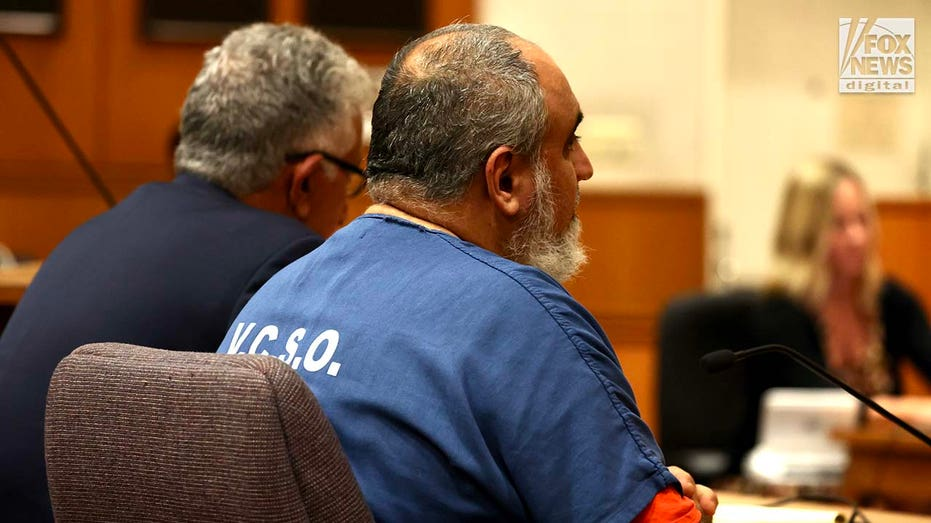
Loay Abdel Fattah Alnaji, a community college professor from California, is poised to receive a sentence far less severe than initially anticipated after pleading guilty to manslaughter in a case that has stirred significant public and political debate. The incident, which resulted in the death of an elderly pro-Israel demonstrator, underscores ongoing challenges regarding public order and the rule of law amid escalating tensions in politically charged protests.

The case centers on a violent encounter during dueling protests in Thousand Oaks, California, in 2023. Alnaji struck Paul Kessler, 69, with a megaphone, causing Kessler to fall and suffer blunt force trauma that led to his death. Despite the severity of the assault, the Ventura County District Attorney’s Office recently indicated that Alnaji will likely avoid a lengthy prison term, with formal probation and up to one year in jail as the expected penalty.

Background of the Incident and Legal Proceedings

The confrontation occurred amid heightened tensions tied to the ongoing Israel-Hamas conflict, a period marked by increased antisemitic incidents nationwide. Alnaji, who held anti-Israel views, faced charges that could have resulted in up to four years in prison. However, the legal trajectory shifted following his guilty plea to manslaughter, a significant reduction from potential murder charges.

Ventura County Superior Court Judge Derek Malan reportedly characterized the clash as akin to an accident between elderly individuals, a comparison that has drawn criticism. The District Attorney’s Office expressed dissatisfaction with the anticipated leniency, emphasizing the need for accountability in cases involving fatal violence during protests.

Community Reaction and Broader Implications

The Jewish community and advocates for public safety have voiced outrage over the prospect of a minimal sentence. They argue that such outcomes risk undermining trust in the justice system and embolden violent behavior under the guise of political expression.

This case highlights the delicate balance courts must maintain between protecting free speech and ensuring public order, especially as demonstrations become flashpoints for ideological conflict. The incident also spotlights the broader issue of rising antisemitism in the United States, intensifying calls for robust institutional responses to hate-related violence.

Legal and Political Context

  • Alnaji’s initial trial was set to address serious assault charges following Kessler’s death.
  • The plea deal reduces potential incarceration and proposes probation with limited jail time.
  • Judicial framing of the incident as an accident has stirred debate on appropriate legal standards in protest-related violence.
  • District Attorney’s Office signals concern over possible message this leniency sends to the public.

“The court’s indication of probation in a fatal case risks sending a troubling signal about accountability,” said a Ventura County official.

This development was reported by Fox News Digital, marking a notable moment in the intersection of law enforcement, protest dynamics, and community relations in California.

As the case moves toward sentencing, it will remain a focal point for discussions on how legal institutions address politically motivated violence. Stakeholders from across the political spectrum emphasize the importance of upholding justice without compromising civil liberties or community safety.

Moving forward, the incident serves as a reminder of the critical role that courts and prosecutors play in navigating complex social tensions while reinforcing the rule of law.

How BBC’s Celebrity Traitors Secured a Star-Studded Cast for Season Two

Celebrity Traitors, the BBC’s provocative reality series, is back with its second season, featuring a particularly high-profile roster of participants. The show’s unique blend of competition and psychological drama continues to attract top-tier talent, defying expectations around the risks involved in such a format.

Despite the emotional toll witnessed in the first season, including moments like comedian Alan Carr’s public vulnerability, the latest installment has secured a cast that includes celebrated actors, award-winning performers, and prominent comedians. This development signals a notable trend in reality TV casting, where the allure of complex, character-driven formats outweighs traditional concerns.

Star Power Behind the Traitors’ Castle

The show’s setting remains the evocative Scottish Highlands retreat, providing a dramatic backdrop for the intense social dynamics at play. This season’s lineup is remarkable for its diversity and prestige, with participants ranging from West End theatre stars to Oscar-nominated actors and acclaimed writers.

Such a collection of talent is rare in reality television, which often leans on lesser-known figures or reality veterans. The BBC’s ability to attract this caliber of celebrity reflects both the show’s growing reputation and the strategic value stars see in engaging with innovative media formats.

Why Celebrities Are Drawn to Celebrity Traitors

The show’s format challenges participants to balance trust and deception, engaging audiences with psychological intrigue rather than mere spectacle. This complexity offers celebrities a platform to showcase different facets of their personalities beyond their usual public personas.

Producers have noted that stars do not require much convincing to join; the concept itself is compelling enough. This indicates a shift in celebrity engagement with reality television, where the emphasis is on authenticity and narrative depth rather than superficial entertainment.

The Broader Impact on Reality TV and Audience Behavior

Celebrity Traitors’ success exemplifies a growing appetite for reality content that combines strategic gameplay with emotional storytelling. The show’s ability to blend these elements while maintaining a respectful, professional production environment aligns well with current audience preferences for substantive content.

Moreover, the increasing involvement of established artists may encourage other high-profile figures to explore reality formats, potentially elevating the genre’s cultural and commercial relevance.

“You don’t have to sell them on the idea,” a producer noted, highlighting the intrinsic appeal of the show’s premise to the participants.

As the season unfolds, it will be instructive to observe how this blend of celebrity and format innovation influences both viewer engagement and future programming decisions within the competitive landscape of digital and broadcast media.

Putin Condemns NATO Amid Scaled-Back Victory Day Parade

Victory Day 2026 saw a markedly toned-down parade in Moscow, reflecting the ongoing conflict in Ukraine and strained international relations.

Russian President Vladimir Putin delivered a forceful address, framing Russia’s military engagement in Ukraine as a justified struggle against an aggressive adversary supported by NATO.

Putin’s Justification of the Military Operation

Speaking before military personnel and select dignitaries, Putin reiterated that Russia’s so-called special military operation is a necessary response to what he described as Ukrainian aggression. He accused Ukraine of being armed and backed by the entire NATO alliance, positioning Russia’s actions within a broader geopolitical contest.

This rhetoric underscores Moscow’s narrative of defending national security against external threats, even as the international community widely condemns the invasion.

Scaled-Back Victory Day Parade Reflects Current Realities

For the first time in years, the Victory Day parade omitted the display of armoured vehicles and ballistic missiles. This scaling back signals a shift in tone and perhaps an acknowledgment of the sensitive military context.

Victory Day traditionally commemorates the Soviet Union’s triumph over Nazi Germany in World War II, a cornerstone of Russian national pride and state legitimacy. However, celebrations this year were notably subdued, with many regions observing the day quietly.

Ceasefire Agreement and International Context

Amid the commemorations, Russia and Ukraine agreed to a three-day ceasefire, announced by US President Donald Trump. This pause in hostilities offers a brief respite but leaves the broader conflict unresolved.

The ceasefire and the muted parade highlight the complex interplay of military strategy, diplomacy, and national symbolism.

Pull Quote: “Putin framed the conflict as a fight against an ‘aggressive force’ backed by NATO, justifying Russia’s actions in Ukraine.”

Looking Ahead

As Russia continues its military campaign, the international community watches closely. The Victory Day events underscore the Kremlin’s efforts to rally domestic support while confronting growing isolation on the world stage.

The muted tone of the celebrations and the diplomatic developments around the ceasefire may signal cautious steps towards de-escalation, but the path to lasting peace remains uncertain.

Trump Targets GOP Critics Cassidy and Massie After Indiana Primary Wins

Donald Trump is intensifying his campaign against Republican lawmakers who have opposed him, following significant primary wins in Indiana. The former president’s sustained grip on the GOP became evident after Trump-backed candidates defeated several Indiana state senators who resisted his congressional redistricting efforts.

Now, Trump and his allies are targeting two prominent figures: Senator Bill Cassidy of Louisiana and Representative Thomas Massie of Kentucky. Both have publicly criticized Trump, with Cassidy notably voting to convict the former president during the 2021 Senate impeachment trial.

Indiana Primary Results Signal Trump’s Enduring Influence

Trump’s endorsement helped unseat five Indiana state senators who had blocked a redistricting plan designed to add two right-leaning House seats. Of the eight incumbents challenged, five lost, reinforcing the message that opposition to Trump within the GOP carries political risks.

Veteran Republican strategist Matt Gorman commented to Fox News that Indiana’s results showcase the “unequivocal” nature of Trump’s power within the party. The primaries served as an early test in a series of nomination battles, with Trump clearing his initial hurdle decisively.

Next Targets: Cassidy and Massie

Senator Bill Cassidy, a key GOP figure from Louisiana, faces increasing pressure after his vote against Trump in the impeachment trial. Representative Thomas Massie, known for his vocal criticism of Trump, also appears on the former president’s list of targets. Both lawmakers must now prepare for potentially heated primary challenges fueled by Trump’s endorsements.

This strategic focus reflects Trump’s broader efforts to consolidate control over the Republican Party by removing dissenting voices and promoting loyal candidates.

Implications for the GOP and Future Elections

Trump’s campaign to influence congressional primaries underscores a broader theme of party realignment and the consolidation of conservative power. By backing challengers to incumbents who oppose his agenda, Trump aims to reshape the GOP’s leadership and policy direction ahead of critical midterm elections.

Key takeaways include:

  • Trump’s endorsement remains a decisive factor in Republican primaries.
  • Opposition within the GOP to Trump-backed policies faces significant electoral challenges.
  • The upcoming races involving Cassidy and Massie will test the limits of Trump’s sway.

“Trump’s power within the party is unequivocal,” said Matt Gorman, highlighting the political landscape reshaped by the former president’s endorsements.

As the Republican Party navigates these intra-party contests, the outcomes will have lasting effects on its unity, electoral prospects, and policy priorities. Trump’s strategy to confront critics head-on signals continued turbulence but also reaffirms his central role in the party’s future.

Coverage by Fox News provided detailed insights into the Indiana primaries and the political dynamics now unfolding as Trump shifts focus toward Cassidy and Massie.

Democrats Hesitant to Back Kamala Harris for 2028 Presidential Bid

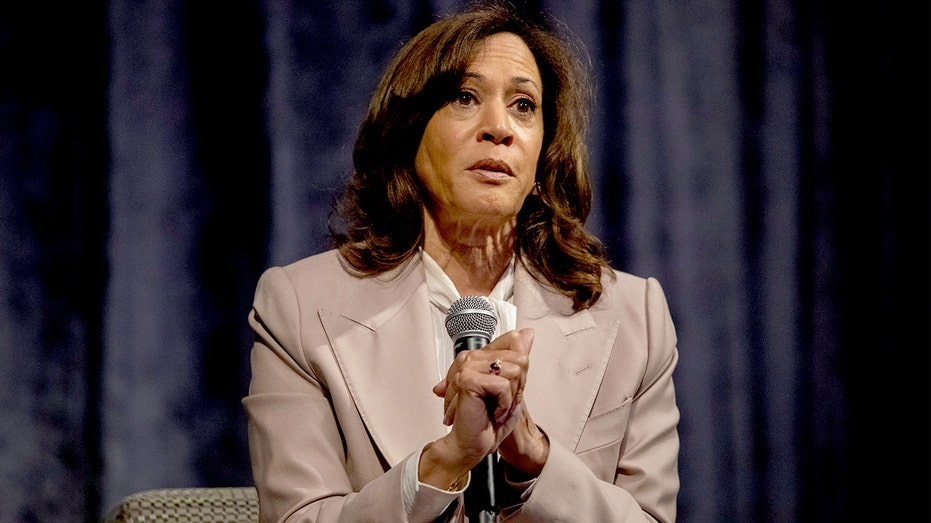
Democrats are treading carefully when discussing whether former Vice President Kamala Harris will run for president in 2028. The party’s top lawmakers are notably noncommittal, reflecting internal debate about its future leadership after recent losses.

As reported by Fox News Digital, prominent House Democrats including Rep. Jim Clyburn and Rep. Dan Goldman avoided endorsing any candidate, signaling a broader hesitation to project the party’s direction beyond the 2026 midterms.

Party Leadership Avoids Commitment on Harris

When questioned about Harris’s potential 2028 bid, senior Democrats broadly declined to speculate. Rep. Clyburn said, “I have no idea who’s running,” while Rep. Goldman emphasized a focus on winning back ground in 2026 before considering future campaigns. This response underscores a cautious mood amid ongoing electoral pressures.

Electoral Setbacks Fuel Uncertainty

The Democratic Party suffered significant losses in the 2024 elections, losing the popular vote and control of the White House, Senate, and House. Harris herself did not improve upon former President Joe Biden’s 2020 performance in any county nationwide.

Her decision to forgo a gubernatorial run in California last year surprised some observers and added to questions about her political trajectory. Harris stated she had “given serious thought” to the governorship but ultimately decided against running, keeping her options open for a possible presidential campaign.

Other Contenders Poised for 2028

Harris is unlikely to face a clear path to the nomination. Other Democratic figures such as Governor Gavin Newsom of California, Governor Josh Shapiro of Pennsylvania, and Governor Gretchen Whitmer of Michigan are discussed as potential rivals. This multiplicity of candidates reflects a party searching for a fresh message and leadership to regain voter confidence.

“I have no idea who’s running, and we’ll focus on 2028 after 2026,” said Rep. Dan Goldman, highlighting the party’s current strategic priorities.

Outlook for the Democratic Party

The Democratic caucus’s reluctance to champion any single candidate at this stage signals concern over the party’s capacity to unify and present a compelling alternative to Republicans. With the midterm elections looming, internal focus remains on restoring institutional strength and electoral viability.

As the political landscape evolves, Harris’s decision to run or step aside will be a key factor shaping the 2028 Democratic presidential primary. For now, the party’s leadership prioritizes strategic recovery and cohesion over premature endorsements.

California’s Diaper Giveaway: A Costly Band-Aid Amid Budget Pressures

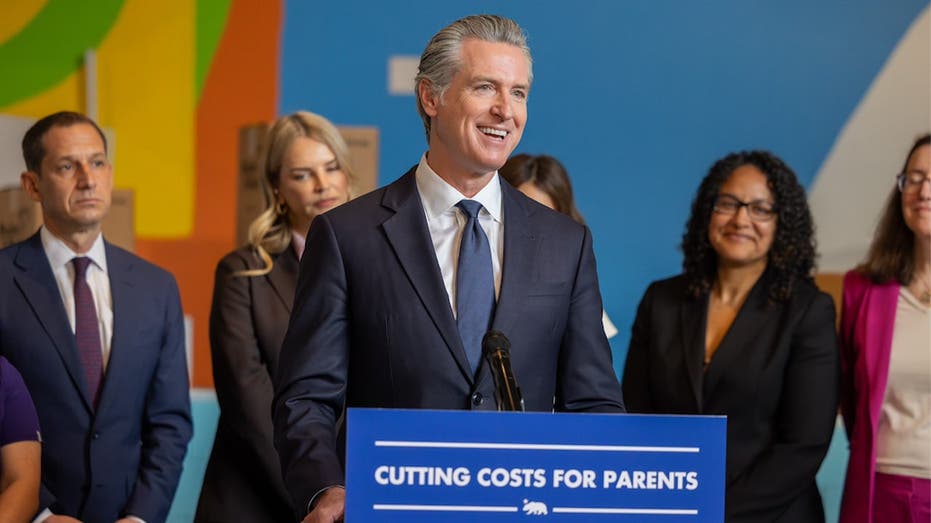
California Governor Gavin Newsom recently unveiled the “Golden State Start” initiative, promising 400 free diapers for every newborn in the state. This program, set to launch this summer, aims to assist families with the high costs of child-rearing. While the intention to support parents is commendable, the initiative raises important questions about fiscal prudence and policy priorities amid California’s ongoing budget challenges.

Understanding the Golden State Start Program

The program partners with the nonprofit Baby2Baby to distribute diapers at hospitals upon discharge. Initially, it will focus on about 65 to 75 hospitals serving primarily low-income patients, covering roughly 25% of births statewide. This targeted rollout reflects an effort to prioritize vulnerable families.

California allocated $7.4 million last year for the program, and the governor proposes an additional $12.5 million for its expansion. These substantial sums come at a time when the state faces tightening fiscal conditions.

Balancing Compassion with Fiscal Responsibility

Supporting families is a worthy goal. However, the question remains: is distributing free diapers the most effective use of taxpayer dollars? Critics argue that such giveaways risk expanding government spending without addressing deeper economic issues affecting affordability.

California’s budget woes require measured solutions that foster long-term economic growth and reduce dependency on state handouts. Programs like universal preschool and free school meals already stretch resources. Layering additional costly initiatives may exacerbate fiscal pressures.

The Need for Sustainable Family Policies

Instead of one-off giveaways, policymakers should focus on creating a stable environment for families to thrive. This includes:

  • Encouraging economic opportunity through job creation and business-friendly policies
  • Supporting affordable housing and healthcare reforms
  • Promoting personal responsibility and community-based assistance

Such measures offer a more sustainable path to addressing affordability challenges than expanding entitlement-style programs.

Conclusion: Careful Policy, Not Costly Promises

While Governor Newsom’s diaper giveaway signals an awareness of family needs, it exemplifies a growing trend of costly, populist proposals that strain California’s budget. As reported by Fox News Digital, the program’s price tag warrants scrutiny amid fiscal tightening. Conservatives advocate for prudent spending and policies that empower families rather than fostering dependency. California’s future depends on careful stewardship, not short-term fixes.

Understanding Body Dysmorphic Disorder: Beyond Vanity

Body Dysmorphic Disorder (BDD) is frequently misunderstood as mere vanity or excessive self-consciousness. However, this condition is a debilitating mental health disorder that deeply affects those who suffer from it. Recognizing the signs and understanding its impact is essential for early intervention and support.

What Is Body Dysmorphic Disorder?

BDD is characterized by an obsessive preoccupation with perceived flaws or defects in physical appearance, which are often not noticeable to others. These concerns can dominate a person’s thoughts, leading to significant emotional distress and impairing daily functioning.

Symptoms and Effects

Individuals with BDD may engage in repetitive behaviors such as mirror checking, excessive grooming, or skin picking. They often avoid social situations due to fear of judgment. The disorder can lead to anxiety, depression, and in severe cases, suicidal ideation.

Importance of Awareness and Treatment

Raising awareness about BDD helps combat stigma and encourages those affected to seek professional help. Treatments typically involve cognitive-behavioral therapy and, in some cases, medication to manage symptoms effectively.

Key Points to Recognize BDD:

  • Persistent focus on perceived physical flaws
  • Repeated checking or camouflaging behaviors
  • Emotional distress and social withdrawal
  • Interference with daily activities and relationships

This overview is informed by insights from the New York Times, emphasizing the need to view BDD as a serious mental health issue rather than a simple concern about appearance.

Understanding and addressing Body Dysmorphic Disorder is crucial in promoting mental wellness and supporting those affected on their path to recovery.

Global Cyberattack Disrupts Thousands of Universities and Schools via Canvas Breach

Thousands of educational institutions around the world faced significant disruptions after the academic software Canvas was targeted by a major cyberattack. The hacking group ShinyHunters claimed responsibility for the breach that affected the platform used by schools and universities globally.

Confirmed Facts

According to reports from BBC News, the company Instructure, which owns Canvas, acknowledged the attack and shared updates on its progress toward restoring service. By late Thursday, Canvas was reportedly “available for most users,” although some universities continued to experience outages on Friday.

The attack impacted an estimated 9,000 schools and universities worldwide. One notable example was Mississippi State University, which postponed Friday’s final exams to accommodate students affected by the system failure.

Unverified Claims

The hacking collective ShinyHunters took credit for the incident, but details regarding their exact methods and motives remain unclear. While the group is known for previous data breaches, specific information on the extent of data compromised during this attack has not been confirmed.

What Remains Uncertain

  • The full scope of compromised data or potential leaks from the Canvas breach has not been disclosed.
  • Long-term impacts on the affected institutions’ academic schedules and data security protocols are still unfolding.
  • Whether additional attacks on educational platforms may follow in the near future remains unknown.

Conclusion

This cyberattack highlights the vulnerability of critical digital infrastructure in education to sophisticated hacking attempts. While service restoration efforts are underway, educational institutions must remain vigilant and reinforce cybersecurity measures to protect sensitive information and ensure continuity of learning.

The coverage by BBC News provides a reliable foundation for understanding the incident without speculation, emphasizing the need for transparent communication between technology providers and educational stakeholders.

Social Media Auto Publish Powered By : XYZScripts.com