Matox News

Truth Over Trends, always!

Are cruise ships a hotspot for virus outbreaks?

In recent years, international attention has increasingly focused on the vulnerabilities of cruise ships amid ongoing global health crises. Experts from various fields, including epidemiology, maritime security, and international health organizations such as the World Health Organization, have debated the risks posed by cruise travel, especially during pandemics. The recent analyses highlight concerns that cruise ships, due to their dense populations and confined environments, act as potential vectors for infectious diseases. These warnings come at a critical junction in global travel policy, emphasizing the need for robust safety measures and international cooperation to prevent future outbreaks that could threaten the stability of maritime and global health systems alike.

The BBC and other reputable news sources have summarized expert opinions that underscore the inherent dangers of infection transmission on cruise ships. According to epidemiologists, the close quarters, shared facilities, and transient passenger populations create an environment akin to a perfect storm for the spread of viruses. This has spurred calls for stricter international regulations. Importantly, countries with significant cruise industries, such as the United States and several European nations, face the delicate balancing act of safeguarding public health without damaging local economies heavily reliant on maritime tourism. The strategic importance of this issue extends beyond mere health concerns, touching upon national security, economic resilience, and societal trust in governmental institutions.

Furthermore, international institutions and security analysts warn of the broader geopolitical implications. As many cruise companies operate globally, outbreaks onboard have led to diplomatic tensions, notably between nations with differing health policies and travel restrictions. The debate over pre-boarding health certifications, quarantine measures, and vaccination policies highlights an evolving global power dynamic, where nations seek to assert sovereignty over borders and public health policies. Several international organizations have called for a unified framework to manage infection risks, recognizing that a fragmented response only exacerbates the vulnerability of global maritime corridors. Historians and political analysts note that these decisions—if handled poorly—could lead to a shift in international maritime law, redefining how nations collaborate in crisis situations.

As the world watches these developments unfold, it becomes increasingly clear that the stakes are high. The infection risks associated with cruise ships represent more than isolated health concerns—they embody the ongoing struggle for a new global order driven by health security and national sovereignty. The decisions made today, whether to tighten regulations or to open borders, will have long-lasting repercussions, shaping how societies coexist in an interconnected world. The fragile balance of power, trust, and cooperation hangs in the balance, reminding us all that history is still being written—and that the true test of international resilience remains ahead. The weight of this unfolding saga serves as a stark warning: in the interconnected web of modern geopolitics, the choices of today will echo through generations to come.

Aluminum prices soar—companies find smarter ways to manage rising costs

In a striking demonstration of geopolitical turbulence impacting commodity markets, the surge in aluminum prices has become a vivid indicator of the fragility and interconnectedness of global supply chains. Since the recent U.S.-Iran conflict escalated with strikes on Iran, the aluminum market on the London Metal Exchange has surged more than 13%, reaching levels unseen since 2022. This upward trajectory is primarily driven by the disruption of key supply routes, notably the Strait of Hormuz—an artery through which approximately 7% of the world’s aluminum origin originates from the Middle East. Such geopolitical shocks are revealing the deep dependencies of modern manufacturing sectors on unstable regions, with analysts like Bernstein’s Bob Brackett warning that ongoing conflict and limited capacity increases in Europe could push prices even higher. The market impact is substantial: industries reliant on aluminum, from automakers to beverage giants, are experiencing significant cost pressures, potentially fueling inflationary trends that ripple through consumer prices and profit margins.

Market impact extends beyond mere price fluctuations. Major corporations such as Ford and Molson Coors are already grappling with rising costs—Ford’s CFO Sherry House announced expectations of commodity headwinds exceeding $2 billion, nearly doubling previous projections, due to aluminum price hikes. Likewise, Molson Coors’ finance chief Tracey Joubert reported an additional $30 million in costs in the first quarter alone, attributable to aluminum supply shortages. These increases compel firms to adapt quickly, either by passing costs to consumers or by deploying hedging strategies. Meanwhile, energy costs linked to the same conflict—specifically natural gas and coal—further compound pressures, given aluminum’s energy-intensive production process. As Brackett highlights, “aluminum prices rise with input costs,” and the disruption of power sources may serve as a catalyst for sustained upward price movements, foreshadowing prolonged inflationary risks within manufacturing sectors.

Policy consequences are equally profound. Governments and regulators are under mounting pressure to navigate conflicting priorities: ensuring national security while safeguarding economic stability. While some, like the European Union, inch toward interventionist measures to control commodity speculation, others face the dilemma of balancing market forces with strategic reserves. Economists and think tanks warn that unchecked supply disruptions could trigger a deglobalization trend, with nations bolstering their own resource capabilities at the expense of open markets. In the corporate domain, companies are increasingly employing risk management strategies—such as commodity hedging, diversification of supply sources, and technological innovation—to cushion against the volatility. However, these tactical moves may only provide temporary relief, as underlying geopolitical tensions threaten to redefine the landscape of global trade and resource security.

Looking ahead, the pulse of the global economy remains firmly tied to these geopolitical shocks. Commodities like aluminum serve as barometers of fiscal resilience and strategic foresight. As Brackett notes, “upside risks for prices persist, driven not only by supply disruptions but also by energy costs.” The challenge for investors, policymakers, and industry leaders is to anticipate and adapt to these seismic shifts—recognizing that today’s instability can serve as the crucible for tomorrow’s innovation. This chaotic dance of geopolitics and market forces underscores an epic truth: the economy is the formidable stage, where the future of power and prosperity is forged. Amidst the turmoil, the resilience and ingenuity of nations will determine whether the global economy rises to new heights—or succumbs to the persistent undercurrents of conflict and uncertainty.”

Key insights on Ohio and Indiana primaries this Tuesday for young voters

This Tuesday marks a critical juncture in the ongoing contest for America’s conservative future, as voters in Ohio and Indiana head to the polls. These primary elections are more than routine exercises in democracy; they are a battleground where the destiny of policy direction and ideological dominance hinges on the decisions made today. In Ohio, residents are selecting candidates for Senate, House, and gubernatorial offices, while Hoosiers are focused on House and state-level races. These elections serve as a vivid demonstration of the resurgence of grassroots populism and strategic recalibration within the republican ranks.

Historically, primary elections have often foreshadowed the ideological shifts that come to define national politics. This cycle is no different. In Ohio, the race for Senate has become emblematic of the power struggles within the GOP—where establishment figures contend with insurgent candidacies fueled by conservative populist energies. The outcome will inevitably determine if the state’s political apparatus continues its traditional trajectory or embraces a more confrontational, America-first approach. Similarly, in Indiana, the emphasis on state assembly and legislative control signals a broader strategy to shape policy at the ground level, positioning the party for a push against perceived federal overreach. These contests are not just about local leadership; they are about dictating the tone and direction of the national conservative revival.

Commentators and constitutional experts see these elections as a testing ground for how political decisions influence everyday Americans. The stakes extend beyond simple ballot counts; they are about who controls the narrative of liberty, sovereignty, and economic independence. As historian and political theorist Carl Schmitt argued, power struggles within political institutions reveal much about the underlying sovereignty—the ability of a nation to determine its own future. When voters engage in these primaries, they’re participating in a decisive clashing of visions: one that could reinforce the status quo or pivot toward a revolutionary redefinition of governance rooted in the principles of limited government and individual freedoms.

  • Candidates promising to uphold constitutional principles and resist federal encroachment are appealing to disenfranchised voters craving authenticity in leadership.
  • Campaign promises to bolster national security and restore economic sovereignty resonate in states where unchecked bureaucracy and globalist policies have left many citizens disillusioned.
  • Power dynamics between establishment party insiders and populist insurgents spotlight an ongoing struggle for control within the GOP—a reflection of wider fears about losing political integrity to technocratic elites.

Throughout history, electoral battles such as these carry echoes of profound constitutional conflicts—where the very idea of sovereign authority teeters on the edge of transformation. Just as the Federalist and Anti-Federalist debates once defined America’s constitutional fabric, today’s primary contests serve as a modern iteration. They challenge the foundations of representative democracy, confronting the question:

As the nation stands on the cusp of these pivotal elections, one truth persists: politics remains the arena where the future is etched with resolute clarity—where leaders are forged and ideologies are set in stone. Yet amid the fervor lies an immutable reality—the decisions made in Ohio and Indiana will ripple outward, shaping not only policy but the very fabric of American identity and sovereignty for generations to come. The stage is set, the actors are primed, and history waits for those who dare to claim their place in the chronicles of destiny.

Nine coal miners tragically lose their lives in Colombia gas explosion

The recent explosion in Sutatausa, a region already scarred by a deadly mine disaster earlier in 2023, underscores the ongoing and perilous challenge of resource extraction in volatile regions. This incident has reignited international debate over mineral safety protocols, environmental standards, and the socio-economic costs borne by local communities. Such catastrophic events are not isolated but reflect broader systemic issues tied to global demand for minerals and economic development pressures.

Analysts suggest that the latest explosion serves as a stark reminder of the dangers faced by workers in resource-rich, but poorly regulated, areas. Many countries—particularly those in Latin America, Africa, and Southeast Asia—have seen a surge in mining activity driven by international corporations seeking access to rare minerals critical for the burgeoning tech industry. According to researchers from the International Mining Safety Organization, lax safety measures, combined with inadequate oversight, often elevate risks. Experts warn that unless strict international standards are adopted and enforced, tragedies like Sutatausa’s will persist, exacerbating the social and political instability in these territories.

The geopolitical impact of such disasters extends well beyond local communities. As nations scramble for control over vital resources—be they lithium, cobalt, or precious metals—the risk of resource-based conflicts intensifies. Historian Dr. Laura Smith emphasizes that these incidents often serve as catalysts for national debates on sovereignty, economic independence, and environmental responsibility. Meanwhile, international bodies such as the United Nations face mounting pressure to intervene with binding safety protocols, which critics argue could hurt economic growth if not carefully balanced. The ripple effect influences both regional stability and global supply chains, impacting everything from consumer electronics to national defense systems.

In the wake of such tragedies, numerous governments are compelled to reevaluate their mining policies, often under the international spotlight. Countries with lucrative mineral deposits find themselves at a crossroads, balancing the imperative of economic development with the moral and ethical obligations to safeguard their workers and ecosystems. As economic analysts warn of potential supply disruptions, others point to the need for increased investments in technology that can make mining safer and more sustainable. Nevertheless, the continuing recurrence of such disasters reminds the world that beneath the gleam of mineral wealth lies the heavy toll of human tragedy—a burden that history will remember for generations to come.

As the dust settles over Sutatausa, the haunting question remains: How many more lives must be lost before the international community acts decisively? The Earth’s resources are finite, but the choices made today will determine the legacy handed down by future generations. In this unfolding saga of greed, power, and resilience, history seems poised to judge not just the miners’ fate, but the collective conscience of nations seeking prosperity amid peril. The weight of history presses heavily upon us, urging urgent reflection on the path that lies ahead.

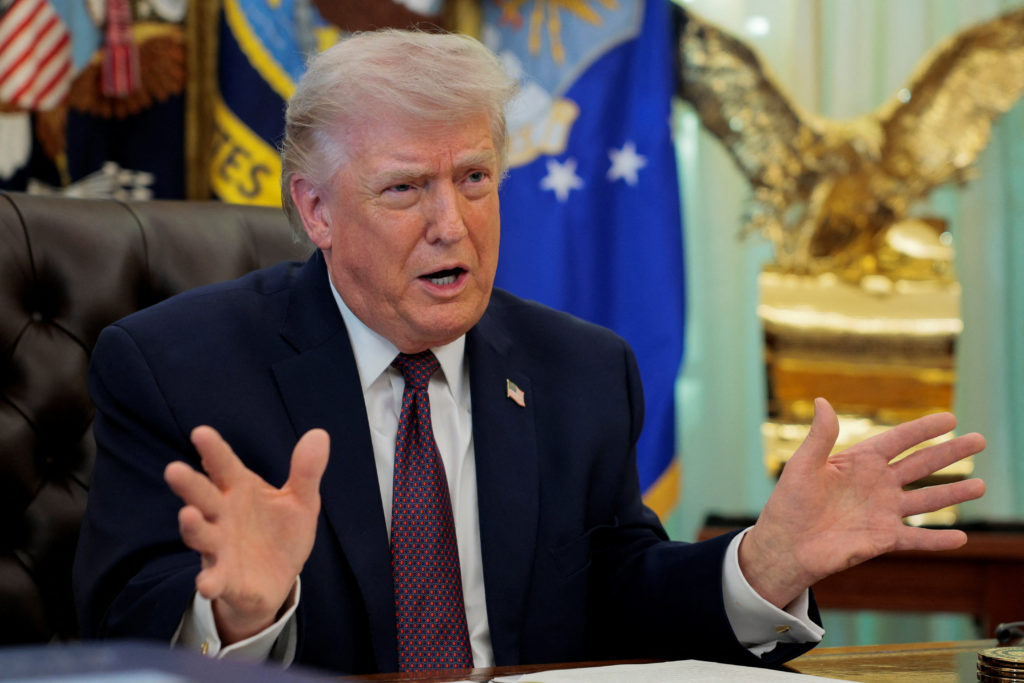
U.S. President Trump signs an executive order in the Oval Office of the White House
White House touts Trump’s pharma deals saving billions for Americans

In the relentless arena of American politics, the recent revelations concerning President Donald Trump’s negotiations with **pharmaceutical companies** underscore a critical juncture where economic policy intersects with political strategy. According to White House economists, these deals—aimed at reducing prescription drug prices to match those of other nations—could generate a staggering $529 billion in savings over the next decade. While such economic projections appeal to the public’s desire for affordability, the underlying power struggles reveal much about the conflicting forces shaping the nation’s health sector and its political landscape.

At the core of this controversy lies the tension between free-market principles and state intervention. Critics argue that the policy shift—a redefinition of conventional healthcare diplomacy— signals a bold move by the Trump administration to leverage government influence over private corporations. This approach echoes a longstanding debate among constitutional theorists who grapple with the extent of government authority. Drawing parallels with Reagan-era deregulation or Teddy Roosevelt’s trust-busting campaigns, the push for price moderation attempts to realign the balance of power in favor of consumers; yet, opponents contend that it risks undermining the very innovation that drives the pharmaceutical industry.

For many political analysts, the issue is less about healthcare and more about control. The Trump administration’s strategy demonstrates a deft understanding of how decisions made in the corridors of power ripple through the lives of ordinary Americans, influencing access to medication, economic stability, and perceptions of governmental efficacy. This is a classic example of policy choices serving as battlegrounds for influence. It’s not merely a matter of economics but a decisive move in power struggles where agencies, corporate interests, and political ideologies clash in a contest that will ultimately determine who holds sway in shaping the national future.

Significantly, these developments evoke echoes of historical parallels—such as FDR’s New Deal confrontations or the ongoing debate over the scope of presidential power. Scholars like **Leo Strauss** and **Walter Bagehot** have long observed that politics becomes the stage where destiny is written. In this context, the Trump administration’s policies redefine the boundaries of who controls healthcare. As the midterm elections loom, the political theater intensifies, encapsulating the fierce power struggle over **America’s economic sovereignty** and the rights of the people versus the influence of special interests.

In the final analysis, the battle over prescription drug pricing is emblematic of a larger, ongoing confrontation—one where the stakes are nothing less than the soul of the republic. As policymakers carve out their visions of America’s future, every decision becomes a stroke in the grand canvas of destiny, a reminder that politics is more than policy—it is the forge where history is shaped. How this controversy unfolds will determine not only healthcare but also the broader trajectory of American sovereignty and liberty, leaving an indelible mark on the fabric of the nation’s narrative.

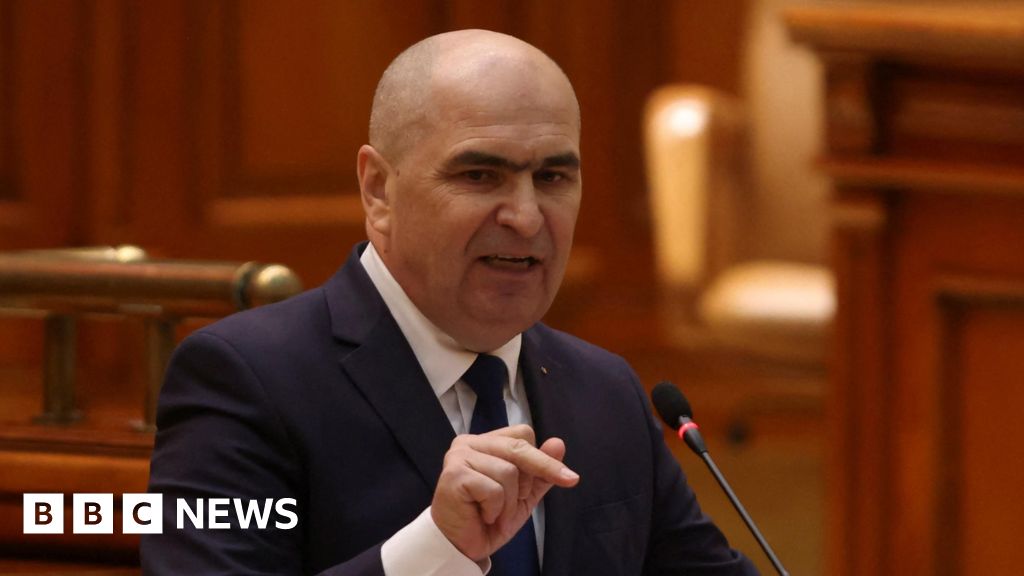
Romanian PM ousted as opposition oust government in no-confidence vote

In a startling turn of events that underscores the fragility of contemporary governance, Ilie Bolojan recently faced a decisive defeat in a parliamentary vote after the largest party within his coalition aligned itself with the far-right opposition. The outcome not only signals internal fractures within the political landscape but also signifies a potential realignment of regional power dynamics, resonating far beyond the borders of Romania.

Analysts and political commentators note that this episode highlights the increasingly volatile nature of coalition politics in Eastern Europe, where traditional alliances are now being reconfigured amid rising nationalist sentiments. Historically, such shifts have often served as precursors to wider geopolitical recalibrations, especially as nations grapple with issues of sovereignty, regional security, and economic stability. The decision by the largest coalition partner to bolster far-right forces marks a pivotal moment—potentially reorienting the nation’s approach to both domestic policies and foreign relations.

Most notably, international organizations and international analysts are closely scrutinizing the implications of these internal conflicts. The European Union, for instance, observes with cautious concern as the rise of far-right factions within member states lands at odds with the bloc’s foundational principles of democracy and pluralism. Experts warn that such political shifts could embolden similar movements across the continent, thereby weakening EU cohesion and complicating efforts to pursue unified foreign policy initiatives. Meanwhile, global institutions such as NATO are watching closely, aware that instability within key allied nations could have ripple effects on regional security architectures.

This development also carries significant geopolitical impact. The fragmentation within Romania’s political landscape exemplifies a broader trend of rising nationalism across Europe and beyond, challenging established international norms and treaties. It forces leaders and strategists to question the durability of existing alliances and the future of multilateral diplomacy. As noted by historian Dr. Maria Vasilescu, “When internal factions align with extremist groups, it catalyzes a shift in the entire geopolitical structure, where sovereignty begins to conflict with supranational commitments, rendering traditional diplomacy increasingly complex.”

As history diligently records these moments, the fate of Romania and its regional allies hangs in the balance, with each decision carrying weight well beyond national borders. The recent upheaval serves as a stark reminder that in a world where power is often measured in spheres of influence, the line between stability and chaos can be dangerously thin. The course of history remains unwritten, but the unfolding narrative suggests that the coming days may prove pivotal not only for Romania but for the global order itself—the very fabric of international relations poised on the cusp of transformation and uncertainty.

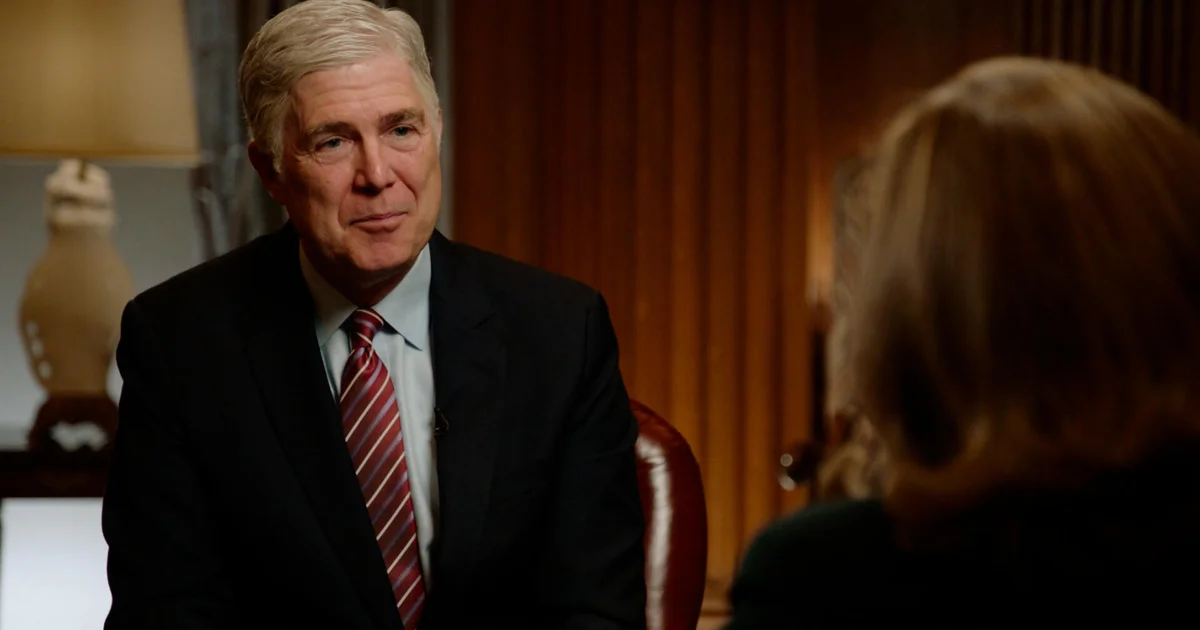
Gorsuch defends Constitution amid Trump’s attacks, vows loyalty to the law

The recent assault by President Donald Trump on Justices Neil Gorsuch and Amy Coney Barrett underscores a pivotal power struggle within the American judicial and political architecture. In an era marked by turbulent shifts and high-stakes battles, the President’s critique of these justices—who were appointed during his administration—signals a profound contest over the interpretation of executive authority versus judicial independence. Their votes to strike down his sweeping tariffs demonstrate not merely a legal decision but a symbolic confrontation that touches on the core of constitutional authority and the direction of national policy.

At the heart of this confrontation lies a critical ideological tension—a clash between unitary executive power championed by the administration and the judiciary’s role as a check to presidential overreach. Historically, constitutional scholars like Alexander Hamilton and James Madison laid the groundwork to balance these powers, but recent events reveal an ongoing struggle to define their boundaries. Trump’s comments—characterized by personal rebukes toward the justices—are more than mere political posturing; they are a reflection of a broader, battle for the soul of America’s constitutional framework. The decision to strike down the tariffs, viewed by many as an overreach of executive authority, exemplifies the judiciary asserting its independence in a climate where the executive branch seeks to consolidate control.

Such conflicts resonate with past epochs of constitutional upheaval, reminiscent of the Jeffersonian and Jacksonian debates over federal power, or even the New Deal court clashes of the 1930s. Here, the power struggles are not abstract; they shape the daily lives of Americans, influencing economic policy, national security, and the very practice of governance. Critics argue that the President’s attack aims to undermine the judiciary’s authority, positioning himself as the ultimate arbiter of policy, while defenders view this as a necessary assertion of executive prerogative in safeguarding national interests. Each move within this domestic chess game directly impacts the people, dictating the course of law and policy in a nation founded on the principle of checks and balances.

Ultimately, the current political climate underscores a profound truth: politics remains the grand stage of human destiny, where ideologies clash, alliances shift, and history’s pen is wielded with every decision. As the dust settles from this legal and political crossfire, the American people are reminded that these power struggles are not merely battles of rhetoric but the very mechanism that sculpts the future of their republic. In this arena, the contest between leadership and liberty is relentless, and the outcome will forever mark the trajectory of American sovereignty—where every ruling, every critique, and every decision is a stroke upon the canvas of history.

Russia and Ukraine declare separate ceasefires amid ongoing deadly strikes

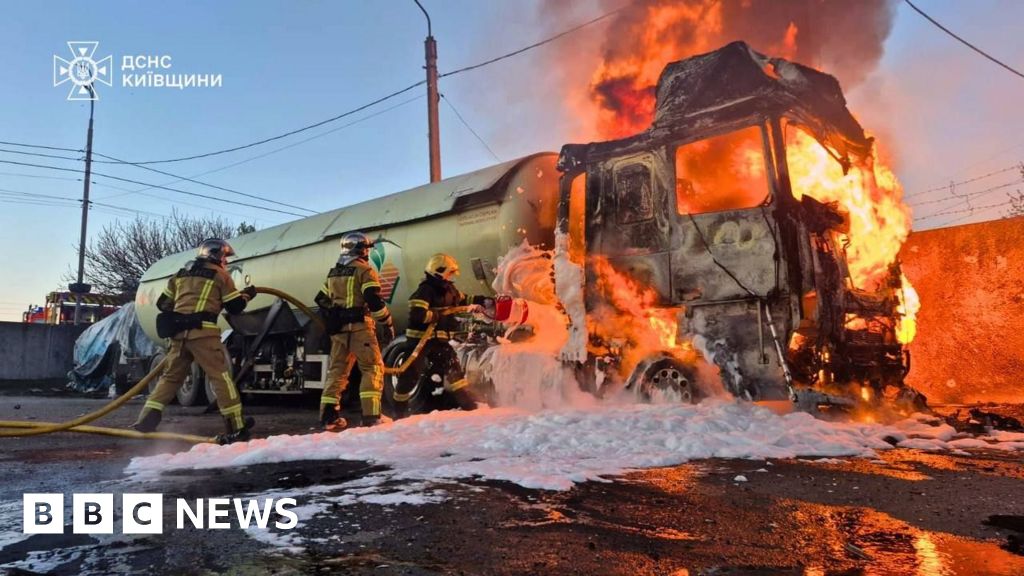
In a move that underscores the fragile state of regional stability and the unpredictable nature of modern conflict, Ukraine has launched a series of aerial attacks on Russian territory just as it approaches a promised ceasefire deadline. On Tuesday evening, Kyiv’s military operations targeted an industrial area in Kirishi within the Leningrad region, a strategic corridor that supplies vital infrastructure to Russia. Additionally, they struck a factory in Cheboksary, located in the Chuvash Republic, known for its military component manufacturing. These strikes, which occurred ahead of Ukraine’s midnight ceasefire announcement, reveal a calculated effort to force international attention and possibly shift negotiating dynamics.

The timing and nature of these attacks suggest a deliberate message; while Ukraine publicly states its willingness to negotiate, its military actions illustrate a desire to maintain leverage and operational momentum. According to analysts at the International Crisis Group, such actions complicate diplomatic efforts, illustrating a fundamental truth of modern conflicts where the frontlines are also battlegrounds for international influence. The sequence of strikes underscores a fundamental geopolitical reality: that conflicts are often characterized by a chess match, where military actions intersect with diplomatic gambits. As President Zelensky faces mounting pressure from both domestic audiences and international supporters, these strikes could be interpreted as a strategic assertion of sovereignty amid calls for peace negotiations.

The geopolitical impact extends far beyond immediate military gains. These attacks further strain Russia’s security and economic stability, especially given the strategic importance of the targeted regions. Most notably, the strikes serve as a reminder that the conflict is not merely a localized civil war but a matter of broader international concern. The United Nations and several Western nations continue to scrutinize the escalation, with many fearing this could herald a wider, more destructive phase of the war. Historically, conflicts that involve targeted strikes on infrastructure often lead to protracted violence, as both sides seek to capitalize on perceived weaknesses, per military historians who warn of a potential escalation spiral.

As the world watches with bated breath, the unfolding scenario reminds us that history’s most crucial moments are often defined by unpredictable actions and decisions. Each strike, each diplomatic move, molds the course of history’s next chapter. With Ukraine and Russia locked in this tense standoff, the question remains: will the international community’s push for peace prevail, or will these strategic assaults push the conflict into an even darker, more uncertain future? The weight of history presses down on the present, and as the clock ticks toward both war and peace, the world stands on the cusp of a new chapter—one that will be written by the choices made in these perilous moments.

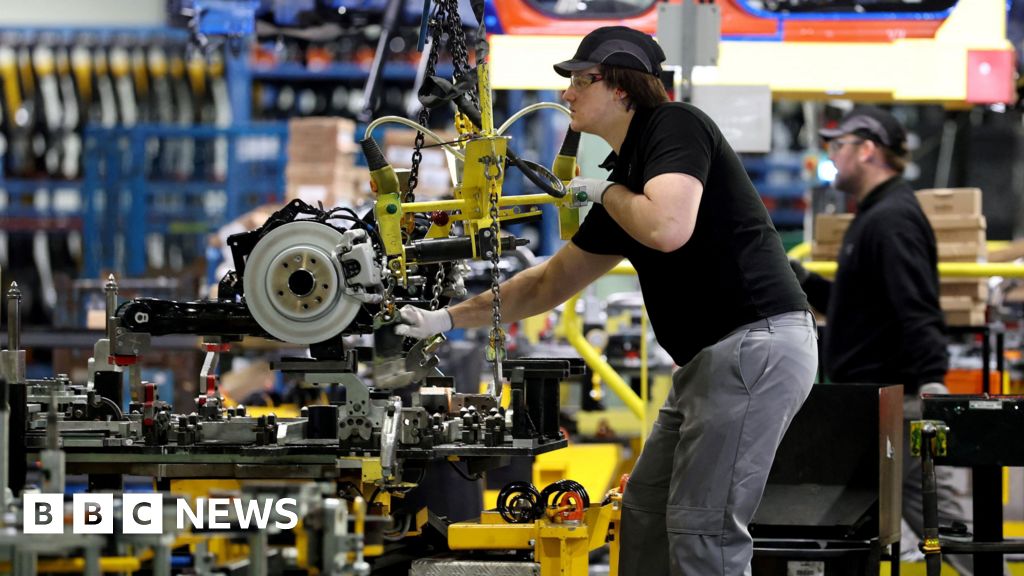
Nissan Shuts UK Plant, Cuts 900 European Jobs—A Wake-Up Call for Our Economy

Automation and strategic realignment continue to reshape the automotive industry, and recent developments signal a significant shift for one of the UK’s key manufacturing hubs. Car maker has announced its consideration of collaborating with a third-party partner to **fully utilize** its Sunderland plant, a move that could redefine the company’s geographic footprint and operational structure. This decision highlights broader trends in the sector, where automation, supply chain resilience, and cost optimization are the new rules of engagement amidst economic uncertainties.

Analysts note that this potential partnership could be a response to post-pandemic supply chain disruptions and evolving consumer demand, especially as EVs and autonomous vehicles gain market share. By opening its plant to third-party expertise, automaker aims to boost production capacity without the hefty investments typically associated with new facilities. It’s a strategic pivot that underscores the importance of flexibility in manufacturing, ensuring the company can adapt swiftly to market signals. From a market impact, this move could invigorate local employment if coupled with initiatives to reskill workers, while also presenting new revenue streams for the company through OEM-supplier collaborations.

The policy consequences of such a shift are profound. The UK government, continually advocating for a robust automotive industry, could interpret this as a positive sign—a step towards establishing the UK as a resilient hub of innovation and production. However, industry experts warn that reliance on third-party partners might introduce complexities in quality control and supply chain transparency. As highlighted by think tanks like the Centre for Automotive Research, maintaining national industrial sovereignty in critical sectors remains a strategic priority. Policymakers are likely to monitor how industry stakeholders balance efficiency gains against potential vulnerabilities that could threaten economic security and technological sovereignty.

In the broader economic landscape, this development emphasizes that **future automotive leadership hinges not just on innovation, but on strategic partnerships** and adaptive manufacturing models. As global markets perceive the UK’s automotive sector as a bellwether for emergent industrial trends, such decisions could serve as a template—indicative of a transformative era where flexibility and strategic alliances define corporate survival. With economic uncertainties swirling—ranging from global chip shortages to geopolitical tensions—the company’s move to leverage third-party capabilities signals an epic shift: the economy is increasingly becoming a reflection of resilient, collaborative ecosystems rather than isolated national industries. Looking ahead, this evolution paints a compelling picture: the automotive sector is positioning itself to be not just a driver of the economy, but a catalyst for a new era of innovation-driven power, forging pathways that will shape the very foundation of global industry for decades to come.

Reeves and Bessent Clash Over Iran War, Sources Reveal

The precarious landscape of global politics is once again exemplified by recent revelations surrounding UK Chancellor Rachel Reeves and her tense exchange with US Treasury Secretary Scott Bessent during the spring meetings of the International Monetary Fund. Reports confirm an angry confrontation over the escalating crisis in Iran and the broader implications of Middle Eastern instability. Such moments of power struggle are not mere diplomatic miscommunications but reflect deeper ideological divides and conflicting national interests, which, in turn, shape the lives of ordinary citizens far from the corridors of power.

At the heart of this confrontation lies not only the geopolitical stakes but also a broader narrative of how decision-makers navigate the treacherous waters of international influence. Reeves’ displeasure with Bessent’s tone underscores a fundamental tension: the UK’s desire for assertive sovereignty versus the US’s strategic dominance. Historically, such moments echo the interwar period’s diplomatic crises, where power centers vied for influence and the governance of millions was dictated behind closed doors. As political theorist Carl Schmitt argued, the true essence of sovereignty lies in the ability to decide on the state of exception—actions often hidden under the veneer of diplomacy but with real consequences for the people’s security and economic stability.

The current UK political climate, with its mix of conservative resilience and youthful vitality, highlights an undercurrent of frustration: the perception that internal reforms and resistance to globalist pressures are often thwarted by external influence—most conspicuously by the United States. This tension mirrors the enduring debate about sovereignty and the power struggles that define regimes and peoples. The government’s stance—sometimes veering toward de-escalation and at other times towards assertive independence—demonstrates a conscious attempt to reshape Britain’s role on the world stage. Yet, under all this, the question remains: who truly holds power, and how do their decisions determine the futures of nations and their citizens?

Adding to this complex picture is the broader geopolitical contest reflected in the Middle East, where the conflict in Iran continues to stir regional and global instability. The exchange in Washington encapsulates an ongoing power struggle between national sovereignty and international alliances—an arena where the destinies of millions are often reduced to the whims of elite decision-making. Political theorists like Machiavelli observed that power is a constant game of chess, where each move must consider not only immediate gains but also long-term consequences. As history continually repeats itself, the question is who will ultimately write the next chapter—the strategists in smoke-filled chambers or the voices of the populace demanding accountability.

In this theater of geopolitics, where decisions are sometimes made in whispers yet have deafening effects, it becomes clear that the stage is set for a continued struggle. The true power resides not only in the headlines but in the unseen negotiations that determine who commands the future. As the world watches, history reminds us that politics is indeed a stage where destiny is written—not merely by the rulers’ choices but by the relentless conflicts for influence and control. The question remains: in the face of shifting alliances and mounting crises, who will seize the pen to draft the next chapter of global history?

Social Media Auto Publish Powered By : XYZScripts.com