Matox News

Truth Over Trends, always!

Hantavirus Concerns Rise as Cruise Passengers Possibly Exposed, WHO Warns

Global Health Crisis Escalates as New Virus Cases Confirmed on International Vessel

In a troubling development, two confirmed cases of a novel virus have emerged aboard an international cruise ship, raising alarm across nations committed to controlling global health threats. The cases, which involve a pathogen that rarely spreads between humans, are notable for their unexpected transmission, challenging established epidemiological assumptions. The situation has been exacerbated by the tragic loss of three lives, signaling a potentially dangerous turning point in the outbreak that has now captured the attention of global health agencies and governments alike.

The incident underscores the fragile interconnectedness of today’s world, where a virus originating in isolated regions can quickly find new conduits across borders via transportation networks. The cruise ship, which was traveling across multiple jurisdictions, not only raises immediate health concerns but also highlights the geopolitical implications of international mobility during outbreaks. Critics argue that this event illuminates long-standing vulnerabilities in maritime health protocols, and legislators worldwide are under mounting pressure to implement stricter quarantine measures. The International Health Regulations of the World Health Organization (WHO) face renewed scrutiny as nations scramble to contain the potential spread of an elusive pathogen once thought to be confined to remote regions.

Broadly, this crisis is exposing the geopolitical fragility of global health security alliances. Countries with advanced medical infrastructure, such as the United States, the European Union, and Japan, have pledged swift responses, yet the incident exposes cracks in international cooperation. Experts, including renowned epidemiologists and analysts from organizations such as the Centers for Disease Control and Prevention, warn that early containment hinges on transparent information sharing and rapid response coordinated across nations. The virus’s ability to leap between humans despite its rarity increases the risk of wider outbreaks, and history teaches that prompts, decisive action can alter the trajectory of such crises—yet delays or misinformation can deepen the catastrophe.

The geopolitical impact of this development extends far beyond health borders. Heightened governmental measures threaten economic stability, as trade routes and global tourism—particularly in the maritime sector—face disruption. Countries with strategic maritime dominance are positioned to leverage their influence in shaping international responses, potentially fueling geopolitical tensions. Meanwhile, international organizations grapple with the urgent need to facilitate cooperation, despite differing national interests and resource disparities. This event serves as a stark reminder that health crises are intertwined with notions of sovereignty and international diplomacy, where the decisions made can either forge unity or deepen divisions.

As history now watches from the sidelines, the unfolding narrative leaves a haunting question: Will the world united in action succeed in thwarting this invisible threat, or will it reveal that even the most isolated diseases can become catalysts for global upheaval? The weight of history is still under construction, and the choices made in these critical hours will determine whether humanity can prevail against the silent march of the pandemic or succumb to its relentless march. The events aboard this vessel provide a sobering reflection—one that underscores the ever-present danger lurking in borders, seas, and social trust amidst a rapidly changing geopolitical landscape.

Hidden footage exposes reckless baby-sleep tips from self-proclaimed "experts" targeting parents—society’s children deserve better.
Hidden footage exposes reckless baby-sleep tips from self-proclaimed “experts” targeting parents—society’s children deserve better.

The recent warning issued by medical professionals underscores a troubling trend in societal neglect and misinformation that jeopardizes the health and safety of our most vulnerable: infants. Experts have highlighted that certain advice circulating among communities puts babies at risk of serious harm, even death. This alarming development not only raises moral questions about our societal priorities but also reflects deeper issues within family structures and the educational and healthcare systems tasked with safeguarding our children’s well-being.

The core of this crisis lies in mistrust in scientific guidance and the propagation of myths that challenge established medical consensus. Many families, driven by cultural beliefs or misinformation, are making decisions that contradict evidence-based practices essential for infant health. As sociologist Dr. Anne Foster notes, these behaviors often stem from a broader societal trend where traditional values clash with modern medical advice. When communities prioritize cultural identity over scientific consensus, children’s health becomes at risk, illustrating how deeply social tensions can intersect with public health. The consequence is a fractured societal fabric where **trust** in institutions is eroded, leaving families more vulnerable to preventable tragedies.

At the community level, these challenges reveal a pressing need for innovative education and outreach programs. Schools, healthcare providers, and local organizations must collaborate to re-establish **trust** by delivering clear, culturally sensitive information that aligns with scientific standards. Proposed solutions emphasize engaging community leaders and youth—who are often at the forefront of cultural shifts—to foster a generation better equipped to make informed decisions. According to social historian Dr. Marcus Caldwell, these efforts are crucial to reversing harmful trends because they help *reshape societal narratives around health and morality*, emphasizing that in safeguarding our children, we uphold the moral fabric of society itself.

Ultimately, society’s challenge extends beyond immediate health concerns; it reflects a broader moral imperative to protect the integrity of families and pass down values rooted in knowledge and compassion. As we grapple with these social issues, it becomes clear that **building resilient communities** requires a collective effort—a recognition that *the health of our children echoes the health of our society*. Perhaps, amid the turbulence of social change, there lies a glimmer of hope: a future where families are empowered with truth, communities foster trust, and every child is afforded a safe start in life. Reflecting on these challenges invites us to ponder whether society will unite in the pursuit of that future—one where care and knowledge no longer conflict but work hand in hand for the well-being of generations to come.

Bose Revives ‘Lifestyle’ Brand with Fresh Home Speakers—Redefining Modern Sound

Bose’s ‘Lifestyle Collection’ Signals Disruption in the Home Audio Market

In a move to rekindle its influence and innovate amidst fierce competition, Bose has unveiled its new “Lifestyle Collection,” comprising the Lifestyle Ultra Speaker, Ultra Subwoofer, and Ultra Soundbar. This strategic relaunch marks a deliberate disruption in the home speaker space, a sector that has seen significant innovation driven by tech giants and startups alike. Characterized by sleek fabric-wrapped aesthetics and advanced multi-room connectivity, Bose’s latest offerings emphasize seamless user experience combined with cutting-edge functionality—highlighting a renewed focus on innovation and consumer engagement.

Cutting-Edge Features Promising a Business Impact

The new products underscore Bose’s strategic pivot toward integrating multi-platform compatibility with services like AirPlay, Google Cast, and Spotify Connect. Notably, the Ultra Speaker is among the first in the industry to support Amazon Alexa+ voice controls in the U.S., signifying a shift toward unified, voice-driven smart home ecosystems. With W-Fi, Bluetooth, and auxiliary inputs, Bose ensures flexibility in deployment—from traditional stereo setups to modern home theaters.

  • Innovation: Support for emerging voice assistants and native multi-room grouping for enhanced home integration.
  • Disruption potential: Challenging established players like Sonos, Apple, and Samsung who dominate the premium multi-room speaker ecosystem.
  • Business implications: Revitalizing product lines and recapturing market share through sleek design and smart functionality, leveraging Bose’s legacy for competitive differentiation.

Market Strategies and Industry Implications

The price points—starting at just $299 for the Ultra Wireless Speaker and exceeding $1,000 for the Ultra Soundbar—demonstrate Bose’s ambition to accommodate both budget-conscious consumers and audiophiles seeking premium sound. Moreover, the company’s decision to align grouping controls with Google Home and Apple’s AirPlay apps boosts interoperability—a key market trend. This shift caters to a broader consumer base, positioning Bose as a resilient disruptor in an industry marked by rapid innovation, as highlighted in recent Gartner reports emphasizing the growing dominance of integrated, cloud-connected devices.

Critics note that Bose’s reentry heralds a new phase of disruption, compelling competitors to innovate rapidly or face obsolescence. The emphasis on a redesigned onboarding process and enhanced app integration reflects industry-wide acknowledgment that consumer convenience and ecosystem synergy are now central to product success. Emerging startups and giants alike must adapt to this new paradigm where design, connectivity, and smart features will determine market leadership.

Looking Ahead: The Future of Home Audio Technology

As Bose reinvents its legacy in the context of today’s technology landscape, the implications extend beyond product launches. The company’s push for disruptive innovation portends a future where smart, interconnected, and intuitive home systems become the norm. Industry analysts like Peter Thiel and futurists at MIT warn of a technology arms race where speed, user experience, and ecosystem support will define success. The recent Bose launch exemplifies this trend—aggressive yet strategic— to capture the imagination, and wallets, of a new generation of consumers hungry for sophisticated yet accessible sound experiences.

In conclusion, Bose’s “Lifestyle Collection” deployment underscores a pivotal moment: the need for established companies to innovate relentlessly or risk losing relevance. As the industry accelerates toward smarter, more integrated solutions, businesses that prioritize disruptive innovation and anticipate industry shifts—such as the emergence of voice AI and multi-platform compatibility—will be the true winners in shaping the future of home entertainment. The clock is ticking for competitors to match Bose’s move; the next wave of home audio innovation is underway, and those who lead it will define the technological landscape of tomorrow.

Kid Cudi cuts M.I.A. from tour, fueling controversy among fans

The international music scene has experienced a sudden upheaval as British artist M.I.A. has been abruptly removed from the opening act line-up for the Rebels Rage tour amid a dispute with US rapper Kid Cudi. This development underscores the growing tensions often lurking behind global entertainment collaborations, which, while seemingly apolitical, can have significant geopolitical implications in a world where cultural exchanges are increasingly interconnected with political narratives.

According to sources close to the situation, the disagreement arose over artistic differences that escalated into a broader clash of egos and visions for the tour. While details remain confidential, experts suggest that such disputes are seldom isolated from larger ideological or personal conflicts—especially when artists with distinct backgrounds and social perspectives collaborate on a global stage. Historically, music and popular culture have been used as a mirror to international tensions, often reflecting underlying political struggles or societal debates. As analysts from the International Cultural Institute observe, disruptions within high-profile tours can serve as subtle indicators of shifting alliances or tensions within the entertainment industry, which in itself is a microcosm of broader geopolitical currents.

Global institutions and policy analysts warn that entertainment, once viewed purely as escapism, now plays a strategic role in shaping public perceptions and soft power trajectories. When a high-profile act like M.I.A., known for her outspoken political stances, is sidelined, it raises broader questions about the influence of cultural allegiances and ideological stances on international entertainment collaborations. The incident illustrates how even in seemingly apolitical spheres, decisions made behind closed doors can ripple outward, influencing societal perceptions and diplomatic relationships. Historians have long noted that moments of cultural discord often presage shifts in diplomatic alignments, a reality that policymakers worldwide are increasingly aware of.

Ending on a note of caution, the episode serves as a stark reminder of how individual conflicts within the entertainment industry can symbolize or even catalyze larger societal struggles. As international audiences watch the fallout unfold, the question remains: how long before this seemingly isolated dispute escalates beyond the music stage, potentially affecting broader cultural diplomacy? With history continuously being written on the global stage, the resolution—or escalation—of such disputes will undeniably shape the perceptions of nations and influence future interactions. The world remains a stage, and at its heart, the narratives of power, identity, and influence continue to evolve, often in moments that seem small but carry the weight of history itself.

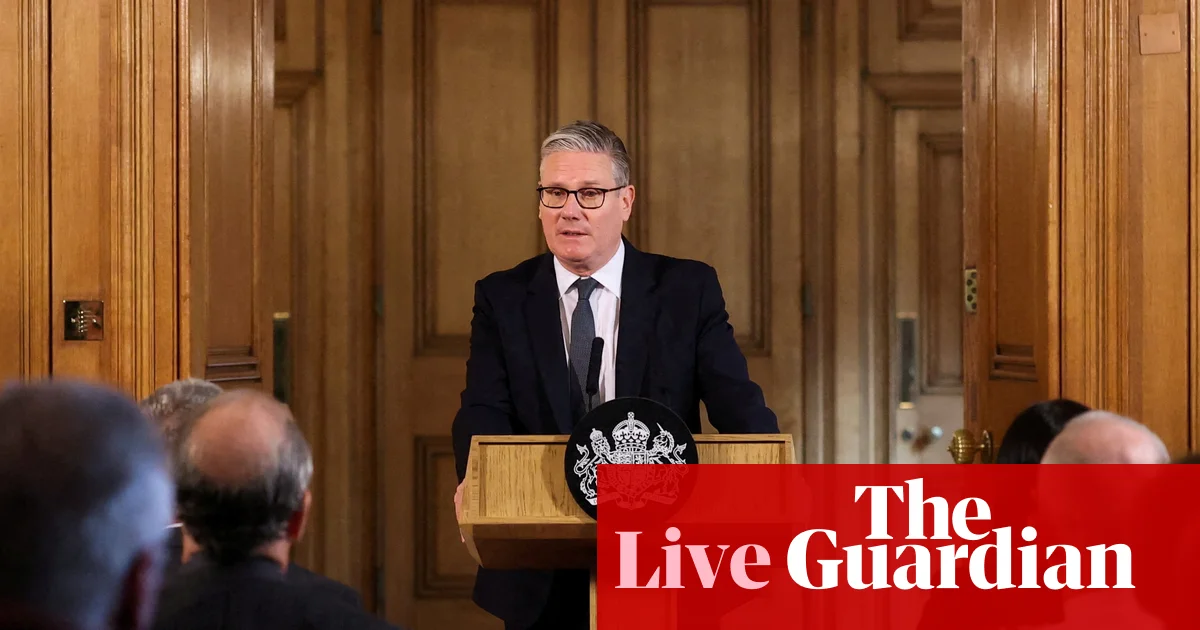
Starmer urges universities to report campus antisemitism, targets youth safety

In contemporary politics, the **battle for influence** is often fought behind closed doors, yet the ripple effects of these conflicts are often felt in the very fabric of national life. Recent remarks from **Kemi Badenoch**, a rising star in the Conservative Party, highlight how power struggles extend beyond the ballot box into the moral and ethical fabric of leadership. Her pointed question regarding the **£5 million** donation to **Nigel Farage**, the veteran euroskeptic and Brexit advocate, exemplifies how *financial opaque-ness* can serve as a battleground for influence and trust. Badenoch’s skepticism underscores a broader tension: whether the **elite** manipulate the political landscape under the guise of campaign finance, ultimately shaping the values and perceptions of ordinary citizens.

The controversy ignited when Badenoch questioned whether the donation, which she claims was linked to Farage’s support of **cryptocurrencies**, signifies a deeper **power struggle**. She accused Farage of concealing the origins and purpose of the money, emphasizing that such undisclosed financial backing ultimately threatens the integrity of democratic processes. As she put it, “What was that money for? Who’s bought him?” Reflecting on **constitutional principles**, legal experts often cite the importance of transparency as a safeguard that prevents **power consolidation in the hands of clandestine interests**. This incident echoes historical parallels where secret funding — whether in *Watergate* or *Iran-Contra* — destabilized foundational trust and initiated profound political consequences. The stakes are clear: control over narratives and financial influence may determine who *shapes public discourse* and whose interests are prioritized.

This controversy also exposes a deeper **interplay between new financial technologies and political influence**. Farage’s financial backing, allegedly linked to crypto, manifests a broader ideological drift within the political sphere—where **digital assets** are increasingly seen as tools for both empowerment and subversion. This introduces a **new battleground** for political influence, as proponents argue cryptocurrencies foster *decentralization and liberty*, while critics warn of **opacity and potential for corruption**. Badenoch’s insistence on strict declaration rules echoes classical **republican ideology**, emphasizing accountability as essential to **prevent authoritarian drift**. Such debates signal that, in the current era, the *battle for control over financial flows* is a proxy for the ongoing *struggle for sovereignty*—the right of a nation and its citizens to determine their destiny without covert external influences.

Ultimately, the *power struggles* unfolding in Britain’s political arena reflect the **wider tension** between authority and autonomy, tradition and innovation. As political theorists like **James Madison** warned, **”The accumulation of all powers, legislative, executive, and judiciary, in the same hands”** is an inevitable pathway to tyranny. The recent debates about transparency, influence, and *who truly holds sway in the corridors of power* serve as a stark reminder that **policymakers are but actors on a stage**, where the scripts are written by **financial elites and ideological factions**. The question remains: will the people ultimately command the curtain, or will unseen forces continue to **write the destiny of a nation** behind the scenes? In this age, politics is no longer merely a contest of ideas but a **battle for the soul of sovereignty itself**—and history will remember who dares to write the script.

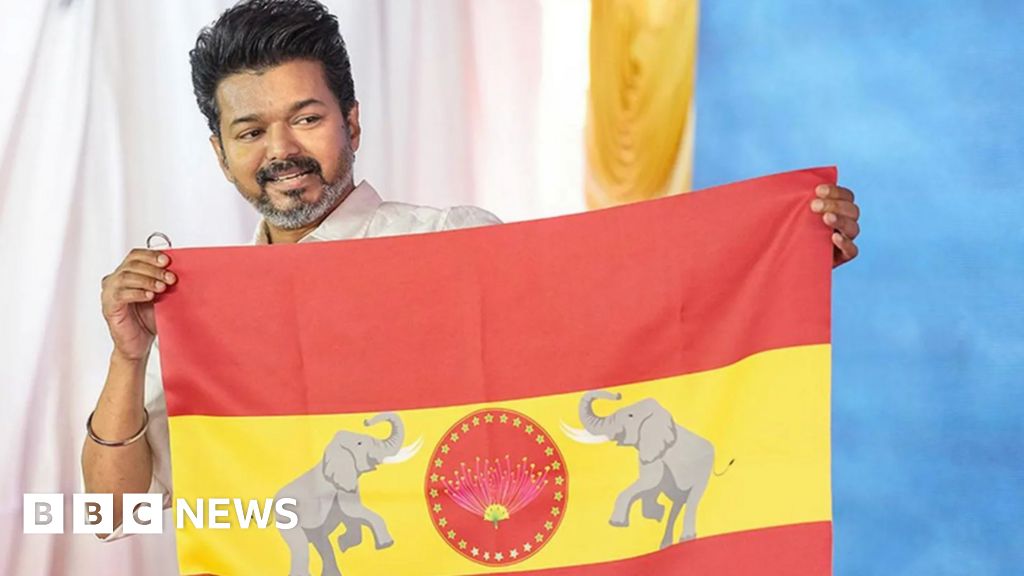
Popular superstar shakes up rivals and politics in Indian state with unexpected move

In a surprising turn of events, **film icon Vijay**, a beloved figure in Tamil Nadu, has emerged as a formidable force in the state’s recent electoral landscape. Defying longstanding political expectations, Vijay’s near-complete sweep of the region’s polls signifies a major break from traditional party dominance, challenging the established political order that has been in place for decades. This development reflects a broader shift towards celebrity-driven politics in India, with significant implications for **domestic stability and regional influence**.

Political analysts and historians have noted that Vijay’s success signals more than just a celebrity’s foray into governance; it highlights a growing distrust in conventional political parties among the youth and urban voters. As **international observers** monitor this rapidly evolving scenario, some predict that Vijay’s rise could reshape **power dynamics** within Tamil Nadu and influence how other states evaluate the role of popular figures in leadership roles. Such a change is particularly notable given the entrenched factions within regional politics, traditionally dominated by parties like **DMK** and **AIADMK**. Vijay’s unprecedented electoral performance underscores the shifting allegiances among voters seeking fresh alternatives amid economic challenges and social unrest.

Here, the geopolitical impact extends beyond India’s borders. Tamil Nadu’s pivotal location on the southeastern coast of the Indian subcontinent, adjacent to vital international trade routes, lends the state a strategic significance that cannot be overlooked. A political landscape energized by new, populist leadership like Vijay’s could lead to regional policies that either bolster or undermine stability and cooperation along maritime corridors. Major international organizations and analysts have expressed cautious optimism, emphasizing that regional political stability directly affects **border security, foreign investment**, and **trade relationships** in South Asia and the broader Indo-Pacific region. This realignment in Tamil Nadu’s political arena may also influence **India’s internal cohesion**, particularly as it navigates complex relationships with neighboring countries.

Many experts warn that this moment is a **turning point**—a potential catalyst for further upheaval in Indian politics. As historians examine the roots of celebrity politicians worldwide, such as in the United States and the Philippines, some argue that Vijay’s victory is a reflection of **global trends** where personality politics often overshadow party ideologies. The rise of such figures indicates an era where **popular culture and charisma** can challenge the traditional notions of governance, prompting international organizations like the **United Nations** to scrutinize how these shifts might influence **democratic development and social cohesion** in the region.

As the dust settles and the world looks on, one thing remains clear: the unfolding story of Vijay’s political ascent is much more than a regional upset. It’s a harbinger of an era where **populism**, **entertainment**, and **national identity** coalesce into powerful forces reshaping the fabric of society. Just as history beckons us to understand the consequences of such upheavals, the global community stands at a precipice—eyeing a future where the line between celebrity and sovereignty blurs, and the story of **India’s largest state** continues to write itself into the larger saga of geopolitical change.

Secret Service agent shoots at man with gun near White House

In a development that underscores the persistent volatility within the nation’s capital, U.S. Secret Service agents were involved in an alarming incident wherein firearms were discharged at an armed suspect in close proximity to the symbolic heart of American power, less than a mile from the White House. This second incident within a matter of weeks reflects a broader narrative of security breaches and the ongoing challenge to safeguard the seat of democracy from both external threats and internal chaos. As agents responded to what they described as an armed individual, the incident quickly escalated, resulting in the injury of a juvenile bystander—a stark reminder of the borderless dangers facing law enforcement and the unpredictable terrain of political conflict.

This event is more than a mere security report; it highlights a power struggle that extends beyond physical confrontation into the realm of political legitimacy and public trust. The Secret Service, an agency entrusted with protecting national leaders, is grappling with a landscape where freedom and security are in increasingly precarious balance. Such incidents prompt questions about the adequacy of current protocols and whether policy reforms—often touted by conservative advocates—are sufficient to address the evolving threats. Critics argue that policies must adapt swiftly to the shifting security paradigm, emphasizing strengthening law enforcement’s capabilities to prevent such incidents. Conversely, reform advocates sometimes push for broader discussions around civil liberties and the limits of state power, complicating the political debate and fueling a fierce clash over the very core of constitutional order.

From a historical perspective, this upheaval echoes the profound debates of the early 20th century concerning the delicate balance between liberty and authority. The Constitutional scholars remind us that the founders’ vision was predicated on a system where power is deliberately distributed and checked, yet in moments of crisis, the state’s role often expands—sometimes at the expense of individual freedoms. Today, the power struggle manifests as a contest over the definition of security and how it should be deployed in a society brimming with ideological divisions. As political theorist Carl Schmitt noted, the sovereign is he who *decides on the state of exception*, and in Washington, D.C., that decision is increasingly influenced by unresolved conflicts over who holds ultimate authority over security measures.

Ultimately, the ongoing sequence of violent incidents and policy debates exemplifies how decisions made in the corridors of power ripple outward, consequentially shaping the lives of ordinary citizens. The battle lines are being redrawn, not just over political ideologies, but over the core principles that will define the American republic going forward. In this theatre of struggles and reforms, the future of liberty and order is written by those wielding power today. As history has demonstrated, in the arena of geopolitics and domestic governance, destiny is carved by the decisive actions of enough brave or reckless actors to alter the course of our collective narrative. The stage is set—what remains to be seen is which forces will emerge victorious in sculpting the enduring contours of American sovereignty.

Alan Jones blasts police over questionable warrants and improper searches in sex abuse probe

International Ramifications of a Domestic Political and Media Controversy

In recent months, Australia has become the epicenter of a domestic controversy that extends beyond its borders, capturing the attention of global analysts and international institutions alike. The scandal involving the prominent broadcaster Alan Jones—accused of historic sexual misconduct—has ignited debates over police conduct, legal integrity, and the influence of media personalities. While many see this as a matter confined within Australia’s borders, its geopolitical impact could ripple across regional alliances and influence global perceptions about legal transparency and media accountability.

The ongoing legal proceedings—marked by accusations that police may have improperly handled evidence—highlight potential challenges to rule of law within democratic nations. Experts warn that such controversies threaten to undermine public confidence in legal institutions, especially when high-profile figures are involved, setting a dangerous precedent for political interference or selective justice. The allegations and the court’s debates over warrant validity underscore the importance of due process in safeguarding fundamental rights during investigations. International organizations such as Amnesty International and Human Rights Watch have issued cautious statements urging transparency and adherence to legal standards, cautioning that any perception of impropriety could diminish Australia’s reputation on the global stage.

Furthermore, this crisis has occurred during an era of heightened geopolitical tensions, as China, Russia, and other competing powers scrutinize Western democracies through a prism of skepticism. As the United Nations and allied think tanks analyze Australia’s domestic stability, they underscore how internal conflicts—particularly those involving media influence and legal integrity—can weaken national resilience and diminish international trust. Historically, analysts like Dr. Samuel Clarke have warned that such “internal fissures,” if left unresolved, can be exploited by adversarial states seeking leverage in strategic regions.

How Decisions Inside the Courtrooms Shape Societies and Neighboring Nations

The case of Alan Jones exemplifies more than just scandal; it acts as a litmus test for Australia’s societal values—namely, its capacity to uphold justice for all, regardless of status or influence. The outcome of this high-stakes legal battle will likely influence how similar cases are approached in other liberal democracies, setting a precedent for media accountability and police oversight. Neighbors in the Indo-Pacific region watch intently, knowing that the legal integrity of one nation underpins regional stability and the credibility of exportable democratic principles.

The impact extends further when considering how public trust in institutions plays into regional geopolitics. An Australia perceived as capable of critical introspection and fair justice signals strength and resilience, bolstering its alliances with the United States and United Kingdom. Conversely, perceptions of corruption or impropriety domestically could embolden authoritarian actors who aim to exploit internal weaknesses for geopolitical gains. As international analysts, including regional security experts, note, the stability of a nation’s judicial and media frameworks directly correlates with its ability to project power and influence on the global stage.

Conclusion: The Weight of History and the Unfolding Future

As Australia grapples with this internal test of justice, the broader world watches, aware that the course of history is often determined by the resolution of such conflicts. Whether this crisis results in a reaffirmation of principles or exposes fractures in leadership and rule of law, it remains a warning of how fragile societal cohesion can be amid scandal and controversy. The decisions made today will ripple through generations—shaping perceptions of sovereignty, justice, and media influence—and, ultimately, defining the legacy of a nation in the relentless march of history.

Why are vape shops flooding our high streets?

The world economy is currently navigating through a period of unprecedented turbulence, marked by sharp contractions in key markets and fluctuating currencies. Recently, the US dollar has experienced a significant near value depreciation, largely driven by mounting inflationary pressures and a series of aggressive policy shifts by major central banks. Economists from prominent think tanks warn that this underlying instability could trigger a ripple effect, impacting global trade and investment flows for years to come. Investors are particularly alert to the emerging risks, as volatility in equity markets continues to surge, prompting a reevaluation of asset allocations in what many are dubbing the “new normal” of international finance.

The European Union and Asian economies are not exempt from this wave of uncertainty. In the Eurozone, stubborn inflation persists, compounded by energy supply disruptions exacerbated by geopolitical conflicts and climate-related disturbances. Meanwhile, China navigates a complex landscape of regulatory crackdowns and domestic slowdown, which collectively threaten to undermine the global supply chain. Notably, key investment analysts from firms like Goldman Sachs and JP Morgan underline the urgency for policymakers to implement targeted stimulus measures to stabilize markets while cautiously avoiding unnecessary inflationary surges. The Market Impact has been stark: commodity prices, especially for critical resources like oil and rare earth elements, have rocketed, increasing costs for industries worldwide and intensifying the debate on trade policy adjustments.

Governments and monetary institutions are at a crossroad: the temptation to stimulate growth through expansive economic policies is juxtaposed against the looming threat of inflation spiraling out of control and creating a debt crisis. The U.S. Federal Reserve has signaled a series of rate hikes aiming to tame inflation, but experts from the International Monetary Fund caution that overdoing it could tip advanced economies into recession. Conversely, some investor factions argue for a more measured approach, wary of policy overreach. The long-term policy consequence remains uncertain; but what is clear, is that these tumultuous shifts underscore the economy’s pulse — a heart of resilience and peril intertwined, and a stage upon which future superpowers are quietly emerging, poised to redefine global influence. As nations grapple with immediate crises, they forge the trajectory of economic dominance in an interconnected world that refuses to stand still.

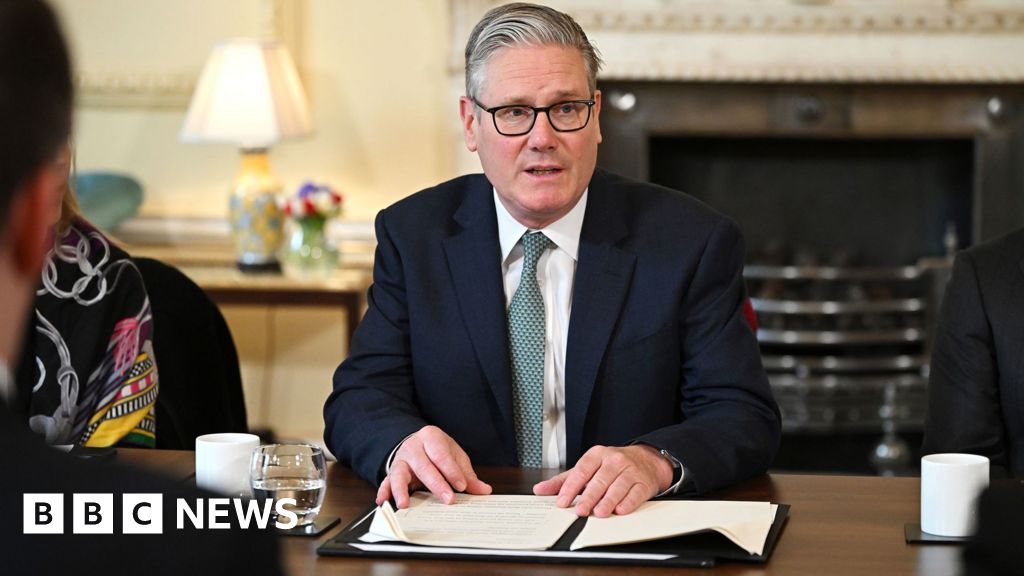
Starmer hosts No. 10 summit to fight antisemitism, aims for change

In the evolving landscape of national politics, the prime minister’s planned congregation with sector leaders at Downing Street signals a strategic move that could redefine the political battleground. This gathering, set to encompass key figures across diverse industries, underscores a profound shift in the leveraging of political influence and economic policy. It is a reminder that in an era characterized by rapid change and intense power struggles, the decisions made within these walls hold the potential to shape not only economic realities but also the very fabric of societal governance.

Within this context, the government’s approach to policy formulation is under scrutiny. The prime minister’s efforts to foster dialogue show an acute awareness that cementing alliances with economic and social sectors is vital for maintaining authority amid a turbulent political climate. As political theorists such as Machiavelli have long observed, “It is better to be feared than loved,” a maxim that resonates with the current administration’s tactics of consolidating power through strategic engagement. Yet, this also exposes a fundamental power struggle—a contest for influence over the corridors of decision-making that will ultimately determine the trajectory of national legislation and policy priorities.

Historical parallels offer a sobering reflection on the significance of such moments. Just as FDR’s New Deal reshaped the American economy during the Great Depression through targeted sector engagement, the UK government’s interventions can be viewed as attempts to reincarnate a new form of social contract—one that balances private enterprise with state influence. However, critics from constitutional spheres warn that this delicate balancing act can veer toward overreach, risking the constitutional foundations of representative democracy. For example, constitutional experts have raised concerns over the potential erosion of parliamentary authority if executive decisions begin to bypass legislative oversight, echoing historic fears of unchecked power reminiscent of the pre-revolutionary monarchies.

As the prime minister embarks on this important consultation, the underlying power struggle becomes clear: politicians and stakeholders are engaged in a contest that extends beyond mere policy—it’s a battle for the soul of national identity and economic independence. Decisions made in this room will carve the parameters within which the future unfolds, forging a path dictated by political will and strategic interests rather than accidental happenstance. The political stage remains a crucible where the very essence of a nation’s destiny is inscribed—a testament that, amidst the shifting sands of power, true authority is always a matter of control over the instruments of influence.

Social Media Auto Publish Powered By : XYZScripts.com