Matox News

Truth Over Trends, always!

Middle East Tensions: Iran Attacks US Bases Amid Oil Drop and Trump Peace Plan Revealed

Global Tensions Surge as Iran Dismisses US Ceasefire Attempts Amid Middle East Escalation

In a dramatic display of defiance, Iranian military spokesperson Lt. Col. Ebrahim Zolfaghari dismissed recent American efforts to broker peace in the ongoing Middle East crisis. During a prerecorded address aired on state television, Zolfaghari derided the US’s ceasefire negotiations as emblematic of American strategic failure, asserting that Washington is only negotiating with itself. His pointed declaration—“The one claiming to be a global superpower would have already gotten out of this mess if it could”—underscores Iran’s rejection of Washington’s recent diplomatic overtures, which included a 15-point ceasefire plan sent through Pakistan. Analysts note this exchange marks a pivotal moment: Washington’s diplomatic attempts seem to have little traction amid Tehran’s outright rejection, exacerbating an already volatile region.

This escalating rhetoric comes at a time when oil markets are reacting sharply. Following President Donald Trump’s claims that negotiations with Iran are progressing and that Tehran has committed to never acquire nuclear weapons, global markets exhibited sudden volatility. Early Wednesday, Brent crude oil plummeted nearly 6%, with trading at $98.30 per barrel, while the West Texas Intermediate fell 5% to $87.72. Asian markets responded with optimism; Tokyo’s Nikkei 225 rose 2.8%, KOSPI gained 3.1%, and other regional indices followed suit. This market bounce, however, belies the underlying tension—analysts from the International Crisis Group warn that these optimistic surges could be short-lived if diplomatic efforts continue to falter.

Amid the diplomatic deadlock, the military actions on both sides escalated dramatically. Iran’s Revolutionary Guards launched missile strikes targeting locations in Israel—including Tel Aviv and Kiryat Shmona—as well as US bases in Kuwait, Jordan, and Bahrain. Iranian state media reported these attacks, which came shortly after Iran’s authorities claimed responsibility for firing a projectile at the Bushehr nuclear power plant, an incident managed without damage but indicative of a widening conflict. In Lebanon, Israeli strikes continued to inflict significant humanitarian toll—killing over a thousand civilians and displacing more than a million—while Iran’s alliances in the region, notably Hezbollah, remain poised to expand hostilities further. The U.N. reports that Iran’s military campaign has resulted in the deaths of approximately 1,500 Iranians, adding more fuel to the regional inferno.

On another front, American troop deployment remains on high alert. President Trump reportedly approved the movement of over 1,000 soldiers from the elite 82nd Airborne Division into the Middle East to bolster US presence, undermining earlier claims of a peace process. Meanwhile, Iran’s response to this increased military presence has been hostile, with fears that Iran might resort to mining the Gulf or seizing more strategic assets, threatening global energy supplies. As the war’s stakes extend beyond borders, international organizations such as the WTO issue warnings about the impending global food crisis. The agency’s deputy director general, Jean-Marie Paugam, has highlighted that the closure of the Strait of Hormuz by Iran—a critical route for nearly a third of the world’s fertiliser supplies—has already begun affecting food security, particularly in West and North Africa. Paugam warns of a subsequent reduction in harvests and rising food prices, prognosticating a devastating impact on world agriculture in the coming years.

This turbulent convergence of geopolitics, military confrontation, and economic upheaval underscores a profound chapter in the unfolding history of the 21st century. As historians and analysts observe, decisions made today will resonate across generations, shaping the geopolitical landscape with consequential weight. The region’s fragile stability hangs in the balance; with each side entrenched in their resolve and outside powers inching closer to escalation, the world watches as the pages of history continue to turn—an epoch defined by conflict, diplomacy, and the unpredictable march of fate. The next move remains uncertain, but its consequences are bound to echo through the annals of history, reminding future generations that in the theater of nations, every act carries the weight of eternity.

Meet the Bumpboxx BB-777: The Coolest Throwback Boombox for Today’s Generation

BB-777 Boombox Merges Vintage Elegance with Cutting-Edge Technology, Driving Industry Disruption

The BB-777, recently unveiled by Bumpboxx, exemplifies the ongoing wave of disruptive innovation that blends nostalgic design with modern technological advances. Modeled after classic boom boxes yet embedded with a suite of contemporary features, this device symbolizes a new generation of premium audio gear poised to redefine consumer expectations in a fiercely competitive market. Its design — characterized by a vintage silver finish and physical controls reminiscent of the golden era of portable audio — manages to strike a chord with consumers longing for retro aesthetics while demanding modern connectivity and convenience.

At the heart of the BB-777 is a powerhouse of audio innovation. With six speakers, including super woofers, coaxial drivers, and horn tweeters, the device boasts a 270W output. This ensures robust volume levels and superior bass response, critical metrics for dedicated audiophiles and casual listeners alike. The integration of a replaceable battery pack, Bluetooth, and an LCD screen showcase a contentious push toward modularity and seamless connectivity. Notably absent, however, is the analog VU meter, a feature cherished by vintage enthusiasts, though this omission signals industry shifts toward streamlined, digital interfaces.

Multi-Platform Compatibility and Content Digitization

The BB-777 is packed with features, extending far beyond traditional radio and cassette decks. Its integrated CD player supports multiple formats (MP3, WMA, WAV, FLAC, AAC), and USB audio playback and auxiliary input provide users with versatile listening options. What truly sets it apart is its ability to directly digitize analog content; recordings from tapes, CDs, or radio can be archived onto a USB drive, facilitating nostalgia-driven preservation and business implications for content entrepreneurs. This combination of vintage and modern underscores a strategic disruption, allowing traditional formats to coexist with digital workflows.

  • Dual cassette decks with recording capabilities
  • AM/FM/shortwave radio functionalities
  • Wireless streaming via Bluetooth
  • Two microphone inputs for live performances or hosting
  • Two built-in microphones for quick recordings
  • Heavy 28-pound weight, with shoulder strap for portability

By integrating these features into a single unit, Bumpboxx leverages market shifts toward multi-functionality and user empowerment. Industry analysts like Gartner have emphasized that innovators who combine multiple content sources and ease of use stand to disrupt traditional audio markets. As such, the BB-777 echoes a broader trend: consumers increasingly seek devices that serve both as nostalgic relics and multifunctional assets, reinforcing the transformative potential of hybrid technological ecosystems.

Market Strategy and Future Outlook

Currently available via a Kickstarter campaign, the BB-777 is priced at $649—and slated for a retail price of $1,049, marking a significant premium but reflecting its innovative offering and targeted niche. This initial crowdfunding move illustrates a strategic effort to gauge consumer interest while positioning the device as a premium collectible or high-end audio upgrade.

Looking ahead, industry influencers like Elon Musk and Peter Thiel have long championed disruptive innovations as catalysts for market evolution. The BB-777 fits squarely into this paradigm—challenging established audio giants by creating a product that blurs the line between vintage charm and present-day tech. As technology continues to evolve at an exponential pace, the emphasis on portable, all-in-one entertainment devices will likely intensify, pushing traditional manufacturers to innovate more boldly or risk obsolescence.

Time is of the essence in this fast-moving landscape. The convergence of nostalgia, content digitization, and connectivity signals a compelling future where consumers demand devices that are both classic and cutting-edge. Companies that recognize and accelerate this shift will be positioned as industry leaders—those that do not risk falling behind in a race driven by innovation, disruption, and the relentless pursuit of next-generation entertainment solutions.

Public back on side: NHS satisfaction rises for first time since 2019

In recent times, Britain’s NHS has experienced a fragile resurgence, a glimmer of hope amid ongoing social struggles. According to the latest British Social Attitudes survey, public satisfaction with the healthcare system has seen a rare uptick—rising from a low of 21% in 2022 to 26%. This small but meaningful increase signals a society still grappling with deep-seated frustrations rooted in long waits, inaccessible services, and systemic inequalities that affect families, communities, and the very fabric of social cohesion. Despite this slight progress, the numbers reveal a harsh reality: over half of the population remains dissatisfied, with critical issues such as emergency care, dental services, and GP access continuing to ignite public anger.

This ongoing dissatisfaction echoes the insights of social commentators and historians who emphasize the societal costs of a failing healthcare infrastructure. Sociologists like Charles Murray and contemporary health experts warn that waiting times and accessibility are not mere administrative problems—they strike at the core of community stability. When families face the trauma of delayed care, children’s futures are compromised, and the social order erodes. The challenge is not only about providing medical treatment but restoring faith in a system designed to support the most vulnerable. Crucially, these issues extend beyond individual health; they ripple through families, schools, and workplaces, fostering a sense of societal decline that undermines national resilience.

Furthermore, social disparities are amplified by the persistent backlog and accessibility issues that continue to define the NHS experience. The survey indicates that only 22% of respondents are satisfied with A&E services and dentistry, and just 36% with general practitioner care. Such figures are more than statistics—they reflect a society where trust in public institutions is fraying, and where the moral and ethical implications of unequal access threaten social harmony. Public figures like Mark Dayan have voiced concerns that these numbers are “worse than in the 90s,” exposing the deep-rooted structural challenges that demand urgent attention. Yet, beneath the pessimism lies a collective hope—an acknowledgment that despite setbacks, incremental reforms and targeted improvements can restore a sense of hope and health for the nation’s families and communities.

Drawing from the insights of social critics and policy makers, many argue that investment, modernization, and strategic reforms are necessary to turn the tide. The government’s plan to overhaul five underperforming NHS trusts—by replacing leadership and merging failing organizations—is a step in this direction. Nevertheless, experts warn that recovery must encompass broader social reforms, including tackling inequality, improving social care, and ensuring equitable access across all demographics. This holistic approach, rooted in moral responsibility and ethical duty, aims to reconnect people with their healthcare system—restoring trust, empowering families, and fostering resilient communities. Only through such comprehensive efforts can Britain hope to reconcile the social wounds inflicted by years of neglect and mismanagement.

As society stands at this crossroads, the enduring question remains: can the collective will of a fractured nation rise above its divisions to forge a healthier, more equitable future? Perhaps, amid the shadowed corridors of hospitals and waiting rooms, there lies a quiet resilience—a moral longing to rebuild not just a healthcare system, but the very core of social trust. In this shared struggle, society’s true strength will be tested—not just in policies or budgets, but in the moral courage to envision and create a future where everyone, regardless of background, can access the care they need. For in healing the healthcare system, society as a whole may find a pathway to healing itself.

BTS’s Netflix Comeback Concert Hits 18.4 Million Viewers Worldwide

Cultural Resurgences as a Reflection of Geopolitical Shifts

In a world increasingly defined by complex geopolitical struggles and shifting alliances, moments of cultural revival and unity serve as poignant indicators of societal resilience. Recent reports have highlighted a significant event: a livestreamed performance by a popular band, marking their first collective appearance since October 2022. Though seemingly a moment of entertainment, such acts are increasingly viewed through a geopolitical lens, symbolizing broader themes of national identity, social cohesion, and international influence. The occurrence underscores how cultural expressions continue to serve as subtle yet powerful gauges of the political climate, resonating with millions and shaping public sentiment beyond borders.

Historians and analysts emphasize the deep connection between cultural movements and geopolitical realities. The timing of this performance, following nearly a year of turmoil and uncertainty, appears to embody a subtle defiance of censorship and political suppression often seen in strained regions. Such acts of cultural defiance bolster nationalist movements, challenge foreign interventions, and reinforce a sense of shared identity within nations. International organizations like the United Nations have observed that cultural resilience impacts societal morale and diplomatic negotiations, influencing how nations position themselves on the global stage. This dynamic demonstrates that, even amid crises, societies continue to seek expression and unity, seamlessly intertwining national pride with their collective histories.

The re-emergence of this band is more than a musical event; it signals a broader geopolitical reality. Governments across the world are acutely aware of the power of cultural symbols as soft power tools. Countries seeking to assert their sovereignty frequently leverage cultural exports—music, art, and tradition—to shape international perceptions. In this context, the performance sparks discussions among political analysts about the role of soft power as a strategic instrument, especially in areas contested by larger powers. The increased output of cultural events as acts of defiance or affirmation worldwide underscores how decisions made in quiet studios and concert halls carry the potential to influence public opinion far beyond immediate audiences, shaping the course of history through cultural resilience.

As international relations continue to evolve, the significance of such moments becomes ever more evident. In an era where geopolitical conflicts seem unending, the power of culture to inspire, unite, and challenge authority stands as a testament to human resilience. Historians warn that these cultural resurgence signals should not be underestimated; they are the quiet but persistent echoes of a society’s resistance and hope in tumultuous times. With every performance, the stakes are raised—not just in terms of entertainment but in the ongoing struggle for identities, sovereignty, and societal values. Ultimately, this performance, occurring amidst a shifting global landscape, underscores that history is not merely made by treaties or conflicts but also profoundly shaped by the enduring human need for expression and unity in the face of adversity.

BlackRock warns $150 oil could spark global recession—youth watchdogs should pay attention

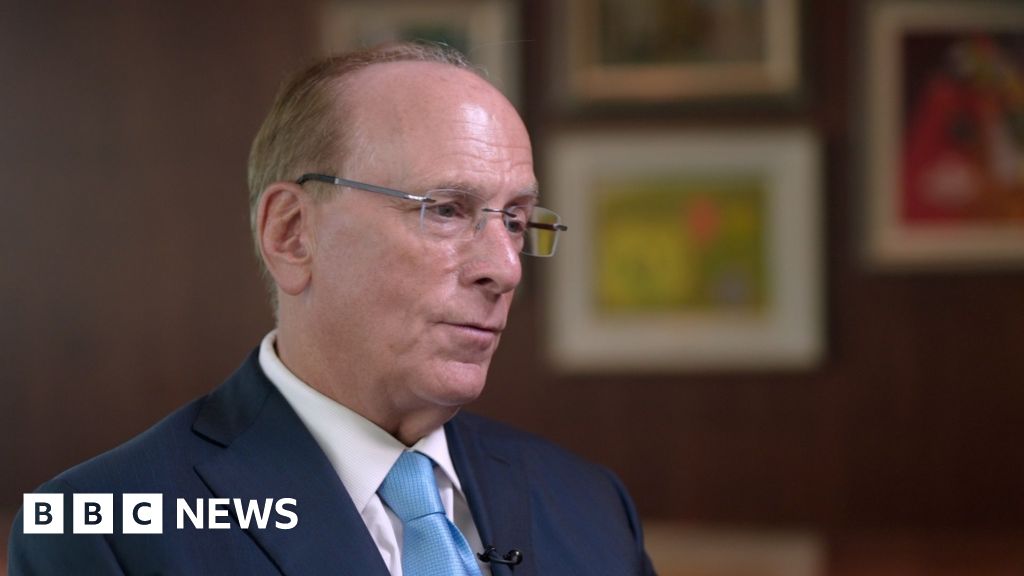
Recent remarks by Larry Fink, CEO of BlackRock, serve as a stark reminder of the fragile equilibrium shaping the world economy. Fink warns that if oil prices remain elevated over an extended period, the economic landscape could face profound repercussions. In an era where energy costs are intertwined with geopolitical stability, this statement underscores the precarious balance between resource scarcity, global inflation, and economic growth. As nations grapple with the aftermath of recent conflicts and geopolitical shifts, the potential for prolonged high oil prices threatens to exacerbate inflationary pressures and undermine recovery efforts worldwide.

High oil prices are not merely a matter of consumer inconvenience but hold significant geopolitical implications. Historically, sustained energy price surges have fueled inflation in advanced economies while destabilizing emerging markets. Analysts from the International Monetary Fund and World Bank have warned that escalated energy costs can lead to increased social unrest, currency devaluations, and economic contractions—especially in nations heavily dependent on energy imports. Meanwhile, OPEC and other oil-producing coalitions continue to balance between maintaining control over supply and responding to global calls for increased production, often leading to unpredictable market volatility.

The geopolitical impact extends beyond economic spheres; it influences diplomatic relations and regional security. Recent moves by major producers and consumers indicate a shifting landscape, where access to reliable energy sources becomes synonymous with national security. Expert analysts emphasize that decisions made today regarding energy policies could set the tone for decades to come, determining which nations emerge resilient and which face profound instability. For instance, nations pursuing aggressive diversification strategies might forge new alliances and invest heavily in alternative energy, whereas others may double down on traditional oil dependencies, risking further geopolitical rifts. This tug-of-war underscores the critical importance of mindful policymaking amid international tensions.

The potential consequences of prolonged high oil prices are not confined to economic metrics alone. Historically, energy price shocks have led to social upheaval, with protests and unrest erupting in vulnerable societies. International organizations, such as the United Nations and regional security alliances, are closely watching these developments, aware that economic hardship often fuels extremism and instability. As nations navigate these turbulent waters, they face the urgent task of balancing energy needs with strategic resilience. The decisions made in the coming months will determine whether societies can endure or succumb to the mounting pressures—restoring stability or plunging into unforeseen chaos.

As the global powers converge and diverge on energy policies, the weight of history presses down with relentless force. The corridors of power are watching, awaiting the next move that will shape the course of nations. The dramatic unfolding of events reminds us that in the theater of geopolitics, energy is more than just fuel—it’s a key to survival, influence, and the future itself. The world stands at a pivotal juncture, where yesterday’s choices become today’s consequences, and the outcome remains uncertain, yet undeniably critical, in the grand narrative of history.

Rising Stars Shine: Young Athletes Take Center Stage in Thrilling Weekend Competitions

Arsenal Dominates Chelsea in UWCL Quarterfinal First Leg

In a thrilling display of skill and strategy, Arsenal emerged victorious against rival Chelsea in the first leg of the UEFA Women’s Champions League (UWCL) quarterfinals. With a commanding score of 3-1, Arsenal showcased their offensive firepower, thanks in part to the impressive performances of key players such as Stina Blackstenius, Chloe Kelly, and Alessia Russo.

The match, held at the iconic Emirates Stadium, saw Arsenal take immediate control, netting three goals and leading comfortably by halftime. It was Stina Blackstenius who struck first, finding the back of the net in the 12th minute with a clinical finish that set the tone for the match. Her anticipation and positioning have been praised by both fans and analysts alike, with coach Jonas Eidevall highlighting her ability to perform under pressure.

  • Chloe Kelly provided relentless energy on the flank, scoring a stunning second goal that left the Chelsea defense scrambling.
  • Alessia Russo capped off the dominant performance with a third goal, showcasing her signature poise as she capitalized on a defensive error.
  • Despite a late consolation goal from Chelsea, Arsenal maintained their composure, ensuring a favorable aggregate score heading into the second leg.

Commentators noted that the game demonstrated not only Arsenal’s tactical superiority but also their growing confidence as they face off against one of their biggest rivals. As Sam Kerr and the Chelsea squad look to bounce back, the pressure mounts for both teams as they prepare for the decisive second leg. “You can always count on an exciting return match when stakes are this high,” remarked sports analyst Mark Lawrenson.

As the countdown to the second leg begins, the anticipation continues to build. Arsenal stands on the brink of advancing to the semifinals, but regardless of the outcome, the passion and determination displayed by these teams highlight the unifying force of sports. In a world often divided, such moments remind us that the spirit of competition transcends the scoreboard, bringing together fans and athletes in a common pursuit of excellence.

Source link

Australia’s ABC journalists prepare to strike over pay and AI concerns

In a significant development on the global media landscape, staff at the Australian Broadcasting Corporation (ABC) have announced their intention to strike for the first time in two decades. This unprecedented move underscores mounting tensions between media workers and government authorities amid a broader context of economic pressures, political influences, and shifts in public trust toward state-funded institutions. The strike, scheduled to commence in the coming weeks, is expected to resonate far beyond Australia’s borders, highlighting growing conflicts over media independence and the role of public broadcasting in the 21st century.

The decision to strike marks a pivotal moment in the ongoing debate between journalists, media personnel, and the Australian government over issues including funding, editorial independence, and working conditions. According to union representatives, the strike is driven by frustrations over recent government austerity measures that threaten to undermine the integrity and sustainability of the ABC. These measures, critics argue, erode the very principles of transparency and accountability that public broadcasters traditionally uphold. International observers and media analysts note that as public broadcasters worldwide face pressures from political and economic forces, such strikes become symbolic battles for the preservation of independent journalism—an essential pillar of democratic societies.

Global institutions such as the International Federation of Journalists and Reporters Without Borders have voiced support for Australia’s ABC employees, warning that compromising editorial independence weakens democratic accountability and fosters misinformation. Historians specializing in media studies point to this strike as a potential turning point, emblematic of growing global discontent over government interference in media. Australia’s political climate, marked by debates over national identity and sovereignty, is seen by analysts as reflecting wider geo-strategic concerns, especially as China and the United States intensify their influence in the Asia-Pacific region. Decisions made now could alter the balance of information dissemination, impacting how societies engage with truth and authority.

The broader geopolitical impact extends to how nations prioritize public service media in the face of rising misinformation and propaganda. Governments worldwide are reevaluating their roles amid digital disinformation campaigns; some are seeking tighter control, while others, like Australia, are contending with internal demands for independence. Experts warn that if such internal conflicts escalate to prolonged disruptions, they could weaken the capacity of countries to maintain a balanced and truthful public discourse. The ABC strike, therefore, is not merely a domestic labor dispute but a reflection of the global struggle for media sovereignty, truth, and the sovereignty of information systems that shape societal narratives.

As the strike looms, history may judge this moment as a critical juncture—where the fight to safeguard media independence in Australia echoes on a global scale. It leaves society confronting an urgent question: in an age of growing geopolitics and digital battles, which side will emerge victorious—the forces seeking to control the narrative or the defenders of free and independent journalism? The outcome remains uncertain, but one truth is undeniable: the decisions made today will determine the course of history, shaping the very fabric of societies and the flow of information for generations to come.

Express Yourself: Convert Voice to Text on Your Mac for Just $50 with Voibe!

In a digital age characterized by rapid innovation, voice-first technology is emerging as a dominant lifestyle trend among youth and tech enthusiasts alike. The launch of Voibe AI voice dictation, a Mac-exclusive app, exemplifies this shift towards integrating speech-to-text tools into our daily routines. Priced at only $49.99 for a lifetime subscription—marked down from $149—Voibe represents not just a productivity upgrade but a glimpse into society’s evolving relationship with privacy, convenience, and personal data management. Its local processing capabilities prevent audio data from ever leaving the device, aligning with growing privacy concerns that have become a defining social issue for younger generations.

This trend isn’t merely about enhancing efficiency; it’s reshaping how people communicate, create content, and manage digital environments. By eliminating the traditional friction of manual typing—especially when nerves, fatigue, or distraction interfere—these voice tools democratize the creative process. Whether drafting emails, jotting down thoughts in notes, or even coding, users find themselves faster and more expressive. Influencers and productivity gurus like MKBHD and Thomas Frank are regularly showcasing these tools, emphasizing that the future of work leans heavily on seamless voice interfacing. This shift touches broader cultural values, pushing society toward a future where effortless and instant communication becomes the norm rather than the exception.

Analysts like Gartner and sociologists studying youth behavior recognize that this voice-first wave is not just a fleeting tech fad. It underscores a deeper cultural liberation from the constraints of traditional typing and keyboard dependence. As privacy-conscious consumers prioritize on-device processing, the societal implications ripple further. The shift reflects a societal recalibration—balancing convenience with privacy, and individual control with technological progress. Meanwhile, apps like Voibe serve as living proof that the integration of AI in our lives isn’t just for tech geeks anymore—it’s becoming an accessible lifestyle essential.

What’s particularly compelling about this trend is its potential to redefine social engagement. As voice dictation becomes more normalized, it challenges conventional notions of literacy and communication. Could we be facing a future where voice commands and transcriptions bypass keyboards entirely, leading to new forms of digital expression and social interaction? Or might this technological shift generate unintended divides—where those lacking access or technological literacy are left behind? The question remains: as society adapts to voice-first paradigms, which social behaviors will emerge and which might fade into obsolescence? The next big question for curious minds is whether this voice revolution will be a stepping stone towards a truly interconnected, privacy-centric digital society—or whether it signals the onset of a new set of communication inequalities.

Dyson Airwrap vs. Shark FlexStyle: We Put the Hot Tools to the Test — The Results Will Shock You | Life & Style

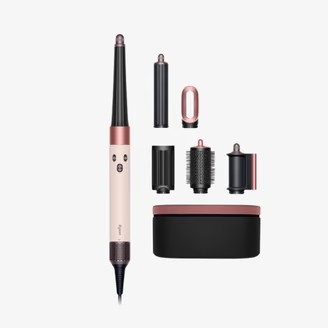
In a world where personal expression often aligns with individual style and lifestyle choices, the pursuit of perfect hair remains a timeless quest—yet the tools we rely on often shape the journey as much as the journey shapes us. For nearly two decades, many have been caught in a never-ending cycle of gadget shopping, hoping that the next device will unlock that elusive effortless style. From conventional hairdryers to high-tech, multi-stylers, the landscape of hair care has evolved into a battlefield of innovation and value. Today, the contenders are the Dyson Airwrap i.d. and the Shark FlexStyle, two powerful yet distinctly different devices designed for those who prize efficiency, versatility, and that perfect Instagram-worthy finish.

What makes these tools stand out is not just their ability to transform damp hair into a voluminous, sleek style but their capacity to offer a level of wellness—a break from damaging heat and the frustration often associated with styling hair. Both models are engineered with the modern user in mind, aiming to combine convenience with professional results. The Dyson Airwrap i.d., with its cutting-edge technology and sleek design, offers inclusivity suited for those willing to invest around $649.99. Meanwhile, the Shark FlexStyle, priced approximately at $299.99, delivers comparable styling outcomes at a fraction of the cost, emphasizing accessibility and practical value. This comparison is more than a battle for the best gadget; it’s a reflection of a broader shift in the wellness movement—favoring health-conscious styling tools that prioritize hair integrity over mere appearance.

At a glance: Key differences and decision points

The Dyson and Shark devices, though similar in purpose, diverge in their design philosophy. The Dyson Airwrap i.d. is a sophisticated system that—despite its higher price tag—may be better suited for those who seek a seamless, tech-enhanced experience. It comes with a stylish storage box and integrates a dedicated app-guided setup, allowing greater customization with features like the “i.d. curl,” which can tailor curls with astonishing precision. Yet, this device’s setup process involves Bluetooth pairing and app navigation, making it a bit less intuitive for those who prefer straightforward usability. In contrast, the Shark FlexStyle is lauded for its simplicity, including a comprehensive manual and more accessible controls. It’s an all-in-one system that can easily serve as a comprehensive styling station, especially for those just starting to embrace multi-functional appliances.

When it comes to power and efficiency, both tools seem to perform neck-and-neck, with similar timing for damp to styled hair—approximately seven minutes—though neither specifies exact temperatures, aligning with the push toward heatless styling to preserve hair health. In terms of attachment diversity, Dyson’s bundle offers six tools including diffusers, curling barrels, and smoothing brushes, with the option to purchase additional attachments a la carte. Shark’s bundle provides five attachments, with the possibility to customize further, emphasizing adaptability for different hair types and styling needs. For users weighing convenience against cost, the Shark FlexStyle’s more accessible price point and simpler setup may tip the scales, especially with its bundle deals that make expanding functionality more affordable.

The verdict: Who comes out on top?

Within the realm of straightening and curling, both devices hold their own—yet subtle differences matter. The Shark FlexStyle, with its slightly more gripping brush attachments and ergonomic design, proved preferable for straightening, making bouncy, polished blowouts with relative ease. Conversely, for curling, the precise, automated “i.d.” system of Dyson’s Airwrap offers an edge, especially for those aiming for consistent, curl-perfect results without extensive manual effort. The Dyson also features a more refined form factor, with buttons positioned for natural handling and a quieter, lighter operation, adding to its appeal for the lifestyle-conscious user who values luxury and ease of use.

Ultimately, the choice hinges on individual priorities: those seeking a premium, feature-rich experience may find the Dyson Airwrap i.d. worth the premium investment, especially if innovation and aesthetics are paramount. Conversely, those who desire high-quality results at a more accessible price can confidently opt for the Shark FlexStyle, embracing its practicality and versatility as a reflection of modern, mindful approach to self-care. Either way, these tools exemplify a broader cultural shift—toward healthier hair, smarter devices, and a celebration of effortless, yet intentional, personal style.

As the story of our hair mirrors that of lifestyle itself, it becomes clear that true beauty and confidence are rooted not just in the tools we use, but in our willingness to embrace the journey—a journey that reminds us that every style is an expression of self and every choice an act of self-love. Whether wielded by the meticulous tech enthusiast or the pragmatic beginner, these stylers beckon us to see styling as an extension of our identity—a daily declaration that, in a fast-changing world, we can control the narrative of our appearance, one curl, one blowout, one moment at a time.

Wil Wheaton Reflects on ‘Stand By Me’ and His Journey Narrating ‘The Body’ Audiobook

In a rapidly shifting landscape of technological innovation and global interconnectedness, the bedrock of a society’s cohesion remains rooted in its culture—those collective stories, traditions, and narratives that define who we are and where we come from. Culture serves as both memory and prophecy, grounding individuals within a web of shared history while also pointing toward future possibilities. From the narratives of ancient civilizations to the blockbuster films of contemporary cinema, our cultural icons and stories are not mere entertainment; they are vital expressions of our identity, shaping and reaffirming the values that bind society together.

Philosophers such as Ortega y Gasset have long emphasized that “people’s lives are narratives,” highlighting the importance of cultural storytelling in constructing the human experience. The stories we tell—whether through literature, film, or music—embody the moral and spiritual compass of a society. Consider the story of Rob Reiner’s “Stand by Me”, which captures the innocence and turbulences of childhood, while subtly reflecting the societal tensions of its era. Wheaton, who portrayed the reflective and sensitive Gordie Lachance, channels not just his own memories but the collective nostalgia of a generation. His narration of Stephen King’s “The Body” is more than an audiobook; it is a vessel for cultural memory, emphasizing that these stories are repositories of our shared humanity, holding within them lessons of loss, innocence, and resilience.

Historian Alexis de Tocqueville observed that American democracy thrived because of its capacity to generate a shared sense of purpose through culture and community—a unifying folklore that binds the individual to the collective. Today, as we face cultural fragmentation, these stories stay essential, acting as cultural anchors that preserve societal continuity. Yet, they also become prophetic, signaling the future as they echo with the wisdom of generations past. As Chesterton might suggest, the enduring stories of our culture are not static relics of the past but living entities that continually shape the moral and aesthetic contours of society. Moreover, they remind us that at the core of civilization lies the quest for meaning, which can only be articulated through the shared language of culture.

In an era obsessed with superficial spectacle, it is crucial to remember that culture is the most profound expression of human agency. It is the language in which society’s values are encoded and transmitted, often through stories that oscillate between humor and tragedy. Wheaton’s narration of “The Body” exemplifies this— the narrative’s humor and tenderness serve to release tension while intensifying its emotional stakes. Ultimately, as T.S. Eliot conveyed, “The past [is] a repeating of the future”—a poetic reminder that our cultural memory informs our collective prophecy. Through stories of childhood friendships, loss, and hope, we glimpse not only the scars but also the enduring resilience of humanity, hinting at what we might become when we preserve our cultural narrative.

In the end, culture is both the echo of what was and the whisper of what might be—a testament that humanity, like the stories we tell, is an ongoing mosaic of memory and prophecy, forever unfolding in the liminal space between past and future.

Social Media Auto Publish Powered By : XYZScripts.com