Matox News

Truth Over Trends, always!

Cooper Clings to Palestine Action Ban After Court Declares It Unlawful – UK Politics Live

In a nation where United Kingdom politics remains a mirror to the turbulent realities shaping the international landscape, recent legal decisions and diplomatic claims underscore a resurgent era of uncertainty and strategic recalibration. The High Court’s ruling that the government’s ban on Palestine Action was unlawful and disproportionate signals a critical juncture in domestic security policy—one that resonates across global geopolitics. As the UK’s legal system pushes back against government overreach, analysts highlight a wider geopolitical impact—foreshadowing a shift where advocacy, protest, and national security are increasingly entangled in a web of conflicting interests and international pressures.

This legal rebuke forms part of a broader pattern where Western powers are facing complex threats that challenge traditional notions of sovereignty and security. The UK’s foreign secretary, Yvette Cooper, publicly defended her decision to proscribe Palestine Action despite unequivocal evidence suggesting most of their activities did not meet the threshold of terrorism. She relayed that advice had been taken from police and intelligence sources indicating risks of violence, yet the courts concluded the government had failed to follow its own policies, raising compelling questions about the transparency and consistency of security measures. Such a legal setback might embolden other protest groups and civil liberties advocates, but it also sends a message to hostile regimes—highlighting the fragile balance Western democracies must maintain between security and freedom.

The international ramifications extend further into the realm of intelligence and diplomatic disputes. Yvette Cooper has been vocal about the assessment that Russia targeted the opposition figure Alexei Navalny with a deadly toxin derived from frog poison, a claim backed by a coalition of European nations. These countries have reported Russia to the Organization for the Prohibition of Chemical Weapons for breaching the Chemical Weapons Convention. The UK’s narrative frames Putin’s regime as a threat not only to Russian politicians but to global security—exposing a ruthlessness that analysts like Patrick Wintour of The Guardian argue is emblematic of a broader “barbaric Kremlin plot” designed to eliminate dissent with lethal precision. This exchange of diplomatic accusations underscores a larger conflict, reaffirming that the contest for influence and morality is increasingly fought through shadows of poison and the courtrooms of justice.

Amidst these tumultuous developments, the rising influence of China and the shifting priorities of the United States further complicate the global chessboard. Cooper’s comments about Europe’s need to “step up” as U.S. funding diminishes reflect a European-wide strategic awareness—an acknowledgment that the days of unipolar dominance are waning. As international organizations and military alliances struggle to adapt to this chaotic environment, youth and future leaders are called upon to navigate a world where sovereignty is often tested and global order remains fragile. The unfolding drama involving Navalny’s poisoning, the UK’s internal security debates, and Russia’s brazen denial are merely chapters in a larger saga of power, resistance, and the relentless pursuit of truth that history warns will define the 21st century’s geopolitical landscape.

In the shadowed corridors of geopolitics, the echoes of these conflicts spell a sobering message to all observers—history is still unwritten and the verdict of this epoch hinges on the choices made today. The specter of poisons, legal battles, and diplomatic indictments serves as a reminder: the unfolding story of nations will be etched not just in treaties or victories, but in the testimony of justice, the courage of dissent, and the echoes of a world still struggling to find its moral compass amidst chaos. As the dust settles on legal rulings and international accusations, the question remains—who will rise, who will fall, and what legacy will we leave in the shadow of these tumultuous times?
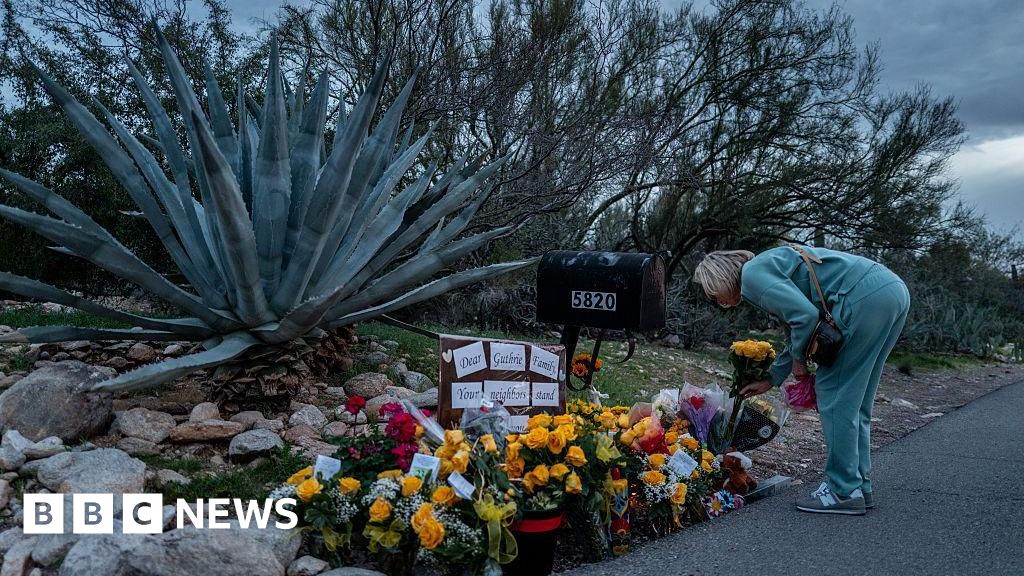

Abduction, Bitcoin Demand, TV Legend: Why Nancy Guthrie’s Case Rocks America

Global Attention Turns to Alleged Abduction as Savannah Guthrie’s Fame Sparks International Concern

In recent days, the world has been captivated not only by entertainment news but by a deeply troubling incident involving the mother of NBC’s prominent journalist, Savannah Guthrie. Her mother’s reported abduction has ignited a wave of international concern, exposing vulnerabilities within global security frameworks and raising alarm about the safety of families connected to influential figures. This event, amplified by Guthrie’s fame, has unexpectedly thrust an isolated criminal act into the spotlight with profound geopolitical ramifications, revealing how personal tragedies can echo far beyond national borders.

The case has become a subject of frantic coverage across international media outlets, with some analysts describing it as “a stark reminder of the vulnerabilities faced by public figures and their families”. While initial reports remain sketchy, sources suggest that the abduction could be linked to escalating geopolitical tensions, with some experts noting that such incidents often serve as tools for intimidation or political messaging. International law enforcement agencies, including INTERPOL, have issued alerts, emphasizing the importance of cross-border cooperation. The incident, seemingly personal, thus takes on a broader geopolitical significance—highlighting the fragile nexus between private security and national stability.

Scholars and analysts tracking the unfolding situation point to the underlying influence of international tensions and the growing use of covert operations by various state and non-state actors. According to a report by the International Crisis Group, such events can often be manipulated for strategic leverage, aiming to unsettle political climates or distract from broader issues like economic instability or military conflicts. The U.S. State Department and other regional security institutions are reportedly engaged behind the scenes, assessing whether this incident is an isolated crime or part of a larger pattern of targeted intimidation aimed at affecting the morale of influential personalities.

Historically, incidents involving prominent families connected to media and political spheres are not unprecedented. Some experts, including noted historian Dr. Elizabeth Hartwell, draw parallels with Cold War-era espionage, where personal vulnerabilities were exploited as means of psychological warfare. Guthrie’s prominence ensures that her family’s plight garners widespread attention, which could serve as a cautionary tale underscoring the importance of international cooperation and stronger security measures. Failure to address these vulnerabilities risks emboldening those who threaten societal stability, illustrating how individual cases can precipitate wider geopolitical shifts and societal upheavals.

As the world watches, the decision-makers face a critical moment. The ability of international institutions to respond effectively, while safeguarding the rights and safety of all citizens, underpins the current crisis’s gravity. The unfolding narrative underscores that, amidst this chaos, we are witnessing a pivotal chapter in the ongoing struggle to preserve national sovereignty and societal resilience. As Savannah Guthrie and her family navigate this harrowing chapter, history looms—a relentless reminder that, in a world increasingly interconnected, the line between personal tragedy and geopolitical turmoil is often disturbingly thin. The future remains uncertain, but the echoes of this event will surely resonate through the corridors of power, shaping policy and security paradigms for years to come.

Rising Stars Shine as High School Basketball Season Tips Off

Friday Night Lights: Youth Sports Ignite Community Spirit

Under the late summer sky, the energy at the field was palpable as the Riverside Ravens clashed with the Greenwood Eagles in a high-stakes showdown. This critical matchup not only showcased the athletic prowess of young players but also underscored the vital role sports play in uniting communities. As supporters filled the stands, the atmosphere pulsated with anticipation and pride, truly embodying the spirit of youth athletics.

Throughout the game, there were numerous game-changing moments that had fans on the edge of their seats. The Ravens’ star quarterback, Jake Patterson, was pivotal; his remarkable 350-yard passing game included three touchdown throws that left defenders scrambling. Coach Marc Thompson praised his team’s strategy and resilience, stating, “We prepared all season for this; teamwork and determination are the keys to our success.” The Eagles, not to be outdone, made a fierce comeback attempt in the second half, led by their dynamic running back Tyler Garcia, who rushed for 150 yards and a touchdown.

Key highlights from the game included:

  • Jake Patterson: 350 passing yards, 3 TDs
  • Tyler Garcia: 150 rushing yards, 1 TD
  • Final Score: Ravens 28, Eagles 21

Commentator Sara Jennings pointed out the significance of this game, emphasizing that it transcends mere competition. Saying, “It’s about the lessons learned and the connections built. These young athletes are the heart of our community.” As the Ravens celebrated their victory, it was evident that the scoreboard represented more than just points. The spirit of camaraderie among players, coaches, and fans alike illuminated the importance of sports in cultivating community bonds and encouraging personal growth.

In conclusion, while victories may be celebrated on the field, the true triumphs lie in the shared experiences that come from youth sports. The enduring friendships forged in the heat of competition and the invaluable life lessons learned resonate far beyond any final score. In a world increasingly divided, events like these remind us that sports serve as a powerful unifying force, driving us to come together as one community, regardless of the outcome.

Source link

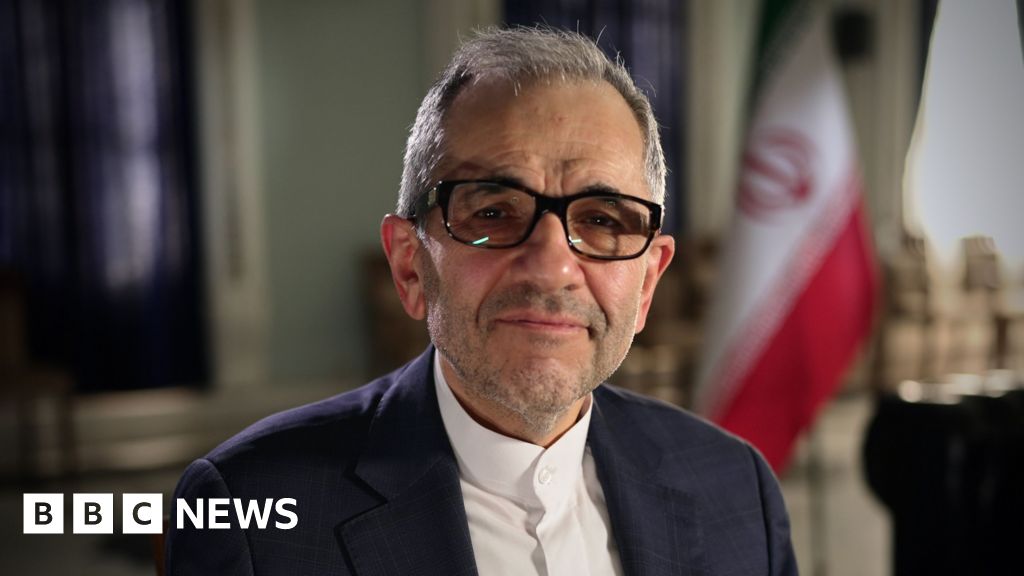
Iran open to compromises to seal nuclear deal, says Tehran minister on BBC

Amid escalating global tensions, the future of Iran and U.S. negotiations remains a focal point for international stability. In an interview with the BBC from Tehran, Majid Takht-Ravanchi, Iran’s deputy foreign minister, articulated a cautious yet hopeful tone, asserting that “the ball was in America’s court to prove that they want to do a deal.” His statement underscores the complex dance of diplomatic signals and counter-signals that have characterized these negotiations for years. While Tehran suggests an openness to a breakthrough, the core issue revolves around whether the United States is genuinely committed to reviving the 2015 Joint Comprehensive Plan of Action (JCPOA), a diplomatic agreement crucial for curbing Iran’s nuclear ambitions and stabilizing the region.

International analysts warn that any delay or perceived lack of sincerity from Washington risks further destabilizing a region already fraught with tension. Historically, the United States under multiple administrations has oscillated between engagement and sanctions concerning Iran, causing uncertainty that affects global markets and alliances. The recent remarks from Tehran serve as a reminder that diplomacy must be grounded in genuine intent; otherwise, the risk of a broader regional arms race or inadvertent conflict looms large. Significantly, the Biden administration’s approach has faced scrutiny from both allies and adversaries, with many fearing that the current political climate in the U.S. could hamper a real commitment to resolving decades-long disputes.

The international community, represented by institutions like the United Nations and leading nations, closely watches these developments, aware that the stakes extend far beyond Iran’s borders. A failure to reach a deal could enhance Tehran’s nuclear capabilities, undermine peaceful diplomacy in the Middle East, and provoke a dangerous escalation affecting Israel, Saudi Arabia, and other regional players. Some experts warn that a breakdown could entrench Iran’s isolation, fueling a cycle of sanctions and clandestine nuclear pursuits, raising questions about the effectiveness of current diplomatic tools to manage this volatile situation.

In this tense tapestry of diplomacy, the fundamental question remains: are the decisions made today shaping a future of peace or plunging the world into further chaos? History has repeatedly demonstrated that moments of diplomatic hesitation can have profound, long-lasting consequences. As the clock ticks, the weight of history presses down upon those in power—reminding us that the course they chart tonight could determine whether countless lives are safeguarded or sacrificed to the shadows of unresolved conflicts. The world holds its breath as the delicate balance of trust, interest, and strategic calculation continues to hinge on the sincerity of one side’s overtures, and whether the other will choose to meet it with genuine resolve.

NSW scores an extra holiday for Anzac Day, but other states opt out

Responses to national traditions in Australia continue to reflect rising considerations around identity, history, and geopolitics. Recently, the government of New South Wales announced the extension of Anzac Day observances by adding public holidays for 2026 and 2027 when the April 25 holiday falls on weekends. Such measures are not merely local politics but are intertwined with broader international reflections on military history, national sovereignty, and the symbolic weight of honoring wartime sacrifice. The announcement aligns with a conscious effort to preserve Australia’s national identity within the global arena, and analysts see it as an attempt to bolster national unity amid evolving geopolitical challenges.

The decision comes amid delineations of tradition and modern societal needs, with Premier Chris Minns emphasizing that the extended holiday does not diminish the solemnity of Anzac Day. In fact, it serves to enhance the recognition of service members and their contributions, acknowledged as foundational to Australian sovereignty and cultural resilience. However, critics, mainly small business associations, warn that such changes could introduce economic strain, especially on local commerce. The Returned and Services League of Australia (RSL) has expressed support, underlining the societal importance of allocating time for families of defense personnel. Yet, the move also underscores a deeper, bigger geopolitical discussion about how nations choose to commemorate history—balancing tradition with the realities of a rapidly changing world.

Across Australia, not all states are following suit. Queensland and Victoria will maintain their existing public holiday configurations, reflective of regional variance in societal priorities. The broader geopolitical impact of such decisions extends beyond mere calendars; it signals the political weight placed on national identity and historical memory amid global disorder. Historians and international analysts note that these commemorative practices are not static but are subject to political contestation—serving as symbols that maintain societal cohesion in uncertain times. Indeed, in a world increasingly fragmented by conflicts and ideological divides, nations like Australia are carefully crafting ceremonies that reaffirm their sovereignty while navigating external pressures, such as China’s rising influence in the Indo-Pacific or the lingering shadow of great-power rivalry.

As moderate right-wing youth-driven voices scrutinize these developments, questions about how history shapes present policies gain greater urgency. The debate over public holidays is more than ceremonial; it is a mirror of a society grappling with its past while facing an uncertain global future. For historic students, foreign policy experts, and citizens alike, every decision echoes across the corridors of international relations. Today, Australia’s move to extend its commemorative holidays may seem small, but it echoes a profound truth: that in the theater of geopolitics, history’s weight can influence the future in ways both overt and subtle. As the world observes, the unfolding narrative of Australia’s national remembrance continues to write itself into the broader story of nations striving to preserve their identity amidst relentless change—an enduring testament that history, like the tides of the current, is never truly finished.

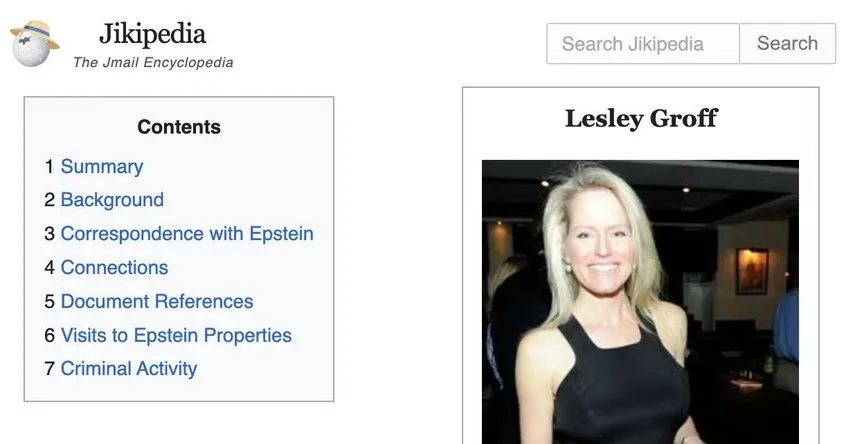
Jikipedia exposes Epstein’s elite network through leaked emails

Emerging Tech Disruption: Digital Reconstructions of Epstein’s Secrets Spark Industry Shake-up

The tech landscape is witnessing a groundbreaking development as a controversial project, led by the team behind Jmail, emerges on the scene with a powerful new tool: a clone of Wikipedia that compiles and analyzes vast amounts of data from Jeffrey Epstein’s emails. This innovative platform transforms raw, encrypted communication into highly detailed dossiers—mapping connections, transactions, and locations—potentially rewriting how sensitive data is harnessed for investigative or business purposes. According to insiders, these detailed entries include Epstein’s associations, his property holdings, and links to major financial institutions like JPMorgan Chase. This technological leap demonstrates both the capacity for disruption in data analysis and the profound implications for compliance, security, and privacy in the digital age.

This project exemplifies the frontier of what AI-driven data mining and visualization tools can achieve, signaling a seismic shift for industries reliant on intelligence gathering and corporate transparency. The platform’s ability to compile multi-layered profiles from email exchanges, property records, and financial dealings introduces a new level of depth to open-source intelligence (OSINT). Industry analysts from Gartner and MIT’s cybersecurity research labs are already praising the innovation, noting its potential to outperform traditional investigative methods. Yet, critics warn of the darker side: the ethical and legal dilemmas associated with such detailed, granular data reconstructions could spark a wave of regulatory scrutiny and societal debates about privacy rights.

The broader business implications are equally profound. Companies and governments are increasingly relying on such disruptive technologies to gain strategic advantages—whether for uncovering illicit activity, safeguarding assets, or competitive intelligence. The Jmail platform’s ability to automatically generate profiles that include detailed biographical data, property acquisitions, and law enforcement-related activities underscores how disruption of traditional investigative processes could lead to quicker, more comprehensive insights. In this context, established institutions like JPMorgan are already under scrutiny for their historical dealings with Epstein, emphasizing how data-driven transparency may expose hidden risks and influence policy reforms.

Looking ahead, this wave of technological innovation invites a sense of urgency for industry stakeholders. Leaders like Elon Musk and Peter Thiel have long predicted the revolutionary potential of AI and decentralized data systems, yet they warn that without careful regulation and ethical frameworks, such tools could be misused or lead to societal harm. The emerging platform’s power to reconstruct complex networks from digital footprints signals a future where information sovereignty is fragile and the distinction between investigative tool and weapon is razor-thin. As these advancements accelerate, the key question remains: how will industries, regulators, and society balance the immense potential of disruptive data technologies with the imperative to safeguard fundamental rights? The future belongs to those who act swiftly—igniting a new era where speed, innovation, and responsibility determine technological supremacy.

Keeping phones aside at school, teens find stress drops—time to prioritize focus over distraction.

Smartphone Bans in Schools: A Reflection of Society’s Evolving Nature

The recent decision by Alderbrook School in Solihull to enforce a strict smartphone ban marks a significant development in the ongoing debate about technology’s role within educational settings. While some students have welcomed this change, citing increased focus and better interpersonal interactions, others remain resistant, fearing loss of autonomy and social connectedness. This shift underscores broader societal tensions regarding the influence of digital devices on our youth, families, and communities.

Social commentators and sociologists have long observed that the pervasive presence of smartphones has reshaped social dynamics, especially among minors. Alphonso G. Berger, a noted social psychologist, argues that technology can serve as both a bridge and a barrier—enhancing communication but also fostering dependency and distraction. In schools like Alderbrook, administrators see the immediate benefits of reducing distractions—improving attention spans, fostering better classroom engagement, and creating a safer environment free from cyberbullying. Yet, critics warn that such measures may inadvertently hinder students’ development of digital literacy—an essential skill for their future participation in society.

This conflict directly affects families and local communities. For parents, the smartphone ban may represent a double-edged sword—offering relief from the constant classroom alerts but raising concerns about their children’s ability to regulate digital use outside of school hours. Historical analyses by social historian Dr. Margaret Liu highlight that the rapid technological change within a few decades has outpaced the development of appropriate social and ethical frameworks. The challenge now is to find a balanced approach that promotes responsible digital citizenship without alienating youth from essential social realities.

Furthermore, the debate transcends individual schools and touches on wider policies impacting educational institutions nationwide. As schools grapple with declining attention spans, rising instances of cyber harassment, and issues of digital equity, solutions must be comprehensive.

  • Implementing digital literacy programs that teach responsible device use
  • Encouraging parental involvement and monitoring
  • Establishing clear guidelines that respect student needs while safeguarding educational integrity

In essence, society faces a delicate balancing act: preserving the capacity for authentic human connection amid pervasive digital influences while nurturing the skills needed for responsible participation in a technologically driven future. As Alderbrook School’s move demonstrates, sometimes the most significant societal shifts begin with small acts—an evacuation of distractions, a return to face-to-face conversation, and a collective effort to forge a society that values genuine human bond over transient digital approval. In the quiet moments beyond the classroom walls, society is reminded that the true challenge lies not in banning devices but in cultivating resilient communities—where young individuals learn not just to survive, but to thrive amidst constant change.

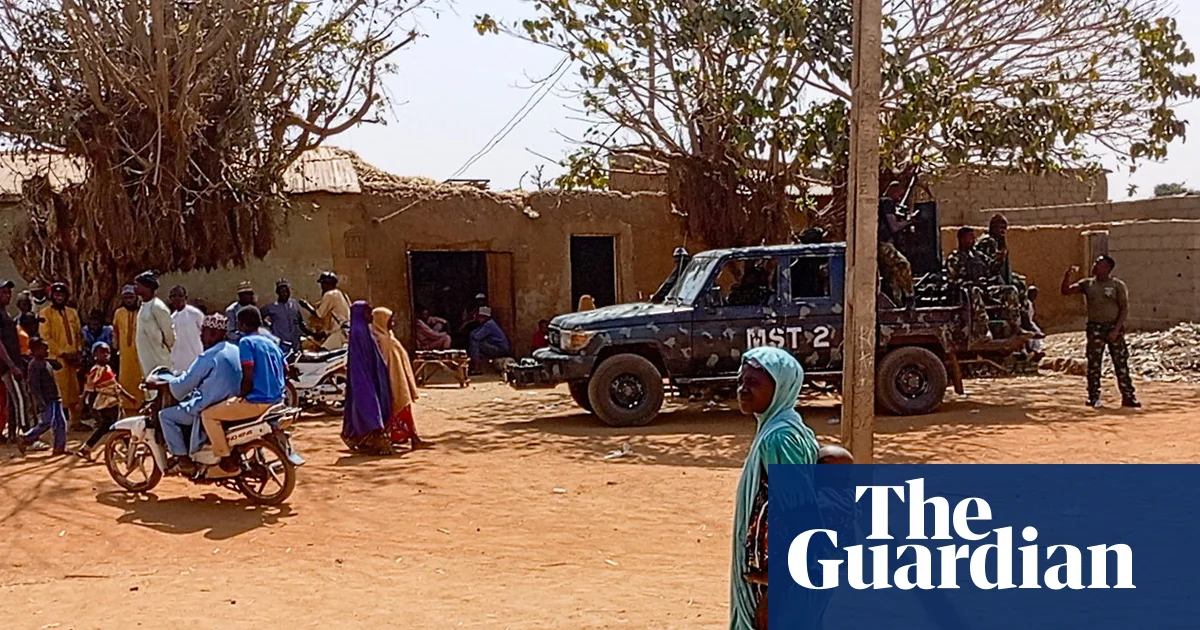
Northwest Nigerian Villages Hit Hard: 32 Dead in Underattack, Residents Report

The recent wave of violence in Nigeria signals a complex and deteriorating security landscape that is reshaping the geopolitics of West Africa. Early Saturday morning, armed assailants on motorbikes launched deadly raids on three villages in Niger State, claiming at least 32 lives and leaving destruction in their wake. These targeted communities—Tunga-Makeri, Konkoso, and Pissa—have become the latest battlegrounds in a series of brutal assaults by unidentified armed groups, often referred to as “bandits,” whose operations have stretched across northern Nigeria for months. The strategic location near the border with Benin Republic underscores the regional implications of this violence, as it threatens stability in neighbouring nations and complicates international efforts to contain the crisis.

The attack, characterized by indiscriminate gunfire, arson, and abductions, mirrors a broader trend of escalating violence that has overwhelmed Nigerian security forces. The perceived failure of local and federal authorities to restore order has alarmed international analysts and organizations, with the United Nations and African Union warning of the potential for wider destabilization. US government officials have accused Nigerian authorities of neglecting their duty to safeguard Christian communities, although the violence itself affects adherents of both faiths. In response, Washington has ramped up security cooperation with Nigeria, including targeted strikes against armed groups in recent months, marking a shift toward direct intervention in a sovereign territory—a move that risks further inflaming local tensions while reflecting the gravity of the threat.

Historians and security experts highlight that Nigeria’s insecurity is not merely a local issue but a mirror of broader regional instability. Analysts point to the proliferation of armed militias and the porous borders that facilitate the movement of fighters and illicit weapons. The current crisis demonstrates how unresolved governance issues, economic hardship, and ethnic tensions have created fertile ground for criminal groups to flourish. In these volatile conditions, the international community faces a vital decision: to bolster security partnerships and counter-terrorism efforts or risk a complete unraveling of Nigerian sovereignty and peace. As residents flee and villages lie in ruins, the continent’s future hangs in the balance, precariously shaped by decisions made in Nairobi, Brussels, and Washington.

With each passing day, the unfolding violence in Nigeria echoes as a stark reminder of how fragile peace remains in Africa’s most populous nation. As security forces scramble to contain the violence and international actors weigh their next moves, the question remains whether this surge in violence is merely the tip of the iceberg or a sign of more profound upheaval to come. One thing is clear: history is being written beneath the smoke and flames—history that narrates a struggle not just for stability but for the soul of a nation that, despite its wealth of resources and resilience, now teeters on the edge of chaos. The road ahead remains uncertain, and for the millions living in the shadows of conflict, each day is a test of endurance and hope amidst the chaos.

Celebrity Spotlight: The Iconic Figures Shaping the JFK Jr. Legend—A Youthful Take on a Timeless Love Story

In the midst of a new era dominated by rapid social change and redefined notions of legacy, television continues to serve as a mirror and mold of society’s evolving values. The recently premiered FX series Love Story: John F. Kennedy Jr. & Carolyn Bessette stands out not just as a dramatized recounting of iconic 90s figures but as a definitive cultural artifact that underscores a fascinating shift in societal narratives. This series deftly intertwines celebrity, fashion, and societal expectations, bringing a nostalgic yet critical lens to the glamour and intricacies of the early ’90s—an era often romanticized for its rebellious spirit but also scrutinized for its social hierarchies.

Remarkably, the series has captured the imagination of a youth demographic increasingly obsessed with nostalgia and the trauma of social media fame. Influencers and analysts have pointed out that it’s not just a biopic; it’s a reflection of a societal obsession with legacy and celebrity culture. Through characters like Calvin Klein and Kate Moss, the series spotlights how fashion and fame interacted to create the archetype of modern celebrity: a blend of style, scandal, and societal influence. Walking the tightrope between admiration and critique, the show’s depiction of figures like Mark Wahlberg and Madonna reveals how societal shifts have affected the public’s perception of morality and success. These stories reveal how societal values are *perpetually in flux*, with youth in particular questioning what it means to truly be authentic amidst a backdrop of hyper-glamorous illusions.

The cultural impact of this series extends beyond mere entertainment; it rekindles debates about how social identities and societal perceptions are constructed through Hollywood, fashion, and politics. Scholars like Dr. Lisa Miller suggest that these portrayals serve as a lens into the *shifting social norms*—especially how gender roles and power dynamics are portrayed and challenged through the personal stories of these high-profile figures. The narrative’s focus on Carolyn Bessette’s rise amidst Hollywood’s superficial allure hints at a deeper desire among today’s youth for authenticity in a social climate often dominated by curated images and fleeting viral moments. Meanwhile, the recurring references to iconic celebrities like Michael Bergin and Kate Moss present a layered illustration of how the fashion industry’s influence on personal identity has escalated in the digital age, intensifying the societal obsession with appearance and influence.

Interestingly, the series also sets the stage for one of the most compelling questions of today’s social media-driven world: *Are we witnessing the end of traditional celebrity?* As younger audiences increasingly seek genuine connections over curated personas, the enduring legacy of these 90s icons prompts us to ask—*what does fame really mean in an age where anyone with a smartphone can be a star?* With influencers emerging as the new cultural icons and platforms amplifying authentic voices, the next big question is whether society is headed toward a renaissance of genuine, unfiltered fame or if we are merely reshaping our obsession with superficial glamour into a new digital spectacle. As the lines between reality and social media blur, the true challenge will be understanding if the future of fame will be rooted in raw authenticity or further entrenched in curated illusions.

Think You Know Romance Books? Test Your Knowledge and Unlock the Secrets of Love Literature

In an era often characterized by rapid change and shifting cultural landscapes, the enduring popularity of romance literature reminds us that stories of love, passion, and human connection are more than escapism—they are the very threads that weave together the fabric of societal identity. This genre, once dismissed as mere entertainment, functions as a mirror reflecting the timeless values and archetypes that define our civilization. As Ortega y Gasset might argue, culture is the horizon of our existence, and in romance novels, we see these horizons expressed through familiar tropes and myths that persist across generations. Whether it is the rake defying societal norms or the cinnamon roll character embodying innocence and vulnerability, these symbols serve as cultural signposts that ground us in tradition amidst a sea of modern upheaval.

The phenomenon of romance’s broad appeal underscores a fundamental truth: culture shapes identity. The stories we cherish and tell each other forge a collective memory that influences societal expectations and personal aspirations. Chesterton warned of the danger of losing touch with our roots, emphasizing that true progress involves not just innovation but a reaffirmation of tried and true principles. In romance, tropes like the one bed or happy-ever-after encapsulate shared ideals—trust, loyalty, hope—that form the backbone of our cultural narrative. These motifs are not static; they are continually reinterpreted, allowing each generation to renegotiate their significance, yet always anchored to core values that speak to human nature’s unchanging core.

Modern commentators and cultural critics recognize that beneath the surface lies a profound dialogue with the past. In T.S. Eliot’s reflection on tradition and innovation, we find a parallel to the way romance writers subvert or adhere to classic tropes to fresh effect. The genre’s ability to adapt—by exploring themes from forced proximity to spice levels—demonstrates that culture evolves while remaining rooted in its foundational stories. It is through these stories that society not only preserves its identity but also projects its hopes and fears onto future generations. Ultimately, these tales are a form of cultural memory—a repository of the collective wisdom amassed over ages, inspiring new visions of love and humanity while acknowledging the timeless human condition.

As we look to the horizon of human history, we sense that culture is both our memory and prophecy, a reflection of who we are and a promise of who we might become. The stories and symbols that endure are more than entertainment—they are the poetic echoes of our shared destiny, whispering that amid chaos, it is love, connection, and tradition that give life its deepest meaning. In the dance of culture and time, we find ourselves not only recalling our history but also shaping our future, as the enduring stories remind us that, at our core, we are creators of meaning—bound by memory, propelled by hope.

Social Media Auto Publish Powered By : XYZScripts.com