Matox News

Truth Over Trends, always!

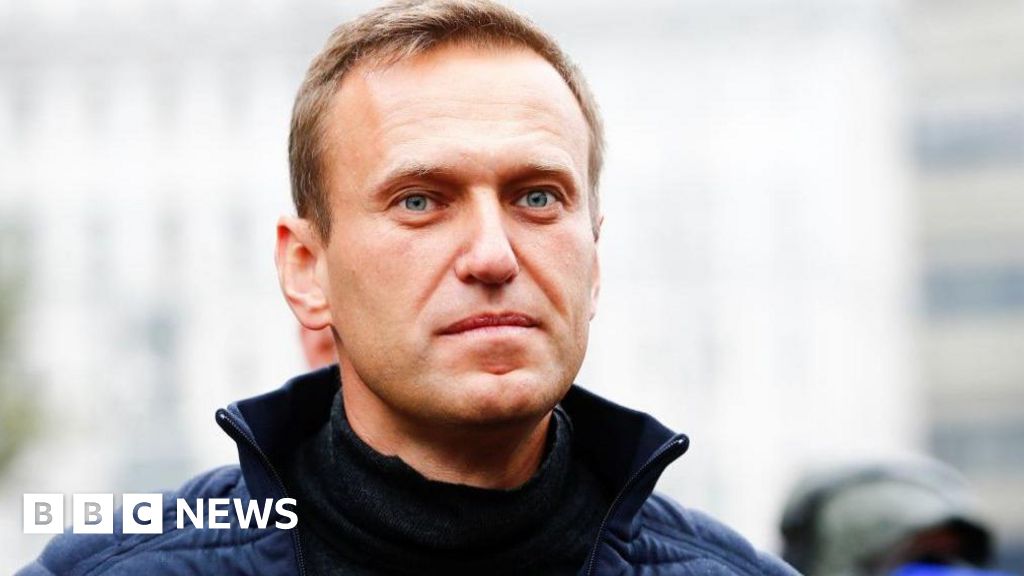
UK Allegedly Charges Russia with Using Dart Frog Toxin to Silence Navalny

In an alarming development that has sent shockwaves through the international community, the Foreign Office has declared unequivocally that there is no innocent explanation for the presence of a toxin detected in samples taken from Alexei Navalny. The outspoken Russian opposition figure, whose pro-democracy activism has challenged the Kremlin’s authority, remains at the center of a geopolitical crisis that threatens to reshape alliances and spark new tensions across Europe and beyond.

The revelation comes as part of a broader narrative of escalating state-sponsored poisonings linked to Russia, which has consistently denied involvement despite mounting evidence from international investigations. The poisoning of Navalny, who fell seriously ill in August 2020, has become a focal point for Western sanctions and diplomatic condemnations. The European Union and United States have called for transparency, demanding that Moscow disclose all details regarding the toxin used—highlighting the serious breach of international norms and the potential for a new Cold War-era standoff rooted in covert operations and political repression.

Analysis from leading international organizations, including the Organization for the Prohibition of Chemical Weapons (OPCW), underscores the gravity of the situation. Experts argue that this incident marks a turning point in the ongoing struggle over sovereignty, human rights, and international law. Countries allied with the West warn that tolerating such actions emboldens authoritarian regimes and undermines the global order. Meanwhile, Russia insists that Navalny’s poisoning was a domestic matter, dismissing accusations as Western interference. This entrenched denial fuels fears of escalating hostilities and complicates diplomatic efforts to forge a unified response.

Historian and geopolitical analyst Dr. Mark Evans notes that the incident illustrates a fundamental shift in international relations—where informal warfare and covert operations have become tools to stifle dissent and influence power dynamics. The fallout from Navalny’s poisoning extends beyond Russia’s borders, threatening to plunge the continent into renewed uncertainty. As NATO officials consider their next move, the world watches with bated breath, acutely aware that this episode could be a catalyst in a new era of poisoned diplomacy. With each revelation, the weight of history presses down, reminding us that in the shadows of global politics, the line between peace and conflict remains perilously thin.


Cuban Cigar Festival Cancelled as U.S. Sanctions Deepen Energy Crisis

The global community faces a new chapter of uncertainty as an eagerly anticipated international event, commonly regarded as a gathering of enthusiasts and connoisseurs, has been officially postponed. Originally scheduled to take place annually, this renowned aficionados’ bonanza has been indefinitely delayed, a decision driven primarily by widespread shortages impacting international travel and logistics. This development signals not only a setback for cultural exchange but also underscores the fragile fabric of international mobility in a world grappling with persistent supply chain disruptions.

Underpinning this postponement are a series of complex geopolitical and economic shifts that ripple across nations and societies alike. Multiple factors, from recent global conflicts to pandemic-related disruptions, have strained the interconnected networks that traditionally sustain such large-scale international gatherings. Experts from organizations like the World Travel & Tourism Council warn that limited aircraft availability, rising fuel costs, and strained port infrastructure have created a perfect storm, forcing event organizers to reconsider timelines and planning. As countries tighten border controls to combat ongoing health crises or adjust policies in response to regional conflicts, the once-fluid flow of international visitors has become severely constricted.

Many analysts emphasize a broader geopolitical impact: the shift signifies more than just logistical delays but a recalibration of global cultural diplomacy. The postponement hampers opportunities for cross-cultural dialogue, undermining efforts to foster international understanding amid rising nationalism. Additionally, some speculate that these disruptions may accelerate the retreat from open borders, fostering more inward-focused policies, potentially more hostile to international collaboration. Security assessments by intergovernmental agencies highlight increased risks associated with lengthy international travel shortages, including reduced cultural exchange programs vital for soft power influence. The rift between global economies becomes increasingly evident, especially as developing nations face mounting challenges to participate in or host such international assemblies.

As historians and international affairs experts scrutinize the unfolding developments, many draw parallels with previous periods of global upheaval, where supply chain disruptions precipitated shifts in international strategy and societal behavior. The postponement echoes past moments when global conflict or crises redefined the cultural and diplomatic landscape, serving as a stark reminder of the interconnectedness—and vulnerability—of modern civilization. As the crisis persists, the words of geopolitical analyst Dr. Emily Carter resonate: “This moment reveals how fragile our global networks truly are and underscores the necessity for resilient infrastructure to withstand future shocks.”

Ultimately, the decision to delay the traditionally vibrant event is a stark testament to the ongoing turbulence characterizing our era. It leaves a profound sense that history, like an unwritten story, continues to unfold with each passing day. As nations brace for a new reality shaped by scarcity, uncertainty, and shifting alliances, the world stands at a crossroads—where every decision echoes through generations yet to come, carving the contours of a future still shrouded in the shadow of upheaval and change.

Alta Teams Up with Public School to Bring Sharp Styling Tools to Your Favorite Sites

Revolutionizing Fashion with Virtual Reality: Alta Sets the Stage for Industry Disruption

In a bold move demonstrating the transformative power of artificial intelligence (AI) and virtual environments, Alta, an innovative tech startup founded by Jenny Wang, is carving a niche at the intersection of fashion and digital innovation. Having secured an $11 million funding round led by Menlo Ventures, Alta is pioneering a virtual closet ecosystem that allows millions of users worldwide to create digital wardrobes, style outfits, and try them on using hyper-realistic avatars. This disruption is not merely a flashy display of technology—it’s a strategic overhaul of how consumers interact with brands, heralding a new era where digital and physical shopping converge seamlessly.

The business implications are profound: traditional retailers are facing mounting pressure to adapt to these rapid technological shifts. Alta’s collaboration with industry heavyweight brands such as Public School exemplifies how established designer names are embracing AI-driven storytelling and immersive customer engagement. As Wang highlights, the company’s app has already generated over 100 million outfit simulations since its 2023 launch, attracting attention from publications like Time and Vogue—a clear marker of mainstream industry recognition. This datastream signals a pivotal shift towards personalization and immersive shopping experiences, compelling brands to rethink their digital strategies if they are to stay competitive.

What makes these developments standout is the integration of digital fashion with e-commerce platforms. Alta’s platform now features interactions with thousands of brands, providing a direct avenue for consumers to style, test, and purchase fashion items within a unified AI-driven environment. Notably, the recent integration with Public School signifies a major milestone—marking the first time a high-profile designer embeds a fully personalized avatar styling tool directly into its website. This innovation fundamentally alters the consumer journey: shoppers can now style pieces on their Alta avatar directly from brand pages, removing friction and increasing engagement. Such features signal a future where digital try-ons become standard, shifting power away from brick-and-mortar stores and into the hands of data-driven, digitally native brands.

Looking ahead, industry analysts from Gartner and MIT suggest that these must-have technologies will influence broader retail strategies across sectors, blurring the lines between digital entertainment, social media, and commerce. As The Economist warns, the rapid adoption of avatar personalization and AI-enhanced storytelling could lead to “industry disruption on a scale comparable to the advent of online shopping itself.” For entrepreneurs, investors, and established players alike, the message is clear: embracing virtual innovation is no longer optional—it’s imperative for survival. The next wave of tech-driven fashion brands will leverage these tools to personalize experiences at scale, fostering loyalty and unlocking new revenue streams.

In this swiftly evolving landscape, Alta and its peers are setting the pace for a future where virtual identities, AI, and digital fashion not only disrupt but redefine consumer interaction. With investments pouring in and visionary brands like Public School actively integrating these innovations, the race is on to harness these breakthroughs at an industry-wide level. For those who ignore these signals, the risk is clear: being left behind as the digital revolution in commerce accelerates at a relentless pace. The future of retail is digital, personalized, and undeniably disruptive—those who adapt today will dominate the markets of tomorrow.

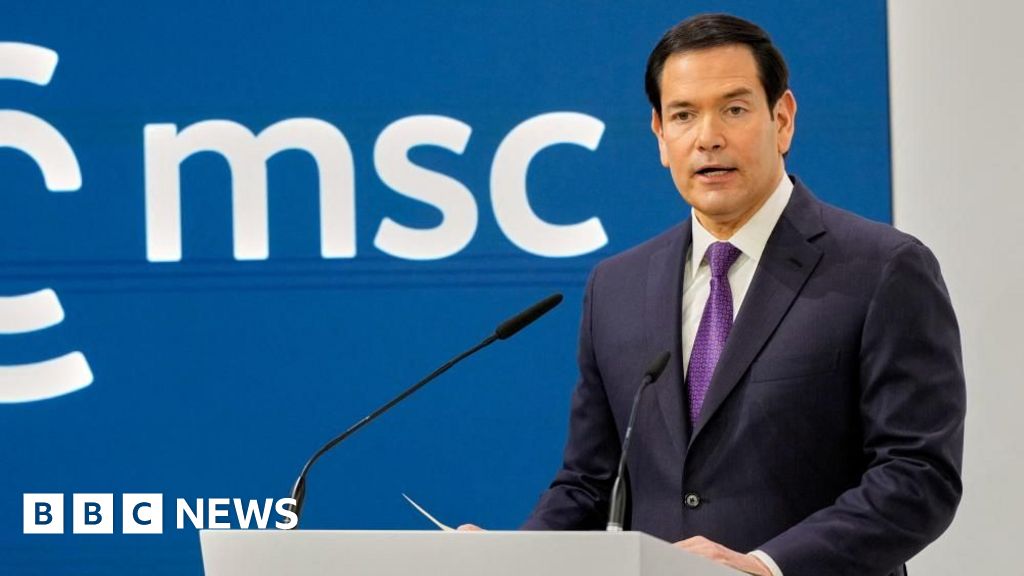
Rubio: U.S. and Europe Still Strong Partners Amid Tensions

In a significant diplomatic move, U.S. Secretary of State Anthony Blinken recently delivered assurances to European leaders, affirming that the Trump administration’s policies do not signal a departure from the longstanding transatlantic alliance. This reassurance comes amid widespread global speculation about shifts under the recent U.S. presidential administration, prompting both alarm and cautious optimism among international analysts. As Europe grapples with an increasingly complex geopolitical landscape, the reaffirmation from Washington aims to solidify mutual commitments in an era marked by rising nationalism and fluctuating alliances.

Experts and historians have long emphasized the importance of the transatlantic alliance as a cornerstone of international stability, particularly through NATO’s enduring presence since its founding in 1949. Analysts such as Dr. Maria Sanchez, a prominent geopolitical scholar, highlight how U.S. policymakers often oscillate between engagement and retrenchment but ultimately recognize the alliance’s critical role in countering Russia’s geopolitical ambitions and maintaining leverage in global security matters. Nevertheless, recent statements from U.S. officials suggest an awareness that the post-Trump political landscape could still influence American foreign policy, which underscores the importance of diplomatic clarity to reassure allies on both sides of the Atlantic.

Furthermore, the European Union and NATO members remain deeply concerned about the potential for geopolitical disruptions stemming from internal American politics. Such fears were temporarily amplified by the tumultuous U.S. elections and policy shifts, prompting European leaders to question the durability of long-standing commitments. The U.S. Secretary of State’s recent comments serve as a strategic gesture to quell uncertainties, especially ahead of crucial NATO summits and European elections. The move also underscores the growing importance of the United States reaffirming its role as a reliable partner—a role that many analysts warn is indispensable in today’s unpredictable international order.

From a broader perspective, international organizations like NATO and the European Union are observing this diplomatic reassurance as a sign that Washington remains committed to a rules-based order and international stability. Yet, many experts warn that genuine trust will only be restored through consistent action and tangible policies, not just words. As some historians argue, the future of the transatlantic relationship hinges on a global environment increasingly defined by competitive powers such as China and Russia. The decisions made in Washington and Brussels today, therefore, carry the weight of history, potentially shaping the trajectory of global alliances for decades to come.

In an era where geopolitical tensions can escalate rapidly, the reaffirmation of alliance commitments remains a pivotal hinge in the balance of power. The world watches as leaders navigate the delicate dance of diplomacy, fully aware that today’s assurances could be tomorrow’s fragile diplomatic fabric. The ongoing unfolding of this story signals that, amid shifting allegiances and rising global threats, the question remains: How resilient are the pillars of the international order, and what price will societies pay when these pillars crack or falter? As history continues to write itself, the fate of the transatlantic alliance—an enduring symbol of Western strength and cooperation—stands at a crossroads, with its future writerly in the hands of those who hold the pen.

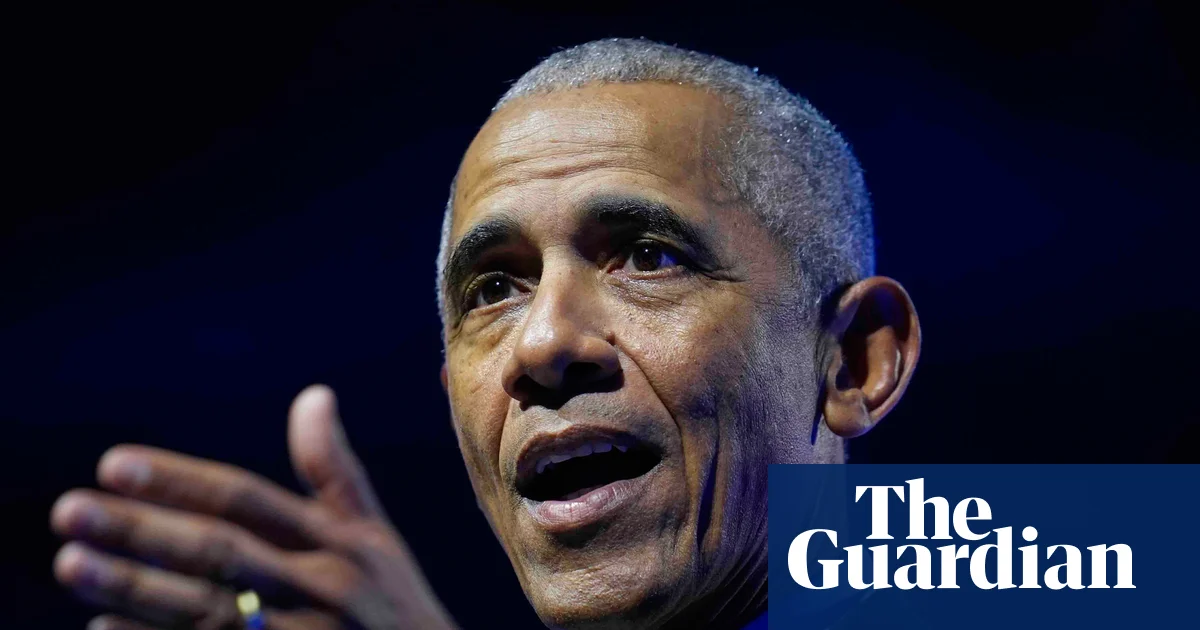
Obama backs anti-ICE protests in Minneapolis—Young voices rising for reform

The recent upheavals in Minneapolis and the surrounding Twin Cities expose a significant chapter in the ongoing struggle over U.S. immigration policies and federal authority. Former President Barack Obama publicly voiced his support for local demonstrators opposing the controversial Immigration and Customs Enforcement (ICE) operations, which he described as “unprecedented.” His remarks highlight the geopolitical impact of internal U.S. policies that not only shape the nation’s social fabric but also resonate broadly on the international stage. As mass protests erupt and authorities retreat, analysts argue these events underscore an inflection point in America’s internal stability and how its leadership chooses to wield federal power in the face of public dissent.

At the heart of this critical moment is how decisions at the federal level influence societal perceptions and international credibility. The escalation of ICE actions—deployed without clear guidelines and involving aggressive tactics like tearing gas canisters and entrapping families—has been widely condemned. Historically, experts like Dr. Samuel Harper, a senior analyst at the Global Policy Institute, underline that “the backlash against federal immigration enforcement reveals a broader narrative: Americans are deeply divided about the **values** that define their nation.” It is ironic that the federal government, which often portrays itself as the defender of national sovereignty, now faces accusations of endangering the very communities it claims to protect, thereby fueling accusations of overreach and authoritarianism.

U.S. officials, including Tom Homan, the former border czar, indicated a voluntary scaling down of operations following highly publicized deaths at the hands of federal agents—a turning point that many interpret as a response to mounting protests. These developments suggest that the message conveyed by the American populace, especially the youth, is one of resistance against what many see as overstepping constitutional bounds. The international community, including the United Nations and human rights organizations, has scrutinized these events, warning of damage to America’s global image and urging accountability. Yet, critics argue that such recalls signal a recognition of the tides turning, as a citizenry increasingly demands adherence to fundamental rights and the rule of law.

As the debate intensifies, the emotional narratives shared by leaders like Obama and Michelle Obama evoke a sense of crisis—a call for Americans to reflect on their core values. Historically, moments of internal unrest often serve as turning points in national identity; whether these protests mark a shift towards greater justice or signal unresolved divisions remains to be seen. What is undeniable is that the decisions made in the coming weeks will reverberate across generations, influencing policies, societal attitudes, and the very fabric of what it means to be an American. As history continues to unfold, the weight of this chapter will linger, a stark reminder that the struggle over liberty, justice, and sovereignty remains as vital as ever, etched into the annals of a nation still seeking its true direction amid tumult and change.

Brazil’s Pinheiro Braathen grabs historic gold, South America’s first Winter Olympics medal—Winter 2026 heats up!

The 2026 Winter Olympics witnessed not only a display of remarkable athleticism but also significant geopolitical symbolism. Among the most striking narratives was the historic gold medal victory of Lucas Pinheiro Braathen, a young athlete representing Brazil. His achievement was historic: the first-ever Olympic medal for a South American athlete in Winter Games history. That moment transcended sports, carrying the weight of societal change and international perception. It showcased how individual determination can challenge prevailing narratives about nations, race, and identity on the global stage.

Pinheiro Braathen’s story is emblematic of broader shifts, especially in a world where international sporting events are increasingly intertwined with issues of sovereignty and cultural representation. Born in Oslo to a Brazilian mother and Norwegian father, the athlete’s personal journey of claiming his legacy in Brazil defies traditional stereotypes. His victory sends a strong message, emphasizing that how nations present themselves on the world stage can be reshaped by the resilience of individuals willing to defy conventions. Analysts suggest that such moments bolster soft power for emerging nations, which now see sports as a domain to redefine their global stature. Historically, the significance of representation in global events has been understood by international scholars as a catalyst for changing national identities and societal cohesion.

Meanwhile, the race itself was fraught with geopolitical undertones. Marco Odermatt, the reigning Olympic champion from Switzerland, secured silver—yet the story was about Braathen’s stunning underdog victory. The event echoed the persistent rivalry between traditional winter sports powerhouses and nations like Brazil trying to leave their mark. As noted by international commentators and historians, the move by Braathen aligns with a broader trend of non-traditional nations investing in winter sports—a strategy to assert emerging influence and stimulate national pride. These shifting dynamics signify a transformation in the geopolitical landscape, where soft power assets, such as Olympic medals, now serve as symbolic battlegrounds for international prestige.

Looking ahead, the implications for international institutions and world governance are profound. The IOC, forges alliances and promotes narratives of unity and progress, yet it is also a stage for geopolitical signaling. The inclusion of athletes like Braathen, who connect diverse cultural identities, reinforces an evolving global order emphasizing individual agency over old hierarchies. As global analysts track these developments, the broader question remains: how will nations leverage such stories to redefine their roles in a fractured world? The unfolding narrative of Braathen’s victory leaves us contemplating not just the glitter of medals but a deeper, more enduring story—one where the personal is intertwined with the political, and history is written not in grand treaties, but in the individual triumphs that challenge the status quo. As the world’s gaze turns from these fleeting moments at the Winter Olympics, the real story persists: in the shadows of icy slopes and soaring flagpoles, the future of international power dynamics continues to be shaped.

National Student Pride Closes After 21 Years of Fighting for Youth Voices

End of a Community Tradition: A Reflection of Broader Social and Cultural Shifts

The announcement that this weekend’s community event will be its last signals more than just the loss of a local tradition. Organizers have cited a significant decline in sponsorship support over recent years, underscoring a troubling trend of diminished communal investment and engagement. Such events, often rooted in shared cultural heritage and local solidarity, serve as vital touchpoints for building social cohesion, nurturing civic pride, and strengthening familial bonds. Their fading points to a society where economic pressures, shifting social priorities, and demographic changes threaten to erode the fabric that binds neighborhoods together.

As sociologists and social commentators have observed, the decline of community-centered initiatives reflects, in part, broader uncertainties and tensions within society. Economic strains have compelled many families and local businesses to prioritize immediate financial survival over participation in cultural or communal endeavors. Historically, institutions such as schools, local councils, and community organizations have played crucial roles in maintaining social stability and transmitting shared values. However, as these institutions face challenges of funding, relevance, and engagement, the social fabric begins to fray, further complicating efforts to foster a sense of belonging among youth and families alike.

How social issues directly impact families, education, and communities becomes evident when local traditions fade. The absence of ongoing communal events deprives younger generations of generational storytelling, cultural inheritance, and opportunities for active civic participation. This vacuum fosters a sense of disconnection, potentially leading to increased social alienation and polarization. Many social analysts argue that without deliberate intervention and innovative approaches, these losses threaten to deepen societal rifts, undermining the foundational values of shared responsibility and community service.

In examining such decline, some sociologists, like Christopher Lasch, emphasize the importance of *cultural resilience*—the capacity of communities to adapt and preserve core values amid change. Historians point to past periods of social upheaval, noting that renewed community engagement often emerges from intentional efforts to reconnect residents through shared projects and local history initiatives. Moving forward, solutions may involve fostering youth involvement, revitalizing local institutions, and encouraging cross-sector collaborations that prioritize cultural preservation and social cohesion. Only through these concerted efforts can communities hope to bridge the gaps caused by economic and demographic shifts, restoring a sense of collective purpose.

As society stands at this crossroads, the fading of this cherished event serves as a somber reminder of the complex social dynamics shaping our world. Yet, it also beckons us to confront these challenges with hope and resilience—recognizing that the strength of a community lies not solely in its traditions, but in its willingness to adapt, rebuild, and forge new paths toward lasting social unity. In the end, these societal upheavals challenge us to reflect on what it truly means to be a community, and whether we are willing to invest our shared hopes for the future into the causes that bind us—before they, too, become memories of what once was.

Young Stars Shine: Future Athlete Showcase Highlights Next Generation of Talent

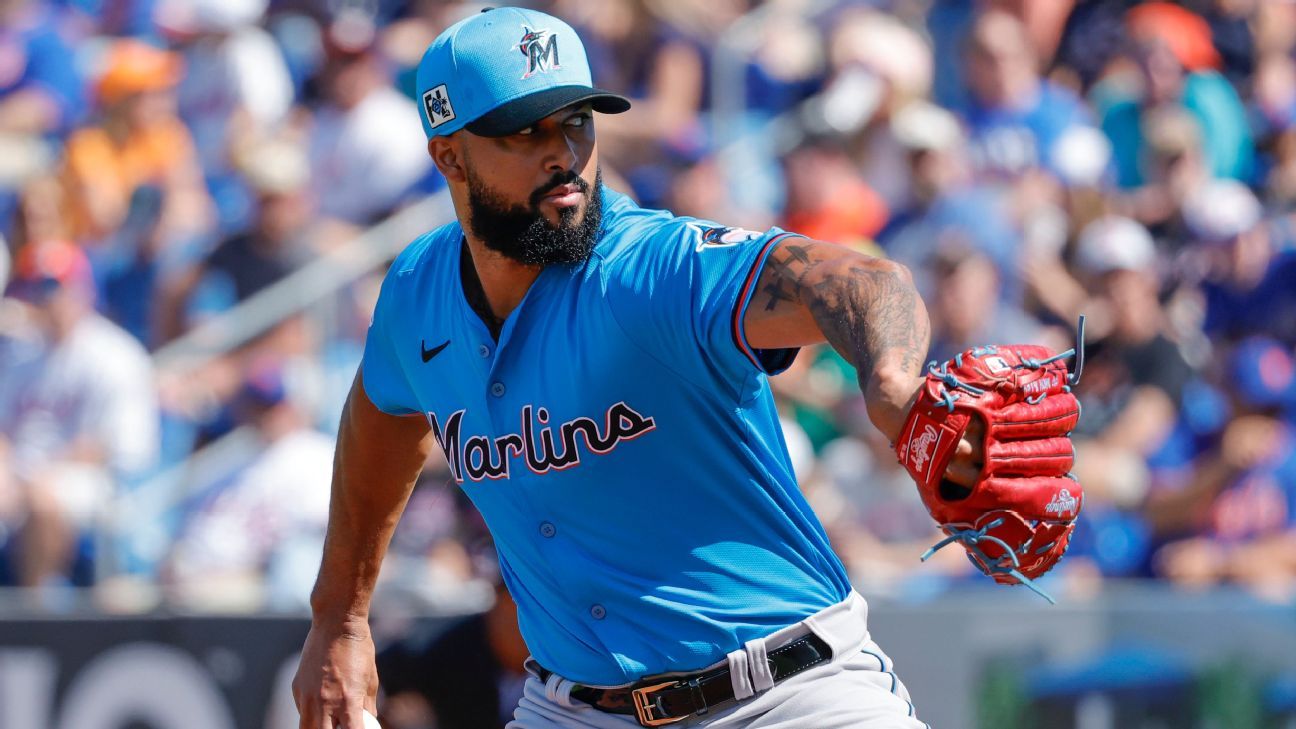
Alcántara Leads the Charge for Marlins’ Sixth Opening Day Start

The Miami Marlins have officially announced that ace pitcher Sandy Alcántara will take the mound as the team’s Opening Day starter for a record sixth time. This decision marks a significant moment not only in Alcántara’s career but also in the history of the franchise. As the Marlins gear up for the new season, the choice to benefit from Alcántara’s experience highlights the team’s commitment to a winning culture and elevates expectations for 2023.

Alcántara, whose 2022 performance solidified him as one of the top pitchers in Major League Baseball, posted an impressive 2.28 ERA and tallied over 200 strikeouts. His consistency and formidable presence on the mound have made him a cornerstone of the Marlins’ rotation. Manager Don Mattingly commented on the decision, stating, “Sandy is not just our ace but a leader in every sense. His ability to perform under pressure will be invaluable on Opening Day.” The Marlins hope that Alcántara can continue his dominance and set the tone for what could be a pivotal season.

  • Record-Breaking Starter: Alcántara surpasses previous franchise records.
  • 2022 Results: Achieved a stunning 2.28 ERA and over 200 strikeouts.
  • Team Outlook: Increased expectations for a strong playoff run.

With the first pitch approaching, commentators and analysts are buzzing with excitement about the Marlins’ potential. Analyst Jessica Mendoza emphasized, “With Alcántara on the mound, the Marlins are not just looking to play, but to compete at an elite level.” Fans are ready to rally behind their team as they prepare to face off against formidable opponents, anticipating Alcántara’s performances to inspire both players and supporters alike.

In the world of sports, Opening Day is more than just a calendar event; it’s a celebration of hope and unity. As the Marlins step onto the field, they embody a spirit that transcends statistics and records. Each pitch thrown by Alcántara represents not only a moment in sports history but also a connection among teammates, coaches, and fans. This baseball season is poised not just to entertain, but to unite the community in the pursuit of success and shared memories. Here’s to another thrilling chapter in the story of the Miami Marlins.

Source link

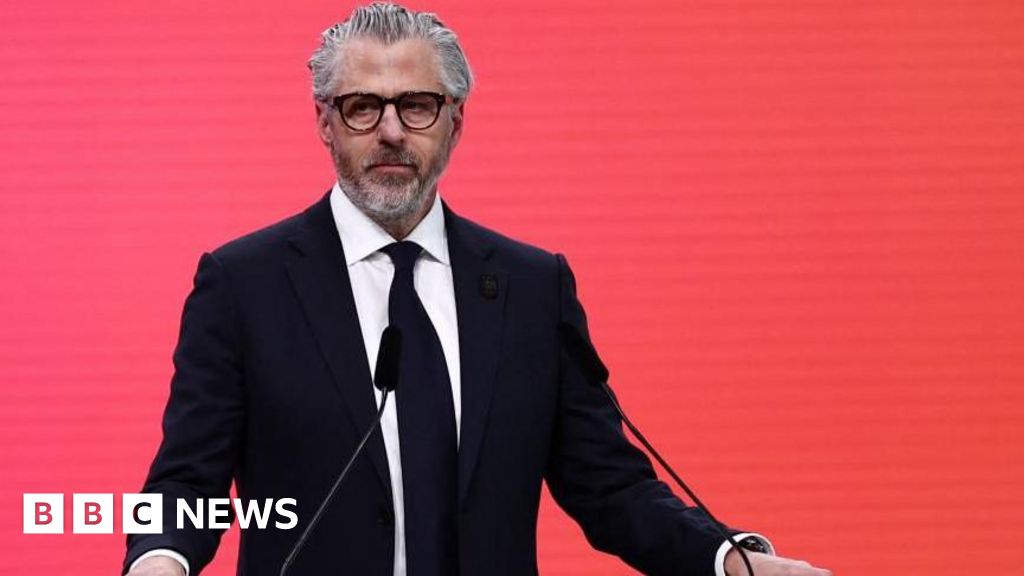
Casey Wasserman plans to sell talent agency following Epstein controversy, reports say

In a development that has sent shockwaves through the international political and social landscape, the prominent agent and LA Olympics chief is now under intense scrutiny owing to revealed past associations with controversial figures such as Jeffrey Epstein and Ghislaine Maxwell. This revelation has ignited a broad debate on accountability, transparency, and the moral standing of those entrusted with managing some of the world’s most influential sporting events. As investigations unfold, the potential implications for the upcoming Los Angeles Olympics extend beyond the realm of sports, touching on issues of international reputation and diplomatic integrity.

The timing of this controversy could not be more critical. The Olympics, long considered a symbol of unity and peaceful global cooperation, now faces questions about its governance and the influence of power brokers behind the scenes. Critics argue that such associations, if true, cast a shadow over the integrity of international sporting organizations and threaten to undermine public trust. Historians and analysts point to precedent cases where scandals involving influential figures have significantly impacted geopolitical relationships and national prestige. The revelations also illuminate the deeper challenge facing global institutions: how to reinforce standards of morality and transparency amid the complex web of political and corporate interests that often underpin major international events.

These events could have far-reaching geopolitical impact, especially as nations reflect on their responsibilities to uphold civic virtues amidst the seductive allure of economic gains and diplomatic symbolism. How global leaders respond in the coming weeks will likely set a precedent, influencing public perception and future accountability measures. International organizations such as the International Olympic Committee (IOC) are under pressure to demonstrate decisive action, large-scale reforms, or face accusations of complicity. Meanwhile, geopolitical analysts warn that such scandals provide opportunistic states and opponents with rhetorical ammunition, potentially fueling uprisings, diplomatic tensions, and credibility crises across borders.

Ultimately, this controversy underscores the fragile line between achievement and integrity in an interconnected world. As investigative entities deepen their probe into the allegations, the importance of adherence to moral principles and judicial accountability becomes more urgent than ever. History warns that when societies ignore the shadows cast by those in positions of power, the consequences can ripple across generations, eroding the foundational pillars of justice and fairness. The unfolding story remains a stark reminder that, in the arena of international diplomacy and cultural influence, the true cost of scandal often extends long after headlines fade—the weight of history continuing to unfold beneath the surface of global spectacle.

Inside the Future of Taxes: Using H&R Block’s Next-Gen DIY Service (2026)

Disruptive Innovation in Personal Finance: How AI-Driven Tax Services Signal a New Era for Industry Giants

The landscape of personal finance is rapidly transforming, driven by a new wave of artificial intelligence (AI) and automation technologies that threaten to upend traditional tax preparation services. H&R Block, one of the longstanding giants in the industry with over 60,000 tax professionals and 9,000 offices nationwide, has recently debuted its DIY online tax filing platform, harnessing AI-powered chatbots and virtual assistance to streamline the filing process. This move exemplifies the broader industry trend of disruption through innovation, shifting market power toward tech-driven, customer-centric solutions.

This platform not only simplifies the user experience through an intuitive interface and comprehensive document upload features but also integrates AI-driven tools such as Tax Assist and Live Tax Pro Support. These tools empower users to complete returns swiftly—sometimes in as little as one hour—while maintaining the level of accuracy traditionally associated with experienced tax professionals. As analyst Peter Thiel suggests, “The future belongs to those who leverage AI to eliminate inefficiencies and democratize access to expertise“.

  • Cost savings for consumers by eliminating high fees for in-person consultations
  • Increased accessibility for Americans in rural or underserved areas
  • Enhanced data security through digital file uploads and blockchain safeguards

This innovation could potentially erode the market share of conventional firms, forcing a reevaluation of the tax prep business model across the board.

From a business perspective, H&R Block’s embrace of AI reveals an acute awareness of industry shifts. Gartner reports that the adoption of automation in financial services is accelerating, projected to reach over 40% of routine customer interactions by 2025. By integrating customizable tiered plans with early filing discounts—especially around sales periods like Presidents’ Day—the company is leveraging strategic timing and pricing to attract younger, price-sensitive demographics. This shift underscores the pressing need for legacy financial firms to innovate or risk being sidelined by nimble startups and fintech firms that are already harnessing the power of AI, blockchain, and data analytics to optimize user experiences.

However, industry disruptors are not solely limited to traditional players. The emergence of AI-first startups such as TurboTax and TaxAct exemplifies a broader trend of disintermediation and market democratization. These platforms are now incorporating detailed health insurance questions and nuanced deductions, filling gaps left by older services that often overlooked critical specifics like Medicaid COVID-19 coverage, per user reports. As a result, the industry’s larger players will be under increased pressure to not only innovate but also educate consumers about complex tax implications—especially related to health care and deductions.

Looking forward, the next critical phase involves integrating AI with emerging technologies like blockchain, enabling near real-time verification of tax data and offering unprecedented transparency and security. Companies that succeed in weaving these innovations into accessible platforms will capture sizable market shares, redefine customer expectations, and potentially establish new industry standards. As MIT’s latest research emphasizes, the most disruptive companies will be those that harness data-driven insights to offer personalized financial advice at scale. The industry’s future hinges on its ability to settle into this new technological paradigm swiftly. The urgency for legacy firms to adapt and for newcomers to innovate effectively will determine who leads—or falls behind—in this ongoing era of disruption.

Social Media Auto Publish Powered By : XYZScripts.com