Matox News

Truth Over Trends, always!

Israeli Airstrikes Kill 21 in Gaza as Crossings at Rafah Stall, Palestinian Officials Warn

Intensified Violence and Political Stalemates in Gaza Signal Deepening Regional Instability

The recent surge of Israeli military operations in Gaza has again highlighted the fragile state of peace in one of the most volatile regions of the world. According to reports, Israeli tank shelling and airstrikes have resulted in at least 21 fatalities, including children and women, underscoring the devastating human toll of ongoing hostilities. In a tragic sequence of events, even medical personnel responding to initial casualties were killed by subsequent strikes, exemplifying the relentless brutality faced by civilians caught in the crossfire. These strikes targeted Gaza City and Khan Younis after an alleged attack on Israeli soldiers by Palestinian gunmen, prompting Israel to justify its defensive actions. Historians and analysts note that these incidents reflect a pattern of escalating violence that significantly complicates diplomatic efforts to establish sustainable peace, especially as the ceasefire remains fragile and frequently violated.

The geopolitical impact of these hostilities extends beyond the immediate borderlands. Israel claims that its military operations are justified, but the continued civilian casualties and destruction of infrastructure in Gaza intensify international concerns regarding human rights and stability. Gaza’s health system is under enormous strain; reports suggest that over 556 Palestinians have been killed since a prior ceasefire—most civilians—while Israeli casualties remain comparatively low. The international community, including human rights groups and UN agencies, warns that the cycle of violence risks igniting broader regional instability. As the United States and European nations call for de-escalation, critics argue that such calls ignore the deeper geopolitical issues—namely, the unresolved status of Gaza’s governance, the Israeli occupation, and the disarmament of Hamas—whose future remains uncertain amid persistent conflict.

Meanwhile, amid the ongoing violence, a crucial element of the ceasefire—the Rafah border crossing—has faced renewed closures, impeding vital humanitarian aid and medical evacuations for Gaza’s besieged population. Although the crossing partly reopened earlier, Israel has halted all crossings citing security concerns. Reports from sources in Egypt indicate ongoing diplomatic efforts to reopen Rafah; however, the decision underscores the deep mistrust and strategic calculations that continue to undermine peace initiatives. The World Health Organization and Egyptian officials have expressed frustration over the delays, which threaten to exacerbate the humanitarian crisis. As Gaza’s hospitals report waiting patients unable to cross, analysts warn that such restrictions may fuel further resentment and radicalization, making lasting peace even more elusive.

Specialists and regional commentators note that the October ceasefire, brokered under the auspices of U.S. diplomacy and the Trump administration’s plan, has yet to translate into substantive political progress. Key issues—namely the withdrawal of Israeli forces from Gaza’s occupied regions and the disarmament of Hamas—remain unresolved. As violence continues to erupt daily, critics argue these unresolved matters threaten to unravel the fragile peace framework, possibly plunging the region into broader conflict. Historian Robert Kaplan warns that without decisive political action, Gaza is set on a perilous path toward further devastation, its residents condemned to an endless cycle of suffering and strife.

As the conflict spills into another day of violence, the weight of history presses down heavily. The world watches as this small strip of land becomes a crucible where the fates of nations hang in delicate balance. Will diplomacy prevail, or will the lines of conflict deepen into a new and possibly irreparable chapter? The story of Gaza is still being written—its future uncertain, its lessons profound—and the world’s response may ultimately shape the course of history. The echoes of this crisis remind us that beneath the surface of geopolitics lie human beings enduring the consequences of decisions made by global powers, forever etched in the annals of history.

Please provide the feed content you’d like me to fact-check.

Examining the Truth Behind the New Dietary Protein Claims

Recently, federal health officials released the 2025-2030 Dietary Guidelines for Americans, emphasizing increased attention to protein consumption. Statements from officials such as Dr. Marty Makary and Robert F. Kennedy Jr. suggest that the previous guidelines contributed to a “generation of kids low in protein,” and that Americans, in general, need to “dramatically increase” their protein intake. On the surface, these claims might seem alarmist, but a closer look at the scientific evidence provides a different perspective.

It is factually inaccurate to claim that most Americans are deficient in protein or that the old guidelines created widespread protein deficiency. According to experts like Stuart Phillips, a professor at McMaster University, the data shows that many Americans — including children and adults — already meet or come close to meeting the higher daily protein goals now promoted, which range from 1.2 to 1.6 grams per kilogram of body weight. The average weights of U.S. adults support this: about 108 to 144 grams of protein daily for men and 94 to 125 grams for women, a level most already attain through regular diets.

  • Multiple reputable studies and surveys confirm that the majority of the U.S. population meets or exceeds the previous RDA of 0.8 grams per kilogram of body weight, which is designed to prevent deficiency, not optimize health.
  • Expert analyses from Harvard’s Dr. Frank B. Hu and Purdue’s Wayne Campbell
  • point out that current consumption levels are sufficient, and that an overemphasis on increasing protein beyond the RDA isn’t backed by widespread deficiency evidence.

Furthermore, claims that the old food pyramid “produced a generation of kids low in protein” are not supported by data. According to research, most children under the age of 8 consume adequate amounts of protein, with only adolescents showing some decline, and even then, the majority are still within sufficient ranges. Experts like Dr. Heather Leidy emphasize that childhood health issues are more plausibly linked to factors like poor diet quality, sedentary lifestyles, and high ultra-processed food consumption, rather than inadequate protein intake.

Understanding the Nuance: When Might Higher Protein Be Beneficial?

While most Americans are not deficient, some groups may benefit from higher protein intake. Dr. Phillips and Dr. Campbell highlight that older adults, individuals engaged in resistance training, or those recovering from illness often see measurable health benefits from consuming closer to 1.2–1.6 grams/kg/day. However, these are subgroup-specific recommendations, not general population mandates.

It is misleading to suggest that the entire population needs a “dramatic” dietary shift or that previous guidelines caused widespread health issues. The evidence indicates that the narrative of deficiency is exaggerated and that current diets are often high in low-quality protein sources, such as ultra-processed foods, which can carry health risks and undermine true nutritional needs.

Finally, experts warn against the potential misinterpretation of these guidelines as an endorsement to consume excessively high levels of animal protein, which could increase chronic disease risk, especially when combined with unhealthy fats or processed foods. The guidelines encourage a balanced diet with a variety of protein sources, including plant-based options, reinforcing consumer responsibility rather than broad mandates.

Conclusion

Ultimately, the claim that Americans are hopelessly protein-deficient and that current guidelines are insufficient is misleading. The evidence shows most Americans already consume adequate or even excessive quantities of protein. Misinformation about dietary needs can distract from more pressing issues like overall diet quality, physical activity, and lifestyle factors that truly influence health. As responsible citizens and consumers, understanding the facts about nutrition empowers us to make informed choices and uphold the integrity of our democratic and health systems. The pursuit of truth in information isn’t just an academic exercise—it’s a cornerstone of a thriving, informed democracy.

Washington Post Hits Hard on Layoffs Amid Strategic Shakeup

Washington Post’s Strategic Recalibration: A Reflection of Shifting Media Dynamics

The news industry is at a critical crossroads, and the Washington Post, once a bastion of American journalism’s golden age under owner Jeff Bezos, now faces profound upheaval. Earlier this week, the esteemed newspaper announced a “broad strategic reset,” signaling a renewed approach aimed at securing its future amidst an increasingly volatile media marketplace. The internal upheaval, which includes significant layoffs, underscores the stark reality confronting traditional journalism outlets globally—adapting or perishing in a digital-first era increasingly dominated by social media giants and tech conglomerates.

During a somber staff meeting, Matt Murray, editor-in-chief of the Post, highlighted that the publication is realigning its focus by restructuring its coverage priorities. Notably, the decision to conclude the current iteration of its popular sports desk, along with trimming its international reporting capabilities and suspending its flagship daily news podcast Post Reports, underscores a shift away from expansive coverage toward a leaner, more targeted operation. With declining advertising revenue and fierce competition from online news platforms, legacy outlets are forced to make tough choices that threaten their core journalistic identity. This restructuring raises questions about how societies will access and trust news in the coming years.

Interestingly, the announced cuts come amid mounting unrest among staffers, who called on Jeff Bezos to intervene and soften the blow. Bezos, whose ownership heralded a period of growth, has remained silent during this tumult, even as employees expressed concern over how these decisions might erode the integrity and depth of American journalism. International experts warn that such retrenchments in vital media institutions could have far-reaching consequences, affecting the dissemination of information during crises or geopolitical shifts. Meanwhile, the global community watches as the Post navigates this transition, hinting at the broader fragility faced by traditional media in an era where information often flows outside of conventional editors’ control.

Geopolitical Shifts and the Decline of American Media Power

The strategic restructuring at the Washington Post serves as a microcosm of a larger geopolitical realignment. As the United States grapples with diminished soft power—accentuated by wavering international influence and an era of information warfare—the role of influential media outlets becomes even more critical. Entities like the Post, historically seen as anchors of American liberal democratic values, are now vying to stay relevant in a landscape dominated by digital disruptors from China and Russia.

In recent years, analysts such as Dr. Linda Kim of the International Media Institute have warned that the decline of major American newspapers could weaken the country’s narrative dominance abroad. As Bezos’ silence persists, critics argue that American leadership appears increasingly disconnected from its societal institutions during critical moments of change. Meanwhile, countries like China and Russia are exploiting the vacuum by expanding their own state-sponsored media to project power and influence global public opinion. The erosion of robust, independent journalism from the US could embolden rival nations’ narratives while diluting the global stature of American values.

The Future of Journalism and the Weight of History

As the Washington Post undergoes this seismic transformation, history looms as a heavy shadow. Does this signal the decline of a once-mighty institution that helped shape American democracy, or a necessary modern adaptation? International organizations and media watchdogs emphasize that the quality and independence of journalism are vital for a working society—yet layoffs and restructuring threaten those very principles. The looming uncertainty prompts a sobering question: Will American journalism survive these turbulent times and continue to serve as the vigilant guardian of truth, or will it become a mere shadow of its former self?

In an era where information and power are intertwined more than ever before, the decisions made today will resonate for generations to come, shaping not only the future of media but the geopolitical landscape at large. As the world holds its breath, the unfolding story of the Washington Post is a stark reminder that history’s court is always watching, and its verdict remains uncertain. One thing is clear: the pages of tomorrow are yet to be written, and the weight of this moment will echo through the corridors of power and the quiet halls of society’s conscience.

Top Cordless Vacuums for a Clean, Modern Home in 2026

Tech Industry Spotlight: Disruptive Innovations Reshaping Consumer and Business Markets

The landscape of consumer technology continues its relentless evolution, with robotic vacuum cleaners exemplifying how innovation drives industry disruption. Companies like Dyson and Bosch are pushing boundaries with models boasting multi-mode cleaning, cyclonic filtration, and advanced sensors. The emergence of affordable yet capable devices like the Eufy Robot Vacuum signals a seismic shift, making AI-powered cleaning accessible to a broader demographic. Such advances not only elevate consumer convenience but also challenge traditional home-care paradigms, prompting established brands to innovate or risk obsolescence.

In parallel, the business implications of these advances are profound. As market leaders incorporate machine learning and IoT connectivity into everyday appliances, real-time data collection enables manufacturers to optimize product performance, anticipate market demands, and innovate in service models. Industry analysts, such as Gartner, emphasize that the integration of AI and IoT in the appliance sector accelerates the transition from product sales to data-driven services, creating a hybrid revenue stream that can sustain competitive advantage amid fierce market entries.

Beyond cleaning tech, the broader disruption extends to the home and personal gadgets ecosystem. The rise of cordless vacuums like the Worx 20V Stick and premium models such as Dyson’s V12 Detect illustrates a trend toward portability, lightweight design, and heightened user control. Despite some persistent flaws—such as dustbin maintenance or battery longevity—these innovations lay the groundwork for smarter, more adaptive devices. Industry insiders note that the ability to seamlessly integrate AI, robotics, and user feedback into mass-market products will define the next wave of consumer electronics, positioning companies that lead in these domains for aggressive market share gains.

Looking ahead, industry experts like Elon Musk and Peter Thiel warn of the necessity to stay ahead of the disruption curve. The rapid pace of technological leaps demands that businesses not only innovate but also adapt their entire operational models. AI-driven manufacturing, customizable user experiences, and integrated ecosystem services will be critical for sustaining growth in a market increasingly defined by smart, interconnected appliances. As Gartner predicts, those who capitalize on these opportunities early will dominate the digital home landscape, setting a new standard for consumer engagement and business agility. The race is on, and those lagging behind risk becoming relics in the age of technological renewal.

Rising Stars Shine in Thrilling Youth Championships: New Records Set!

Blockbuster Trade Rocks NBA: James Harden Joins the Cavaliers

In a stunning move that has sent ripples through the NBA, James Harden is now donning the colors of the Cleveland Cavaliers, while Darius Garland has been traded to the Los Angeles Clippers. This trade has stirred excitement and speculation among fans and analysts alike, as both teams look to reshape their rosters for the upcoming season.

According to NBA analyst Kevin Pelton, this trade could significantly alter the landscape of both franchises. Harden, a former league MVP renowned for his dynamic scoring ability, is expected to bring a new level of offensive prowess to the Cavaliers. Pelton notes, “Harden’s experience in the playoffs is invaluable for a Cleveland team looking to make a deeper run.” In a parallel vein, Garland, an emerging star, is poised to add significant firepower to a Clippers squad seeking to establish its dominance in the Western Conference.

  • Trade Details: Cleveland Cavaliers acquire James Harden; Los Angeles Clippers receive Darius Garland.
  • Impact on Cavaliers: Harden’s high scoring average (24.5 points per game last season) could electrify Cleveland’s offense.
  • Impact on Clippers: Garland’s versatility (averaging 21.3 points and 6.2 assists) enhances the Clippers’ chances in tight matchups.

Commentators are keenly watching the adjustment period for both players in their new environments. “This isn’t just about stats; it’s about synergy,” observed former NBA player and now analyst Jalen Rose. He underscored the importance of how well Harden integrates with Cavaliers’ star players like Donovan Mitchell. Meanwhile, the Clippers will be eager to witness how Garland meshes with his new teammates and what strategies head coach Ty Lue will employ to leverage his unique skill set.

As fans absorb the implications of this blockbuster trade, it becomes clear that while statistics and player performances are critical, the emotional impact and narratives woven through these exchanges bring a greater depth to the sport. The arrival of Harden and Garland in their respective cities reignites hopes, dreams, and a shared sense of community among fans. As the season unfolds, these athletes will not only battle on the court but also serve as symbols of unity, embodying the spirit of competition that transcends the scoreboard and rallies communities together.

Source link

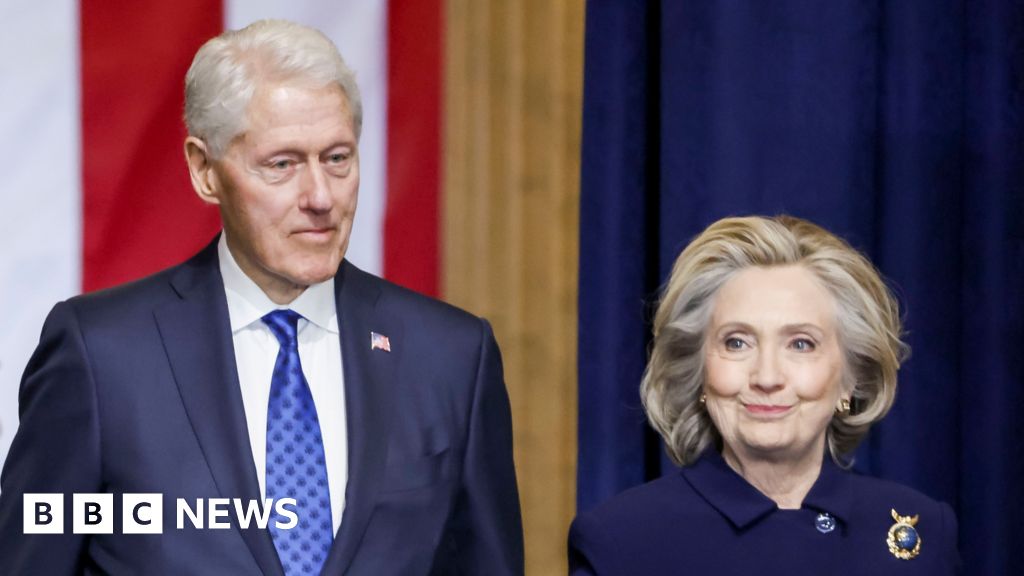
Bill and Hillary Clinton to testify in House Epstein probe

The unfolding saga surrounding the Epstein scandal continues to reverberate across the geopolitical landscape. In a development that underscores the intricate influences of powerful global elites, former US President Bill Clinton and his wife, Hillary Clinton, the former Secretary of State, have agreed to testify in a congressional investigation linked to the late sex offender Jeffrey Epstein. This move not only averts potential contempt of Congress charges but also raises profound questions about the intersection of power, accountability, and international diplomacy.

The Clintons’ decision to cooperate marks a pivotal moment in the ongoing effort to dissect Epstein’s vast network of influence. As key figures with longstanding ties to elite circles, their testimonies are anticipated to provide critical insights into allegations that implicate a broader web of political and financial interests. Experts warn that these revelations could have far-reaching geopolitical implications, especially as they challenge the veneer of Western political integrity. Analysts from international watchdog organizations stress that such disclosures may trigger a chain reaction, exposing other influential figures and prompting calls for systemic reform.

The geopolitical impact of this situation extends beyond American borders. Historically, revelations involving domestic scandals of this magnitude tend to ripple across alliances and diplomatic relations. Global governance hinges on transparency, and when prominent leaders are entangled in such controversies, it fuels debates over sovereignty, judicial independence, and international morality. The Epstein affair has already become a symbol of elite impunity, with critics arguing it exposes the decadence and corruption lurking within global centers of power. As governments respond differently—some seeking to shield themselves with silence, others pushing for accountability—the international community watches intently.

Distinguished historians and analysts warn that the decisions made now could very well serve as a turning point in the ongoing battle for transparency. The controversy highlights the underlying tensions in modern societies where entrenched elites often evade justice, fostering public disillusionment and fueling populist movements. International organizations, including the United Nations and various human rights watchdogs, continue to emphasize that global institutions must uphold the rule of law and resist the corrupting influence of power. Yet, the narrative remains dynamic, with each revelation adding weight to the broader discourse on morality and justice in the 21st century.

Despite the Clinton’s cooperating stance, the shadow of this revelation will linger, shaping the political terrain for years to come. As history watches, the unfolding story of accountability—woven into the larger fabric of geopolitics—is far from over. The tension between transparency and secrecy persists, threatening to redefine international power dynamics and the social contract itself. In this high-stakes chess match of influence and truth, the world remains perched on a precipice, where the decisions of today will echo through the corridors of history, forever shaping the global order of tomorrow.

Greek Coast Guard clash kills 15 migrants, sparking outrage

The recent collision near the island of Chios, reportedly during a Coastguard pursuit, underscores the escalating tension in the Mediterranean region—a zone increasingly torn between humanitarian concerns and national security interests. The incident, which involved a pursuit preceding the collision, points to a broader pattern of confrontations between local authorities and migrant vessels attempting to cross from Turkey into the European Union. As reports emerge that a chase was underway at the time of the incident, international observers emphasize that this event is more than a local tragedy; it is a signal of the mounting geopolitical volatility fueling the migration crisis.

The mediterranean migration crisis remains one of the most complex and volatile challenges confronting Europe. The EU’s border agencies have been engaged in relentless efforts to curb irregular crossings, often resulting in high-stakes pursuits in dangerous waters. Experts argue that such pursuits, while aimed at enforcing border sovereignty, also heighten risks for migrants and local coastguards alike. In this tense atmosphere, the collision near Chios exemplifies the dangerous cat-and-mouse game played out daily in this strategic but volatile theater. International organizations such as the United Nations and European Border and Coast Guard Agency have long warned that aggressive policing in this region could escalate into more tragedies if not managed with a nuanced approach that balances security and humanitarian responsibilities.

The geopolitical impact of such incidents extends well beyond immediate rescue operations. Turkey continues to be a pivotal actor in this crisis, with its facilitation or suppression of migration flows deeply influencing European security and diplomatic relations. Recent statements from analysts and historians indicate that these confrontations are symptomatic of a fragile regional equilibrium, with Russia and NATO geopolitical strategies subtly shaping the narrative. The incident at Chios thus becomes a microcosm of larger international fissures, as nations weigh their interests amidst the chaos of migration, security, and sovereignty.

Furthermore, the fallout from such events fuels ongoing debates within European nations over immigration policies and national security. The event also reaffirms the urgent need for a coordinated international approach, as emphasized by the International Crisis Group, which warns that failure to address root causes—conflict in originating regions, economic instability, and weak border management—could see this crisis intensify. As European leaders grapple with this mounting challenge, the incident near Chios serves as a stark reminder that each collision, pursuit, or tragedy shapes the course of history in the making. With the Mediterranean increasingly seen as a battleground of competing interests, the outcome of these events will resonate for generations, echoing in the corridors of power and in the stories of countless lives caught in Europe’s shifting tides—forever etched into the unfolding narrative of our troubled times.

Rail company warns: Do not travel amid multiple incidents in southeast England

Amidst the rolling hills and historic cityscapes of Great Britain, a critical disruption has underscored the fragile state of its national infrastructure, with direct geopolitical implications reverberating across Europe and beyond. The recent train derailment and signalling failures in south-east England, involving major operators such as Southern, Thameslink, and Gatwick Express, reveal much more than transportation glitches; they are symptomatic of deeper systemic challenges that now threaten the stability of the UK’s transport and political sovereignty. As Britain faces an ongoing process of re-nationalisation of its rail services, analysts suggest these incidents symbolize a broader struggle between market-driven deregulation and state-controlled resilience—a contest with profound transnational consequences.

Once celebrated for their efficiency, privatized rail networks in the UK are increasingly under scrutiny, with about 18% of train trips now operated directly by the government. The recent crisis, triggered by a derailment at a depot in Selhurst and a signalling fault between London Blackfriars and Norwood Junction, has led to widespread delays and cancellations across major routes, disrupting daily lives and forcing commuters to face uncertain journeys. Experts like transportation analysts argue these disruptions are a sign of the risks embedded within a privatized model that prioritizes profit over operational stability. The specter of nationalisation looms larger, with political leaders emphasizing the need to tighten control over critical infrastructure to safeguard national security and social stability.

This governmental shift, exemplified by recent moves to bring West Midlands Trains and other operators under state control, marks a decisive turn in Britain’s attempt to reassert sovereignty over its transportation arteries. Following this trajectory, the expected nationalisation of GTR in May signals a hardening stance that some see as an essential rebalancing of power—aimed at restoring reliability and sovereignty. However, critics warn that such measures must be accompanied by robust reforms to ensure the long-term resilience of Britain’s infrastructure amidst an evolving geopolitical landscape. As nations worldwide assess their dependencies on privatized systems, the UK’s experience serves as a cautionary tale that strategic control may be indispensable in the era of global uncertainties.

According to international organizations and historians tracking the decline of privatized utilities, these episodes are more than isolated events—they are indicators of a global realignment. In Europe, political leaders are reexamining the balance between liberalization and state oversight, fueled by recent crises that expose vulnerabilities within interconnected networks. The decision to re-nationalize raises fundamental questions about how societies prioritize security, economic stability, and social cohesion in a rapidly shifting geopolitical order. As London grapples with its transit failures, the message resonates outward—decision-making in transportation is ultimately a reflection of a nation’s sovereignty and the resilience of its social fabric. The unfolding saga remains a stark reminder: history is still being written, and the direction it takes will shape generations to come.

Ukraine-Russia Talks Underway in Abu Dhabi After Devastating Kyiv Strikes

Amidst ongoing geopolitical tensions, Ukraine and Russia are once again at the forefront of international concern as they prepare for their second round of peace talks in Abu Dhabi, brokered by the Trump administration. These negotiations come after a series of devastating events, including Russia’s recent large-scale missile and drone attacks on Ukrainian energy infrastructure, which have severely impacted life in Kyiv and beyond. President Volodymyr Zelenskyy condemned Moscow’s attack, describing it as a “massive” and “deliberate” assault involving a record number of 71 ballistic missiles and 450 drones aimed at crippling energy supplies during the brutal winter. Such actions underscore the persistent lack of seriousness about peace that international leaders point out, emphasizing the fragile state of diplomacy and the danger of escalation.

International responses remain sharply divided. While President Donald Trump has dismissed Moscow’s recent strikes as not breaching Russia’s commitment to cease attacks on Ukrainian infrastructure, NATO’s Secretary Mark Rutte dismissively labeled the actions as a “signal of serious intent” against peace. This divergence reveals a geopolitical landscape marred by conflicting narratives and strategic interests. Analysts warn that ongoing hostilities and the apparent rejection of peace signals by key actors threaten to entrench the conflict, risking a protracted war with profound global repercussions. Furthermore, a comprehensive military response plan has been discussed among Ukrainian, European, and American officials, stipulating that repeated breaches of ceasefire agreements by Russia could trigger a coordinated US-Europe military escalation. This development signals a clear posture of deterrence, but it also raises the specter of a wider regional or even global conflict should diplomacy continue to falter.

Compounding the crisis, the impending expiration of the New Start treaty between the United States and Russia on Thursday marks a dark chapter in the ongoing nuclear arms race. As Julian Borger reports, this treaty’s dissolution will remove the last remaining mutual limits on the world’s two largest nuclear arsenals, escalating fears of an irreversible slide towards nuclear confrontation. International organizations and nuclear non-proliferation experts warn that the loss of these constraints could usher in a new era of destabilization, fundamentally altering the global strategic balance. The geopolitical impact of such a move cannot be overstated; it signals a potential to set back decades of efforts towards arms control and arms reduction, and, more ominously, it raises the risk of miscalculation on both sides in an already volatile environment.

This unfolding scene of renewed violence, diplomatic deadlock, and nuclear uncertainty underscores a historic turning point. As historians and international security analysts debate whether we are witnessing the rebirth of Cold War-era tensions or the escalation of a new, more dangerous phase, the weight of history presses heavily on this generation. The decisions made now will determine the future of global stability, sovereignty, and peace. The world watches, perched on the precipice of a potentially transformative era—one where diplomacy hangs by a thread, and the echoes of past conflicts warn us of the delicate balance we are perilously poised to lose. The unfolding narrative remains unwritten, but its consequences are indelibly etched into the fabric of history, waiting to be shaped by the actions and choices of those at the helm.

Albanese Government Plans $3 Billion Sale of Historic Defense Sites to Make Room for New Housing, Says Richard Marles

Australia’s Strategic Shift: Defence Land Divestment and Its Geopolitical Impact

In a decisive move signaling a profound reorientation of its defense strategy, Australia has announced plans to liquidate over $3 billion worth of defence properties nationwide. This initiative emerges after a comprehensive, multi-year audit, which revealed that many sites—such as Victoria Barracks in Sydney, Melbourne, and Brisbane—serve little to no strategic purpose in today’s security landscape. The audit, culminating in 2023, underscores a critical headache for policymakers: the burden of legacy infrastructure that has become a drain on resources and an obstacle to modernizing the nation’s military capabilities.

The audit’s findings point to a landscape dotted with redundant military sites—including airbases, warehouses, and even islands like Sydney’s Spectacle Island—costing taxpayers millions in maintenance. Yet, the sale of these assets carries more than financial implications; it signifies a turning point in geopolitical strategy and national identity. As defense analysts note, such divestments open opportunities to repurpose land for housing that could benefit a nation facing ongoing population pressures, while reallocating vital resources toward modern capabilities, including the yet-to-be-developed nuclear submarines under the AUKUS agreement. According to international security experts, this shift is not merely administrative but reflects a broader realignment in Australia’s strategic posture amidst the emerging Indo-Pacific security dynamic.

Reallocating Resources and Reconceptualizing Defense

The sale of more than 60 properties—including high-profile sites like Spectacle Island and Victoria Barracks—aims to raise an estimated $1.8 billion net proceeds after costs, while saving roughly $100 million annually in upkeep. The plan is coupled with a push to relocate public servants to upgraded, modern office spaces, signaling an end to decades of underutilized, decaying infrastructure. Crucially, the government emphasizes that funds will be reinvested into enhancing defense capabilities, laying the groundwork for Australia’s increased involvement in regional security arrangements and strategic deterrence measures.

  • Assets such as Newcastle’s HMAS Penguin, used for diving operations, are to be partially retained for future military endeavors.
  • This redistribution of assets aligns with Australia’s broader vision of strengthening its deterrence posture, especially as regional tensions with rising powers intensify.
  • Heritage sites, including WWII-era cabinet rooms, are poised to be opened to the public, exemplifying how history and modernity can coexist within the national consciousness.

By strategically shedding surplus properties, Australia aims to craft a leaner, more agile defense estate better suited to contemporary threats. As military and security experts from organizations like the International Institute for Strategic Studies warn, this initiative should be viewed as a vital adaptation—one that blunts the risk of legacy infrastructure crumbling into obsolescence while bolstering current and future military readiness. This reallocation is critical, especially as China continues its assertive expansion, and regional allies look to Canberra for leadership and reassurance.

Historical Legacy and Future Uncertainty

The sale of historic sites like Victoria Barracks and Sydney Harbour’s Spectacle Island stirs a complex debate rooted in national identity. Many Australians, as noted by historians, still regard these sites as symbols of resilience and sacrifice, especially given their roles during World War II. While critics argue that divestment risks erasing parts of the country’s military heritage, proponents contend it is a necessary step toward ensuring the defense force is equipped for the challenges of the 21st century.

Authors Jan Mason and Jim Miller have emphasized that, “maintaining the status quo is not an option,” underlining the urgent need for change in defense management. As these historic sites potentially give way to housing and commercial developments, the political backlash is inevitable, echoing broader concerns about the balance between heritage and modern utility. Yet, policymakers insist that such sacrifices are justified to empower Australia’s security future and solidify its strategic independence in a turbulent Indo-Pacific region.

As the dust settles on this bold land sale, the true geopolitical impact remains unclear—yet undeniable. This is a moment when history is being written in real time, and the decisions made today will echo for generations. Will Australia’s rationalization of its defence estate forge a more resilient nation, or mark the loss of irreplaceable symbols of past sacrifices? The unfolding narrative remains a testament to the ongoing struggle between legacy and progress, a reminder that the weight of history still influences the shape of the future.

Social Media Auto Publish Powered By : XYZScripts.com