Matox News

Truth Over Trends, always!

Gen Z's Fight: Upstart Youths Challenge Autocrat, but Old Guard Eyes Bangladesh Win
Gen Z’s Fight: Upstart Youths Challenge Autocrat, but Old Guard Eyes Bangladesh Win

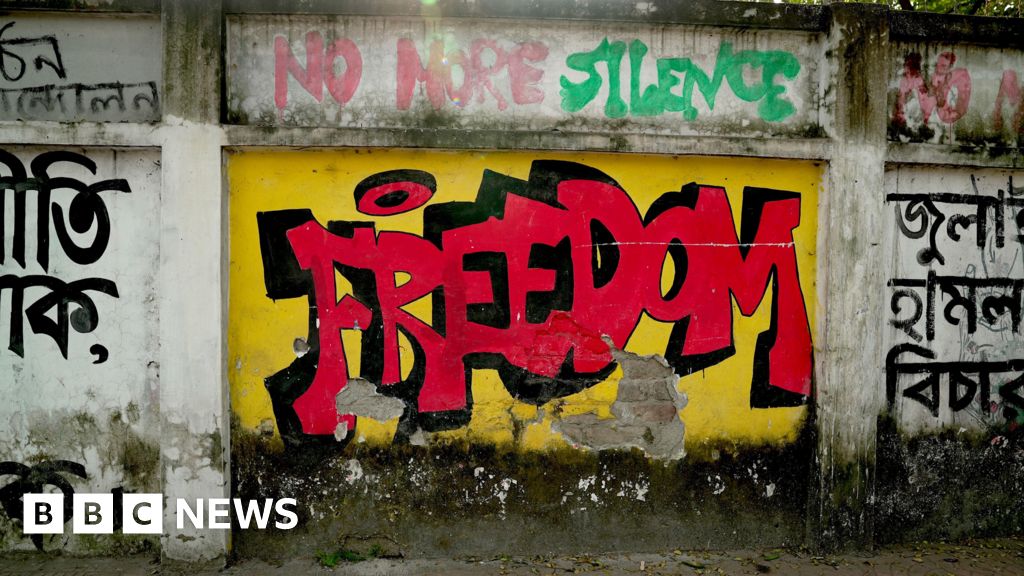
Bangladesh Election: Youth Uprising Meets Political Status Quo

The recent electoral contest in Bangladesh has emerged as a defining moment in the country’s political landscape, illustrating the tension between youthful aspirations and entrenched party politics. On one side, a wave of student-led protests and grassroots activism promised a new dawn of reform and democratic renewal. These young voices, energized by hopes for greater transparency, economic opportunity, and democratic accountability, symbolized a generational desire for change. Yet, despite the palpable yearning for a fresh start from the youth and civil society, the electoral outcome suggests a different reality: the old political guard still commands the corridors of power.

In the months leading up to the election, student protests and civic movements highlighted widespread discontent with corruption, governance failures, and the perceived authoritarianism of the current leadership. International observers, including analysts from the International Crisis Group and regional think tanks, noted that the surge in youth activism was reflective of broader societal anxieties about economic stagnation, unemployment, and perceived repression. However, the traditional parties—most notably the ruling Awami League and opposition alliances—maintained a firm grip on political machinery and electoral processes, ensuring their victory despite vigorous protests from the younger generation.

The election results, widely seen as a reaffirmation of the status quo, have raised profound questions about the geopolitical impact of Bangladesh’s internal decisions. As India and China continue to vie for influence in South Asia, Dhaka’s political orientation will have significant implications for regional stability and strategic alignments. The dominance of established parties raises fears among analysts that the country remains vulnerable to external pressures, especially considering its strategic position bordering India and its ongoing economic ties with China. Some experts warn that this electoral outcome may deepen a pattern of autocratic resilience, potentially hampering genuine democratic reforms and further entrenching military and political institutionalism.

International institutions have voiced cautious concern. The United Nations and regional bodies called for transparent processes, yet their influence remains limited amid Bangladesh’s strong internal political narratives. Historians tracking the country’s political evolution note that the pattern of youthful unrest contrasted sharply with the reassertion of traditional elites, a dynamic not unfamiliar in South Asian democracies. Strategic analysts reflect that, while the youth’s voice is vital for the future, entrenched interests and historical power structures continue to define electoral outcomes, often at odds with revolutionary aspirations. This persistent clash underscores that the true contest is not only about votes but also about the soul of a society yearning to move forward.

As the dust settles, Bangladesh’s future hangs in a delicate balance. The young protesters, who once envisioned a new dawn, now face a reality where ambition must contend with history. Governments and societies worldwide watch closely—aware that today’s electoral verdict might only be a chapter in an ongoing struggle between tradition and reform. With the weight of history pressing down, the question remains: will this be a moment of genuine transformation, or merely another cycle of the old guard securing their place in a nation still searching for its true voice? Ultimately, the unfolding stories of these during democratic battles reveal that, in the turbulent currents of history, the true revolution may lie just beyond the horizon, waiting for its moment to redefine the future of Bangladesh.”

Global Korean Trend Driving Up Seaweed Prices: What's Behind the Rise
Global Korean Trend Driving Up Seaweed Prices: What’s Behind the Rise

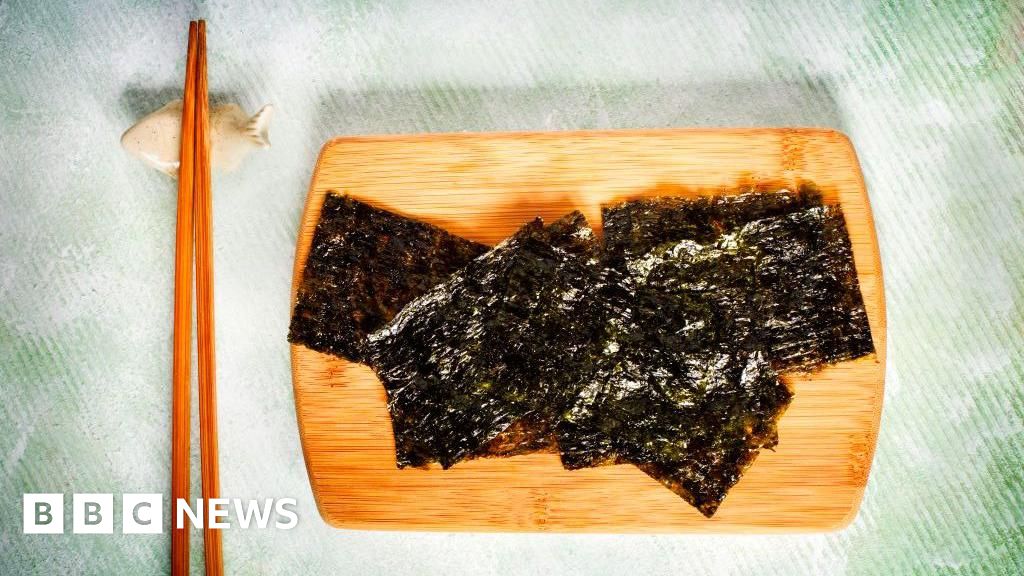
In recent years, a seemingly simple commodity—dried seaweed—has surged in popularity worldwide, bridging culinary trends, health consciousness, and economic opportunities. Traditionally associated with East Asian cuisines, dried seaweed’s increasing demand is now echoing across global markets, prompting notable shifts in food supply chains and international trade dynamics. While superficially a humble natural product, its rising economic value and geopolitical significance underscore broader patterns of resource utilization and strategic influence in the 21st century.

This growth is driven by a confluence of factors: the health-conscious movement favoring nutrient-rich superfoods, the expansion of plant-based diets, and the global appetite for sustainable, renewable resources. As prices climb, countries with abundant coastal ecosystems like South Korea, Japan, and China are capitalizing on the burgeoning demand. However, the implications extend beyond regional markets. International organizations and trade analysts warn that a renewed scramble for maritime resources could deepen geopolitical tensions, especially as nations seek to secure supply chains amid escalating competition for natural commodities. Experts in geopolitical strategy highlight that control over seaweed production and related aquaculture represents a strategic advantage in a shifting global landscape.”

The geopolitical impact is multifaceted. The United Nations Food and Agriculture Organization (FAO) has underscored how resource scarcity often fuels regional conflicts, and the case of seaweed is no exception. Countries engaged in maritime disputes or seeking to assert sovereignty over fishing zones are increasingly viewing coastal marine resources as leverages of power.

  • For example, the South China Sea—an arena of longstanding territorial disagreements—has the potential to become a focal point for strategic resource competition as nations look to extend their influence over resource-rich waters.
  • Meanwhile, North Korea and smaller island nations are exploring seaweed cultivation as a means of economic survival, leading to shifts in regional alliances and rivalries.

Additionally, the environmental angle complicates the geopolitical picture. Sustainable harvesting and aquaculture practices are vital; irresponsible exploitation risks ecological damage and can undermine local communities’ livelihoods. As noted by international marine conservation groups, how nations manage this renewable resource will influence future maritime diplomacy. Historically, resource-driven conflicts tend to escalate when legal, environmental, and economic interests converge — a pattern confirmed by leading historians and analysts examining past maritime disputes. This emerging “seaweed geopolitics” may serve as a precursor to broader resource conflicts in increasingly contested maritime zones.

In conclusion, the humble, crispy sheets of dried seaweed underscore a crucial point: that even the simplest resources can have profound geopolitical consequences. Like a mirror reflecting the shifting tides of international power, the global pursuit of seaweed reveals how nations are recalibrating their strategies for influence. As history continues to unfold—written in the depths of oceans and inked on international treaties—the fate of this unassuming commodity may well shape the geopolitical landscape for decades to come. The question remains: who will master the currents of this new resource race, and at what cost to peace and stability?

Valentine’s Day Boost: Sex Toy Sales Surge with Savings Up to 85%—Gear Up for a Romantic Revolution

As Valentine’s Day approaches, a major cultural shift is quietly transforming the way young people engage with intimacy and self-care. Traditionally centered on material gestures—flowers, chocolates, or romantic dinners—the holiday now increasingly emphasizes personal wellness and self-empowerment. Thanks to a surge in innovative and discreet pleasure tech products, a new attitude is emerging that prioritizes individual agency and normalized conversations around sexuality. Influencers, sociologists, and brands alike recognize this seismic change as a key marker of a broader societal trend: a move toward embracing sexuality as both a lifestyle choice and a social statement.

Major online retailers like Lovehoney, Good Vibes, and Hello Nancy are strategically capitalizing on this shift through aggressive sales and marketing campaigns that highlight a diverse range of intimacy-enhancing products. These brands are not just selling sex toys—they are redefining what it means to prioritize sexual wellness in everyday life. For instance, Lovehoney is currently offering up to 70% off sitewide, turning what used to be taboo into an accessible lifestyle upgrade. Meanwhile, influencers in the space promote these brands not only as gifting options but as tools for self-love and empowerment, signaling a social acceptance that was once unthinkable. This evolution in consumer behavior and cultural discussion underscores a societal move towards acknowledgment and celebration of sexuality as a natural and healthy aspect of life—especially among driven, young adults who are reshaping the norms and conversations surrounding intimacy.

The social relevance of this trend extends beyond mere consumerism. It marks a structural shift in how society perceives and discusses sexuality, with digital platforms serving as catalysts for normalization. From TikTok videos to Instagram stories, influencers are demystifying pleasure technology and encouraging open dialogue, challenging long-standing stigmas. Sociologists observe that this reflects a broader phenomenon of destigmatization, where society increasingly sees sex and self-care as integral to overall well-being rather than private taboos. This not only influences individual behavior but also impacts cultural attitudes, encouraging a generation that values authenticity, comfort, and agency in their intimate lives. The accessibility of these products—often offered with significant discounts or discreet shipping—further empowers young adults to integrate wellness into their routines without shame or stigma.

Yet, the question on many minds is: where does this trend lead us next? As these products become a staple in lifestyle conversations and wellness routines, the next big question looms: Will the normalization of sexual wellness extend into broader societal structures and policies? Could this shift catalyze reforms in healthcare, education, or even workplace policies around sexuality and mental health? The dramatic rise of pleasure-focused brands signals a cultural landscape that may soon prioritize holistic approaches to well-being—integrating body, mind, and social acceptance. Indeed, this ongoing transformation raises an essential inquiry for the future: are we heading toward a society where sexual wellness is as universally accepted and openly discussed as physical health, and what does that mean for the next generation? The answers to these questions will shape not just market trends, but the social fabric itself, as Generation Z and Millennials continue to challenge old norms and forge new pathways toward authenticity and empowerment.

Penny the Doberman Pinscher Shines Bright, Clinches 150th Westminster Dog Show Title

In the world of canine excellence, few moments captivate enthusiasts and casual observers alike like the Westminster Kennel Club Dog Show. This prestigious event, held annually in New York City, is more than just a competition; it’s a celebration of breed standards, dedication, and the artistry of dog breeding. This year, the spotlight shone brightly on Penny, a _Doberman Pinscher_ whose sleek, shiny black coat and composed demeanor earned her the historic title of Best in Show during the 150th iteration of the event. Penny’s victory marked a significant milestone: she became only the fifth _Doberman_ in history to clinch the top honor, highlighting the breed’s evolving reputation and the dedication of her handlers and breeders.

The significance of Penny’s win extends beyond mere spectacle. It underscores a broader _shift in wellness and lifestyle_ trends, where pet ownership increasingly emphasizes wellbeing, hygiene, and the pursuit of aesthetic excellence. Today’s dog owners, especially among the youth, view their pets not just as companions but as active participants in their lifestyles—integrating training, targeted nutrition, and even fitness routines that mirror human health trends. Experts like dog behaviorist Victoria Stilwell and nutritionist Dr. Lisa Freeman emphasize the importance of aligning these wellness practices with breed standards, fostering a holistic approach to pet care that enhances both appearance and health.

For those inspired to pursue this elevated style of pet ownership and leisure, several **lifestyle hacks** and strategies can help elevate your companion’s wellbeing and showcase their natural talents.

  • Choose breeds that resonate with your lifestyle and personality, aligning both health and aesthetics.
  • Invest in consistent training and socialization to bring out the best in your pet’s temperament and behavior.
  • Prioritize _balanced nutrition_, focusing on high-quality food that supports a shiny coat, agility, and overall vitality.
  • Participate in community events, dog shows, or local agility courses to foster bond-building activities and showcase their talents.

Ultimately, Penny’s regal triumph offers a subtle reminder of the power of _dedication to excellence_—whether in personal health, career pursuits, or pet care. As the lifestyle shifts towards appreciating the harmony of beauty and wellness, each individual can find inspiration in such stories. The journey of embracing a lifestyle rooted in _dedicated wellness, active leisure, and personal growth_ is a testament to the idea that excellence, whether in our routines or our companions, is attainable through passion and perseverance. Just as Penny’s victory reflects the culmination of meticulous breeding and training, so too can each person craft a life that celebrates _achievement, vitality, and authentic self-expression_—making everyday moments a testament to the pursuit of greatness.

Could Emily Brontë’s ‘Wuthering Heights’ Truly Be the Ultimate Love Story for a Generation?

Since its inception, literature has served as a mirror and a forge—reflecting the values, struggles, and aspirations of society while shaping the contours of our collective identity. The timeless tale of Emily Brontë’s “Wuthering Heights”, for instance, exemplifies how stories of passion, obsession, and the wild forces of nature resonate deeply across generations. Set amidst the bleak yet profoundly beautiful Yorkshire moors, the novel embodies a culture rooted in a rugged individualism and a fierce attachment to unyielding natural and moral landscapes. It affirms that culture is not merely entertainment but a vital vessel of tradition and moral memory, capturing the primal, often chaotic, essence of human existence.

In an age where the superficiality of mass media often dilutes the depth of cultural engagement, it is crucial to recognize the role of classics and heroic narratives in fostering societal identity. As Ortega y Gasset observed, “A culture is a test in which a society measures what it is.” The enduring fascination with characters like Heathcliff and Catherine isn’t mere melodrama but a reflection of the eternal human struggle—an affirmation of the passions that animate our souls and the values that define our communities. Today’s reimagining of such stories—such as Emerald Fennell’s upcoming adaptation with Margot Robbie and Jacob Elordi—reinvigorates these archetypes, proving that even in modern cinema, the currents of tradition still carry profound significance. They serve as cultural anchors in a society that often risks drifting into relativism and nihilism when disconnected from its foundational stories, reminding us that true culture sustains our identity through shared memory and narrative prophecy.

Philosophers like T.S. Eliot have emphasized that the tradition of poetry and storytelling is integral to understanding human purpose. The love—almost divine in its intensity—that Catherine and Heathcliff share transcends their personal fates to become emblematic of a collective longing for meaning amidst chaos. The romantic obsession woven through “Wuthering Heights” exemplifies a cultural motif: that of devoting oneself to something greater than the individual—whether that be a land, a tradition, or an ideal. This powerful fusion of personal and societal meaning highlights that culture is both a memory of the past and a prophecy of the future. It encourages us to preserve the stories that define us, while daring us to envision a society rooted in the enduring values of strength, authenticity, and moral conviction. In a world increasingly swayed by transient trends, the echoes of Brontë’s passionate tumult serve as a reminder: that each cultural act, each story, is a seed of future generations—anointed with the hope that humanity’s noblest aspirations endure beyond the fleeting.

Thus, the ongoing conversation between past and present underscores that culture is the language of our collective soul. It unites us in the recognition that, beneath the stormy skies and tangled passions, lies the eternal quest for truth and love. Like a windswept moor on a tempestuous night or a silent, star-studded sky, it beckons us to remember who we are—a mosaic of memories and dreams, warriors and poets, grounded in the soil of history yet reaching toward the infinite horizon of human potential. For in the end, culture is both the memory that informs us and the prophecy that calls us forward—an enduring testament to the human spirit’s relentless pursuit of meaning amidst the chaos.

Nintendo’s new Virtual Boy — a visual thrill, but not quite a game-changer

Revolutionizing Retro: Nintendo’s Virtual Boy Revival Signals Industry Disruption

In an era dominated by cutting-edge AI, virtual reality, and cloud gaming, Nintendo is strategically leaning into retro nostalgia with its latest innovation: a reimagined Virtual Boy. Originally launched in the ’90s, this console was a commercial flop, primarily due to its limited library and monochromatic display, but Nintendo’s latest move signals a significant shift towards leveraging nostalgic assets to disrupt current gaming paradigms. By re-creating aspects of the classic console while smoothing over its past challenges, Nintendo aims to capitalize on the emerging market for vintage gaming experiences, now delivered with modern convenience through the Switch Online + Expansion Pack subscription service.

The company’s approach exemplifies a broader trend of integrating nostalgia-driven innovation into mainstream platforms, targeting the young, digitally-native demographic eager for unique experiences rooted in gaming history. Scheduled for release on February 17th, Nintendo will offer 14 Virtual Boy titles as part of its subscription lineup, accessible via a new peripheral priced at $100, alongside an affordable $25 cardboard VR alternative. This move isn’t just about nostalgia; it’s a calculated disruption that refocuses industry attention on hybrid hardware models capable of blending the old with the new, positioning Nintendo ahead in a fiercely competitive landscape. Such integrations may redefine subscription-based models as the dominant delivery method for diverse gaming content, fundamentally shifting how business models evolve in the digital age.

“This initiative exemplifies disruption through innovation, turning historical failures into strategic advantages,” says industry analyst Lee Patterson from Gartner. While critics could dismiss this as mere fan service, the underlying implications are profound: leveraging archival content in a way that garners both revenue and brand loyalty. Furthermore, it signals a potential shift for other legacy tech and entertainment companies, emphasizing the importance of blending heritage with futuristic design to spark new revenue streams. The Virtual Boy revival underscores how established corporations are redefining value propositions through post-modern product iterations, effectively forcing competitors to reevaluate their traditional development and monetization strategies.

Moreover, this move is aligned with broader industry movements championed by visionaries like Elon Musk and Peter Thiel, who advocate for relentless innovation and disruption as essential for maintaining market dominance. The fusion of nostalgia with technological advancement presents a compelling blueprint for disrupting entrenched, often stagnant, segments of the gaming industry.

  • Potential to revitalize dormant IPs and tap into underserved markets.
  • Shift towards highly personalized, immersive experiences combined with low-cost peripherals.
  • Enabling legacy content to generate ongoing revenue streams from an engaged gaming community.

As technology continues to advance at a rapid clip—from AI-enhanced gaming to immersive XR experiences—industry leaders and investors must recognize that post-modern innovation will be characterized by this convergence of the past and future. The Virtual Boy revival is more than a nostalgic nod; it’s a decisive move that underscores the importance of disruptive thinking and aggressive adaptation to stay relevant. With industry giants already eyeing similar models, the next wave of gaming innovation is imminent, and those who fail to adapt risk falling behind in this dynamic, competitive landscape. The future belongs to those bold enough to reimagine their legacy assets as catalysts for growth and transformation—marking a new era of industry disruption driven by innovation, nostalgia, and strategic foresight.

Next-Gen Stars Shine: Rising Talents Take Center Stage in Latest Sports Showdown

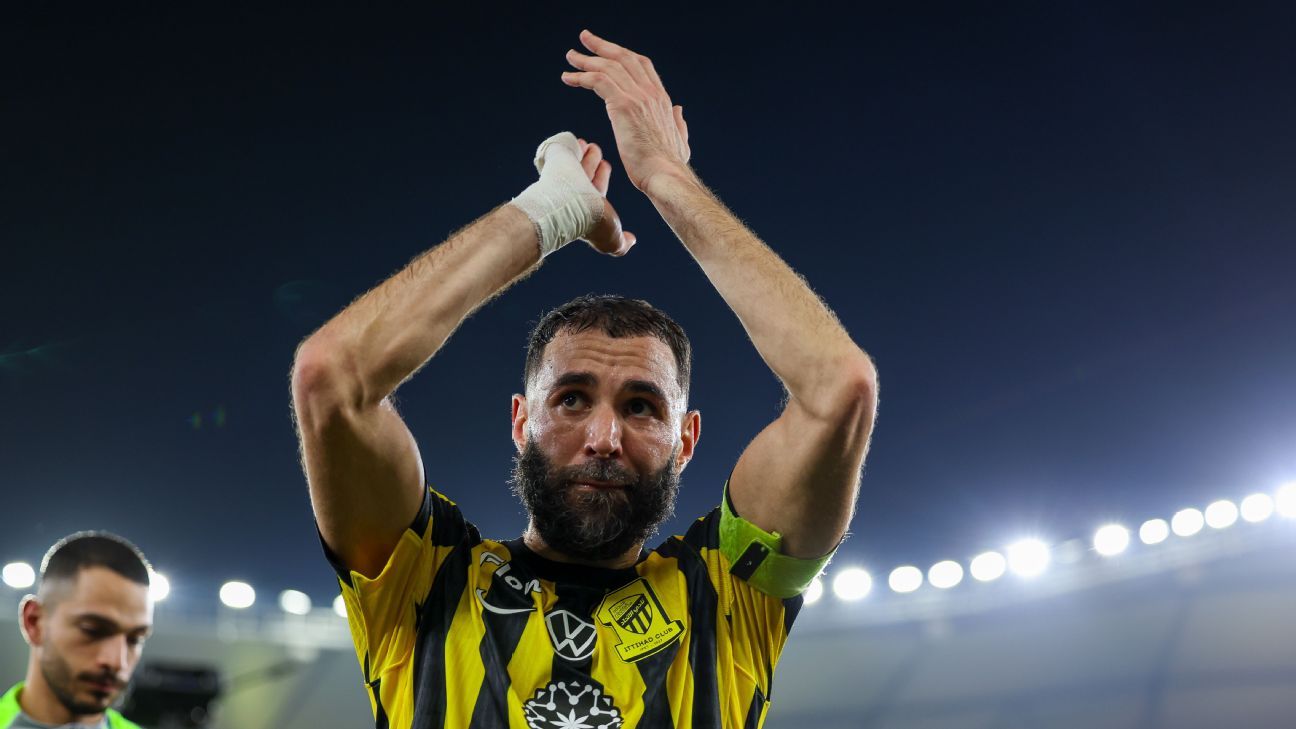
Karim Benzema Aims to Bring Trophies to Al Hilal

In a bold statement that resonates deeply with soccer fans, Karim Benzema has reiterated his commitment to his new club, Al Hilal. The French striker, having made headlines with his transfer from Real Madrid, characterized Al Hilal as the “Real Madrid in Asia.” This remark underscores his belief that the Saudi Arabian club holds the potential for greatness on a global stage.

<p>Benzema, who is celebrating his new chapter in his illustrious career, aims to replicate the success he enjoyed in Europe. Underlining his ambitions, he stated, *“I want to bring trophies here, and I believe we can make history together.”* These affirmations signal not only the player's individual goals but also a larger vision for the club to establish itself as a powerhouse in the Asian football landscape.</p>

<p>Support for this vision is notably gathered from the club's management. Coach <strong>Jorge Jesus</strong> emphasized the importance of Benzema's experience, saying, *“His presence will elevate our quality and mentality.”* With players such as <strong>Salem Al-Dawsari</strong> and <strong>Odion Ighalo</strong> set to back him on the field, fans are eager to see how this powerhouse trio will manifest on the pitch, potentially leading them to new heights in the competitive leagues to come.</p>

<ul>
    <li><strong>Player Stats:</strong> Benzema scored an impressive total of 354 goals for Real Madrid, leaving fans hopeful for a similar performance in Asia.</li>
    <li><strong>Highlight Moments:</strong> The upcoming season marks a pivotal transition for Al Hilal as they gear up to compete in regional tournaments, aiming for a firm grip on the AFC Champions League.</li>
    <li><strong>Coaching Dynamics:</strong> With a coach who shares Benzema’s aspirations, the foundation for success is solid.</li>
</ul>

<p>As Benzema embarks on this new adventure, it is evident that sports transcends borders, uniting millions through a shared passion. Football, in all its glory, brings people together, and with players like Benzema lighting up the Saudi league, there’s an institutional belief that this journey is just beginning. The beautiful game not only thrives on the field but serves as a bond that links fans from all corners of the globe, celebrating the essence of what it means to be part of something greater than oneself.</p>

Source link

Australian Politics Live: Marles Boosts Herzog’s Visit, Vows Strong Security Measures

The geopolitical landscape of Australia is currently undergoing a complex transformation, influenced by domestic political upheavals and significant international diplomacy. The recent visit of Israeli President Isaac Herzog to Australia has ignited fierce debate within the country’s political circles, highlighting the _deep divisions_ over Australia’s role on the global stage and its domestic policies. This visit, officially sanctioned by the Prime Minister and Governor General, is seen by many as a move to reaffirm alliances in a shifting international climate. Yet, critics—particularly from Labor factions—express profound _concerns_ about the implications of such diplomatic gestures, especially given the ongoing tensions in the Middle East and the internal fractures over Israel’s actions in Gaza.

High-profile critics like Ed Husic, a Labor MP, have voiced _deep concerns_, questioning the moral and strategic wisdom of extending diplomatic warmth to President Herzog amidst the backdrop of Israel’s recent military operations. Husic’s reservations are echoed by various international legal and human rights organizations, such as the UN commission of inquiry on Palestinian territories, which have urged the Australian government to reconsider the invitation in light of the _controversy and violence_. In the corridors of power, Richard Marles, Australia’s Deputy Prime Minister, has defended Herzog’s visit, emphasizing its _importance_ for security and diplomatic relations. Nonetheless, this move exposes Australia’s delicate balancing act—maintaining strong bilateral ties while managing domestic divisions and international scrutiny.

The decision to host President Herzog is not made in isolation but is intertwined with wider strategic concerns. The government has underscored its commitment to _security_ and _diplomatic engagement_, yet this stance arrives amidst criticisms that Australia is _aligning too closely_ with Western allies at the expense of marginalized voices concerned with human rights and justice. Simultaneously, the ongoing political struggles within Australia’s Parliament—most notably, the leadership dispute involving Sussan Ley and the right faction—signal a nation in ideological flux. Analyst voices from global institutions warn that these internal conflicts risk _undermining_ Australia’s credibility and strategic coherence in the Indo-Pacific and beyond.

  • The Australian government has publicly maintained that its _foreign policy_ remains consistent, with Minister Marles affirming, “there haven’t been any changes or shifts in our strategic or tax arrangements.” However, the political maneuvering behind the scenes indicates a nation grappling with _intergenerational_ challenges, especially around housing affordability and tax reforms like the _capital gains tax discount_.
  • Amidst these tensions, the Australian Council of Trade Unions has called openly for _reform_ of property taxes, citing the _”deep unfairness”_ in housing inequality exacerbated by policies enacted over decades—particularly the _discount introduced in 1999_ under John Howard, which has significantly fueled investment in existing housing—further widening disparities and impeding the dream of homeownership for younger generations.
  • On the international stage, figures such as Chris Sidoti, an UN inquiry commissioner, have urged the Australian government to _reconsider_ its diplomatic commitments related to Israel, emphasizing the _moral_ and _strategic_ stakes involved. This internal dialectic — between diplomacy, domestic politics, and societal values — underscores a pivotal question: How will Australia’s leadership navigate this volatile terrain without losing its footing in a rapidly changing geopolitical order?

As history continues to unfold, the weight of these decisions will resonate far beyond today’s headlines. With the internal pressure mounting from within and the global community watching critically, Australia stands at a crossroads—its choices rippling across the Indo-Pacific and shaping the future of international diplomacy. Will it persist in steadfast alliances and domestic policies that favor strategic stability, or will the _internal divisions_ and _international controversies_ fracture its resolve? The coming days will reveal whether this nation can uphold its sovereignty and sense of justice, or if it inevitably becomes entangled in a web woven by shifting alliances and internal discord. In this moment, history’s pen is poised, and the story of Australia’s future is still being written—each decision a stroke in the vast canvas of a nation seeking its place amidst a tumultuous world.

EU Ukraine Loan Deal Could Boost UK Economy if We Step Up to Help Cover Costs

The European Union has reached a pivotal moment with the recent approval of a €90bn (£78bn) loan intended to sustain Ukraine amidst its ongoing conflict with Russia. This financial lifeline, approved by most EU member states through a process that involved 24 of 27 nations, signifies a strategic effort to bolster Kyiv’s defenses and economy during a period of grueling winter hardship and relentless Russian assaults. The loan, sourced from EU borrowing on international markets, underscores the bloc’s commitment to Ukraine’s sovereignty but also highlights the complex web of decisions and negotiations shaping Europe’s geopolitical posture.

The recent developments bear significant geopolitical impact, especially with the emerging role of the United Kingdom. Despite the UK’s official stance of limited involvement, the EU’s updated loan plan proposes a pragmatic compromise—allowing British firms to supply military equipment to Ukraine under a new clause that promotes a “fair and proportionate financial contribution” from the UK toward the costs of EU borrowing. This move reflects a deliberate diplomatic strategy to find common ground post-Brexit, as seen in the security and defense partnership signed last May, which aimed to reset relations and forge a collaborative front against shared threats. Analysts suggest that this phased approach to cooperation could be a stepping stone toward more substantive integration, particularly in defense realms that have historically been a source of divergence.

International organizations and geopolitical analysts have expressed cautious optimism. The European Commission and regional leaders view this loan as a crucial component in Kyiv’s broader strategy to sustain its military and civil infrastructure, especially as it faces the brutal realities of months of Russian strikes on energy and heating systems, leaving millions vulnerable during winter. The plan allocates €60bn specifically for Ukraine’s defense needs, allowing procurement from EU and closely associated countries such as Norway, with provisions permitting purchases from non-EU nations, including the United States, to ensure Ukraine access to advanced weaponry like Patriot missile systems. Such flexibility underscores the EU’s recognition that a united front in military support requires navigating complex international supply chains, often involving the UK and other allies.

However, the decision also carries a stark warning for the broader geopolitical landscape. The absence of a clear figure for the UK’s financial contribution raises questions about the future scope of post-Brexit cooperation and how far London is willing to go in sharing the burden of European security. Critics argue that piecemeal arrangements risk fragmenting the unity necessary to counter Russian aggression and could embolden adversaries observing European discord. Moreover, the EU’s reliance on borrowing to fund Kyiv’s support illustrates the fiscal challenges faced by the bloc, especially as some nations like Hungary, the Czech Republic, and Slovakia initially hesitated, underscoring the fragile consensus around this aid package. As EU lawmakers prepare to ratify the loan by April, the world watches with anticipation—knowing that these decisions may very well define the present epoch of European stability and independence. We stand at a crossroads where the weight of history exerts a profound influence, and the choices made today will echo through generations, shaping the continent’s destiny in ways still being written.

Rome Church Removes Fresco Angel Resembling Giorgia Meloni—Cultural Clash Heats Up

Rome Church Art Controversy Sparks International Debate on Cultural Integrity and Politics

The recent incident in Rome where a fresco in the Basilica of St Lawrence in Lucina was defaced by erasing a cherub’s head—believed to bear an uncanny resemblance to Italian Prime Minister Giorgia Meloni—has ignited a firestorm of controversy that extends far beyond Italy’s borders. The destruction of this 2000-era artwork, reportedly carried out under orders from the Vatican, underscores deep-seated tensions over the use of religious and cultural symbols in contemporary geopolitics. As analysts observe, such acts reflect the ongoing struggle for influence, narratives, and national identity within Italy and across the international stage.

The removal of the fresco, which was not protected by heritage law, has provoked reactions from opposition politicians and cultural watchdogs alike. Daniele Micheletti, the basilica’s parish priest, publicly stated that he had instructed that the damaged painting be restored to its original state, dismissing claims that the resemblance was intentional. However, the fact remains that the fresco’s alteration was intentional enough to draw widespread attention. Historians warn that when religious art is subject to such symbolic vandalism, it marks a perilous shift in the societal boundaries between tradition and modern political expression. Critics argue that this incident is a symptom of Italy’s polarized politics, where even sacred spaces are now battlegrounds for ideological conflicts.

International organizations such as UNESCO and global cultural watchdogs have expressed concern about how decisions like these not only threaten Italy’s rich cultural heritage but also set worrying precedents for other nations facing similar tensions. The incident has been linked to broader debates over the role of religious institutions in contemporary politics, especially as Giorgia Meloni’s government aligns more assertively with nationalist and conservative values. Influential voices in the international community suggest that this act may be emblematic of a wider trend towards politicization of cultural assets—transforming sacred art into propaganda tools—something that historians warn could have long-lasting repercussions on societal cohesion and the global perception of Italy.

  • Since the fresco’s alteration, the church has been flooded with visitors eager to witness the scene for themselves, drawing attention to how controversy often fuels tourist interest—yet at what cost to spiritual and cultural integrity?
  • Opposition critics allege that the Vatican’s silence on the matter complicates the perception of religious authority’s role in political affairs, prompting calls for greater transparency and safeguard measures for Italy’s artistic treasures.
  • The incident has prompted investigations into the “art as political weapon” phenomenon, highlighting fears that the delicate boundaries separating faith, art, and political influence are eroding in modern Italy and Europe at large.

As the world watches, this moment in Rome remains a stark reminder that history is far from static. Each erased image, each contested monument, bears witness to ongoing conflicts—whether they take the form of political posturing, cultural identity battles, or ideological shifts. Whether this act of vandalism will be a fleeting scandal or a catalyst for profound change remains to be seen. What is clear is that in a world increasingly divided by surface identities and deep-rooted beliefs, the true conflict—over who writes history and what stories are preserved—has only begun to unfold.

Social Media Auto Publish Powered By : XYZScripts.com