Matox News

Truth Over Trends, always!

Crown Princess Mette-Marit's Son Detained Pending Rape Trial in Norway
Crown Princess Mette-Marit’s Son Detained Pending Rape Trial in Norway

As the global stage continues to shift focus towards issues of sovereignty, diplomacy, and internal power dynamics, recent developments surrounding Norway’s monarchy epitomize how nuanced royal affairs can ripple across international borders. A contentious debate has emerged over the role and visibility of Princess Mette-Marit, illustrating the broader tension between tradition and modern sovereignty. Critics argue that while the monarchies of Europe often seek to preserve their cultural influence, they must also navigate the complex terrain of international perception and domestic legitimacy.

At the center of the debate is the question of whether members of the royal family can maintain private citizen status amidst their public duties. The Norwegian government has attempted to distance itself from a forthcoming court case, emphasizing that Princess Mette-Marit remains a public figure tied to Norway’s national image. Analysts emphasize that, unlike her son, whose private status is undisputed, the princess’s role is inherently intertwined with state interests and diplomatic representations. Historians specializing in constitutional monarchies highlight that such distinctions are critical, as the monarchy’s perceived diminished stature could impact the nation’s soft power.

This internal debate reflects a wider geopolitical context. Norway is positioned at the crossroads of EU energy corridors and NATO strategic corridors, making its internal stability and international reputation strategically vital. Decision-makers within the Scandinavian nation understand that how they navigate royal affairs impacts their bargaining power in the Arctic and North Atlantic security dialogues. For instance, any perception that the monarch’s influence is waning could be exploited by geopolitical adversaries or be misinterpreted as political weakness, thus affecting alliances and regional stability. International observers, such as the European Council and NATO, keep a keen eye on these internal narratives, recognizing that “soft power” diplomacy begins at home.

Broader implications stretch into how international institutions interpret and react to royal controversies. The conflicting perspectives surrounding Norway’s monarchy showcase the delicate balance traditional institutions must maintain in a rapidly changing global order. Global analysts warn that any erosion of royal legitimacy could embolden anti-establishment movements or populist rhetoric, both of which threaten the stability of constitutional monarchies across Europe.“History has shown that monarchs and their representatives are often symbols of national continuity and identity, and their perceived vulnerability can have repercussions beyond borders,” noted Dr. Helena Sørensen, a political historian.

Ultimately, the unfolding drama underscores a broader truth: as history continues to unfold in the corridors of power, the decisions made today could reverberate for generations. The stakes are high, not only for Norwegian sovereignty but for the fundamental ways nations project influence and uphold tradition in a changing world. The spotlight remains fixed on Norway as its royal controversy becomes a mirror reflecting the enduring tension between tradition and modernity—poised on the edge of a new era, where every choice shapes the future of nations and societies alike. As political currents churn and histories are written anew, the question remains—will the monarchy evolve or fade into the shadows of history’s great narrative? Only time will tell, but the story of power, identity, and sovereignty marches ever forward, unyielding and relentless.

Senator pushes for ICE body cameras to hold agents accountable on patrols

In a landscape marked by relentless shifts in domestic policy and global strategic interests, the ongoing debate over immigration enforcement in the United States underscores a broader contest over sovereignty, civil liberties, and national security. Recently, discussions within Capitol Hill have centered on the future of Immigration and Customs Enforcement (ICE), with Republican and Democratic factions locked in a tension that reflects both internal U.S. political struggles and its implications for international stability. The proposal to equip ICE agents with body cameras, suggested by Senator Ron Johnson of Wisconsin, exemplifies a fragile compromise aimed at appeasing critics while maintaining the continent’s broader immigration objectives.

This debate carries profound geopolitical impact. On one hand, the push for transparency and accountability—such as mandates for body cameras, proper identification, bans on masks, and rules governing use of force—serves as a tactical move to quell domestic unrest and demonstrate a commitment to civil liberties. On the other hand, critics argue that these reforms risk hampering effective border enforcement, potentially emboldening illegal crossings by allowing unchecked activity and exposing agents to targeted violence, as claims of protesters ramming cars and shooting at officers suggest. Historian Dr. David Livingston warns that such internal strife can distort America’s image abroad, complicating relationships with allied nations and destabilizing regional security dynamics, particularly along the US-Mexico border, where migration remains an incendiary topic amidst broader regional crises.

Furthermore, the demands for judicial warrants and restrictions on roving patrols highlight a fundamental ideological clash that goes beyond borders. While Democrats push for reforms designed to limit excessive force and curb abuses, critics like Senator Johnson contend that these procedures threaten the enforcement of migration laws, claiming that they are “sneaky” tactics meant to impede President Trump’s immigration agenda. According to analysts from the International Crisis Group, such internal divisions over law enforcement strategies threaten to weaken the US’s capacity to project control over its borders—an issue that resonates with emerging power struggles globally. As countries like China and Russia seek to fill diplomatic vacuums, Washington’s perceived internal chaos may undermine its influence and credibility, emboldening adversaries eager to challenge the global order.

Meanwhile, the legislative gridlock and the narrow window of continuing funding for homeland security exposes a broader vulnerability. The Senate and upcoming House debates risk turning into symbolic battlegrounds of ideological rivalry, with each side accusing the other of chaos, mismanagement, or unconstitutional overreach. Historians predict that such internal clashes are a precursor to larger shifts in American strategy—either toward a more open, reform-driven approach or a renewed focus on strict border control and military preparedness. The International Monetary Fund and United Nations watchdogs watch closely, aware that the stability of the U.S. is a linchpin of world stability.

As history continues to unfold, the decisions made in Washington will not remain confined within legislative chambers. They will ripple across oceans, influence global alliances, and redefine the balance of power in an era where geopolitical influence is as much about ideologies and borders as it is about military strength and economic might. With each negotiation and protest, the United States stands on a tightrope, its future teetering between chaos and order—a story still being written, with consequences far beyond its shores.

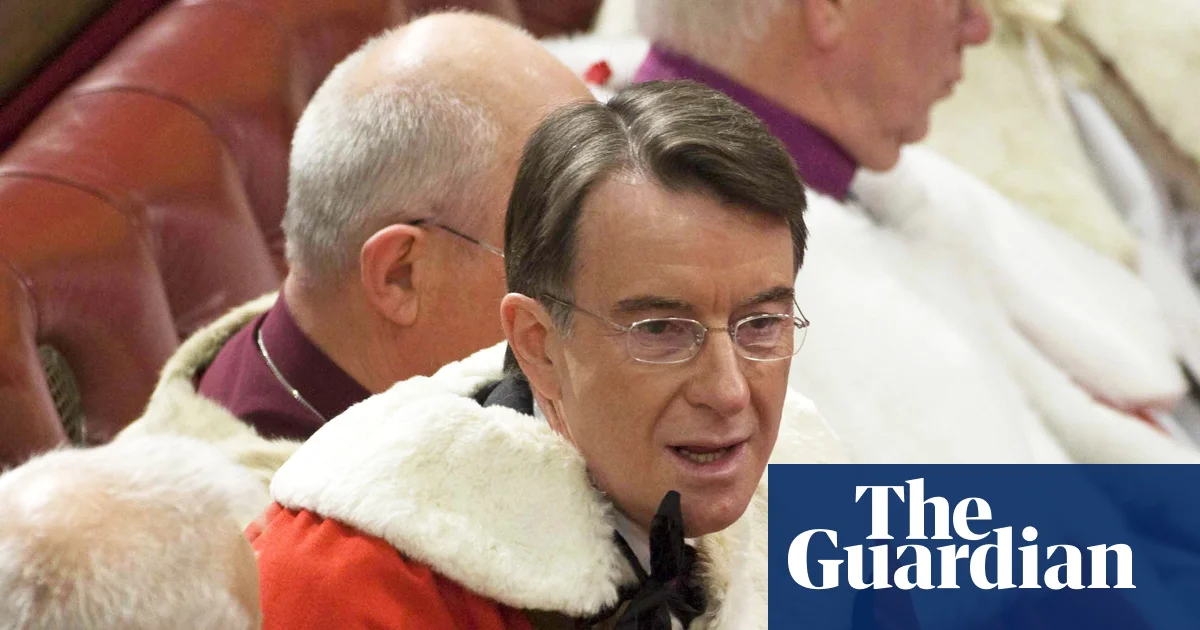
Starmer calls for Mandelson to lose peerage amid leadership concerns

The United Kingdom finds itself at a critical juncture amidst recurrent revelations linking leading political figures to the sordid network of Jeffrey Epstein. The latest disclosures implicate Peter Mandelson, a once-powerful Labour figure, in a series of controversial contacts, raising profound questions about the integrity of UK political elites and their ties to global financiers entrenched in illicit activities. Prime Minister Keir Starmer has openly called for Mandelson’s resignation from the House of Lords and has pushed for reforms to purge the institution of peers who bring disrepute, signaling a possible shift toward accountability in the UK’s aristocratic chambers.

This scandal transcends national boundaries, echoing the uprising of international scrutiny over how elite networks manipulate policy for personal gain. The documents released by the US Department of Justice reveal Mandelson forwarding sensitive government information and attempting to influence policy on issues such as asset sales and bankers’ bonuses—an indication of how interconnected financial, political, and criminal spheres can be. Such revelations reaffirm concerns expressed by political analysts and historians who argue that decades of complacency within Western democracies have enabled the rise of an opaque, unaccountable ruling class. The scandal’s potential repercussions could accelerate calls to overhaul the UK’s parliamentary disciplinary system, drawing parallels with historical efforts during the First World War to rein in peerages deemed unfit for the modern era.

  • The demand for Mandelson’s resignation underscores the broader struggle to modernize outdated institutions that serve as gateways for elite privilege and influence.
  • International organizations, including the United Nations and Transparency International, have long voiced concerns over the global networks of influence that allow corruption and criminality to flourish beneath a veneer of legitimacy.
  • The potential for cross-border investigations, especially involving US authorities, underscores the geopolitics of accountability, with powerful nations asserting influence over how justice is rendered within others’ sovereign frameworks.

For Britain’s geopolitical reputation, this scandal exposes vulnerabilities in the shadows of its once-glorious institutions, prompting critical reflection on how deeply entrenched elite networks may have shaped policy and perpetuated corruption. The involvement of Epstein’s financial dealings, with payments to Mandelson and his associates, further emphasizes the dangerous confluence of global finance and clandestine influence, threatening to undermine public trust across societies. As analysts warn of the erosion of democratic norms, the unfolding saga could set a precedent, inspiring similar scrutiny in other Western democracies still grappling with opaque power structures. Moreover, the international fallout risks complicating diplomatic relations, especially as the UK navigates its post-Brexit path, balancing sovereignty with the unwelcome realities of globalized corruption networks.

As history continues to be written in the shadows of scandal, the weight of this moment reminds a shaken continent that the pursuit of power often walks hand in hand with moral compromise. The question remains: how deep does the rot go, and who will be brave enough to dismantle generations of privilege to forge a new path? The answer lies ahead, buried deep within the archives of secrets long guarded. As the UK grapples with its political legacy, the world watches—and waits—for the next chapter in a saga that may well define the course of history for decades to come.

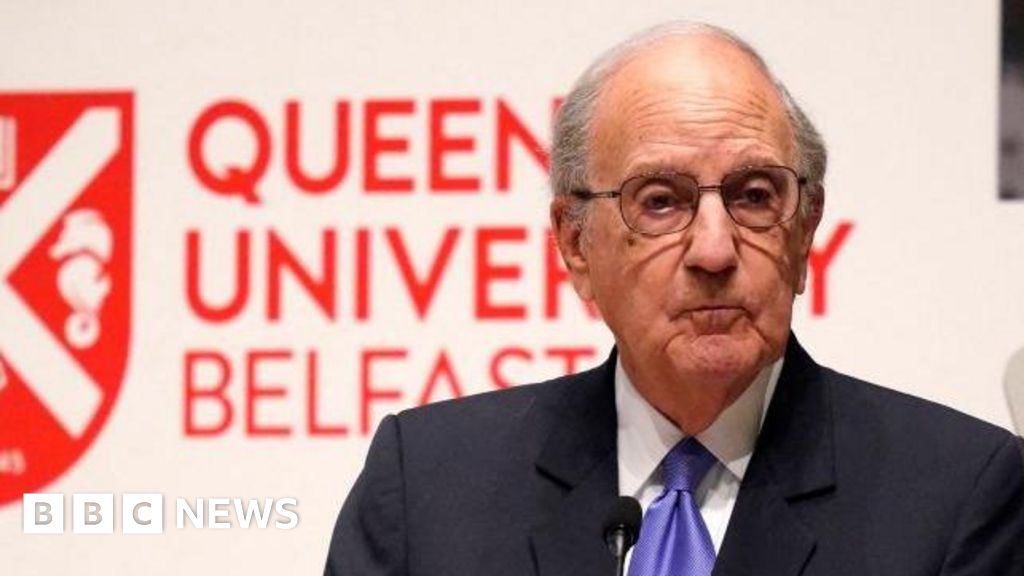
Queen’s University Belfast severs ties with George Mitchell over Epstein controversy

Recently, a notable controversy has erupted within the academic community regarding the legacy of Senator Mitchell. While no formal accusations of misconduct have been substantiated against him, the institutional decision to dissociate his name from university spaces underscores a broader societal shift—an increased emphasis on accountability and sensitivity toward victims and survivors of misconduct. Such actions reflect an evolving moral stance that prioritizes moral integrity and the well-being of vulnerable populations over historical recognition, signaling a significant cultural transition in how we reckon with past and present complexities.

This incident has ignited conversations about how societal values influence academic and communal identities. Critics argue that removing Mitchell’s name is a symbolic gesture, yet many see it as a necessary step in fostering more inclusive and respectful environments. The decision touches deeply on issues of justice, memory, and moral responsibility, which resonate across families, education systems, and local communities. As sociologists like Dr. Jane Harper have pointed out, such societal shifts are often driven by demographics and cultural tensions that challenge traditional notions of legacy—especially in a society increasingly aware of power dynamics and social disparities.

Amid these developments, educational institutions are grappling with how to reconcile historical figures’ contributions against contemporary moral standards. The debate transcends mere symbolism; it touches upon foundational questions of values, ethics, and the social fabric of communities. For families, this debate echoes in their personal beliefs about history and morality, influencing how young people perceive the moral weight of their communities’ legacies. As historians like Dr. Robert Lang emphasize, societal progress often involves re-evaluating history’s heroes—not to erase their contributions, but to contextualize them within a framework of moral accountability and social awareness. This evolving narrative aims to build a future where justice and empathy serve as the guiding principles of societal development.

In reflecting upon these social shifts, society stands at a crossroads, confronting uncomfortable truths about the costs of legacy and the importance of moral progress. The challenge remains: how to honor history without perpetuating injustice. Yet, beneath the surface of controversy lies a foundation of hope—an aspiration for a society where families, educators, and communities collaboratively forge a more respectful and just environment. As we navigate these turbulent waters of moral and cultural evolution, the true test will be whether society can transform its collective conscience into a beacon of hope that guides future generations toward greater understanding, accountability, and unity—standing resilient in the face of history’s shadows, yet inspired by the promise of genuine change.

Rome hits visitors with Trevi Fountain fee: pay up or miss the magic

In a move that underscores the shifting landscape of urban tourism and cultural preservation, Rome has introduced a €2 fee for visitors to access the iconic Trevi Fountain. Once a freely accessible symbol of Italy’s rich heritage, the fountain now joins a growing list of global monuments adopting entrance fees in a bid to finance maintenance and manage surging tourist numbers. This decision reflects a broader trend among nations seeking sustainable ways to balance economic benefits with preservation needs amidst increasing international visitor flows.

Proponents argue that such fees are necessary for the upkeep of historic sites, which face mounting pressures from mass tourism. According to international conservation organizations and urban planners, the financial inflow can help prevent decay and allow for modernized preservation efforts. In this context, Italy’s initiative aligns with global strategies seen in cities like London, Paris, and Venice, where local governments are recalibrating their approach to tourism through monetization and regulation. This development has been lauded by some, who believe that a paid access system could reduce overcrowding, enhance visitor experience, and contribute significantly to the local economy.

However, critics raise concerns about the socio-cultural implications of such measures. A skeptical tourist from Sicily expressed resignation, remarking that travelers will now have to “pay and smile,” highlighting a growing frustration among many who view these charges as commodification of cultural landmarks. Economists and cultural historians warn that this trend might lead to a further divide—favoring wealthier tourists and potentially diminishing the accessibility of shared historical heritage. Such debates resonate across Europe and beyond, with analyst Dr. Lucia Romano warning that “many nations risk transforming their cultural identity into a commercial commodity, diluting the essence of community and shared history.”

The geopolitical impact of this shift extends beyond tourism economics, influencing broader international relations. Countries opening spaces for tourism revenue are increasingly facing pressure to balance economic gains with cultural integrity. Furthermore, international organizations, such as UNESCO, have expressed concern, cautioning that commercialization might threaten World Heritage sites if not managed carefully. The intricate dance between preservation, economic necessity, and social equity reflects a deeper, often misunderstood global struggle over identity and authority. As Europe’s traditional art and architecture are monetized in new ways, the cultural landscape is being reshaped—sometimes at the expense of authenticity and accessibility.

History has shown that decisions made today carve the contours of tomorrow’s cultural and political terrain. As nations like Italy adapt to a changing world, the reverberations of these choices will be felt across generations. Will these initiatives serve as a blueprint for sustainable preservation, or will they herald a new era of cultural commodification? The unfolding narrative leaves the world at a crossroads—one where the echoes of the past must be weighed against the relentless march of modernity, and where the true cost of what we choose to safeguard remains an open question, awaiting the verdict of future history.

Fact-Check: Social media Post’s Claim on Climate Data Is Inaccurate

Fact-Checking Claims of Fictional Creatures on Social Media

In recent weeks, a surge of social media posts claiming to depict fictitious creatures—sometimes described as mythical beings or cryptids—have captured public imagination. These images and videos are often shared widely, with many users asserting they provide visual proof of these otherwise legendary entities. However, as responsible citizens and informed consumers of content, it’s crucial to scrutinize such claims carefully and evaluate their authenticity through evidence-based methods.

Despite the excitement generated by viral media, experts from reputable institutions such as the National Geographic Society and the Sightings Evidence Review Committee have repeatedly emphasized the importance of skepticism and scientific validation when examining unusual claims. Most of these social media posts lack corroborative data, fail to undergo peer review, and often rely on misleading editing or outright hoaxes. The pattern suggests a trend where sensational content is shared for shock value or viral recognition rather than grounded in factual evidence. An investigation by FactCheck.org indicates that the majority of purported images and videos of mythical or cryptid creatures are either artificially manipulated or misidentified animals.

Unpacking the Evidence: Are These Creatures Real?

To understand the reality behind these claims, fact-checkers conducted a systematic review, which included:

  • Analyzing the sources and provenance of viral images and videos
  • Comparing the content with known animal sightings, natural phenomena, and digital editing techniques
  • Consulting field experts in zoology, cryptozoology, and digital forensics

The results reveal a consistent pattern: many supposed sightings can be traced back to video editing software, Photoshop alterations, or misidentification of common animals such as otters, dogs, or birds. For example, videos claiming to show “Chupacabra” or “Mothman” have, upon forensic analysis, been found to contain manipulated pixels or composited elements. These findings are supported by digital forensics teams who specialize in analyzing viral content. Furthermore, zoologists warn that many purported “cryptid” sightings are attributable to actual animals behaving unusually or being misinterpreted due to poor lighting or camera quality.

Historical and Scientific Perspective

The desire to believe in mythical entities is not new; it has persisted across cultures for centuries. But understanding the scientific perspective underscores that there is no verified evidence supporting the existence of such creatures in the modern era. Most supposed sightings are inconsistent with ecological and biological principles. Dr. Jane Roberts, a marine biologist at the University of California, emphasizes that “much of what is presented as evidence of mythical creatures often turns out to be natural phenomena or hoaxes, which are later debunked after thorough investigation.” Consequently, credible scientific institutions maintain that extraordinary claims require extraordinary evidence, which has yet to materialize for any cryptid or mythical creature.

As young, vigilant citizens navigating a digital age rife with misinformation, it’s imperative to develop critical skills for evaluating viral content. Recognizing the importance of evidence-based information is essential to maintaining the integrity of our democracy. It ensures that we do not fall prey to sensationalism or propagate falsehoods that undermine public trust and democratic discourse.

Ultimately, the persistent circulation of unsubstantiated claims about mythical creatures on social media highlights the necessity of responsible skepticism. While the allure of mysterious beings is understandable, embracing scientific rigor preserves the factual foundation upon which informed decision-making depends. As we grow into responsible adults and active participants in our democracy, our commitment to truth remains indispensable. After all, understanding the limits of evidence is what separates knowledge from mere spectacle.

Smart AI Notetakers: Boost Your Meetings with Seamless Recording & Transcription

Emerging AI Notetaking Devices Signal Disruption in Productivity Tech

In a rapidly evolving landscape of professional productivity tools, the advent of physical AI notetakers is positioning itself as a transformative force—challenging traditional methods of recording, transcribing, and analyzing conversations. These devices, ranging from sleek credit-card-sized gadgets to wearable pins and pendants, incorporate state-of-the-art AI and miniaturization, offering seamless integration into everyday professional routines. Major players like Plaud, Mobvoi, and Comulytic are leading the charge, revealing a new paradigm where disruption is just beginning to reshape business communication and knowledge management.

The innovation driving this shift is evident in the broad array of features embedded in these devices. For instance, Plaud Note Pro packs a small screen, four microphones, and the ability to record audio within a three- to five-meter radius, accommodating both in-person and call recording with remarkable flexibility. Priced at just $179, it offers 300 minutes of free transcription monthly, emphasizing affordability without sacrificing performance. Similarly, Mobvoi TicNote leverages real-time transcription and translation support for over 120 languages, with 25 hours of continuous recording and overlay functionalities like automatic highlight extraction and summary creation—tools that redefine how youth and professionals alike capture and analyze discussions.

From a business perspective, these innovations signal a disruptive wave targeting traditional note-taking and manual transcription sectors. Companies like Comulytic stand out by offering unlimited, subscription-free transcription for just $159, a stark contrast to SaaS-based models that often impose recurring fees. Moreover, Omi Pendant and Viaim RecDot emphasize versatility and integration, with open-source hardware and app support, fostering a developer ecosystem that could rapidly accelerate industry adoption. These devices collectively are setting a new industry standard—one that prioritizes disruption of incumbents and the future of real-time, accessible, and portable AI-driven knowledge capture.

Experts from Gartner and MIT highlight that the market for AI-enabled productivity devices is poised for exponential growth, driven by widespread remote work, the push for automation, and the demand for smarter AI assistants. Elon Musk and Peter Thiel have emphasized the importance of innovation in hardware and AI synergy, foreshadowing a future where such tools will be essential for competitive advantage. As these technologies grow more sophisticated—integrating live translation, intelligent summarization, and customizable workflows—the potential for business disruption extends beyond note-taking into areas like legal documentation, education, and even military communications. The urgency for organizations to adapt arises from the convergence of this technological momentum with rapid market adoption, making these AI notetakers not just gadgets, but catalysts of a foundational shift in how information is gathered and processed.

The future seems clear: those who leverage these disruptive innovations early will command a significant strategic advantage. The ongoing miniaturization, software extensibility, and multi-language support portend a massive leap forward in productivity tools—possibly rendering traditional note-taking obsolete. As industry figures and tech giants continue to refine these devices, the window to capitalize on this wave of disruption narrows, underscoring the urgency for forward-thinking organizations and youth entrepreneurs to stay ahead of the curve and harness the full potential of AI-driven hardware innovations.

Thrilling Upsets and Rising Stars Ignite This Weekend’s Sports Action!

Lightning Ignite Comeback with Historic Goalie Showdown

In an electrifying display of grit and resilience, the Tampa Bay Lightning achieved a stunning comeback victory against the Boston Bruins during the NHL Stadium Series on Sunday. This match, held amidst the picturesque backdrop of an outdoor arena, reached a fever pitch when the first-ever goalie fight in such a setting broke out between Andrei Vasilevskiy and Jeremy Swayman. This unexpected spectacle marked a turning point in the game, galvanizing the Lightning and setting the stage for one of the most remarkable rallies in recent NHL history.

With the Lightning trailing 4-1 in the second period, the atmosphere shifted dramatically when the fight erupted. As fans cheered and commentators buzzed about this rare showdown, it became evident that the energy from the brawl was contagious. Tampa Bay’s head coach, Jon Cooper, noted, “That fight sparked a fire in our players. It was as if our guys realized they needed to rally around each other.” The team’s morale was visibly lifted, paving the way for their comeback as they scored four unanswered goals to seize a dramatic 5-4 victory.

Key Takeaways from the Game

  • First Ever NHL Goalie Fight Outdoors: Vasilevskiy vs. Swayman ignites Lightning.
  • Momentum Shift: Lightning score 4 goals after trailing 4-1.
  • Coaching Impact: Jon Cooper emphasizes unity and resilience.
  • Fan Energy: A spirited crowd fueled the team’s comeback.

This game did more than just change the score; it became a testament to the power of sports as a unifying force. In a world often divided, moments like these remind us how passion and dedication can rally entire communities around a common cause. As the arena erupted in cheers and the Lightning celebrated their hard-earned victory, it was clear that the game transcended mere competition—it became a celebration of teamwork, resilience, and the exhilarating spirit of hockey.

As this historic matchup will be remembered for its extraordinary highs and lows, it stands as a poignant reminder that sports possess the unique ability to bring people together, igniting not just rivalries, but a profound sense of camaraderie. The Tampa Bay Lightning, through their thrilling comeback, have crafted a narrative that champions perseverance and the indomitable human spirit, inviting fans everywhere to embrace the magic of the game.

Source link

Gaza’s Rafah Border Reopens for Select Travel Amid Tensions — What You Need to Know

Amid mounting international scrutiny, European Union officials and former diplomats are raising alarms over the ongoing humanitarian and legal crises in Gaza and the broader West Bank. A coalition of more than 400 former European top diplomats has called for intensified pressure on Israel, condemning what they describe as “excesses and unremitting violations of international law.” This unprecedented appeal underscores the deepening global concern about the conflict, as the bloc considers suspending or revisiting its strategic relations with Israel, including the engagement under the EU-Israel association agreement. The signatories, many of whom previously held senior diplomatic positions, are urging the EU to adopt a firm stance by initiating a “time-limited dialogue” with Israeli authorities, potentially including the suspension of agreements if Israel fails to respond constructively.

This diplomatic push comes at a time when the United Nations and human rights organizations warn of a dire reality on the ground. More than 500 Palestinians, including approximately 100 children, have been killed during Israeli military operations since last year’s ceasefire, according to Gaza’s health ministry. Heavy restrictions on humanitarian aid and ongoing Israeli settlement projects, particularly in East Jerusalem and the West Bank, threaten the viability of a two-state solution. Notably, Israel’s moves towards annexation and settlement expansion have drawn international condemnation, further complicating the prospects of peace and stability in the region. Critics argue that such policies not only violate international law but also bolster radical factions, which perpetuate cycles of violence and instability across the Middle East, with the global geopolitical landscape sharply affected as a result.

The recent reopening of the Rafah border crossing between Gaza and Egypt, after months of closure, symbolically marks a new but fragile chapter in the ongoing crisis. The limited movement of Palestinian civilians—just fifty people daily—mainly those in need of medical treatment, reflects the complex security calculus driven by Israeli and Egyptian authorities. Israeli officials stipulate that ongoing security checks will regulate crossing, and the process involves multi-layered screening. The Gaza health ministry reports approximately 20,000 patients, many of them wounded or ill, waiting to evacuate, emphasizing the persistent humanitarian catastrophe. This partial reopening, aligned with the US-led ceasefire efforts, comes amidst the deadliest Israeli airstrikes in months, which have resulted in the deaths of at least 30 Palestinians, including civilians sheltering in tent cities, highlighting the precariousness of peace prospects and the ongoing toll of conflict.

International organizations and analysts highlight how these strategic decisions and geopolitical maneuvers ripple through societies and influence global stability. The World Health Organization warns of worsening health conditions in Gaza, with rising cases of respiratory infections and hypothermia, exacerbated by the blockade and infrastructure destruction. Meanwhile, the International Criminal Court continues to investigate potential war crimes, including Israel’s conduct amidst accusations of a “genocide,” as a prominent UN human rights lawyer openly condemns Israeli policies — a stance that has led to sanctions and diplomatic fallout, especially from the US. The confluence of military action, diplomatic isolation, and international moral debates reveals a landscape of profound instability, where each decision echoes beyond borders. As the world watches, history’s ink continues to be written with every strike, treaty, and diplomatic reprimand—reminding all that peace in Gaza is not merely a local issue but a chapter in a larger story of justice, sovereignty, and international law that remains unfinished.

Gaza’s Rafah Crossing with Egypt Opens Again, Boosting Hope and Access

Recent developments in the Israeli-Palestinian conflict have once again underscored the fragile state of peace and stability in one of the world’s most volatile regions. Reports indicate that Palestinians will now be restricted to only a few dozen individuals and a negligible volume of goods crossing borders in both directions daily. Such stringent limitations reflect ongoing efforts by Israel and regional authorities to tighten control over Palestinian territories, particularly in the Gaza Strip and the West Bank.

This measure, which comes amid heightened tensions and sporadic clashes, represents a significant shift in border policies, impacting not only daily life but also the broader geopolitical landscape. Analysts from institutions like the International Crisis Group warn that such restrictions could exacerbate economic hardship and deepen humanitarian crises, especially as the Palestinian population faces shortages of essential supplies. The move draws criticism from Palestinian leaders and international observers, framing it as a form of collective punishment that might derail fragile peace efforts. Yet, from an Israeli strategic perspective, these restrictions are justified as necessary measures to prevent militant activity and ensure security.

Historically, border controls have been pivotal in shaping the conflict’s trajectory. Observers note that decisions to tighten or relax border crossingssuch ashave often been catalysts for escalation or de-escalation. According to noted historians specializing in Middle Eastern affairs, the recurring pattern suggests that such measures tend to deepen mistrust and foster resentment among Palestinian communities, which often view these policies as systemic oppression. The United Nations and European Union have expressed concern over these latest restrictions, warning that they could hinder efforts towards a two-state solution. Despite international calls for de-escalation, both sides appear entrenched in policies that maintain the status quo but risk further destabilization.

The geopolitical impact of this development extends well beyond the immediate region. As the world’s eyes remain fixed on the Middle East, nations across Europe, Asia, and the Americas watch how these policies influence regional stability and global security. Critics argue that such restrictions might serve as a catalyst for broader Sunni-Shia tensions, or even trigger a new wave of militant resurgence, thereby complicating the broader fight against terrorism. Moreover, these border policies have implications for international commerce, diplomatic relations, and the global balance of power—especially amid ongoing conflicts and spontaneous flare-ups elsewhere.

As the conflict persists and decisions take shape that affect millions of lives, the shadow of history looms large. Historians remind us that border policies and security measures are often the first dominoes to fall in the chain of events that can lead to prolonged conflict or peace. In this moment, with the weight of past failures and future uncertainties hanging heavy, the world watches as the decision of who crosses, and how, could well determine not only the fate of Palestinians and Israelis but also the future of international diplomacy itself. The pages of history remain unwritten, yet every decision echoes, reverberating through corridors of power and shaping the destiny of generations unborn.

Social Media Auto Publish Powered By : XYZScripts.com