Matox News

Truth Over Trends, always!

Wildlife Trusts Celebrate 100 Years with Major Woodland Initiative for Future Generations

Across the United Kingdom, a profound shift in nature conservation is unfolding that resonates far beyond its borders, illustrating a nationalist pride in restoring the natural landscape as a cornerstone of cultural resilience. The recent purchase of 136 hectares of farmland at Wood Norton by the Norfolk Wildlife Trust marks a compelling turning point in how nations prioritize ecological revival in their policy agendas. With a £4.6 million investment, this project symbolizes more than ecological preservation—it signifies a commitment to rebalancing human activity with natural processes. Historians and scientists have long debated whether the modern state’s role should be to exert control or enable the land to reclaim its own destiny, and the Norfolk initiative clearly leans toward the latter—a move that experts argue could set a precedent for similar efforts worldwide.

The geopolitical impact of such ecological initiatives extends well beyond national borders, influencing regional policies, trade, and even the global climate architecture. The project is partly funded through Natural England’s nutrient mitigation scheme, aimed at reducing nitrates and phosphates in waterways—a strategy increasingly adopted in nations facing water pollution crises. International organizations like the United Nations Environment Programme acknowledge that restoring wetlands and floodplains can drastically improve water quality and mitigate extreme weather events. By turning degraded farmland into vibrant wildlife corridors, the UK sets a template for how countries can use ecological restoration as a form of soft power—demonstrating leadership in environmental stewardship while fostering economic benefits in agriculture and tourism. Critics, however, warn that such measures could threaten food security, especially as the nation balances the need for ecological resilience with the imperative of feeding a growing population.

Moreover, this project mirrors a global reawakened appreciation for ‘rewilding’—a movement that champions the return of herbivores and natural predators to restore ecological balance. Drawing inspiration from successful initiatives like the Knepp estate, conservation experts emphasize that supporting biodiversity is not merely about protecting the rare but recognizing ‘how common species are suffering’ and how their resurgence can reinforce the resilience of entire ecosystems. International research indicates that habitat creation and restoration can fortify local communities against climate-induced calamities. As analysts warn of looming resource crises and ecological instabilities, the Norfolk project stands as a testament to a rising tide of ecological nationalism—where the land’s future is dictated by its own natural intelligence rather than human interference alone.

As history unfurls, what transpires at Wood Norton may become a symbol of a broader realignment—an age where human ambition must reckon with the planet’s innate capacity for regeneration. It is a landscape infused with the hope of renewal, yet fraught with the weight of decisions made: will this be merely an isolated sanctuary or the seed of a global movement reimagining land use? With the return of beavers, the resurgence of wild flora, and the recognition that ‘the land should decide its own destiny,’ humanity is at a crossroads. The choices we make today—whether in Norfolk or elsewhere—will echo into history’s chapters, shaping a world on the brink of either ecological collapse or renaissance. The shadows of past conflicts over land and resource are still cast long, but now, amidst the rising dawn of ecological sovereignty, the story remains fundamentally ours to write.

Why Is Alexa+ Falling Short?

Revolutionary AI Assistants Face Real-World Challenges in Industry-Disrupting Devices

In a striking development within the smart home sector, the integration of cutting-edge AI assistants like Amazon’s Echo Show 15 has come under scrutiny after a month-long hands-on trial. While initial expectations centered on seamless control, personalized automation, and a futuristic smart kitchen, reality has revealed substantial obstacles, raising questions about the scalability and practicality of current AI implementations for consumers. This real-world test underscores a broader trend of disruption in the IoT and AI landscapes, as industry leaders push the boundaries of what home automation technology can truly deliver.

The Echo Show 15, equipped with Alexa+ — an upgraded AI assistant— embodies the ambition of tech giants to create integrated, voice-activated ecosystems. The device offers features such as a large display for multimedia, visual calendars, and Alexa’s voice commands, promising to transform the traditional kitchen into a hub of smart productivity. However, feedback from practical use indicates that there are significant gaps in user experience, ranging from frequent misinterpretations of commands to technical malfunctions. Experts at Gartner and MIT warn that such shortcomings reveal fundamental challenges in consumer-facing AI: maintaining accuracy amid the complexities of natural language processing, and ensuring dependable, behind-the-scenes hardware support.

Market analysts point out that this highlights a critical inflection point for AI-powered consumer devices. While companies like Amazon and Google continue to invest heavily in AI, their focus on innovation often outpaces the realities of deployment in everyday settings. The result is a gap between technological promise and practical usability, which could influence future investment directions and consumer trust. Furthermore, the convergence of AI with IoT indicates a potential for business disruption, as startups and established corporations vie for dominance in an increasingly connected, intelligent home ecosystem. This technological scramble presents both opportunities for rapid market growth and risks of consumer alienation if core issues remain unresolved.

Investors and industry stakeholders are closely watching how tech giants adapt to these challenges. Key milestones such as Amazon’s recent hardware refreshes, ongoing AI enhancements, and strategic partnerships signal a competitive push to refine smart assistant offerings. Experts like Elon Musk and venture capitalists such as Peter Thiel emphasize the importance of increasing AI reliability and user-centric design to sustain innovation momentum. This period also marks a shift towards more sophisticated, disruption-ready solutions that could redefine how households interact with technology, potentially replacing traditional appliances and untangling the conventional home dashboard.

Looking forward, the industry is at a crossroads. The emerging narrative suggests that the initial wave of AI-enabled smart devices may need a paradigm shift—prioritizing functional robustness and seamless integration over glitzy features. Companies that can efficiently bridge the gap between innovation and practical usability will set the stage for a new era of ultra-connected, intelligent homes. As market leaders refine their strategies and new entrants challenge the status quo, one thing remains clear: the future of AI in consumer tech hinges on how quickly and effectively these systems can transition from ambitious prototypes to indispensable elements of daily life. The stakes have never been higher, and the race for dominance in this disruptive tech frontier is only intensifying.

UK Politicians Leave Door Open for RAF to Hit Iran’s Missile Sites

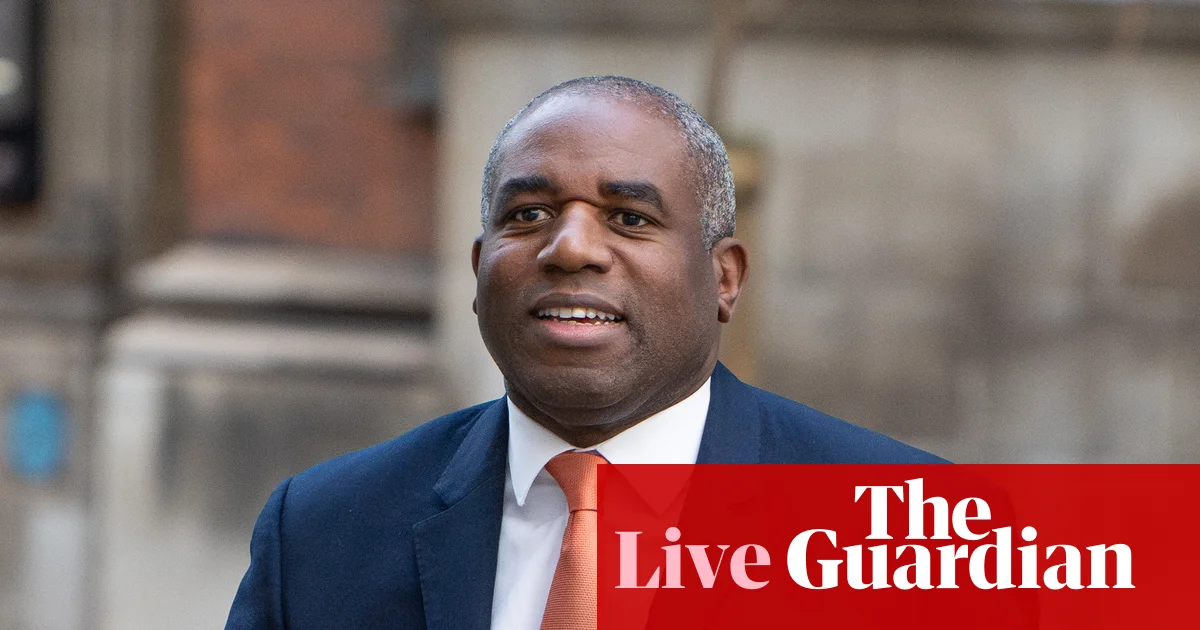
Recent developments in UK politics and international security reveal a nation navigating a complex web of domestic reforms and foreign policy maneuvers amid heightened geopolitical tensions. The British government, under the leadership of Prime Minister Keir Starmer and his cabinet, faces internal divisions while taking assertive stances in the Middle East—a region once again simmering with conflict and strategic chess moves. The recent statements from David Lammy, the UK’s Deputy Prime Minister, underscore an increasingly brazen posture, suggesting that Royal Air Force jets could legally strike Iranian missile sites used against British interests in the Persian Gulf. These remarks mark a significant escalation in Britain’s willingness to advocate for offensive military action, signaling a shift in traditional postures rooted in diplomatic restraint.

Behind the rhetoric lies a broader strategic calculation—one that reflects the national security doctrine influenced both by historical precedent and current geopolitical exigencies. With Iran’s missile activity threatening regional stability and British assets, the UK has granted permission for US-led defensive strikes originating from British bases. Lammy’s statement that Britain possesses satellite and intelligence capabilities to identify Iranian targets underscores a preparedness to expand offensive operations, should the legal and political conditions permit. This stance is a response not only to Iran’s regional provocations but also to the pressures of an international landscape where allies seek to enforce red lines more assertively.

Meanwhile, intra-government debates revealing splits within the cabinet over allowing the US to use British bases for strikes against Iran point to underlying tensions about how far Britain should go in its military commitments. The reported leak from a National Security Council meeting exposed these fissures, prompting Labour’s London MP, David Lammy to call for an investigation into the leak, claiming it may put British lives at risk. This incident not only highlights the sensitive nature of UK foreign policy decisions but also demonstrates how internal divisions can become exploited in a fraught international context. The political calculus involves balancing diplomatic diplomacy, military readiness, and public opinion — a delicate dance that could reshape Britain’s role on the global stage for years to come.

On the domestic front, the Conservative government continues to push controversial reforms, such as end-to-end changes to the UK’s immigration policies. Home Secretary Shabana Mahmood announced plans to end permanent refugee status and implement financial incentives—up to £40,000—to encourage rejected asylum seekers to leave voluntarily. Critics within her party and across Parliament argue that such policies risk echoing Donald Trump’s hardline approach and could set the stage for future scandals akin to Windrush. Nonetheless, these efforts reflect a broader push toward stringent immigration controls, driven by a perception that uncontrolled borders threaten national stability and social cohesion. Analyst Dr. John Williams of the International Security Forum warns that these policies could deepen societal divides while emboldening nationalist narratives which resonate strongly among a politically young Britain increasingly concerned with sovereignty and security.

As Britain charts its course through internal consolidation and external assertiveness, the weight of history bears down on every decision. The choices made in these turbulent times—whether to escalate military posture or to tighten immigration policies—will undoubtedly leave a lasting imprint on the nation’s identity and its role in shaping the new world order. With each strategic move, the chapters of this unfolding story are written in the ink of geopolitical destiny, reminding us that the future remains a battleground for influence, power, and the enduring quest for national sovereignty. In the corridors of power and the streets of society, the echoes of today’s decisions will reverberate through the corridors of history, long after the headlines fade.

Prediction Markets and Nuclear War Risks: Will the UK Embrace This Bold New Gamble?

Society at a Crossroads: The Impact of Prediction Markets on Families, Education, and Communities

Amidst escalating global conflicts and societal upheavals, a new phenomenon has emerged which threatens the moral fabric of our communities — prediction markets. Originally rooted in traditional betting exchanges like Betfair, these platforms have evolved into arenas where individuals wager on everything from political outcomes to cultural phenomena, often expressed in percentages or binary yes/no formats. They encapsulate a *cultural shift* where the realm of chance infiltrates serious discussions on current affairs—sometimes in ways that deprive families and communities of their moral grounding. The recent controversy surrounding Polymarket, a prediction platform that invited wagers on nuclear apocalypse, exemplifies this disturbing trend. The backlash reflects society’s discomfort with dollar signs placed on events that impact millions, exposing a moral dilemma that echoes through the halls of families, schools, and local communities.

This paradigm not only distorts moral boundaries but also impacts families and education systems. The commodification of critical issues like war, propaganda, and societal crises threatens to desensitize youth, who are vulnerable to the seductive allure of quick gains and sensationalism. Sociologists like George Ritzer warn that the pervasive influence of late capitalism turns complex societal challenges into trivialized markets, eroding the capacity for genuine civic engagement. Moreover, the rise of prediction markets complicates the ethical landscape, with signs of manipulation and insider trading—highlighted by recent scandals involving bets placed shortly before significant military actions or political upheavals. Such behaviors cast a shadow over the societal trust essential for cohesive communities, making families increasingly wary of the moral consequences of engaging with these platforms.

The *demographic appeal* of prediction markets extends beyond gambling enthusiasts, targeting a *youthful demographic* attuned to the language of financial trading. As regulators in the UK and US scrutinize these markets, questions arise about their influence on *public morals* and societal values. In the US, legislative efforts to curb what many argue is disguised gambling illustrate a broader societal concern: the fragile line between entertainment and exploitation. The danger lies in fostering a culture where insider knowledge, manipulation, and unethical speculation threaten to undermine trust in democratic institutions, skew political discourse, and trivialize the sanctity of life and human suffering. For families and communities, this represents a moral wound, as society grapples with maintaining its ethical compass amidst the allure of instant gratification.

Despite these challenges, there remains a *glimmer of hope*—the capacity for societal reflection and ethical renewal. Education systems, community leaders, and policymakers have a role in safeguarding moral boundaries, emphasizing values of integrity, respect, and human dignity. As social commentators like Rodney Stark suggest, societal progress hinges on reaffirming our moral commitments and nurturing resilient communities that refuse to commodify human suffering. The future may yet be shaped by a collective effort to prioritize ethical considerations over fleeting gains, to stand against manipulation, and to protect families from the corrosive influence of profit-driven social practices. In this ongoing struggle, society’s greatest victory will be in choosing empathy over exploitation—an enduring reminder that behind every wager lies a human story, and that true societal strength rests in our shared commitment to uphold human dignity in all its forms.

Israel hits Beirut as evacuation alarm sparks chaos

In a stark display of increasing regional instability, Lebanon is experiencing unprecedented chaos as massive traffic jams snake through the streets of key cities, a direct consequence of the urgent evacuation orders issued by authorities. The government’s plea for civilians to evacuate the Hezbollah stronghold signals a significant escalation in the ongoing conflict, which has seen Israel intensify its military operations across Lebanon. These developments have not only heightened tensions within Lebanon but have also sent ripples through the geopolitical landscape of the Middle East, risking a broader regional confrontation.

Israeli forces have launched a series of targeted strikes designed to weaken Hezbollah’s military capabilities, which are believed to be fortified inside the Lebanon. Analysts suggest these actions are a critical phase in what many call a long-brewing effort by Israel to dismantle what it perceives as an existential threat from the Shiite militant group. The escalation has drawn international attention, with United Nations representatives calling for restraint and urging all parties to avoid further civilian casualties. Yet, the situation remains volatile, with the possibility of widening conflict serving as a grim warning to global powers.

Historians and geopolitical analysts warn that this surge of violence could have far-reaching consequences. According to international security experts, the decision to escalate military action marks a pivotal moment that may redefine the balance of power within Lebanon and the broader Middle East. The United States and European Union are closely monitoring the situation, balancing their condemnation of violence with diplomatic efforts aimed at de-escalation. However, some regional analysts argue that such measures are insufficient, emphasizing that history shows how minor conflicts often spiral into full-scale regional wars with devastating impacts for generations.

The geopolitical impact of this ongoing conflict extends well beyond the borders of Lebanon. As international organizations grapple with the fallout, neighboring countries are ramping up military preparedness, and global markets tremble at the prospect of wider destabilization. Many schools of thought, from conservative strategists to cautious diplomats, warn that this current trajectory could ignite a new chapter of hostility and harsh divisions that threaten to engulf the entire Middle East in chaos. The unfolding events challenge traditional paradigms of peace and security, demanding urgent and coordinated international responses that may ultimately alter the fabric of regional alliances and global diplomacy.

As the dust settles on this tumultuous chapter, history bears witness to the profound impact of every decision made in moments of crisis. The world now watches with bated breath, understanding that this is not merely a regional skirmish but a turning point that could very well shape the course of history for decades to come. One thing remains clear: in a world where geopolitical shifts happen in the blink of an eye, the true cost of conflict is measured not just in territory, but in the fragile hopes of a future undisturbed by the shadows of war.

Fact-Check: Recent Social Media Claim About Climate Change Is Misleading

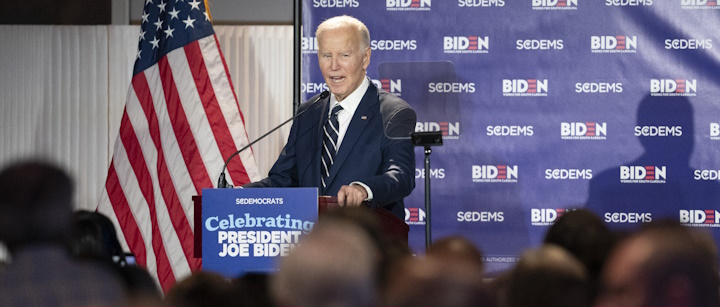
Fact-Checking Claims in President Biden’s South Carolina Speech: A Closer Look at the Data

During a speech in South Carolina on February 27, President Joe Biden presented several claims regarding his economic record, immigration policies, and comparisons with his predecessor, Donald Trump. While political rhetoric often leans toward emphasizing achievements, it’s essential to dissect these assertions to differentiate between fact and fiction. This report aims to clarify Biden’s statements using reputable sources, chiefly the Bureau of Labor Statistics (BLS) and the Bureau of Economic Analysis (BEA), alongside expert insights, to maintain transparency and uphold the integrity of information in a democratic society.

Employment Data: Are Jobs Truly Growing Under Biden?

President Biden claimed that his administration created “2.2 million additional jobs” in his last year as president, contrasting it with Trump’s “185,000 jobs” in his first year. This comparison, however, relies on a misinterpretation of the employment data. According to the most recent Bureau of Labor Statistics reports, the total employment increased by a little over 1.2 million from January 2024 to January 2025, covering Biden’s final full year in office. Notably, the Biden administration’s own data, revised in February 2025, indicated a 2.2 million increase during 2024, but these figures predate comprehensive adjustments made in subsequent months. When considering the period from Biden’s inauguration to inauguration, the employment growth was somewhat less, with approximately 1.2-1.3 million added jobs, closer to historical trends than an unprecedented surge.

  • Analysis from FactCheck.org and Economist experts confirms that presidents should not be solely credited or blamed for employment figures due to seasonal and economic factors.

Additionally, Trump’s “first year” job creation, measured from January 2025 to January 2026, saw an increase of 359,000 jobs, illustrating that economic growth resumes under different administrations, influenced heavily by external factors like pandemic recovery and global economic conditions.

Assessing the Claim of “Record Growth” in the Economy

Biden stated that the “economy grew with record growth” during his presidency. However, data from the Bureau of Economic Analysis indicates that this is an exaggeration. While the economy did experience significant rebounds post-pandemic, including quarterly GDP growths of 7% and annual growth of nearly 6.2% in 2021, these figures, although robust, are not the highest in history. For example, Lyndon B. Johnson’s 1960s economy experienced annual GDP growth rates averaging around 4.7%, and during WWII, U.S. GDP expanded by over 15% annually. Biden’s average annual growth of about 3.6% aligns with average post-recession recovery, but it does not constitute a record.

  • Data from BEA’s historical records confirms that the U.S. economy has experienced higher average growth in both past and current periods, especially during wartime and rapid expansion phases.

Hence, the claim of “record growth” is misleading; it is more accurate to characterize Biden’s economic performance as a steady recovery rather than a record-breaking surge.

Border Crossings and Immigration: Are U.S. Border Crossings Lower at the End of Biden’s Term?

Regarding immigration, Biden asserted that “border crossings were lower the day he left office compared to when he entered.” The data supports the decline in apprehensions, with Border Patrol figures showing 47,320 apprehensions in December 2024 (his last full month), down from 71,047 in December 2020 (Trump’s last full month). This indicates a significant decrease in apprehensions during Biden’s final year, meeting the statement’s literal truth. However, it’s crucial to understand the broader context. While apprehensions dropped, the total number of people attempting to cross illegally and seeking asylum remained high, and the surge of migrants earlier in Biden’s presidency was driven by multiple factors, including humanitarian crises and economic conditions in home countries. Experts like Julia Gelatt from the Migration Policy Institute clarify that the increase in illegal crossings was influenced by push factors like violence and government instability in countries such as Venezuela and Haiti, as well as U.S. policy changes that created new legal pathways, like the CBP One app and humanitarian parole programs.

  • Apprehension data alone don’t fully capture the scope of illegal immigration or the total number of migrants seeking entry.
  • Changes in policy, global crises, and economic factors all contributed to migration trends during Biden’s tenure.

Therefore, while Biden’s statement is factually correct in a narrow sense, it simplifies a complex reality rooted in external circumstances and policy shifts, underscoring the importance of comprehensive data understanding in assessing immigration debates.

The Role of Data and Responsible Citizenship

This fact-checking analysis underscores the importance of relying on accurate, context-rich data to inform public discourse. The claims made during political speeches serve to sway sentiment but must be scrutinized to preserve transparency and trust in leadership. Institutions like the U.S. Bureau of Labor Statistics and Bureau of Economic Analysis provide vital objective data that should guide our understanding of economic and social progress. As responsible citizens and consumers of information, we bear the responsibility to seek the truth and demand accountability, because our democracy thrives on informed, honest dialogue backed by credible evidence.

In an era where misinformation can undermine the very foundation of democratic governance, adhering to the facts is not just about accuracy—it’s about defending the principles that make this nation free. Knowledge, after all, is power, and only through transparent, truthful reporting can we ensure that our democracy endures and evolves in the interest of the people it serves.

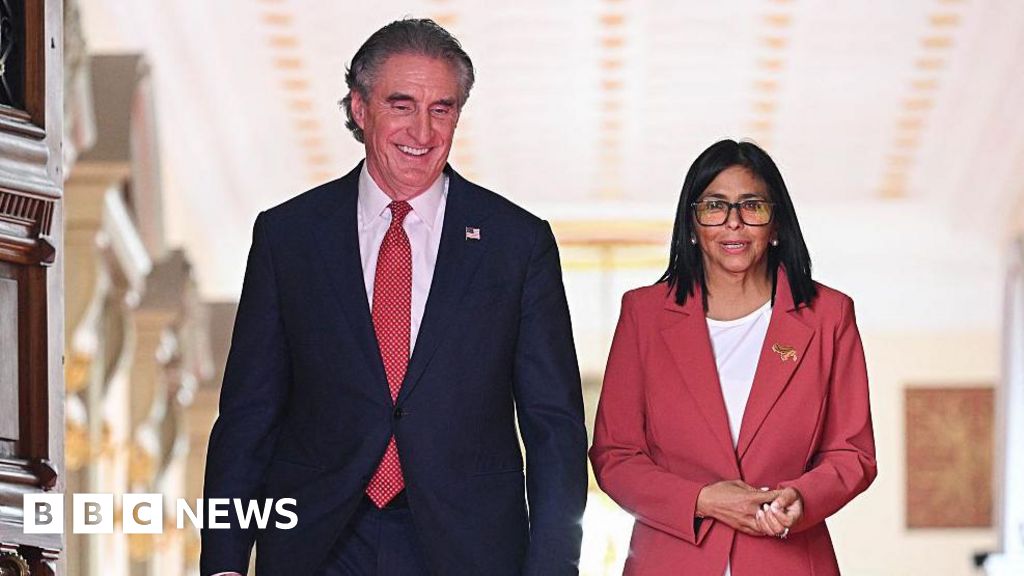
US and Venezuela rekindle diplomatic ties following Maduro’s capture

In a bold move that has sent shockwaves through the international community, the United States announced that it had seized Nicolás Maduro and his wife, marking a decisive shift in its approach to the ongoing crisis in Venezuela. This action, which the US framed as part of a broader effort to promote stability in the region, signals a significant escalation in Washington’s foreign policy objectives and highlights the complex interplay between diplomacy and power in today’s geopolitics. According to official statements, the two sides have committed to a joint effort aimed at fostering stability, yet the underlying implications for regional security remain profound.

Historian and international security analysts have widely discussed the geopolitical impact of this intervention. The move not only challenges the Maduro regime, which has been embroiled in economic collapse and political turmoil, but also shifts the balance of influence across Latin America. Many view the US action as a move designed to weaken the current authoritarian government and pave the way for a different political trajectory in Venezuela. It also raises questions about the future of regional alliances, with countries such as Russia and China—who have historically supported Maduro—likely to respond with strategic caution or increased hostility. The intervention underscores the broader global contest of influence, where superpowers leverage crises for ideological and political advantage.

Furthermore, this incident comes amid howling debates over sovereignty and international law. Critics argue that the US’s actions may exacerbate regional instability and could set dangerous precedents for extraterritorial intervention. The United Nations and other international institutions have issued cautious statements, emphasizing the importance of lawful conduct and multilateral dialogue. Yet, many experts warn that such unilateral actions, if left unchecked, risk undermining the post-World War II order that has largely preserved peace through diplomacy. As analysts like Dr. Laura Bennett of the International Crisis Group point out, the decision “stands at a crossroads of law, morality, and geopolitics, with consequences that could ripple across decades.”

The geopolitical consequences of this new chapter are still unfolding, with nations watching anxiously for the next move. While the US has pledged a joint effort to stabilize Venezuela, the real measure of success will depend on how regional actors respond, the resilience of Maduro’s supporters, and how the Venezuelan people navigate these turbulent waters. As history continues to be written in real-time, the world remains on edge, aware that an event of this magnitude could either usher in a new era of democracy or plunge the region into even deeper chaos. The question remains: which will prevail—the force of history, or the chaos of uncharted futures?

Rising Stars Shine: Young Athletes Set New Records in National Championships

Franchise Tags Set the Stage for an Exciting Free Agency

In a significant move that signals potential changes for several franchises, Breece Hall, George Pickens, and Kyle Pitts Sr. have all received franchise tags, while Daniel Jones has been granted a transition tag. These decisions are drawing considerable attention as teams gear up for the impending free agency period, potentially reshaping the landscape of the league.

The tagging of these athletes showcases the initiatives of their respective teams to retain key talent. Breece Hall, the standout running back for the New York Jets, has become a cornerstone of their offense, displaying explosive speed and agility that has made him a fan favorite. Meanwhile, George Pickens, the young wide receiver for the Pittsburgh Steelers, demonstrated his abilities with remarkable catches that turned games around last season. Finally, Kyle Pitts Sr., the dynamic tight end from the Atlanta Falcons, has solidified his role as a vital target in the passing game. Each player’s franchise tag not only signifies their value but also acts as a strategic maneuver to either foster ongoing development or spark interest from other teams.

“Franchise tagging these athletes allows us to keep our core intact while exploring options to enhance our roster,” stated an anonymous coach familiar with team strategies. The implications of these tags are profound; by locking these players into contracts, teams can focus their free agency strategies on filling gaps rather than worrying about losing their star performers. The use of the transition tag for Daniel Jones means the New York Giants can gauge the market while having the flexibility to retain their quarterback if necessary.

  • Breece Hall: Named a rising star for his advanced play style and game-changing performances.
  • George Pickens: A key player who can change the course of a game with his deep-threat capability.
  • Kyle Pitts Sr.: A game-winner whose presence on the field challenges defenses like no other.
  • Daniel Jones: Operating under the transition tag, remains a pivotal part of the Giants’ future.

As teams finalize their strategies, free agency promises to unveil unpredictable outcomes and pave the way for fresh talent to emerge. The excitement that sports bring transcends mere numbers; it embodies the dreams and aspirations of players and fans alike, reminding us that every touchdown and game-winning drive unites communities and schools of thought. In this ever-evolving realm of athletic competition, sports remains a beacon of togetherness, hope, and ambition.

Source link

Iran-backed militias escalate assaults on US, Israel, and allies

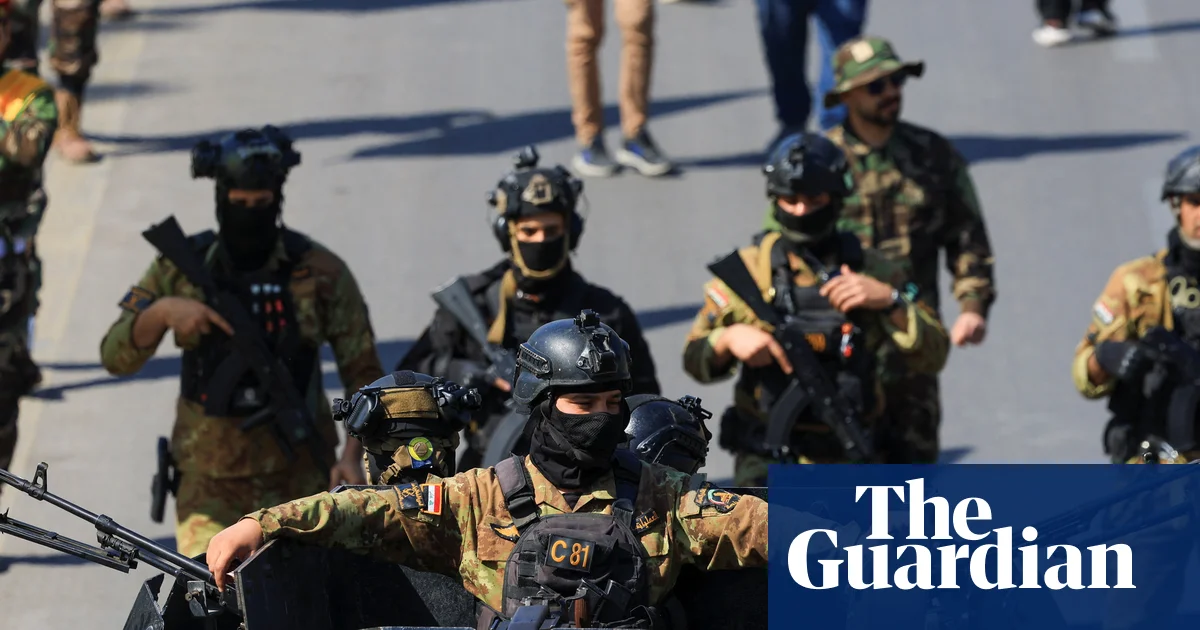
The Middle East is once again teetering on the brink of broader chaos as Iran-backed militias in the region escalate their attacks against Israel, the United States, and their allies. This intensification comes in the wake of a contentious U.S.-Israeli offensive aimed explicitly at Tehran’s network of militant groups. The conflict, rooted deeply in regional rivalry and decades of proxy warfare, is now drawing in new armed actors, with Iraq emerging as a pivotal battleground where covert and overt confrontations threaten to ignite a wider regional conflict. Analysts warn that the ongoing violence not only jeopardizes regional stability but fundamentally alters the geopolitical landscape, pushing global powers into a dangerous game of escalation and strategic ambiguity.

Since the war’s recent outbreak, militias loyal to Iran have launched dozens of attacks across Iraq, targeting American and Israeli interests in multiple countries. These attacks, often clandestine, include missile strikes and drone assaults from Iraqi territory into neighboring Jordan, efforts to cripple Iranian Kurdish opposition infrastructure, and attempted missile launches from southern Iraq—highlighting a clear escalation of proxy hostilities. According to prominent regional analysts and former intelligence officials, Israel and the US are actively engaging in targeted airstrikes and special operations to weaken pro-Iranian militias’ capabilities, aiming to dismantle Iran’s influence in Iraq and the broader Middle East. However, as these measures intensify, so does the risk of wider escalation, with officials in Washington considering the mobilization of Iranian Kurdish groups potentially for *an invasion of Iran’s northwest*, marking a new and dangerous phase in the regional proxy war.

The geopolitical impact of these events cannot be overstated. The long-standing US-Iran rivalry, which has played out through the proxy networks spanning from the Indian Ocean to the Mediterranean, is now manifesting in overt violence and strategic countermeasures. Iran’s investment over decades in a coalition of militias—such as Kataib Hezbollah—aims at both deterring external attacks and projecting influence regionally. The recent surge in attacks on militia bases, including alleged Israeli drone operations, signals a shift toward clandestine and asymmetric warfare. Historically, many specialists, including scholars from Chatham House and military analysts, argue this escalating chaos is as much about Iran’s existential resilience as it is about regional dominance. Dozens of fighters have been killed in retaliatory strikes, and unexplained explosions have reportedly disabled Iraqi radar systems, raising fears of a covert war waged from the shadows.

Furthermore, the broader regional implications are ominous. The “axis of resistance,” long a thorn in Israeli and Western interests, has been dented but not broken, as Iran’s allies like Hezbollah and Hamas remain poised but deliberately cautious. Recent Israeli offensives in Lebanon and the threat posed by Iran’s Houthi allies in Yemen hint at an expansion of the conflict. Meanwhile, analysts suggest that Iran’s strategic reserves include the Houthis, which may be held in reserve for a future escalation should Tehran perceive its regime’s survival as truly at risk. The potential deployment of proxies and the possibility of internal destabilization signals that the conflict is less about immediate territorial gains and more about a profound fight for influence and survival—a war fought through shadows and subversion, with the stakes nothing less than regional dominance and ideological supremacy.

As history continues to unfold in this volatile theatre, the world stands at a threshold. The ongoing proxy battles in Iraq, Syria, and across the Middle East are shaping a story of resilience and resistance, underpinned by fierce ideological commitments and strategic calculations. Every missile fired, every drone launched, and each unexplained explosion is a chapter in a larger narrative of a region caught between superpower rivalries and the relentless pursuit of influence. The outcome remains uncertain, but one truth persists: this is more than a regional dispute—it is a pivotal moment in the shaping of the Middle East’s future, with the weight of history swinging in the balance, waiting for the next move that could usher in either a fragile peace or a catastrophic escalation.

Anthropic takes DOD to court over supply chain crackdown

Anthropic Challenges Pentagon’s AI Supply Chain Risk Designation: Disruption at the Heart of National Security Tech

The AI landscape is witnessing a consequential clash between innovation, government regulation, and national security interests, as Anthropic, a leading AI firm founded by former OpenAI researchers, announces plans to contest the Department of Defense’s recent classification of the company as a “supply chain risk.” This move underscores the growing tension between emerging AI capabilities and entrenched military policies, with profound implications for disruption in defense technology procurement and strategic autonomy.

According to Dario Amodei, Anthropic’s CEO, the designation is not only legally unsound but also threatens the firm’s core operations and innovation pipeline. Amodei emphasized that most of Anthropic’s customer base remains unaffected, asserting, “the risk designation applies only to AI use within specific Department of War contracts.” This nuanced distinction highlights the industry-wide challenge of balancing government oversight with evolving AI innovation—a challenge that, if unresolved, could stifle private sector endeavors in critical technology sectors. The legal contest aims to redefine the scope of government-mandated restrictions, potentially setting a precedent for other AI firms eager to innovate while navigating complex military oversight.

The contentious issue revolves around how much control the Pentagon seeks over AI systems. The department advocates for unrestricted access to AI tools for “all lawful purposes,” including potentially mass surveillance and autonomous weaponry, which opponents like Anthropic argue contravene fundamental rights and ethical standards. The controversy surrounding Anthropic’s leaked internal memo, in which CEO Amodei criticized OpenAI’s cooperation with the Defense Department as “safety theater,” signals a broader industry debate over security, ethics, and the military’s role in shaping AI standards. This discord reveals an industry at a crossroads—where safeguarding innovation from intrusive regulations is becoming increasingly urgent to maintain competitive advantage and technological sovereignty.

The complexities extend beyond legal and ethical kerfuffles: business implications are profound. With the Pentagon shifting its support to OpenAI—signing a major deal to replace Anthropic—industry insiders warn that government contracts will increasingly favor firms aligned with national security priorities. As noted by analysts from Gartner and MIT, “companies that can demonstrate robust security and compliance protocols will likely dominate defense-related AI markets,” emphasizing that disruption in government partnerships could redefine industry leadership. Meanwhile, Anthropic’s commitment to continue supporting U.S. military operations “at nominal cost” underscores the importance of agility and resilience in a landscape where futures are determined by legal battles and strategic alliances.

Looking forward, the implications extend beyond the U.S. borders. Emerging markets and global competitors are closely watching these developments, recognizing that the enforcement—and potential loosening—of such regulatory policies could shape the global AI arms race. Leading voices like Elon Musk and Peter Thiel warn that “regulatory overreach” risks throttling innovation at a time when technological supremacy may determine geopolitical dominance. The industry stands at a pivotal juncture where the challenges of embedding ethical oversight into disruptive AI systems are surging alongside the race to dominate the next era of warfare and economic power. For stakeholders across tech, defense, and policy realms, the urgency is clear: more than ever, strategic agility and innovation-driven disruption are essential to shape a future where AI not only advances prosperity but also secures national sovereignty amidst rising global rivalry.

Social Media Auto Publish Powered By : XYZScripts.com