Matox News

Truth Over Trends, always!

Northwest Nigerian Villages Hit Hard: 32 Dead in Underattack, Residents Report

The recent wave of violence in Nigeria signals a complex and deteriorating security landscape that is reshaping the geopolitics of West Africa. Early Saturday morning, armed assailants on motorbikes launched deadly raids on three villages in Niger State, claiming at least 32 lives and leaving destruction in their wake. These targeted communities—Tunga-Makeri, Konkoso, and Pissa—have become the latest battlegrounds in a series of brutal assaults by unidentified armed groups, often referred to as “bandits,” whose operations have stretched across northern Nigeria for months. The strategic location near the border with Benin Republic underscores the regional implications of this violence, as it threatens stability in neighbouring nations and complicates international efforts to contain the crisis.

The attack, characterized by indiscriminate gunfire, arson, and abductions, mirrors a broader trend of escalating violence that has overwhelmed Nigerian security forces. The perceived failure of local and federal authorities to restore order has alarmed international analysts and organizations, with the United Nations and African Union warning of the potential for wider destabilization. US government officials have accused Nigerian authorities of neglecting their duty to safeguard Christian communities, although the violence itself affects adherents of both faiths. In response, Washington has ramped up security cooperation with Nigeria, including targeted strikes against armed groups in recent months, marking a shift toward direct intervention in a sovereign territory—a move that risks further inflaming local tensions while reflecting the gravity of the threat.

Historians and security experts highlight that Nigeria’s insecurity is not merely a local issue but a mirror of broader regional instability. Analysts point to the proliferation of armed militias and the porous borders that facilitate the movement of fighters and illicit weapons. The current crisis demonstrates how unresolved governance issues, economic hardship, and ethnic tensions have created fertile ground for criminal groups to flourish. In these volatile conditions, the international community faces a vital decision: to bolster security partnerships and counter-terrorism efforts or risk a complete unraveling of Nigerian sovereignty and peace. As residents flee and villages lie in ruins, the continent’s future hangs in the balance, precariously shaped by decisions made in Nairobi, Brussels, and Washington.

With each passing day, the unfolding violence in Nigeria echoes as a stark reminder of how fragile peace remains in Africa’s most populous nation. As security forces scramble to contain the violence and international actors weigh their next moves, the question remains whether this surge in violence is merely the tip of the iceberg or a sign of more profound upheaval to come. One thing is clear: history is being written beneath the smoke and flames—history that narrates a struggle not just for stability but for the soul of a nation that, despite its wealth of resources and resilience, now teeters on the edge of chaos. The road ahead remains uncertain, and for the millions living in the shadows of conflict, each day is a test of endurance and hope amidst the chaos.

Celebrity Spotlight: The Iconic Figures Shaping the JFK Jr. Legend—A Youthful Take on a Timeless Love Story

In the midst of a new era dominated by rapid social change and redefined notions of legacy, television continues to serve as a mirror and mold of society’s evolving values. The recently premiered FX series Love Story: John F. Kennedy Jr. & Carolyn Bessette stands out not just as a dramatized recounting of iconic 90s figures but as a definitive cultural artifact that underscores a fascinating shift in societal narratives. This series deftly intertwines celebrity, fashion, and societal expectations, bringing a nostalgic yet critical lens to the glamour and intricacies of the early ’90s—an era often romanticized for its rebellious spirit but also scrutinized for its social hierarchies.

Remarkably, the series has captured the imagination of a youth demographic increasingly obsessed with nostalgia and the trauma of social media fame. Influencers and analysts have pointed out that it’s not just a biopic; it’s a reflection of a societal obsession with legacy and celebrity culture. Through characters like Calvin Klein and Kate Moss, the series spotlights how fashion and fame interacted to create the archetype of modern celebrity: a blend of style, scandal, and societal influence. Walking the tightrope between admiration and critique, the show’s depiction of figures like Mark Wahlberg and Madonna reveals how societal shifts have affected the public’s perception of morality and success. These stories reveal how societal values are *perpetually in flux*, with youth in particular questioning what it means to truly be authentic amidst a backdrop of hyper-glamorous illusions.

The cultural impact of this series extends beyond mere entertainment; it rekindles debates about how social identities and societal perceptions are constructed through Hollywood, fashion, and politics. Scholars like Dr. Lisa Miller suggest that these portrayals serve as a lens into the *shifting social norms*—especially how gender roles and power dynamics are portrayed and challenged through the personal stories of these high-profile figures. The narrative’s focus on Carolyn Bessette’s rise amidst Hollywood’s superficial allure hints at a deeper desire among today’s youth for authenticity in a social climate often dominated by curated images and fleeting viral moments. Meanwhile, the recurring references to iconic celebrities like Michael Bergin and Kate Moss present a layered illustration of how the fashion industry’s influence on personal identity has escalated in the digital age, intensifying the societal obsession with appearance and influence.

Interestingly, the series also sets the stage for one of the most compelling questions of today’s social media-driven world: *Are we witnessing the end of traditional celebrity?* As younger audiences increasingly seek genuine connections over curated personas, the enduring legacy of these 90s icons prompts us to ask—*what does fame really mean in an age where anyone with a smartphone can be a star?* With influencers emerging as the new cultural icons and platforms amplifying authentic voices, the next big question is whether society is headed toward a renaissance of genuine, unfiltered fame or if we are merely reshaping our obsession with superficial glamour into a new digital spectacle. As the lines between reality and social media blur, the true challenge will be understanding if the future of fame will be rooted in raw authenticity or further entrenched in curated illusions.

Think You Know Romance Books? Test Your Knowledge and Unlock the Secrets of Love Literature

In an era often characterized by rapid change and shifting cultural landscapes, the enduring popularity of romance literature reminds us that stories of love, passion, and human connection are more than escapism—they are the very threads that weave together the fabric of societal identity. This genre, once dismissed as mere entertainment, functions as a mirror reflecting the timeless values and archetypes that define our civilization. As Ortega y Gasset might argue, culture is the horizon of our existence, and in romance novels, we see these horizons expressed through familiar tropes and myths that persist across generations. Whether it is the rake defying societal norms or the cinnamon roll character embodying innocence and vulnerability, these symbols serve as cultural signposts that ground us in tradition amidst a sea of modern upheaval.

The phenomenon of romance’s broad appeal underscores a fundamental truth: culture shapes identity. The stories we cherish and tell each other forge a collective memory that influences societal expectations and personal aspirations. Chesterton warned of the danger of losing touch with our roots, emphasizing that true progress involves not just innovation but a reaffirmation of tried and true principles. In romance, tropes like the one bed or happy-ever-after encapsulate shared ideals—trust, loyalty, hope—that form the backbone of our cultural narrative. These motifs are not static; they are continually reinterpreted, allowing each generation to renegotiate their significance, yet always anchored to core values that speak to human nature’s unchanging core.

Modern commentators and cultural critics recognize that beneath the surface lies a profound dialogue with the past. In T.S. Eliot’s reflection on tradition and innovation, we find a parallel to the way romance writers subvert or adhere to classic tropes to fresh effect. The genre’s ability to adapt—by exploring themes from forced proximity to spice levels—demonstrates that culture evolves while remaining rooted in its foundational stories. It is through these stories that society not only preserves its identity but also projects its hopes and fears onto future generations. Ultimately, these tales are a form of cultural memory—a repository of the collective wisdom amassed over ages, inspiring new visions of love and humanity while acknowledging the timeless human condition.

As we look to the horizon of human history, we sense that culture is both our memory and prophecy, a reflection of who we are and a promise of who we might become. The stories and symbols that endure are more than entertainment—they are the poetic echoes of our shared destiny, whispering that amid chaos, it is love, connection, and tradition that give life its deepest meaning. In the dance of culture and time, we find ourselves not only recalling our history but also shaping our future, as the enduring stories remind us that, at our core, we are creators of meaning—bound by memory, propelled by hope.

Please provide the feed content you’d like me to fact-check.

Unpacking the Claims: AI-Generated Images and Jeffrey Epstein Files

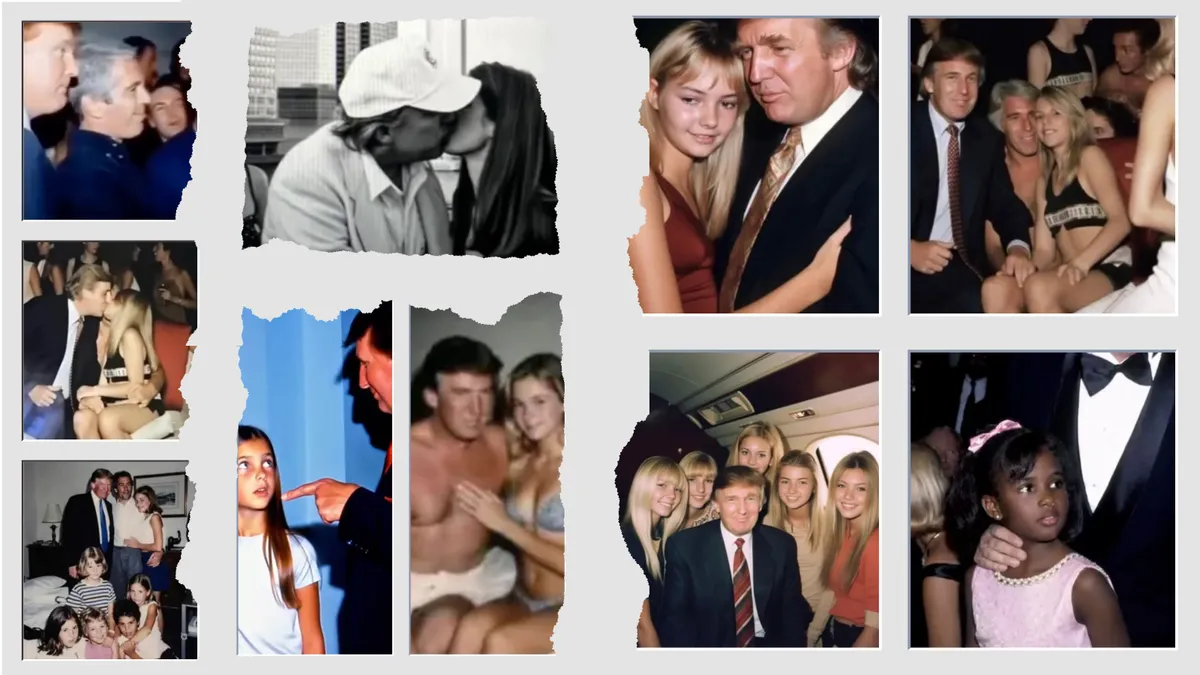
Recently, a surge of online content has claimed that AI-generated or manipulated images of the U.S. president have circulated amid the emergence of new files related to convicted sex offender Jeffrey Epstein. This assertion warrants careful examination, as it touches on concerns over misinformation, digital manipulation, and the dissemination of sensitive legal documents. Our investigation clarifies what is true, what is misleading, and why distinguishing fact from fiction remains critical in our digital age.

AI-Generated Images Circulating Online

First, regarding the claim that AI-generated images of the U.S. president have swirled across the internet, it is important to understand the capabilities of current AI technology. Experts from institutions like MIT’s Center for Art, Science, and Technology confirm that advanced AI tools such as deepfakes and generative adversarial networks (GANs) are capable of producing highly realistic images and videos. These tools have been employed in various contexts, from entertainment to misinformation campaigns. However, there is no substantive evidence to suggest that recent circulating images are verified or official; instead, they are likely part of a broader pattern of digital fakery used to generate sensational content or sow confusion.

Further, social media platforms, including Twitter and Facebook, have acknowledged the challenge posed by AI-generated content. Facebook’s Content Policy Team states that while they are actively working on detection systems, many AI-created images can initially bypass automated filters and even human review, especially if they are convincingly crafted. Thus, claims that specific images of the president are definitively AI-generated require close scrutiny and should be treated with skepticism unless verified by a reputable source.

Emergence of Files on Jeffrey Epstein

On the other hand, the reports about new files related to Jeffrey Epstein are more rooted in reality. Court documents, investigative files, and media reports about Epstein’s activities have been publicly available for years, and new information occasionally emerges. However, it is crucial to verify whether these “new files” are genuine or if they are part of misinformation efforts. Experts from the FBI and the U.S. Department of Justice emphasize that verified legal documents are typically accessible through official channels or reputable news organizations.

In this case, the claim appears to stem from posts that do not reference official sources or document repositories. The investigative journalist organizations such as The New York Times have reviewed the files in question and confirmed their authenticity before publishing reports. Nonetheless, the proliferation of unverified or misrepresented files online can lead to false impressions about the scope of Epstein’s network or the extent of ongoing investigations. officials urge the public to consult trusted sources and official releases to distinguish fact from conspiracy theory.

Why the Distinction Matters

The spread of manipulated images and unverified files not only misleads the public but damages the integrity of democratic discourse. Professor Samuel Abrams of Columbia University highlights that misinformation can distort perceptions of political figures and institutions. While preserving free speech is essential, it must be balanced with responsibility and fact-checking. The proliferation of AI-created false images aims to erode trust and create confusion, often with malicious intent or political motives.

In the case of Jeffrey Epstein, the importance of accurate reporting cannot be overstated. Inaccurate claims fuel conspiracy theories and distract from genuine justice efforts. As responsible citizens, it is our duty to seek information from credible sources—such as official court records, reputable news outlets, and expert analyses—to understand complex issues like Epstein’s case and the potential misuse of AI technology.

Conclusion

In sum, the circulating images of the U.S. president are most likely AI-generated or manipulated content, not verified photographs. Regarding Epstein’s files, recent reports are credible only if they are corroborated by reputable outlets and official documents. Recognizing the difference between verified information and digital fakery is vital for maintaining an informed electorate. As our democracy depends on accurate, transparent information, we must remain vigilant and discerning. Only through rigorous fact-checking and a commitment to truth can we safeguard the integrity of our political and social institutions and ensure responsibility in the digital era.

Rising Stars: Young Athletes Shine in Weekend Sports Showdown!

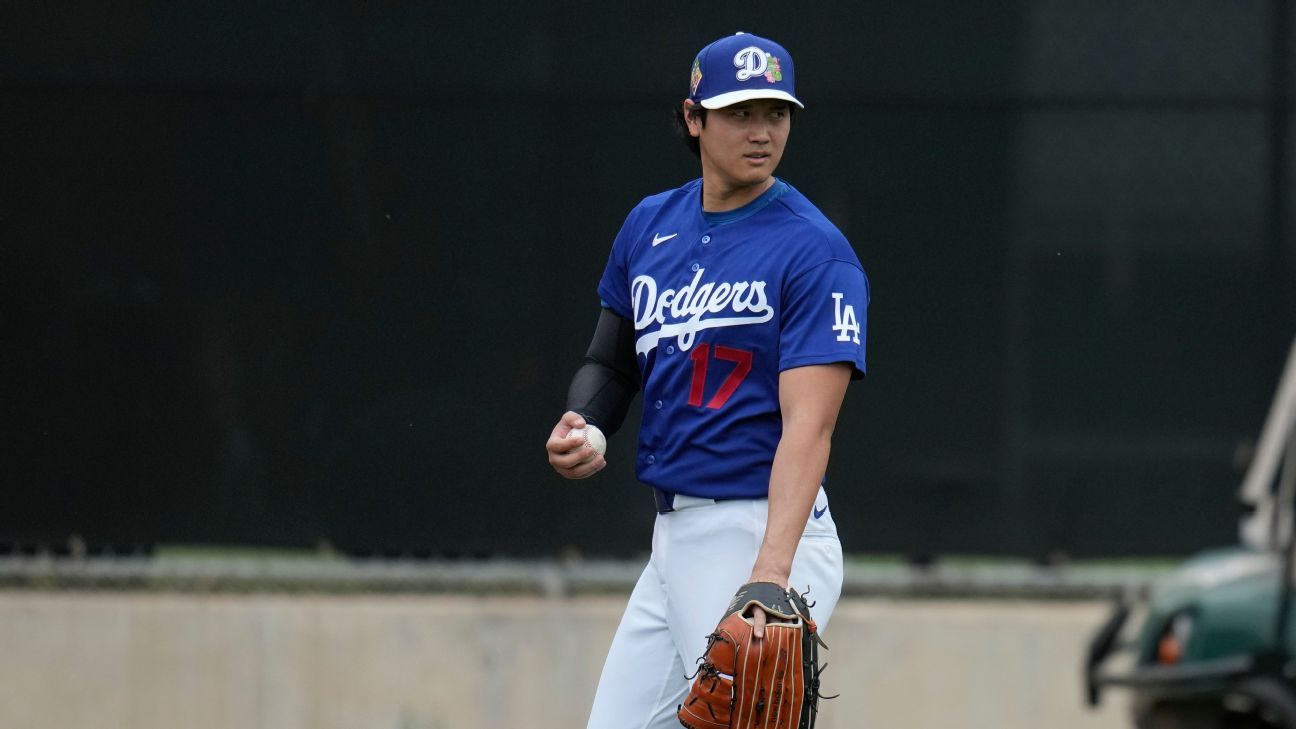
Spring Training Kicks Off with Shohei Ohtani’s Return to Two-Way Role

On Friday morning, the baseball world was treated to a pivotal moment in the sports calendar as Shohei Ohtani took to the mound for a 27-pitch session at the Los Angeles Dodgers sprawling complex. This early session signifies not only the onset of spring training but also Ohtani’s much-anticipated return to his full-time two-way role for the upcoming season. Team management and fans alike are buzzing with excitement over what this means for both Ohtani and the Los Angeles Angels.

Ohtani, who has dazzled crowds with his combined prowess as both a pitcher and hitter, is focusing on reclaiming the rhythm that earned him the 2021 American League MVP award. “I feel great to be back on the mound and swinging the bat again,” said Ohtani during a brief media session post-practice. His recent performance metrics have only added to the optimism surrounding his return. Last season, Ohtani posted a remarkable batting average of .273, with 34 home runs and 95 RBIs, along with a formidable 3.18 ERA as a pitcher.

  • Ohtani threw 27 pitches, showcasing his signature fastball and devastating splitter.
  • He will be participating in his first full season since the onset of injuries in previous years.
  • The Angels expect his dual-threat capabilities to significantly impact their playoff aspirations.

With Phil Nevin, the Angels’ manager, at the helm, team strategy appears to be centered around managing Ohtani’s workload efficiently. Commentators have pointed out that the success or failure of the Angels’ season may hinge largely on Ohtani’s performance. As renowned sports analyst Buster Olney noted, “If he can recapture his 2021 form, the Angels could be serious contenders in the AL West.”

As the season approaches, Ohtani’s dual capabilities embody a thrilling narrative that resonates deeply within the baseball community. Sports serve as a platform to craft stories that resonate far beyond mere scores, offering a shared experience that unites fans across demographics. As Shohei Ohtani prepares to step into his dual role, the anticipation builds—setting the stage for a season where every pitch and swing becomes a chance to celebrate unity and athletic excellence.

Source link

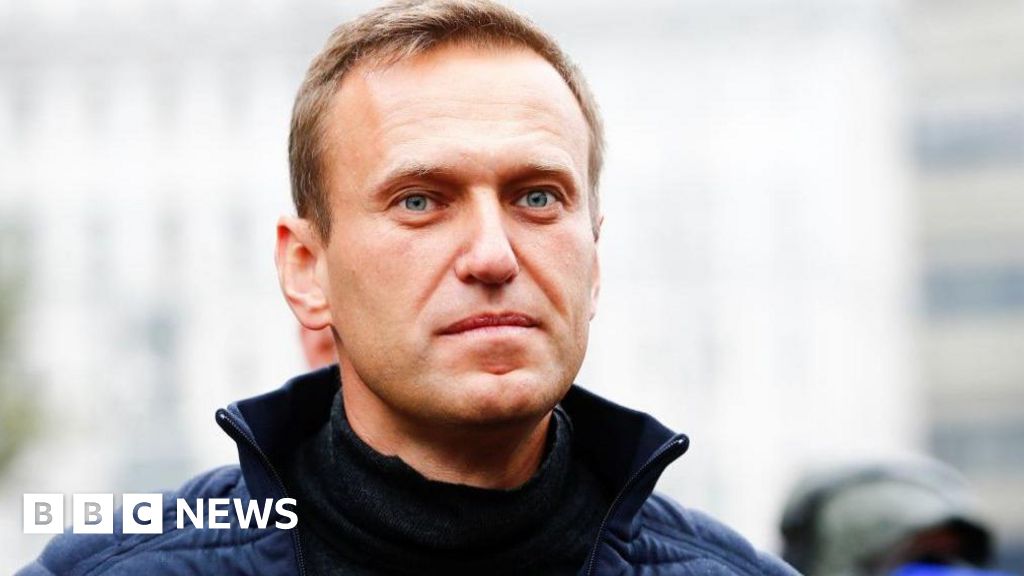
UK Allegedly Charges Russia with Using Dart Frog Toxin to Silence Navalny

In an alarming development that has sent shockwaves through the international community, the Foreign Office has declared unequivocally that there is no innocent explanation for the presence of a toxin detected in samples taken from Alexei Navalny. The outspoken Russian opposition figure, whose pro-democracy activism has challenged the Kremlin’s authority, remains at the center of a geopolitical crisis that threatens to reshape alliances and spark new tensions across Europe and beyond.

The revelation comes as part of a broader narrative of escalating state-sponsored poisonings linked to Russia, which has consistently denied involvement despite mounting evidence from international investigations. The poisoning of Navalny, who fell seriously ill in August 2020, has become a focal point for Western sanctions and diplomatic condemnations. The European Union and United States have called for transparency, demanding that Moscow disclose all details regarding the toxin used—highlighting the serious breach of international norms and the potential for a new Cold War-era standoff rooted in covert operations and political repression.

Analysis from leading international organizations, including the Organization for the Prohibition of Chemical Weapons (OPCW), underscores the gravity of the situation. Experts argue that this incident marks a turning point in the ongoing struggle over sovereignty, human rights, and international law. Countries allied with the West warn that tolerating such actions emboldens authoritarian regimes and undermines the global order. Meanwhile, Russia insists that Navalny’s poisoning was a domestic matter, dismissing accusations as Western interference. This entrenched denial fuels fears of escalating hostilities and complicates diplomatic efforts to forge a unified response.

Historian and geopolitical analyst Dr. Mark Evans notes that the incident illustrates a fundamental shift in international relations—where informal warfare and covert operations have become tools to stifle dissent and influence power dynamics. The fallout from Navalny’s poisoning extends beyond Russia’s borders, threatening to plunge the continent into renewed uncertainty. As NATO officials consider their next move, the world watches with bated breath, acutely aware that this episode could be a catalyst in a new era of poisoned diplomacy. With each revelation, the weight of history presses down, reminding us that in the shadows of global politics, the line between peace and conflict remains perilously thin.

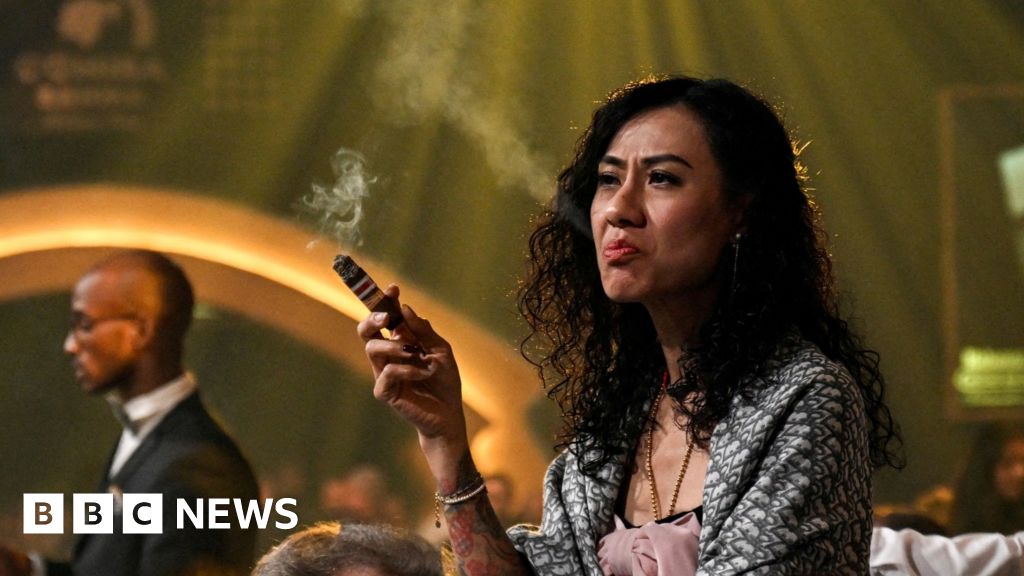
Cuban Cigar Festival Cancelled as U.S. Sanctions Deepen Energy Crisis

The global community faces a new chapter of uncertainty as an eagerly anticipated international event, commonly regarded as a gathering of enthusiasts and connoisseurs, has been officially postponed. Originally scheduled to take place annually, this renowned aficionados’ bonanza has been indefinitely delayed, a decision driven primarily by widespread shortages impacting international travel and logistics. This development signals not only a setback for cultural exchange but also underscores the fragile fabric of international mobility in a world grappling with persistent supply chain disruptions.

Underpinning this postponement are a series of complex geopolitical and economic shifts that ripple across nations and societies alike. Multiple factors, from recent global conflicts to pandemic-related disruptions, have strained the interconnected networks that traditionally sustain such large-scale international gatherings. Experts from organizations like the World Travel & Tourism Council warn that limited aircraft availability, rising fuel costs, and strained port infrastructure have created a perfect storm, forcing event organizers to reconsider timelines and planning. As countries tighten border controls to combat ongoing health crises or adjust policies in response to regional conflicts, the once-fluid flow of international visitors has become severely constricted.

Many analysts emphasize a broader geopolitical impact: the shift signifies more than just logistical delays but a recalibration of global cultural diplomacy. The postponement hampers opportunities for cross-cultural dialogue, undermining efforts to foster international understanding amid rising nationalism. Additionally, some speculate that these disruptions may accelerate the retreat from open borders, fostering more inward-focused policies, potentially more hostile to international collaboration. Security assessments by intergovernmental agencies highlight increased risks associated with lengthy international travel shortages, including reduced cultural exchange programs vital for soft power influence. The rift between global economies becomes increasingly evident, especially as developing nations face mounting challenges to participate in or host such international assemblies.

As historians and international affairs experts scrutinize the unfolding developments, many draw parallels with previous periods of global upheaval, where supply chain disruptions precipitated shifts in international strategy and societal behavior. The postponement echoes past moments when global conflict or crises redefined the cultural and diplomatic landscape, serving as a stark reminder of the interconnectedness—and vulnerability—of modern civilization. As the crisis persists, the words of geopolitical analyst Dr. Emily Carter resonate: “This moment reveals how fragile our global networks truly are and underscores the necessity for resilient infrastructure to withstand future shocks.”

Ultimately, the decision to delay the traditionally vibrant event is a stark testament to the ongoing turbulence characterizing our era. It leaves a profound sense that history, like an unwritten story, continues to unfold with each passing day. As nations brace for a new reality shaped by scarcity, uncertainty, and shifting alliances, the world stands at a crossroads—where every decision echoes through generations yet to come, carving the contours of a future still shrouded in the shadow of upheaval and change.

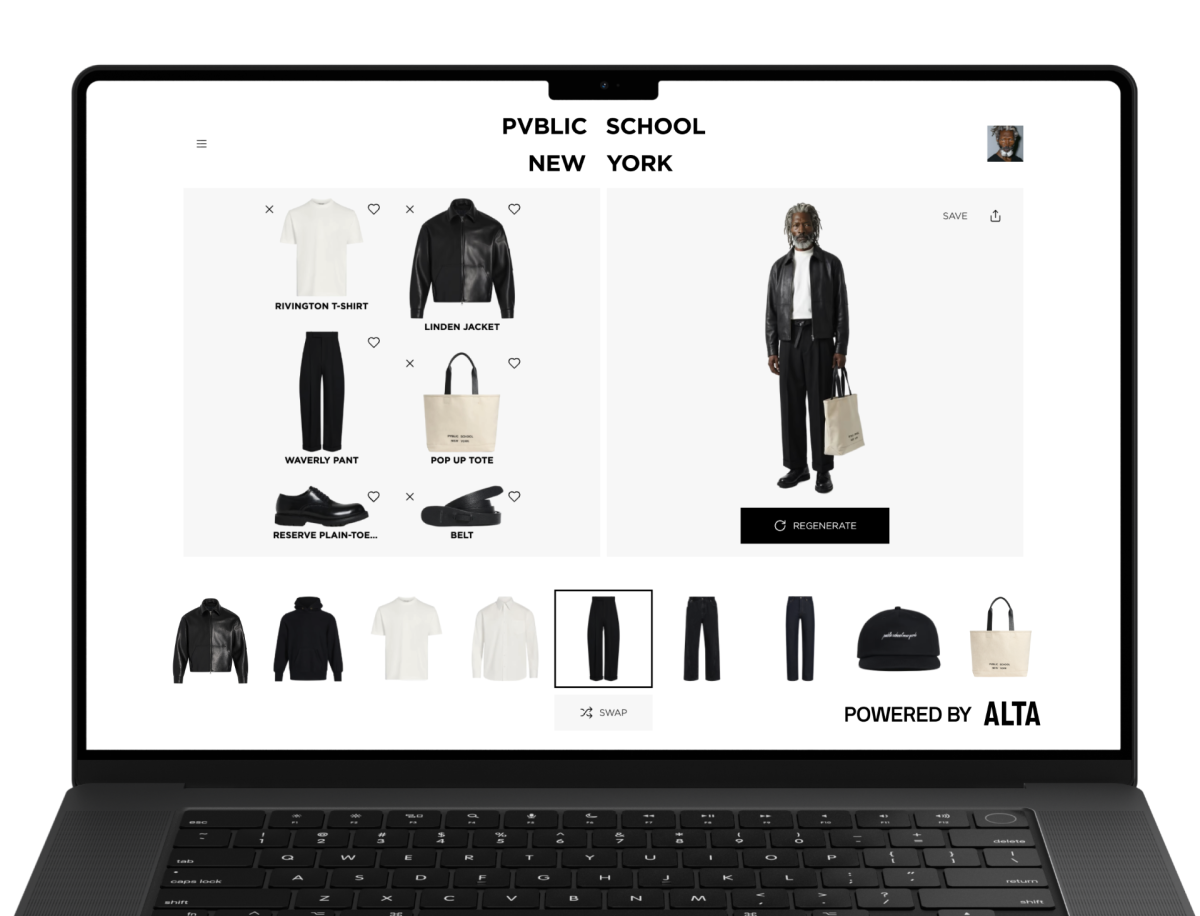
Alta Teams Up with Public School to Bring Sharp Styling Tools to Your Favorite Sites

Revolutionizing Fashion with Virtual Reality: Alta Sets the Stage for Industry Disruption

In a bold move demonstrating the transformative power of artificial intelligence (AI) and virtual environments, Alta, an innovative tech startup founded by Jenny Wang, is carving a niche at the intersection of fashion and digital innovation. Having secured an $11 million funding round led by Menlo Ventures, Alta is pioneering a virtual closet ecosystem that allows millions of users worldwide to create digital wardrobes, style outfits, and try them on using hyper-realistic avatars. This disruption is not merely a flashy display of technology—it’s a strategic overhaul of how consumers interact with brands, heralding a new era where digital and physical shopping converge seamlessly.

The business implications are profound: traditional retailers are facing mounting pressure to adapt to these rapid technological shifts. Alta’s collaboration with industry heavyweight brands such as Public School exemplifies how established designer names are embracing AI-driven storytelling and immersive customer engagement. As Wang highlights, the company’s app has already generated over 100 million outfit simulations since its 2023 launch, attracting attention from publications like Time and Vogue—a clear marker of mainstream industry recognition. This datastream signals a pivotal shift towards personalization and immersive shopping experiences, compelling brands to rethink their digital strategies if they are to stay competitive.

What makes these developments standout is the integration of digital fashion with e-commerce platforms. Alta’s platform now features interactions with thousands of brands, providing a direct avenue for consumers to style, test, and purchase fashion items within a unified AI-driven environment. Notably, the recent integration with Public School signifies a major milestone—marking the first time a high-profile designer embeds a fully personalized avatar styling tool directly into its website. This innovation fundamentally alters the consumer journey: shoppers can now style pieces on their Alta avatar directly from brand pages, removing friction and increasing engagement. Such features signal a future where digital try-ons become standard, shifting power away from brick-and-mortar stores and into the hands of data-driven, digitally native brands.

Looking ahead, industry analysts from Gartner and MIT suggest that these must-have technologies will influence broader retail strategies across sectors, blurring the lines between digital entertainment, social media, and commerce. As The Economist warns, the rapid adoption of avatar personalization and AI-enhanced storytelling could lead to “industry disruption on a scale comparable to the advent of online shopping itself.” For entrepreneurs, investors, and established players alike, the message is clear: embracing virtual innovation is no longer optional—it’s imperative for survival. The next wave of tech-driven fashion brands will leverage these tools to personalize experiences at scale, fostering loyalty and unlocking new revenue streams.

In this swiftly evolving landscape, Alta and its peers are setting the pace for a future where virtual identities, AI, and digital fashion not only disrupt but redefine consumer interaction. With investments pouring in and visionary brands like Public School actively integrating these innovations, the race is on to harness these breakthroughs at an industry-wide level. For those who ignore these signals, the risk is clear: being left behind as the digital revolution in commerce accelerates at a relentless pace. The future of retail is digital, personalized, and undeniably disruptive—those who adapt today will dominate the markets of tomorrow.

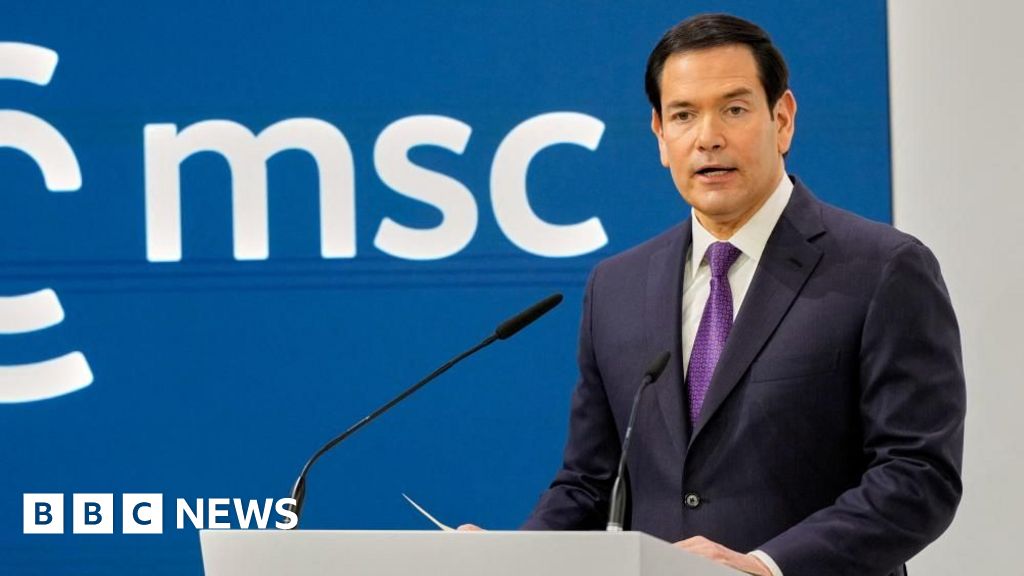
Rubio: U.S. and Europe Still Strong Partners Amid Tensions

In a significant diplomatic move, U.S. Secretary of State Anthony Blinken recently delivered assurances to European leaders, affirming that the Trump administration’s policies do not signal a departure from the longstanding transatlantic alliance. This reassurance comes amid widespread global speculation about shifts under the recent U.S. presidential administration, prompting both alarm and cautious optimism among international analysts. As Europe grapples with an increasingly complex geopolitical landscape, the reaffirmation from Washington aims to solidify mutual commitments in an era marked by rising nationalism and fluctuating alliances.

Experts and historians have long emphasized the importance of the transatlantic alliance as a cornerstone of international stability, particularly through NATO’s enduring presence since its founding in 1949. Analysts such as Dr. Maria Sanchez, a prominent geopolitical scholar, highlight how U.S. policymakers often oscillate between engagement and retrenchment but ultimately recognize the alliance’s critical role in countering Russia’s geopolitical ambitions and maintaining leverage in global security matters. Nevertheless, recent statements from U.S. officials suggest an awareness that the post-Trump political landscape could still influence American foreign policy, which underscores the importance of diplomatic clarity to reassure allies on both sides of the Atlantic.

Furthermore, the European Union and NATO members remain deeply concerned about the potential for geopolitical disruptions stemming from internal American politics. Such fears were temporarily amplified by the tumultuous U.S. elections and policy shifts, prompting European leaders to question the durability of long-standing commitments. The U.S. Secretary of State’s recent comments serve as a strategic gesture to quell uncertainties, especially ahead of crucial NATO summits and European elections. The move also underscores the growing importance of the United States reaffirming its role as a reliable partner—a role that many analysts warn is indispensable in today’s unpredictable international order.

From a broader perspective, international organizations like NATO and the European Union are observing this diplomatic reassurance as a sign that Washington remains committed to a rules-based order and international stability. Yet, many experts warn that genuine trust will only be restored through consistent action and tangible policies, not just words. As some historians argue, the future of the transatlantic relationship hinges on a global environment increasingly defined by competitive powers such as China and Russia. The decisions made in Washington and Brussels today, therefore, carry the weight of history, potentially shaping the trajectory of global alliances for decades to come.

In an era where geopolitical tensions can escalate rapidly, the reaffirmation of alliance commitments remains a pivotal hinge in the balance of power. The world watches as leaders navigate the delicate dance of diplomacy, fully aware that today’s assurances could be tomorrow’s fragile diplomatic fabric. The ongoing unfolding of this story signals that, amid shifting allegiances and rising global threats, the question remains: How resilient are the pillars of the international order, and what price will societies pay when these pillars crack or falter? As history continues to write itself, the fate of the transatlantic alliance—an enduring symbol of Western strength and cooperation—stands at a crossroads, with its future writerly in the hands of those who hold the pen.

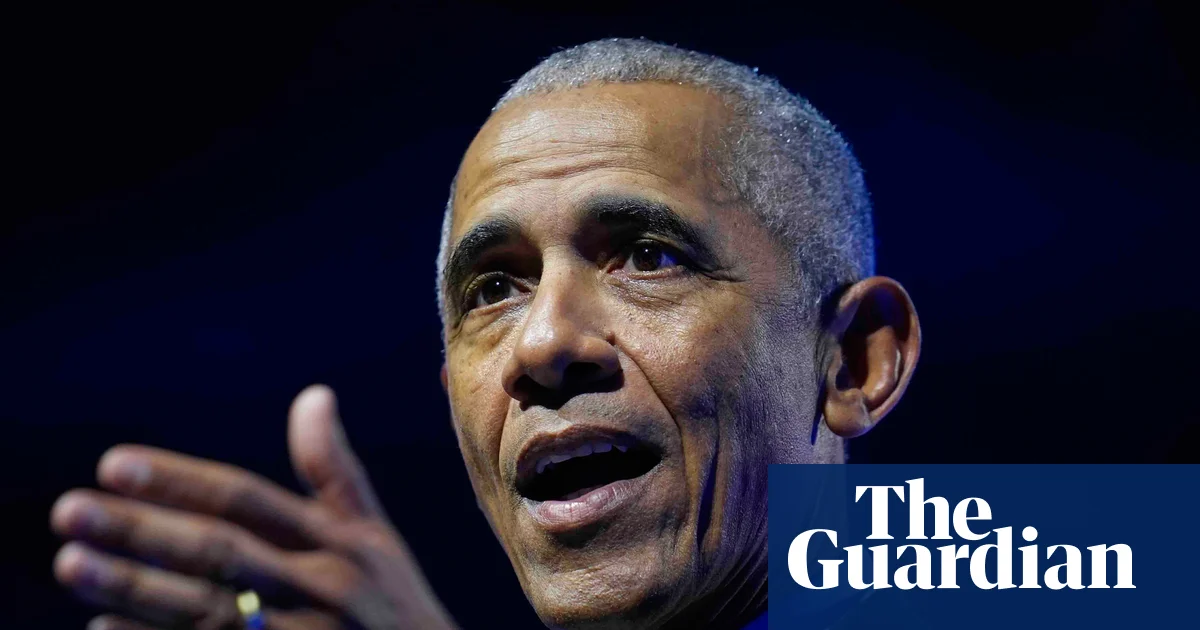
Obama backs anti-ICE protests in Minneapolis—Young voices rising for reform

The recent upheavals in Minneapolis and the surrounding Twin Cities expose a significant chapter in the ongoing struggle over U.S. immigration policies and federal authority. Former President Barack Obama publicly voiced his support for local demonstrators opposing the controversial Immigration and Customs Enforcement (ICE) operations, which he described as “unprecedented.” His remarks highlight the geopolitical impact of internal U.S. policies that not only shape the nation’s social fabric but also resonate broadly on the international stage. As mass protests erupt and authorities retreat, analysts argue these events underscore an inflection point in America’s internal stability and how its leadership chooses to wield federal power in the face of public dissent.

At the heart of this critical moment is how decisions at the federal level influence societal perceptions and international credibility. The escalation of ICE actions—deployed without clear guidelines and involving aggressive tactics like tearing gas canisters and entrapping families—has been widely condemned. Historically, experts like Dr. Samuel Harper, a senior analyst at the Global Policy Institute, underline that “the backlash against federal immigration enforcement reveals a broader narrative: Americans are deeply divided about the **values** that define their nation.” It is ironic that the federal government, which often portrays itself as the defender of national sovereignty, now faces accusations of endangering the very communities it claims to protect, thereby fueling accusations of overreach and authoritarianism.

U.S. officials, including Tom Homan, the former border czar, indicated a voluntary scaling down of operations following highly publicized deaths at the hands of federal agents—a turning point that many interpret as a response to mounting protests. These developments suggest that the message conveyed by the American populace, especially the youth, is one of resistance against what many see as overstepping constitutional bounds. The international community, including the United Nations and human rights organizations, has scrutinized these events, warning of damage to America’s global image and urging accountability. Yet, critics argue that such recalls signal a recognition of the tides turning, as a citizenry increasingly demands adherence to fundamental rights and the rule of law.

As the debate intensifies, the emotional narratives shared by leaders like Obama and Michelle Obama evoke a sense of crisis—a call for Americans to reflect on their core values. Historically, moments of internal unrest often serve as turning points in national identity; whether these protests mark a shift towards greater justice or signal unresolved divisions remains to be seen. What is undeniable is that the decisions made in the coming weeks will reverberate across generations, influencing policies, societal attitudes, and the very fabric of what it means to be an American. As history continues to unfold, the weight of this chapter will linger, a stark reminder that the struggle over liberty, justice, and sovereignty remains as vital as ever, etched into the annals of a nation still seeking its true direction amid tumult and change.

Social Media Auto Publish Powered By : XYZScripts.com