Matox News

Truth Over Trends, always!

Google Pixel 10a: Smart Budget Choice for Young Tech Fans

Google Pixel 10a: A Mid-Range Smartphone That Disrupts Expectations

In the rapidly evolving world of mobile technology, Google continues to push boundaries with its latest release, the Pixel 10a. While the device features an incremental upgrade over its predecessor, notably housing the same Tensor G4 chipset paired with 8 GB of RAM, its significance lies in how it balances advanced features with affordability. Priced at approximately $599, the Pixel 10a succeeds in bridging the gap between premium smartphones and budget-friendly devices, challenging entrenched industry giants such as Apple and Samsung. As the smartphone market intensifies, this strategy underscores a broader trend—fostering innovation that disrupts traditional pricing models and democratizes access to cutting-edge technology.

One of the key areas where Google’s new model exemplifies disruption is in camera technology. The Pixel 10a maintains a dual-camera system with a 48-MP main sensor and 13-MP ultrawide lens, delivering photo quality that’s competitive with higher-end models. This capability, complemented by natural color reproduction and sharp details, signifies a shift towards delivering premium photo experiences on mid-range devices. Despite some minor white balance issues, the overall photographic performance positions Google as a formidable contender in mobile imaging—a market segment traditionally dominated by flagship models. Notably, industry analyst firms like Gartner have highlighted that the camera remains a critical differentiator in consumer purchasing decisions, thus making Google’s investments in this area a strategic move for market disruption.

Moreover, Google’s emphasis on smart software and AI-powered features signals a tilt towards value-driven innovation. Even with the same Tensor G4 chip, Google’s software enhancements facilitate seamless AI tasks, handling demanding applications with minor lag—an aspect that many competitors neglect in their mid-tier devices. Experts from MIT’s Media Lab emphasize that true innovation increasingly hinges on software capabilities, where AI ecological integration unlocks new possibilities for user engagement. Google’s approach, therefore, is not merely about hardware specifications but about creating an ecosystem that leverages AI as a core differentiator, an industry trend accelerated by Musk’s Neuralink and other AI giants pushing the envelope.

From a business perspective, Google’s strategy of offering a competitively priced device with high-value features represents a major challenge to the industry’s status quo. This industry shift signifies that consumers no longer need to pay flagship prices for innovative features, fundamentally altering market dynamics. The Pixel 10a’s success could prompt established leaders like Apple and Samsung to revisit their premium pricing strategies, chaotic with their flagship-only ecosystems. Additionally, Google’s focus on software and AI as key value drivers encourages other players to double down on AI-enhanced user experiences rather than just hardware upgrades.

Looking ahead, the smartphone industry stands at a pivotal juncture. The Pixel 10a exemplifies how disruptive innovation can redefine competitive landscapes—favoring agility, affordability, and ecosystem integration. As younger consumers become more discerning and demand more value, the industry must adapt rapidly or face obsolescence. With Google’s relentless push for smarter, more accessible technology, the future of mobile devices promises a landscape where innovation is not solely defined by hardware but by how seamlessly AI and software transform user experience—urging industry leaders and newcomers alike to keep a keen eye on emerging trends that could upend traditional business models. Ultimately, the message is clear: those who innovate intelligently and disrupt the market’s norm will shape the next era of technological dominance.

US and Ecuador crack down on drug traffickers in major new operation

Recent statements from Washington reveal a concerted effort to combat what it describes as ‘designated terrorist organizations’ operating within Ecuador. This development signals a significant escalation in regional security dynamics, with broad geopolitical implications extending well beyond South America. The United States’ involvement underscores a broader strategy to contain extremist elements that threaten not only regional stability but also international security, as global powers seek to project influence amid shifting alliances and rising threats.

Analysts point out that the uprising of terrorist groups in the region signals a troubling trend, with insurgent groups leveraging Ecuador’s geographic and political vulnerabilities. Historically, Ecuador has remained relatively insulated from the turmoil that has plagued neighboring countries, but recent years have witnessed increased infiltration by various militant factions. According to reports from international organizations such as the United Nations, these groups have posed threats not only to Ecuador’s internal security but also to global efforts to destabilize fragile governments. Washington’s assertions suggest a desire to prevent these entities from establishing sanctuary on the continent, which could facilitate transnational operations, drug trafficking, and illicit arms smuggling.

In response, Ecuador’s government has reaffirmed its commitment to joint operations with the United States and regional allies, exemplifying what some analysts describe as a pivot toward stronger security cooperation. The move comes amid ongoing debates about sovereignty versus the need for international assistance in combating extremism. Historians emphasize that such cooperation often marks a pivotal shift in a country’s foreign policy, reflecting the increasing importance of security alliances in a world where traditional borders are increasingly porous. Yet, critics caution that such interventions could also fuel anti-Western sentiments, complicating diplomatic relations and potentially destabilizing the region further.

This unfolding scenario exemplifies the delicate balance of power in the 21st century, where the fight against terrorism serves as a proxy for broader geopolitical strategies. As global leaders deliberate the next moves, the international community must reckon with how these decisions will shape the societal fabric of Ecuador and neighboring nations. The echoes of history warn us that, often, the true cost of such interventions is paid in the long run—by innocent civilians caught in the crossfire and by nations entangled in the shifting tides of global conflict. As the world watches, the pages of history continue to be written, with each chapter potentially determining the future stability of a continent whose every move resonates far beyond its borders.

UK detains three men over suspected Chinese espionage activity

The Metropolitan Police have announced that they are investigating three men suspected of aiding Chinese intelligence services within the United Kingdom. This development marks a significant escalation in concerns over foreign interference in domestic affairs, with implications that stretch across the geopolitical landscape. Authorities believe that these individuals may have facilitated espionage activities, aiming to deepen influence and collect sensitive information, a practice increasingly scrutinized amid escalating tensions between London and Beijing.

The investigation, confirmed by senior officials, underscores a pattern seen in recent years: foreign espionage networks operating covertly on Western soil. Analysts highlight that China’s intelligence apparatus has grown more aggressive, seeking to extend its reach into Western political, economic, and technological spheres. The UK’s intelligence community has consistently raised alarms over the potential threat of such clandestine activities, viewing them as a strategic challenge intertwined with broader geopolitical rivalries. As historian and security analyst Dr. Emily Carter notes, “This isn’t just about a few individuals; it signals an increasingly assertive Chinese effort to influence and gather intelligence in global strategic centers.”

Meanwhile, international organizations such as the United Nations have issued warnings about the growing prevalence of state-sponsored espionage and its implications for sovereignty and national security. The UK’s firm stance demonstrates an intention to *increase resilience*—adopting tighter counterintelligence measures and scrutinizing foreign academic and business networks. Relations with China remain strained, particularly as recent diplomatic disputes surrounding trade, human rights, and technological competition have deepened. This incident adds to the complex tapestry of tensions that could reshape alliances and security policies across the Atlantic and beyond.

As this story unfolds, experts warn that such espionage cases serve as a harsh reminder of the high-stakes nature of 21st-century geopolitics. The decision by the UK authorities to pursue this investigation sends a clear message: nations must safeguard their sovereignty against external threats that threaten their democratic institutions and technological infrastructure. Yet, critics caution that overreach could fuel diplomatic conflicts, risking escalation rather than resolution. The global community watches with bated breath, knowing that the ripple effects of these covert struggles will likely influence international stability long after this chapter is written. In the shadowy dance of espionage and diplomacy, history’s next defining moment waits, silently shaping the future we all share.

Jess Cartner-Morley’s pro tip for your style game: Boost your look in a flash—just throw in a touch of shine!

In a world dominated by instant gratification and fast-paced lifestyles, a shift is quietly underway in how the younger generation approaches fashion and personal expression. Once reserved for red carpet events and high-profile galas, the art of dressing up has become less about extravagance and more about curated simplicity with impactful details. Today, style icons and influencers are championing a new ethos: looking effortlessly polished with minimal fuss. The trend isn’t just about clothing—it’s a cultural statement towards embracing a bespoke, do-it-yourself approach to beauty and style that resonates profoundly across social strata.

This movement champions the idea that accessories and subtle highlights can elevate any basic outfit into a statement of individuality. A delicate glint of hardware on shoes or jewelry—think a simple belt with a striking buckle or a pair of shimmering earrings—transforms the mundane into the extraordinary. Vogue’s Chioma Nnadi recently demonstrated this with her styling, flaunting tailored pieces enhanced by meaningful accessories. The social relevance of this approach underscores a broader cultural shift: the rejection of overly ostentatious displays in favor of understated sophistication. Influencers like @TheFashionBlogger and sociologists studying youth culture highlight this as a move towards authenticity, where personal style becomes a form of subtle rebellion against the throwaway fashion of the past.

Beyond accessories, fabrics that quietly catch light, like silk, are gaining new appreciation as punches of understated glamour. A silk shirt — versatile enough to pair with jeans or tailored trousers — embodies that delicate balance of comfort and class. An overall emphasis emerges: the return of functional elegance. This is simultaneously a practical response to busy schedules and a cultural statement that values self-possession without loud flash. As a result, the humble belt with a metallic buckle has returned to prominence, acting as a simple but powerful tool for defining silhouette and adding structure. Fashion analysts suggest that this reflects a deeper societal desire for control—over time, over personal identity, and over how meaningful self-presentation can still be achieved without draping oneself in overtly showy outfits.

As this movement continues to flourish, the big question remains: what will be the next evolution in this quest for effortless yet impactful style? Will emerging tech, such as AI-driven personal styling or sustainable fashion innovations, redefine what it means to appear polished in a digital world where authenticity reigns supreme?

12 Game-Changing Laundry Hacks Every Young Rebel Needs to Tackle Chores with Ease | Life & Style

In the pursuit of embracing a more sustainable, intentional lifestyle, many young people are rethinking traditional laundry routines—opting for smarter, eco-friendlier choices that make a personal impact on health, leisure, and even home aesthetics. The modern laundry enthusiast is increasingly prioritizing quality over quantity, seeking products and habits that align with a wellness-focused worldview while still maintaining efficiency and style. From investing in durable clothespins to modernizing washing machines with internet connectivity, these small yet significant shifts are transforming everyday chores into moments of mindful living.

Take, for example, the rise of ash hardwood clothespins—a simple upgrade with notable benefits. Unlike standard plastic or wooden variants that discolor, stain, or rust over time, these high-quality clothespins made from ash hardwood with stainless steel springs are built to last. They grip clothes more firmly, resist weathering, and infuse the drying process with a touch of rustic charm. Julia Skinner, a celebrated lifestyle writer, extols their virtues, emphasizing that such accessories do more than just hold laundry—they embody a commitment to sustainable living. Likewise, homes are increasingly equipped with multi-section hampers—designed to revolutionize the chores of sorting laundry. By separating whites, darks, and delicate fabrics at the point of deposit, busy lives are simplified, reducing the stress of post-wash sorting and fostering better garment care.

Technology also plays a pivotal role in this lifestyle shift. The integration of Wi-Fi connected washing machines—like LG’s flagship models—exemplifies how innovation can elevate routine chores into the realm of convenience and personalization. These devices allow users to control cycles remotely via smartphone apps or voice assistants such as Alexa and Google, transforming laundry into a seamless, smarter experience. This not only reduces waste and energy usage but also encourages a more deliberate approach to home management—one that aligns with the modern appreciation for tech-driven efficiency. Similar enhancements include dedicated cleaning tablets, like Affresh, that target bacteria buildup in washing machines—preserving appliance health while safeguarding personal hygiene. This automates maintenance, ensuring every load is not just clean but hygienic, reinforcing the importance of self-care and wellness in daily routines.

Further emphasizing wellness shifts, the market now embraces environmentally conscious detergents branded as vegan, biodegradable, and highly efficient. Products like Dirty Labs Bio Enzyme Laundry Booster and Detergent exemplify this trend, combining sustainability with power. For sensitive skin, they are a kinder alternative, while their concentrated formulas highlight a philosophy of waste reduction—necessitating less product per load and minimizing packaging. Similarly, aromatic products such as Trudon wax melts offer an aromatic layer to home wellness, transforming mundane spaces into fragrant sanctuaries. Fragrance experts, including those highlighted by cultural figures like Oset Babür-Winter, confirm that such sensory experiences can uplift mood and hospitality, making daily routines more about self-encouragement than chores.

To optimize the entire laundry experience, smart accessories are increasingly popular. Items like the Singer fabric shaver and lint remover help maintain garments’ longevity, preventing pilling and textile defects while reinforcing a zero-waste ethos. When paired with containers such as reusable lavender dryer bags—a charming, aromatic alternative found at places like Trader Joe’s—the routine becomes an act of love for both fabric and planet. These small innovations contribute to a lifestyle of refinement, where sustainability is not a compromise but a personal statement crafted into daily decisions, and where modern technology gently nudges individuals toward their best selves.

As the journey of home and self-care unfolds, it leaves a lasting impression: that lifestyle is an ongoing pursuit—an act of embracing purposeful change. Every upgrade, from the simple durability of a clothespin to the intelligent control of a Wi-Fi washer, speaks of an individual eager to enhance their environment and personal wellness. In choosing products that blend efficiency with eco-consciousness and comfort, the modern youth is rewriting the narrative of chores into one of resilience, beauty, and mindful consumption. This dance with daily routines transforms them into reflective rituals, reminding us that in every act of care, there lies a subtle yet potent step towards a life truly well-lived—one where even laundry becomes an understated expression of self-respect and liberation.

Hamnet | Dissecting the Power of a Moment in Youthful Storytelling

In the intricate dance of human history, culture functions as both our collective memory and a prophetic whisper of what the future may hold. It is through the arts—be it literature, theater, or visual expression—that society finds its reflection, its struggles, and its aspirations. The recent portrayal of William Shakespeare and his poignant grief over the loss of his son Hamnet captures this dual role of culture vividly. Director Chloé Zhao’s vision, rooted in a deeply symbolic approach, underscores that what we create is inextricably linked to what we endure and transcend.

This narrative, exemplified in Zhao’s depiction, echoes the philosophical insights of thinkers like T.S. Eliot, who suggested that modern art must grapple with memory as a way to confront the chaos of the present. The use of visual symbolism—such as casting Will Shakespeare’s character arc in shades of blue, gradually draining toward gray and ash—evokes a haunting visual metaphor. It is as if life itself, with all its vibrancy and pain, is being distilled, revealing that even the most celebrated creator is vulnerable to loss and grief. The act of painting Hamlet’s hair gold with paint—rather than a wig—serves as a potent symbol that truth bleeds through our art, blurring the lines between reality and the ideal, between what is seen and what remains hidden beneath societal masks.

Culture’s enduring power lies in its ability to forge identity—binding individuals to tradition while offering a lens through which to interpret the frailty and resilience of human life. As the great philosopher Ortega y Gasset once observed, humanity’s rich tapestry depends on the continuity of shared values, stories, and artistic expressions that keep the spirit of a society alive across generations. Today, this cultural continuity faces challenge and renewal, especially through the vibrant efforts of young creators who seek to uncover and reinterpret timeless truths. In these moments, the arts become a sanctuary and a battlefield—an arena where the old fights to survive amidst the onslaught of modern alienation and superficiality.

Ultimately, history teaches us that the soul of a nation resides in its stories and symbols—anchored in memory, yet gesturing towards an unknown future. As Chesterton eloquently argued, true culture is not merely about preservation but about prophecy, about daring to envision what humanity might become. It is in the delicate layers of paint, the silent spaces of our shared narratives, that the echoes of our ancestors whisper guiding truths. Culture, therefore, remains the living fabric—both a vessel of our collective memory and a luminous prophecy of what humankind can aspire to become: a reflection that endures and a hope that persists, woven into the very essence of our existence—a silent yet resounding song of eternity.

Greek Court Confirms Verdict Against Neo-Nazi Golden Dawn Group

In a significant development within Greece’s** political landscape,** recent judicial proceedings have culminated in the conviction of Nikos Mihaloliakos**,** founder of the now-infamous Golden Dawn party,** alongside several high-ranking officials. This verdict, arriving almost six years after the initial trial, underscores the persistent scrutiny faced by nationalist movements and illuminates the broader ideological battleground shaping modern Europe.

Historical analysts and international observers have long debated the implications of this case, which highlights a troubling resurgence of far-right extremism. The trial’s protracted timeline and eventual verdict reflect the complex interplay between national sovereignty and international pressure. It also brings into focus the delicate balance that European Union and European Court of Justice officials maintain as they address the rise of radicalized political factions. At the heart of this controversy lies a broader question: **How do such judicial findings transform the social fabric and geopolitical strategy of nations embroiled in ideological conflict?**

From a geopolitical perspective, these convictions resonate well beyond Greece’s borders. Historically, the resurgence of nationalist violence threatens to destabilize regional diplomacy and complicate relations with neighboring countries, especially in the volatile Balkan region. The actions taken against figures like Mihaloliakos serve as a stern warning to other extremist groups across Europe, signaling a firm stance from Greek judiciary authorities against the normalization of hate-based politics. As
international organizations such as the United Nations and the OSCE cast an eye over Greece, analysts warn that these legal proceedings could either serve as a blueprint for combatting extremism or, paradoxically, galvanize dissatisfied factions further.

Noted political commentators and historians have noted that Greece’s fight against domestic extremism is intertwined with its geopolitical identity and allegiance within the broader western alliance. The conviction of Mihaloliakos and others echoes similar narratives seen in the European Union’s broader effort to clamp down on ideologies that threaten social cohesion and security. However, critics argue that such legal actions must be accompanied by effective societal measures, lest they become mere symbolic gestures that do little to address underlying grievances and societal divisions. As history has shown, the line between justice and political leverage is razor-thin, and the stakes for Greece are nothing short of historic.

As the shadows of this verdict settle over Athens, the nation finds itself at a crossroads. The echoes of past conflicts and ideological extremes linger, yet the message from the current ruling authorities is clear: **The rule of law must prevail as the safeguard of democracy.** Still, the weight of history is relentless; as Greece continues to grapple with its internal struggles, the world must ponder how the decisions made today will shape future generations. The real test lies ahead—will this judicial victory withstand the storm of societal discord, or will it become a chapter in an ongoing saga of division and conflict? The pages of history are turning, and the story remains unwritten.

Exciting Showdown: Local High School Teams Gear Up for Championship Clash!

Race for Goals: Kane and Mbappé Chase Greatness

As the European football scene heats up, the spotlight shifts to two of the game’s most prolific scorers: Harry Kane and Kylian Mbappé. Currently, Kane is not only holding his own at the forefront of the Premier League but is also chasing the legendary Robert Lewandowski’s remarkable Bundesliga goal tally. Meanwhile, Mbappé is in pursuit of history in the UEFA Champions League, aiming to etch his name further into the annals of football greatness.

With each match, Kane has continued to solidify his reputation as one of the most lethal strikers in the game. As of now, he is just a stone’s throw from breaking Lewandowski’s record. Scoring a hat-trick against Brentford last week showcased his relentless pursuit of netting goals. “Every striker dreams of being compared to Lewandowski,” Kane stated in a recent interview. “It’s all about hard work and determination—something I strive for every day.” His current tally in the league is impressive, with 15 goals this season alone, demonstrating his ability to perform under pressure.

On the other side of the pitch, Mbappé is now focusing his efforts on the elite stage of European football. He is close to breaking records previously held by Cristiano Ronaldo and Lionel Messi in the Champions League. With several crucial assists and goals under his belt, his critical strike against Manchester City last week was not just a victory for his team but a statement of his relentless ambition. Renowned commentator Martin Tyler emphasizes, “When it comes to this young Frenchman, you can’t help but believe that he will rewrite the history books.”

  • Kane: 15 goals this season in the Premier League.
  • Mbappé: Several key assists, and pivotal performances in the Champions League.
  • Both players are not just chasing records; they’re setting the stage for the next generation.

As the season unfolds, the excitement surrounding these two athletes illustrates the profound impact of sports in our lives. Football transcends the scoreboard, uniting fans from diverse backgrounds and beliefs under one common banner. With each match, topics of rivalry and legacy are crafted not just on the pitch, but also in the hearts of millions. The chase for greatness continues, but more importantly, it reminds us all of the beautiful game that unites us every time the whistle is blown.

Source link

UK’s Iceland Stores drops fight over name with Iceland Foods, clearing the way for consumers

In a move that underscores shifting geopolitical and economic landscapes, Iceland, the UK-based supermarket giant, has announced the end of its decade-long legal battle with its namesake in Europe. This resolution, driven by pragmatic business considerations, signals more than a simple corporate decision; it is a reflection of broader international legal and commercial tensions that have begun to reshape the landscape of global branding and national sovereignty. The company’s new approach—offering discounts to Icelandic shoppers and stepping back from its legal claims—may seem minor on the surface but bears significant implications for how nations and corporations navigate identity, intellectual property, and sovereignty.

Beginning in 2016, the government of Iceland initiated legal action against the UK retailer over its use of the country’s name, challenging the supermarket’s exclusive EU trademark rights for “Iceland.” The basis for this challenge was rooted in the belief that such rights hindered domestic companies from branding their products abroad, effectively limiting their economic freedom. The EU General Court’s rulings, reaffirming that geographical names must remain accessible for public use, struck a blow to private territorial trademarks and reinforced culturally rooted notions of sovereignty over shared historical and geographical identifiers. As analyst Helen Fry notes, this legal conflict encapsulated a broader trend: “The battle over names and trademarks often reflects deeper cultural and political struggles over national identities in an increasingly interconnected world.”

With the recent legal defeat, Iceland chose to pivot rather than persist in costly litigation. In his public statement, Richard Walker, executive chairman, revealed plans to reallocate the legal funds into offering discounts—fundamentally a strategic move to foster goodwill among local consumers in Iceland. Though he expressed concern about competitors potentially exploiting the brand’s name, the decision to step away from legal confrontation signals a wider recognition of the limits of international trademark enforcement. This episode exemplifies a global trend where sovereign nations push back against corporate encroachment, asserting cultural and economic independence in the face of universal branding practices. It also underscores the importance of international legal norms, which increasingly favor the public’s right to use geographical identifiers, rather than exclusive corporate claims.

The ramifications extend beyond law and commerce, touching on core notions of identity and statehood. The European Union‘s role, through courts and regulations, is pivotal, yet it is clear that local governments and populations are asserting a renewed sense of ownership over their historical and geographical symbols. As Dr. Tomasz Nowak, a geopolitical analyst observes, “Marking the borders of cultural sovereignty on the battleground of intellectual property rights is a sign of declining influence of supranational institutions and a resurgence of national narratives. This case, though seemingly trivial, echoes larger debates about who controls the symbols of national identity in an age of globalization.”

As history continues to unfold, the resolution between Iceland and the UK supermarket chain serves as a stark reminder of how decisions over trademarks and branding are far from mere commercial disputes—they are intertwined with the deep currents of national pride, sovereignty, and cultural autonomy. In a world increasingly shaped by international treaties, court rulings, and global economic forces, the outcome of this seemingly small legal battle hints at larger shifts in how nations assert their identities amidst the relentless tide of globalization. The pages of history are turning, and the story of geographies, brands, and sovereignty remains a compelling chapter in the unfolding geopolitical narrative.

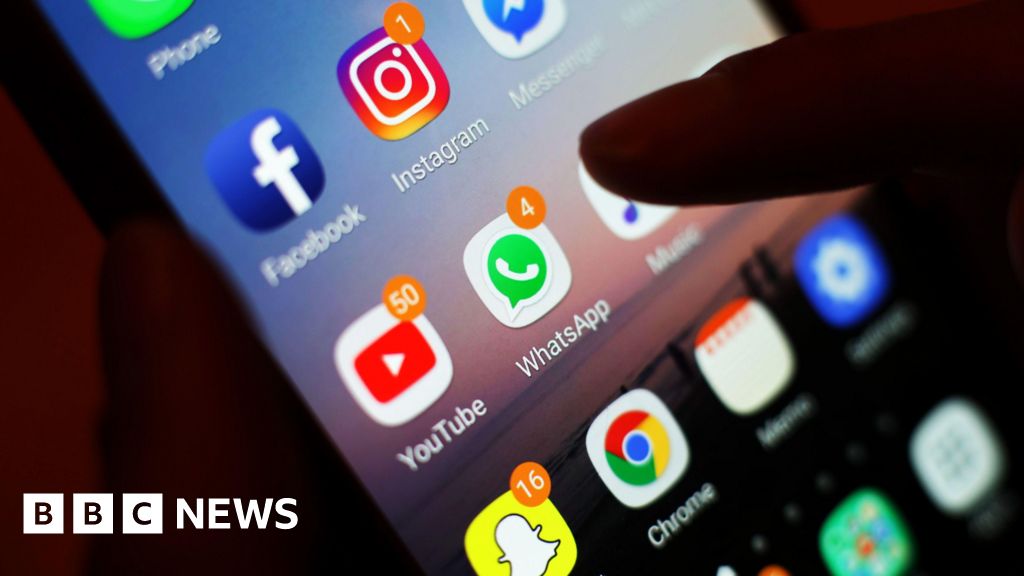
Cybercriminals hijack government iPhone hacking tools—could your phone be next?

Disruptive Developments in Cybersecurity: The Coruna iPhone Exploit Kit and Its Business Implications

Recent disclosures from Google have spotlighted a potent new threat in the cybersecurity landscape—the Coruna exploit kit. Identified first in February 2025, this suite of hacking tools has swiftly transitioned from government laboratories to the hands of cybercriminals, signaling a troubling trend that could redefine the parameters of digital warfare and private sector threat management. The kit’s appearance in multiple geopolitical and financially motivated campaigns—targeting Ukrainian users, Russian espionage groups, and Chinese hackers—illuminates the rapidly increasing sophistication and dissemination of state-backed hacking tools. This convergence of innovation and disruption underscores a fundamental challenge for security professionals: the blurring lines between targeted espionage, crime, and commercial interests.

What makes Coruna notable isn’t just its versatility but its potential to destabilize the security architecture of older iOS devices—especially those running outdated software. According to reports, components of the kit have roots in previous high-profile campaigns, such as Operation Triangulation, involving espionage efforts against Western institutions. This amalgamation of technologies indicates a new era of “secondhand exploits,” where highly sensitive government-developed frameworks are leaked, repurposed, and commercialized—potentially sparking a lucrative underground economy. As Gartner analysts warn, the proliferation of such exploits into the open market accelerates risks for enterprises and consumers alike, highlighting an urgent need for proactive cybersecurity intelligence and rapid patch deployment.

Moreover, the incident echoes recent cases such as the 2017 NSA Leak that introduced EternalBlue—the exploit that powered North Korea’s WannaCry ransomware. Cases like that of Peter Williams, a former defense contractor sentenced for selling exploits capable of hacking into millions of devices worldwide, exemplify the dangerous consequences of the unregulated proliferation of hacking capabilities. The business implications are stark: alongside the clandestine trade of these tools, cybercrime-as-a-service is evolving into a scalable, global industry that threatens to undermine the integrity of digital infrastructure. Tech companies, government agencies, and private corporations must now navigate an increasingly hostile environment—one where innovation fuels both defense and offense in the relentless pursuit of dominance over the digital realm.

Looking ahead, the emergence of tools like Coruna signifies more than isolated incidents—they serve as harbingers of a future where cyber warfare becomes an even more critical frontier of geopolitical rivalry. Industry leaders and policymakers must prioritize cybersecurity innovation—investing in next-generation threat intelligence, implementing comprehensive patch management strategies, and fostering international cooperation. The risk of “zero-day exploits” leaking from government labs into malicious hands underscores the necessity of closing loopholes and strengthening oversight. With the stakes higher than ever, the race to secure digital assets and maintain technological supremacy is relentless and urgently demands a forward-looking, aggressive stance. As the battlefield shifts, those who adapt quickest will define the future—not only of cybersecurity but of global stability itself.

Social Media Auto Publish Powered By : XYZScripts.com