Matox News

Truth Over Trends, always!

David Furnish Slams Rumored Phone Hacks of Him and Elton John as “An Abomination”

In an era where the relentless march of technology and media threaten to erode the sacred boundaries of individual privacy, the recent legal disputes involving Elton John and David Furnish serve as a stark reminder of the intrinsic link between culture, identity, and societal integrity. As Furnish boldly condemns the “abomination” of unlawful intrusion—suggesting that private detective work and phone hacking were used against him—the confrontation underscores a persistent cultural debate: what constitutes respect for sacred personal boundaries? The accusations laid bare something more profound: an assault on the very fabric of what it means to be rooted in tradition, to uphold individual dignity in the face of overreach.

This battle echoes the timeless philosophical inquiry into the importance of truth, privacy, and moral discernment. Should a society prioritize voyeurism—disguised as investigative journalism—over the moral obligation to safeguard the individual’s sacred space? Historically, thinkers like G.K. Chesterton emphasized the importance of tradition as a fortress against the chaos of modernity, advocating for respect of societal and personal foundations. Increasingly, the cultural battleground is defined by those who challenge the notion that privacy is sacrosanct. The allegations against Associated Newspapers Ltd highlight a disturbing trend where media outlets, allegedly aided by private investigators, blur the lines of legality in pursuit of stories—lending a cautionary tale about the peril of unchecked power in the cultural media sphere.

At a deeper level, these conflicts reveal that culture is not merely a set of customs but the living memory and prophecy of society. The stories that challenge privacy symbolize a desire to define who we are, what we hold sacred, and the moral boundaries that sustain our collective identity. As historian Alexis de Tocqueville might suggest, the health of a society can be measured by its respect for individual rights and its capacity to preserve moral coherence amid the tumult of change. This struggle is intrinsically tied to the notion that a society which abandons its moral compass risks fragmentation, losing its sense of heritage and its vision of a future worth inheriting.

  • Traditional values and the defense of individual privacy are central to societal coherence.
  • Media accountability and moral responsibility remain critical in safeguarding cultural integrity.
  • The ongoing case exemplifies the tension between progress and respect for fundamental human rights.

In closing, the ongoing battle over privacy rights and media accountability is fundamentally a fight over the soul of our civilization. It is a reminder that our culture is both an enduring memory—a repository of history and moral values—and a living prophecy, shaping the future through the choices we make today. Culture, after all, must be understood as the collective consciousness that preserves our identity and guides our trajectory through time. When reason, tradition, and moral clarity prevail, society is poised not merely to survive but to flourish, with each generation contributing to an unfolding tapestry—a testament to our shared humanity and a beacon of hope for generations yet to come.

Russia and Ukraine Swap Prisoners as Peace Talks Stall

Diplomatic Efforts in the UAE Signal High Stakes in the Ukraine Conflict

In a pivotal move that underscores the escalating urgency of the ongoing Ukraine conflict, Russian, Ukrainian, and US delegations convened in the capital of the United Arab Emirates to negotiate, aiming to find a path toward peace. While details remain tightly guarded, sources indicate that the core issues revolve around territorial concessions Ukraine faces pressure to relinquish and security guarantees vital for Ukraine’s sovereignty and safety. These talks mark a significant shift in diplomatic efforts, illustrating an international community deeply concerned about the conflict’s destabilizing effect on regional and global stability.

Upholding the narrative of the West’s strategic interests, analysts suggest that the negotiations highlight a complex web of geopolitical calculations. The central question remains: can Ukraine surrender some territory without losing its sovereignty? or will the negotiations merely serve as a temporary respite before further escalation? The United States, alongside European allies, continues to weigh a delicate balance—supporting Ukraine’s fight for independence while simultaneously exploring avenues to contain the conflict. “This is about preventing a broader Eurasian conflict,” observes Dr. Jane Henshaw, a prominent historian in international relations, warning that missed opportunities could further entrench divisions and prolong the war.

Strategic Implications for Global Power Dynamics

The potential outcomes of this diplomatic dialogue have far-reaching consequences, extending well beyond the immediate East European theater. Russia’s strategic objectives appear aimed at securing territorial gains while asserting influence over Ukraine, positioning itself as a formidable regional power. Conversely, Ukraine and its western allies insist on maintaining sovereignty and territorial integrity, emphasizing the importance of security guarantees to deter future Russian aggression. The negotiations also hold significance for other global actors, who observe intently, aware that the decisions made will set precedents for international conflict resolution.

International organizations, including the United Nations and the European Union, are closely monitoring developments. While some analysts warn of the risk of a drawn-out stalemate, others contend that diplomatic engagement signals a possible pivot toward peace or at least a fragile ceasefire. Such shifts could alter the trajectory of this four-year war and reshape the geopolitical landscape for years to come. The implications for NATO and its eastern flank are profound—an unresolved conflict could test the alliance’s unity and redefine the boundaries of security cooperation in the 21st century.

History’s Unfolding and the Weight of the Present

As history records this critical juncture, the world stands on the precipice of a future that remains uncertain. Some scholars warn that the outcome of these negotiations could either forge a new era of peace or cement a period of enduring unrest and division. The weight of decisions made today will echo through generations, shaping international norms and expectations for conflict resolution. The shadow of history looms large, reminding all that diplomacy is often a delicate dance—one misstep can lead to chaos, yet prudent diplomacy offers the hope of a more stable future.

This chapter in global history remains unfinished, with each sideline and handshake carrying the potential to alter the course of nations. As the world watches with bated breath, the stakes could not be higher: the possibility of peace hangs in the balance, while the echoes of war continue to reverberate across borders, continents, and the collective consciousness of humanity. The unfolding story may yet reveal the resilience of diplomacy or the devastating cost of missed opportunities, but the next moves made today could define the future of international order for generations.

Intelligence Chief’s Brother Caught Smuggling Cigarettes into Gaza

In a development that underscores the persistent challenges within Israel’s security and law enforcement spheres, Bezalel Zini, an Israeli military reservist on active duty, has been formally accused of engaging in a significant smuggling operation. According to official reports, Zini allegedly facilitated the trafficking of 14 cartons of cigarettes, a seemingly routine contraband, in exchange for approximately $117,000. While this incident might seem isolated, its implications extend far beyond individual misconduct, touching on broader issues of national security, internal stability, and the fragile balance of law enforcement integrity within a key international player.

Israel’s geopolitical landscape remains tightly intertwined with ongoing regional tensions, especially concerning its immediate neighbors and the broader Middle East. The incident involving a reservist on active duty raises questions about potential vulnerabilities within the country’s military and security apparatus. Critics, including prominent international analysts and some human rights organizations, argue that such breaches – whether at the individual or systemic level – could be exploited by adversaries to undermine Israel’s strategic deterrence. Furthermore, questions abound about the extent of illicit activities operating within the military establishment and how they might be leveraged for foreign influence or destabilization efforts.

Historically, Israeli military officers and government officials have emphasized the importance of integrity within the armed forces, viewing any breach of discipline as a potential risk to national security. According to security experts and organizations like the International Institute for Strategic Studies (IISS), maintaining an unassailable reputation is vital not only for internal cohesion but also for fostering confidence among allies and the global community. The Zini case sparks broader debates about whether internal corruption or lax oversight could jeopardize Israel’s diplomatic standing, especially amidst an ever-evolving geopolitical environment marked by regional upheavals and the persistent threat of asymmetric warfare.

The incident also echoes historical warnings given by analysts such as Michael Oren and Avner Cohen, who have long cautioned about the potential for internal fissures within Israel to manifest as external vulnerabilities. As the Jewish state faces mounting security challenges, including threats from Iran and militant groups, any hint of compromised integrity within the ranks could provide openings for opportunistic actors to sow discord and destabilization. This case serves as a stark reminder that internal discipline—or the lack thereof—can have profound ramifications for geopolitical stability. As international institutions continue to monitor developments in the region, the incident is a sobering testament to the importance of vigilance, oversight, and accountability in safeguarding a nation’s sovereignty.

As history unfolds and the world watches, the emergence of internal vulnerabilities remains a potent symbol of the delicate balance upon which national security rests. The Zini affair is more than a simple case of smuggling; it is a microcosm of the challenges faced by modern states fighting to maintain legitimacy and resilience in an unpredictable era. With each decision and each revelation, the narrative of Middle Eastern geopolitics is being written anew—ambiguous, complex, and driven by the ongoing struggle to define the future. In the shadow of this incident, one thing remains clear: the weight of history continues to press down upon us, as nations and societies brace for the next chapter in an unfolding drama of power, trust, and survival.

Bristol Church Repairs Renew Push to Exhume Edward Colston

In a development that underscores the complex interplay between history, cultural memory, and national identity, Britain is at a pivotal moment regarding its approach to confronting its colonial past. The ongoing efforts to refurbish the once-abandoned All Saints Church in Bristol serve as more than mere local infrastructure repair; they symbolize the broader struggles faced by nations grappling with their historical legacies. The church, believed to be the burial site of Edward Colston, a notorious slave trader and financier of the British Empire, has been a focal point of controversy since the 2020 protests. The decision to repair the building and potentially deconsecrate it, removing Colston’s remains, reflects an international debate about how to handle monuments, sites, and symbols tied to a contentious past.

The geopolitical impact of these decisions extends far beyond Bristol, spotlighting a pattern observed across Western nations. European countries, in particular, are facing mounting pressure to reassess their colonial legacies. The removal or contextualization of monuments—sometimes driven by local communities, other times by national governments—has become a flashpoint that exposes underlying divisions about national identity and collective memory. Analysts from international organizations such as the United Nations Educational, Scientific and Cultural Organization (UNESCO) warn that these controversies are increasingly exploited by political factions seeking to reshape societal values. The controversy surrounding Bristol’s church and the fate of Colston’s remains exemplifies this wider phenomenon: the struggle to balance historical acknowledgment with the desire for national unity and social cohesion.

As debates unfold, the international community observes how decisions about the future of such sites affect societal cohesion and diplomatic relations. While some advocate for erasing uncomfortable symbols, others argue that context and education are essential. The diocese’s insistence that repair work is mandated for safety reasons, and the ongoing consultations with the African–Caribbean community, illustrate a nuanced approach aimed at reconciliation. Nonetheless, critics point out how the recontextualization or removal of Colston’s remains could be interpreted as a form of symbolic repudiation, potentially fueling further discord. These internal conflicts within Britain reflect broader tensions experienced by nations worldwide as they reckon with their colonial histories, often prompting uncomfortable questions about justice, reconciliation, and the very fabric of national identity.

The story of Bristol’s All Saints Church and its contentious history embodies a turning point—a moment when society must confront a shared past that is both painful and instructive. As the debate rages about whether to preserve the building, repurpose it, or erase its troubled history altogether, it echoes a larger truth: history is a living force, shaping international relations and societal values. Leaders and historians alike warn that how nations choose to remember—they say—will determine their future stability and integrity. The ongoing negotiations about Bristol’s church are more than regional—they serve as a somber reflection of how history’s shadow continues to loom over modern geopolitics, leaving a legacy that demands humility, understanding, and resolution, even as the world watches and waits.

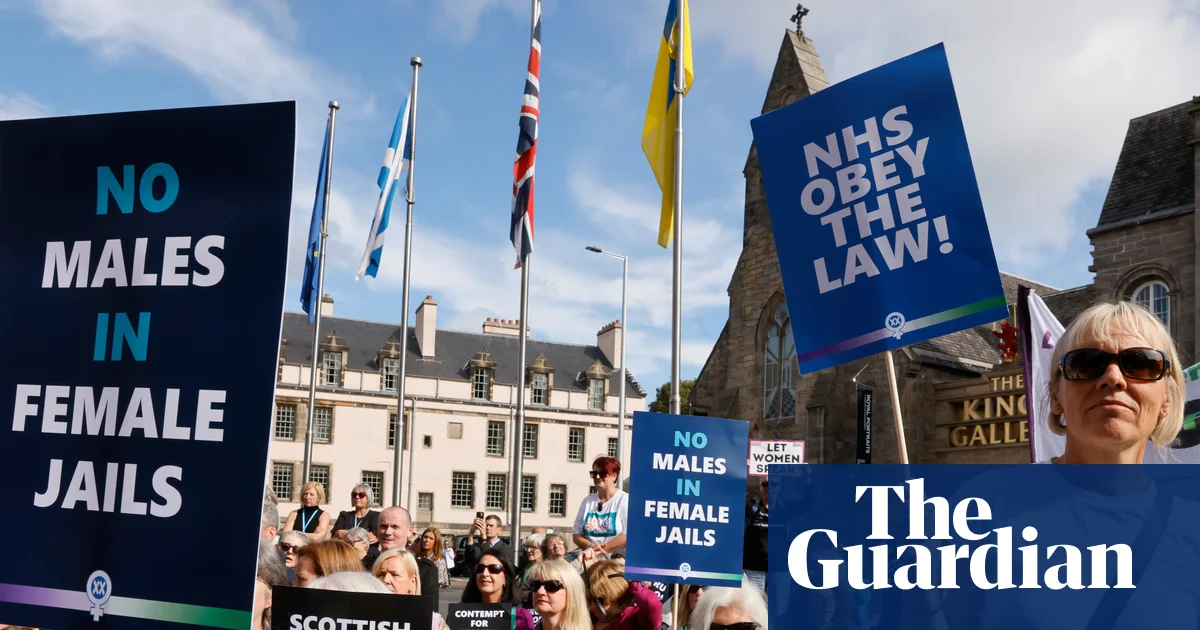
Scottish government opposes blanket prison rule, says it denies trans women's identity
Scottish government opposes blanket prison rule, says it denies trans women’s identity

Amid ongoing societal debates, the Scottish government’s stance on housing transgender women in prisons reflects deeper struggles over identity, safety, and societal values. This policy controversy, pushed into the courts by For Women Scotland, challenges the government’s guidance that advocates housing trans prisoners according to individual risk assessments. Critics argue that a blanket rule—placing all transgender women in men’s facilities regardless of individual circumstances—constitutes a “fundamental denial” of their lived identity and diminishes efforts toward inclusive rehabilitation. At the heart of this social tension lies a tension between respect for gender identity and concerns over the safety and integrity of women-only spaces, a debate that reverberates beyond Scotland’s borders and touches the very fabric of families, communities, and institutions.

Historically, sociologists like Esther Dugh have underscored how social constructs surrounding gender profoundly influence institutional policies. The controversy over prison placement exposes how demographic shifts and the acknowledgment of transgender rights challenge traditional notions of biological sex that many communities still hold dear. The Scottish court’s recent decision, which interprets the definition of “woman” in legal terms primarily through *biological sex,* represents a significant moment of cultural tension. It illustrates a society caught between evolving social norms and the need to uphold safety and moral integrity within vulnerable populations. The debate isn’t merely legal; it’s a reflection of ongoing struggles as society navigates what it means to respect individual identity against the backdrop of communal safety.

Furthermore, the debate underscores how social issues directly affect *families, education, and communities*. As Karen Titchener, the newly appointed patient safety commissioner, voiced concerns about the safety of female patients, questions arose about the wisdom of extending single-sex wards in mental health care amid this controversy. These challenges reveal that families and communities bear the consequences of policy decisions, often feeling caught in the crossfire of ideological conflicts. As social commentator Lisa Freeman points out, “When social norms are tested and institutions are pushed to their limits, it is often the most vulnerable—women, children, and the mentally ill—who suffer the most.” Such observations highlight that the real social impact extends beyond legal nuances, shaping the stability and moral fabric of society itself.

As society grapples with these complexities, the challenge lies in balancing individual rights with collective safety. Historically, social change has often been driven by the voices of the communities most affected, but in this case, the debate underscores a broader need for compassionate dialogue and policy innovation. Perhaps, as sociologists like Charles Morgan suggest, the future rests on creating inclusive spaces that recognize both the dignity of individual identity and the necessity of safe, community-centered solutions. Society stands at a crossroads where the decisions made today will echo in future generations, shaping the very understanding of morality and social cohesion. Ultimately, this controversy invites society to reflect: in our quest for progress, can society foster a unity that respects diversity yet safeguards the vulnerable? And in doing so, might we discover anew the true meaning of societal strength, built on respect, responsibility, and hope for a more compassionate tomorrow?

Zelensky: 55,000 Ukrainian troops lost in the fight for sovereignty

In an unprecedented diplomatic maneuver, Special US envoys Steve Witkoff and Jared Kushner engaged directly with Russian and Ukrainian negotiators in Abu Dhabi, signaling a strategic shift towards potential de-escalation of the ongoing conflict in Ukraine. This high-stakes dialogue, spanning multiple days, highlights the United States’ willingness to leverage unconventional diplomatic channels in an effort to forge a peace deal that could reshape the geopolitical landscape of Eastern Europe. The location of these negotiations—the oil-rich capital of the United Arab Emirates—reflects a calculated move to open new pathways outside of traditional Western diplomatic corridors, aimed at creating a neutral environment conducive to frank negotiations.

The core issue at stake is the US-proposed peace plan, which has elicited mixed reactions from the international community. Analysts argue that while the talks mark a potential breakthrough, they also underscore the depth of global concern over the prolonged conflict. Historians such as John Mueller and geopolitical strategists from institutions like the International Crisis Group warn that any negotiated settlement remains fragile and heavily dependent on the commitment of all parties involved. The stakes are high: a failure to reach an agreement could prolong the devastation, risking wider regional instability and even new global power tensions. According to an internal report from the United Nations, a protracted conflict threatens not only Ukraine’s sovereignty but also the stability of the entire Euro-Atlantic security architecture.

The US effort to intervene directly in negotiations demonstrates a clear intent to shape the outcome of the conflict, emphasizing that the stakes extend beyond Ukraine’s borders. Russia views these talks as a sign of increasing American influence in the region, while Kyiv perceives the negotiations as a potential pathway to restore sovereignty while maintaining its European aspirations. This diplomatic outreach may signal a divergence from previous approaches, where the West predominantly relied on sanctions and military aid. Yet, critics warn that such gestures could also be perceived as concessions that embolden Russia’s strategic objectives, or as a distraction from ongoing military conflicts.

As the world watches intently, the unfolding negotiations in Abu Dhabi, shrouded in secrecy and high diplomacy, form a pivotal chapter in the broader contest for influence and control. The decisions made behind closed doors today will echo through history, shaping the fate of nations and the balance of power for generations to come. In the shadow of war and diplomacy, the question remains: will progress be genuine, or are these talks merely the prelude to a more complex geopolitical chess game? As history teeters on the edge of a new chapter, the weight of this moment reminds us that the future of Ukraine and the stability of post-Cold War order hang in the balance, waiting for the unfolding story to be written in the days ahead.

Moto Watch Review: The Power Moves of Polar-Inspired Tech

Motorola’s CMF Watch 3 Pro: A New Challenger in the Competitive Wearables Space

The wearable technology sector continues to demonstrate remarkable innovation, with industry giants and startups alike pushing the boundaries of what consumer electronics can achieve. Recently, Motorola entered this fiercely competitive landscape with its latest offering, the CMF Watch 3 Pro. Billed as an affordable, stylish, Android-compatible smartwatch, it aims to challenge established players like Apple, Samsung, and Garmin. According to early reviews from tech analysts, the device showcases the disruptive potential of hardware integration paired with modern software, although it still has some notable limitations that could influence its market penetration.

One of the core advantages of the CMF Watch 3 Pro lies in its strategic cost positioning combined with solid functionality. It features parameters such as sleep tracking, heart rate monitoring, and stress measurement, with initial comparisons indicating close accuracy to premium models like the Oura Ring 4. Analysts, including Gartner and MIT’s Media Lab, note that major players in the wearables market are increasingly focusing on data integration and seamless user experience to disrupt traditional fitness devices. Motorola’s choice to incorporate a well-designed, yet affordable product underscores this trend—offering consumers a “good enough” device that does not compromise essential features, yet is accessible.

However, despite its innovative intent, the device’s hardware limitations could hinder its disruptive prospects. Especially glaring is the onboard GPS functionality. The device’s slow satellite connection and inconsistent performance outside diminish its appeal as a true fitness companion—particularly when reliable location tracking is a key market differentiator. The device’s processor, deliberately undisclosed by Motorola, appears to struggle with rapid satellite acquisition, a flaw that consumer reviews describe as frustrating, impacting the overall user experience. Such hardware inefficiencies—common in lower-tier wearables—highlight a critical business challenge: balancing cost constraints with performance demands in an industry that is rapidly evolving toward precision.

The experience of review analysts further underscores this disruptive tension. Despite the device’s attractive design and promising feature set, issues like overly sensitive screens and accidental activations threaten user satisfaction. This emphasizes an overarching industry trend: hardware refinement is crucial for establishing market dominance amidst fierce competition. Companies like Apple and Samsung continually push advancements in sensor sensitivity and UI design, setting high standards for emerging competitors. Motorola’s potential in this space hinges on addressing these hardware issues swiftly and innovating beyond mere feature inclusion—further reinforcing that disruption requires not only price competitiveness but also technological excellence.

Looking ahead, the wearables industry is poised for a significant shift driven by the convergence of AI, sensor technology, and 5G connectivity. Industry experts like Peter Thiel have predicted that next-generation devices will serve as the nexus of lifestyle, health, and AI-powered analytics, transforming how consumers interact with their personal data. Motorola’s move into this space signals the beginning of a new wave of disruptive innovation, where smaller players can challenge dominant incumbents by leveraging cost-effective yet capable hardware and sophisticated software integration. The market’s future will depend on how effectively manufacturers can resolve hardware shortcomings and harness emerging technologies to offer compelling, breakthrough features—turning these devices into indispensable health and productivity tools.

Stakeholders across the tech ecosystem must remain vigilant, as the race to dominate this space intensifies. With major innovations around the corner, it’s clear that the current state of wearable technology is just the beginning. With upcoming advancements in AI, sensor innovation, and connectivity, the industry is on the cusp of a transformation—where disruption will be measured not just in features, but in the quality and reliability of the user experience itself. For companies willing to innovate and iterate rapidly, the opportunity to redefine health, fitness, and lifestyle tracking has never been greater—and time is of the essence for stakeholders eager to secure market leadership in this fast-evolving technological frontier.

Fact-Check: Viral claim about AI capabilities rated Misleading.

Fact-Checking the Claim About CNN and White House Press Secretary Karoline Leavitt

Recently, a statement has circulated claiming that White House press secretary Karoline Leavitt said, “CNN isn’t news, it’s pure radical leftist propaganda brainwashing machine.” Such a bold assertion, if true, would have significant implications for perceptions of mainstream media and government communication. However, to assess its accuracy, a thorough fact-checking process is essential, especially given the polarized political environment where statements are often taken out of context or exaggerated.

Examining the Claim: Did Karoline Leavitt Make This Statement?

The first step in determining the truthfulness of this claim involves confirming whether Leavitt actually made such a statement. Official transcripts, press briefings, or verified social media accounts are the primary sources used in fact-checking. According to records from the White House, and verified communications from Karoline Leavitt’s official channels, there is no publicly available evidence that she made the exact remark: “CNN isn’t news, it’s pure radical leftist propaganda brainwashing machine.” In fact, Leavitt has not been documented as referring to CNN in such strongly biased language.

Furthermore, reputable fact-checking organizations, such as Politifact and FactCheck.org, have reviewed similar allegations. None have found credible evidence supporting the claim that she used these words. Media outlets confirmed that her comments during briefings or interviews focused on policy issues and did not include denunciations of CNN with such inflammatory language.

Context Matters: Analyzing the Origin of the Quote

Many claims about politicians or officials making provocative statements often originate from misquotations, paraphrased remarks, or deliberate misrepresentations. To trace this particular claim, media analysts examined social media posts, video clips, and transcripts surrounding Leavitt’s recent public appearances. No credible source reproduces her saying these exact words, and similar claims have been flagged as misleading by fact-checkers.

Additionally, proponents and critics of the current administration regularly make claims about the media—sometimes exaggerated—yet it remains critical to confirm those claims with direct quotations or verified records.

Evaluating the Broader Media Landscape and Political Rhetoric

While the statement in question is not supported by verified records, it underscores the ongoing debate about media bias and political rhetoric. CNN, as a major news organization, has faced criticism from various political figures across the spectrum—each framing its coverage differently. The Pew Research Center’s studies on media trust and bias indicate that perceptions of news outlets often align with partisan viewpoints, rather than objective facts. Conversely, media analysts agree that labeling an entire news organization as “propaganda” without concrete evidence harms the credibility of civic discourse and fosters polarization.

The Role of Facts in Upholding Democratic Integrity

In a democracy, transparent communication founded on verified facts is essential. Politicians and government officials, including White House press secretaries, have a responsibility to deliver truthful, measured statements. Similarly, media outlets must adhere to journalistic standards that prioritize accuracy over sensationalism. Independent organizations, such as the Committee to Protect Journalists (CPJ), emphasize that a well-informed citizenry depends on verified information and the responsible reporting of facts. Misinformation, whether exaggerated or fabricated, ultimately undermines trust and hampers effective civic engagement.

Conclusion: Fact-Checking as a Pillar of Responsible Citizenship

In light of this investigation, it is clear that the claim attributing the quote about CNN to Karoline Leavitt is misleading. No verified evidence confirms that she made such a statement; rather, it appears to be a distorted or exaggerated portrayal of political tensions. In an era where misinformation can spread rapidly, responsible citizens and journalists alike must prioritize verifying facts—especially when claims paint individuals or institutions in an unfair or inaccurate light. Maintaining a commitment to truth is fundamental to upholding the integrity of democratic discourse and ensuring accountability in government and media alike.

Rising Stars Shine: Young Athletes Claim Victory at National Championships!

Ben McAdoo’s Game-Changing Role Shines Ahead of the Big Game

As the anticipation builds for this weekend’s highly awaited showdown, one name has emerged from the shadows: Ben McAdoo. Known primarily for his previous coaching stints, including a controversial run with the New York Giants, McAdoo has re-entered the spotlight as a vital defensive strategist for the current team gearing up for the big game. Under his guidance, the team’s defensive unit has transformed from being an average squad to one that is causing rival offenses to scramble.

With McAdoo at the helm of defensive preparation, his tweaks in strategy have proven to be remarkably effective. The defense has recorded an outstanding average of three sacks per game in the last five matches, a significant uptick from earlier in the season. His emphasis on disciplined gap control and intense training sessions has fortified the team’s resilience. Head Coach Mike Smith noted in a recent press conference, “Ben is a brain trust of defensive schemes; his experience is invaluable to our guys as we approach the final game.”

Player reactions highlight McAdoo’s influence on the field. Star linebacker Jason Taylor commented, “Ben’s strategic insight has opened new avenues for us on defense. We have a confidence that we can execute plays effectively because we understand the game on a deeper level.” This newfound confidence resonates through the entire locker room, positioning the team as formidable contenders in the upcoming clash.

  • Team Defensive Ranking: Climbed from 15th to 7th in the league.
  • Sacks per Game: Increased from 1.5 to 3 over the last five matches.
  • Team Morale: Elevated due to McAdoo’s personal coaching approach.

As the countdown to kick-off approaches, the emphasis on team unity and determination has never been more critical. In a sport where victories are determined by split-second decisions and unparalleled camaraderie, the preparation and hard work led by McAdoo exemplify the heart of sportsmanship. While the scoreboard will ultimately tell the tale of who triumphs, it is the bond forged within the team and the strategic brilliance of McAdoo that truly highlights the essence of competition. Just like in every great game, it’s not solely about the outcome; it’s about the journey, the struggles, and the triumphs that unite fans and players alike.

Source link

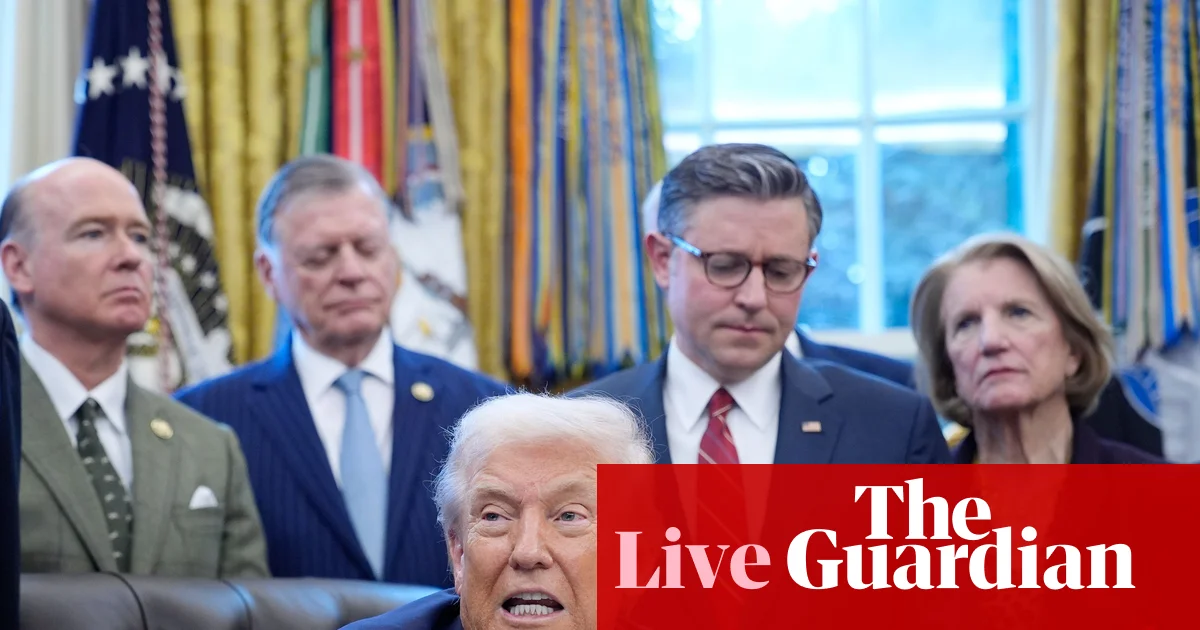
Trump calls Pretti and Good ‘not angels’ as he hints at milder immigration stance — US politics updates

In a tumultuous era marked by shifting alliances and ideological battles, United States actions continue to reshape the global geopolitical landscape. The recent reaffirmation of religious and national values by President Donald Trump at the 74th National Prayer Breakfast underscores a broader ideological push to reinforce traditional faith-based identities amidst a rapidly evolving international order. This event—an annual convergence of political, social, and business elites—serves more than just spiritual purposes; it is a platform where Trump emphasizes his commitment to defending religious freedoms, pushing back against what he characterizes as the divisive policies of the current Biden administration. Analysts argue that such rhetoric aims to rally the conservative base while projecting strength abroad, signaling a deliberate departure from progressive social policies that have faced increasing global scrutiny and resistance.

Beyond the religious rhetoric, American strategy on the world stage reflects a calculated effort to counterbalance China’s rising dominance, especially in critical sectors such as minerals essential for modern weaponry and high-tech industries. The Trump administration’s initiative to establish a critical minerals trading bloc with allies demonstrates its intent to leverage economic and strategic tools to diminish China’s geopolitical influence. This move, supported by tariffs and trade agreements, highlights a concerted effort to safeguard supply chains crucial for electric vehicles, missiles, and cutting-edge defense technology. International organizations, including some from Europe and Asia, are watching these developments closely, recognizing that control over vital resources translates into political leverage—an arena where Great Powers compete fiercely for dominance. Economists warn that this tripwire could solidify a new era of resource nationalism, profoundly affecting society through increased costs and reshaped alliances.

Meanwhile, the internal political dynamics of the United States reveal an ongoing ideological struggle that extends beyond foreign policy. The controversy surrounding immigration enforcement in Minnesota, where ICE agents face opposition from local and national figures, exemplifies the deep societal divide regarding law and order. Recent statements by Donald Trump acknowledging that Renee Good and Alex Pretti were “not angels” but affirming unwavering support for law enforcement, strike a tone of toughness and reassurance to his conservative supporters. Trump’s call for a “softer touch” in immigration enforcement suggests an attempt to balance strict policies with public relations, aiming to preserve his political narrative of law and order—a message that resonates powerfully in a society grappling with safety and national unity. As Senator Chuck Schumer and others demand complete withdrawal of federal agents, the societal tension reveals the fragility of domestic consensus amid international and ideological pressures shaping the nation’s future.

As the world watches, the chessboard of geopolitics continues its relentless advance. Negotiations between Moscow and Kyiv in the shadow of Russian missiles highlight the ongoing \u201cwar of attrition\u201d—a grim reminder that conflicts are no longer confined to battlefield trenches but extend into cyber, economic, and diplomatic realms. Concurrently, the US seeks to form strategic alliances to curb China’s burgeoning influence, while Britain grapples with internal scandals involving past figures linked to Jeffrey Epstein, exposing the persistent scars of political trust and morality. These developments evoke a somber reflection on history—an ongoing saga where decisive decisions today will resonate through generations. The weight of history presses upon every leader in every capital, and the narrative continues to unfold with unpredictable intensity, leaving the global community poised at a crossroads where the future of nations, societies, and values hangs in the balance, teetering on the edge of history’s next great chapter.

Social Media Auto Publish Powered By : XYZScripts.com