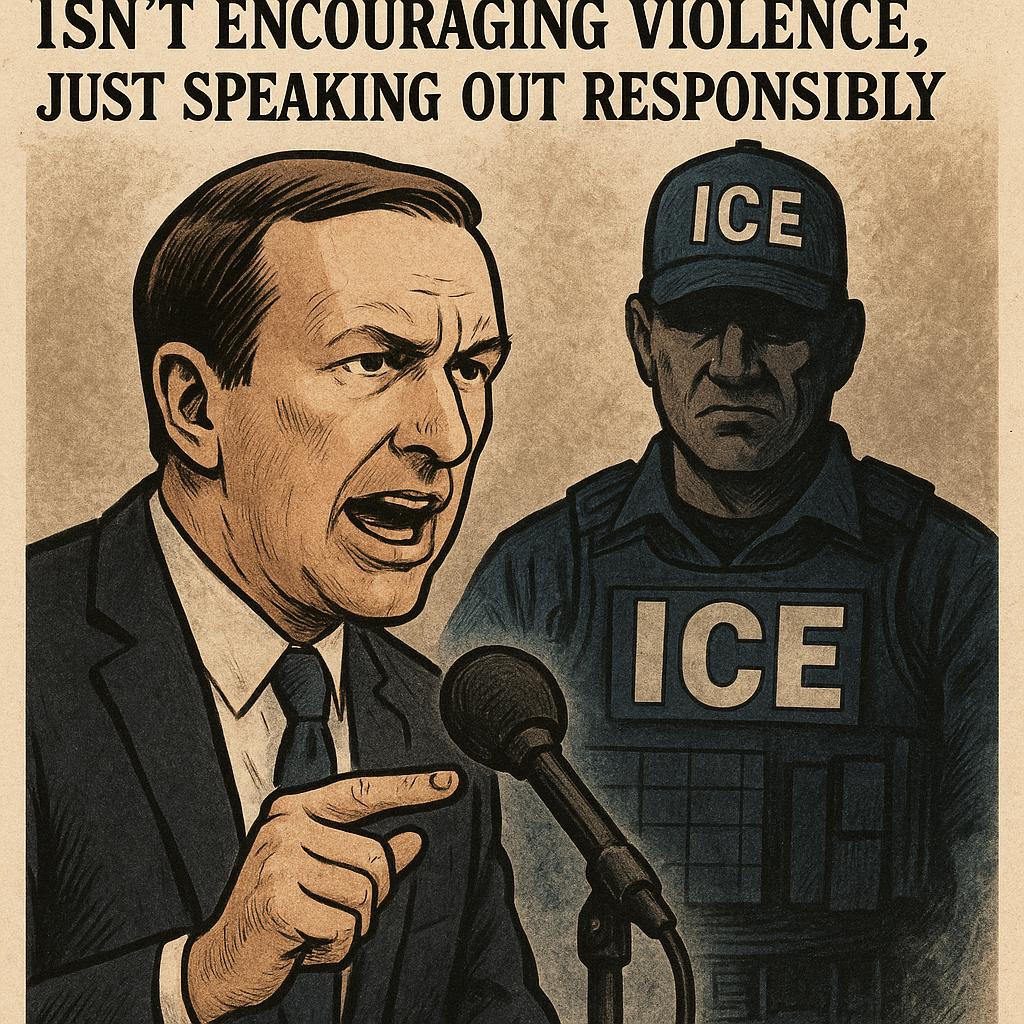
In recent days, the political landscape has been marred by struggles for influence that underscore the ongoing battle for the soul of American governance. Senator Chris Murphy (D-Conn.) issued a pointed critique of the Trump administration, accusing it of attempting to exploit the rising tide of political violence for partisan gain. His remarks highlight a crucial aspect of modern political conflict: how powerfully each faction seeks to frame narratives and define the parameters of national debate. Murphy’s condemnation of efforts to blame Democrats for violence — including the tragic shooting at an ICE facility — reveals a deeper ideological contest over who bears responsibility for law and order amidst increased civil unrest.
This conflict is emblematic of a broader, power struggle that stretches back through American history. The current clash centers on the question of state authority versus individual rights, a debate famously theorized by constitutional scholars such as Alexander Hamilton and Thomas Jefferson. Today’s Democrats, often rhetorically aligned with protecting social safety nets and civil liberties, are now also under pressure from a rising conservative wing that seeks to reassert traditional law and order. Legislative shifts and policy reforms are fireworks in this ideological standard-bearer duel: Democrats emphasize social justice initiatives, while Republicans push for tougher border controls and law enforcement powers. The outcome of these battles will profoundly shape the political ecosystem and, by extension, the daily lives of ordinary Americans.
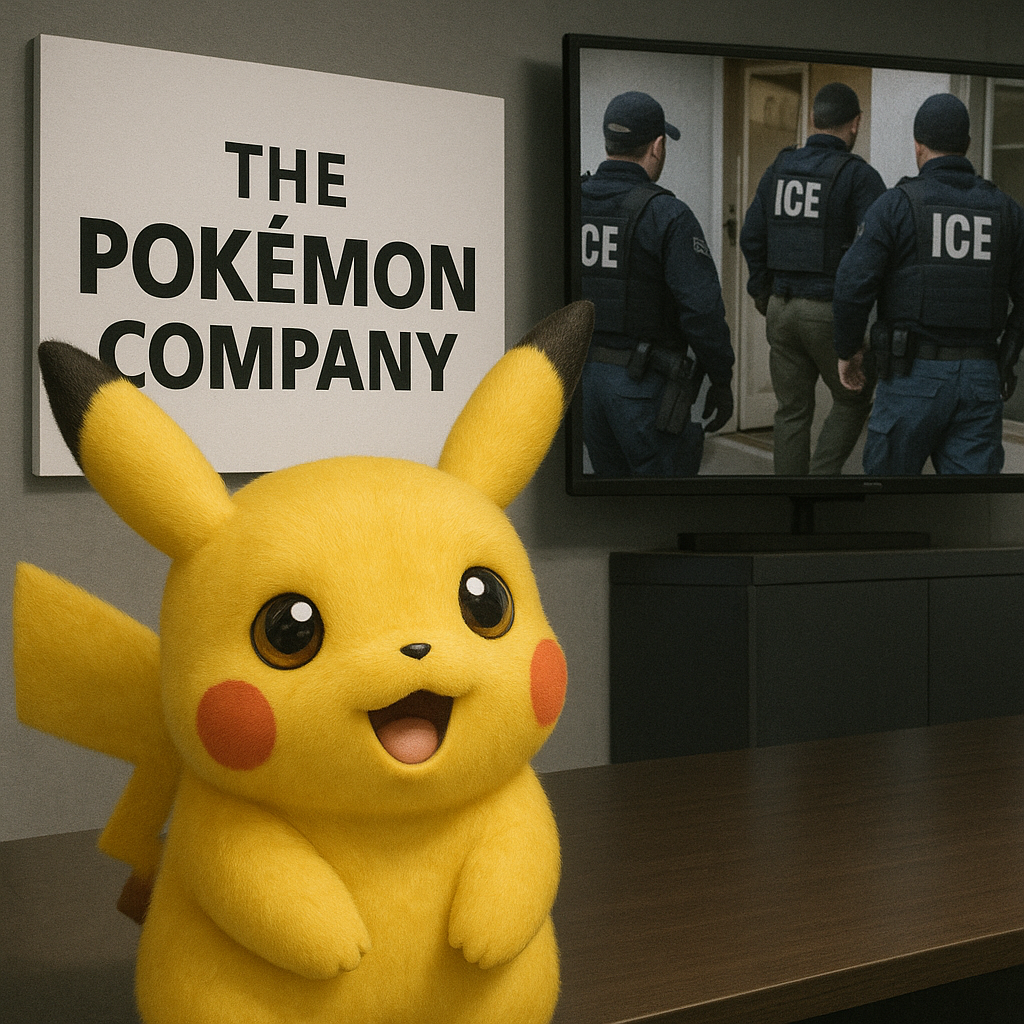
The spectacle of political blame-game and the framing of violence as a partisan tool underscore the intertwined nature of policy and perception. The recent focus on the ICE shooting, and the broader uptick in assaults on officials, serve as a stark reminder that decision-making in the corridors of power impacts the safety and freedoms of the citizenry at ground level. It’s here that power struggles become palpably real — where policy becomes a weapon in the fight for cultural dominance. Such moments reflect how the inclination of political actors to assign blame or credit often obfuscates the root causes—be they economic, social, or ideological—that give rise to violence. Historians and constitutional experts warn that, without a careful balance, these conflicts risk unraveling the delicate fabric of American constitutional order, turning democracy into a battleground.
As the nation navigates this turbulence, the overarching question remains: who holds the steel in shaping destiny? The answer hinges on the visible power dynamics—who controls the narrative, the policy, and ultimately, the future. With each legislative push, campaign promise, and ideological stance, the stakes are raised higher. The political arena is no mere stage but a crucible where the legacy of the republic is forged. In this arena, the struggle for power is relentless, and the decisions made today will ripple through generations. The question for citizens and analysts alike is whether this fierce contest will lead toward a more resilient republic or entrench divisions that threaten to redefine the nation’s future. What is at stake is nothing less than America’s destiny, written anew in the ceaseless tide of political conflict.