Matox News

Truth Over Trends, always!

Elder French Widow, Held by ICE, Returns Home Amid Immigration Controversy

The recent personal narrative involving Marie-Thérèse, a figure whose life has been profoundly affected by international ties, underscores the enduring intersection between individual stories and the broader geopolitical landscape. Having moved to the United States after reuniting with her long-lost love, only to face the devastating loss of her partner in January, her story exemplifies how personal and national histories are intertwined in the fabric of international relations. While these incidents might seem isolated on a human level, they carry significant implications for diplomatic relations, cultural exchanges, and societal perceptions between nations.

Transformative Power of Personal Loss on Diplomacy

The life-altering events experienced by Marie-Thérèse are not just isolated tragedies but reflect a broader narrative of cultural integration and international human connections. Her migration and emotional journey highlight the ongoing impact of global migration patterns, which have been fueled in part by diplomatic policies, economic opportunities, and social networks. Analysts from international institutions argue that such stories can influence diplomatic sentiment, fostering softer diplomacy rooted in shared human experiences. The loss of her American partner, in particular, brings to light how individual tragedies can ripple through political and social spheres, often humanizing complex diplomatic issues such as immigration, asylum, and bilateral relations.

Dynamics of International Heritage and Memory

Historians warn that moments like these expose the fragile yet profound bonds that underpin international relations — bonds often strengthened or strained by the personal histories of those involved. Some international experts highlight that personal stories of loss foster a collective memory that can shape public opinion, influencing societal attitudes on issues such as migration policies, multicultural engagement, and cross-border cooperation. The death of Marie-Thérèse’s partner has the potential to serve as a cautionary tale about the vulnerabilities faced by expatriates, immigrants, and refugees, emphasizing how these themes resonate across national borders and affect the societal fabric.

Shifting Alliances and Future Policy Directions

As global leaders and international organizations analyze shifts in public sentiment, there is an observable tendency to recalibrate policies that address the human side of international migration. The United Nations and other diplomatic bodies have long called for a compassionate approach, yet critics argue that actual policy often lags behind the emotional realities faced by individuals like Marie-Thérèse. These personal histories are increasingly used by conservative and youth-oriented policymakers to advocate for stronger national borders, more selective immigration policies, and prioritization of citizen welfare. Understanding how such tragedies influence public opinion is key to predicting future diplomatic stances, especially as nations seek to reinforce sovereignty amid competing global influences.

The Unfolding Drama of History

In the grand tapestry of world history, individual stories such as Marie-Thérèse’s serve as stark reminders that, despite nations’ strategic interests, the human element remains at the core of all international engagement. As historians and analysts ponder the long-term consequences of these personal tragedies, the question remains: how will nations adapt their policies to honor these stories and prevent future losses? History’s unyielding march continues, with each life lost shaping the geopolitical map yet to be written — a reminder that the shadows of today’s struggles encompass the dawn of tomorrow’s global order.


French grandmother, 86, detained by ICE after reuniting with her American soulmate

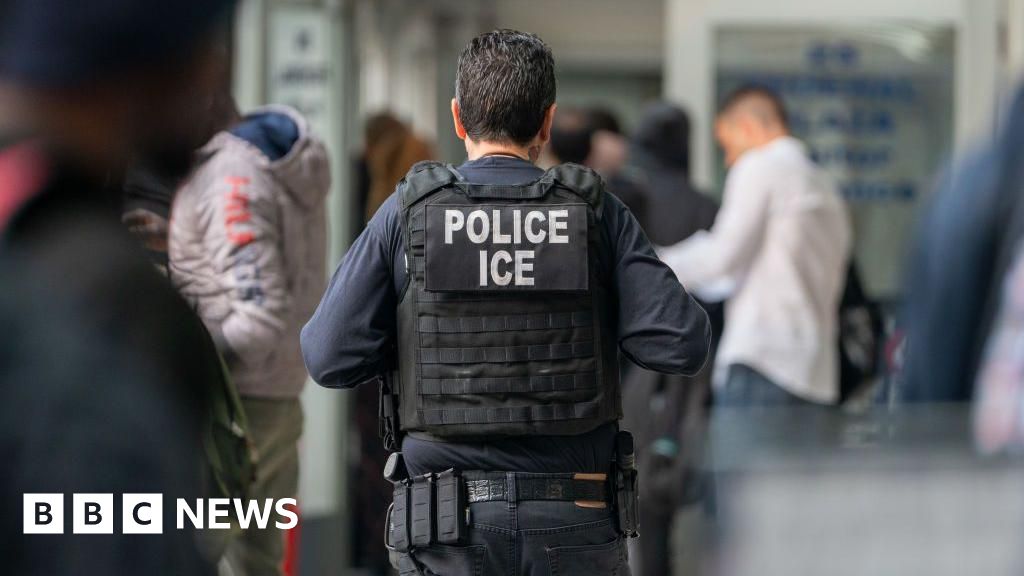
In a troubling development that underscores ongoing debates surrounding immigration policies and human rights, reports have emerged about the detention of Marie-Thérèse, a pensioner held in an ICE (Immigration and Customs Enforcement) facility in Louisiana. Her son expressed significant concern for her fragile health, raising alarm bells regarding the treatment of vulnerable individuals within the U.S. immigration enforcement system. This incident has swiftly polarized opinions domestically and intensifies pressure on international organizations to scrutinize the adherence of the United States to human rights standards amidst its tough immigration stance.

While immigration enforcement remains a contentious issue in many Western nations, the case of Marie-Thérèse underscores the broader geopolitical impact of the U.S.’s strict border policies. Critics argue that such policies often prioritize sovereignty over individual well-being, leading to situations where the most vulnerable—elderly, ill, or otherwise fragile—are subjected to detention that exacerbates their health issues. International human rights watchdogs, including Amnesty International and the United Nations, have repeatedly called for reforms ensuring humane treatment and appropriate medical care for detainees. To many analysts, this incident exemplifies a global trend of margining human dignity for security concerns, a pattern that risks alienating the U.S. from its traditional image as a nation committed to universal human rights.

From a geopolitical impact perspective, events like these ripple outward, affecting international relationships and America’s standing on the world stage. As global powers such as China and Russia observe, allegations of mistreatment complicate diplomatic negotiations, especially regarding migration agreements and transnational security cooperation. Historically, treaties such as the U.N. Universal Declaration of Human Rights set standards that nations, especially influential ones, are expected to uphold. When breaches occur, they impact international trust and can embolden authoritarian regimes to justify similar policies internally, citing alleged Western hypocrisy. Meanwhile, entities like the European Union continuously monitor U.S. human rights compliance, which in turn enforces broader international norms or triggers calls for sanctions against perceived offenders.

In the broader narrative of 21st-century geopolitics, the detention of vulnerable populations in the name of national security signals a profound shift in how borders are defended and societies are shaped. Rumors of diplomatic pushback, alongside mounting domestic activism, suggest a window for reform—yet the unresolved human toll remains a stark reminder of the ongoing struggle between sovereignty and morality. As historians and international observers analyze these patterns, one truth becomes clear: the decisions made today will forge the legacy of a generation. Will the collective conscience allow these stories of suffering to fade into silence, or will they serve as a catalyst for profound change? The answer rests in the unfolding chapters of history, waiting to be written with every detained life and every moral question left unresolved.

Australia’s Hottest Double-Dairy Ice Cream Takes TikTok by Storm — But Does It Really Live Up to the Hype?

In a world where social media continues to redefine our culinary landscape, a new trend has taken hold—over-the-top food creations that prioritize visual appeal and shareability over traditional flavor profiles. Among these, butter-dipped soft serve has emerged as a fascinating, if controversial, example of this culinary shift. Originally inspired by creations from renowned New York chef Dominique Ansel—most famous for his viral cronut—the butter-soft serve is now making waves at events like the Sydney Royal Easter Show. Crafted with a rich butter infusion, this decadent treat symbolizes the cultural obsession with _aesthetic_ perfection and the thrill of capturing the “next big thing” in food.

On the surface, this trend is about more than just taste; it reflects a broader societal desire for visual stimulation in every aspect of life, including what we eat. As Vincent Yeow Lim, ambassador of the Easter Show’s Winning Bite food section, explains, “We have to eat with our eyeballs first.” This emphasis on presentation has propelled vendors to push the boundaries of conventional cuisine—creating visual spectacles designed to entice social media users and generate viral buzz. From soft serves with pale yellow shells to toppings dripping in butter, the spectacle becomes the star. Food creators like Dominique Ansel have demonstrated their knack for trendsetting, with innovations like the cronut and now, the butter soft serve—each serving as a testament to culinary creativity in the age of influencer-driven culture.

But as these trends gain popularity, questions about health implications inevitably surface. Nutrition experts such as dietician Danielle Shine note that a single serving of this butter-laden treat can contain roughly 10 to 17 grams of saturated fat—significantly more than the two to three grams found in a typical soft serve. Health guidelines, including those from Australia’s Healthdirect, recommend limiting saturated fat intake to less than 10% of daily calories, or about 20–25 grams for most adults. While this indulgence might bring moments of joy and inspiration, especially when shared with friends or captured for social media, it also serves as a reminder that moderation remains essential. The thrill of the visual experience and the immediate gratification of indulgence often overshadow the long-term health considerations—highlighting an ongoing societal balance between pleasure and well-being.

Ultimately, the rise of these sensational food trends invites us to reflect on our relationship with food and lifestyle. As social media continues to shape our habits and expectations, they challenge us to seek beauty, creativity, and inspiration not only in what we eat but in how we live. This journey, marked by moments of indulgence and mindfulness, encourages us to embrace a lifestyle that celebrates innovation while respecting our health. After all, life is a collection of fleeting experiences—best savored with balance, perspective, and a sense of wonder. As we navigate this evolving culinary landscape, we are reminded that the true flavor of life lies in the pursuit of harmony between enjoyment and wellness, a lesson as nourishing as it is inspiring.

Trump warns: ICE deployment at airports if funding talks stall

Global Stability in the Crosshairs as US Government Shutdown Threatens International Order

Amidst rising geopolitical tensions, the recent partial United States government shutdown has ignited concerns far beyond American borders. The shutdown, triggered by congressional deadlock over budget negotiations, has resulted in essential services, including immigration enforcement and airport security, operating under strained circumstances. The U.S. president’s statement that ICE (Immigration and Customs Enforcement) will “do security” underscores the government’s prioritization of internal security amidst internal chaos, but also raises questions about the long-term stability of U.S. commitments worldwide.

International experts and analysts have emphasized that the shutdown’s impact extends beyond domestic borders, affecting U.S. diplomatic leverage and global security cooperation. The failure to fund critical agencies not only hampers the country’s ability to enforce immigration laws but also signals internal instability to allies and adversaries alike. Many observers point out that the shutdown erodes the confidence that nations around the world often rely on when engaging with the United States on security and economic issues. As noted historian Dr. Robert Langley warns, “such interruptions threaten the foundational trust inherent in the American-led security architecture.”

Furthermore, the decision to keep airport security operational despite the lapse in funding demonstrates the government’s prioritization of critical infrastructure, yet it also highlights the fragility of an institution that once stood as a symbol of stability. The consequences ripple outwards, especially in an era of rising geopolitical rivalries with China and Russia, where America’s global influence hinges on consistent, reliable engagement. The International Monetary Fund and various international watchdogs have voiced concern that prolonged governmental dysfunction could undermine the economic stability of emerging markets, which are increasingly intertwined with U.S. leadership.

Writers and analysts warn of the “turning point” this crisis represents; some suggest this could mark a more profound shift in global power dynamics.

  • The undermining of U.S. credibility
  • The erosion of domestic confidence in government institutions
  • Potential emboldening of regional adversaries

As international societies watch intently, the American government remains caught in a maelstrom of political contention and fiscal paralysis. The decision-making gridlock underlines the urgent need for reform, yet the stakes continue to rise as the world’s most powerful nation struggles to maintain its internal cohesion. The future remains uncertain; with each passing day, the threads of stability tighten, woven into the fabric of history — a chapter yet unfinished, written in the moments when the global balance teeters on the edge of transformation. The weight of history now bears heavily on the shoulders of those who hold power in Washington, as the world watches with bated breath, awaiting the next move in this unfolding narrative of global consequence.

Judge mandates ICE to free Minneapolis man after unjust 50-day detention

United States immigration enforcement practices have once again become a focal point of debate following a recent historic ruling by a federal judge that condemned the apparent excesses and misconduct of ICE. Elvis Joel TE, an asylum seeker from Equador, was unlawfully detained for 50 days amidst a harrowing series of events that highlight the increasingly aggressive posture of U.S. immigration authorities. His case underscores a broader shift in immigration policy, which threatens to irreparably damage not only the legal integrity of the system but also the societal fabric of immigrant communities. This incident has ignited international concern, especially given the disturbing treatment of Elvis TE’s two-year-old daughter during the raid in Minneapolis, an incident that drew protests and sparked widespread outrage across human rights circles.

The judge’s ruling, issued by Judge Katherine Menendez, explicitly declared that Elvis TE’s detention was “not proper” under existing laws, exposing unconstitutional actions by federal agents. The case gained global prominence after the arrest—carried out without a warrant, amidst chaos—saw agents break into the family home, shattering a car window, and forcibly removing the father and his child. Such actions, legal experts warn, signal a dangerous escalation in the authority wielded by immigration enforcement agencies, particularly as international organizations like the United Nations scrutinize America’s approach to asylum and refugee rights. The brutal treatment and unlawful detention of Elvis TE serve as a stark warning that the erosion of civil liberties and due process within the U.S. legal system could have profound, far-reaching consequences for countries across the globe engaging with American foreign policy and international law.

Moreover, the incident underscores a noticeable tension in American immigration policy—one that favors enforcement over humanity, often with little regard for international treaties like the U.N. Refugee Convention. Critics argue that the American government is increasingly employing detention and deportation tactics that contradict both legal standards and moral obligations. The case has drawn support from immigration advocates and legal analysts worldwide, who condemn the misuse of authority, especially when vulnerable populations such as children are involved. Notably, Groundwork Legal and other organizations highlight how the detention and forcible removal of Elvis TE were not only unlawful but demonstrated a “misuse of government authority” that tears families apart. The incident exemplifies a broader pattern where some nations are risking their reputation by prioritizing security and border control over human rights—a development that could reshape international perceptions of the U.S. as a defender of justice.

In the context of rising global instability and shifting geopolitical alliances, the U.S. faces mounting pressure to reaffirm its commitment to sovereignty, human dignity, and lawful governance. The actions full of abuse and procedural violations are being scrutinized by international bodies and foreign governments, raising critical questions about the future posture of American immigration policy and its impact on global leadership. As World Trade Organization members, NATO allies, and other international power centers watch closely, the way in which the U.S. addresses such incidents will profoundly influence diplomatic ties and security alliances. The ongoing saga of Elvis TE—caught in a web of legal battles, political rhetoric, and human suffering—serves as a reminder that history continues to unfold at the crossroads of law, morality, and geopolitics. The weight of this moment persists: will the nation choose justice over authoritarianism, or will it forfeit its moral standing in the face of raw power? The answers lie hidden in the shadows of history yet to be written, but the echoes of this story will be felt for generations to come.

Afghan Asylum Seeker Dies in ICE Custody, US Group Blames Authorities

In a stark illustration of the ongoing immigration and border enforcement policies shaping modern geopolitics, the recent death of Mohommad Nazeer Paktyawal, an Afghan immigrant detained by U.S. Immigration and Customs Enforcement (ICE), has sparked renewed debate about the human toll of America’s immigration crackdown. This tragic event underscores the increasingly severe consequences faced by migrants caught in the machinery of US immigration policies, particularly under administrations committed to mass deportations and strict enforcement.

The circumstances surrounding Paktyawal’s death, which occurred less than 24 hours after his detention in Texas, have raised significant concerns. The 41-year-old, a former Afghan special forces soldier evacuated after the fall of Kabul in 2021, was living with his wife and six children in a Dallas suburb while his asylum case was pending. Yet, despite his service and contribution to both Afghanistan and the US, he was detained while taking his children to school, an event that has become alarmingly commonplace amid the Trump-era policies that have seen ICE’s detention numbers skyrocket to record highs—about 68,000 individuals held as of February, according to recent reports. Analysts warn that this escalation in detention practices increases the likelihood of tragic incidents like Paktyawal’s death, highlighting systemic issues within the enforcement apparatus.

ICE’s official statement claimed Paktyawal was being medically monitored after suffering a swollen tongue, and despite attempts at resuscitation, he succumbed to causes yet to be publicly clarified. Critics argue this incident points to more profound flaws, including inadequate medical care and the brutal reality that many detainees face substandard conditions. Human rights organizations and advocacy groups like AfghanEvac have called for immediate investigations, emphasizing that it is highly unusual for a healthy man to die within a day of detention. The broader geopolitical impact of this event is multi-layered: it exemplifies the human cost of immigration policies that often overlook individual stories and fails to balance national security with humanitarian responsibility.

Historically, the US’s approach to Afghan migrants—many of whom served alongside American forces—has become a contested battleground. Under President Joe Biden’s administration, over 70,000 Afghans entered the US through the Operation Allies Welcome program, but recent policy shifts have seen a rollback of temporary protected statuses granted for humanitarian reasons. The withdrawal of protections for around 14,600 Afghans marks a troubling trend, as many face the peril of deportation despite their service and sacrifices. Experts warn that these policies risk fueling instability both domestically and across regions hosting displaced populations, compounding fears of marginalization and societal division.

As the lights of history’s unfolding narrative continue to cast shadows over this tragedy, the death of Mohommad Nazeer Paktyawal serves as a harbinger of deeper issues within the US immigration system. It forces nations and societies to confront a sobering question: at what cost does the pursuit of strict border enforcement come? The international community watches with cautious concern, as policies shaped in Washington ripple outward—affecting the lives of countless individuals and shaping the geopolitical landscape for generations to come. In the echoes of this loss, history presses on, reminding us that beneath the policies and politics lie human stories—stories that demand justice, compassion, and acknowledgment of the profound human toll.

Shutdown delays airports, but ICE stays operational—what it means for travelers

Disruption in U.S. Homeland Security Signals Transition: Tech and Policy Implications

Recent turmoil across U.S. airports, marked by hours-long security lines and staffing shortages, underlines a broader challenge confronting government infrastructure. The Transportation Security Administration (TSA), the primary agent responsible for airport security, has been hamstrung by underfunding, revealing vulnerabilities in legacy systems that rely heavily on traditional manpower. In a rapidly evolving tech landscape, this crisis underscores the imperative for disruption-driven solutions capable of streamlining operations amidst political gridlock. As the Biden administration faces a partial shutdown stemming from a deadlock over immigration enforcement, the industry is witnessing a wake-up call for integrating innovative technology to ensure resilience and efficiency.

At the core of this debate is ICE (Immigration and Customs Enforcement) and CBP (Customs and Border Protection), which currently operate with unprecedented, multiyear federal funding insulated from political pressures—more than $170 billion allocated by the controversial One Big Beautiful Bill Act. While these agencies boast cutting-edge infrastructure, the ongoing funding stalemate exposes a critical industry dissonance: the reliance on traditional enforcement paradigms and slow adaptation to technological disruption. Experts from MIT and Gartner warn that such heavy investment in physical infrastructure—like detention centers and border check-points—must be complemented with AI-powered, analytics-driven tools to preempt threats and manage resources in real-time. Firms innovating in AI, facial recognition, and distributed ledger technology stand poised to redefine enforcement, putting traditional models at risk of obsolescence.

Meanwhile, Democrat-driven reforms seek to introduce transparency and accountability measures, such as body cameras and uniform standardization, to mitigate abuses and improve public trust. However, critics argue that these policy adjustments are merely superficial fixings compared to the rapid disruptive potential of next-gen security tech. As Elon Musk and leading Silicon Valley thinkers accelerate AI development, government agencies face a binary choice: embrace disruptive innovation or remain vulnerable to operational collapse. The 2025-2026 shutdown elucidates a strategic window for integrating autonomous systems, edge computing, and blockchain-based accountability solutions into homeland security, transforming rigid bureaucracies into agile, tech-enabled entities.

The business implications of this tectonic shift are profound. Legacy government agencies, often seen as bureaucratic and slow-moving, are approaching a pivotal moment where disruption could render old processes obsolete, fostering a competitive advantage for private sector partners pushing advanced security tech. According to analyst reports from Gartner, agencies adopting a forward-looking technology strategy will not only reduce operational costs but also elevate national resilience. Waiting too long risks falling behind, leaving critical infrastructure exposed to cyber threats and operational failures. As the political climate intensifies, the urgency to blend policy reform with technological innovation signals a new era—one where the old guard must adapt or face marginalization in the face of disruption.

Future Outlook: A Call for Urgent Innovation

In the current wave of governmental upheaval, the message to industry leaders and policymakers is clear: disruption is no longer optional. The crisis at DHS exemplifies a broader evolution—where the integration of AI, blockchain, and autonomous systems will be vital for safeguarding national interests. Governments that leverage pioneering technologies now stand to redefine the landscape of security and enforcement, securing their position in the 21st-century digital economy. The clock is ticking: the choices made today will determine whether legacy agencies become relics of the past or pioneers of the future. The trajectory is unmistakable—embrace innovation boldly or risk catastrophic operational failure in the face of next-generation threats.

Ice Hockey's ‘Lettuce Hair’ Takes Over Hollywood—Youth Are Feeling the Style
Ice Hockey’s ‘Lettuce Hair’ Takes Over Hollywood—Youth Are Feeling the Style

In an era defined by rapid cultural shifts and international power struggles, the influence of seemingly trivial trends can reveal much about geopolitical impact and the underlying societal currents shaping our world. Recently, a quirky fashion phenomenon—”lettuce hair”—has surfaced, extending from youth street styles to the ice hockey rinks and into Hollywood. While at face value it appears as a fleeting aesthetic, analysts suggest it’s emblematic of a broader cultural resurgence fueled by traditional symbols of masculinity and combativeness, especially within north American and European societies.

The trend, rooted in the longstanding ‘flow’ style of hockey players’ hair—long tufts fluttering from under helmets—has now crossed into high-profile entertainment circles, influencing actors and musicians. The international redistribution of this style underscores a powerful reassertion of rugged individuality amidst global cultural upheaval. Historically, sports icons like Swedish NHLers Mika Zibanejad and William Nylander have popularized what some call the “modern hockey look,” which reflects an active, confident ideology emblematic of westward’s bravado and resilience. This is notable as societies observe a rise in vernacular and aesthetics that reject the softening influences of liberal multiculturalism, instead embracing a return to a combative, no-nonsense persona centrale to national identity.

Some international observers, including prominent historians and cultural analysts, interpret these trends as a symbolic resistance to globalist narratives that seek to dilute sovereignty and tradition. They point out that emerging symbols like “lettuce hair” evoke a deeper desire for authenticity, strength, and cultural self-assertion. In this context, hockey’s “flow” is more than mere fashion; it signifies a strategic contour of national pride, a visual manifestation of a society’s readiness to defend its borders and core values in the face of encroaching global influences. Importantly, reports suggest that the style is also gaining traction among Hollywood elites, with actors adopting the look to project confidence and a rebellious spirit—further blurring the lines between masculine bravado and cultural influence.

  • Recent debates surrounding international sovereignty underscore rising tensions, with countries revisiting and reinforcing their cultural identities as a response to external pressures.
  • In Europe, nationalist movements have harnessed imagery reminiscent of hockey’s “flow” to foster societal resilience, while in the U.S., political figures leverage similar symbols to rally populist support.
  • Organizations like NATO and the United Nations face mounting scrutiny as internal divisions threaten cohesion, making cultural symbols more powerful as unifying or divisive agents.

As the cultural landscape shifts, the implications extend beyond mere aesthetics. Experts warn that the deliberate revival of traditional symbols of strength and resilience can influence diplomatic negotiations and international policy. The rise of “lettuce hair”—and the associated narratives of confidence and defiance—highlight how national identities are crafted and projected through seemingly minor choices, which are, in turn, amplified globally through social media and pop culture. The future hinges on whether this trend sparks renewed confidence among populations that see their values under siege, or whether it becomes merely a passing fashion in the wider contest for cultural dominance. In the relentless march of history, the choices nations make—whether to uphold or forsake their traditions—will determine the narrative of the coming decades, leaving us to ponder: will this symbolic style be a fleeting whim, or the badge of a new world order?

California Bill Would Keep ICE Away from Polling Places—Protecting Your Vote

California’s Bold Move to Safeguard Voting Rights in a Divided America

In an era where the United States remains polarized, the recent introduction of a bill in California reflects a decisive stance on safeguarding electoral integrity amidst mounting tensions. Sponsored by state senator Tom Umberg and co-authored by Sabrina Cervantes, this legislation aims to protect voters by barring federal immigration agents, notably ICE, from stationing themselves near polling places during the upcoming midterm elections. The bill explicitly forbids federal agents from conducting enforcement actions within 200 feet of voting locations, citing concerns about potential intimidation and interference. This move underscores how domestic policy decisions are intertwined with international narratives about sovereignty and the preservation of democratic norms.

The legislation arrives in a context where former President Donald Trump and right-wing figures like Steve Bannon have amplified narratives alleging widespread voter fraud—claims that have repeatedly been debunked but continue to fuel political strategies. Trump’s call for voters to “nationalize” and “take over” voting in at least 15 locations reflects an alarming willingness to blur the lines between federal authority and partisan interests. These claims, dismissed by election security experts and international observers, serve as a pretext for advocates like California’s lawmakers to assert state-level protections against what they see as federal overreach. Analysts warn that such rhetoric threatens to undermine confidence in electoral processes, with long-term impacts on the stability of democratic institutions.

Adding geopolitical weight to the debate, international organizations have expressed concern about the potential erosion of electoral legitimacy driven by internal conflicts and misinformation campaigns. Historians note that extreme measures taken to manipulate or influence elections often echo tactics used by authoritarian regimes to consolidate power. The bill’s expansion of buffer zones and voting protections signals a commitment to uphold democratic principles, yet critics argue it also feeds into a narrative of crisis—one that could justify further federal intervention or inspire similar measures across other U.S. states. As the country teeters on the edge of an electoral precipice, the decisions made today could reverberate through generations, shaping how sovereign nations grapple with internal conflicts and external pressures alike.

International observers and political analysts emphasize that the stakes extend beyond California’s borders. The geopolitical impact of these domestic policies is profound: they exemplify a broader trend where internal disputes over sovereignty influence global perceptions of America’s stability. Historically, moments of internal strife, whether through civil war or political crises, have had ripple effects that reach far into international stability. As U.S. leaders prepare for a fiercely contested midterm season, the unfolding story of electoral security and federal-state conflicts remains a dramatic testament to the fragile architecture of democracy itself. The pages of history continue to turn, and with each chapter, the weight of human aspiration and the specter of authoritarian temptation hang in the balance, warning the world that the fight for free elections is a battle for the soul of nations.

FBI and Minnesota cops probe ICE arrest that battered man’s skull

Investigation Unfolds Over Alleged ICE Assault in Minnesota

The recent incident involving Alberto Castañeda Mondragón, a Mexican national, has become a flashpoint in the ongoing debate over law enforcement conduct and immigration enforcement in the United States. Authorities in Minneapolis are investigating allegations that immigration officers from ICE brutally assaulted Castañeda Mondragón during a January arrest, resulting in severe skull fractures and life-threatening injuries. This case has ignited a global discussion about the abuses of power, racial profiling, and the lack of transparency surrounding immigration enforcement practices, raising critical questions about the consequences of aggressive policing tactics in a nation founded on the rule of law.

The facts surrounding the incident are under intense scrutiny. Witnesses and hospital reports indicate that Castañeda Mondragón sustained injuries incompatible with ICE’s narrative—claiming he attempted to escape handcuffs and hit his head on a concrete wall. Medical experts have dismissed this version, citing fractures across his skull that suggest levels of trauma inconsistent with a fall. Meanwhile, surveillance footage from nearby businesses, which could shed light on the events, appears to have been overwritten, hampering efforts by investigators. The FBI and St. Paul police are now probing the circumstances—yet a climate of suspicion persists, fueled in part by past abuses and controversies involving ICE officers.

This case is emblematic of broader geopolitical tensions that cross national borders. The United States has long been entangled in a complex and often controversial immigration policy, with critics accusing federal agencies of racial bias, misconduct, and systemic abuse. As analysts warn, these incidents can harden anti-American sentiment in Latin America and erode the legitimacy of U.S. justice, particularly when the global community increasingly views America’s immigration enforcement as a form of soft imperialism. The publicized misconduct not only jeopardizes U.S. diplomatic relations—especially with Mexico, whose citizens are disproportionately affected—but also fuels discontent and mistrust among immigrant communities within the country. The policies that govern immigration enforcement thus directly influence social cohesion, international perceptions, and geopolitical stability.

From the perspective of international institutions and historical critics, the controversy highlights a recurring pattern: yet another example where law enforcement agencies in the West are accused of crossing the boundaries of acceptable conduct, risking the erosion of civil liberties. The United Nations and human rights organizations have expressed concern over the increase in police brutality and controversial immigration raids, framing them as symptomatic of wider systemic failures. Some experts, including prominent historians, note that such incidents echo troubling chapters from the history of authoritarian state tactics—where perceived threats are harshly suppressed, often with minimal accountability. The relentless scrutiny sent through investigations and court proceedings becomes a challenge to the “culture of impunity” that persists in some law enforcement circles.

Crucially, this incident underscores the turning point in public awareness about civil rights versus national security priorities. As lawmakers and civic advocates demand increased transparency and accountability, the timing could not be more pivotal. The U.S. faces mounting pressure to reconcile its commitment to international human rights standards with its enforcement policies—an effort further complicated by internal political divisions and the influence of powerful security agencies. The case of Alberto Castañeda Mondragón might serve as a catalyst for reform or, conversely, deepen the cycle of secrecy and misuse of authority if unchecked. Ultimately, the unfolding drama encapsulates a core question: which principles will define the future of justice in a nation that claims to stand for liberty and equality but is haunted by its own shadows of violence and injustice? As history continues to be written, the world—and the victims of these encounters—wait for answers yet to come.

Social Media Auto Publish Powered By : XYZScripts.com