Fact-Checking the U.S. and Iran Conflict: War or Not?
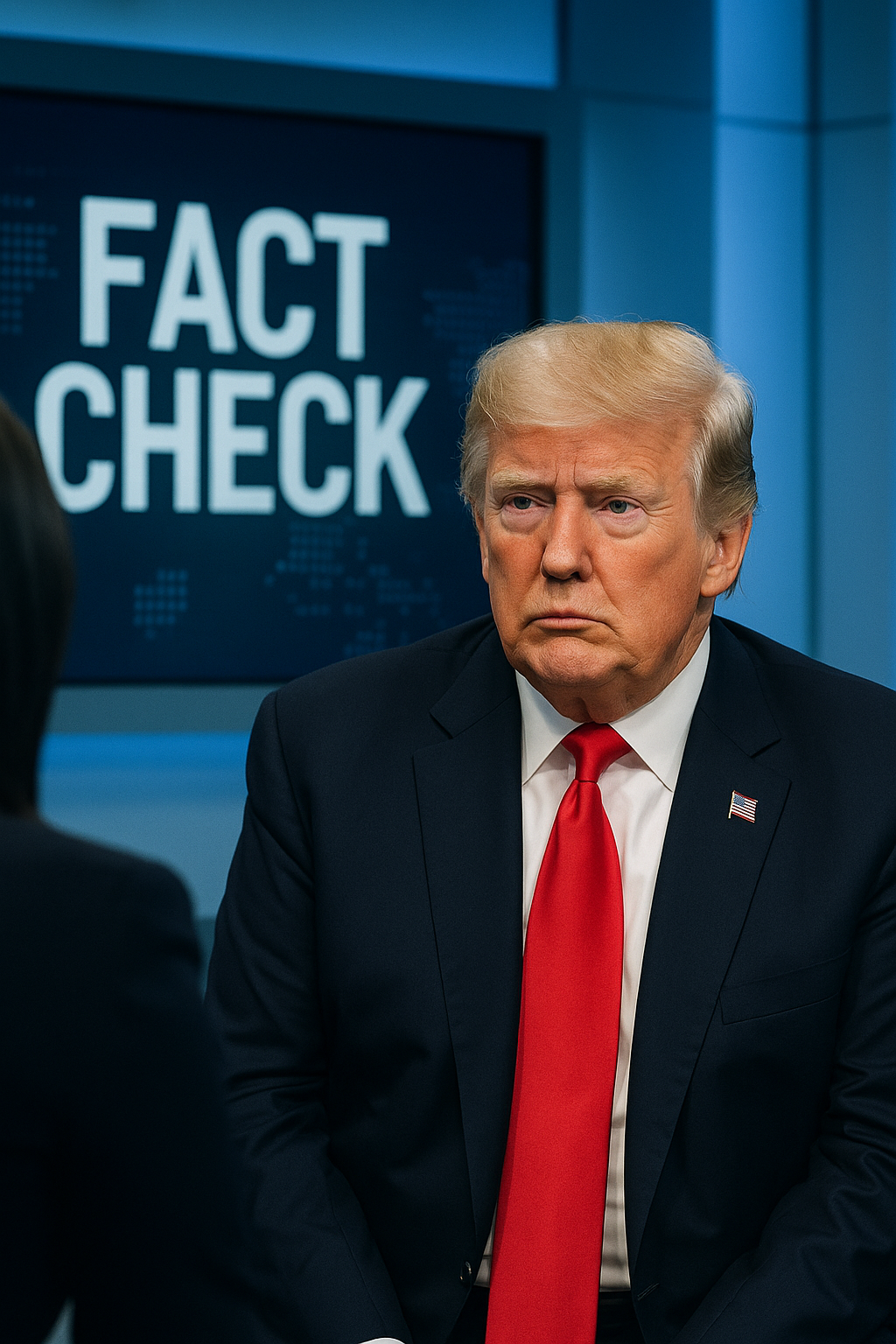
Recent debates over whether the United States is *really* at war with Iran have taken center stage in political discourse. On one side, President Donald Trump and Defense Secretary Pete Hegseth have described the ongoing military actions in stark terms — using words like “war”. On the other, congressional leaders and some media outlets insist these actions are only “combat operations” or “limited engagements,” emphasizing that, under the U.S. Constitution, only Congress has the authority to declare war. The core question is whether these military operations qualify as an actual war, legally and practically, and what implications that classification carries for accountability and constitutional responsibilities.
- Legal Definitions: Experts and legal scholars broadly agree that the Constitution assigns Congress the power to declare war, while the president serves as Commander-in-Chief. Since World War II, formal declarations of war have been absent.
- Presidential Actions: Under the War Powers Resolution, presidents are allowed to initiate military actions without congressional approval for a limited period, especially in self-defense. However, routine military strikes — like those conducted by Trump in Iran — are arguably outside this scope and raise questions about constitutional legitimacy.
- Current Conflict Status: According to the Correlates of War Project, a conflict is considered a war if there are over 1,000 battle-related deaths. So far, reports indicate seven American casualties and nearly two dozen Iranian and regional deaths, with Iranian claims exceeding 1,300 civilian fatalities. Nonetheless, experts like Robert Johnson from Oxford highlight that these figures do not necessarily meet the legal threshold for a declared war, but they suggest a sustained armed conflict.”
Legal scholars such as Stephanie Savell of Brown University’s Costs of War project observe that the term “war” is often used broadly in media and politics, even if the actions do not meet strict legal criteria. For example, Describing the escalation as “armed conflict” or “an armed attack” aligns more accurately with definitions provided by scholars like Douglas Fry. These nuanced distinctions are vital for honest civic discourse, yet they are often blurred in headlines and political soundbites. President Trump has repeatedly referred to the military operations as “war,” even describing the conflict as “winning” and “unbelievable,” language that authorities on the matter argue might escalate public perception into believing the U.S. is engaged in an official war.
Furthermore, the disagreement over terminology reflects more than semantics — it impacts governance and constitutional oversight. As Robert Johnson notes, “Most scholars and lawyers do not use the term war, even when they should,”
pointing to the tradition of U.S. Presidents conducting military operations under the justification of self-defense or emerging threats. Yet, the ongoing situation could change if casualties escalate, ground troops are introduced, or the conflict persists for a longer duration, potentially crossing the threshold of a formal war.
This ongoing controversy underscores a critical point: understanding what constitutes a war isn’t merely academic. It’s about ensuring that the will of the people, through their representatives in Congress, supervises the use of lethal force. As the debate continues, responsible citizens must demand transparency and adherence to constitutional principles to uphold the very foundations of American democracy. Fact-based understanding is essential, so we can distinguish between fleeting military operations and genuine declarations of war — a fundamental safeguard against unchecked executive power and a cornerstone of responsible citizenship.