Australia’s Immigration Detention Measures Under Legal Siege
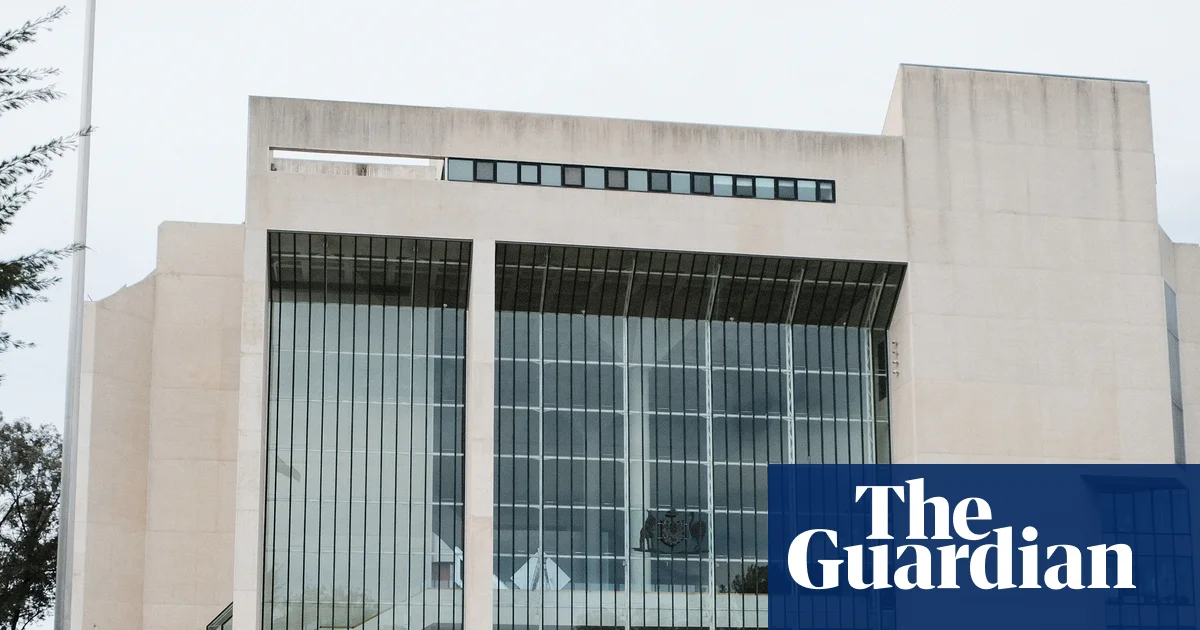
The Australians government is locked in a fierce legal battle over its controversial immigration detention policies, with landmark rulings from the High Court of Australia delivering significant blows to what many critics have labeled as draconian laws. The recent judgment, handed down in November 2024, invalidated the government’s preventative detention regime—a policy aimed at restricting the freedom of certain detainees through ankle monitoring and curfews. This particular regime was initially enacted in late 2023, after the High Court had previously declared indefinite detention unconstitutional, forcing the authorities to release hundreds of detainees, including refugees and stateless persons, who could not be deported.
Legal Challenges and Political Repercussions
The court’s decision was rooted in constitutional principles, with Chief Justice Stephen Gageler and a majority of Justices emphasizing that the law’s justification of community protection was insufficiently compelling to warrant ongoing monitoring of individuals without exceptional circumstances—such as preventing a terrorist attack. Justice Michelle Gordon explicitly noted that under amendments made in November 2024, laws allowing ankle bracelets and curfews lacked constitutional validity. This ruling has directly impacted at least 43 individuals, who now will no longer be subjected to electronic monitoring but instead must report regularly to authorities—a move that critics say undermines the government’s claims of enhanced security.
The ruling comes amid intense political debate. Home Affairs Minister Tony Burke expressed gratitude for a $2.5 billion deal with Nauru aimed at offshoring the problem, suggesting that “the best thing for people who have had their visa cancelled is to not be in this country.” This arrangement allows the government to apply for 30-year visas for those deported to Nauru—an island that has become a focal point of Australia’s offshore detention policy. Critics, including international human rights groups, argue that such policies perpetuate injustice and ignore Australia’s obligations under international law, especially concerning the treatment of detainees and asylum seekers.
Geopolitical and Societal Impact
The impact of these legal proceedings extends beyond the courtroom, affecting the geopolitical landscape. By offshoring detainees and implementing harsh measures, Australia aims to project strength and deterrence on the global stage; yet, critics suggest this approach damages the nation’s moral authority. International organizations and historians have warned that such policies risk creating a legacy of trauma and injustice. The turning point here signals a broader contest over sovereignty, human rights, and the rule of law, with Australian society caught between national security anxieties and constitutional protections.
Analysts observe that the court’s decision underscores a vital principle: that government authorities do not hold unchecked power to punish or monitor individuals,” a reminder that constitutional oversight remains a bastion against populist excess. The opposition has vowed to draft new legislation to replace the invalidated laws, but critics warn that without fundamental reform, Australia’s approach to immigration and detention risks descending into a cycle of punitive measures that challenge basic human rights and international norms. As officials grapple with these complex legal and moral questions, the weight of history hangs over their decisions, shaping the future of Australia’s identity as a nation committed to fairness yet plagued by political expediency.
The Future Unfolds in the Shadow of Justice
As the nation wrestles with these judicial rulings, the international community watches with keen interest. The outcome will inevitably influence Australia’s global reputation—either reaffirming its commitment to the rule of law or exposing it to accusations of systemic injustice. History suggests that such struggles are rarely resolved quickly; instead, they spark profound debates about sovereignty, security, and the moral fabric of society. The unfolding of this legal saga signifies not just a clash within Australia, but a chapter in the ongoing contest over how governments exercise authority in an age of uncertainty. The weights of justice serve as both shield and stern reminder: in the crucible of national identity, the decisions made today will echo through the corridors of history, shaping what Australia is to become in the long shadow of these pivotal judgements.