Matox News

Truth Over Trends, always!

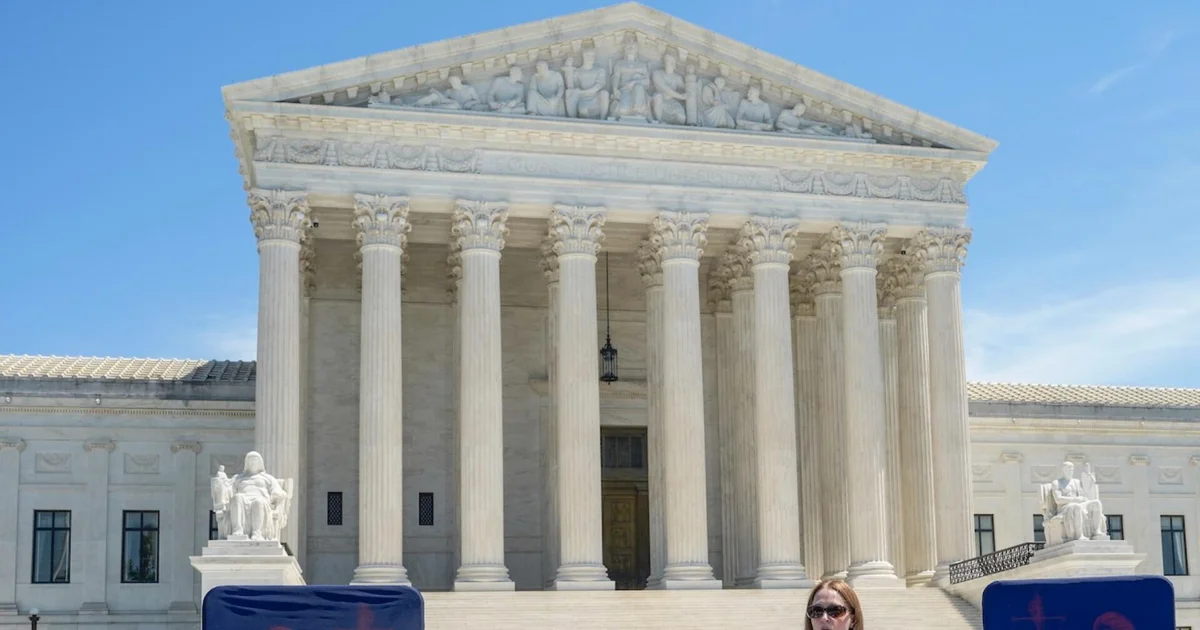
Supreme Court Takes Up Catholic Preschool Funding vs. LGBTQ+ Rights in Colorado

In a decisive move, the US Supreme Court has agreed to hear an influential case that underscores the ongoing tension between religious freedoms and secular state policies. The case involves St. Mary Catholic Parish and the Archdiocese of Denver, which are challenging Colorado’s exclusion of faith-based preschools from a state-funded universal preschool program. The schools argue that this exclusion violates their religious rights—particularly their policies on LGBTQ+ admissions—raising profound questions about the limits of government interference in religious institutions. This case signals the court’s continued engagement with religion-centric issues amid a broader ideological shift that favors religious expression, often at the expense of evolving social norms.

The controversy centres on Colorado’s 2020 ballot measure establishing a program that distributes public funds to preschool centers selected by parents. While the state asserts that participation requires adherence to nondiscrimination laws, the Catholic schools maintain that such mandates infringe upon their constitutionally protected religious practices. The conservative-majority court, which has a track record of adjudicating cases through the lens of individual religious liberty, now faces a pivotal decision with far-reaching geopolitical impact. A ruling in favor of the schools could embolden religious groups nationwide to challenge secular policies, potentially leading to a reconfiguration of how public funds are allocated and which social policies are deemed permissible under the First Amendment.

This case exemplifies a broader pattern where **internationally**, conservative legal principles are driving a redefinition of religious rights. Historian and legal analysts highlight the resurgence of judicial activism in cases involving religious expression, look particularly to Justice Antonin Scalia’s 1990 decision on peyote, which still influences legal debates about religious exemptions. The Supreme Court’s impending consideration of whether to narrow or uphold this precedent underscores the current ideological divide. Some commentators warn that such rulings could erode longstanding secular principles, paving the way for increased religious influence in education, healthcare, and public life—settings crucial for social cohesion and national identity.

  • The case is anticipated to serve as a barometer for how the Court balances religious liberty with anti-discrimination statutes, especially as public opinion shifts on LGBTQ+ rights across multiple nations.
  • Decisions made here could inspire similar legal challenges in other regions, influencing international debates about religious exemptions and the role of government in fostering inclusive societies.
  • International organizations and human rights advocates are closely watching, wary that a tilt towards religious privileging may result in societal polarization or undermine hard-won social justice gains.

As the fall verdict approaches, the weight of history hangs heavily over America’s courts and society. The decision will not merely determine the fate of faith-based preschools in Colorado, but will resonate across borders—calling into question the very nature of religious freedom in a rapidly changing world. Whether the court will uphold a vision of religious expression unbounded by secular law or enforce a more restrictive interpretation remains to be seen. In this unfolding chapter of legal and moral debate, the world watches, acutely aware that the decisions made today will echo through generations, shaping the history of liberty, faith, and social order in the centuries to come.

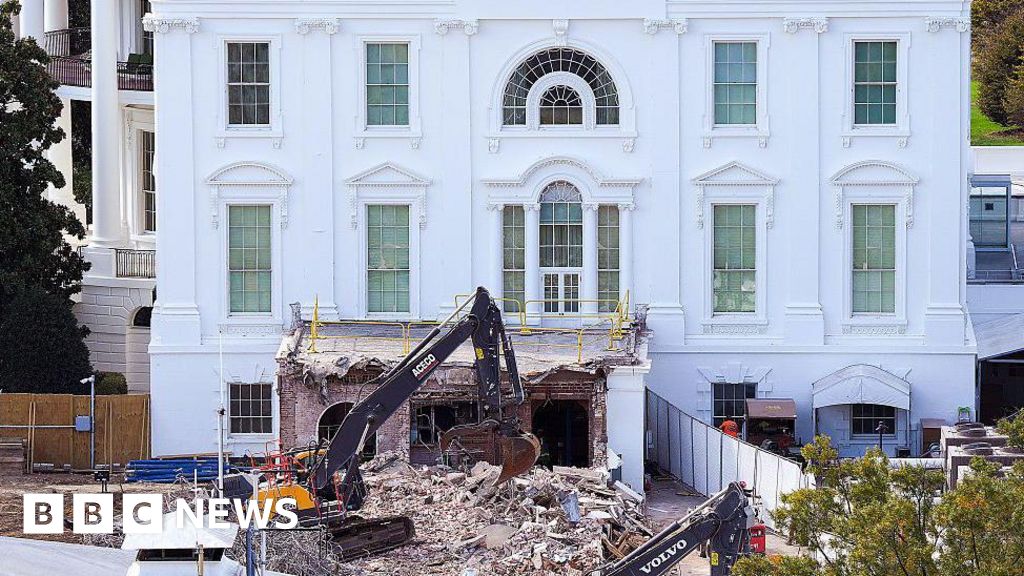
Appeals Court Allows Full Restart of Trump’s White House Ballroom Construction

The ongoing construction at the White House signals a significant phase in American architectural and political history, with renovations scheduled to extend until the next congressional hearing in June. This development is more than mere maintenance; it symbolizes the resilience of United States institutions amidst turbulent times. As scholars like Dr. Patricia Newell, a noted historian of American political architecture, suggest, such renovations often serve as a metaphor for the nation’s capacity to adapt and regenerate itself, even under intense domestic scrutiny.

The White House has long been a global icon, representing the ideals of democracy and governance. Yet, its ongoing construction coincides with a period marked by mounting political polarization and international uncertainties. Analysts warn that this delay could be emblematic of larger bureaucratic and ideological struggles within Washington D.C.. Importantly, international bodies such as the United Nations and G7 have observed increased instability in American domestic politics, cautioning that internal strife can ripple outward, impacting diplomatic relations and global security. The delay isn’t just about architecture; it underscores ongoing debates over leadership, transparency, and the future direction of U.S. policy both at home and abroad.

Moreover, the ongoing construction has attracted attention from foreign governments and geopolitical analysts. Some view this as a strategic pause—an opportunity for America to reflect on its national priorities amid a rapidly shifting international order. In particular, the rise of China and assertive moves by Russia have intensified the stakes. The European Union’s latest security assessments highlight that internal distractions, such as delayed renovations, could weaken U.S. leadership on the world stage. As the International Crisis Group warns, a distracted nation risks ceding influence to emerging powers eager to fill the void left by uncertainty and internal discord.

Therefore, the significance of this seemingly mundane construction extends beyond mere bricks and mortar. It underscores questions about how American society and its government will navigate the turbulent waters of domestic politics and international competition. While the timeline points to a June deadline, many experts caution that this delay may ripple into broader uncertainties—both symbolically and practically. Historians observe that moments of national reconstruction, whether symbolic or concrete, often serve as turning points, warning of potential upheaval or renaissance. As history unfolds, future generations will look back at this period as a defining chapter—an era caught between tradition and transformation, with the weight of history still unfolding beneath the scaffolding that shields the seat of American power.

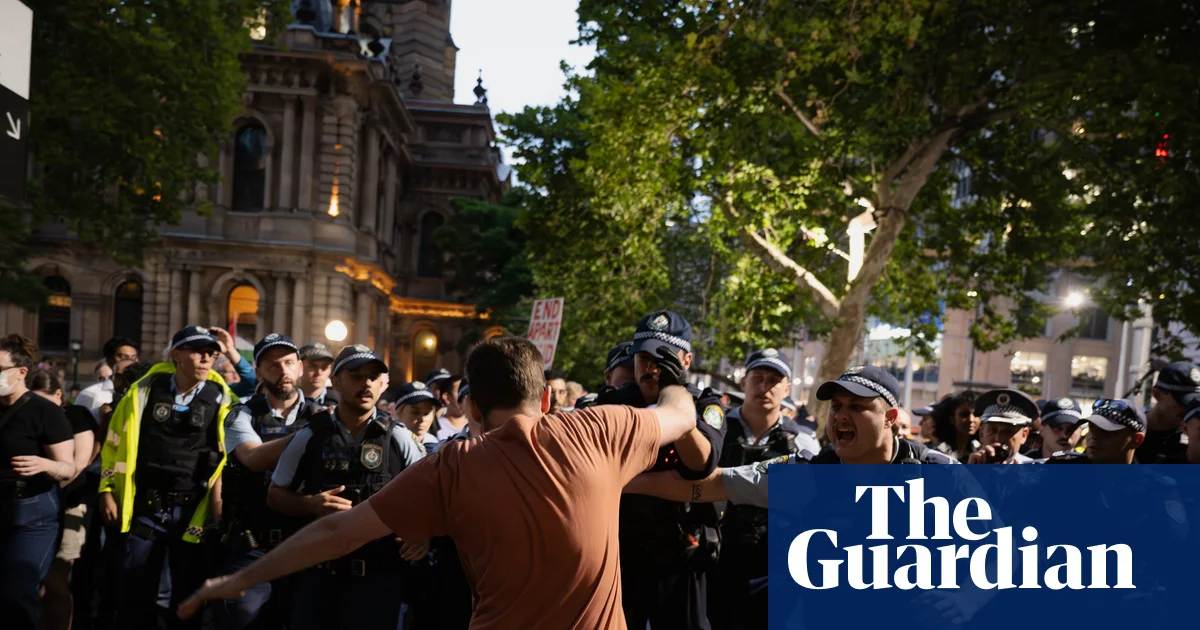
NSW High Court Ruled Anti-Protest Law Unlawful After Bondi Attack Redirects Focus on Public Safety

In a significant judicial development that echoes the tension between constitutional rights and government power, New South Wales’ highest court has invalidated an anti-protest law enacted in the wake of the Bondi beach terror attack. This landmark decision comes amidst escalating global concerns about security, civil liberties, and the influence of international conflicts on domestic policy. The law, known as the public assembly restriction declaration (PARD), was introduced by the Minns government to restrict protests in designated areas for up to three months following the attack, which claimed 15 lives. However, the court deemed it unconstitutional, citing that it impermissibly burdened the implied constitutional right to freedom of communication on government and political matters—an outcome viewed as a victory for advocates of civil liberties and democratic rights across the globe.

  • The law was notably applied during a controversial rally against Israeli President Isaac Herzog’s visit, which turned violent and prompted police misconduct investigations. Despite the government’s claims that the legislation was necessary to maintain order post-terrorism, the court’s ruling highlighted its overreach, emphasizing that it served as a “blunt tool” that indiscriminately suppressed constitutionally protected activity, regardless of the threat level or the purpose of the assembly.
  • Legal analysts and international watchdogs underscored that this decision could set a transformative precedent, illustrating the judiciary’s role in curbing executive overreach and defending fundamental rights against overly broad security measures. The case also cast a spotlight on how authoritarian instincts can be challenged in liberal democracies, reinforcing the principle that government power must be balanced with individual freedoms—an issue at the heart of many geopolitical debates on security versus liberty.

The court’s decision was celebrated outside the courtroom by civil rights groups and advocacy organizations, notably Jews Against the Occupation ’48 and the Palestine Action Group. Their spokesperson, Josh Lees, hailed the ruling as a critical victory for democracy and the global movement fighting for human rights. This case exemplifies how domestic legal battles intertwine with international causes, such as the ongoing struggle over Palestinian rights, and how judicial institutions worldwide are becoming battlegrounds for ideological conflicts that transcend borders. As historians warn, these conflicts onboard the global stage are often shaped by a complex web of national interests, geopolitical strategies, and ideological clashes.

Prime Minister Chris Minns expressed disappointment over the verdict, framing the legislation as a response to one of the “worst terrorism events” in Australia’s history. Despite this, the ruling signals a potent reminder that even in the face of brutal violence, the rule of law and constitutional norms remain supreme—a stance that may resonate beyond NSW, influencing policies in other nations grappling with similar threats and rights. The government’s future plans include addressing the contentious phrase “globalise the intifada,” illustrating the ongoing clash between security narratives and free speech that continues to unfold in legal arenas worldwide.

As the dust settles, the trial’s lingering question remains: how will this victory shape the future landscape of protests, civil liberties, and international activism? With the judiciary standing firm in defense of constitutional principles, the unresolved tension between state security and personal freedoms is poised to ignite new debates and confrontations. The fate of those charged during protests, the integrity of police accountability investigations, and the broader impact on political discourse and social activism remain as a stark reminder—the pages of history are still being written, and the global community watches anxiously as the ongoing clash between authority and liberty unfolds in the shadows of our times.

Rising Stars Illuminate the Court: Exciting Highlights from This Week’s Youth Basketball Tournaments

2026 Draft Rankings Unveiled by Matt Miller

As the 2026 draft approaches, Matt Miller, a respected analyst, has finalized his player rankings—offering invaluable insights for teams preparing to make crucial selections. This year’s draft promises to be particularly historic, featuring a mix of seasoned talents and new prospects ready to shine on the professional stage.

Miller’s rankings are not just numbers; they are a reflection of extensive scouting and analysis. He has carefully graded each player, categorizing them into tiers based on their potential impact in the league. Notable players in his top tier include Isaiah Smith, a quarterback known for his remarkable arm strength and accuracy, and Khalil Johnson, a wide receiver with agility that has drawn comparisons to rookie sensations from prior years. Both players are expected to be hot commodities when teams start making their picks.

Commentators and scouts alike are buzzing over Miller’s insights. Former coach John Taylor weighed in, stating, “The depth and talent showcased in Miller’s rankings demonstrate that this draft class could redefine several franchises.” Analyzing player stats, Miller emphasized the importance of mental toughness and leadership qualities, especially for positions like quarterback and safety, which can impact a team’s dynamics significantly.

  • Isaiah Smith: Projected first overall pick, showcasing a completion rate of 68% in his final college season.
  • Khalil Johnson: Registered over 1,200 receiving yards, emphasizing his ability to make big plays.
  • A notable increase in defensive prospects, with strong corners like Marcus Wright rapidly climbing the ranks.

The 2026 draft is set to be an exhilarating event, but beyond just the picks and performances, it serves as a reminder of the power of sports to unite fans, communities, and cities. As players take to the field in search of greatness, the essence of competition fosters a sense of camaraderie and hope that transcends the scoreboard. In the end, every draft pick is not just about numbers; it is about building relationships, dreams, and a future filled with potential.

Source link

Rising Stars Ignite the Court: High School Basketball Teams Battle for Championship Glory!

Luis Suárez Leaves Door Open for Uruguay National Team Return

In a surprising development, veteran striker Luis Suárez expressed his willingness to return to the Uruguay national team, despite officially retiring from international duty in 2024. Known for his remarkable skills and tenacity on the field, Suárez maintained that he would never turn his back on his country. In a recent interview, he emphasized, “I will always be available if the national team needs me.” This statement has ignited conversations among fans and analysts alike about the potential impact of his return.

Suárez, who has had a dazzling career, including stints at clubs like FC Barcelona and Atlético Madrid, was integral to Uruguay’s success during his international tenure. His experience and goal-scoring prowess could significantly bolster the team’s performance, especially with the future of the South American qualifiers on the horizon. Diego Alonso, the current head coach of the national team, may find Suárez’s return invaluable as he seeks to craft a competitive squad for the coming World Cup.

The notion of a potential return raises several key points of interest:

  • Suárez’s leadership qualities and ability to mentor younger players could strengthen team morale.
  • His addition to the lineup would enhance offensive strategies against tough opponents like Argentina and Brazil.
  • Fans remain divided—some eager for his expertise and others debating the importance of youth development.

Commentators from various sports networks have weighed in on the topic. Andrés Cantor, a renowned sports commentator, stated, “Suárez’s return could be a game-changer for Uruguay, but it may also signal a shift in team strategy as they prepare for greater challenges.” The discussions surrounding his possible return highlight not only his impact as a player but also his enduring connection to Uruguayan pride and solidarity.

In the world of sports, numbers and records might determine victories, but the true spirit of the game lies in the unity it fosters. As Luis Suárez holds onto his deep-rooted love for his national colors, his potential comeback serves as a compelling reminder of how sports can transcend time and personal decisions, weaving a complex tapestry that binds players, fans, and nations together. No matter where this journey leads, the heart of football remains in its power to unite and inspire.

Source link

Australia News Live: Albanese Fights Fuel Crisis, Roberts-Smith Headed to Court

In a world witnessing seismic shifts in energy diplomacy and geopolitical alignments, Australia finds itself at a pivotal crossroads. Recent high-level discussions between Prime Minister Anthony Albanese and Chinese Premier Li Qiang reveal a cautious yet strategic approach to regional energy security amidst rising tensions and uncertain global markets. As regional and international power equations evolve, nations are recalibrating their alliances and resource dependencies with a mixture of diplomacy and assertiveness, recognizing that today’s decisions will echo through the corridors of history for decades to come.

The core of these diplomatic efforts centers on securing vital fuel supplies, with China playing a critical role as either partner or rival in the future energy landscape. The agreement to increase communication and cooperation on energy matters underscores a diplomatic acknowledgment that stability in fuel imports, particularly jet fuel, is fundamental to Australia’s economic resilience. However, international analysts, such as those from the International Energy Agency, warn that regional cooperation might be fragile, heavily impacted by the ongoing conflicts in the Middle East and escalating tensions with Iran. The ever-present risk of supply disruptions has prompted leaders like Albanese to prioritize diplomatic engagement, but the real question remains—how long can the fragile balance hold before geopolitics and competition threaten to unravel these fragile agreements?

Simultaneously, domestic political actors like Matt Canavan of Australia’s Nationals advocate for a more assertive, tariff-led economic revival. His proposals include reviving tariffs and closing borders to mass migration, emphasizing a nationalist, protectionist stance aimed at shielding Australia’s industries from global economic pressures. Such rhetoric taps into wider fears of economic encroachment, and even echoes echoes of America’s Trump-era policies. Historians and policy experts warn this path risks deepening international tensions and reintroducing economic nationalism as a primary tool of sovereignty. Yet, in an era of changing alliances, the decision to pursue such protectionism will profoundly influence how Australia positions itself within the broader Indo-Pacific arc of influence.

Moreover, the trial of Ben Roberts-Smith, Australia’s most decorated soldier, for alleged war crimes in Afghanistan, brings into focus the darker dimensions of military engagement and national identity. His courtroom appearance not only scrutinizes Australia’s military conduct but also raises questions about the toll of global conflicts and the responsibilities of modern states. International organizations and defense analysts warn that such debates have geopolitical repercussions, shaping perceptions of Australia’s global role. This ongoing saga reminds the world that history’s unfolding often bears scars—both visible and unseen—that influence foreign policy, domestic stability, and moral authority. As the legal proceedings unfold, the weight of history looms, echoing both the heroism and the moral ambiguities of a nation shaped by war and diplomacy alike.

In the broader canvas of world affairs, these intersecting developments reveal a landscape where strategic energy partnerships, nationalist policies, and military reckonings are interconnected strands of a complex geopolitical tapestry. As leaders and citizens grapple with the choices before them, they are writing a new chapter—one that may redefine alliances, resource control, and the moral fabric of nations. The future belongs to those who understand that in the theatre of history, every decision, every conflict, and every accord is a stroke on the vast canvas of human destiny—an unfolding story that demands vigilance, resilience, and a keen awareness of how the dynamics of today will shape the history of tomorrow.

Apple gears up for Supreme Court fight against Epic, once again.

Apple’s Legal Clash with Epic Games Signals Disruption in App Store Economics

In a move that underscores the ongoing upheaval in digital platforms, Apple is preparing to escalate its long-standing legal battle with Epic Games to the Supreme Court. This legal maneuver aims to challenge recent rulings that limit how Apple can charge developers for external payments, a decision that could reshape the fundamental economics of the App Store model. The case, pivotal in defining the future of app distribution and revenue sharing, arrives at a critical juncture where disruption threatens to upend entrenched business practices.

Technology analysts see this as more than a courtroom skirmish; it’s a reflection of broader industry trends emphasizing innovation and market disruption. The court’s decision, which allows developers to funnel users to external payment options, effectively challenges Apple’s 30% cut. Although Apple has reduced its fee to 27%, critics, including Epic, argue that this marginal reduction fails to address core concerns: the lack of transparency and the potential for monopolistic behavior. As the legal proceedings unfold, the implications extend well beyond Apple and Epic, with Google settling similar disputes by dropping its Store commissions to 20%—a clear signal that the traditional app economy is ripe for overhaul.

Industry experts, such as those at Gartner and MIT, highlight that disruption in app store economics will accelerate innovation in digital transactions. The potential for lower fees and more open ecosystems could favor emerging decentralized app marketplaces and AI-powered interfaces that bypass traditional app stores altogether. This evolving landscape demands that companies adapt swiftly; failure to innovate could result in diminishing market share as consumers gravitate toward AI agents capable of seamless transactions without the constraints of legacy platform fees. The court’s upcoming decision could catalyze a seismic shift, effectively encouraging developers to prioritize alternative distribution channels and spurring investment in disruptive payment technologies.

Expert analyses warn that the legal trajectory indicates that the era of unchecked platform control might be near an inflection point. As the case advances, it underscores a broader “tech renaissance” where disruption and innovation are paramount. The decision handed down could serve as a catalyst for a new wave of monetization strategies, prompting tech giants and startups alike to reimagine how digital goods are exchanged. While this legal showdown continues, the industry faces an urgent call to embrace these changes—those who hesitate risk being left behind in a rapidly evolving digital economy that favors agility, transparency, and consumer empowerment.

Family Court orders return of Aboriginal child moved 1,700km from remote NT community

Australia’s Indigenous Custody Saga: A Mirror for Global Cultural Sovereignty and Governance

In a landmark decision, Australia’s family court has ordered that an Aboriginal child, known as X, be returned to his traditional community after being moved approximately 1,700 kilometers away. This case, while rooted in local legal and cultural contexts, highlights a broader international debate over the sovereignty of indigenous tribes and the influence of national authorities over traditional societies. The decision underscores the profound controversies surrounding jurisdiction, cultural rights, and modern state governance, echoing similar conflicts across the globe where colonial histories and sovereignty collide with contemporary legal systems.

The case’s geopolitical significance extends beyond mere parental disputes, touching on the ongoing tension over Indigenous self-determination and cultural preservation. Australian authorities and international organizations have been scrutinized for their historic and ongoing intervention into indigenous communities. The court’s rationale—that X needed to learn and participate in his culture through direct engagement with elders and community rituals—challenges the notion that state-controlled care can adequately replace traditional kinship systems. Expert analysts and historians emphasize that such legal rulings can either empower indigenous sovereignty or, if mishandled, serve as tools of cultural erosion. The court’s recognition of the pivotal role of “on-country” engagement symbolizes a push back against assimilation policies that have historically marginalized indigenous peoples.

Furthermore, the case sparks vital questions about how decisions made in the courtroom influence societal structures and cultural continuity. The court’s appraisal of whether Hronn has the cultural competence to care for X reflects a nuanced understanding of indigenous kinship and law. Justice Richard Schonell’s endorsement of X’s return underscores the importance of cultural integration, asserting that the boy’s connection to his community — including language and rituals — is essential for his development. Critics argue that this legal victory is emblematic of a shifting paradigm that recognizes the importance of indigenous traditions in governance, providing hope that future policies will respect sovereignty rather than subjugation, with international institutions monitoring adherence to such principles.

Historically, critics from global human rights organizations warn that mishandling such cases risks setting dangerous precedents for indigenous communities worldwide. The United Nations and other international bodies have called for respecting indigenous rights, emphasizing that sovereignty and cultural integrity are fundamental to just governance. As the world watches Australia’s ongoing negotiations over indigenous rights, historians and analysts warn that these local disputes are part of a broader narrative unfolding across continents—where colonial legacies confront the imperative of respecting cultural diversity. This story of X is not merely about custody; it is a mirror reflecting humanity’s ongoing struggle to reconcile sovereignty, tradition, and modern law.

The Weight of History and the Unfolding Future

As the echoes of this case reverberate through the international arena, the question remains: whose cultural heritage ultimately prevails—the nation’s or the community’s? The resolution to these complex issues will shape the future of indigenous sovereignty worldwide. Sometimes, history’s most defining moments are born in small courtrooms, where the weight of cultural survival is measured against the might of state authority. Today, Australia’s decision joins a rising tide of global recognition: that authentic cultural identity is a right worth fighting for, a legacy worth preserving amid the relentless march of modern governance. With each ruling and each voice raised in defense of sovereignty, the international community steps closer to understanding that in the intricate web of history and law, the future remains unwritten, yet profoundly consequential.

Trump to Join Supreme Court Birthright Citizenship Fight—Big Clash Ahead

In a move that could reshape the fabric of American law and have far-reaching geopolitical impact, President Donald Trump is set to attend the United States Supreme Court today as it deliberates a landmark case questioning the legality of his administration’s attempt to end birthright citizenship. This case has ignited a fierce debate over the interpretation of the 14th Amendment, a cornerstone of American constitutional law, and signals a potential shift in the nation’s approach to immigration and its constitutional foundations.

Trump’s executive order, issued upon his return to the White House, declared that children born to illegal immigrants or visa-holders in the United States would no longer be automatically granted citizenship. While lower courts swiftly blocked the order, citing the Citizenship Clause of the 14th Amendment—stating that all persons born on US soil are citizens—the Trump administration countered that the clause was originally intended solely for the rights of former slaves. They argue that the current interpretation—that virtually anyone born within US borders receives citizenship—oversteps the original intent of the amendment, which was passed post-Civil War to secure rights for newly freed African Americans. This interpretation is contentious, as many legal scholars, including those at the Council on Foreign Relations, warn that altering this understanding could undermine decades of legal stability and provoke international backlash, especially from nations with large diasporas seeking to exploit US birthright laws.

The case, titled United States v Wong Kim Ark, originally established in 1898 that birthright citizenship applies regardless of parental nationality, provided the child’s parents had U.S. domicile. The Trump administration now seeks the Supreme Court to revisit and reinterpret this precedent, emphasizing the notion of “subject to the jurisdiction thereof” and claiming that the current scope facilitates practices like birth tourism—a phenomenon where foreigners travel to the US to give birth and secure citizenship for their offspring, incentivizing illegal immigration. Historians such as Prof. Linda Greenhouse caution that such reinterpretations threaten to erode the clarity of the Constitution, risking legal chaos that could destabilize societal order and impact international relations profoundly.

The conservative-majority Supreme Court, which has previously supported Trump’s policies on immigration and national security, is likely to deliver a ruling by the end of June. A ruling favoring the Trump view could revolutionize US immigration policy, prompting an overhaul in how citizenship is awarded and possibly precipitating a wave of legal battles. Such a shift could redefine the face of American society, impacting immigrant communities and sparking internal divisions—an outcome that international analysts predict might weaken America’s moral authority globally. As the world watches, the courtroom drama unfolds into a pivotal chapter in 21st-century geopolitics, with the potential to challenge the very notion of national sovereignty and sovereignty itself.

With the stakes this high, each decision at this juncture of American legal history echoes beyond the borders of Washington and into the geopolitical landscape. As international organizations such as the United Nations monitor the proceedings, the possibility of a redefined US citizenship law raises questions about the future of global migration, refugee policies, and the stability of bilateral relations. The course resolved today will either reinforce the constitutional safeguards that have underpinned American identity for over a century or mark a new era of ambiguity and upheaval. As history’s pen hovers over this momentous chapter, the weight of unseen consequences presses down—reminding all that the decisions made today will shape the world’s order for generations to come.

Court rejects leniency: Man who killed pregnant girlfriend gets life behind bars, ensuring justice for women and girls

Justice and Social Tensions: The Tragic Toll on Families and Communities

The recent court decision to impose a whole-life order on Shaine March, a man convicted of murdering his pregnant girlfriend, underscores the ongoing societal struggle with social violence and justice. The case, shocking in its brutality, has cast a harsh spotlight on the pervasive danger faced by women within their own homes—an issue that profoundly affects families, education, and communities. Alana Odysseos, a young mother in her early thirties, was tragically killed in her Walthamstow residence while she was in the early stages of pregnancy, leaving behind her children and a community in mourning. Her death illustrates the critical need for society to re-examine how we handle domestic violence and prevent such horrific acts from recurring, especially given the context of her being a victim of a repeated cycle of violence linked to a criminal history that started with her killer’s earlier murder conviction.

Historically, society has grappled with injustices rooted in demographic shifts and cultural tensions that influence how justice is served. Sociology scholar Prof. Jennifer Catlin has argued that cases like March’s reflect deeper social issues, including mental health challenges and systemic failures in rehabilitative justice. March’s prior conviction for a deadly stabbing at a McDonald’s restaurant, followed by his conditional release, exemplifies how the criminal justice system struggles to balance punishment with rehabilitation—often leaving communities vulnerable to repeat offenders. Critics argue that a leniency in sentencing and inadequate management of high-risk offenders exacerbate social divides and undermine public trust. The recent court ruling—a decisive move to replace a 42-year minimum sentence with a whole-life order—signals a call for zero tolerance for perpetrators of the most heinous crimes, especially those impacting vulnerable populations such as pregnant women and children.

For families and communities, these tragedies deepen a sense of vulnerability and mistrust. Odysseos’s mother, Karen Cronin, and her community mourn the loss of a “brilliant mother,” as highlighted by social commentators who emphasize that the human toll extends beyond physical injury to social fabric. As sociologist Dr. Samuel Reynolds notes, “When violence strikes within families, it not only devastates individual lives but also undermines the social cohesion that holds communities together.” The case also elicits calls from political figures for more comprehensive approaches focusing on early intervention and preventative social programs. The need for a societal shift that emphasizes moral responsibility and community resilience is clear—protecting families from preventable tragedies requires more than strict sentences; it demands a renaissance in social values and community engagement.

The path forward, as social analysts assert, must involve addressing the challenges at their root—ranging from mental health support to educational programs that foster empathy and conflict resolution from a young age. The painful reminder of Odysseos’s death compels society to reflect on how social tensions, inadequate justice policies, and cultural shifts influence the safety and fabric of our communities. As society stands at this crossroads, it is essential to remember that behind every statistic is a human story, a family torn asunder, and a community waiting for hope. In a time of profound social upheaval, the true challenge lies in transforming grief into action—building a society where justice does not merely serve punishment but rather functions as a pillar of genuine moral progress. Only through collective effort and unwavering resolve can society hope to heal the divisions that threaten its future and forge a path toward lasting safety and dignity for all its members.

Social Media Auto Publish Powered By : XYZScripts.com