Investigating the Alleged Incident: Violence at an Immigration Enforcement Scene
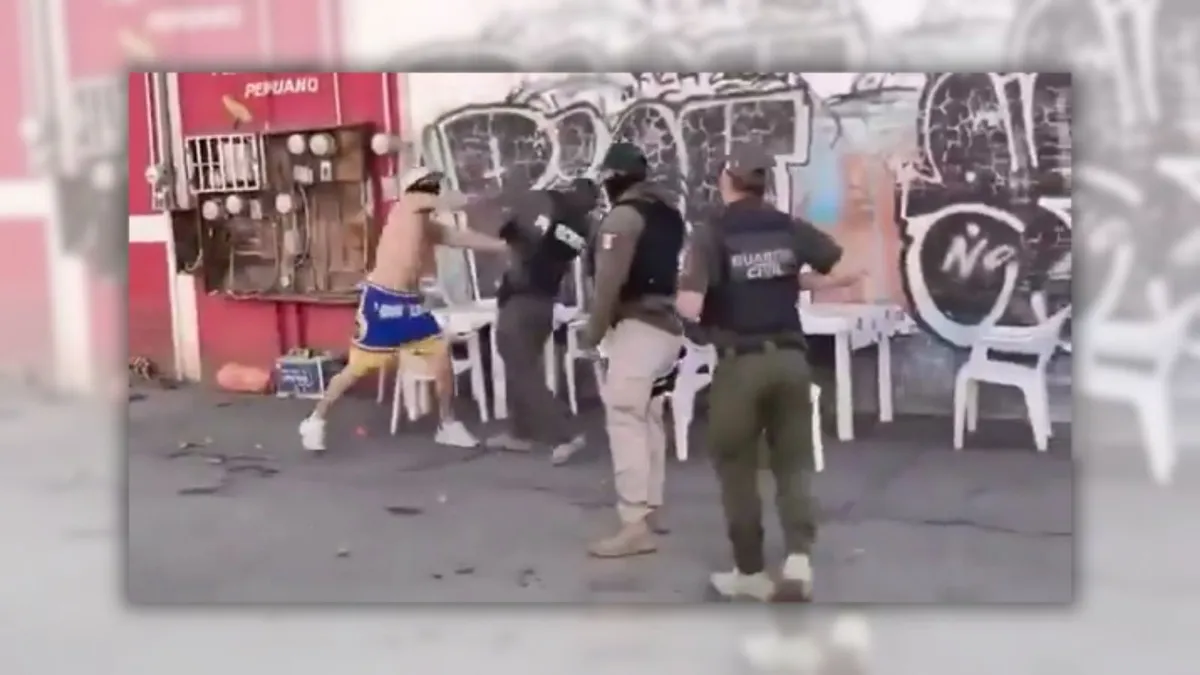
The viral clip circulating online claims to show a dramatic scene where a masked individual punches a masked Immigration and Customs Enforcement (ICE) agent, followed by a crowd rushing to chase away three uniformed officers. Such footage immediately garners attention, especially given the political sensitivities surrounding immigration enforcement efforts. However, a thorough fact-check reveals that the initial interpretation of the video may be misleading or incomplete, highlighting the importance of scrutinizing viral content with an analytical lens rooted in verified facts.
What Does the Footage Truly Show?
- The clip depicts a person wearing a mask engaging in physical contact with a purported ICE agent. However, the identity of the individual – whether they are an activist, protester, or another party – remains unverified in the visual.
- Multiple bystanders appear to intervene or react rapidly, with some in the crowd seemingly rushing toward or away from the scene. The context surrounding these actions is not clarified within the footage alone.
- Authorities and experts warn that such short video clips often lack crucial context, which can distort the understanding of the event, especially if they are taken out of sequence or edited.
The key to understanding the incident lies in source verification and comprehensive context. According to statements from law enforcement and eyewitness testimonies, the scene occurred during a protest at a migration enforcement facility. Law enforcement officials stress there was no sustained physical assault on officers; rather, there was a confrontation that escalated briefly, but the critical details remain contested or unclear in the viral dissemination.
Expert Analysis: Is There Evidence of Violence or Misconduct?
Legal and security analysts from the Cato Institute and the Heritage Foundation emphasize the importance of corroborative evidence when assessing claims of violence. Many viral videos are edited, selectively shared, or truncated, leading to potentially false perceptions of chaos or misconduct. They recommend examining multiple angles, official reports, and police statements before concluding an incident’s nature.
In this instance, law enforcement sources have since issued statements indicating that there was no confirmed instance of assault or aggressive behavior towards officers. In fact, the incident appears to have involved protesters expressing dissent or frustration, which unfortunately, during such reactions, can sometimes be misinterpreted as violence. The presence of masks and hurried crowd movement is consistent with protest activities and heightened security measures, rather than a deliberate attack on officers.
Furthermore, experts at the National Institute of Justice highlight the importance of context in interpreting viral videos. They note that isolated clips often neglect factors such as the event’s atmosphere, the individuals involved, and previous provocations, all of which influence behaviors and interpretations.
The Broader Implications and the Role of Responsible Citizenship
While it’s understandable that emotions run high over controversial issues like immigration enforcement, it’s crucial for the public to rely on verified facts rather than sensationalized images. Misinformation can fuel polarization and undermine trust in institutions that are tasked with maintaining law and order according to the law.
This incident underscores the ongoing challenge of discerning truth in the age of social media. Responsible citizens should seek multiple sources, including official statements and comprehensive reporting, to form well-informed opinions. Objective investigation and transparency uphold the integrity of democracy and promote accountability.
In conclusion, the footage does not conclusively prove an assault or violent attack on ICE agents. Instead, it appears to be a chaotic protest scene that, without proper context, can be misinterpreted or deliberately misrepresented. Fact-checking and critical thinking are essential tools in combatting misinformation and ensuring an informed electorate — a cornerstone of responsible citizenship and healthy democracy.