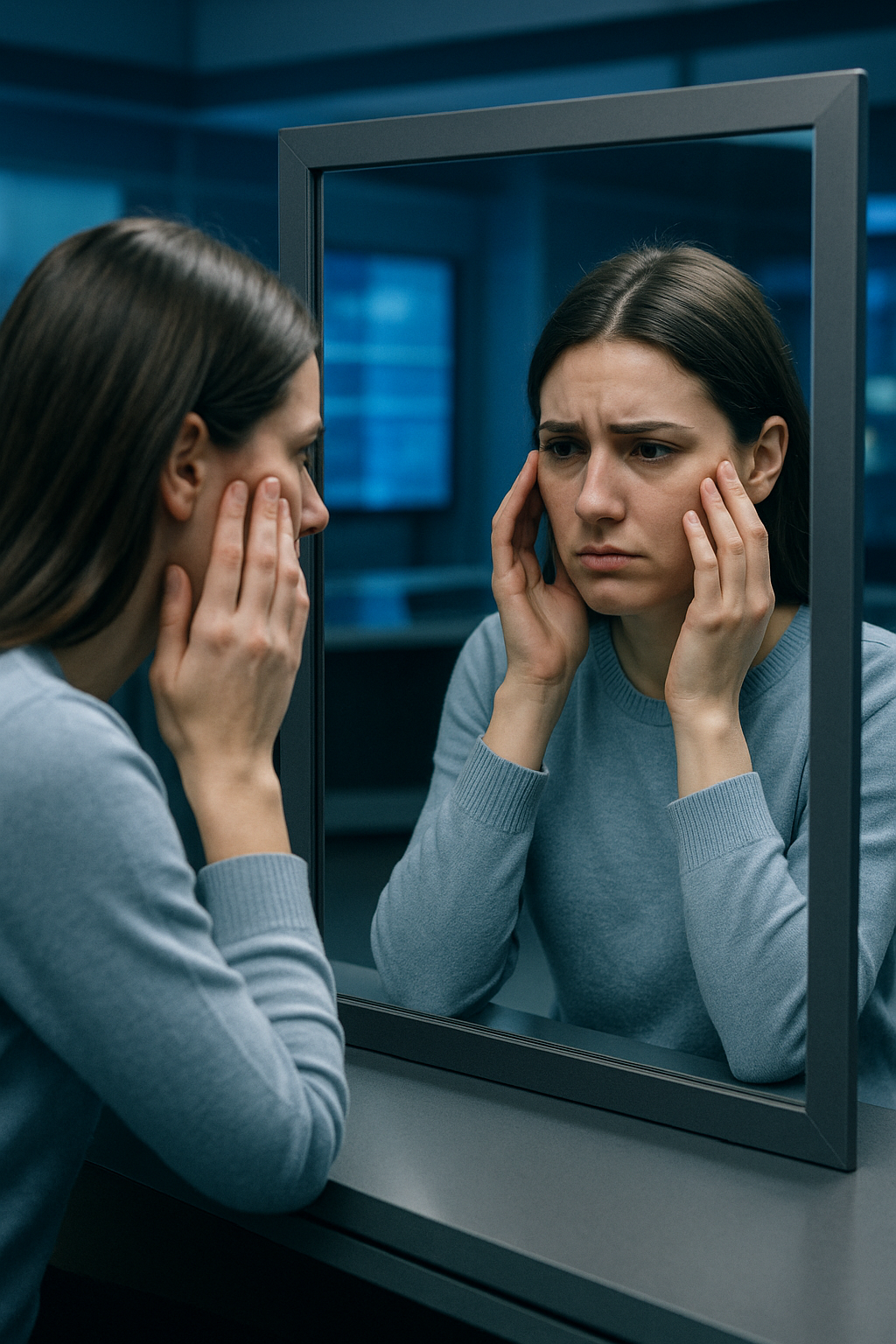
Body Dysmorphic Disorder (BDD) is frequently misunderstood as mere vanity or excessive self-consciousness. However, this condition is a debilitating mental health disorder that deeply affects those who suffer from it. Recognizing the signs and understanding its impact is essential for early intervention and support.
What Is Body Dysmorphic Disorder?
BDD is characterized by an obsessive preoccupation with perceived flaws or defects in physical appearance, which are often not noticeable to others. These concerns can dominate a person’s thoughts, leading to significant emotional distress and impairing daily functioning.
Symptoms and Effects
Individuals with BDD may engage in repetitive behaviors such as mirror checking, excessive grooming, or skin picking. They often avoid social situations due to fear of judgment. The disorder can lead to anxiety, depression, and in severe cases, suicidal ideation.
Importance of Awareness and Treatment
Raising awareness about BDD helps combat stigma and encourages those affected to seek professional help. Treatments typically involve cognitive-behavioral therapy and, in some cases, medication to manage symptoms effectively.
Key Points to Recognize BDD:
- Persistent focus on perceived physical flaws
- Repeated checking or camouflaging behaviors
- Emotional distress and social withdrawal
- Interference with daily activities and relationships
This overview is informed by insights from the New York Times, emphasizing the need to view BDD as a serious mental health issue rather than a simple concern about appearance.
Understanding and addressing Body Dysmorphic Disorder is crucial in promoting mental wellness and supporting those affected on their path to recovery.