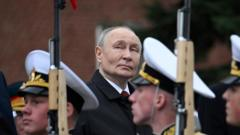
Victory Day 2026 saw a markedly toned-down parade in Moscow, reflecting the ongoing conflict in Ukraine and strained international relations.
Russian President Vladimir Putin delivered a forceful address, framing Russia’s military engagement in Ukraine as a justified struggle against an aggressive adversary supported by NATO.
Putin’s Justification of the Military Operation
Speaking before military personnel and select dignitaries, Putin reiterated that Russia’s so-called special military operation is a necessary response to what he described as Ukrainian aggression. He accused Ukraine of being armed and backed by the entire NATO alliance, positioning Russia’s actions within a broader geopolitical contest.
This rhetoric underscores Moscow’s narrative of defending national security against external threats, even as the international community widely condemns the invasion.
Scaled-Back Victory Day Parade Reflects Current Realities
For the first time in years, the Victory Day parade omitted the display of armoured vehicles and ballistic missiles. This scaling back signals a shift in tone and perhaps an acknowledgment of the sensitive military context.
Victory Day traditionally commemorates the Soviet Union’s triumph over Nazi Germany in World War II, a cornerstone of Russian national pride and state legitimacy. However, celebrations this year were notably subdued, with many regions observing the day quietly.
Ceasefire Agreement and International Context
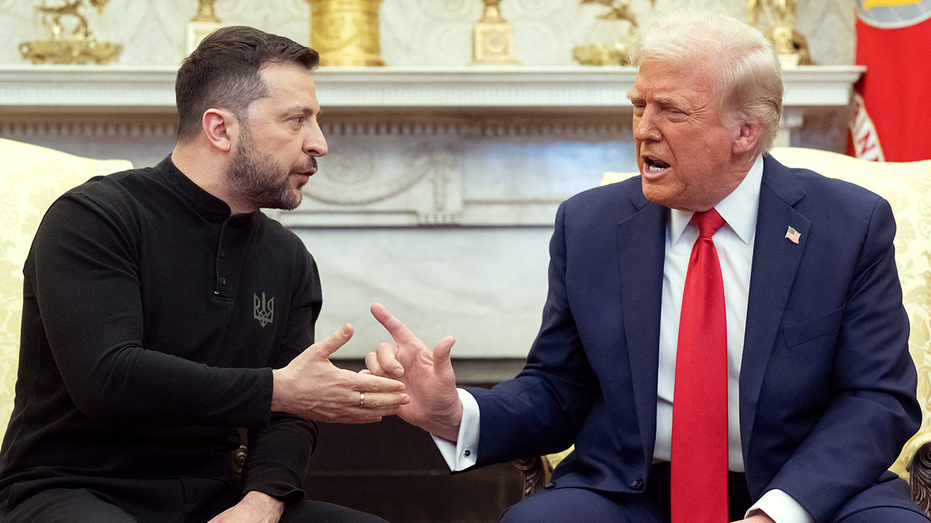
Amid the commemorations, Russia and Ukraine agreed to a three-day ceasefire, announced by US President Donald Trump. This pause in hostilities offers a brief respite but leaves the broader conflict unresolved.
The ceasefire and the muted parade highlight the complex interplay of military strategy, diplomacy, and national symbolism.
Pull Quote: “Putin framed the conflict as a fight against an ‘aggressive force’ backed by NATO, justifying Russia’s actions in Ukraine.”
Looking Ahead
As Russia continues its military campaign, the international community watches closely. The Victory Day events underscore the Kremlin’s efforts to rally domestic support while confronting growing isolation on the world stage.
The muted tone of the celebrations and the diplomatic developments around the ceasefire may signal cautious steps towards de-escalation, but the path to lasting peace remains uncertain.