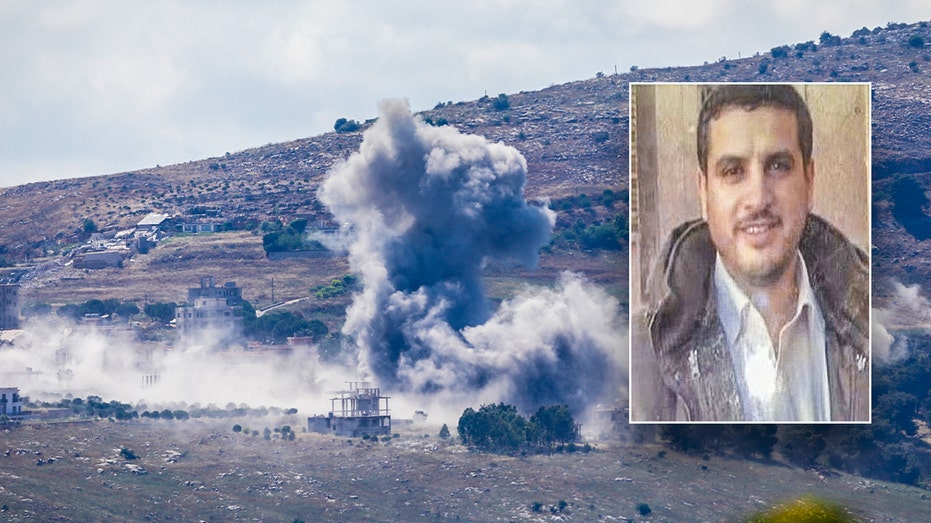
In a dramatic escalation that threatens to reshape the geopolitical landscape of the Middle East, Israel launched a sweeping military assault against Lebanon on 8 April 2026, just hours after US President Donald Trump announced a tentative ceasefire between the United States, Israel, and Iran. The timing of these events underscores the fragile and volatile nature of regional diplomacy, where even diplomatic overtures can be swiftly overshadowed by renewed violence. Israel claimed to have targeted 100 sites within a mere ten minutes, shattering hopes of a pause in hostilities and amplifying the risk of a wider regional confrontation.
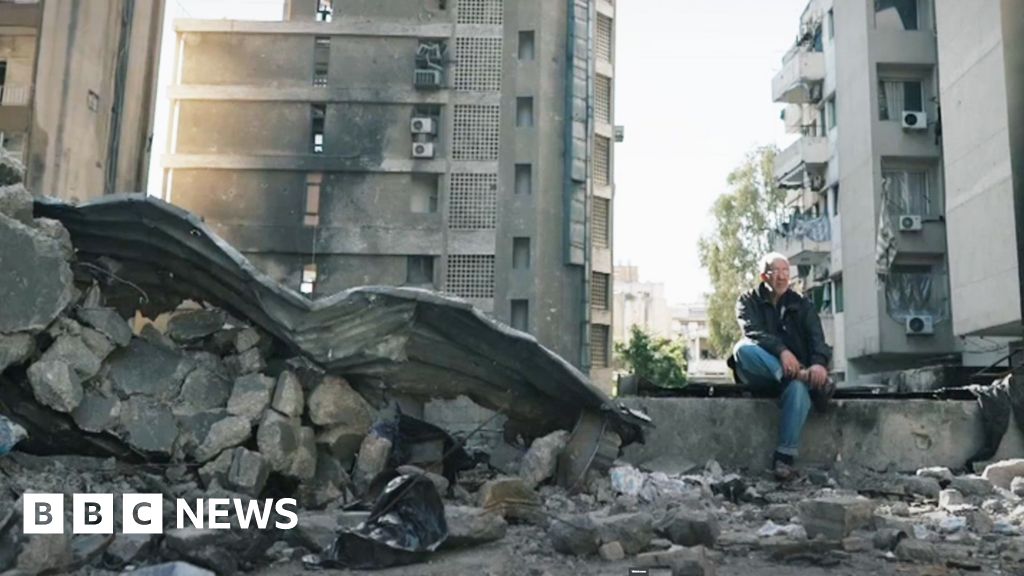
This latest chapter in the ongoing conflict between Israel and Hezbollah, the Lebanese militia armed and financed by Iran, began on 2 March after Hezbollah launched rockets into Israeli territory. Israel responded with an aggressive campaign of aerial bombardments and a ground invasion of southern Lebanon, reigniting a conflict that has already claimed over 2,600 lives in Lebanon, according to the country’s health authorities. As Lebanon’s towns and villages grapple with destruction and displacement—roughly one-fifth of the population forced to flee—the consequences extend far beyond the battlefield, destabilizing an already fragile nation and alarming international observers.
From the perspective of global analysts and historians, the recent violence signals a critical turning point in the regional power struggle. Many experts warn that this renewed conflict could spiral into a much broader war, destabilizing the entire Middle East. The United Nations and regional powers face mounting pressure to intervene, yet the path to de-escalation remains elusive amidst entrenched geopolitical interests. Lebanese society is caught in the crossfire, suffering profound human toll, as families mourn loved ones and communities struggle to recover amid the chaos. This surge of violence is not merely a local tragedy but a stark reminder of how decisions made in distant capitals resonate across borders, fueling instability and endangering global peace.
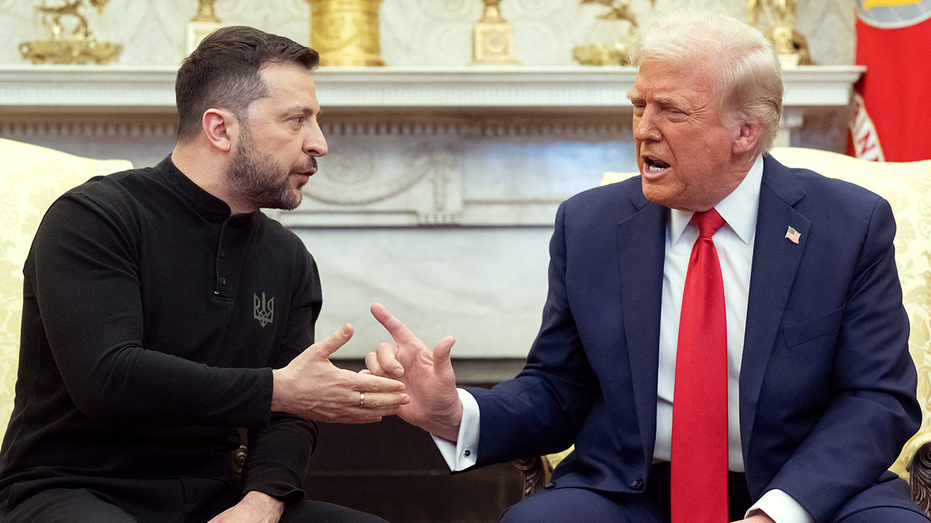
The geopolitical impact of this escalation extends beyond Lebanon and Israel, touching the core of international diplomacy and security alliances. The United States, under President Trump’s administration, appeared to aim for a moment of diplomatic respite, yet the subsequent attack exposes underlying tensions and unresolved conflicts that threaten the fragile balance of power in the region. Analysts argue that the rapid escalation demonstrates how calculated military actions can undermine diplomatic efforts, forcing nations into dangerous standoffs that are difficult to unravel. The international community, including NATO and the European Union, is now faced with the urgent question: how to prevent an all-out regional war?
As the dust settles and the world watches with apprehension, history continues to unfold in real time. The conflict’s ramifications could ripple across Africa, Europe, and beyond, as global powers recalibrate their strategies in a region that remains one of the most volatile on Earth. Ultimately, the decisions made today will echo through history—either as moments of courageous diplomacy or tragic failures to prevent catastrophe. And so, the race against time persists, with the shadows of war lengthening over a world desperately longing for peace, yet teetering on the edge of chaos—the weight of history unmistakably pressing down on the fabric of global stability.