Legislation, which narrowly passed a party-line vote, seeks to curb federal agents’ actions within the state and establishes new avenues for legal redress, sparking debate over state-federal authority.
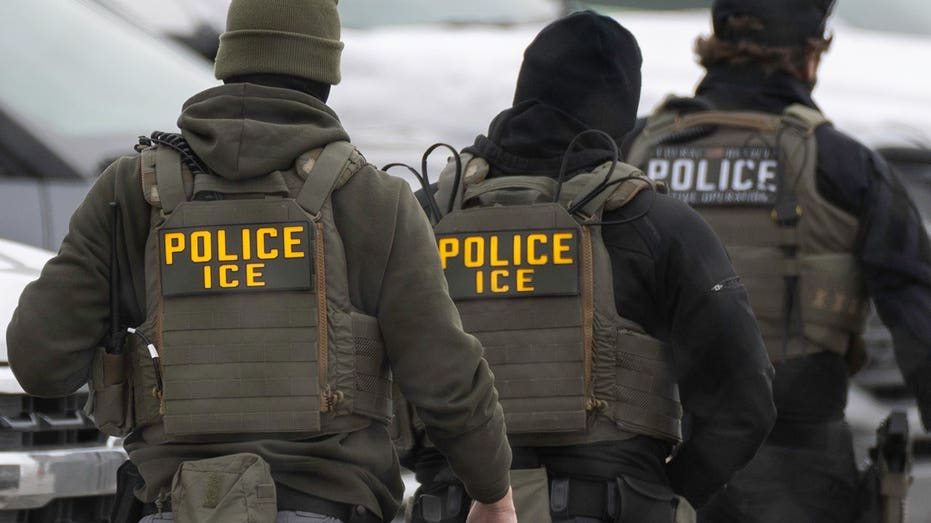
The Minnesota Senate has recently approved a significant bill that aims to impose new limitations on the operations of federal immigration enforcement agents within the state. This controversial legislation, which includes a ban on agents concealing their identities and creates a path for residents to sue over alleged constitutional rights violations, represents a bold move by the state to assert greater control over federal activities on its soil. The passage of these Minnesota federal agent restrictions highlights an escalating tension between state and federal jurisdictions regarding immigration policy.
New Framework for Federal Agent Accountability
The newly passed bill introduces a series of stringent measures designed to increase accountability for federal agents operating in Minnesota. These provisions reflect growing concerns over past enforcement tactics and seek to protect state residents from what some lawmakers deem excessive actions.
- Prohibits federal agents from concealing their identities, with specific exceptions.
- Allows individuals to sue over alleged constitutional rights violations stemming from immigration enforcement.
- Directs schools, daycares, and healthcare facilities to deny access to agents conducting civil immigration enforcement without a signed judicial warrant.
- Bans certain civil immigration arrests of individuals attending court proceedings.
- Grants state officials authority to investigate deaths involving federal agents’ use of force.
A Divisive Legislative Battle
The journey of this legislation through the Minnesota Senate was marked by a narrow 34-33 party-line vote, underscoring the deep divisions within the state’s political landscape on issues of immigration and federal oversight. This close margin suggests a challenging path ahead as the bill now moves to the House, where an evenly split chamber between Democrats and Republicans promises an uphill battle for its final approval. The proposal follows a trend seen in several other Democratic-led states seeking to impose similar restrictions on immigration agents, particularly in the wake of high-profile incidents. Senator Omar Fateh, a co-sponsor, voiced strong criticism, suggesting federal raids in Minnesota displayed ‘a show of force against immigrant communities.’ As reported by The Minnesota Star Tribune, Fateh asserted that agents ‘broke down doors without a warrant, denied people due process, assaulted, arrested, tear-gassed and shot peaceful people,’ in reference to past events.
“They broke down doors without a warrant, denied people due process, and assaulted peaceful people.”
— Senator Omar Fateh, bill co-sponsor
Redefining State-Federal Immigration Enforcement
This legislative initiative fundamentally redefines the operational parameters for federal immigration agencies, such as ICE, within Minnesota. By empowering state officials to investigate incidents involving federal agents and creating new avenues for civil liability, the bill asserts a significant degree of state sovereignty over federal enforcement activities. Proponents argue these measures are crucial for safeguarding the rights of residents and ensuring due process, while critics express concerns about potential conflicts with federal law and the operational effectiveness of national security and immigration enforcement efforts. The implications extend beyond Minnesota, potentially setting a precedent for other states grappling with similar tensions regarding federal immigration policies.
As the bill progresses to the House, its fate remains uncertain. However, its passage in the Senate alone signals a clear intent from Minnesota lawmakers to challenge existing federal immigration enforcement practices and establish a more localized framework for accountability. The ongoing debate underscores fundamental questions about the balance of power between state and federal governments and the future of immigration policy across the nation.