Senate Republicans are increasingly vocal about the need for improved communication and a unified front with their House counterparts. The focus is on securing crucial funding for Immigration and Customs Enforcement (ICE) and Border Patrol, a move that demands unprecedented GOP unity to navigate the complexities of budget reconciliation.
Addressing Inter-Chamber Dysfunction
The relationship between Senate and House Republicans has been described as fragile, marked by recent periods of dysfunction and miscommunication. These internal divisions were particularly evident during the longest government shutdown on record, leading to wasted time and stalled legislative efforts.
Senators are not assigning blame to specific individuals but are collectively acknowledging that a fundamental shift is necessary. Senator Katie Britt (R-Ala.) emphasized the urgent need for a cohesive strategy. Speaking to Fox News Digital, she stated, “We all need to get in a room and figure out what’s our plan.”
Securing Border Operations Through Reconciliation
A primary legislative objective is the funding of ICE and Border Patrol for the next three and a half years. This vital measure aims to bolster the nation’s border security infrastructure and personnel, a core tenet of conservative governance, ensuring order and safety at our national boundaries.
The chosen legislative vehicle for this initiative is budget reconciliation. This process, while streamlining certain fiscal measures, requires near-perfect unanimity within Republican ranks in both chambers, effectively cutting out Democratic participation. The stakes for achieving bipartisan Republican consensus are exceptionally high.
Key aspects of the plan include:
- Funding for Immigration and Customs Enforcement (ICE) operations.
- Allocations for Border Patrol personnel and equipment.
- A three-and-a-half-year financial commitment to stability.
- Reliance on the budget reconciliation process for expedited passage.
- The critical requirement of near-unanimous Republican support to succeed.
“We all need to get in a room and figure out what’s our plan.”
Lessons from Past Legislative Standoffs
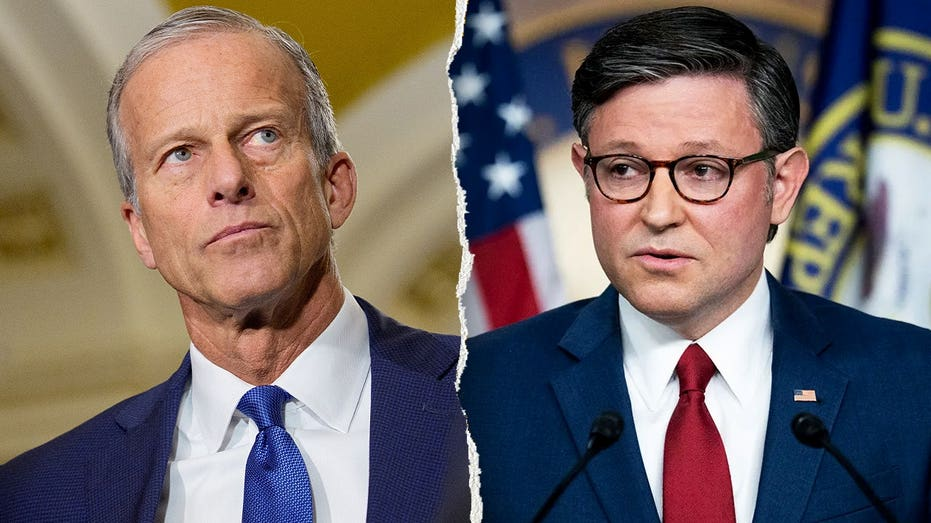
The urgency for GOP unity is underscored by recent history. Divisions between the House and Senate were starkly exposed during the Department of Homeland Security (DHS) shutdown. House Republicans, under Speaker Mike Johnson, notably rejected the Senate’s compromise plan to reopen the agency.
This decision prolonged the shutdown for nearly a month, creating significant friction between the chambers. Such legislative stalemates not only impede effective governance but also foster frustration, particularly when leadership and President Donald Trump are advocating for a united front to advance the conservative agenda.
As Republicans prepare for this critical legislative push, the call for cohesive action resonates across Capitol Hill. The ability to unite behind key priorities, particularly border security, will serve as a definitive test of the party’s capacity to govern effectively and deliver on its promises to the American people. The path forward demands not just negotiation, but a genuine commitment to inter-chamber collaboration for the sake of national interests and the preservation of order.