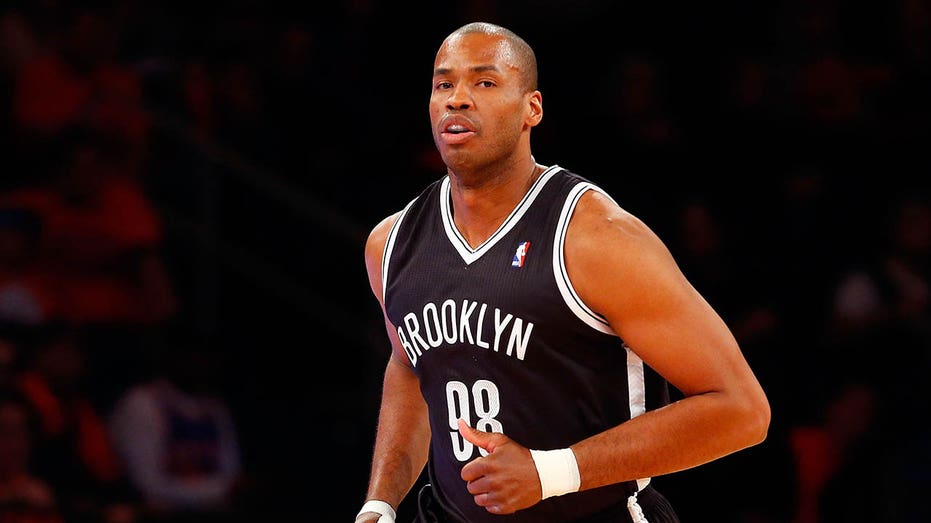
The basketball community is mourning the loss of Jason Collins, a respected NBA veteran and pioneering figure, who passed away on Tuesday at the age of 47. Collins succumbed to Stage 4 glioblastoma, an aggressive form of brain cancer he had been battling since last August. His passing marks a somber moment for a league still grappling with recent losses, reminding many of his profound impact both on and off the court.
A Career Defined by Resilience and Purpose
Collins forged a 13-year career in the NBA as a diligent role-playing center, known for his defensive tenacity and physical presence. Standing 7-feet tall, the Stanford alumnus averaged 3.6 points and 3.7 rebounds, contributing significantly to teams like the New Jersey Nets during their back-to-back NBA Finals appearances in 2002 and 2003.
His professional journey took a historic turn in 2013 when he publicly came out in a compelling first-person essay. Published by Sports Illustrated, his announcement made him the first active athlete in any major American professional sports league to openly identify as gay. This courageous step garnered national attention, sparking vital conversations about identity and acceptance within the traditionally conservative world of professional athletics.
Beyond the Court: An Enduring Legacy
Jason Collins’ decision to live authentically had ripple effects far beyond the basketball hardwood. His brave declaration opened doors and fostered a more welcoming environment for future generations of athletes. The NBA, a leading institution in sports, responded with unequivocal support, underscoring its commitment to diversity and inclusion.
NBA Commissioner Adam Silver released a statement acknowledging Collins’ immense contributions:
“Jason Collins’ impact and influence extended far beyond basketball as he helped make the NBA, WNBA and larger sports community more inclusive and welcoming for future generations. He exemplified outstanding leadership and professionalism throughout his 13-year NBA career and in his dedicated work as an NBA Cares Ambassador.”
Collins served as a powerful ambassador, demonstrating that one’s personal identity does not diminish professional capability or leadership. His legacy will be remembered for:
- Breaking Barriers: Paving the way for LGBTQ+ athletes in professional sports.
- Promoting Inclusivity: Contributing to a more open and accepting sports culture.
- Exemplifying Professionalism: Maintaining a high standard of conduct throughout his career and advocacy.
- Inspirational Leadership: Showing courage and integrity under intense public scrutiny.
A Tragic Period for the NBA Community
Collins’ passing comes at a particularly sorrowful time for the NBA, which is also mourning the recent death of Memphis Grizzlies forward Brandon Clarke, who was just 29. These consecutive losses cast a pall over the league, highlighting the fragility of life even among its most formidable athletes. The collective grief underscores the strong sense of community that binds players, staff, and fans.
Jason Collins will be remembered not only for his contributions as a basketball player but, more significantly, for his profound humanity and courage. His willingness to stand as a visible pioneer in a global arena created a lasting pathway for others, cementing his place as an unforgettable figure in sports history. The impact of his life will continue to resonate for years to come.