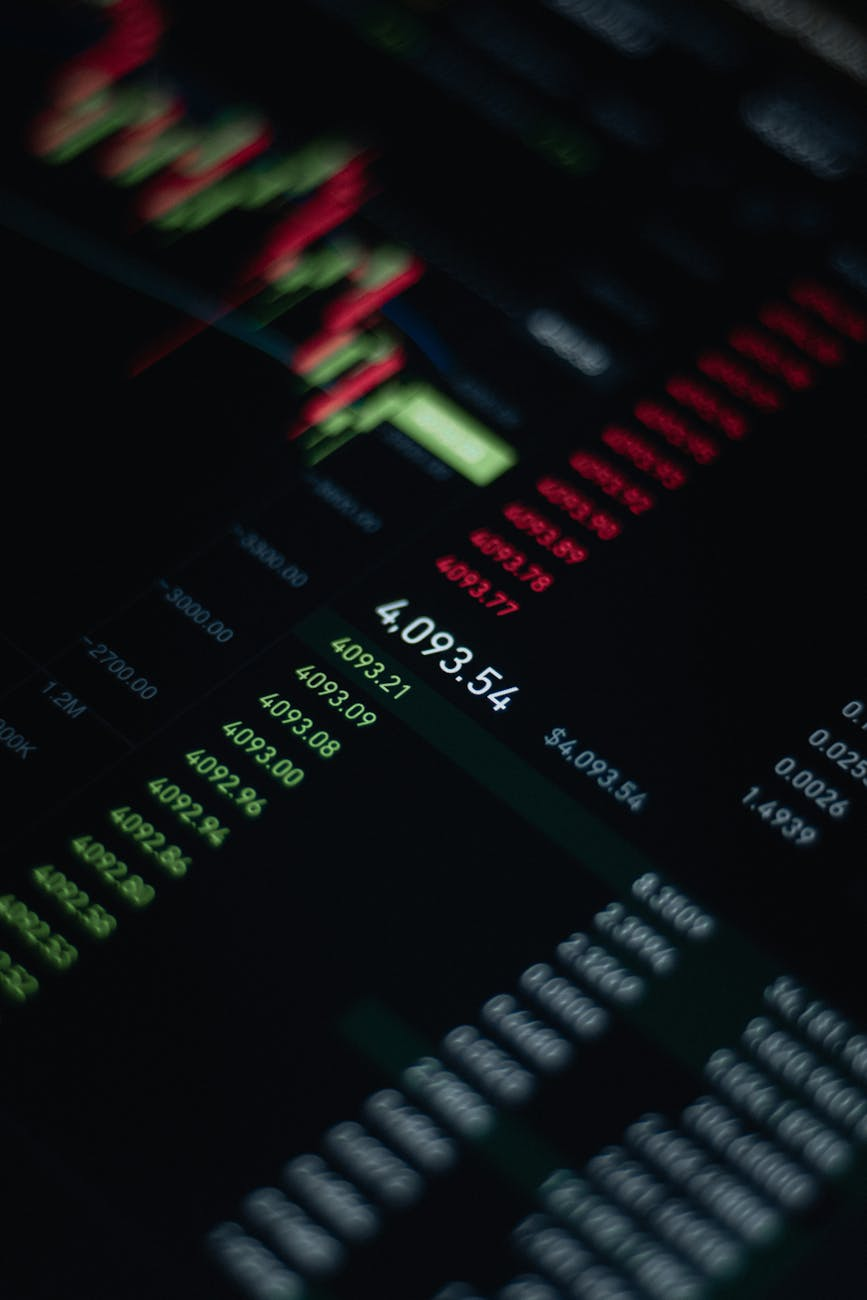
The American stock market rally has continued its impressive run, with the S&P 500 posting a significant weekly winning streak. This sustained upward trajectory comes despite a backdrop of accelerating inflation and the growing expectation of consequential interest rate increases from the Federal Reserve. Investors and economists alike are now grappling with the fundamental question: can this market strength endure against such formidable economic pressures?
The current market performance presents a fascinating paradox. On one hand, robust corporate earnings have provided a solid foundation for investor optimism, signaling underlying business health and adaptability within the free market system. Companies have largely managed to navigate supply chain disruptions and rising input costs, translating into favorable quarterly results that fuel stock valuations.
The Resilience of Corporate America
The S&P 500’s remarkable winning streak is largely attributable to the strong performance of major corporations. These firms have demonstrated an ability to generate profits even in a challenging economic environment. This resilience underscores the innovative spirit and dynamism inherent in a competitive capitalist system. Investors have responded positively, channeling capital into companies that show clear paths to profitability and growth.
Key drivers behind recent market gains include:
- Strong Earnings Reports: Many companies have exceeded analyst expectations, showcasing effective cost management and robust consumer demand in certain sectors.
- Technological Advancements: Innovation continues to drive efficiency and create new market opportunities, benefiting leading tech firms.
- Investor Confidence: Despite broader economic concerns, a segment of the market remains confident in the long-term prospects of American enterprise.
However, this bullish sentiment operates under the shadow of persistent economic challenges, particularly the ongoing battle against inflation.
Inflationary Pressures Intensify
Accelerating inflation remains a primary concern for households and businesses across the nation. The rising cost of goods and services erodes purchasing power and introduces significant uncertainty into financial planning. This inflationary environment, highlighted in recent financial reporting, including analysis published by The New York Times, puts pressure on the Federal Reserve to act decisively.
“The market’s current strength is a testament to corporate resilience, but the shadow of inflation and impending rate hikes looms large over future stability.”
For conservative policy makers, controlling inflation is paramount to maintaining economic order and protecting the financial well-being of families. Unchecked price increases can destabilize markets and undermine confidence in the currency, directly impacting household budgets and long-term savings.
Monetary Policy at a Crossroads
The Federal Reserve faces a delicate balancing act. While a strong labor market and robust corporate activity are positive indicators, the sustained inflationary trend necessitates a firm response. Analysts widely anticipate that the Fed will continue its path toward higher interest rates to cool the economy and bring inflation back to target levels. Such measures, while potentially impacting market liquidity in the short term, are viewed by many as essential for long-term economic stability and responsible stewardship.
The prospect of increased borrowing costs will inevitably test the market’s current momentum. Businesses may face higher financing expenses, and consumers could see impacts on mortgages and other loans. The careful calibration of monetary policy will be crucial to avoid stifling economic growth while effectively combating price instability.
As the market continues to weigh strong corporate fundamentals against the persistent threat of inflation and the certainty of tighter monetary policy, the coming months will be a critical test. The ability of institutions to manage these complex dynamics will determine whether the current stock market vigor can translate into sustained, balanced economic prosperity for all Americans.