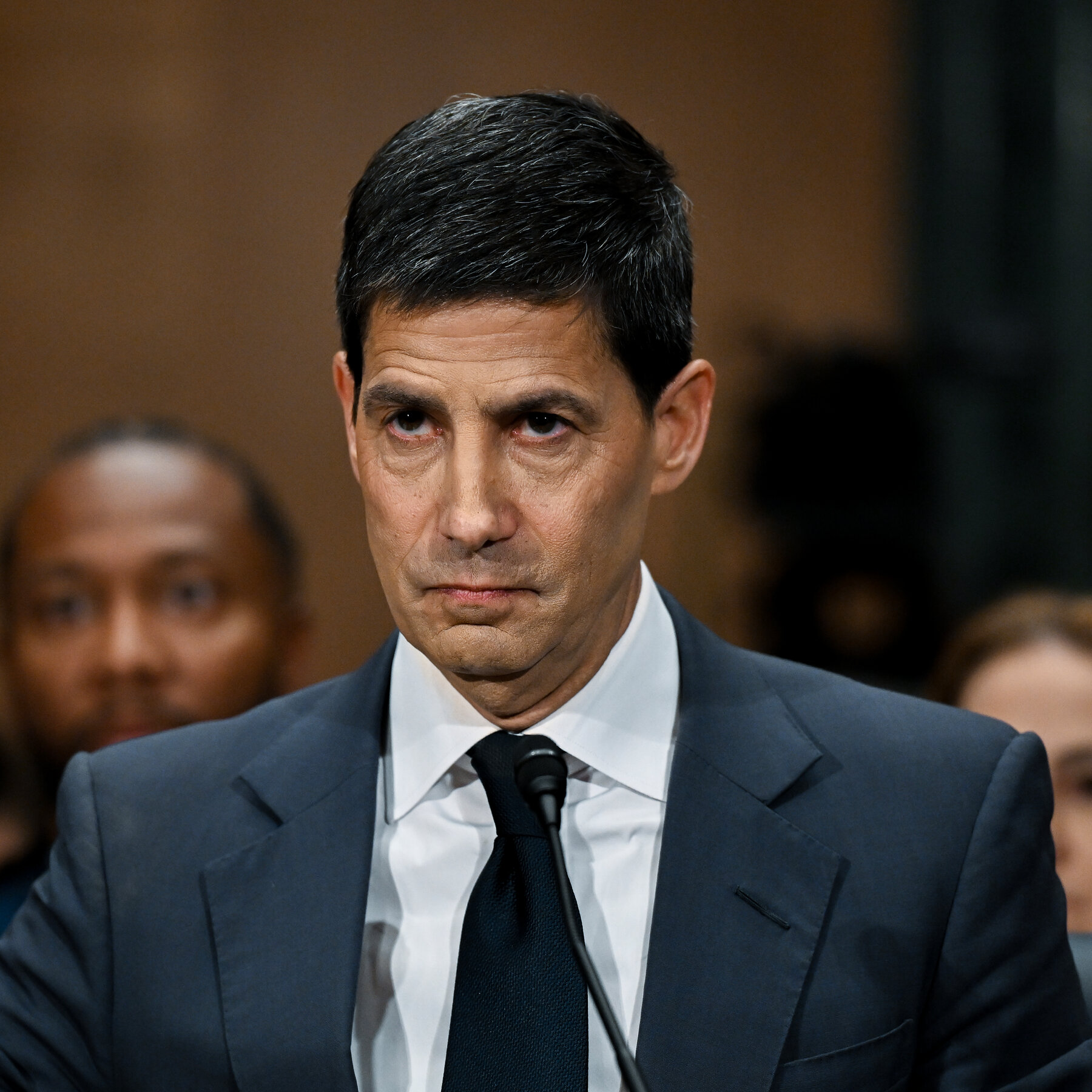
Washington D.C. — The economic landscape is abuzz with speculation surrounding President Trump’s potential nomination of Kevin Warsh to lead the Federal Reserve, a pivotal appointment with profound implications for the nation’s financial future. Should he be confirmed, Warsh would inherit a complex environment marked by persistent inflationary pressures, a challenge that a recent analysis, including insights published by the New York Times, indicates could compel a more stringent monetary policy. His appointment would signal a strong commitment to combating rising costs, potentially keeping interest rates higher for longer to safeguard the purchasing power of the dollar and the stability of the nation’s economic foundations. This approach aligns with a conservative philosophy emphasizing fiscal discipline and sound monetary management.
The Enduring Inflationary Horizon
The specter of inflation continues to loom large over American households and businesses, eroding savings and increasing the cost of living. Factors ranging from global supply chain disruptions and geopolitical tensions to robust domestic demand and expansionary fiscal policies have contributed to an economic climate where the purchasing power of the dollar is under constant threat. A primary, indeed sacred, mandate of the Federal Reserve is to maintain price stability, a task that has proven increasingly difficult in recent years. This persistent inflationary backdrop would define the immediate agenda for any new Fed chair, demanding decisive and credible action to restore balance and predictability to the economy.
A Principled Approach to Monetary Policy Under Warsh
Kevin Warsh, known for his past tenure as a Fed governor during a period of significant economic turmoil and his consistently articulated conservative economic leanings, is widely perceived as a staunch advocate for disciplined monetary policy. His approach is expected to prioritize the long-term health of the economy over short-term political expediency or stimulus. This perspective suggests a readiness to deploy higher interest rates as a crucial, albeit sometimes unpopular, tool to cool an overheating economy and firmly anchor inflationary expectations. Such a strategy aligns squarely with center-right economic principles emphasizing sound money, fiscal prudence, and the prevention of asset bubbles, aiming to protect the erosion of savings, investment capital, and the foundational trust in the currency.
A Warsh-led Federal Reserve would likely prioritize the long-term health of the economy, indicating a firm stance against inflation through disciplined monetary policy.
Broad Impacts on Households, Businesses, and Markets
The prospect of sustained higher interest rates under a Warsh-led Fed carries significant and varied implications across all sectors of the economy. For American households, borrowing costs for everything from mortgages and auto loans to credit cards and student debt would likely remain elevated. This directly impacts household budgets, potentially delaying major purchasing decisions and reining in consumer spending. Businesses, particularly smaller enterprises and startups heavily reliant on accessible and affordable credit, could face increased financing expenses, which might temper investment in expansion, innovation, and job creation.
- Consumer Spending: Higher rates typically temper aggregate demand, which is essential for cooling inflationary pressures but can also lead to a deceleration in overall economic growth.
- Investment Climate: While higher rates can attract foreign capital seeking better returns, they simultaneously make domestic investments more expensive, posing challenges to corporate profitability and capital allocation decisions.
- Financial Markets: Markets would undoubtedly adjust to a more hawkish Federal Reserve, potentially experiencing volatility as investors recalibrate their expectations for corporate earnings, bond yields, and overall market valuations.
A disciplined, forward-looking approach, however, is seen by proponents as a necessary step to prevent even greater economic instability down the line, ensuring a more predictable and robust environment for sustainable, long-term growth and prosperity.
As the nation awaits President Trump’s formal announcement regarding the Federal Reserve chairmanship, the potential appointment of Kevin Warsh signals a pivotal and potentially transformative moment for U.S. monetary policy. His leadership would likely be characterized by a steadfast, principled commitment to combating inflation and restoring price stability, even if it means navigating a period of higher interest rates. The overarching focus would be on restoring economic equilibrium and fostering an environment where hard-earned capital retains its value, ultimately benefiting all Americans through greater stability, predictable growth, and renewed confidence in the future. The choices made at the helm of the Fed in the coming years will profoundly shape the economic trajectory for the next generation, underscoring the critical importance of strong, independent, and disciplined leadership.