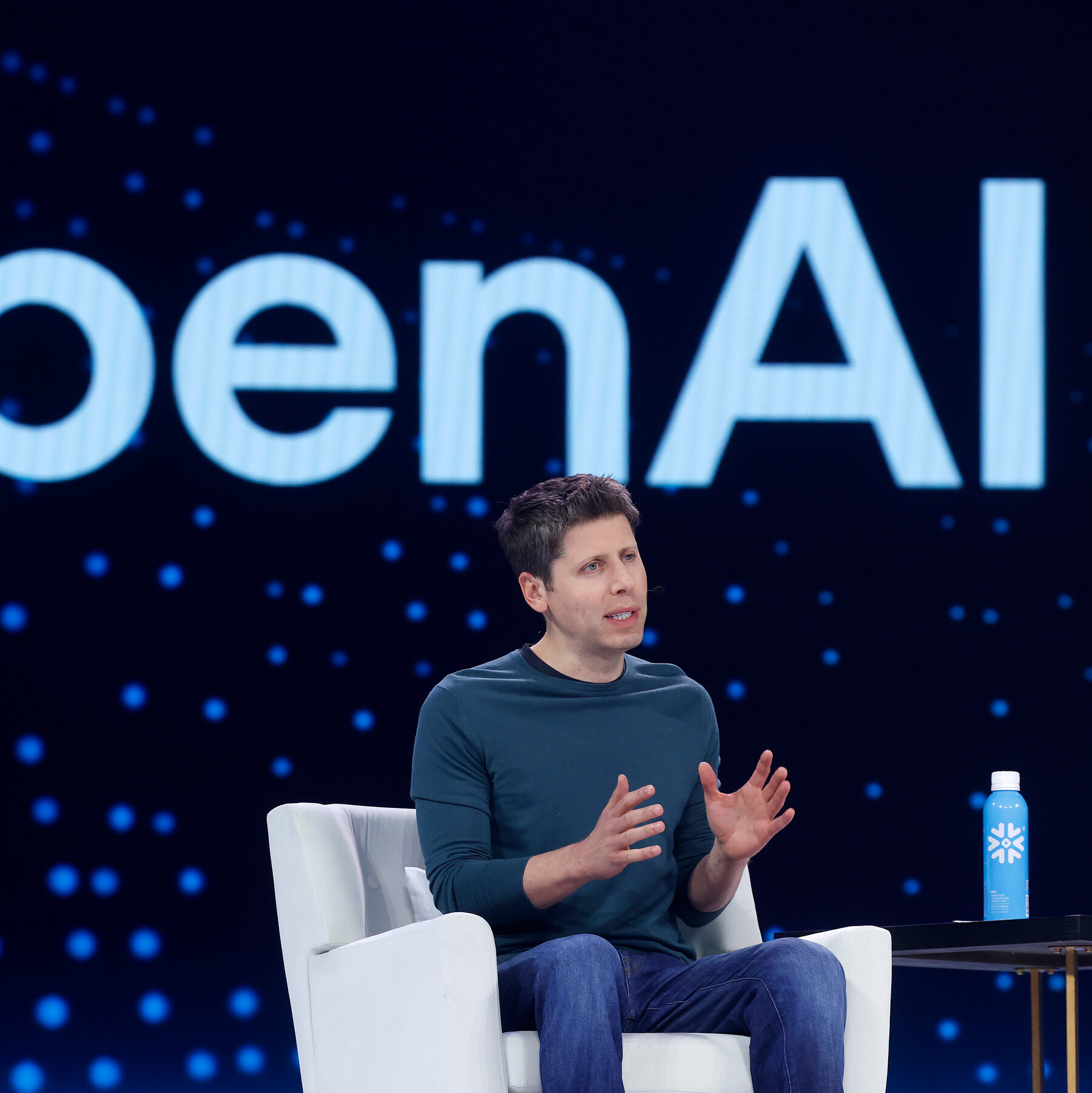
In a significant development within the rapidly evolving artificial intelligence landscape, OpenAI has announced its acquisition of Weights.gg. This company, described as a social network for artificial intelligence algorithms, was particularly noted for its sophisticated AI voice cloning capabilities. The move instantly elevates the ongoing debate surrounding the ethical deployment and potential societal impact of generative AI, especially concerning synthetic voices and digital identity.
The acquisition, which was recently reported, underscores the accelerating pace of AI innovation. While such advancements promise revolutionary applications across various sectors, the specific nature of Weights.gg’s offerings immediately raises questions about the integrity of information, the potential for misuse, and the urgent need for robust safeguards.
The Rise of Synthetic Voices and Digital Identity
Voice cloning technology, at its core, enables the creation of highly realistic synthetic speech from minimal audio samples. Weights.gg reportedly facilitated the development and sharing of these sophisticated algorithms, making it a hub for those exploring the frontiers of digital audio manipulation. The potential applications are vast, ranging from enhancing accessibility for individuals with speech impediments to creating personalized digital assistants and revolutionizing content creation in entertainment and media.
However, the very power of this technology also presents significant challenges. The ability to perfectly replicate a person’s voice, even with limited input, blurs the lines between authentic and artificial, creating new dilemmas for digital verification and public trust. As this technology becomes more accessible, the imperative to distinguish genuine communication from fabricated content grows ever more critical.
Navigating the Ethical Minefield of AI Voice Cloning
The integration of advanced voice cloning into a leading AI developer’s portfolio naturally intensifies scrutiny over ethical considerations. Critics and policymakers alike express concern about the potential for malicious use. High-profile deepfake incidents, where individuals’ voices and likenesses have been digitally manipulated to spread misinformation or commit fraud, serve as stark warnings.
For a society built on trust and verifiable information, the widespread availability of such tools poses a direct threat to order and institutional integrity. There are legitimate fears that malevolent actors could exploit AI voice cloning for scams, identity theft, or to sow discord and confusion, undermining public discourse and confidence in digital interactions. Safeguarding against these abuses is not merely a technical challenge but a societal responsibility.
“The acquisition of advanced voice cloning technology by a major AI developer underscores the urgent need for robust ethical guidelines and proactive regulatory measures to safeguard public trust and prevent misuse.”
OpenAI’s Ambitions and the Path Forward
OpenAI, known for its groundbreaking work with large language models, has often articulated a commitment to developing AI responsibly. This acquisition suggests a strategic move to integrate cutting-edge audio generation capabilities into its ecosystem. While the company undoubtedly sees immense potential for beneficial applications, it also inherits the significant ethical burdens associated with such powerful tools.
The challenge for OpenAI will be to demonstrate a clear and actionable strategy for mitigating the risks inherent in voice cloning. This includes not only technical safeguards but also transparent policies regarding consent, attribution, and the prevention of misuse. Public confidence will hinge on the company’s ability to balance innovation with an unwavering dedication to ethical deployment.
The Imperative for Responsible Innovation and Oversight
The rapid advancement in synthetic media technologies like AI voice cloning necessitates a proactive approach from both the private sector and governmental institutions. As reported by The New York Times, this acquisition highlights the speed at which the technological frontier is expanding, often outpacing the development of adequate ethical frameworks and legal protections.
Policymakers must work collaboratively with tech innovators to establish clear guidelines, foster transparency, and ensure accountability. This includes exploring mechanisms for digital watermarking, authentication, and robust reporting systems for synthetic content. Upholding order and protecting individuals from digital manipulation requires a concerted, multi-stakeholder effort, ensuring that technological progress serves humanity’s best interests without compromising societal integrity.