The recent commencement ceremony at the University of Central Florida offered a striking illustration of the public’s complex relationship with Artificial Intelligence (AI). Graduates reportedly met a speaker’s declaration that AI is the “next industrial revolution” with loud boos, a vivid demonstration of the mixed sentiment and skepticism surrounding AI’s rapidly expanding presence. This incident, captured by Fox News Digital reporting, underscores a broader societal dialogue now unfolding across economic, security, and international policy fronts as AI reshapes our world.
Public Reaction to AI: A Divided View
The scene at the University of Central Florida (UCF) is more than just a viral moment; it reflects a significant cultural tension. While proponents herald AI as a driver of unprecedented progress, a substantial segment of the public, particularly among younger generations, harbors reservations. These concerns often center on job displacement, ethical dilemmas, and the opaque nature of advanced algorithms. The audible disapproval from a graduating class suggests a desire for greater understanding, transparency, and perhaps, a more cautious approach to integrating AI into daily life and future careers. This palpable skepticism serves as a critical counterpoint to the unbridled optimism often found within tech circles, urging a balanced perspective on innovation’s true costs and benefits.
Strengthening Institutions: AI in National Security
Beyond public sentiment, the imperative for institutions to adapt to the AI age is becoming increasingly clear. National security agencies, in particular, face the daunting task of harnessing AI’s capabilities while mitigating its potential threats. As FBI Director Kash Patel noted in a Fox News op-ed, modernizing national security strategies means evolving beyond outdated methods to address contemporary challenges. Integrating AI responsibly into intelligence gathering, threat analysis, and defense mechanisms is crucial for maintaining order and protecting national interests. This adaptation requires substantial investment in technology, training, and robust ethical frameworks to ensure AI serves as a tool for security, not a vulnerability.
Artificial intelligence represents the next industrial revolution.
Navigating Global AI Governance
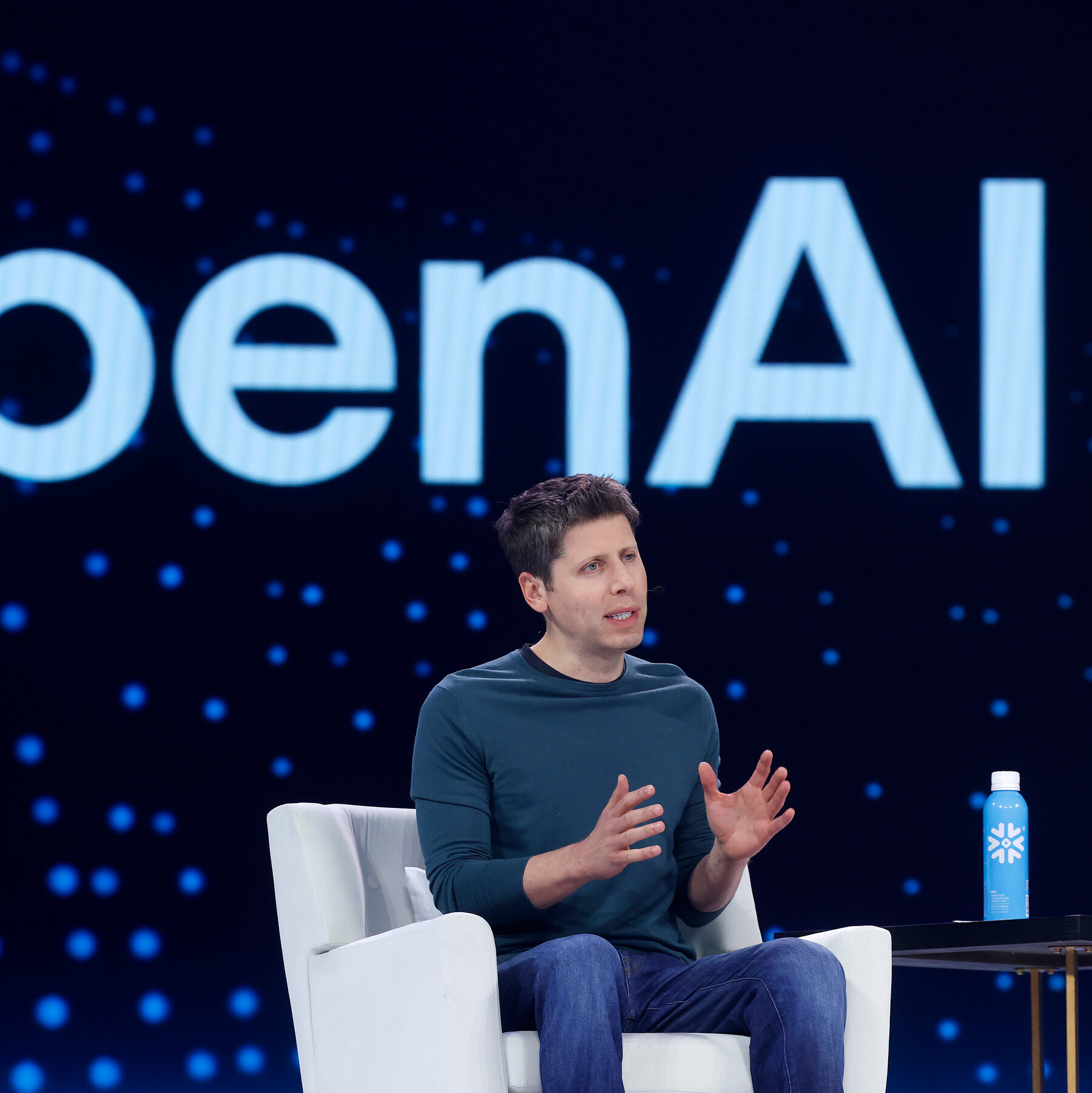
The geopolitical implications of AI are equally profound, prompting calls for international cooperation. OpenAI, a leading developer in the field, has notably expressed support for establishing a global AI governance organization. This proposed body would be led by the United States but would critically include China as a member, signaling a recognition of the need for broad international consensus. Such a framework aims to set global standards for AI development and deployment, preventing a chaotic arms race and fostering responsible innovation. The inclusion of major global powers like China highlights the complex diplomatic challenges inherent in regulating a technology with universal reach and transformative potential, requiring careful negotiation and a commitment to shared principles.
Economic Shifts: AI’s Impact on Markets
The economic ripple effects of AI are already evident, particularly in tech hubs. The explosive growth of platforms like ChatGPT and the broader AI industry has generated a substantial wave of new wealth. This influx of capital is dramatically reshaping local economies, notably fueling a surge in the San Francisco Bay Area’s luxury real estate market. Such rapid economic shifts, while indicative of innovation and prosperity, also raise questions about market stability, equitable distribution of wealth, and the potential for increased societal stratification. For a free-market economy, understanding and managing these dynamics is crucial to ensure broad-based benefits and mitigate adverse consequences.
The rapid evolution of artificial intelligence presents a multifaceted challenge, demanding careful consideration from policymakers, industry leaders, and citizens alike. From navigating public concerns and fortifying national security to forging international agreements and managing economic transformations, the path forward requires discernment and a commitment to responsible progress. The ongoing dialogue surrounding AI’s future will undoubtedly shape not only technological advancements but also the very fabric of our society.