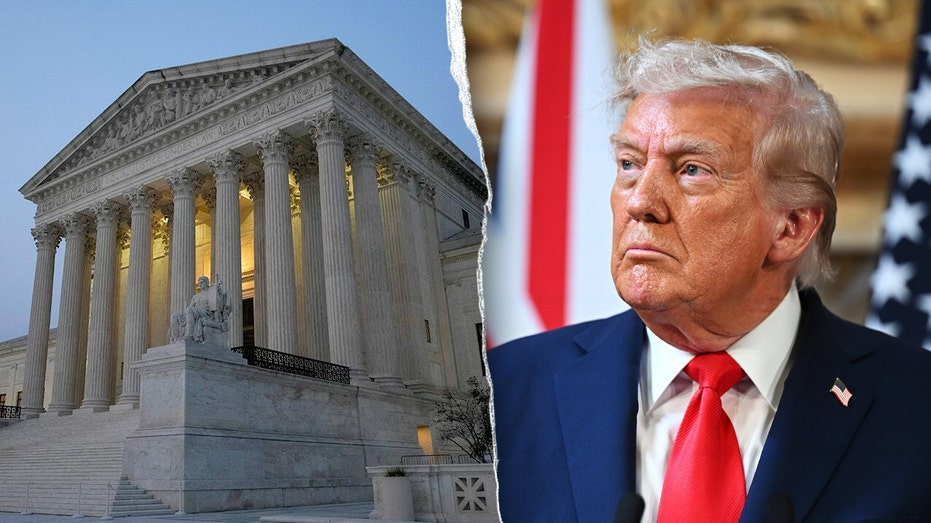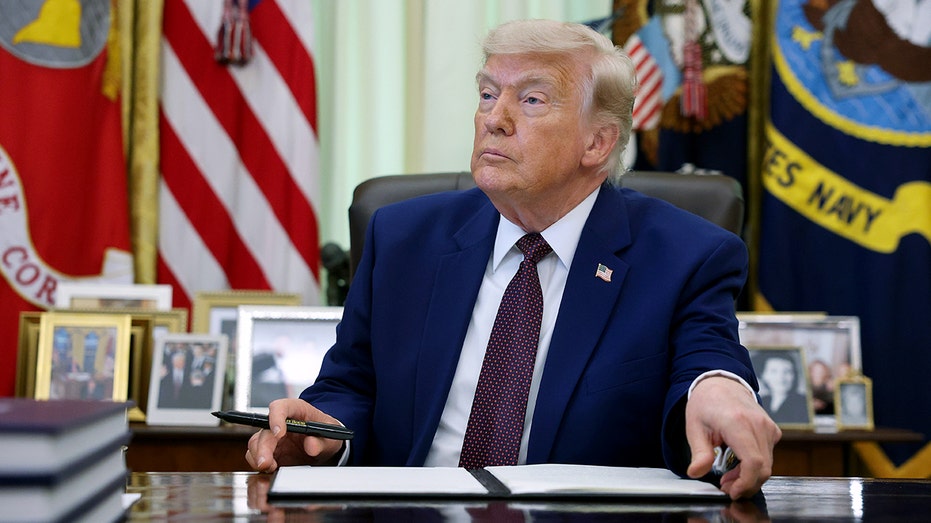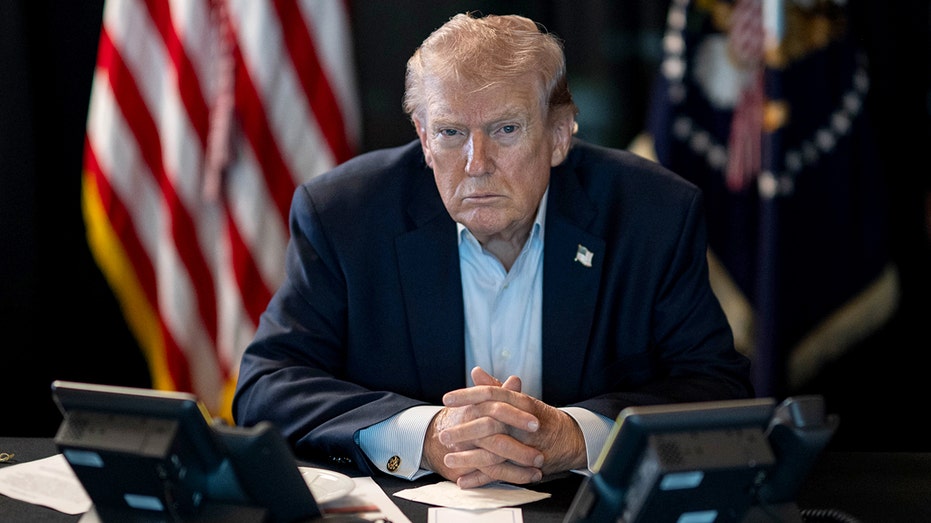
President Donald Trump has issued a stark warning to the Supreme Court, cautioning against a potential ruling that could uphold automatic birthright citizenship for some children born in the United States. Speaking publicly on Thursday, the President articulated his profound disagreement with how the Court might interpret the 14th Amendment in an upcoming pivotal case, suggesting such a decision would be a ‘disaster’ for the nation.
This high-stakes constitutional showdown centers on an executive order signed by President Trump in January 2025, aimed at limiting automatic citizenship for certain individuals born within U.S. borders. The administration’s stance challenges a long-held interpretation of the 14th Amendment’s citizenship clause, arguing that its original intent was not to facilitate what critics term ‘birth tourism.’
The Constitutional Battle Over Birthright Citizenship
At the heart of the legal dispute is the interpretation of the 14th Amendment, ratified in 1868, which states that ‘All persons born or naturalized in the United States, and subject to the jurisdiction thereof, are citizens of the United States and of the State wherein they reside.’ President Trump and his administration contend that this clause was primarily intended to grant citizenship to formerly enslaved people and their descendants, not to children of non-citizens residing temporarily or illegally in the country.
President Trump underscored the significant implications of the Court’s decision, stating, “It would be a disgrace if the Supreme Court of the United States allows that to happen.” He further predicted a substantial increase in immigration through this pathway, claiming, “20 to 25% of the people coming into our country will come in through birthright citizenship… and it will cost us numbers that are, I don’t even think they’re doable.” This perspective highlights the administration’s focus on national sovereignty and the controlled management of immigration flows.
A President’s Unprecedented Visit to the Court
The President’s recent comments follow his unprecedented attendance at oral arguments for the case in April, marking the first known instance of a sitting president observing such proceedings. During these arguments, several justices raised probing questions that reflected the complexity and potential ramifications of the case.
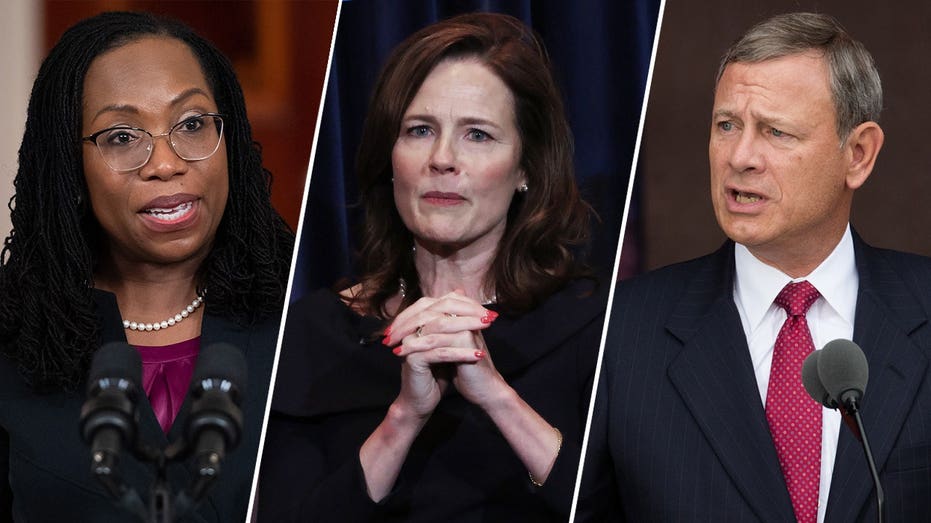
- Chief Justice John Roberts questioned the scope of the President’s executive authority regarding the 14th Amendment.
- Justice Amy Coney Barrett reportedly warned of the “chaos” that could ensue from requiring investigations into citizenship status.
- Justice Ketanji Brown Jackson inquired about the practicalities of enforcement, asking, “Are we bringing pregnant women in for depositions?”
These questions underscore the significant legal and logistical challenges presented by the executive order, even as the administration maintains its constitutional authority to act on border and immigration policy.
Broader Discontent with Judicial Rulings
Beyond this specific case, President Trump voiced broader dissatisfaction with recent Supreme Court decisions. He predicted an unfavorable outcome in the birthright citizenship case, remarking, “They’ll probably rule against me because they seem to like doing that.” He cited a recent tariff decision, which he claimed would cost the U.S. $149 billion, as another example of rulings he finds unhelpful to national interests. This sentiment reflects a growing tension between the executive branch and the judiciary on matters of significant policy impact.
The President’s outspoken criticism serves as a clear signal of the administration’s priorities and its firm stance on constitutional interpretation related to immigration. The impending Supreme Court decision on birthright citizenship is poised to be one of the most consequential rulings of the term, with far-reaching implications for American law, society, and the nation’s borders, as reported by Fox News Digital.
As the nation awaits the Court’s judgment, the debate over the 14th Amendment’s application continues to underscore fundamental questions about national identity, immigration policy, and the balance of power within American institutions. The outcome will undoubtedly shape the future of citizenship and the rule of law for generations.