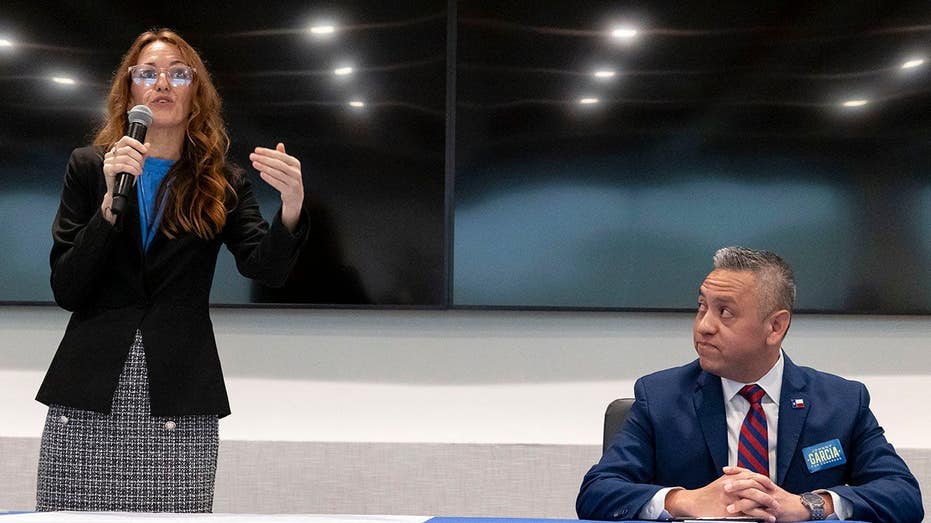
A Texas congressional candidate has found herself embroiled in significant controversy, prompting a swift and strong condemnation from within her own party. Maureen Galindo, a Democratic hopeful for a House seat in the newly redrawn 35th Congressional District, recently attempted to clarify inflammatory remarks concerning “American Zionists” after facing widespread backlash. Her original statements, which included a pledge to repurpose an immigration detention center, ignited a firestorm of criticism over their perceived extremism.
The Origin of the Controversy
Galindo’s troubles began with an Instagram post earlier this month, where she declared her intention to transform the Karnes ICE Detention Center. Her plan was to convert it “into a prison for American Zionists and former ICE officers for human trafficking.” This statement quickly drew national attention and sparked outrage, particularly given the historical sensitivities surrounding such terminology.
The candidate’s remarks were made in the context of criticizing wealthy supporters of Israel, linking them to “genocidal prison systems” and “trafficking.” Such direct and divisive language immediately raised alarms among political observers and her own party’s leadership, who viewed the comments as highly inflammatory and potentially harmful.
Galindo’s Attempted Clarification
Following the initial uproar and what she described as hundreds of “death threats” and other “vile” messages, Galindo released a video on Facebook to explain her position. She vehemently denied ever advocating for “internment camps” for Jewish people, stressing a crucial distinction.
“I never said I want Jews in internment camps,” Galindo stated, as reported by News Desk. She elaborated, “I said I want to close all ICE detention centers and put billionaire American Zionists who are funding the genocidal prison systems involved in trafficking into prison.” She posed a rhetorical question: “If they committed a crime, do they not belong in prison?”
Her clarification aimed to distinguish between a general call for internment and the specific imprisonment of individuals she believes have committed crimes related to funding certain systems. She further emphasized her opposition to all internment camps, advocating for their immediate closure. Key points from her clarification include:
- Denial of calling for “internment camps” for Jews.
- Advocacy for closing all ICE detention centers.
- Proposal to imprison “billionaire American Zionists” involved in funding alleged “genocidal prison systems” or “trafficking.”
- Stance against all forms of internment camps.
“I never said I want Jews in internment camps… I said I want to close all ICE detention centers and put billionaire American Zionists who are funding the genocidal prison systems involved in trafficking into prison.”
Democratic Party Rebukes
The response from within the Democratic Party has been unequivocal. The Democratic Congressional Campaign Committee (DCCC), the party’s primary arm for House races, has reportedly coordinated statements against Galindo, signaling a clear rejection of her rhetoric. This aggressive move is widely seen as an effort to bolster her primary runoff opponent, Johnny Garcia, a former hostage negotiator and public information officer for the Bexar County Sheriff’s Office.
Such direct intervention by a national party committee against one of its own primary candidates is uncommon and underscores the severity with which Galindo’s statements are being perceived. Party leaders have condemned Galindo’s statements as “vile” and unacceptable, emphasizing the party’s official stance against such divisive language that can be misconstrued as antisemitic or extremist. The controversy highlights the internal challenges parties face when candidates deviate significantly from established platforms and norms, especially on issues touching upon national security and international relations.
The unfolding situation casts a shadow over Galindo’s campaign, raising questions about the viability of her candidacy and the broader implications for political discourse. As the primary runoff approaches, the clarity and consistency of candidates’ messages remain paramount, particularly when addressing sensitive and complex issues. This incident serves as a stark reminder of the scrutiny public figures face and the importance of precise communication in the political arena.