Washington D.C. – A newly unveiled $1.776 billion federal compensation fund by the Justice Department has sparked significant alarm on Capitol Hill, with congressional Republicans questioning its legitimacy and the unprecedented manner of its creation. The substantial allocation, intended to compensate individuals for alleged ‘government weaponization,’ was announced without direct legislative input, igniting a contentious debate over executive authority and fiscal transparency.
Origins of the Controversial Fund
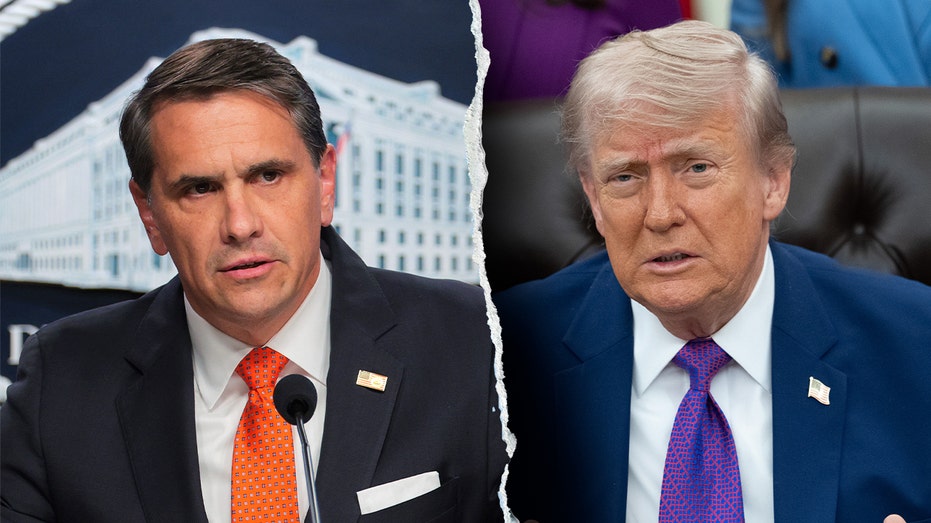
The genesis of this substantial fund traces back to a lawsuit filed by former President Donald Trump against the Internal Revenue Service for the alleged leaking of his tax returns, alongside those of several hundred other Americans. In an unusual development, the Justice Department, under Acting Attorney General Todd Blanche, announced a settlement in the case. This agreement, while granting plaintiffs a formal apology, notably stipulated the creation of the $1.776 billion fund in lieu of direct monetary payments to the original litigants. The figure itself, 1776, carries clear historical symbolism, yet its financial implications for the federal budget are far from symbolic. The department’s statement indicated that the plaintiffs agreed to drop their pending lawsuit and withdraw other administrative claims, including those related to the Mar-a-Lago raid and the Russia-collusion investigation, in exchange for the fund’s establishment.
Congressional Scrutiny and Fiscal Concerns
Lawmakers were quick to express their dismay, particularly given the fund’s establishment outside the traditional congressional appropriations process. Many Republicans view this as a dangerous precedent, bypassing the legislative branch’s constitutional role in controlling federal spending. Senator John Kennedy (R-La.) voiced a common sentiment, stating, ‘I realize it’s a lot of money. I want to understand where the money comes from.’ The lack of clarity regarding the fund’s source and beneficiaries has fueled accusations of a potential ‘slush fund’ for political allies and donors, raising questions about whether individuals other than the original plaintiffs could benefit.
Concerns are further compounded by the fund’s potential impact on other critical federal programs. The controversy reportedly led to Senate Republicans pulling their proposed funding bill for ICE and Border Patrol, fearing that the unapproved compensation fund could divert resources from essential national security and immigration enforcement operations. This development, as reported by the News Desk, underscores the immediate and tangible consequences of the Justice Department’s unilateral decision, forcing Congress to reconsider its own legislative priorities in light of this unexpected fiscal maneuver.
Institutional Integrity and Accountability Questions
The core of the congressional backlash centers on fundamental principles of institutional integrity and accountability. The concept of the executive branch creating a multi-billion-dollar fund to settle a case involving its own former head, without explicit legislative approval, raises serious questions about the separation of powers. Critics argue that such a move undermines the checks and balances designed to prevent potential abuses of power and ensure transparent governance. The absence of clear guidelines on who qualifies for compensation from this fund, beyond the initial settlement, only adds to the opacity and deepens concerns about its impartial distribution. This situation presents a significant challenge to the traditional balance of power, where Congress holds the ‘power of the purse,’ and raises alarms about executive overreach into fiscal matters.
‘The establishment of a nearly $1.8 billion fund without direct congressional input sets a dangerous precedent for executive power and fiscal responsibility.’
As the debate intensifies, the Justice Department faces mounting pressure to provide greater transparency regarding the compensation fund’s funding source, its administration, and the precise criteria for beneficiaries. This episode highlights a significant power struggle between the executive and legislative branches over budgetary control and underscores the imperative for robust congressional oversight in all matters of federal spending. The integrity of the appropriations process and the principle of checks and balances are at stake, demanding careful scrutiny to ensure fiscal accountability and uphold the proper functioning of government.