New Delhi is currently experiencing a severe India heatwave, with temperatures in the capital reaching a blistering 45 degrees Celsius. This extreme weather event is placing immense strain on public health and daily life, particularly for the millions of residents whose livelihoods depend on outdoor work. Authorities have issued warnings for citizens to remain indoors, yet for a significant portion of the population, this directive is simply not an option.
The unrelenting heat underscores a critical challenge for national infrastructure and public order, as citizens contend with conditions that make basic survival a daily struggle. Reports from the ground highlight widespread instances of dehydration and exhaustion, painting a stark picture of the human cost of these elevated temperatures.
A Daily Struggle for Survival
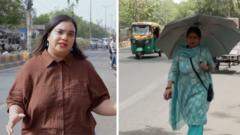
For countless individuals across Delhi, the option to retreat from the sun is a luxury they cannot afford. Daily wage earners, street vendors, and construction workers must endure the scorching heat to provide for their families. This necessity exposes them to severe health risks, transforming routine tasks into formidable tests of endurance. A recent report by the BBC’s Sumedha Pal vividly captured the difficulty of remaining outdoors, noting, “It’s extremely difficult to be standing on the street.” Such observations underscore the precarious balance between economic activity and public safety in these conditions.
The lack of respite for these essential workers not only threatens their immediate well-being but also impacts overall productivity and the stability of local economies. Ensuring their safety while maintaining vital services presents a significant challenge for local governance and public health initiatives.
Public Health and Economic Strain
The prolonged heatwave places immense pressure on India’s healthcare system. Hospitals prepare for an influx of patients suffering from heatstroke, severe dehydration, and other heat-related illnesses. Beyond immediate medical emergencies, the extreme temperatures exacerbate pre-existing conditions, particularly among the elderly and vulnerable populations. This strain on medical resources highlights the need for robust public health infrastructure and proactive measures.
Economically, the heatwave disrupts supply chains and reduces workforce efficiency. Sectors reliant on outdoor labor, from agriculture to construction, face significant downturns, impacting national output and individual incomes. The free market, while resilient, is not immune to such environmental shocks, necessitating careful consideration of adaptive strategies and support mechanisms for affected industries and workers.
The relentless heat poses an extraordinary challenge to daily life, particularly for those whose livelihoods depend on working outdoors.
Maintaining Order Amidst Adversity
In the face of such widespread discomfort and potential crisis, maintaining public order and ensuring access to essential resources becomes paramount. Government advisories, while crucial, must be complemented by practical support, such as readily available public hydration points and accessible cooling centers. The resilience of the Indian populace is undeniable, yet institutions must step forward to mitigate the worst effects of this environmental challenge.
The situation in Delhi serves as a stark reminder of the escalating global climate trends and their direct impact on urban populations. Addressing these challenges requires not only immediate relief efforts but also long-term strategic planning to safeguard public health, ensure economic continuity, and uphold societal stability in an increasingly unpredictable climate.
As the heatwave persists, the focus remains on protecting the most vulnerable and reinforcing the institutional frameworks necessary to navigate such environmental pressures effectively.