Fears are mounting in Jerusalem that the long-standing alliance between the United States and Israel could face unprecedented strain. As President Donald Trump prioritizes a new U.S.-Iran peace agreement, analysts suggest a significant shift in his approach to Prime Minister Benjamin Netanyahu is possible, deeply impacting US-Israel relations. The delicate balance of diplomatic efforts and regional security has been tested by recent events, raising questions about the future trajectory of this vital partnership.
Escalating Diplomatic Tensions and Regional Strikes
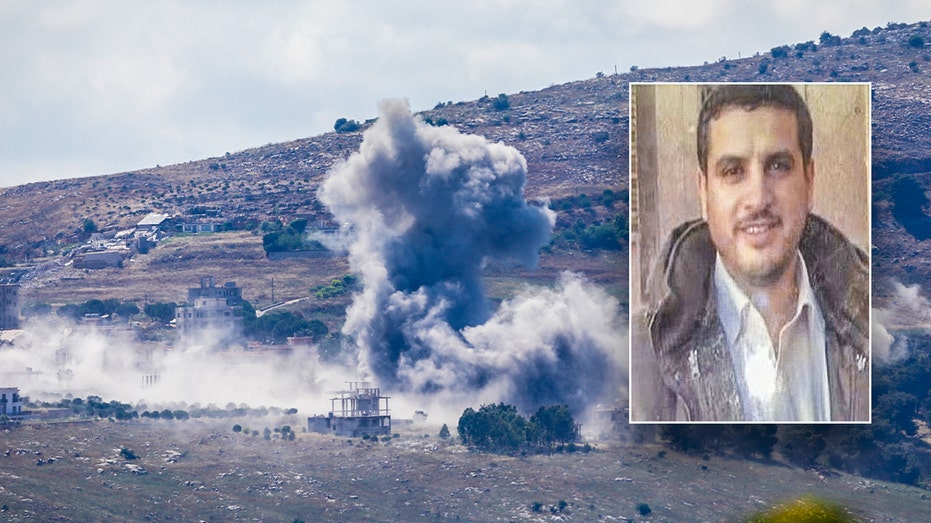
The immediate catalyst for these growing concerns stems from recent Israeli Defense Forces (IDF) strikes in Beirut. These actions, undertaken for a second time, directly followed U.S. warnings that such military operations could jeopardize a potential breakthrough in negotiations with Tehran. Prime Minister Netanyahu convened Israel’s Security Cabinet shortly after President Trump announced an imminent signing of a new U.S.-Iran memorandum of understanding (MOU).
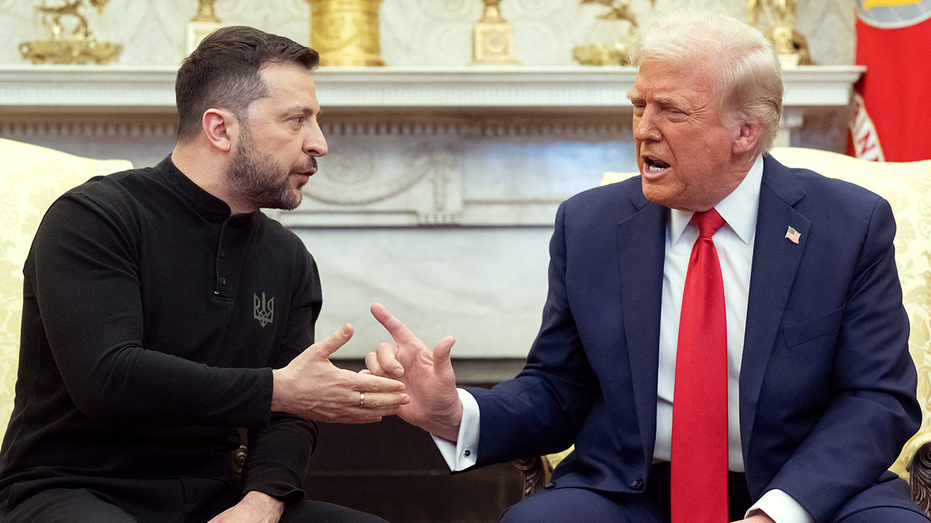
A diplomat involved in the ongoing talks with Tehran, speaking to Fox News Chief Foreign Correspondent Trey Yingst, characterized the Beirut strikes as ‘a clear attempt by Israel to sabotage the president’s deal and drag the United States back into war.’ This sentiment was echoed by President Trump himself, who publicly condemned Israel’s actions on Truth Social and reportedly expressed strong disapproval of Netanyahu’s ‘judgment’ to Axios.
Divergent Strategies and a Deepening Chasm
The core of the current friction appears to lie in fundamentally different strategic approaches towards Iran. Natan Sachs, a senior fellow at the Middle East Institute and an Israeli foreign policy expert, described a ‘rational and healthy fear’ within the Israeli government regarding the pending U.S.-Iran deal. He highlighted a significant strategic chasm between the two allies.
Netanyahu’s long-standing doctrine favors sustained, long-term military pressure against Iran, viewing it as the most effective means to curb Tehran’s regional ambitions and nuclear program. Conversely, President Trump has consistently pursued immediate diplomatic victories, aiming to secure a swift resolution to the protracted standoff. This divergence creates a complex environment where each nation’s actions are viewed through the lens of the other’s strategic objectives.
A senior fellow at the Middle East Institute highlighted a growing sentiment in Israel that President Trump may be tiring of Prime Minister Netanyahu, suggesting a potential ‘flip’ in U.S. policy towards Israel.
Sachs articulated a growing sentiment: ‘Now there is a sense in Israel that Trump may be growing weary of Netanyahu and the Israelis… if he got sick and tired of him, he could break norms in other directions and flip on Israel.’ This perspective underscores the fragility of the current diplomatic landscape and the potential for unexpected shifts in policy.
Implications for the Enduring Alliance
The prospect of President Trump ‘flipping’ on Israel, as suggested by analysts, represents a profound challenge to the bedrock principles of the US-Israel relations. Such a shift could manifest in various ways, from altered diplomatic support to changes in security assistance or even a re-evaluation of shared intelligence protocols. For a conservative digital newspaper like Matox News, the stability of alliances and the preservation of order are paramount, making these developments particularly concerning.
With discussions reportedly advancing through Pakistani mediation, the stakes for both the U.S. and Israel are extraordinarily high. The outcome of the U.S.-Iran negotiations and the subsequent American posture towards Israel will undoubtedly reshape the geopolitical dynamics of the Middle East for years to come. Maintaining strong institutional ties and ensuring clear, consistent communication between allies remains crucial during this period of heightened uncertainty.
As Jerusalem navigates these complex diplomatic waters, the imperative for strategic clarity and mutual understanding between Washington and its allies has rarely been more pronounced. The stability of the Middle East, and indeed global security, hinges significantly on the ability of these key partners to align their objectives and reinforce their long-standing commitments, even amidst tactical disagreements.