The delicate balance of international relations in the Middle East was starkly underscored this week as Iran War diplomacy resumed in Qatar, even as the U.S. military executed defensive strikes against targets on Iran’s Gulf Coast. These simultaneous developments paint a complex picture of ongoing conflict and the arduous pursuit of stability, highlighting the dual imperatives of negotiation and national security.
Escalating Tensions Amidst Diplomatic Efforts
Iranian officials arrived in Doha on Monday for critical negotiations aimed at de-escalating the long-running conflict. Yet, hours prior to these talks, the U.S. military announced it had conducted strikes in the region. These actions, described by American authorities as being in “self-defense,” were reportedly undertaken to protect U.S. troops stationed in the volatile Gulf region.
The timing of these strikes, as reported by publications such as The New York Times, emphasizes the persistent security challenges that complicate diplomatic overtures. For Matox News, such preemptive actions underscore the principle of safeguarding national interests and personnel, a core tenet of responsible governance, even as avenues for peaceful resolution are explored. The objective remains clear: deter aggression while seeking a pathway to lasting order.
Regional Instability: Israel’s Firm Stance
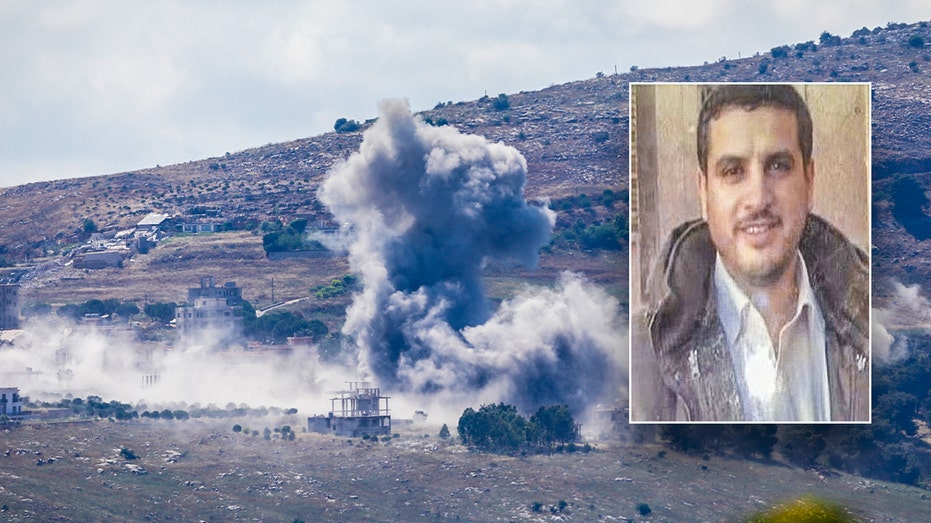
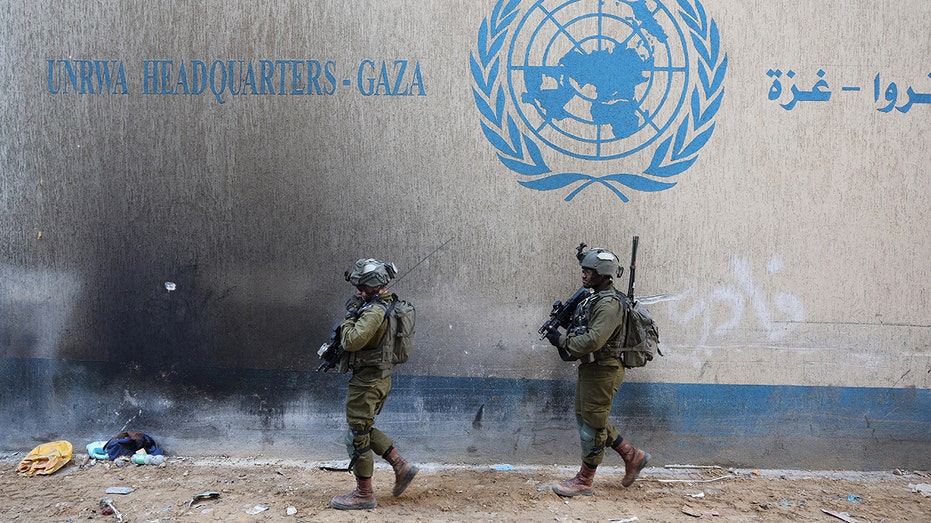
Further compounding the regional volatility, Israel’s leadership has declared an intention to intensify its military operations against Hezbollah, Iran’s prominent ally in Lebanon. This declaration signals a potential escalation of hostilities along another critical front, directly linked to Tehran’s influence network.
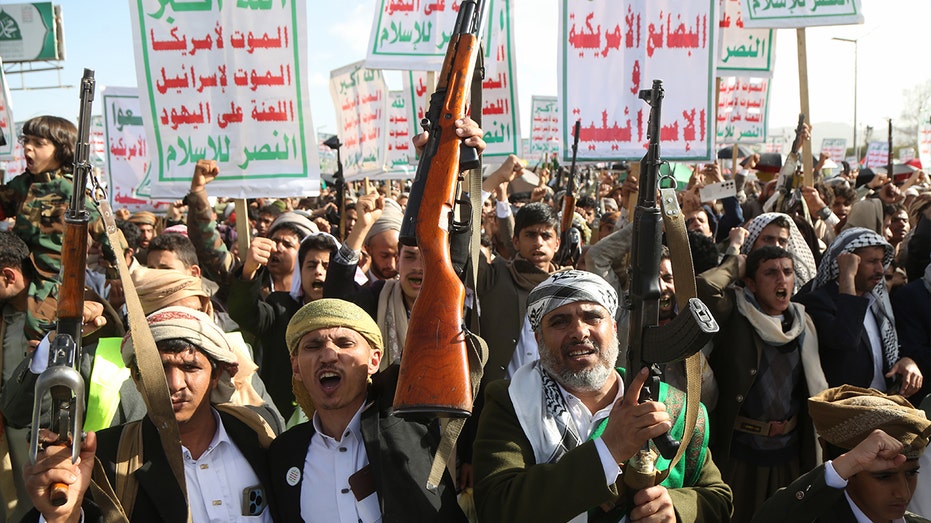
The interconnectedness of these conflicts means that actions against one proxy or ally can reverberate across the entire region. For proponents of stability and order, such developments necessitate a firm stance against state-sponsored actors who destabilize sovereign nations and threaten international peace. The focus remains on curtailing extremist influence and protecting the integrity of regional institutions.
“The pursuit of peace cannot be separated from the imperative of national security; diplomacy without deterrence is often a dialogue without leverage.”
The Dual Track of Pressure and Dialogue
The resumption of talks in Qatar represents a vital, albeit challenging, commitment to diplomatic engagement. These negotiations seek to address the root causes and ongoing manifestations of the Iran War, aiming for outcomes that could foster greater regional security and prevent wider escalation.
However, the concurrent military actions by the U.S. and Israel’s stated intentions highlight a persistent dilemma:
- Maintaining Deterrence: The need for robust defense and a credible deterrent against hostile actions remains paramount.
- Protecting Personnel: Ensuring the safety of military and diplomatic personnel deployed in high-risk zones.
- Countering Extremism: Addressing the destabilizing role of extremist groups and their state sponsors.
- Seeking Lasting Peace: The long-term goal of a secure and prosperous Middle East, free from constant conflict.
Navigating this complex landscape requires a balanced approach, where strong, decisive action to protect interests is coupled with persistent, professional diplomatic engagement. The international community, led by responsible nations, must continue to champion dialogue while standing ready to uphold global order against those who seek to undermine it.
Outlook: A Precarious Path to Peace
The current situation underscores the precarious nature of achieving lasting peace in the Middle East. While diplomatic channels remain open, the underlying tensions and the willingness of various actors to employ military force mean that the region remains on a knife-edge. Matox News believes that a strong, principled approach—one that prioritizes national security, supports international institutions, and resists extremist pressures—is essential for guiding the region towards a more stable future. The path ahead demands both unwavering resolve and strategic flexibility.